

2025 Hyundai Santa Fe HEV Prestige Review

 Share
Share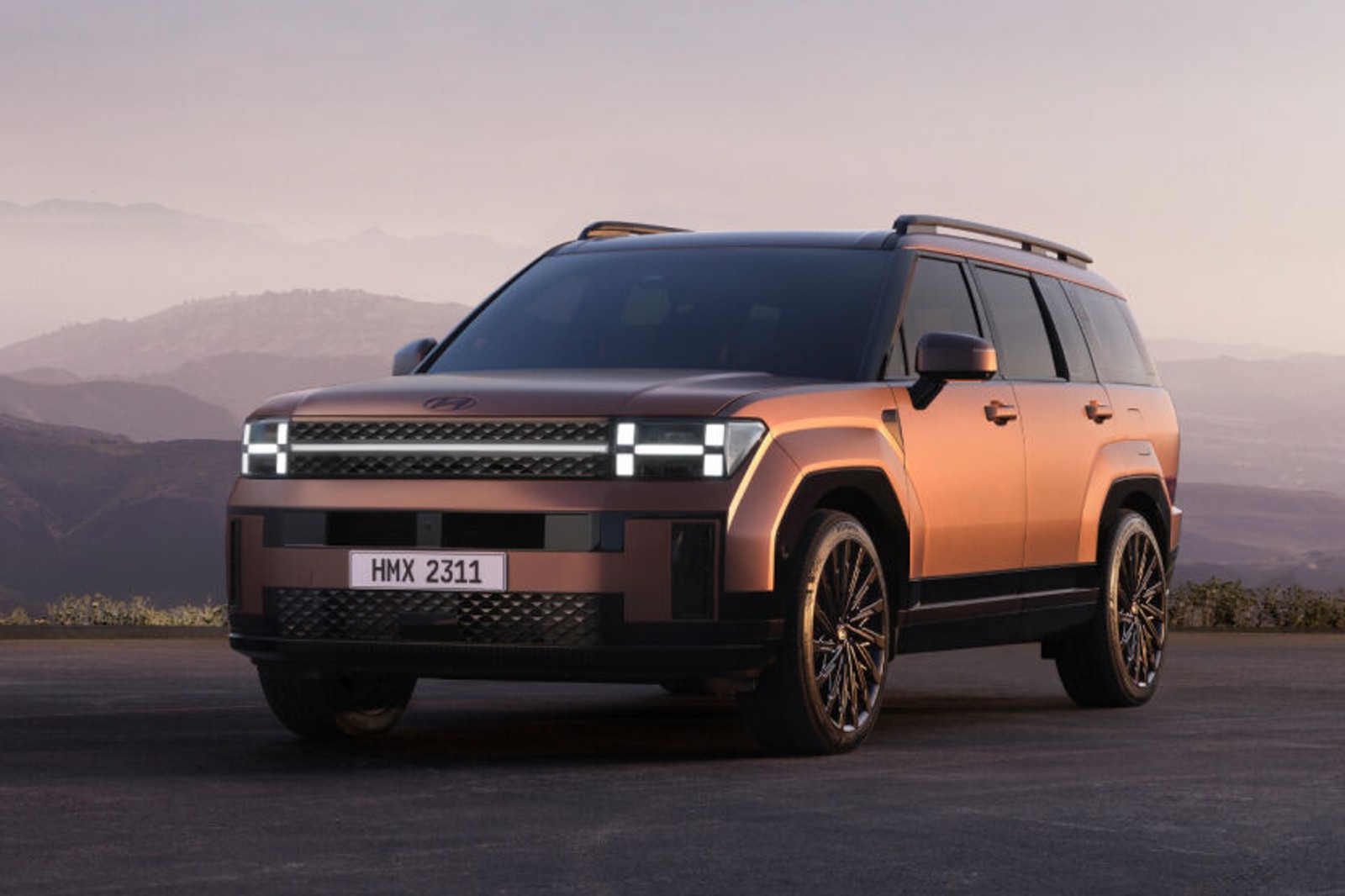
 Segment
 Body Type
 Capacity(L)
 Engine Power(PS)
 Engine Torque(Nm)
 Transmission
The D-segment SUV market has been heating up in Malaysia in recent years, as family users increasingly demand 7-seater spacious cabins, high configurations, and fuel efficiency, addressing both daily commuting needs and weekend family outings with roominess and comfort. The 2025 Hyundai Santa Fe HEV Prestige, launched this July, aims squarely at this niche market with its fuel efficiency advantage brought by the 1.6T hybrid system, a comprehensive intelligent safety configuration, and a flexible 7-seater layout as its key selling points. In this test drive, we will focus on verifying whether its actual performance matches its positioning.
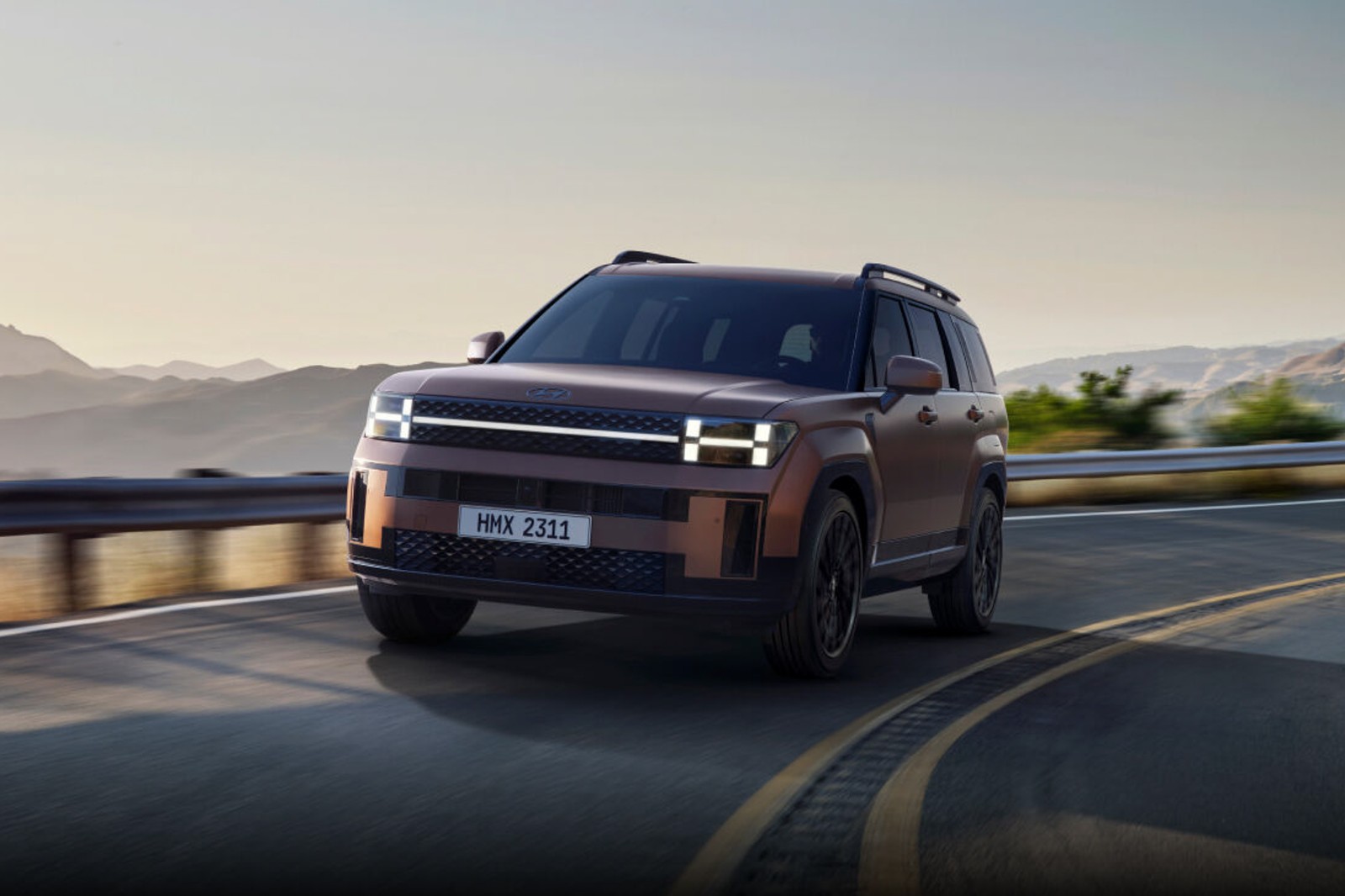
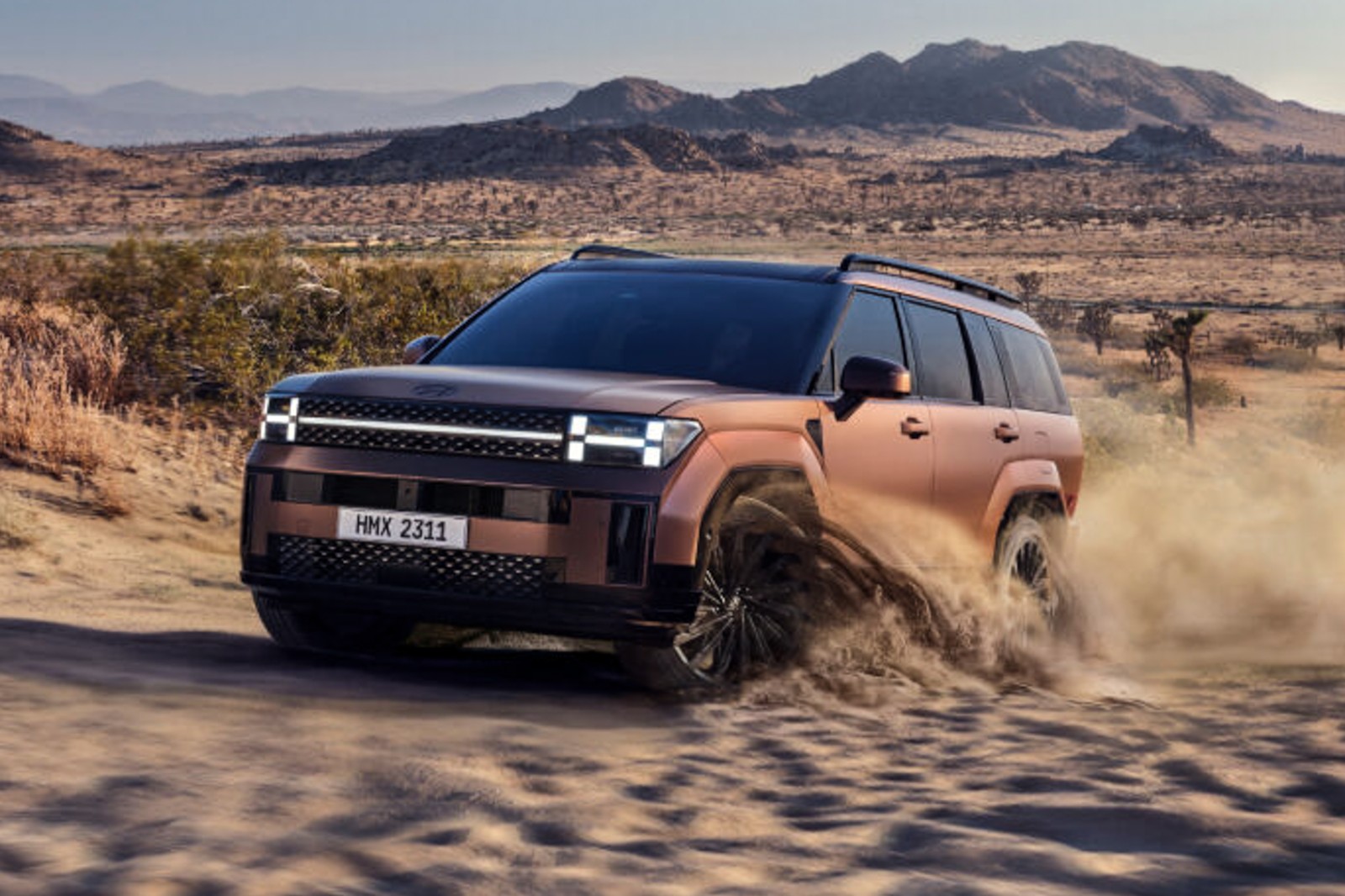
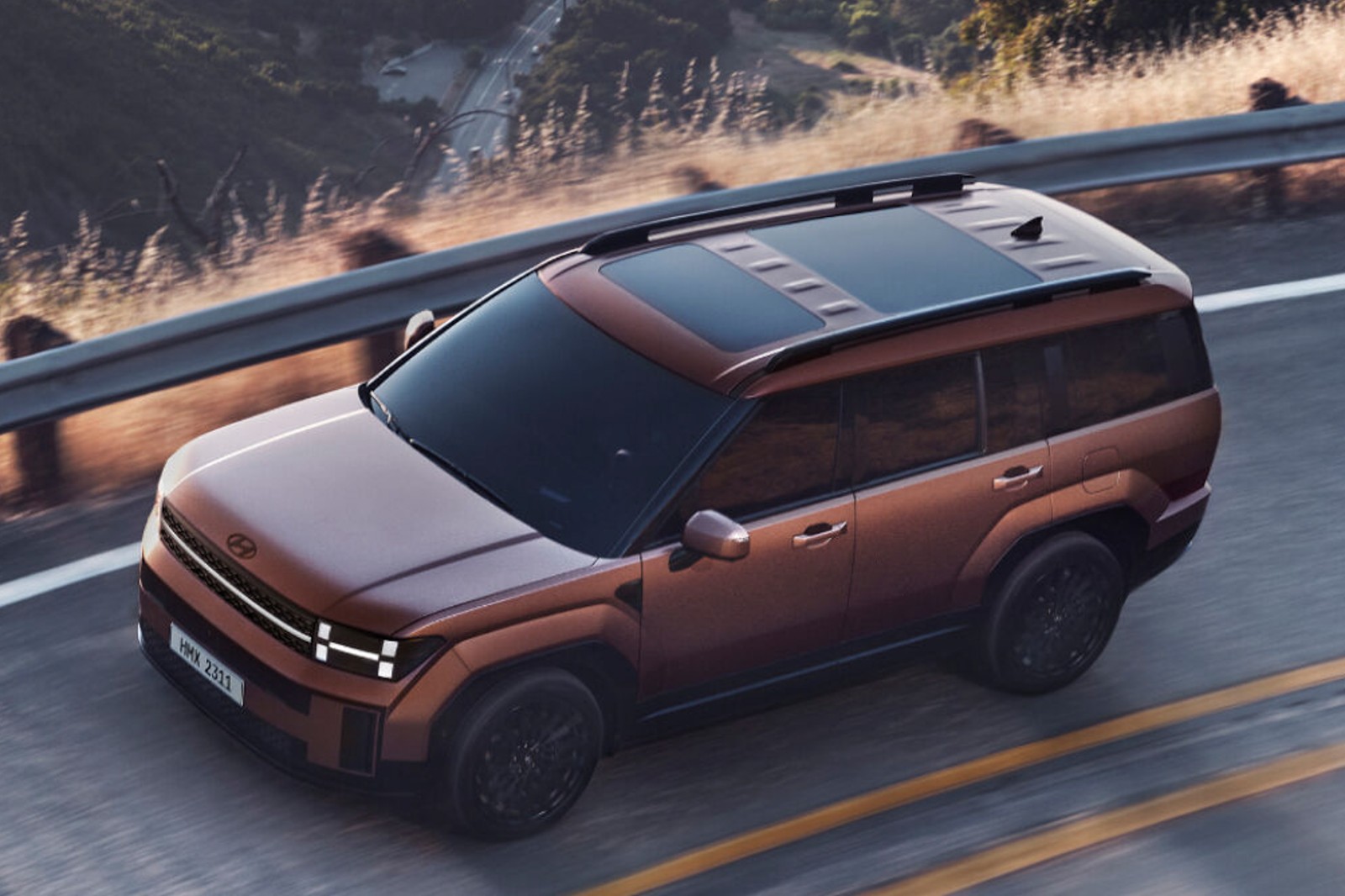
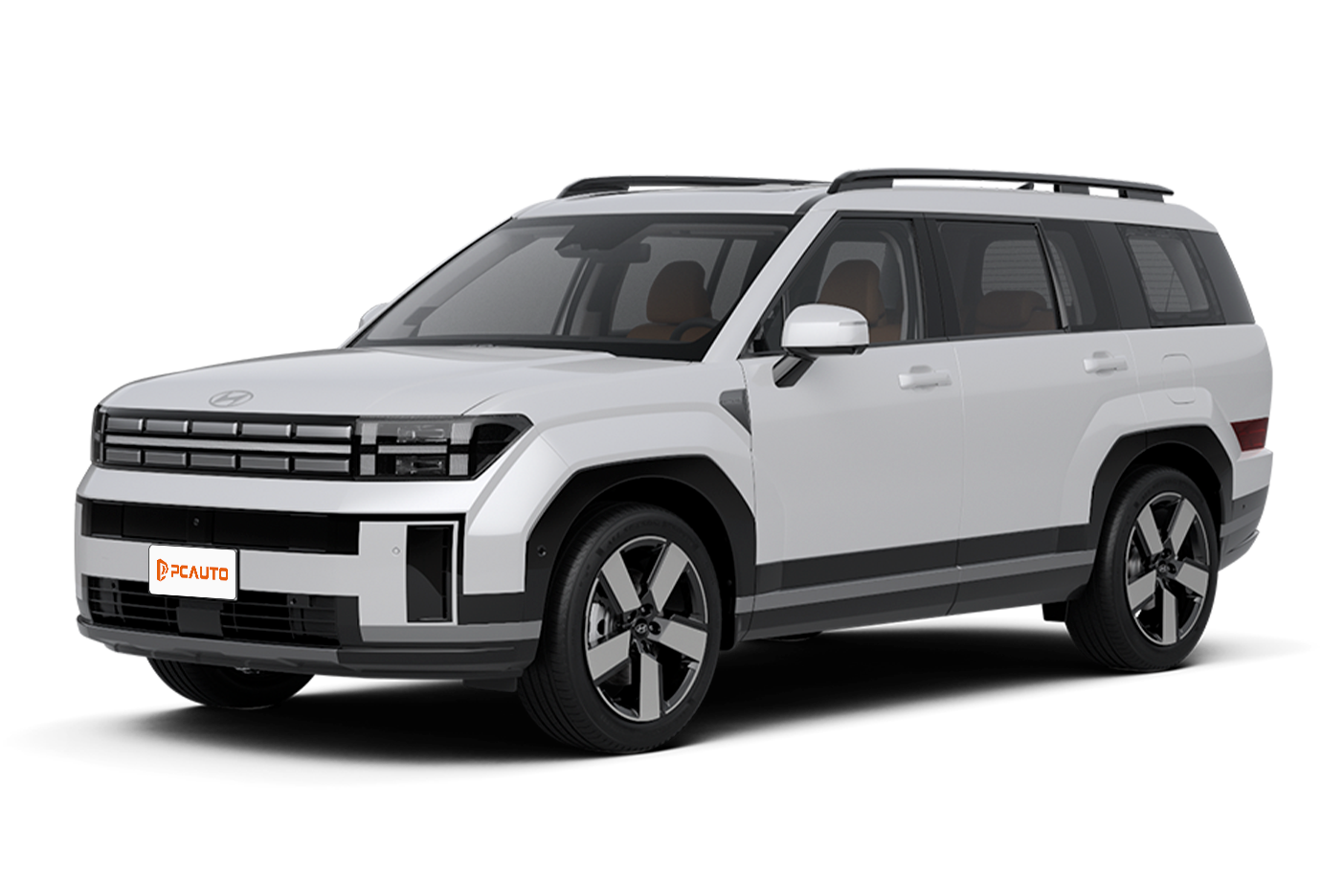
In terms of exterior design, the 2025 Santa Fe HEV Prestige takes a robust and imposing route. The overall silhouette is square, with the front featuring a large trapezoidal grille, filled with a black mesh structure. It is paired with sharp LED headlights on both sides, providing a distinctive look. The side profile reflects straight lines, with a shoulder line extending from the front fender to the rear, enhancing a sense of strength. The 20-inch multi-spoke alloy wheels paired with 255/45 R20 tires further reinforce its visual stability. At the rear, the LED taillights form a continuous band echoing the front design, while the silver skid plate on the lower part of the rear bumper adds a touch of off-road flair. The overall shape suits the aura of a D-segment SUV.
Inside, the interior predominantly uses dark tones, with a dashboard covered in soft-touch materials and accented by metal trims, offering a premium feel. The highlight of the interior is the dual-screen design, composed of a 12.3-inch fully digital instrument cluster and a 12.3-inch curved central control screen. The operation smoothness and display clarity achieve mainstream standards for the segment. The front seats offer electric adjustment, with moderate wrapping and support, making them comfortable for long drives. The second-row seats are 60:40 split-folding and feature a one-touch tumble function for easy third-row access. The third-row seats are 50:50 split-folding, which, when folded down, extends into a flat trunk space. Features like the HUD head-up display, BOSE 12-speaker audio system, dual-zone automatic air conditioning, and independent air vents for the rear rows ensure both convenience and comfort for daily use.
In terms of space, the dimensions of the car measure 4830mm×1900mm×1770mm, with a wheelbase of 2815mm, making it slightly above average for a D-segment SUV. The front seating area is spacious, leaving a height clearance of one fist and two fingers for passengers with a height of 175cm after adjusting their seats. The second-row legroom offers around two fists' space in its normal position and won’t significantly affect third-row seating even when adjusted to the backmost position. The third row is more suitable for children or adults on short trips, as the legroom feels a bit tight, but headroom is still acceptable. Regarding storage capacity, the trunk can accommodate two 20-inch carry-on cases in the 7-seater configuration and expands to hold four 28-inch suitcases when the third-row seats are folded down, fulfilling the loading needs for family trips.
As for the powertrain, this system combines a 1.6T turbocharged engine with a permanent magnet synchronous motor, delivering a total output of 235PS and a combined torque of 367N·m, matched with a 6-speed automatic transmission. During actual driving, the motor's quick engagement at start-up provides responsive power, avoiding the sluggishness commonly associated with low torque in petrol-powered cars. During low to medium-speed acceleration, the engine and motor work in harmony, delivering smooth and continuous power output. When overtaking and stepping hard on the accelerator, the transmission downshifts actively, offering impressive acceleration thrust. There are three driving modes to choose from: Eco, Comfort, and Sport. In Eco mode, the power output is more moderate, making it suitable for daily commuting. In Sport mode, the throttle response becomes more sensitive, and engine revolutions remain in higher ranges, making it ideal for highway driving or rapid acceleration scenarios.
In terms of handling, the steering wheel has moderate steering force, good pointing accuracy, and minimal dead zone; the suspension system adopts a front MacPherson and rear multi-link independent suspension, which is tuned for comfort, absorbing most minor bumps on the road smoothly. Vibrations when passing speed bumps are also well suppressed. However, during fast cornering, body roll becomes more noticeable, which is a common characteristic of SUV models. The braking performance is stable, with a moderate brake pedal travel distance. The initial braking power is linear, and the latter stage provides ample strength, giving drivers enough confidence during emergency braking.
In terms of fuel consumption, we drove 50km each on city congested roads and highways. The average fuel consumption in the city was around 6.8L/100km, and about 5.5L/100km on the highway, with a combined fuel consumption of approximately 6.2L/100km. Compared to traditional fuel-engine SUVs of the same class, it has a significant fuel efficiency advantage. As for noise control, the interior remains fairly quiet during low to medium-speed driving, with tire and wind noise not being noticeable. At higher speeds, wind noise increases slightly but still remains within an acceptable range, not affecting normal conversations among passengers inside the vehicle.
In terms of safety features, the Santa Fe HEV Prestige is fully equipped with 10 safety airbags, an L2-level driving assistance system (including ACC adaptive cruise control, lane departure warning, forward collision warning, lane change assist, etc.), 360-degree surround view camera, front and rear radar, and more. These features provide all-around safety protection for daily driving.
Overall, the core advantages of the 2025 Hyundai Santa Fe HEV Prestige are its fuel economy due to the hybrid system, its rich features, and the flexibility of its 7-seat layout. Compared to similarly-classed Toyota Fortuner or Ford Everest, it has an edge in fuel consumption and smart features; compared to the Kia Sorento HEV, both share a similar powertrain, but the Santa Fe has a longer wheelbase with better space performance.
This car is suitable for users who value fuel efficiency and family practicality, especially families who need 7-seat space and often go on road trips. It meets the needs of daily commuting and is also capable of handling long-distance travel challenges. It is a well-balanced D-segment hybrid SUV. If you're looking for a 7-seat SUV with rich features and low fuel consumption, the Santa Fe HEV Prestige is worth considering.
Hyundai Santa Fe Car Compare
Hyundai Santa Fe Loan Calculator
More Hyundai Reviews
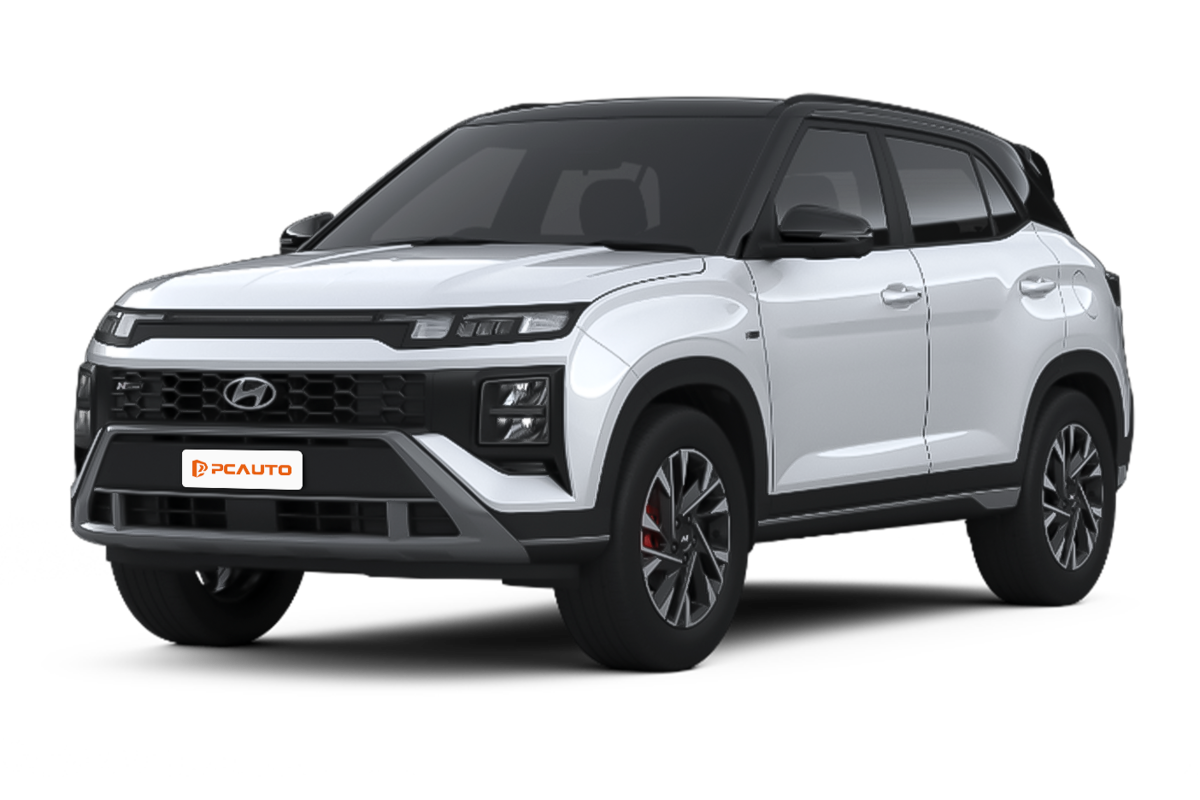
Cars With Similar Price And Features
21
Rank in SUV
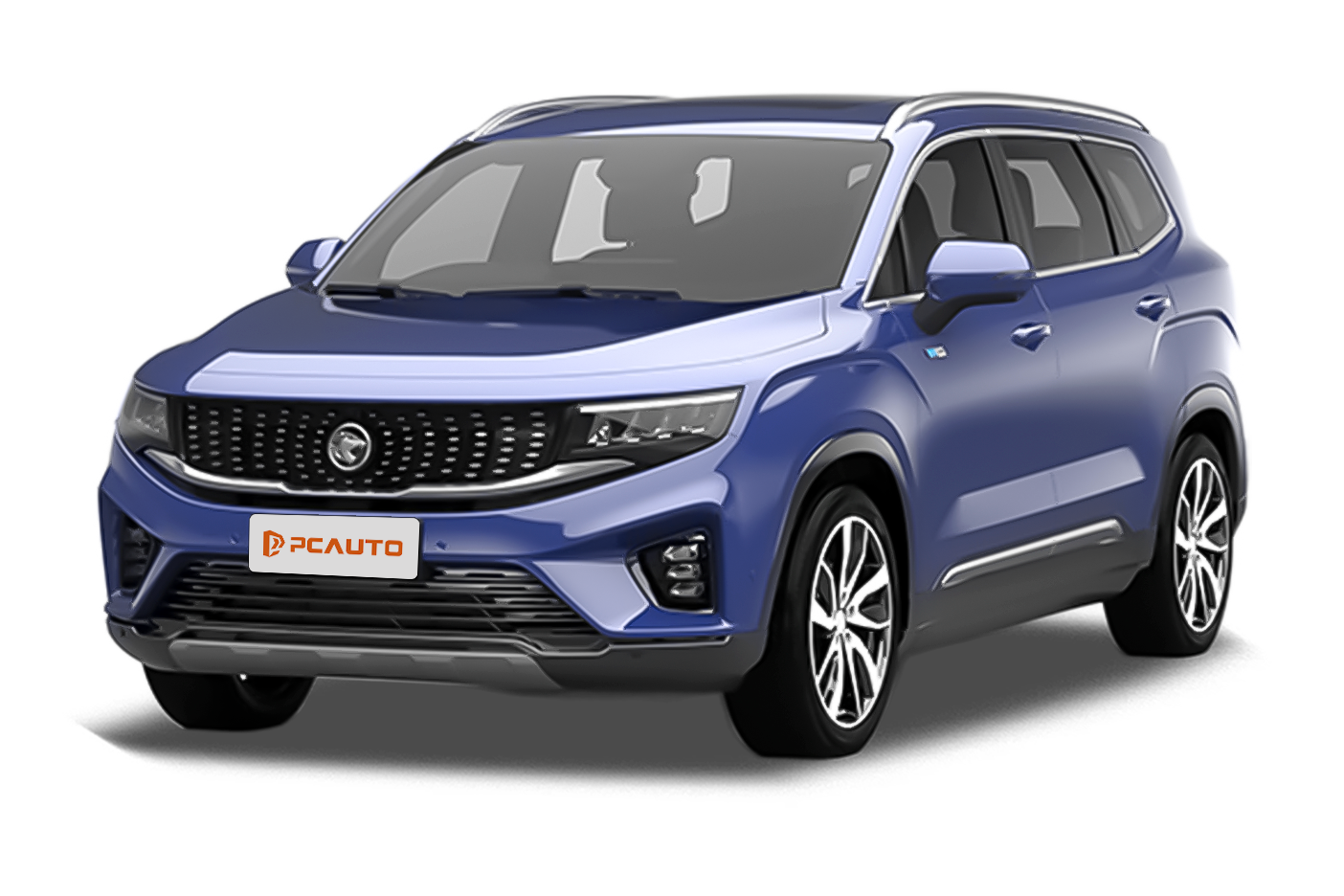
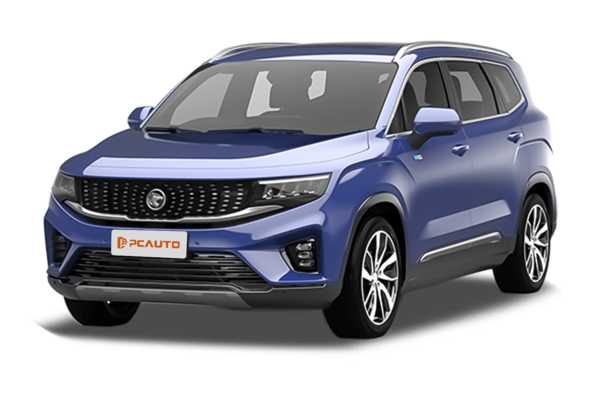
Proton X90 1.5TGDI BSG Standard 2023 is a family-oriented mid-size SUV that balances the practicality of a spacious 7-seater, the fuel economy of 1.5T mild hybrid, and mainstream technology features, offering outstanding value for money.

11
Rank in SUV
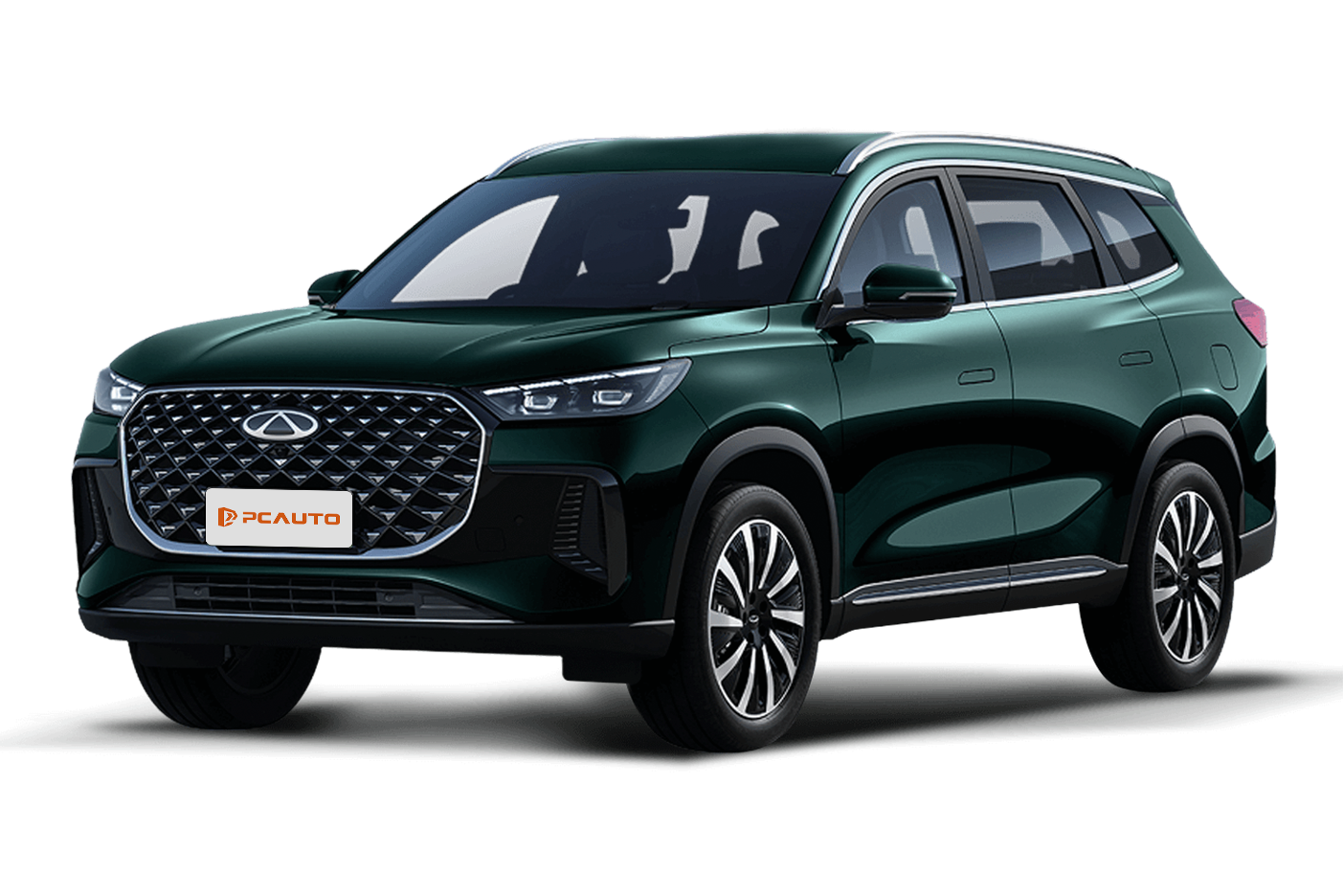
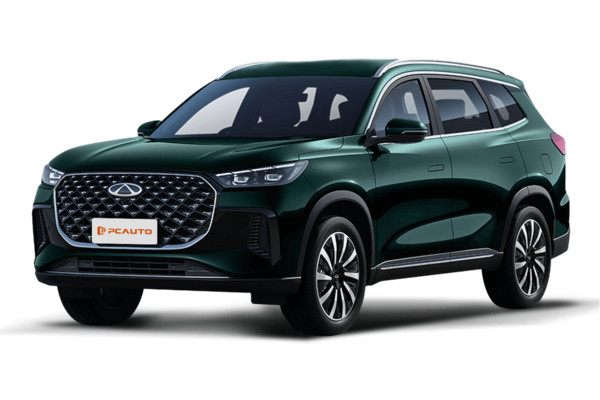
2026 Chery Tiggo 8 is a D-Segment SUV aimed at family users, offering superior configurations, practical space, and smooth power at a high cost-performance ratio, meeting both commuting and light off-road needs.
16
Rank in SUV

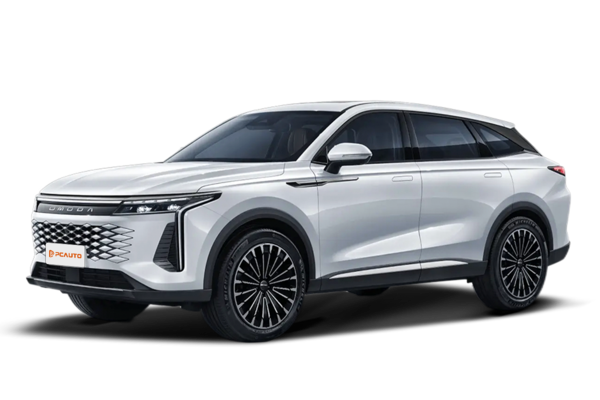
2024 Chery OMODA C9 2WD with 2.0T+8AT powertrain, L2 level assistance, and dual 12.3-inch screens, breaking the stalemate in the D-Segment market and becoming a high-value disruptor.

2022 Volvo XC60 B5 Momentum is a mid-size luxury SUV with strong safety features, equipped with a 48V mild hybrid system, practical space, and high cost-effectiveness, meeting the needs of both families and young users.