

Infiniti Q50 2016 Review

 Share
Share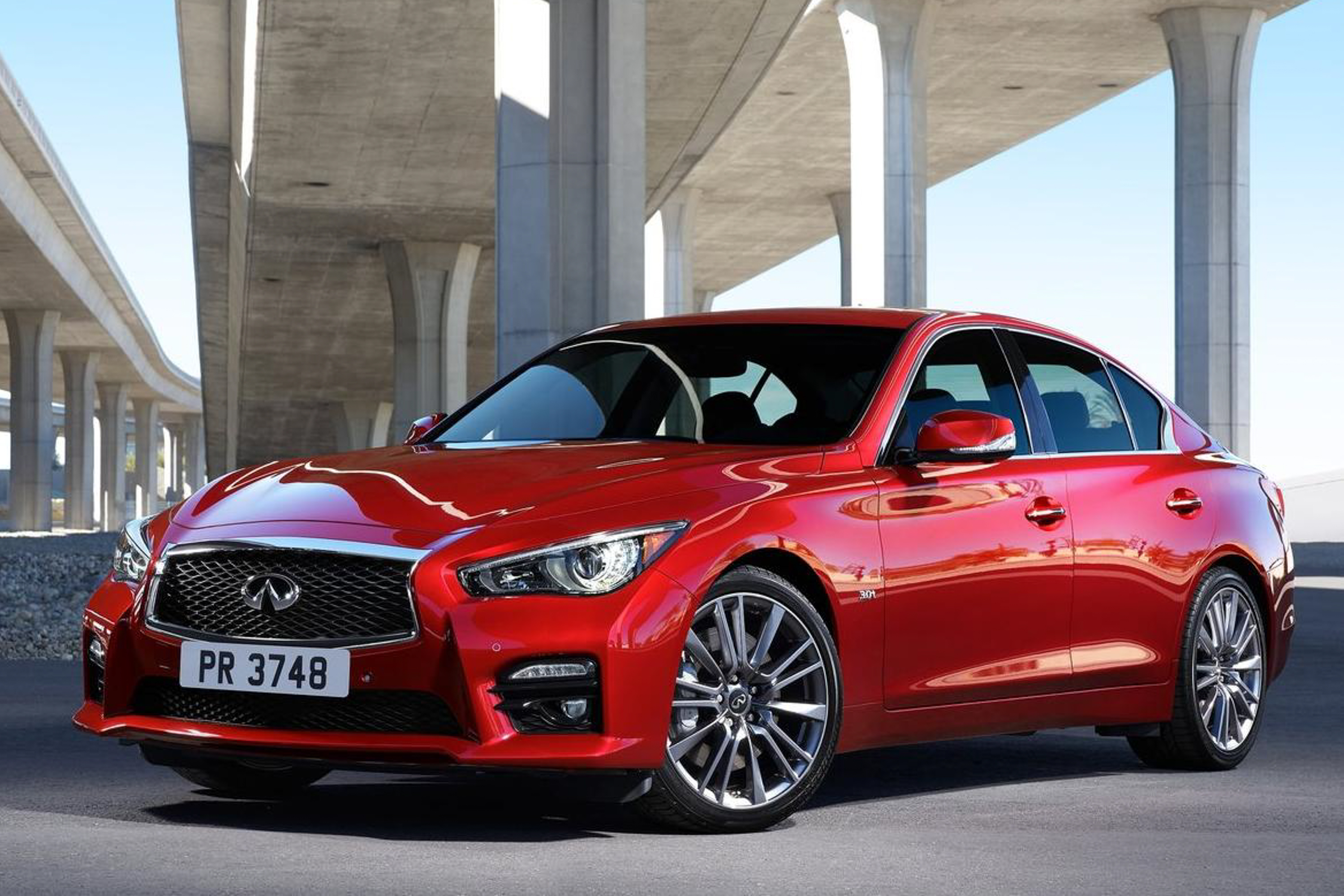
 Body Type
 Segment
 Capacity(L)
 Engine Power(PS)
 Engine Torque(Nm)
 Transmission
Recently, in Malaysia's luxury mid-size sedan market, many consumers are turning their attention to models that combine brand appeal with driving pleasure. After all, in the price range of RM 300,000 to RM 400,000, beyond the German Big Three, Japanese luxury brands are increasingly being considered by more people. As the flagship sedan of the brand, the 2016 Infiniti Q50 public model has targeted improvements in both configuration and comfort while maintaining its sporty DNA. Can it break the monopoly of the German brands? This test drive will comprehensively examine its performance, from static design to dynamic experience.
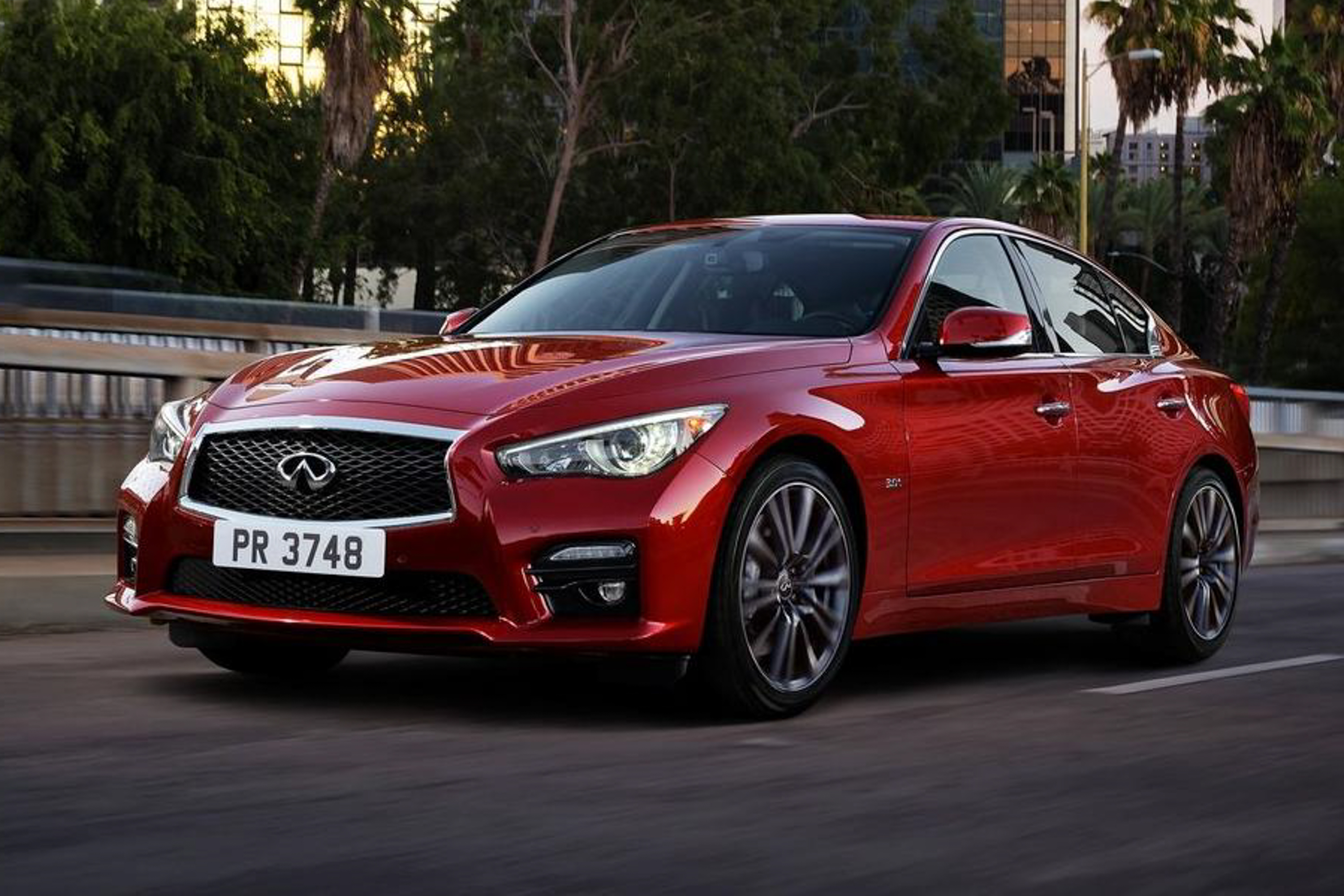
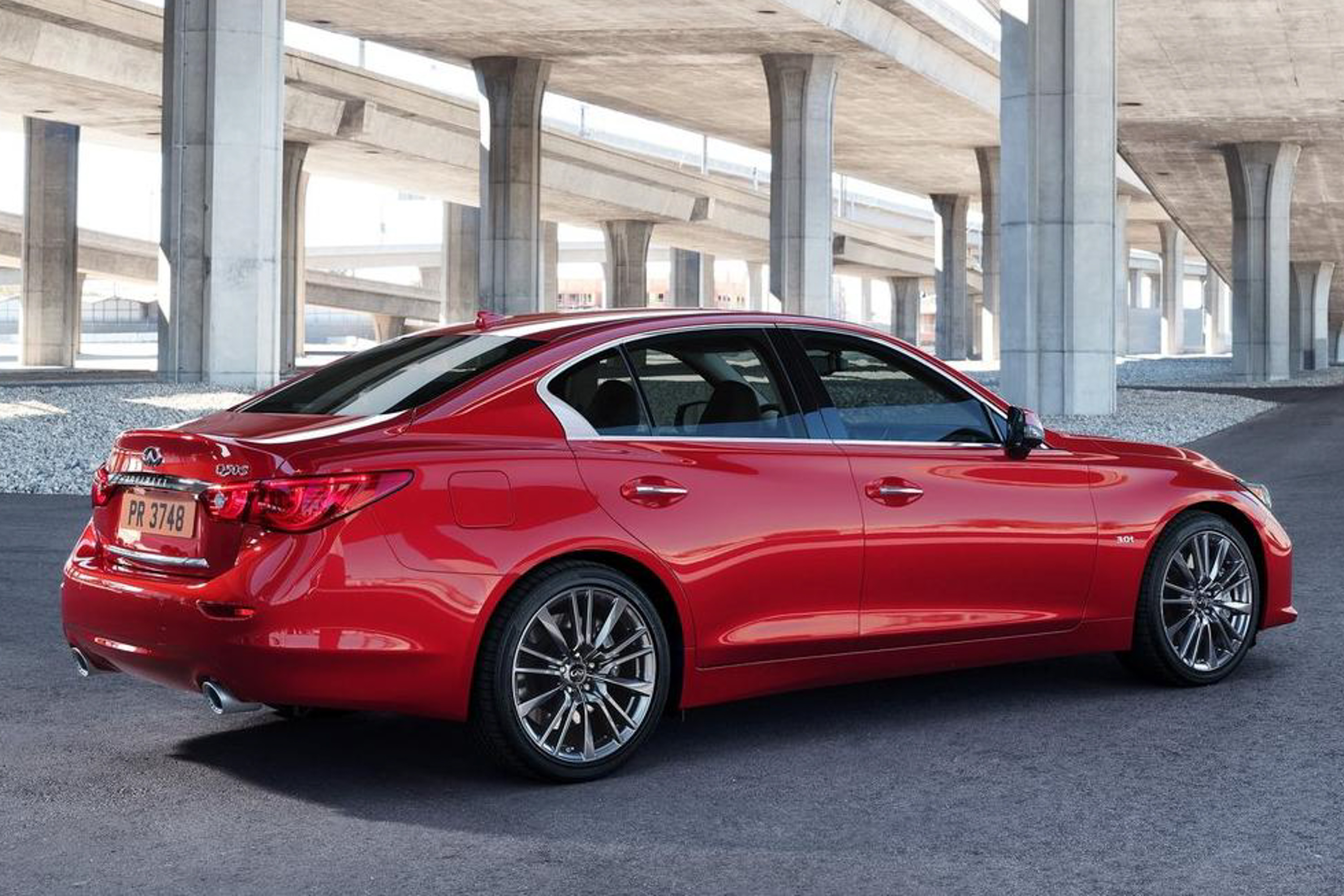
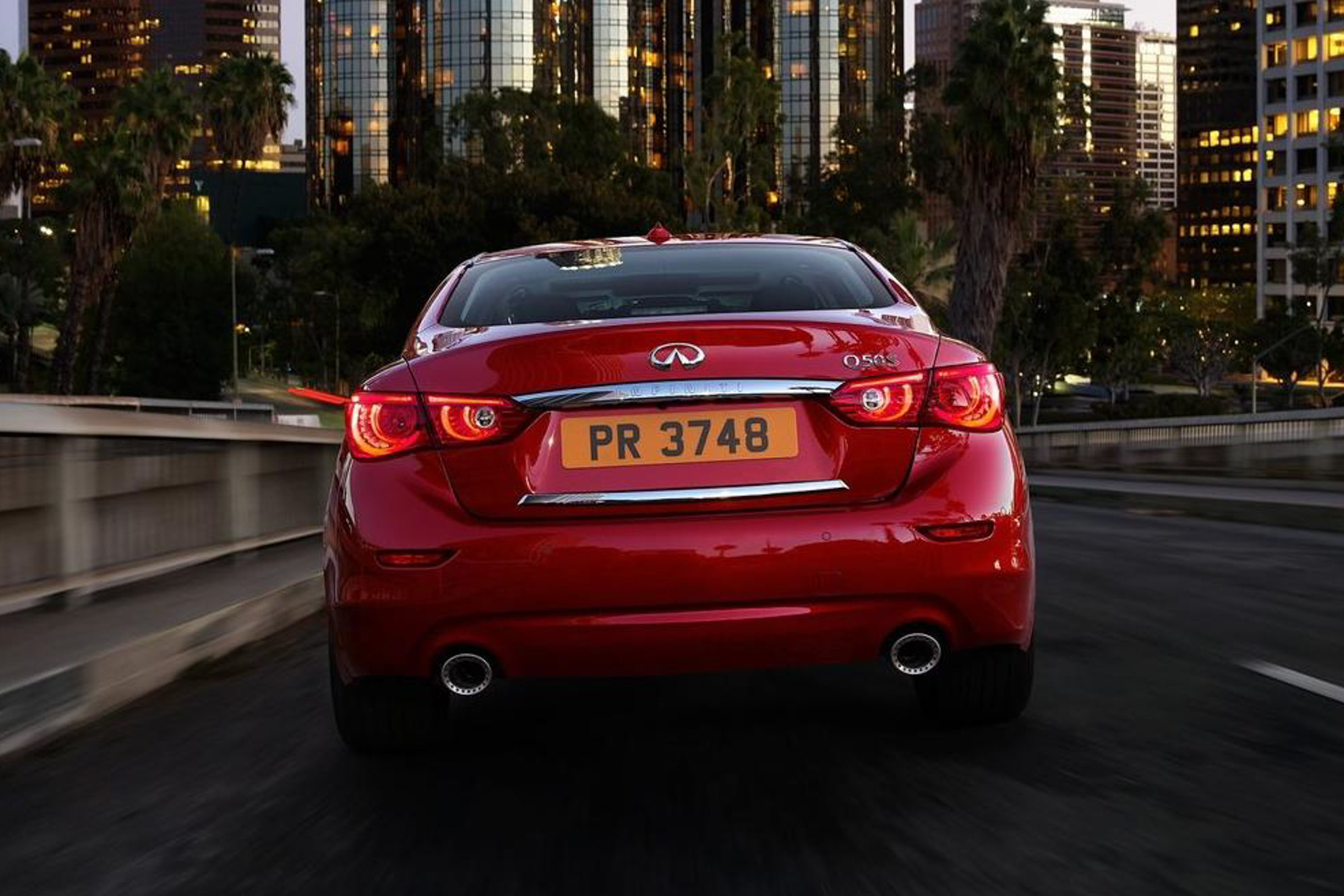
In terms of appearance, the 2016 Q50 public adopts a family-style sporty design. The front features a large double-arch grille with chrome trims, offering high recognition; the LED headlights have sharp shapes, with clear internal lens structures that produce a striking visual effect when lit. The car's side profile features smooth lines, with the waistline running from the front to the rear, coupled with 17-inch multi-spoke alloy wheels for a harmonious overall proportion. At the rear, the taillights are smoked, complementing the shape of the headlights, while the dual-exhaust layout emphasizes the sporty feel. In details, chrome trims on the lower edges of the body and chrome accents on the door handles add a touch of luxury.
Inside the car, the interior design leans towards the driver. The center console is tilted towards the driver's seat, with a clear button layout, making frequently used functions easily accessible. As for materials, the seats and the inside of the door panels are wrapped in leather, delivering a soft touch; the upper part of the center console is covered in soft materials, highlighted by metal trims. Overall, the texture ranks above average within its class. In terms of configuration, the 8-inch central touch screen supports Bluetooth connectivity and a reverse camera, and its operation is quite smooth; the multifunction steering wheel includes cruise control and volume adjustment, making daily use convenient. The front seats offer electric adjustments with manually adjustable lumbar support, ensuring comfort for long drives.
The space performance aligns with the positioning of a mid-size sedan. The dimensions are 4790mm×1820mm×1450mm, with a wheelbase of 2850mm. After adjusting the front seat to a suitable position, the headroom is about one fist and two fingers, with ample legroom; the rear seats can accommodate three adults without feeling cramped, with about one fist of headroom and two fists of legroom, and the low raised floor makes it friendly for the middle passenger. Storage space is adequate as well—the door pockets can hold two water bottles, the center armrest box is spacious with layered designs, and the trunk has a standard capacity of 450 liters, which can be expanded by folding down the rear seats, meeting the daily needs of families or short-distance travel.
In terms of power, the 2016 Q50 public is equipped with a 2.0T turbocharged engine, delivering a maximum power of 155kW (211 horsepower) and a maximum torque of 350N·m, paired with a 7-speed automatic transmission. During actual driving, the power response is active in the initial stages, and a slight press on the accelerator gives a noticeable push-back feeling; mid-to-late-stage acceleration is also strong. During overtaking, pressing the accelerator deeply prompts the transmission to downshift quickly, ensuring a smooth power output. There are three driving modes to choose from: Standard, Sport, and Eco. In Sport mode, the throttle response becomes more sensitive, and gear shifts are delayed, suitable for moments when you desire driving excitement; Eco mode, on the other hand, focuses more on fuel economy, ideal for daily commuting.
The handling performance is impressive. The steering wheel is precise with minimal play, uniform effort when turning, light at low speeds, and stable at high speeds, giving the driver plenty of confidence. The suspension system is tuned for sportiness while maintaining a certain level of comfort. When crossing speed bumps or rough roads, it filters out most small vibrations, and the car body doesn’t bounce noticeably. When cornering, the suspension provides good support, with well-controlled body roll and stable posture. In terms of fuel consumption, the average fuel consumption under mixed driving conditions is about 8.5L per 100 km, and it can drop to 7L during highway cruising. For a 2.0T engine, this performance is considered reasonable.
Noise control is done well. At speeds below 80km/h, wind noise and tire noise are not noticeable; above 100km/h, wind noise slightly increases but does not affect the conversation inside the car. The seats offer good support and wrapping, so even during long drives, the hips and lower back won't feel tired. Overall, the driving and riding comfort is excellent among cars in its class.
In summary, the core advantages of the 2016 Infiniti Q50 public lie in its sporty exterior design, decent interior quality, ample space, and smooth yet powerful power performance. Compared to the same-class German models, its configuration is more practical, and the price is more competitive; compared to Japanese competitors, its handling and driving pleasure stand out. It’s suitable for those who value brand style while needing a balance between daily use and driving fun, such as young families or professionals who favor sporty styles.
All in all, the 2016 Infiniti Q50 public is a well-balanced midsize luxury sedan that strikes a good balance between design, space, power, and handling. If you are looking for a luxury car that is not overly common yet meets the needs of various scenarios, it’s worth a try.
Infiniti Q50 Car Compare

More Infiniti Reviews
Cars With Similar Price And Features
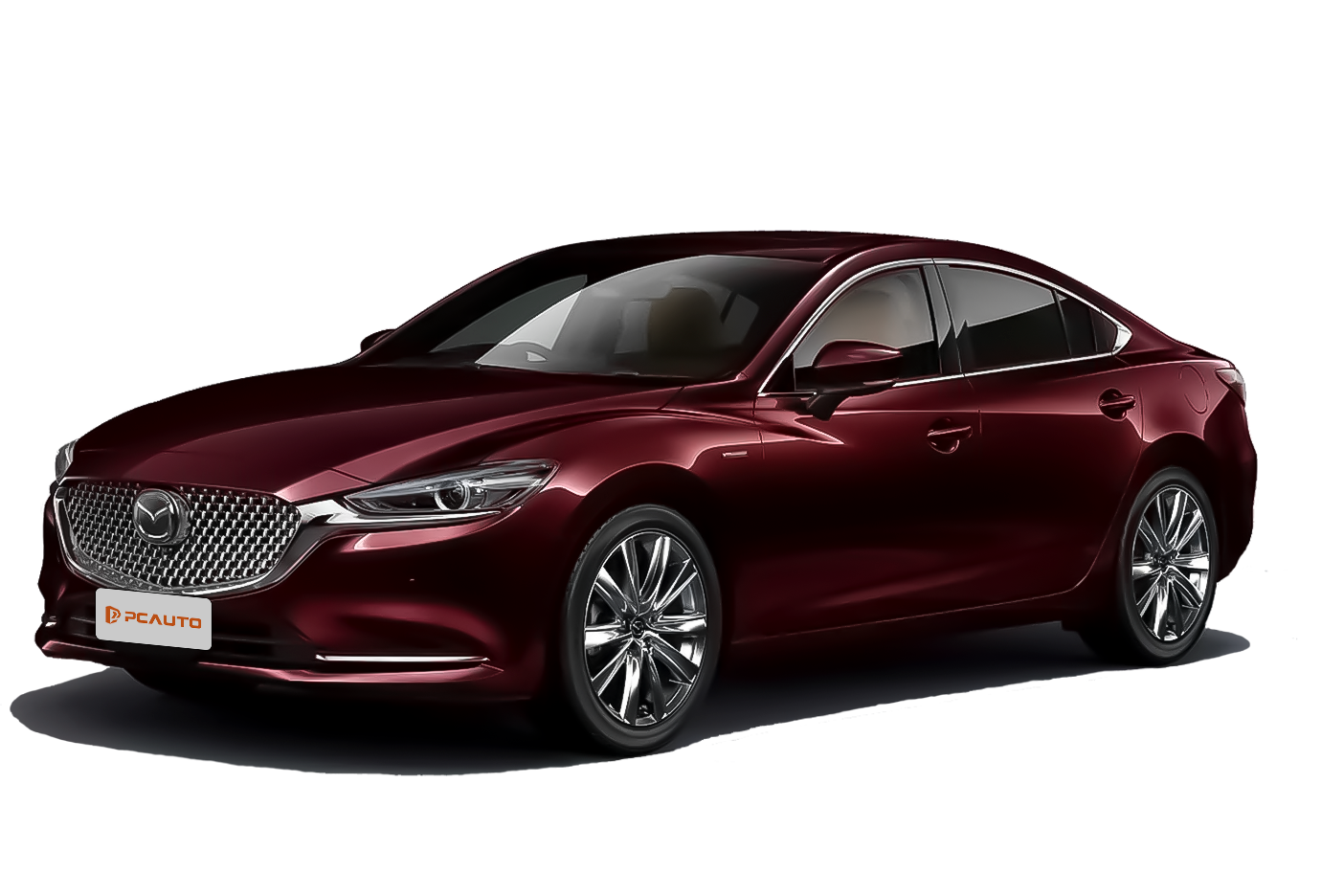
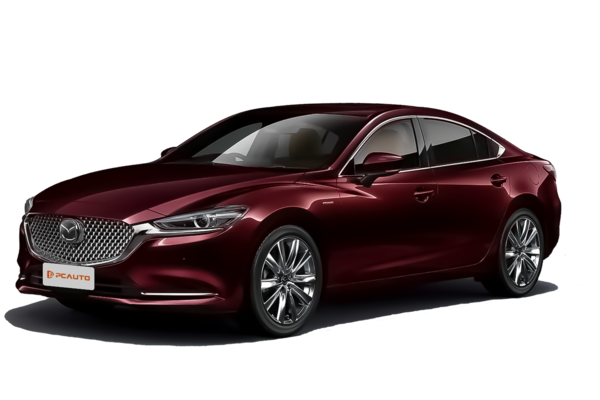
2023 Mazda 6 Sedan 2.0 SkyActiv-G meets the rational needs of family users for joint-venture quality, comfortable configurations, and fuel economy with its KODO design, practical space, and balanced driving control.

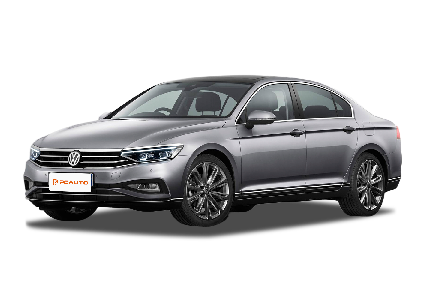
2022 Volkswagen Passat 2.0 TSI R-Line combines business elegance with sporty personality, featuring 220PS power, 14-way massage seats, and Harman Kardon audio system to meet the diverse needs of families and young professionals.
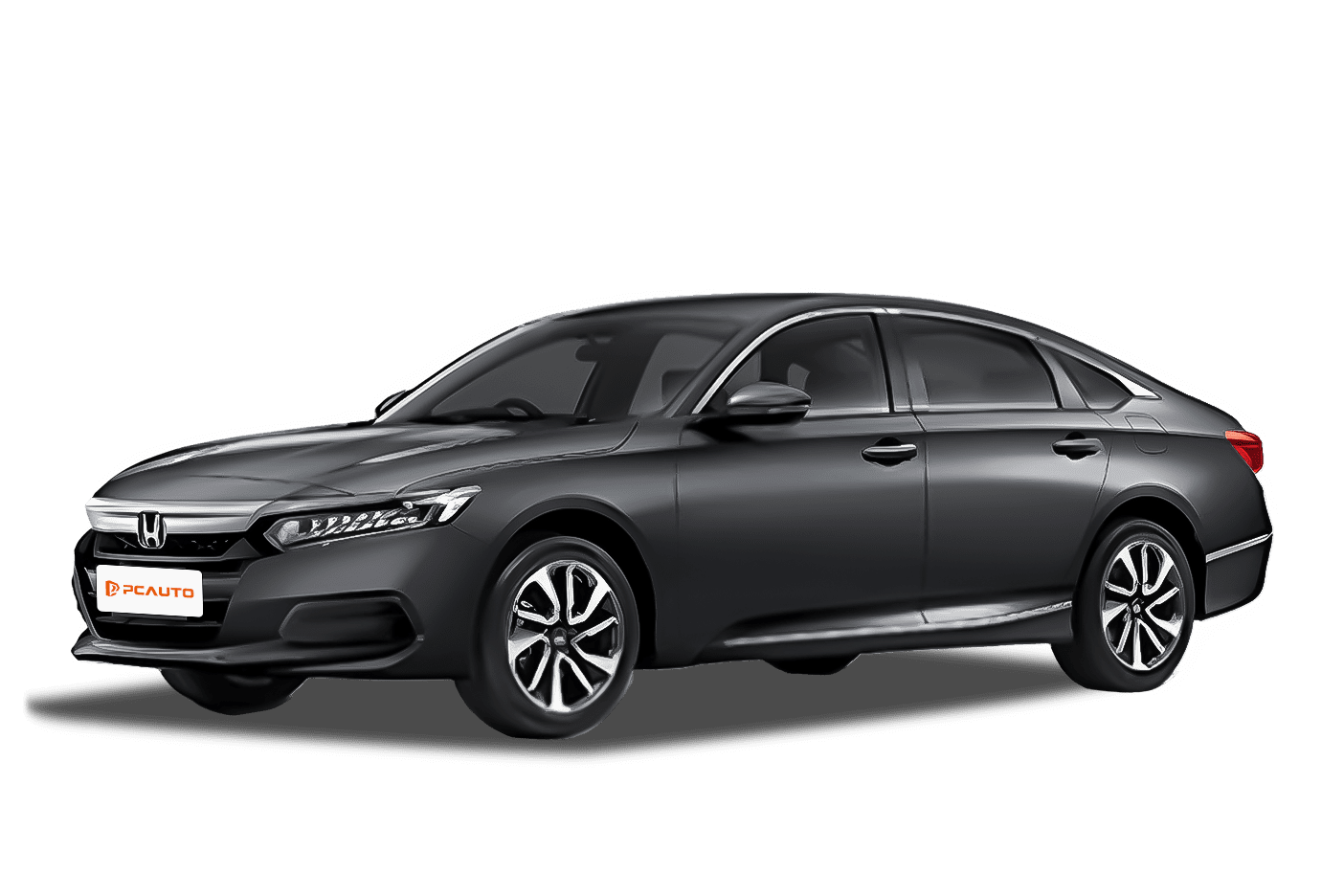
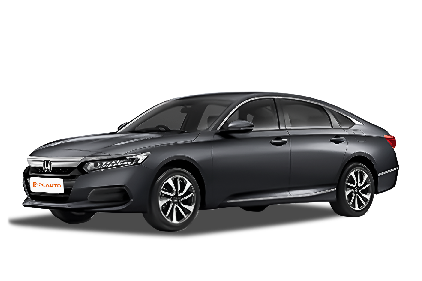
The 2023 Honda Accord 1.5 TC is a D-segment sedan that balances both business and family use, with core selling points of spacious interior, comfortable driving, and efficient performance, making it suitable for practical family users.
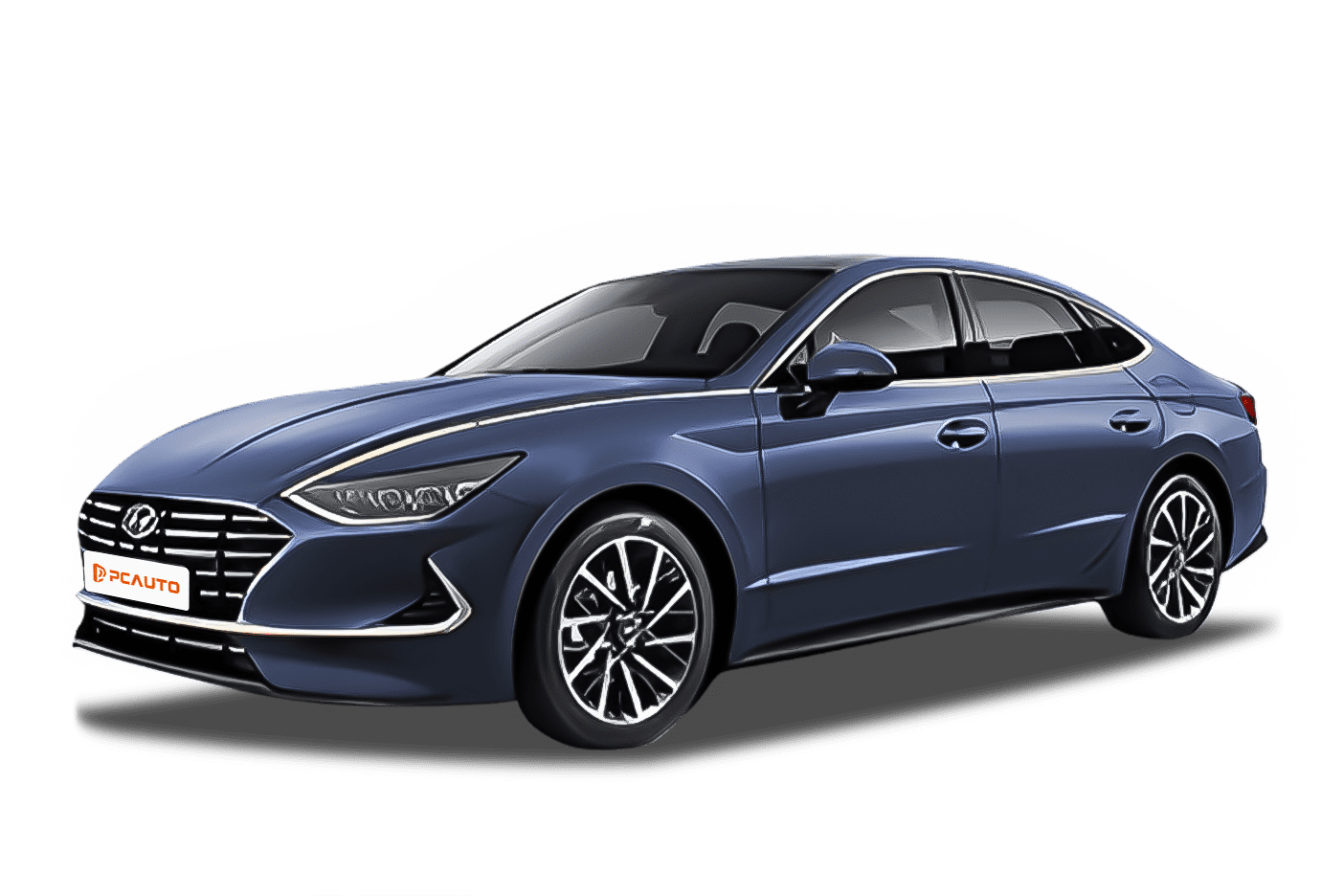
2024 Hyundai Sonata public is positioned as a D-Segment family and business sedan, combining dynamic design, practical configurations, and spacious space, balancing power and fuel consumption, safe and reliable.