

Isuzu D-MAX 2022 Review

 Share
Share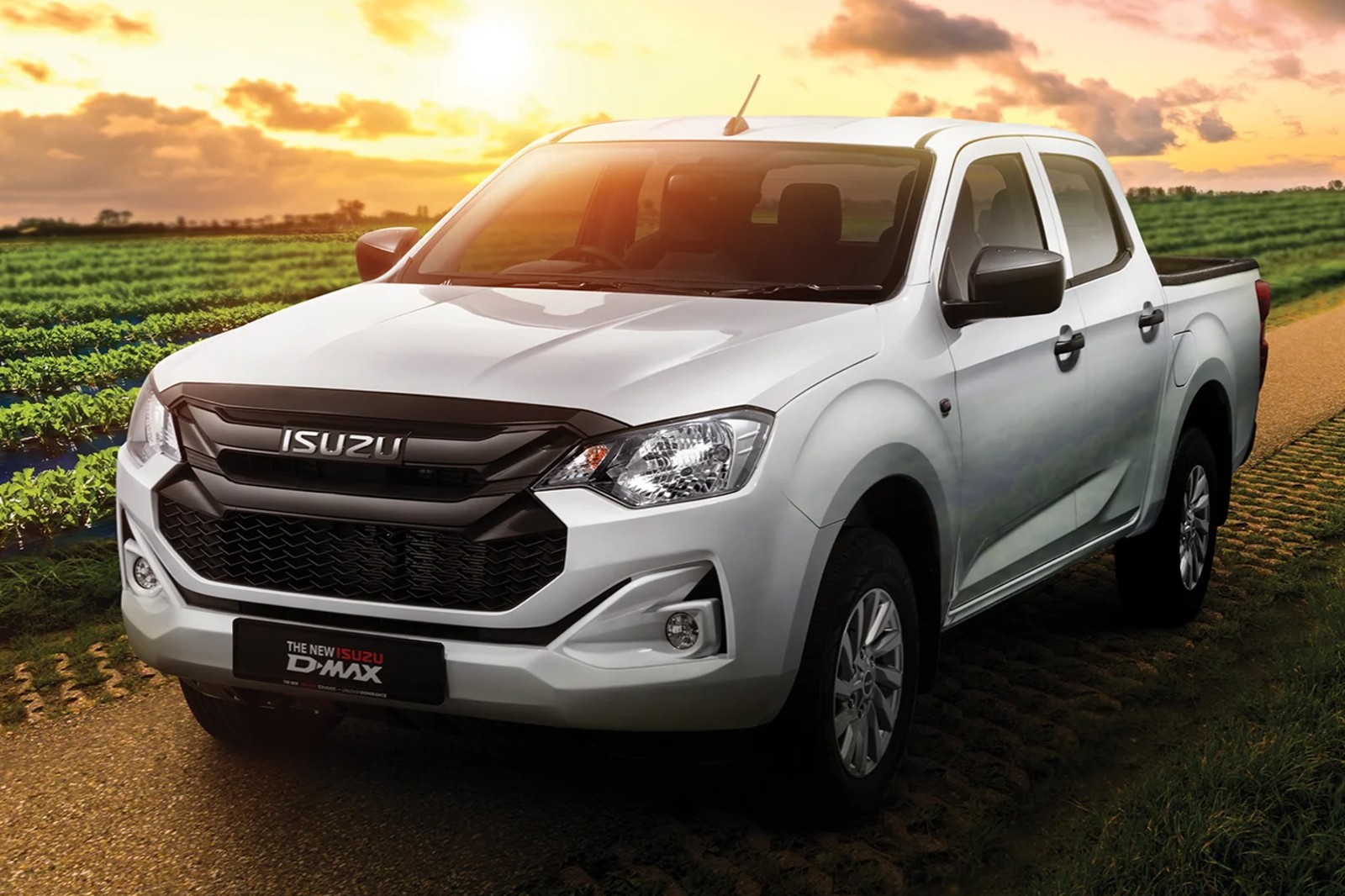
 Segment
 Body Type
 Capacity(L)
 Engine Power(PS)
 Transmission
 Driven Wheels
In the Malaysian pickup truck market, consumer demand for models has long shifted from a purely utilitarian focus to a dual compatibility of "home use + commercial use" — requiring the ability to handle complex road conditions at construction sites and suburbs, as well as providing comfort and intelligent features for daily commuting. The Isuzu D-Max, a long-standing leader in pickup truck sales, targets the "all-round pickup" position with its 2022 3.0 4x4 X-Terrain AT model. Core selling points include the reliability of its 3.0T diesel engine, advanced intelligent safety features beyond its class, and an interior design that balances practicality and premium feel. In this test drive, we focus on evaluating its performance in urban commuting, highway cruising, and light off-road scenarios to see if it truly meets multi-scenario needs.
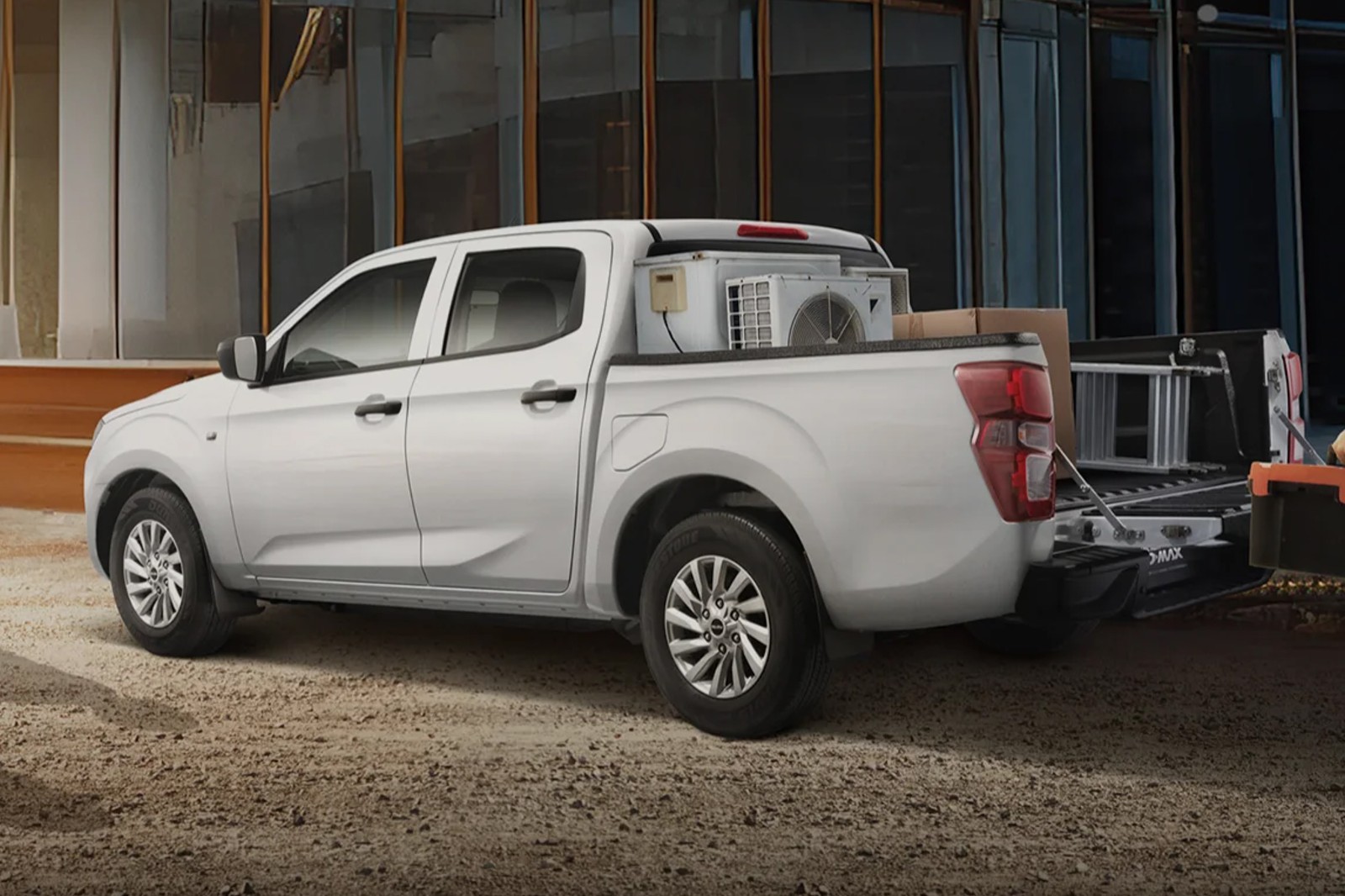
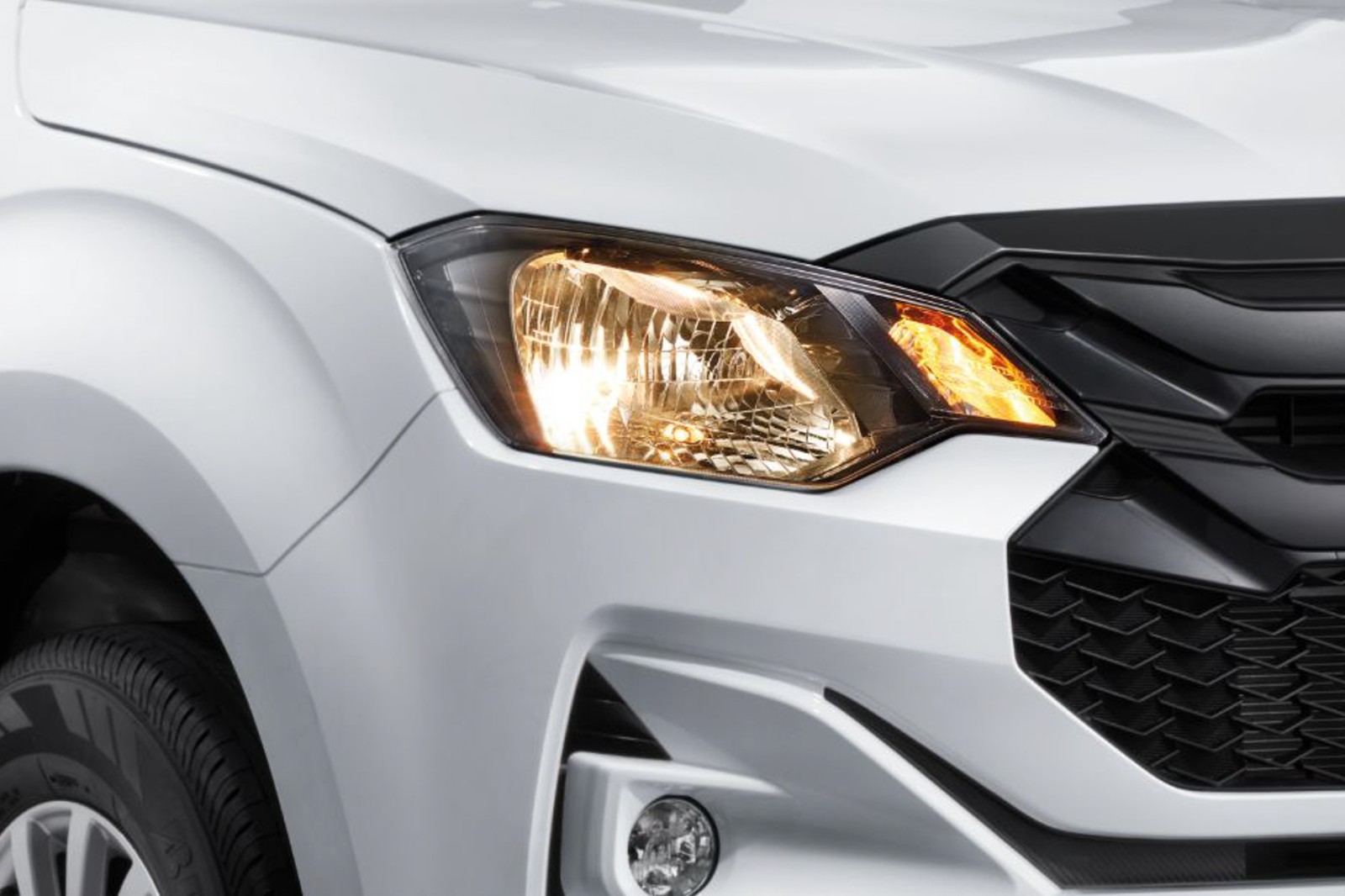
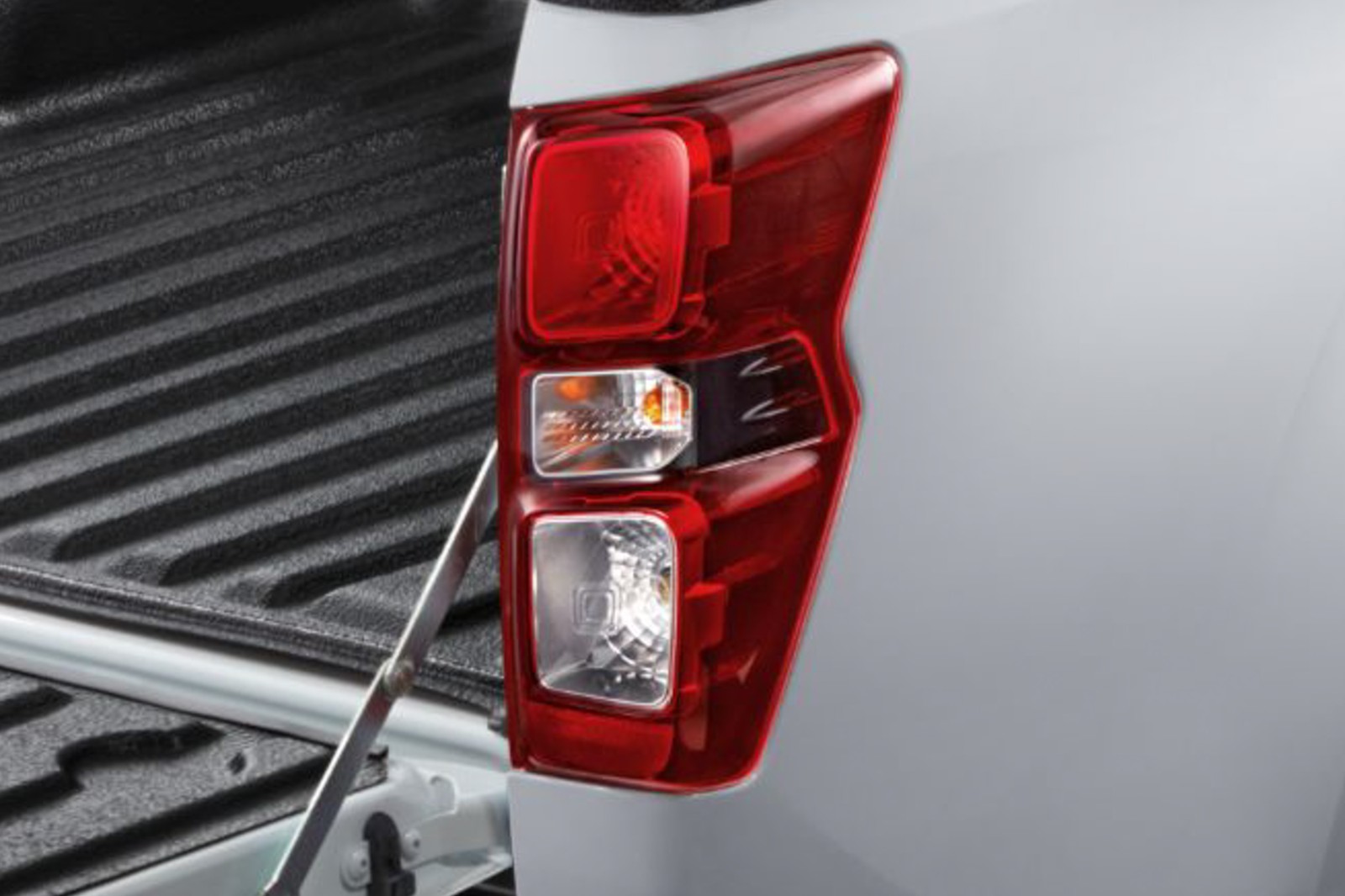
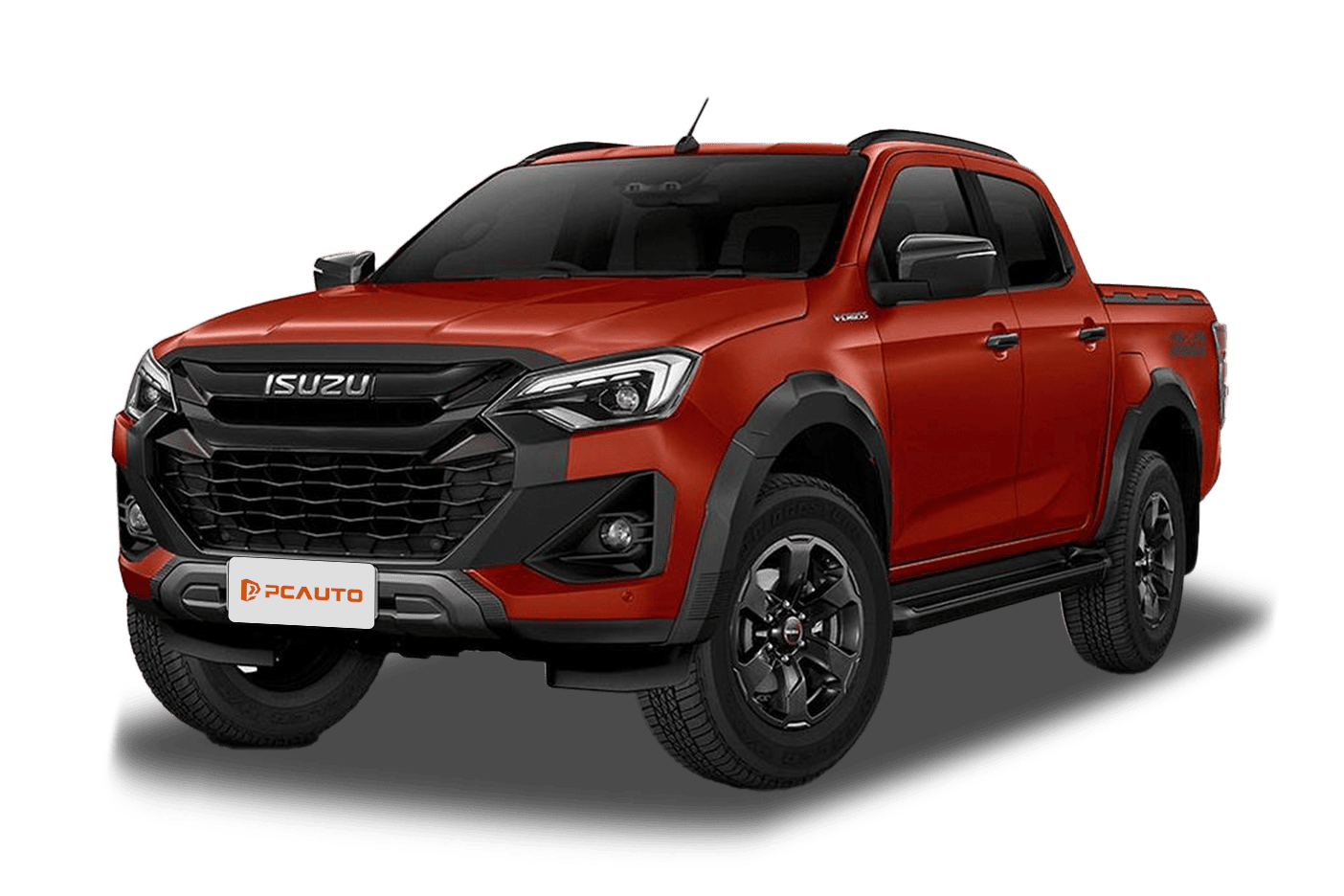
From the side, the body lines of the 2022 D-Max 3.0 X-Terrain are more rugged than the previous model, with a waistline running from the front fender to the taillights. Paired with 265/60 R18 alloy wheels, its overall stance appears more elongated compared to competitors like the Hilux or Ranger. At the front, the large trapezoidal grille adopts a black honeycomb design, surrounded by chrome trim. The LED headlights on both sides connect seamlessly with the grille, and the light cluster integrates daytime running lights, offering high recognizability. At the rear, the taillights adopt a wider horizontal design, also utilizing LED sources inside. A silver skid plate has been added beneath the rear bumper, enhancing its off-road ambiance. The practicality of the lighting system is adequate, with automatic headlights that react quickly when entering tunnels, and front fog lamps with strong penetrating power in rainy or foggy weather, suitable for everyday use scenarios.
Opening the door, the interior quality is significantly improved over the previous model. The dashboard is covered with soft-touch materials and accented with silver trim, avoiding a cheap feel. The steering wheel is wrapped in leather with a solid grip. The buttons on the left side control cruise and voice commands, while the buttons on the right side control media and the instrument cluster, with a clear operational logic. On the left side of the instrument panel are analog tachometer and speedometer dials, with a 4.2-inch digital display embedded in the center, showing information such as fuel consumption, four-wheel-drive status, and tire pressure in an intuitive manner. The 9-inch central touchscreen is located at the top of the dashboard, supporting Apple CarPlay and Android Auto, with smooth responsiveness. Below it are physical buttons for air conditioning, allowing for easier blind operation. In terms of features, the front row includes dual-zone automatic air conditioning, while the rear row offers independent air vents and power outlets. The driver’s seat has 8-way electric adjustment, enabling a comfortable position to be found quickly, while the passenger seat offers 4-way manual adjustment, which is sufficient. The rear seats support a 60:40 split fold, expanding trunk space when folded, making it convenient for carrying larger items.
In terms of power, the 3.0T diesel engine delivers a maximum power of 190PS and a maximum torque of 450N·m, paired with a 6-speed automatic transmission. During daily driving, the low-end torque is abundant, making it easy to accelerate smoothly without hard pedal inputs. For overtaking between speeds of 30-80km/h, the transmission downshifts aggressively and provides timely power response without lag. During highway cruising at 120km/h, engine RPM remains around 2000, with noise being well-controlled; wind and tire noise are not prominent. There are three driving modes: Economy, Normal, and Sport. In Economy mode, throttle response is slightly softened, suitable for congested urban conditions; in Sport mode, shift points are delayed, and power delivery becomes more direct, ideal for overtaking or climbing.
The handling performance aligns with the positioning of a pickup truck. The steering wheel offers moderate resistance, with minimal play, making lane changes and parking easy in daily use. The chassis adopts a front double-wishbone independent suspension and a rear leaf spring non-independent suspension, with a tuning biased towards comfort. When passing over speed bumps, the front suspension absorbs most of the bumps, and while the rear suspension may bounce, there is no harsh impact. When fully loaded, the rear suspension provides better support. During light off-road conditions, switching to four-wheel-drive mode (with options for high and low speeds), the vehicle handles muddy paths or small dirt inclines without wheel slippage, ensuring good off-road capability. With a minimum ground clearance of 240mm and adequate approach and departure angles, it can handle common unpaved roads found in suburban areas. Regarding fuel consumption, the fuel economy is about 9.5L per 100km in urban conditions and about 7.8L per 100km on highways, with a combined fuel consumption close to the official figure of 8.3L. For a 3.0T four-wheel-drive pickup truck, this performance is considered reasonable.
The safety features are a highlight of this vehicle, coming standard with 7 airbags (including knee airbags and front and rear curtain airbags), as well as active safety systems like lane departure warning, forward collision warning, automatic emergency braking, and blind-spot monitoring. During the test drive, intentionally nearing the lane line triggered the lane departure warning system, which issued an alert and lightly corrected the direction. When a vehicle in front braked suddenly, the automatic emergency braking system intervened in time to prevent a collision. These features are comprehensive for its class and offer an advantage over some competitors.
In summary, the core advantage of the 2022 Isuzu D-Max 3.0 4x4 X-Terrain AT lies in its balance—it offers sufficient power, practical features, comprehensive safety systems, and a mix of family comfort and commercial utility. Compared with the same-class Toyota Hilux 2.8 Rogue, this vehicle is more affordable (the Hilux Rogue is around RM160k) but doesn’t fall short on safety features and interior quality. Against the Ford Ranger XLT, its diesel engine boasts better reliability, making it a suitable choice for long-term use. This vehicle caters to two groups of users: first, those who need to balance family and commercial needs, such as small business owners who use it for cargo during the week and family outings on weekends; second, families who enjoy light off-road adventures, as the four-wheel-drive system can handle suburban road conditions while the safety features ensure family safety. Overall, it is an “all-rounder” pickup truck with no significant shortcomings that can meet the daily needs of most users.
Isuzu D-MAX Car Compare
Isuzu D-MAX Loan Calculator
More Isuzu Reviews
Cars With Similar Price And Features
5
Rank in Pickup
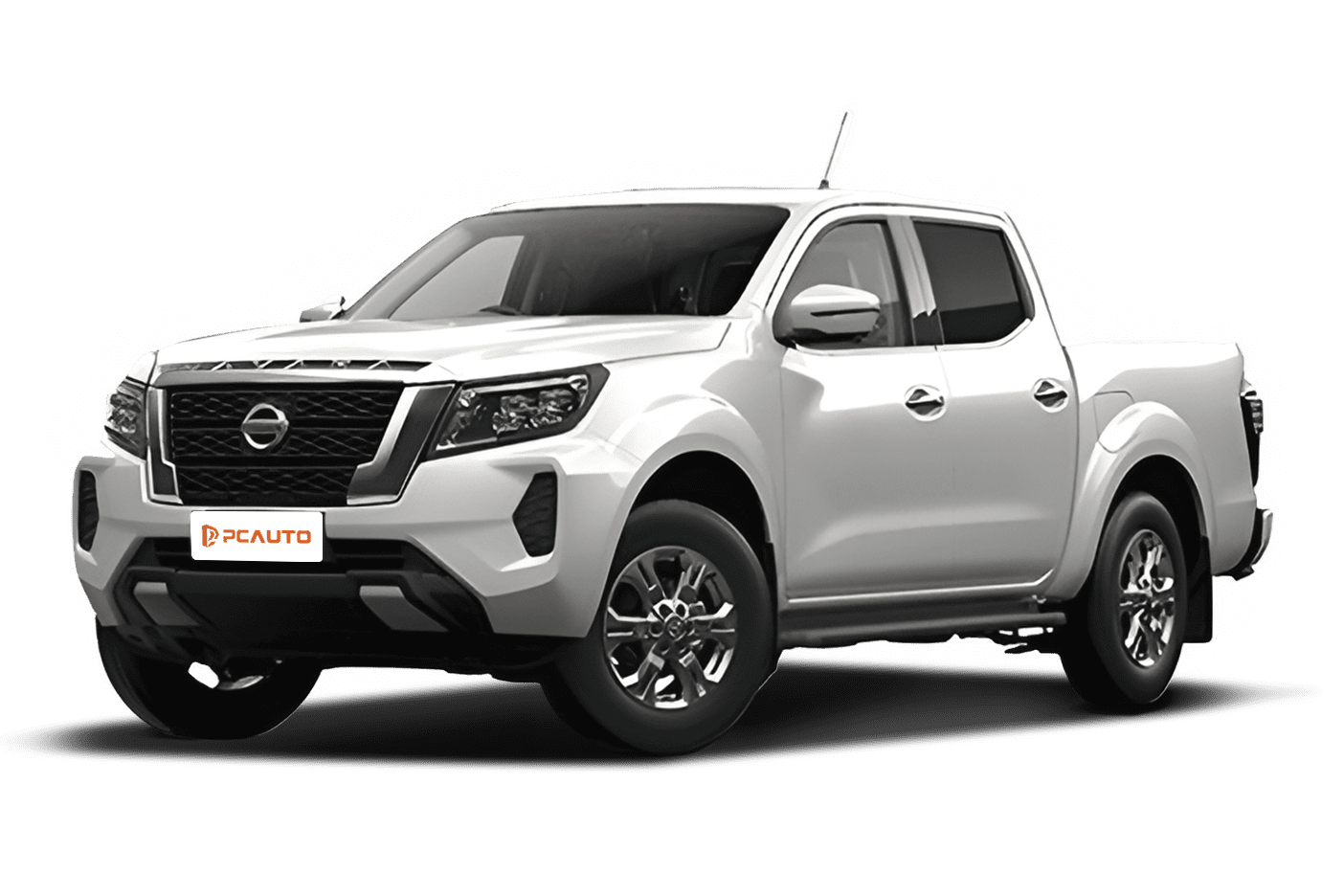
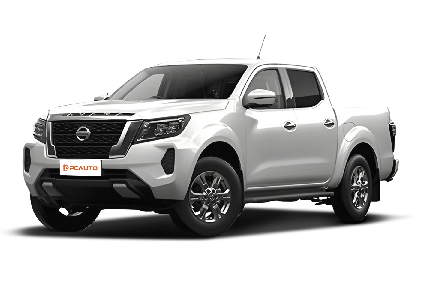
2023 Nissan Navara 2.5 VL Black Edition is a pickup truck that balances household comfort with light off-road capability, featuring exclusive black trims, a full suite of active safety features, and practical configurations, precisely catering to the needs of families and small business owners.
3
Rank in Pickup
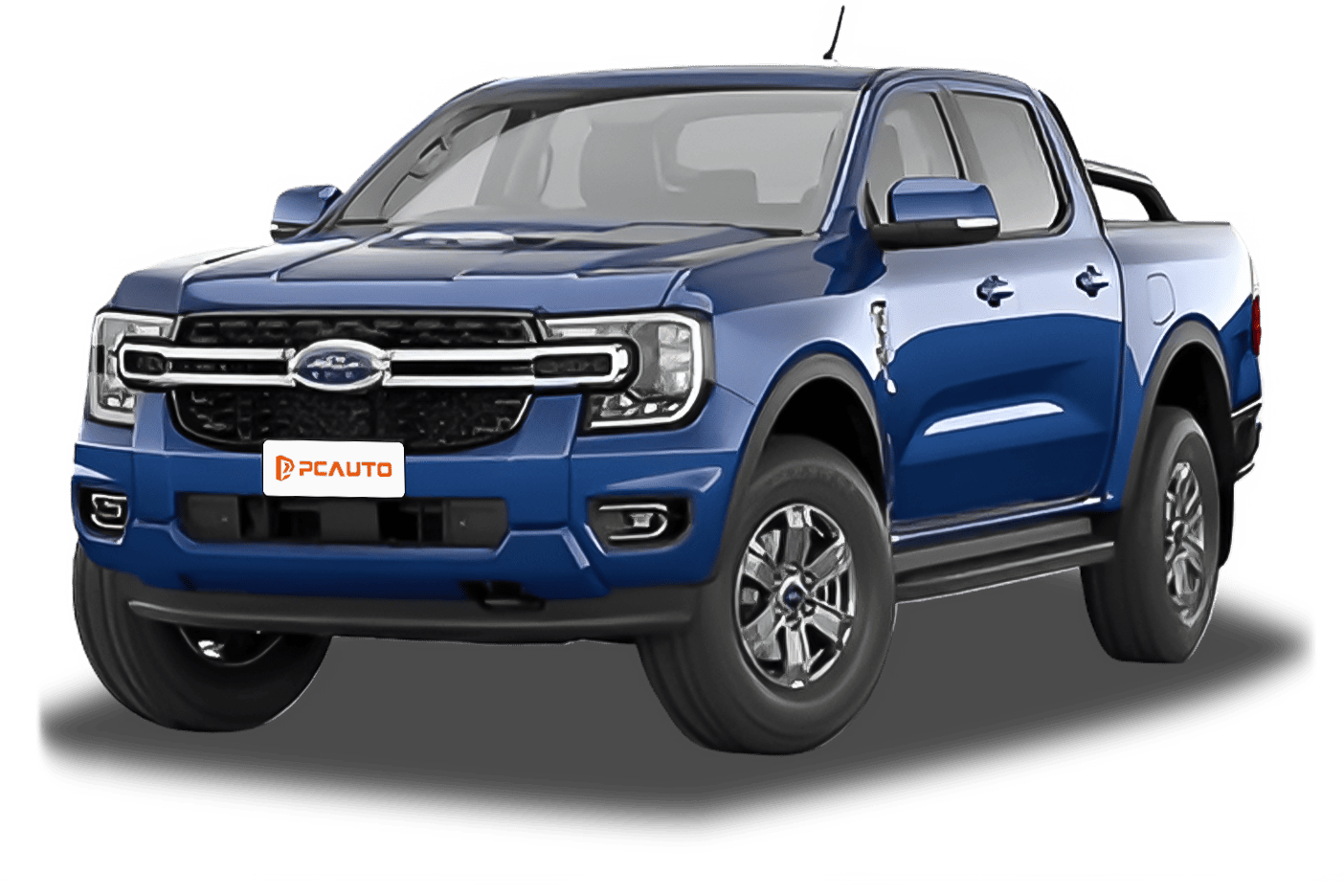
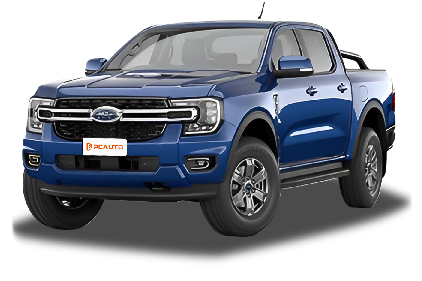
2023 Ford Ranger WildTrak is a mid-to-high-end pickup truck that balances the comfort of daily commuting with the practicality of cargo and off-road capabilities. It features powerful performance, ample space, and practical configurations, making it a versatile choice for both family and work scenarios.

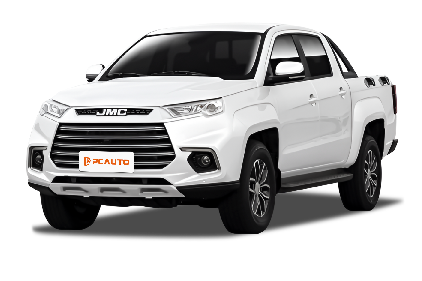
2023 JMC Vigus Pro White Series 2.0L 4WD 8AT combines rugged design, practical features, and powerful diesel performance, balancing everyday durability and mild off-road needs, making it a high-value choice for pickup users.
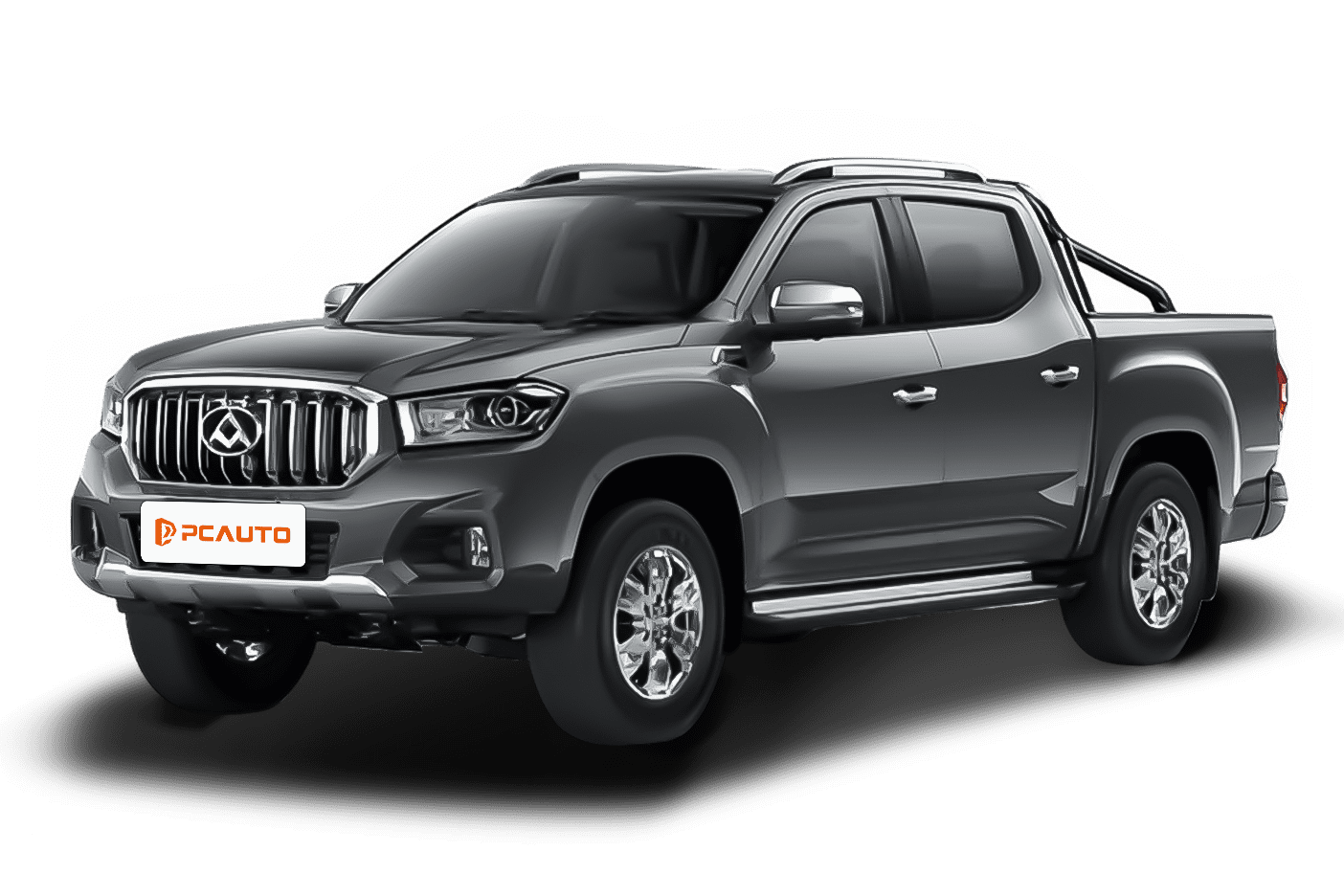
2022 Maxus T60 2.8L 4WD AT is a practical pickup truck that balances work and life. The strong diesel torque and 4WD capability meet cargo and off-road needs, while the premium features and spacious interior enhance daily comfort.