

Isuzu D-MAX 2019 Review

 Share
Share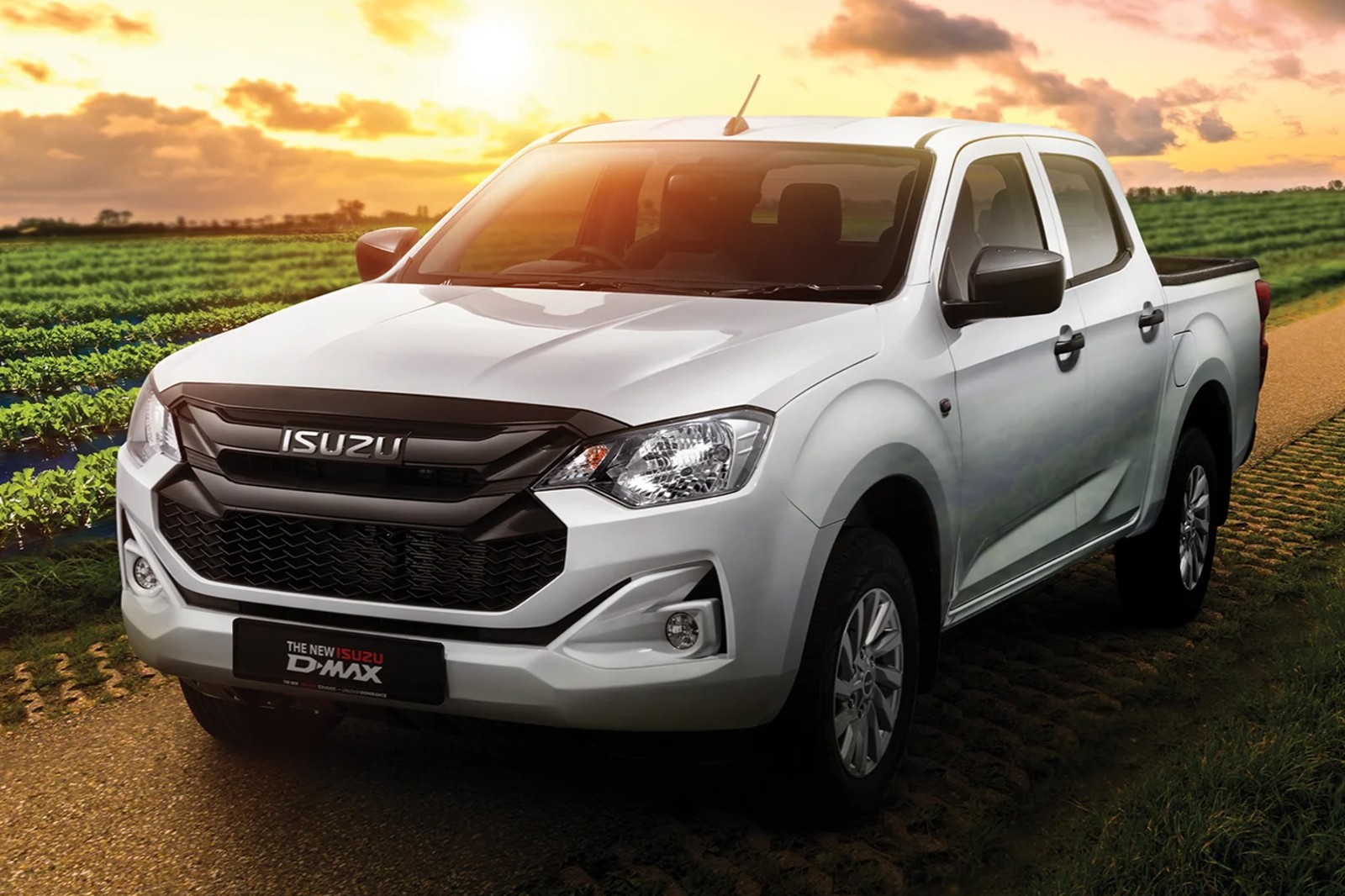
 Segment
 Body Type
 Capacity(L)
 Engine Power(PS)
 Transmission
 Driven Wheels
In the commercial pickup truck market, single-cab models have always been the core choice for small business owners and outdoor workers—they need strong cargo capacity while occasionally accommodating off-road requirements. The 2019 Isuzu D-MAX Single Cab 1.9L 4x4 MT targets this niche segment, aiming to balance practicality and cost-effectiveness with its 150PS turbocharged power, 4WD system, and price of RM85,800. In this test drive, we will focus on evaluating its loading adaptability, off-road capability, and durability in daily driving, to see if it can become a reliable partner in commercial scenarios.
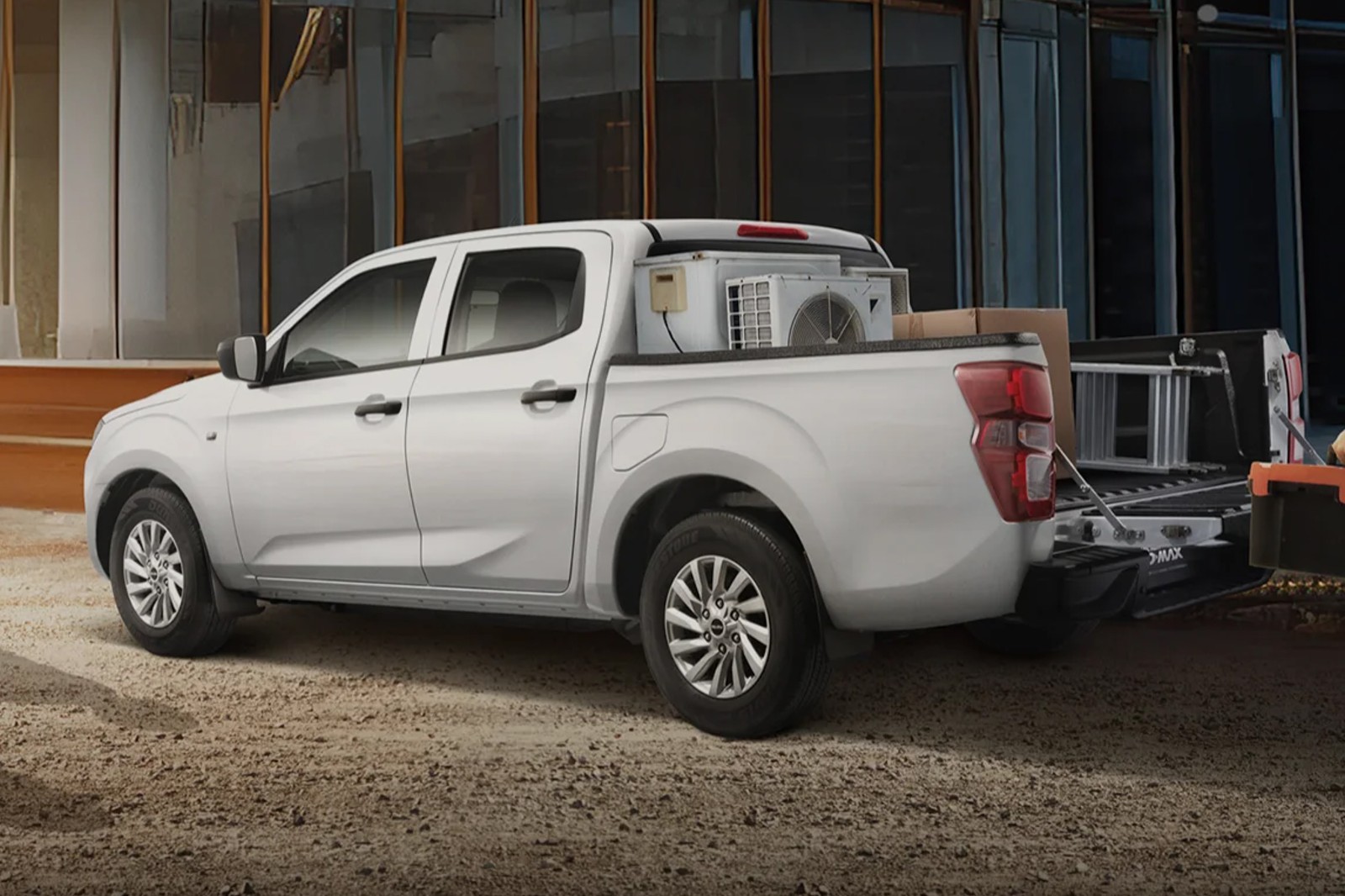
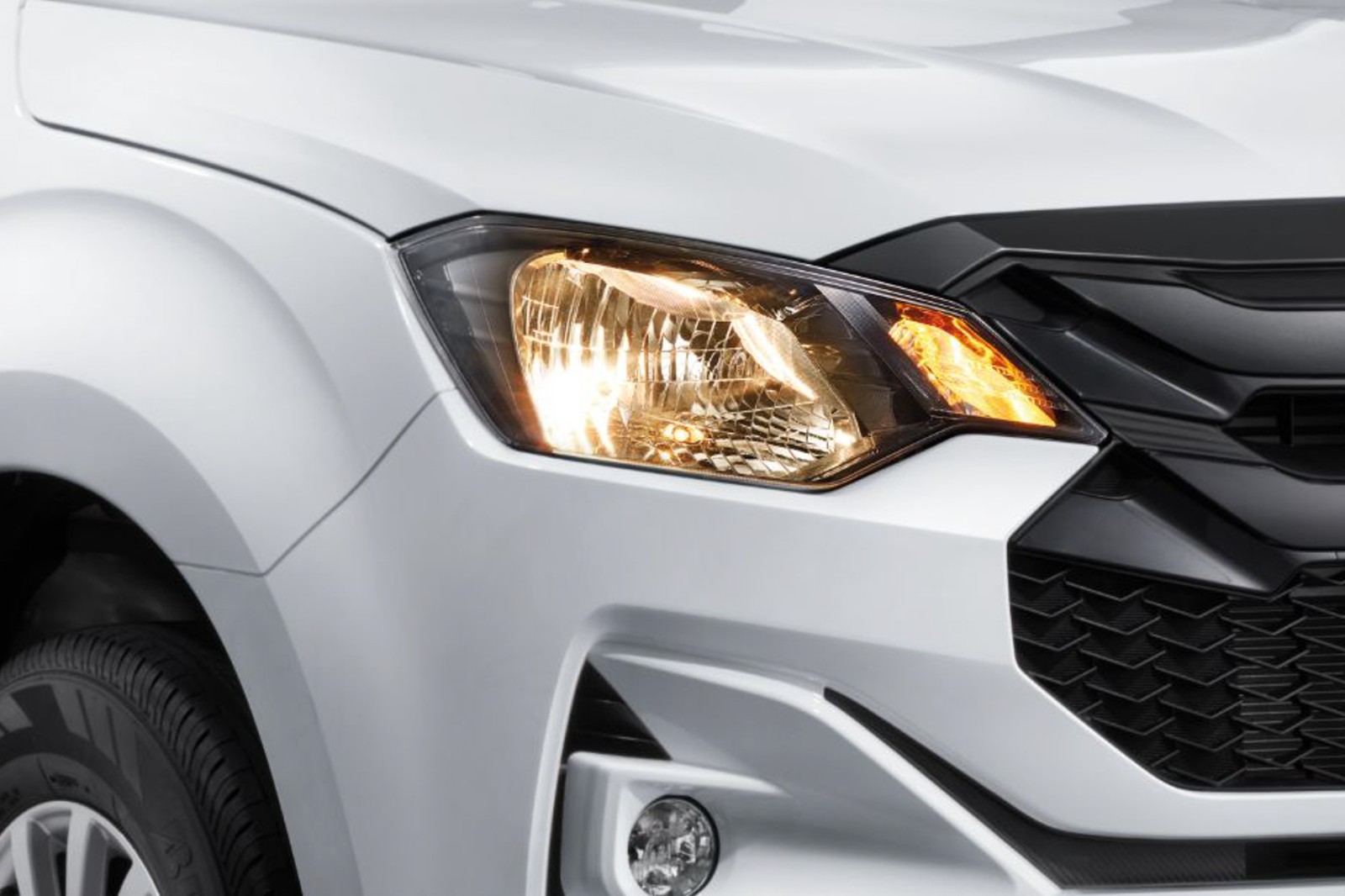
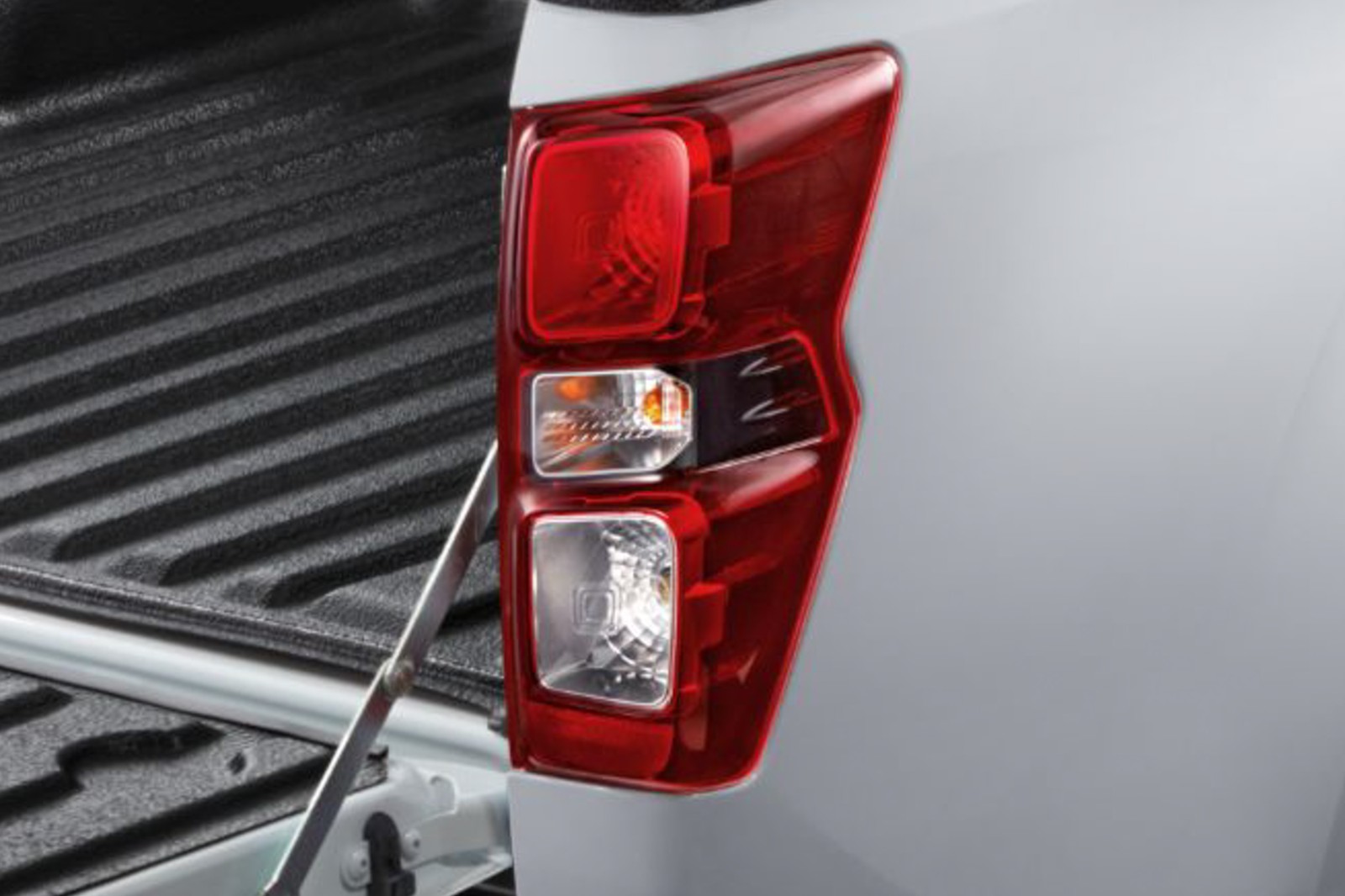
In terms of appearance, this single-cab pickup continues the rugged styling of the D-MAX family. The front features a large grille paired with sturdy chrome accents, making it highly recognizable. The side profile is straight and free of unnecessary adornments. With a length of 5315mm and a width of 1860mm, the dimensions guarantee ample cargo bed space, while the 245/70 R16 tires balance on-road stability and light off-road needs. The rear design is simple, with vertical taillight clusters clearly visible. The bed rails are at a convenient height for loading and unloading goods. Overall, its design fully serves its commercial purpose, prioritizing durability over flashy elements.
Opening the door, the interior focuses on practicality. The dashboard is made of hard plastic, which, while not luxurious, has a well-textured surface that resists scratches. The seats are fabric and manually adjustable, with firm padding that offers sufficient support, making long drives less tiring for the lower back. The instrument cluster is a backlit analog design, clearly displaying information such as RPM and speed, even in direct sunlight. In terms of features, it comes standard with keyless entry, front air conditioning, and two speakers, covering basic functional needs; however, the lack of a reversing camera means drivers must be more cautious when reversing in narrow alleys, especially for beginners.
Space is one of the core advantages of single-cab pickups. The 3095mm wheelbase provides ample front legroom. Even with a 180cm tall driver adjusting the seat, there’s still two fists’ worth of knee room available. Due to the 1795mm height of the body, there’s no sense of cramped headroom either. While the official bed dimensions aren’t specified, judging by the vehicle's length, loading small equipment or building materials should pose no issue. For storage, the door panels include cup holders, and there is a small storage compartment below the dashboard for placing documents or phones, meeting basic practicality needs.
In terms of power, the 1.9L turbocharged gasoline engine delivers a maximum of 150PS, with peak torque available at just 1800rpm, paired with a 5-speed manual transmission. On take-off, as long as the clutch is controlled properly, it doesn’t feel underpowered even when unloaded. When carrying a load, the low-end torque at 1800rpm can effortlessly handle the extra weight, while downshifting for overtaking provides timely power response with no noticeable lag. The manufacturer claims a 0-100km/h acceleration time of 13.9 seconds, which is sufficient for a commercial pickup, given that speed is not its primary focus.
In terms of handling, the steering is relatively heavy, consistent with typical pickup truck tuning, offering good stability during high-speed driving. The double-wishbone independent front suspension effectively absorbs most small bumps on paved roads. Although the rear suspension uses leaf springs, it does not bounce excessively under load, and when unloaded, it exhibits slight bounce over speed bumps—normal behavior for a commercial pickup. The 4WD system supports high-speed four-wheel drive shifting, significantly enhancing traction on muddy or gravel roads. It handles light off-road situations with ease, though it’s not advisable for tackling extreme recovery scenarios.
The fuel consumption performance is commendable, with an official combined fuel consumption of 8L/100km. During the actual test drive, the fuel consumption was about 8.2L when driving empty on highways, and about 9L when fully loaded. The 76L fuel tank capacity can provide a range of over 800km, reducing refueling frequency, which is suitable for long-distance transportation. In terms of noise control, noticeable noise enters the cabin when the engine speed exceeds 3000rpm, but during daily driving within the 2000-2500rpm range, the noise level remains acceptable.
Overall, the main advantage of the 2019 Isuzu D-MAX Single Cab 1.9L 4x4 MT lies in its "balanced commercial attributes": the four-wheel drive system enhances adaptability to different scenarios, the low-end torque is suitable for heavy loads, and the durable interior along with reliable mechanical quality meets commercial needs. Compared to other single-cab pickups in the same price range, its four-wheel drive system is a bonus, and the 5-year/150,000-kilometer warranty is more reassuring than many competitors.
This vehicle is most suitable for people who need to balance cargo transportation and light off-road driving, such as small business owners involved in building material transport, outdoor construction workers, or outdoor enthusiasts who occasionally need to go to countryside campsites. If your requirement is purely for urban cargo transportation, the two-wheel drive version might be more economical, but if you often need to traverse unpaved roads, this four-wheel drive single-cab version will be more reliable.
In summary, the 2019 Isuzu D-MAX Single Cab 1.9L 4x4 MT is not a vehicle that pursues comfort or technology. It is a tool designed for "getting work done"—durable, spacious, with strong off-road capability, making it a trustworthy partner in commercial scenarios.
Isuzu D-MAX Car Compare
Isuzu D-MAX Loan Calculator
More Isuzu Reviews
Cars With Similar Price And Features
5
Rank in Pickup
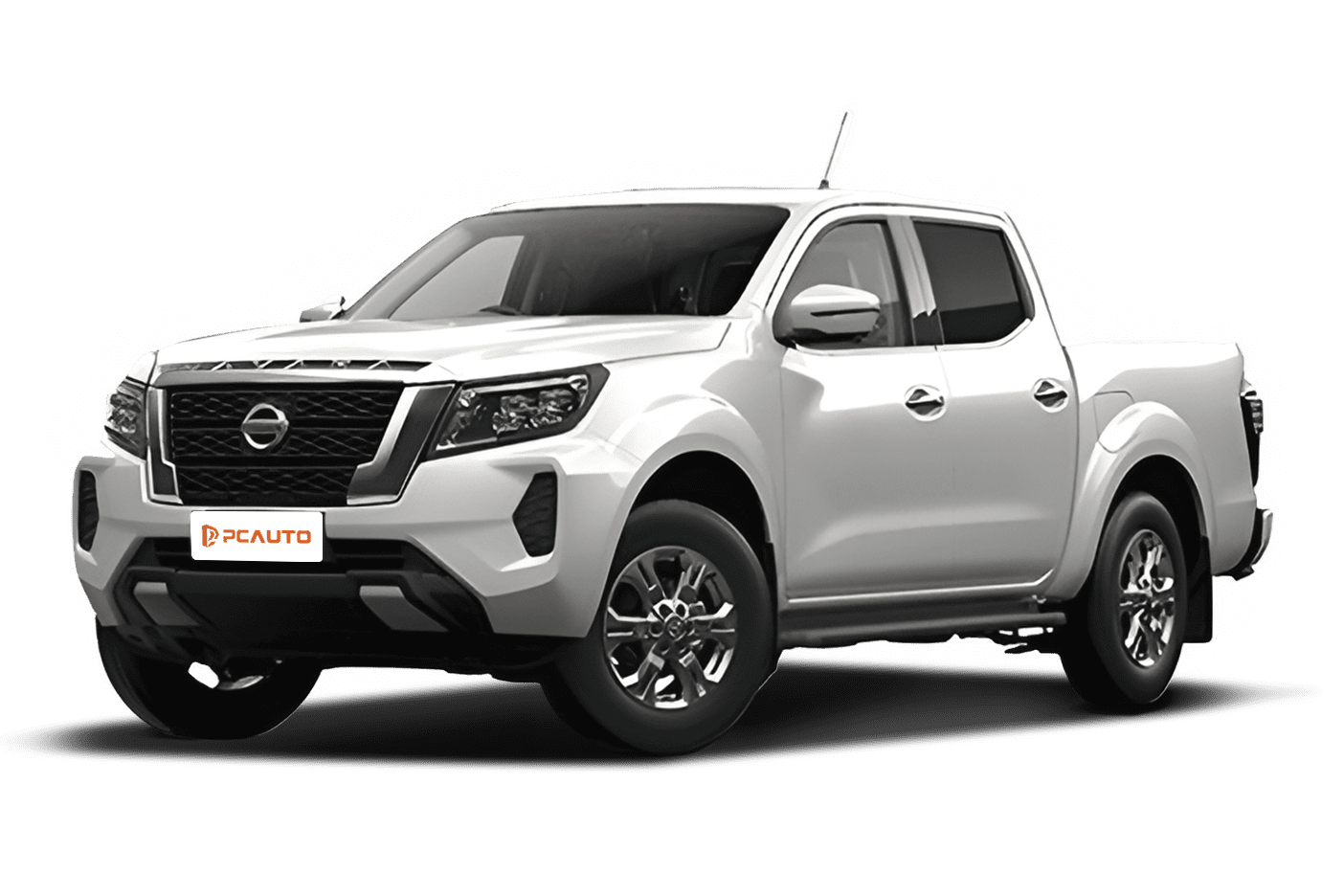
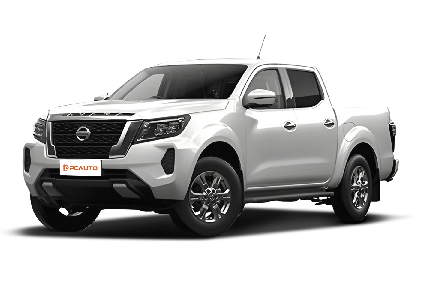
2023 Nissan Navara 2.5 VL Black Edition is a pickup truck that balances household comfort with light off-road capability, featuring exclusive black trims, a full suite of active safety features, and practical configurations, precisely catering to the needs of families and small business owners.
3
Rank in Pickup
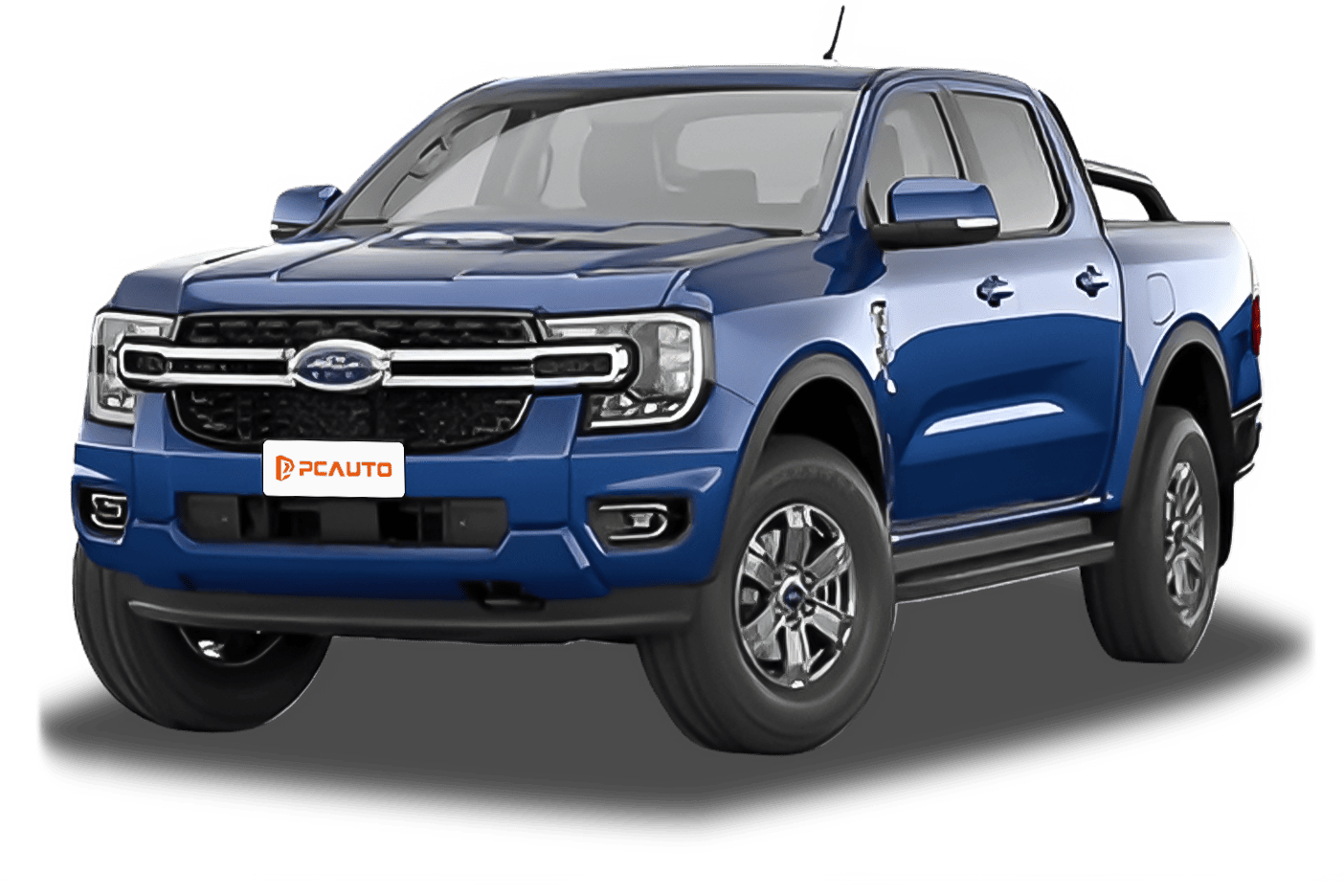
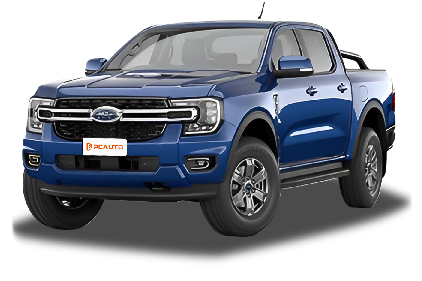
2023 Ford Ranger WildTrak is a mid-to-high-end pickup truck that balances the comfort of daily commuting with the practicality of cargo and off-road capabilities. It features powerful performance, ample space, and practical configurations, making it a versatile choice for both family and work scenarios.

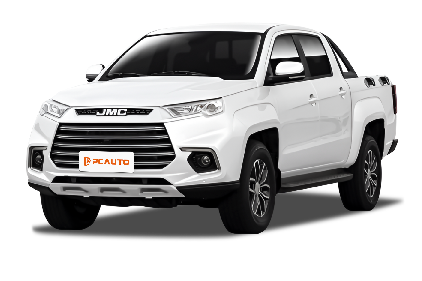
2023 JMC Vigus Pro White Series 2.0L 4WD 8AT combines rugged design, practical features, and powerful diesel performance, balancing everyday durability and mild off-road needs, making it a high-value choice for pickup users.
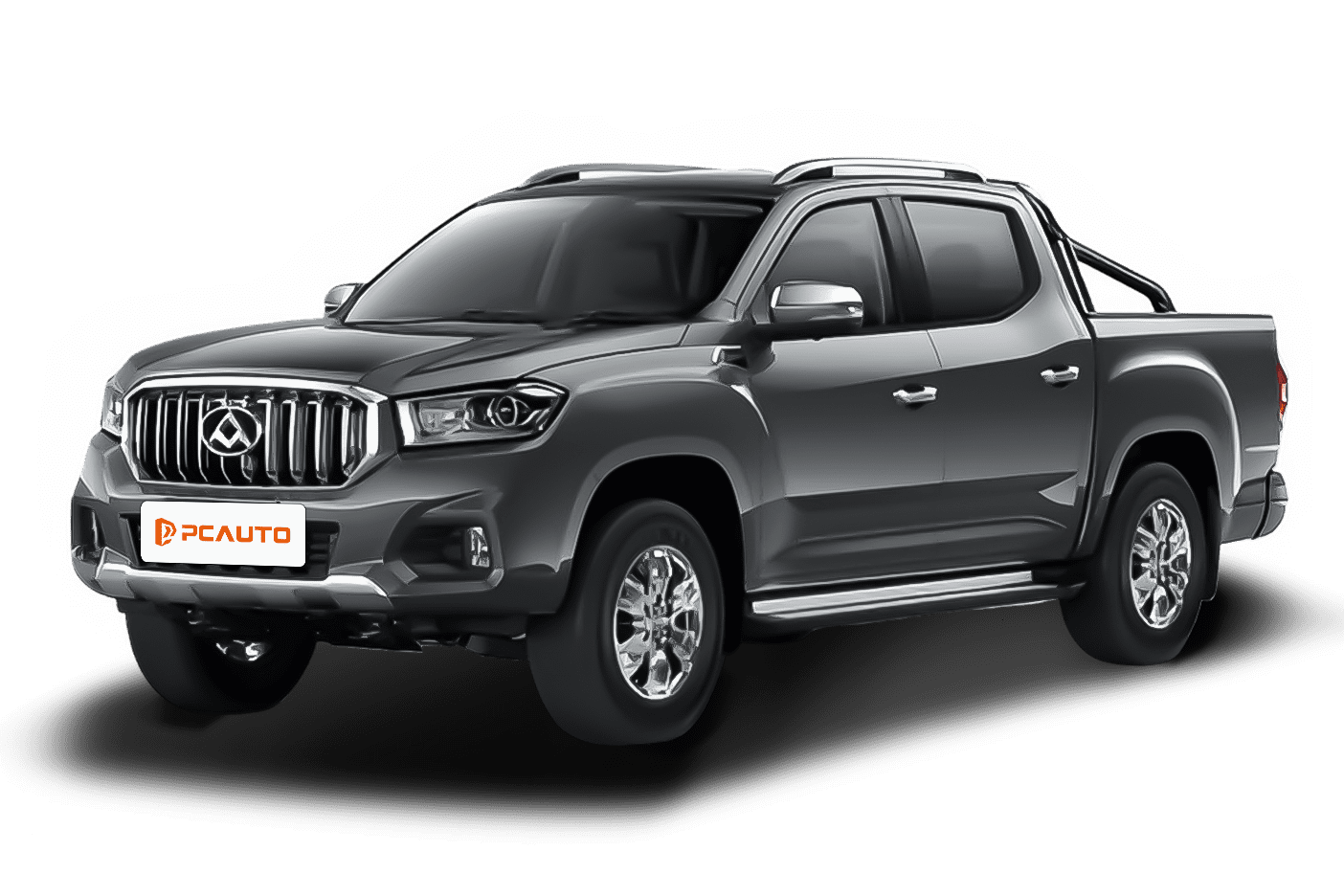
2022 Maxus T60 2.8L 4WD AT is a practical pickup truck that balances work and life. The strong diesel torque and 4WD capability meet cargo and off-road needs, while the premium features and spacious interior enhance daily comfort.