

Isuzu D-MAX 2024 Review

 Share
Share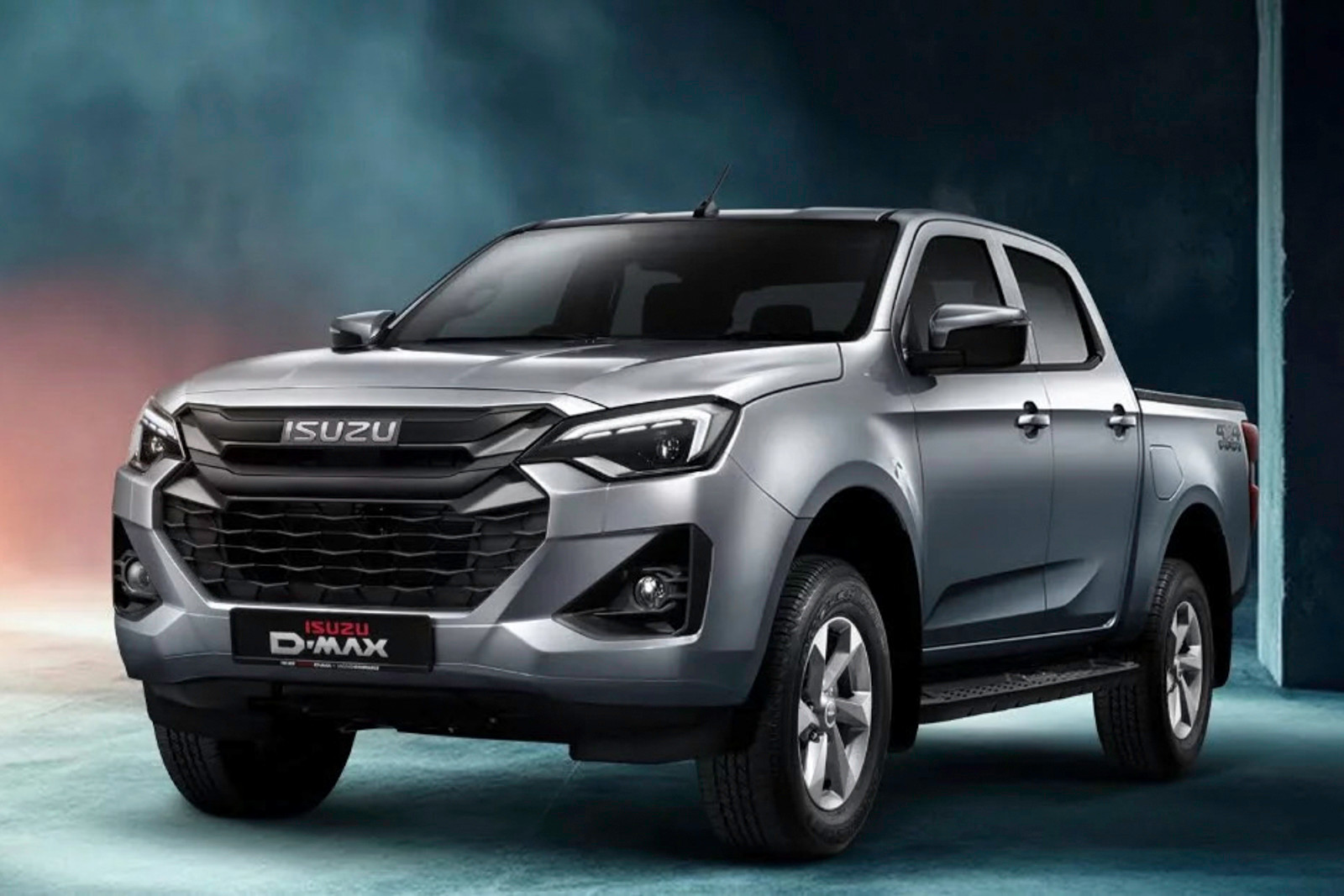
 Segment
 Body Type
 Capacity(L)
 Engine Power(PS)
 Engine Torque(Nm)
 Transmission
In Malaysia's commercial vehicle and utility vehicle market, single-cab pickup trucks have always been a necessity for small and medium-sized businesses, farmers, and construction workers. These types of vehicles need to withstand the hard requirements of heavy-duty loading and transportation while also handling unpaved rural roads or bumpy construction sites. The 2024 Isuzu D-Max 1.9L 4×4 Single Cab (MT) is aimed at this niche market. With a price tag of less than 100,000 MYR (RM 98,949) and a combination of a 1.9T diesel engine and part-time four-wheel drive, its core selling points are "durability and value for money." The main purpose of this test drive is to evaluate its performance in two key scenarios: daily cargo loading and traveling on unpaved roads, as well as to see if its configurations and space meet practical needs.
Starting with the exterior, this single-cab pickup follows a purely utility-oriented design, with no unnecessary embellishments. The front end retains the family-style design of the D-Max, featuring a large grille adorned with black plastic trims, paired with halogen headlights and fog lights. The overall design has a high level of recognizability but focuses entirely on functionality—halogen lights may not be as bright as LEDs, but they are less expensive to repair; the fog lights are highly practical for rainy, foggy weather or rural night driving. The body side has straightforward lines, with a wheelbase of 3125mm. The single-cab layout allows for a more spacious cargo bed. The 205R16C commercial vehicle tires have reinforced sidewalls, offering better puncture resistance compared to passenger car tires, making them suitable for construction sites or gravel roads. The rear design is simple, and the height of the cargo bed's side panels is moderate, making it easy to load and unload goods. The tail lights also feature halogen bulbs, prioritizing durability.
Inside the cabin, the interior style is entirely practical, with no sense of luxury, but the materials and layout are robust. Most of the center console is made of hard plastic, which might not feel premium to the touch but is resistant to scratches and dust and is easy to clean. The 3.5-inch monochrome LCD central screen has simple functions, supporting Bluetooth connectivity and radio playback only—there is no CarPlay or Android Auto. However, for utility vehicle users, being able to connect a phone to make calls or listen to music is already sufficient. The seats are fabric-covered, and both front seats allow for manual adjustment, with the driver's seat featuring height adjustment, making it easy to find a comfortable driving position. Fabric seats are breathable, so long drives won't feel too stuffy, plus they can be easily wiped clean when dirty. In terms of space, the single-cab layout allows ample legroom in the front. A driver standing 180cm tall still has about two fists of space between their knees and the console. Storage spaces are limited but practical, with two cup holders below the center console, space for storing two large bottles of water in the door panels, and a sufficiently sized glove box in front of the passenger seat for documents or tools.
As for powertrain, the 1.9T diesel engine delivers 150 horsepower and 350Nm of torque, paired with a 6-speed manual transmission. In actual driving, its low-end torque is quite prominent—maximum torque is available as early as 1800 rpm. Even with half a ton of cargo in the bed, the vehicle can easily start moving without requiring a heavy throttle as long as the clutch is managed steadily. Acceleration isn't particularly fast, but it is smooth. After 3000 rpm, power still has some reserve, and overtaking on highways is responsive when downshifting to bring the revs above 2500 rpm. The 6-speed manual transmission has clear gear positions, and though the shift travel isn't short, the gear engagement feels solid, making it easy for beginners to avoid errors. The part-time four-wheel-drive system requires manual switching; 2H mode is fuel-efficient for use on paved roads, while switching to 4H mode when encountering muddy or uneven roads significantly increases traction, making it well-suited for common unpaved rural terrains.
The handling and chassis performance are in line with the positioning of a utility vehicle. The steering wheel is hydraulic-assisted, slightly heavy at low speeds, but once driving, the feel is very steady. Although the steering isn't very precise, when driving on rural roads or construction sites, the directional feedback is clear. The front suspension is a double wishbone independent suspension, and the rear suspension is a leaf spring non-independent suspension—when unladen, going over speed bumps or uneven roads, the rear (though there are no rear seats) tends to bounce noticeably. However, when loaded with cargo, the leaf springs compress, making the chassis more stable, and the vibration becomes better filtered and softer. The minimum ground clearance is 220mm, higher than many urban SUVs, providing strong passability. Small mounds or shallow ditches on rural roads can be crossed without slowing down.
Fuel efficiency is one of the highlights of this vehicle. We conducted a small test: in an unloaded state on mixed roads (30% highway, 50% rural paved roads, 20% unpaved roads), the fuel consumption was about 7.8L per 100 kilometers. When carrying 1 ton of cargo on the same route, the fuel consumption increased to 9.2L per 100 kilometers, which is considered excellent in the same class of single-cab pickups— with a 76L fuel tank capacity, when fully fueled, it can cover nearly 900 kilometers when unladen and over 800 kilometers when loaded, which reduces the need for frequent refueling and is suitable for long-distance transportation. In terms of braking, it uses disc brakes both in the front and rear, with evenly distributed braking force. Even when fully loaded, the stopping distance from 100km/h to a complete stop is about 45 meters, meeting the standards for utility vehicles.
In terms of driving comfort, noise control is a pleasant surprise—although the idle noise of the diesel engine is noticeable, when driving under 60km/h, wind noise and tire noise are not significant. At speeds above 80km/h, wind noise gradually becomes more apparent, but it is still above average for utility vehicles. The seats offer good support; even after driving for three consecutive hours, the back and hips won’t feel too strained. There’s no automatic air conditioning, but the manual air conditioning knobs have moderate resistance and the cooling speed isn't particularly fast. However, even in the hot weather of Malaysia, turning on the fan at level 2 is enough to lower the cabin temperature effectively.
In summary, the core strengths of the 2024 Isuzu D-Max 1.9L 4×4 Single Cab (MT) are very clear: affordable price—costing less than RM100,000, you can own a diesel single-cab pickup with four-wheel drive; exceptional durability, with the engine, transmission, and chassis all reinforced for utility scenarios; low fuel consumption and long range, which keeps operating costs low. Compared to its competitors in the same class, such as the Toyota Hilux single-cab 4x4 version (which is more expensive), its cost-effectiveness stands out; compared to a similarly configured Mitsubishi Triton model, Isuzu’s diesel engine has a more reliable reputation.
The vehicle is completely designed for "practicalists"—ideal for small and medium businesses for carrying goods and making deliveries, perfect for farmers driving on rural dirt roads, and suitable for construction teams moving between sites. If you’re looking for a vehicle that’s reliable, rugged, and worry-free to use, this is your top choice. However, if you’re after luxury features or a comfortable experience, it might not meet your expectations. Simply put, this is a vehicle designed for "getting the job done," with no frills. Every aspect of its design focuses on being practical, durable, and efficient, making it a trustworthy choice in the utility vehicle market.
Isuzu D-MAX Car Compare
Isuzu D-MAX Loan Calculator
More Isuzu Reviews
Cars With Similar Price And Features
5
Rank in Pickup
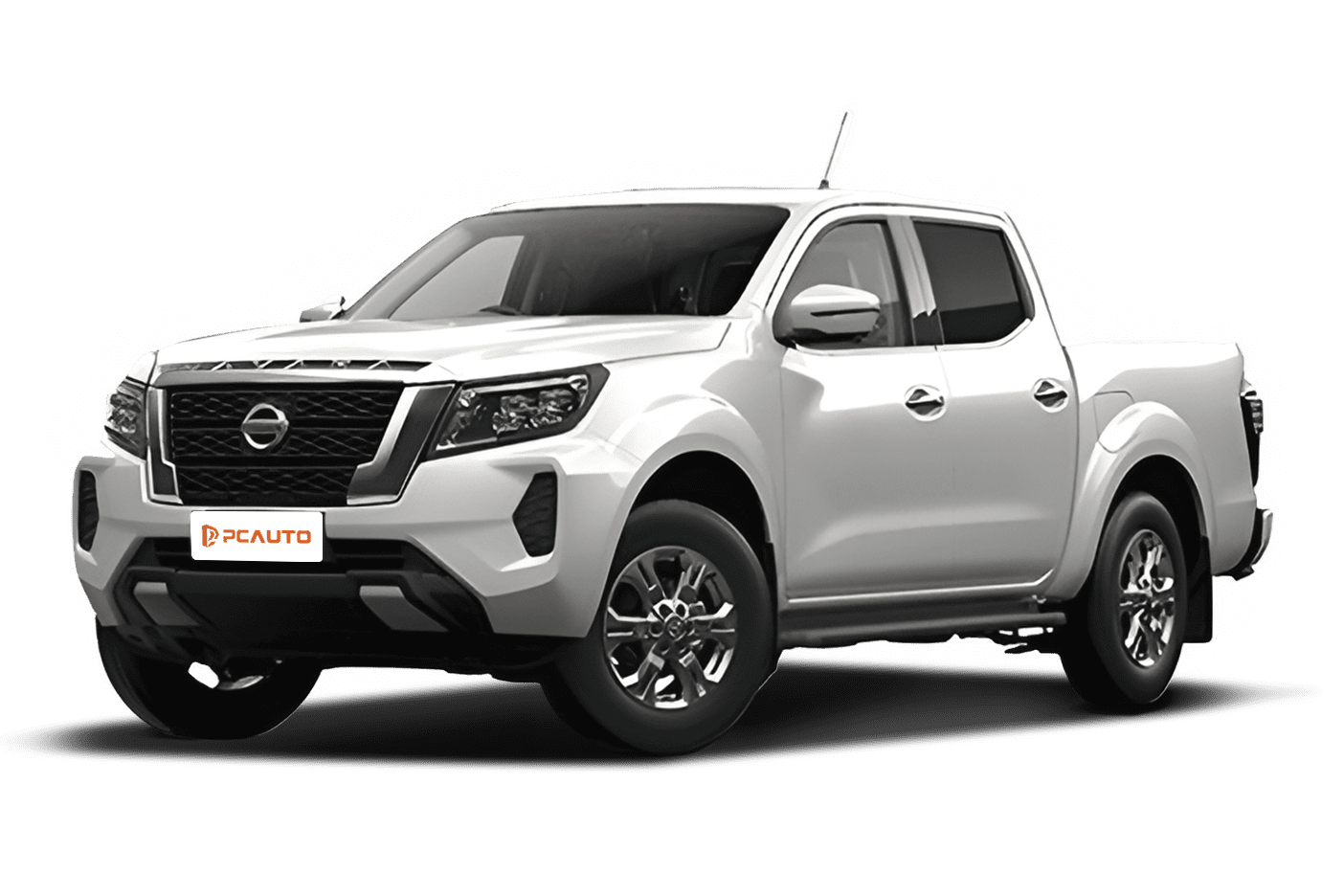
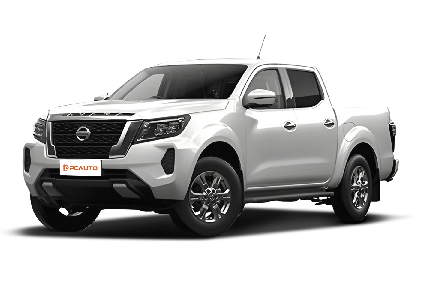
2023 Nissan Navara 2.5 VL Black Edition is a pickup truck that balances household comfort with light off-road capability, featuring exclusive black trims, a full suite of active safety features, and practical configurations, precisely catering to the needs of families and small business owners.
3
Rank in Pickup
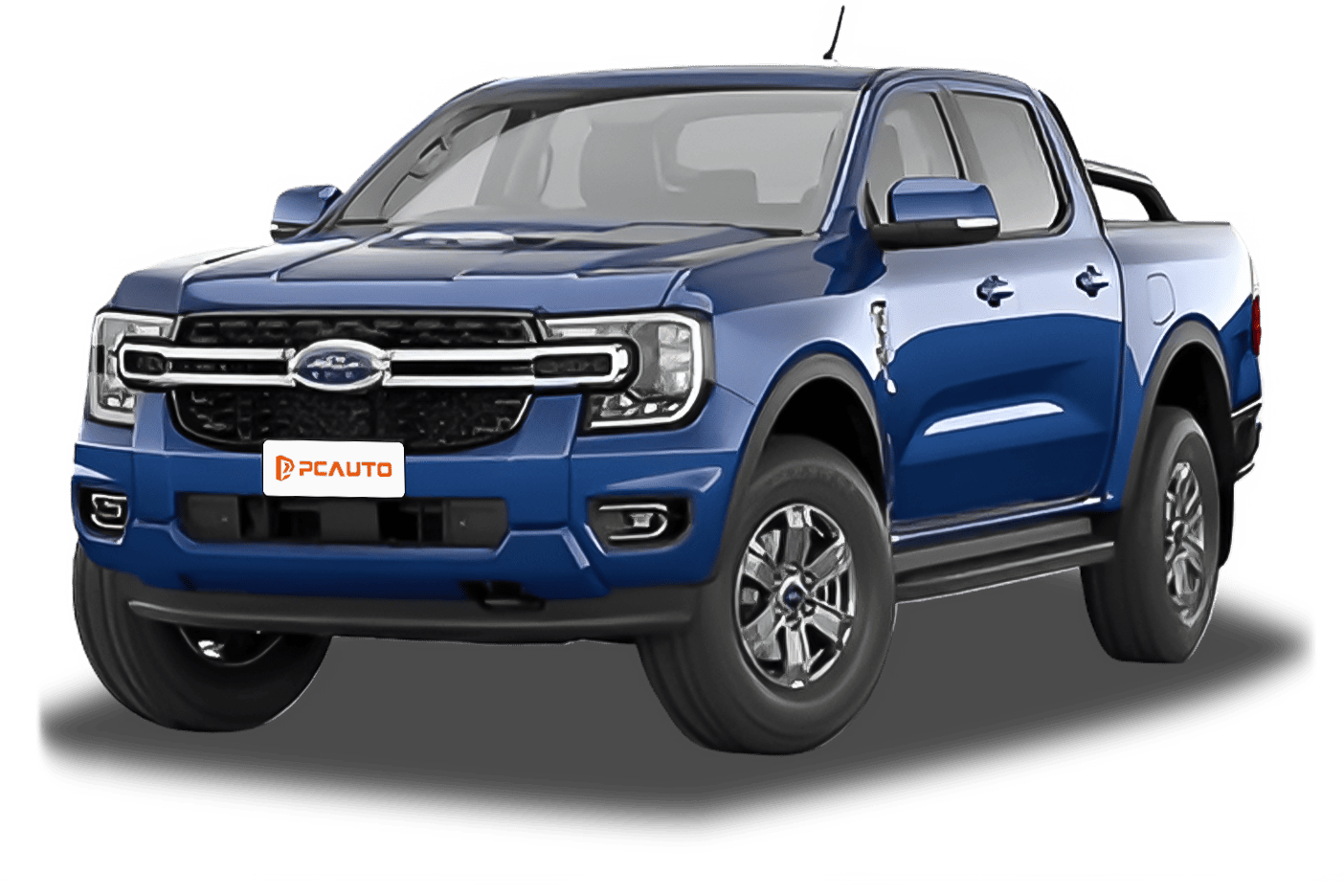
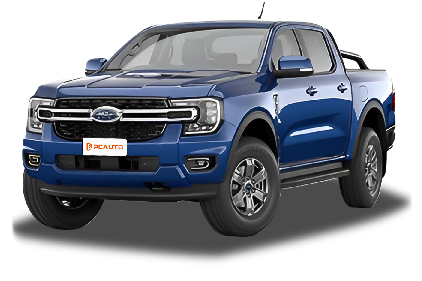
2023 Ford Ranger WildTrak is a mid-to-high-end pickup truck that balances the comfort of daily commuting with the practicality of cargo and off-road capabilities. It features powerful performance, ample space, and practical configurations, making it a versatile choice for both family and work scenarios.

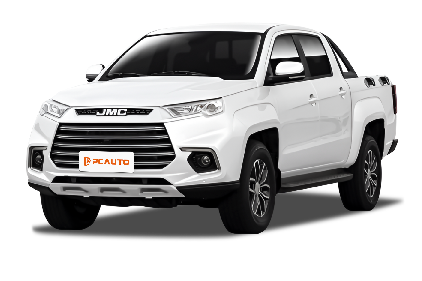
2023 JMC Vigus Pro White Series 2.0L 4WD 8AT combines rugged design, practical features, and powerful diesel performance, balancing everyday durability and mild off-road needs, making it a high-value choice for pickup users.
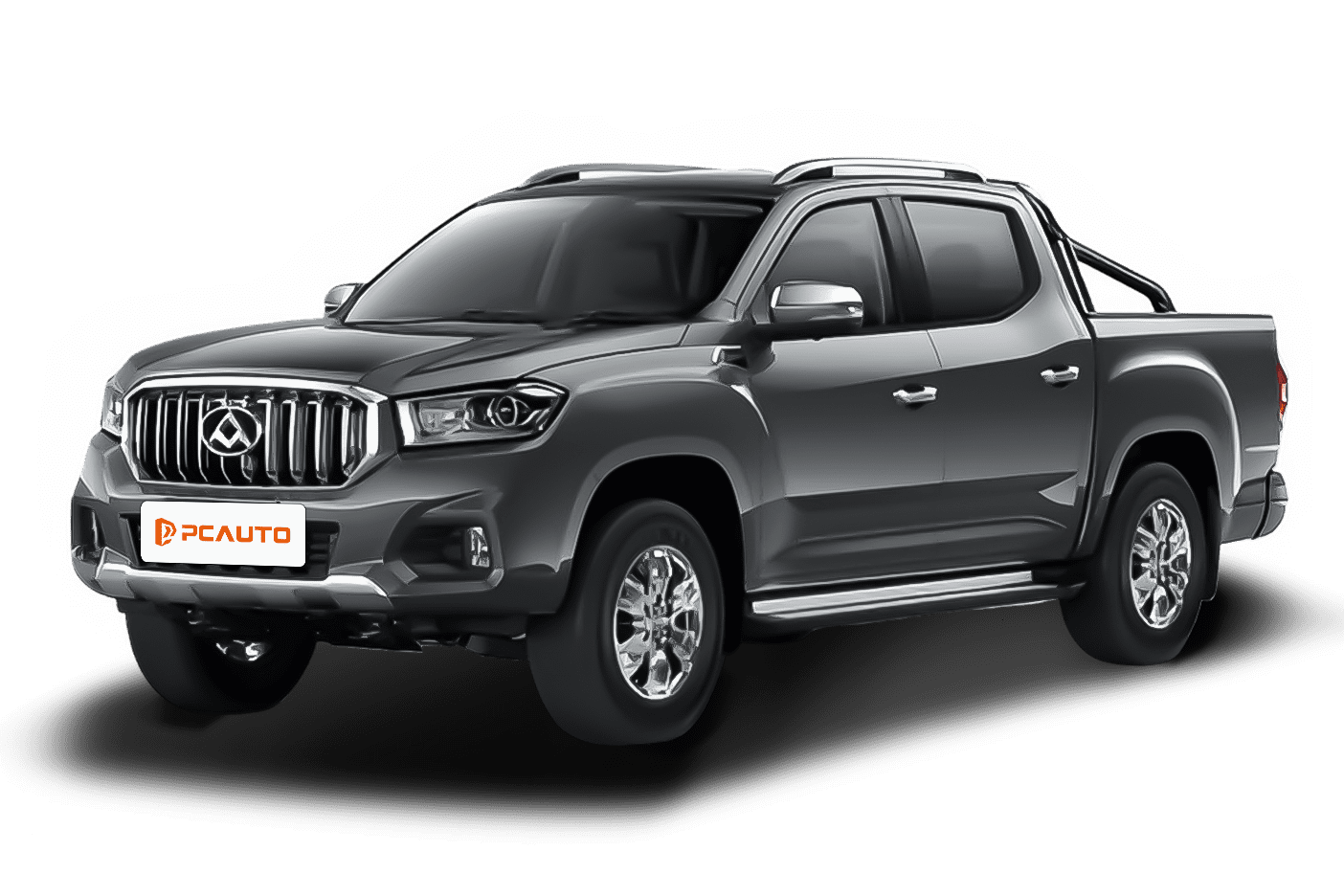
2022 Maxus T60 2.8L 4WD AT is a practical pickup truck that balances work and life. The strong diesel torque and 4WD capability meet cargo and off-road needs, while the premium features and spacious interior enhance daily comfort.