

2024 Isuzu D-Max 1.9L 4×2 Auto Plus (AT) Review

 Share
Share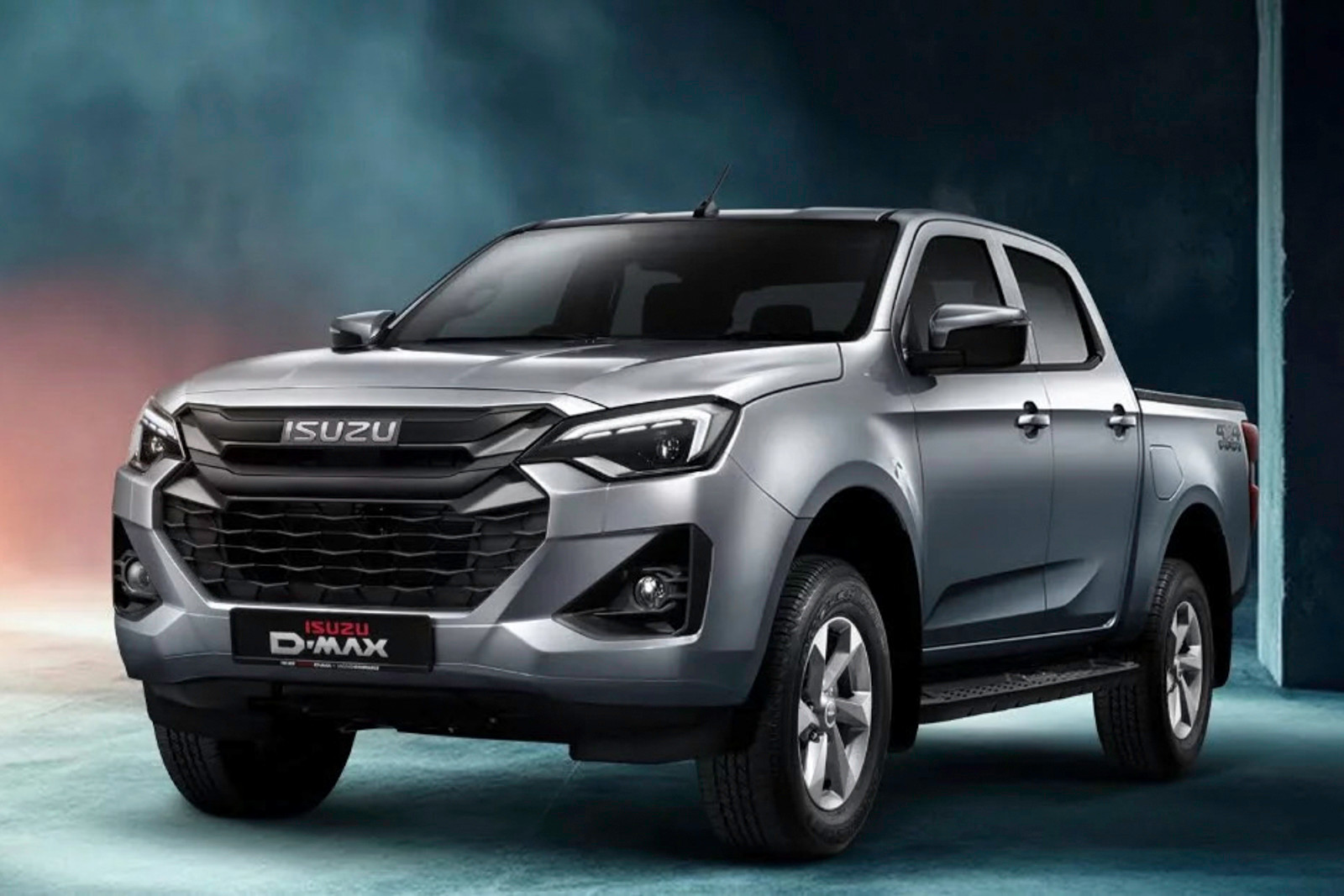
 Segment
 Body Type
 Capacity(L)
 Engine Power(PS)
 Engine Torque(Nm)
 Transmission
In Malaysia's pickup truck market, vehicles that balance daily commuting needs with light cargo capacity have always been the focus of family users and small business owners. The 2024 Isuzu D-Max 1.9L 4×2 Auto Plus (AT), positioned as a mid-range model in the series, is priced at RM 109,499 to target the mainstream market, with core selling points centered around reliable diesel power, practical space design, and basic intelligent configurations. In this test, we will focus on verifying whether it can balance the comfort of a family car with the functionality of a utility vehicle, providing target users with a clear reference for choice.
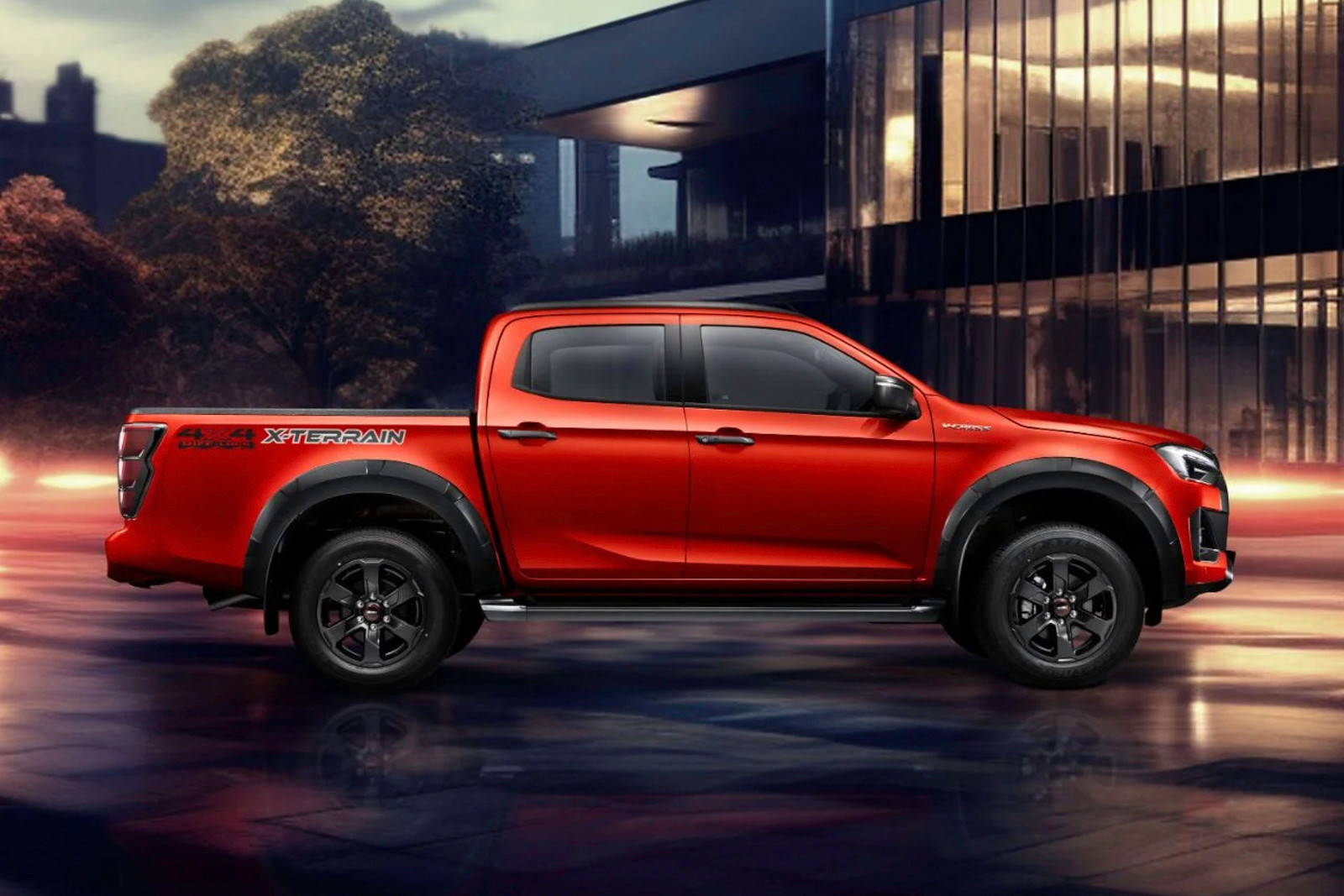
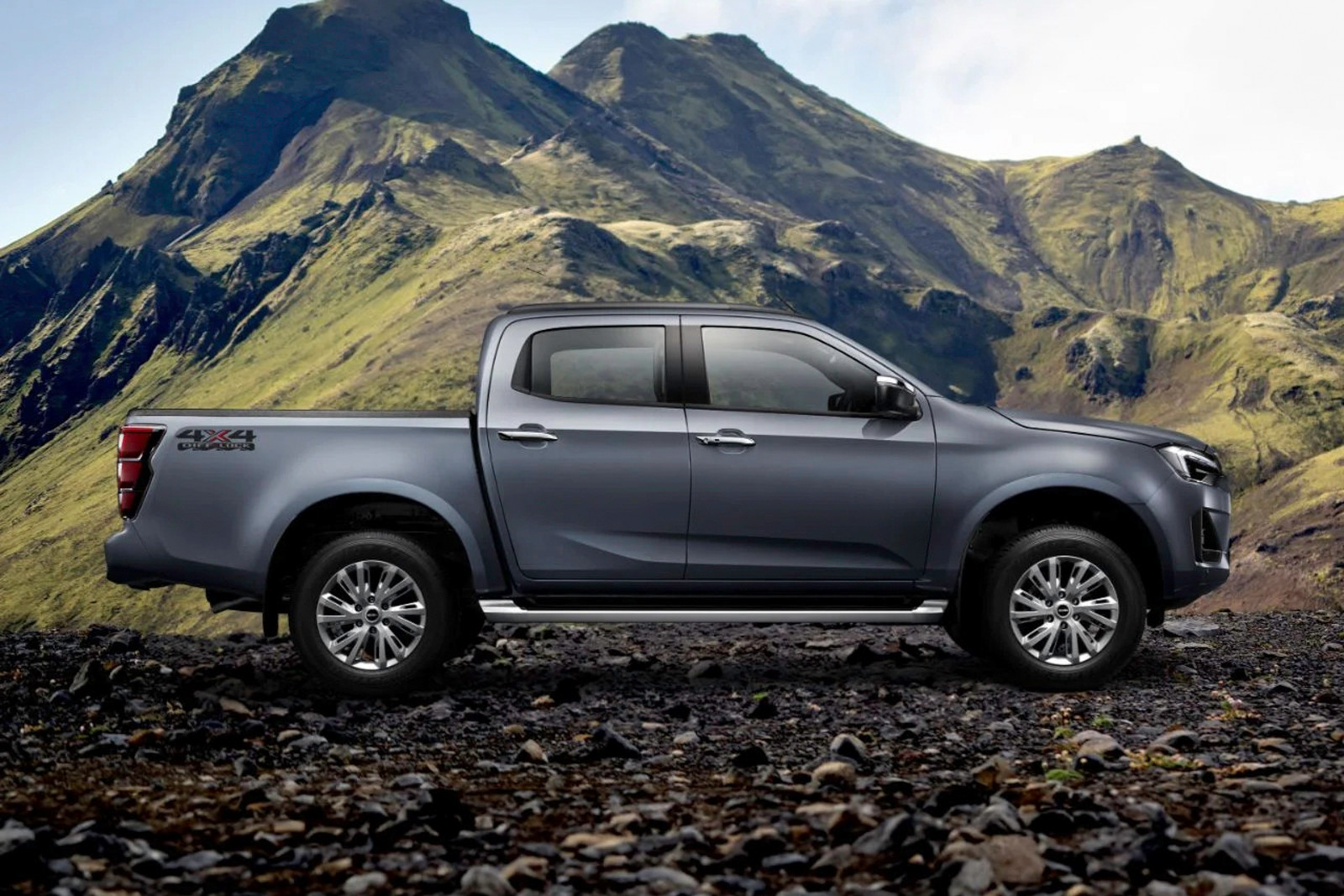
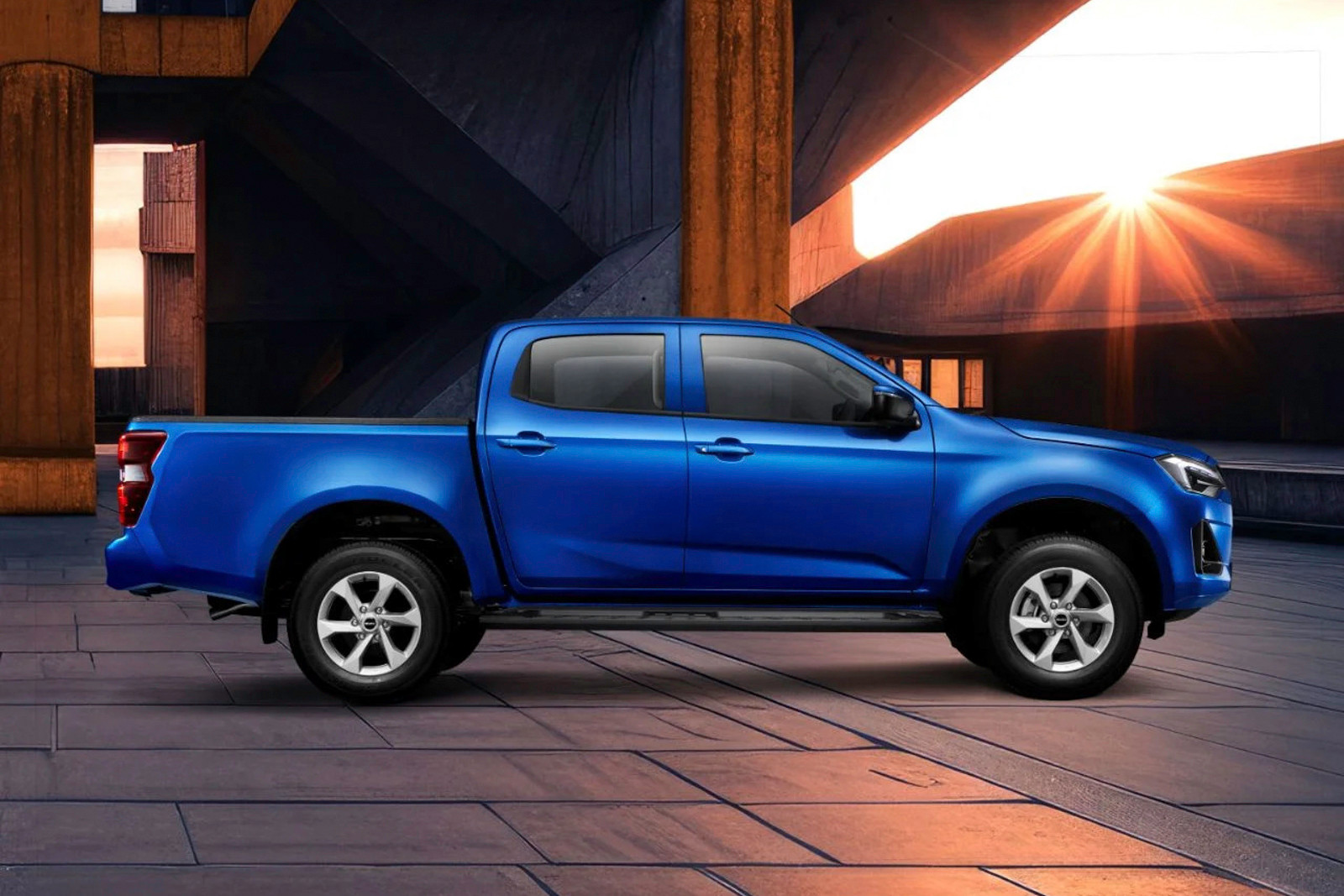
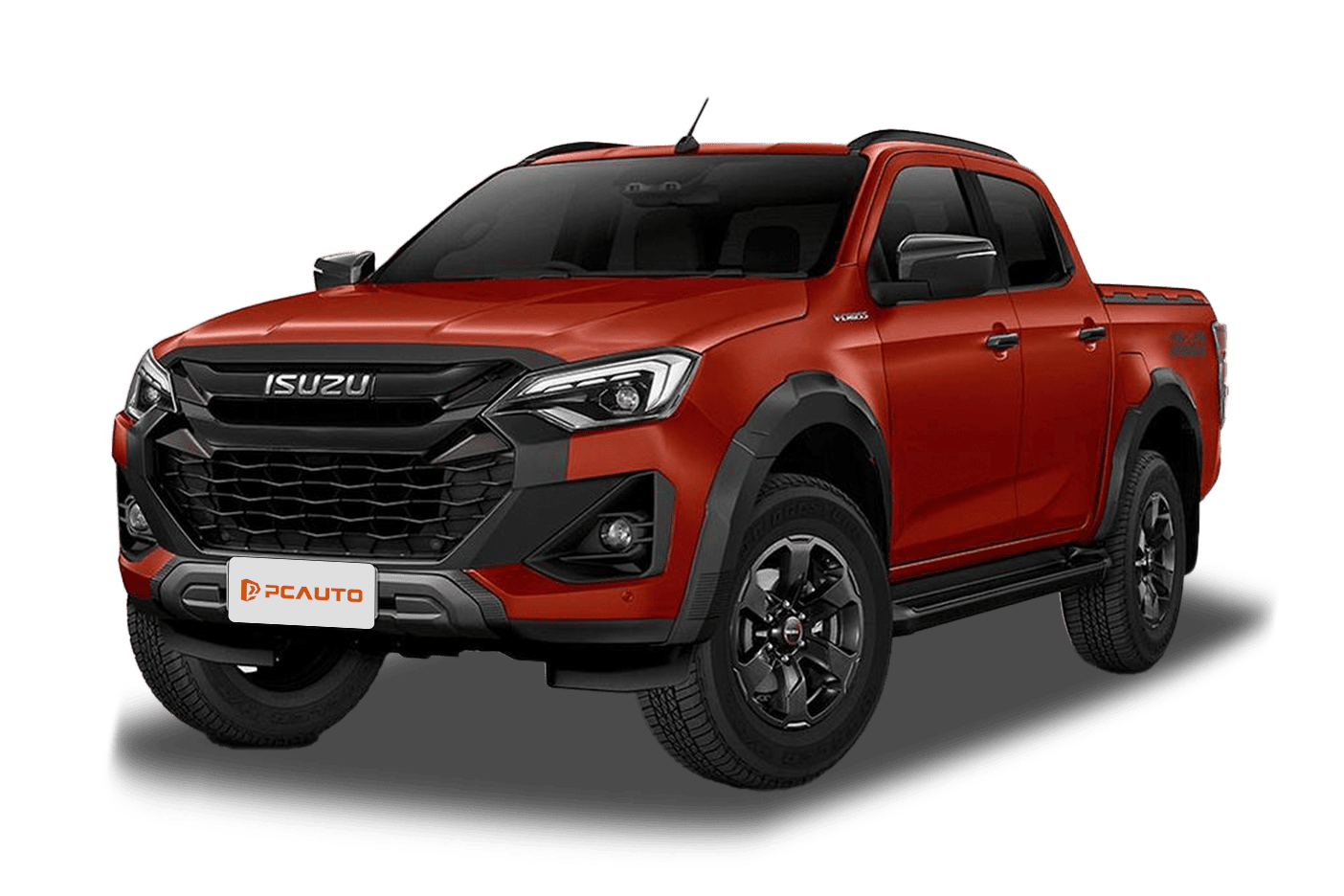
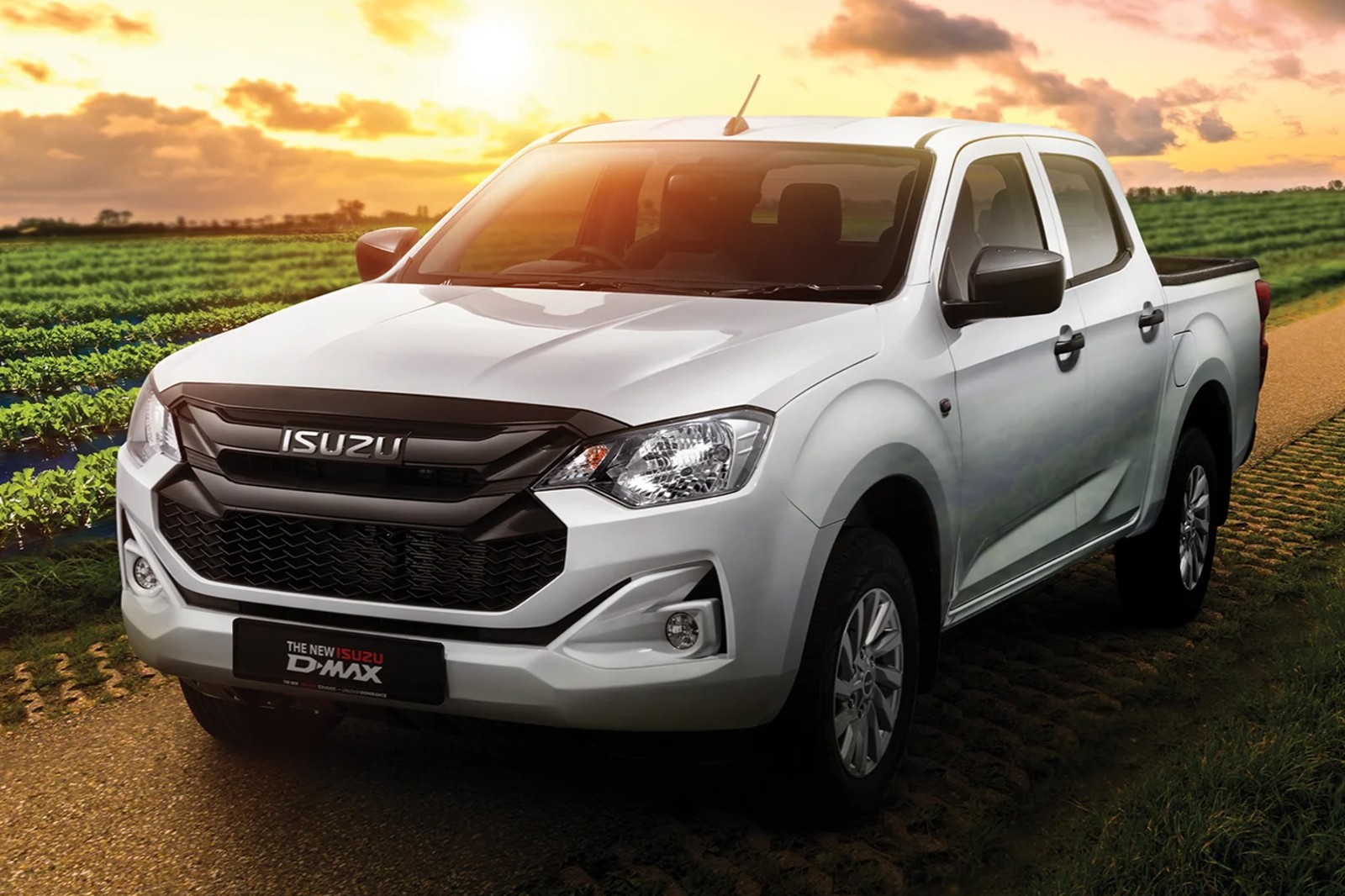
From the exterior, this D-Max continues the rugged pickup truck style of the series. The front features a large trapezoidal air intake grille, paired with robust chrome trims connecting with the LED headlights on both sides, offering good recognition; the headlights integrate lenses, and the daytime running lights are strip-shaped, providing a clear visual effect when illuminated. The side profile of the body displays straight lines, with door handles and exterior mirrors made of black plastic, consistent with the durable positioning of a utility vehicle; the wheel arches have a slight muscular design, paired with 255/65 R17 tires to ensure a minimum ground clearance of 235mm. At the rear, the tail lights are vertically arranged and embedded with LED light sources, the rear bumper has black paint, and it is equipped with rear parking sensors and a rearview camera. The overall design avoids overly elaborate elements, focusing on practicality.
Inside the cabin, the interior design leans towards simplicity and practicality. The dashboard adopts a symmetrical layout, with hard plastic material on the upper section, and the central area is adorned with silver trims. While the materials are not luxurious, the seams are neatly treated. The steering wheel features a three-spoke design, supporting manual tilt adjustment, and the left side integrates audio control buttons; the instrument cluster uses e-LUMAX backlit gauges with adjustable brightness, clearly displaying basic information such as RPM, speedometer, and fuel level. In the center, the most noticeable feature is a 9-inch touchscreen, supporting wireless Apple CarPlay and Android Auto with smooth connectivity, while physical buttons for the air conditioning remain below, making them convenient to operate. As for the seats, the driver's seat supports six-way manual adjustment, while the passenger seat allows four-way manual adjustment. The seat padding leans towards firmness but provides decent support; the rear seats adopt a 60:40 split-folding design, with a central armrest and cup holders, offering some comfort for long rides. For storage space, there are cup holders in the front door panels, a storage compartment below the dashboard, and a power outlet under the rear air conditioning vents, which meet daily usage needs.
The space performance aligns with the positioning of a mid-sized pickup truck. The body dimensions are 5270mm in length, 1878mm in width, and 1785mm in height, with a wheelbase of 3125mm. When seated in the front, a passenger measuring 180cm has a fist-width of headroom remaining; the rear seat can accommodate a 180cm passenger with two fists of legroom and one fist of headroom, ensuring that even with five passengers onboard, the space doesn’t feel overly cramped. Although the cargo bed dimensions were not specified separately, the standard depth and width of the pickup bed are sufficient to meet daily cargo requirements, such as weekend grocery shopping or carrying small tools.
Powertrain-wise, it is equipped with a 1.9L naturally aspirated diesel engine, delivering a maximum power of 150PS/3600rpm and a peak torque of 350N·m/1800rpm, paired with a 6-speed automatic transmission. During take-off, the low torque performance of the diesel engine is commendable, providing sufficient power output with a light press of the accelerator, making it suitable for low-speed city driving. The acceleration process up to 80km/h is smooth, with a clear shifting logic and without noticeable jerks. When switched to manual mode, the shift response is slightly delayed but sufficient to meet occasional overtaking needs. In fuel consumption tests, it recorded around 8.5L per 100km under congested urban conditions, dropping to 6.8L during highway cruising. Considering the vehicle weighs 1.83 tons, fuel economy is at a mid-level among competitors in its class.
The handling and chassis performance are tuned for comfort. The front suspension uses a double wishbone independent suspension, while the rear suspension features leaf springs with a non-independent setup. When passing over speed bumps or uneven road surfaces, the front suspension can filter out most of the fine bumps, while the rear suspension has slight bouncing but remains within an acceptable range. The steering wheel is light in effort with average accuracy, suitable for daily commuting. At highway speeds, the body remains stable with no significant floating sensations. In terms of braking, the combination of ventilated front discs and rear drum brakes provides linear pedal feedback, and during emergency braking, the body posture remains stable without veering off course.
As for driving comfort, noise control performance is average. Below 60km/h, the primary noise in the cabin comes from the tires; above 80km/h, wind noise and engine noise become more noticeable but do not affect normal conversations. The seats are slightly firm but are not tiring for long durations of sitting. The rear air conditioning vents ensure effective cooling for the rear passengers. It is worth noting that this model does not come with automatic door locks and still uses mechanical keys, which is slightly lacking in convenience.
In conclusion, the core strengths of the 2024 Isuzu D-Max 1.9L 4×2 Auto Plus lie in its reliable diesel engine, practical interior design, and basic intelligent features. Compared to the same segment Toyota Hilux 2.4L E Automatic (priced around 115,000 MYR), it is more affordable, and additionally includes wireless CarPlay/Android Auto and rear air conditioning vents. However, it falls short in safety features with only two airbags compared to the Hilux's seven airbags. Overall, this vehicle is suitable for users who prioritize cost-effectiveness while balancing family commuting and light cargo transportation needs, such as small business owners or families that often need to haul items. If your budget is around 110,000 MYR and you value practicality and reliability over luxurious features, the D-Max is a good choice.
Isuzu D-MAX Car Compare
Isuzu D-MAX Loan Calculator
More Isuzu Reviews
Cars With Similar Price And Features
5
Rank in Pickup
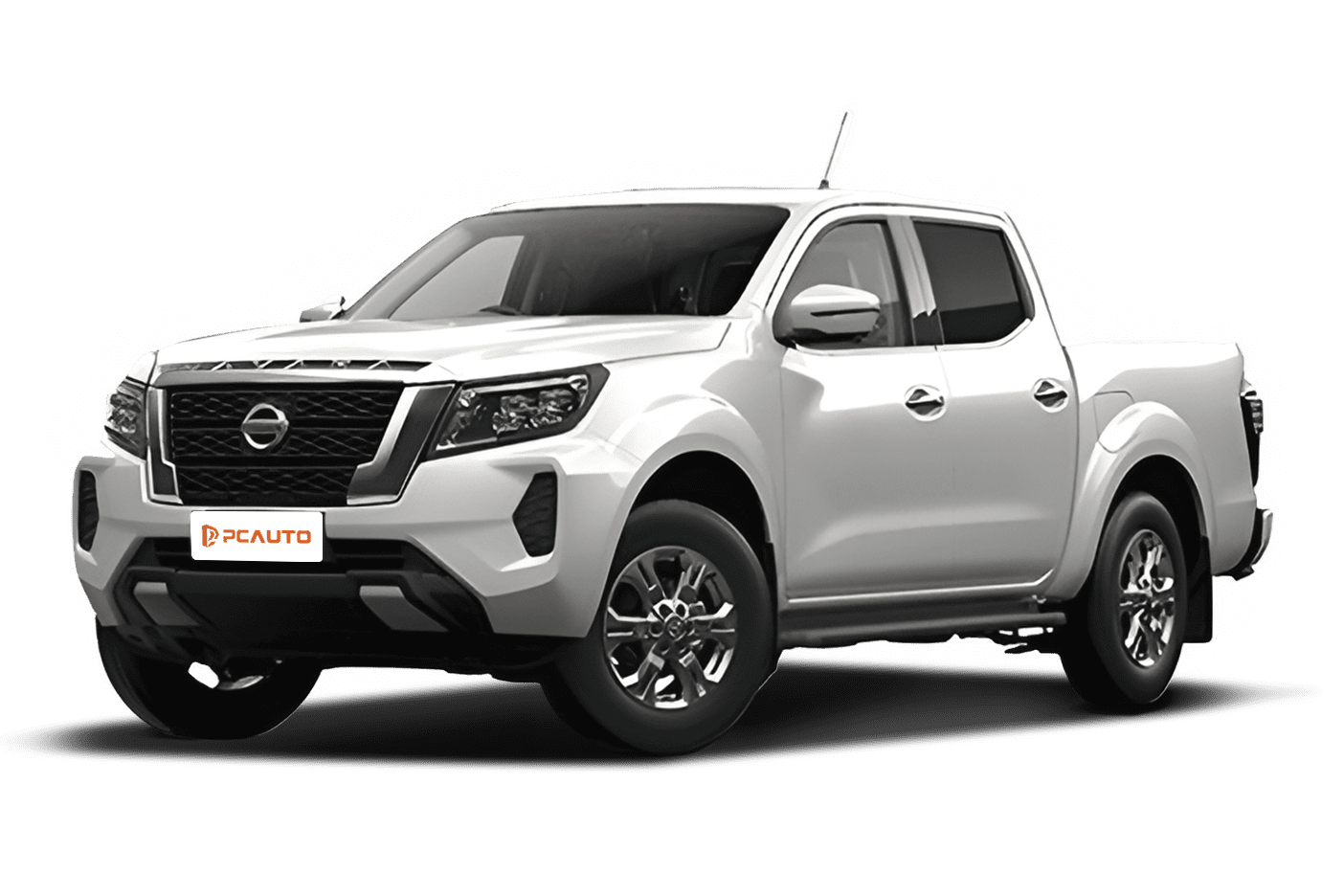
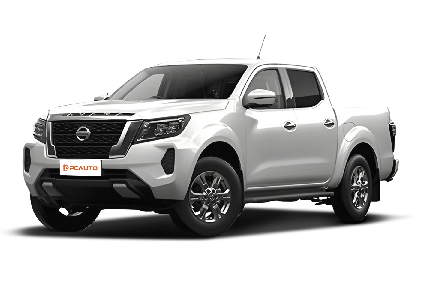
2023 Nissan Navara 2.5 VL Black Edition is a pickup truck that balances household comfort with light off-road capability, featuring exclusive black trims, a full suite of active safety features, and practical configurations, precisely catering to the needs of families and small business owners.
3
Rank in Pickup
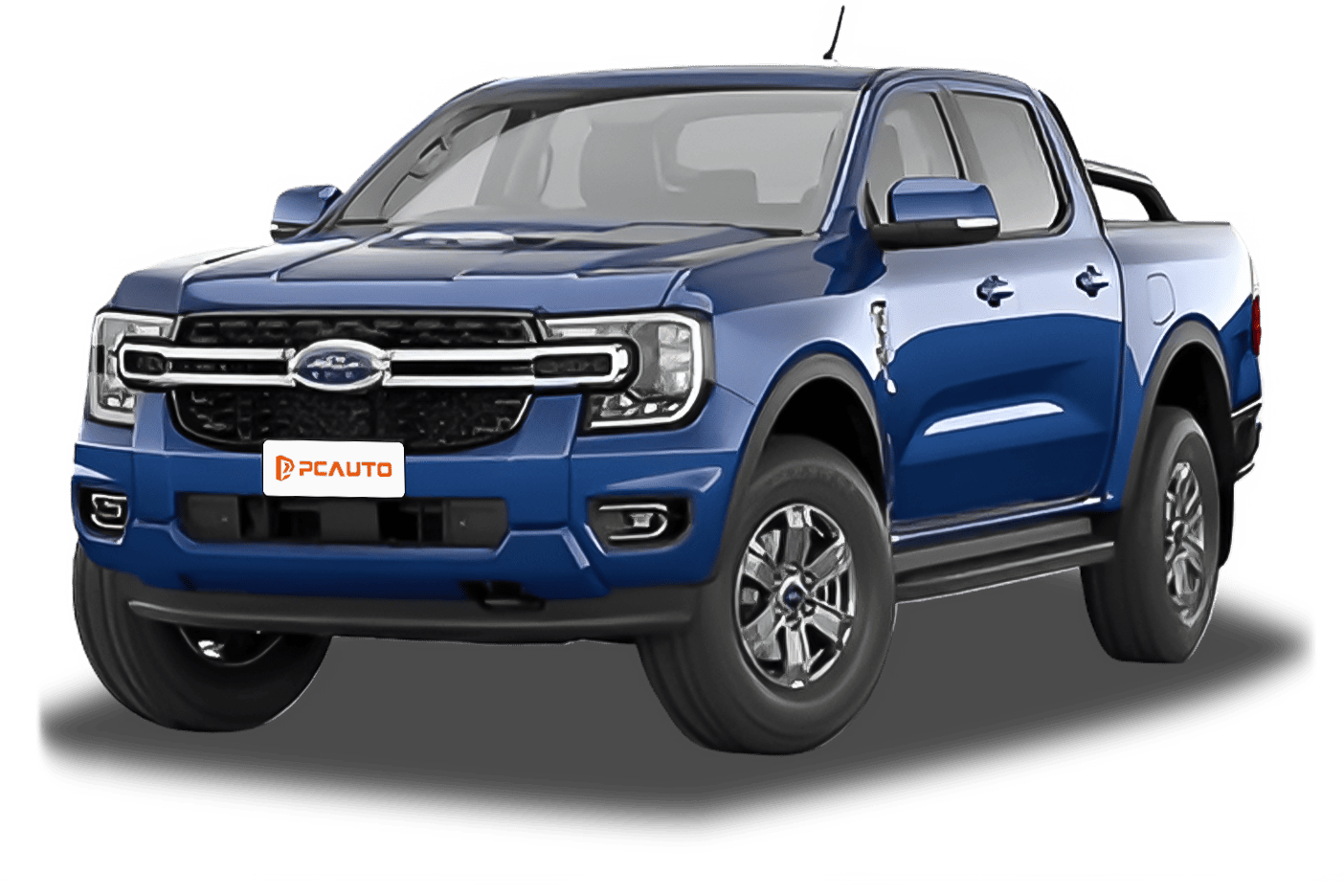
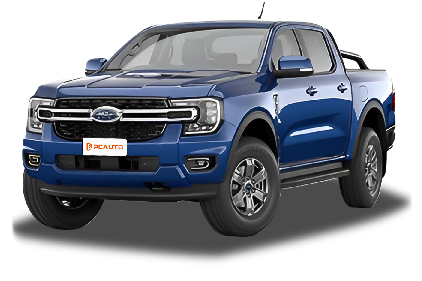
2023 Ford Ranger WildTrak is a mid-to-high-end pickup truck that balances the comfort of daily commuting with the practicality of cargo and off-road capabilities. It features powerful performance, ample space, and practical configurations, making it a versatile choice for both family and work scenarios.

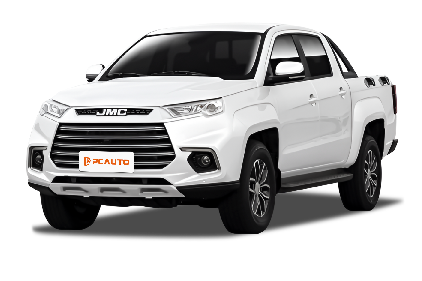
2023 JMC Vigus Pro White Series 2.0L 4WD 8AT combines rugged design, practical features, and powerful diesel performance, balancing everyday durability and mild off-road needs, making it a high-value choice for pickup users.
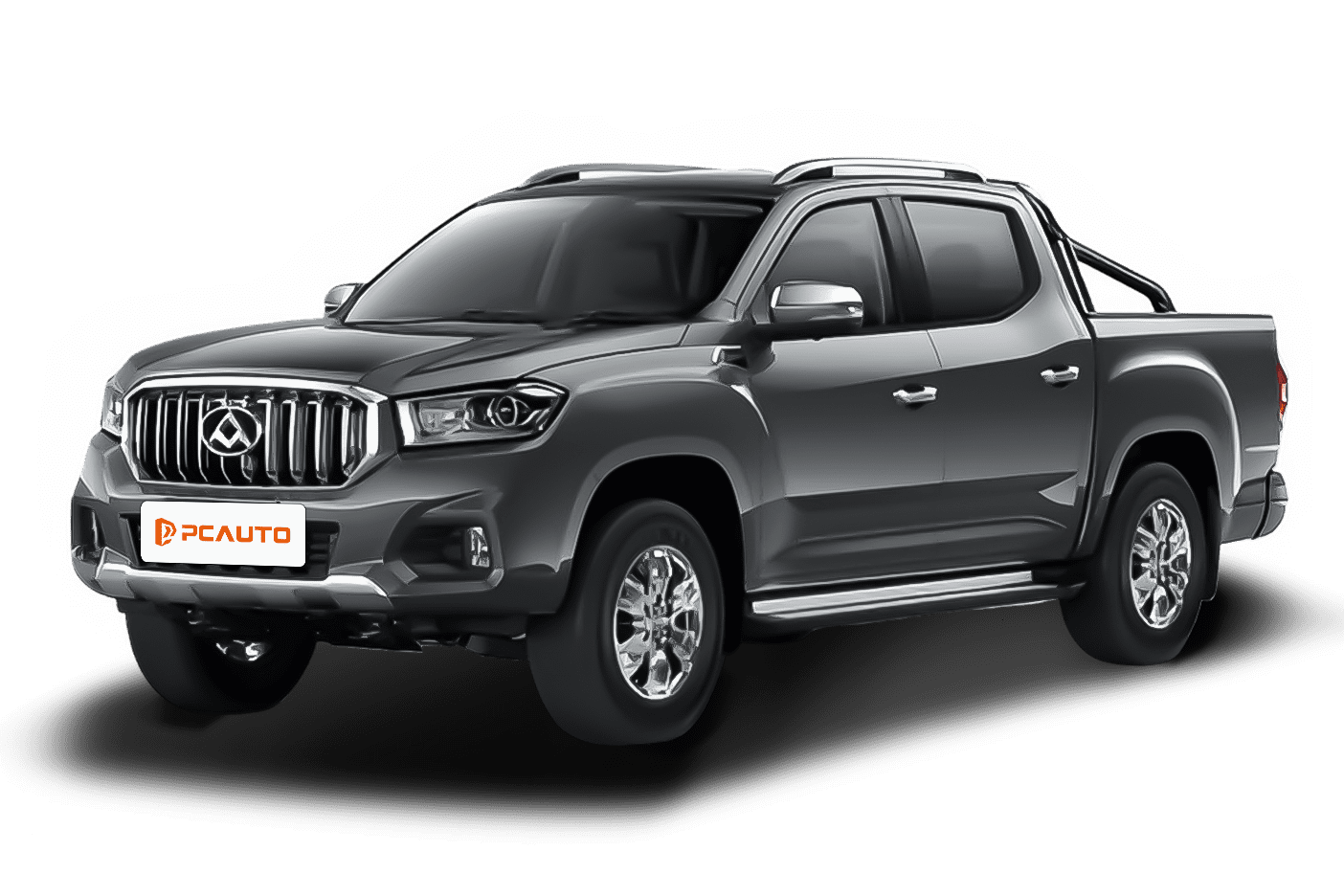
2022 Maxus T60 2.8L 4WD AT is a practical pickup truck that balances work and life. The strong diesel torque and 4WD capability meet cargo and off-road needs, while the premium features and spacious interior enhance daily comfort.