

Jaguar XF 2020 Review

 Share
Share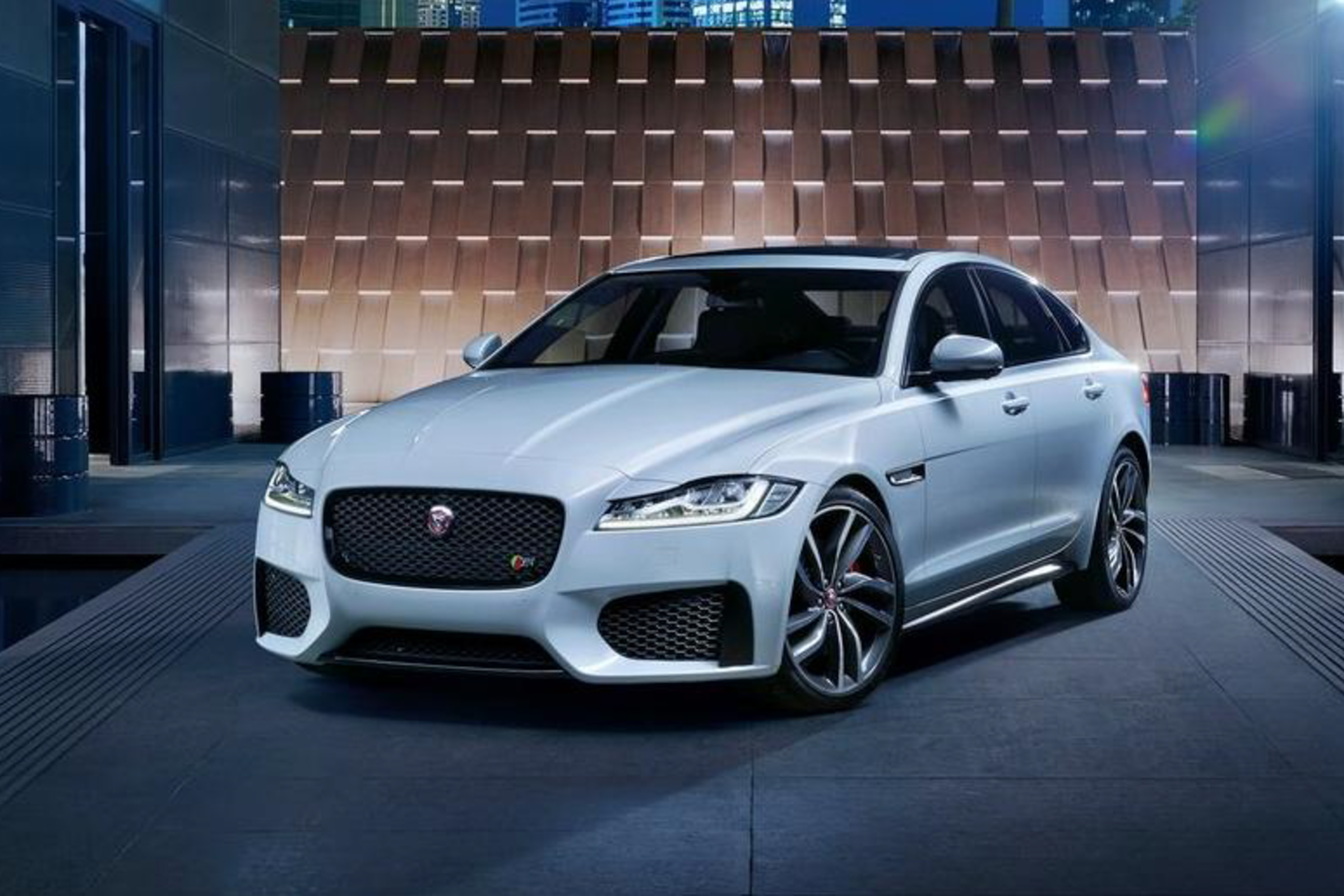
 Segment
 Body Type
 Capacity(L)
 Engine Power(PS)
 Transmission
 Driven Wheels
In the executive sedan market in Malaysia, German brands have long dominated, but the niche demand for British luxury has never disappeared—this is precisely where the 2020 Jaguar XF R-Sport 2.0 aims to fill the gap, entering the market with its sporty design, all-wheel-drive system, and high-spec safety features. As the main model following the brand's mid-cycle refresh, can it balance Jaguar's iconic handling DNA with the comfort of an executive sedan? This in-depth review will focus on three key dimensions: exterior details, spatial practicality, and dynamic performance, to provide potential buyers with valuable insights.
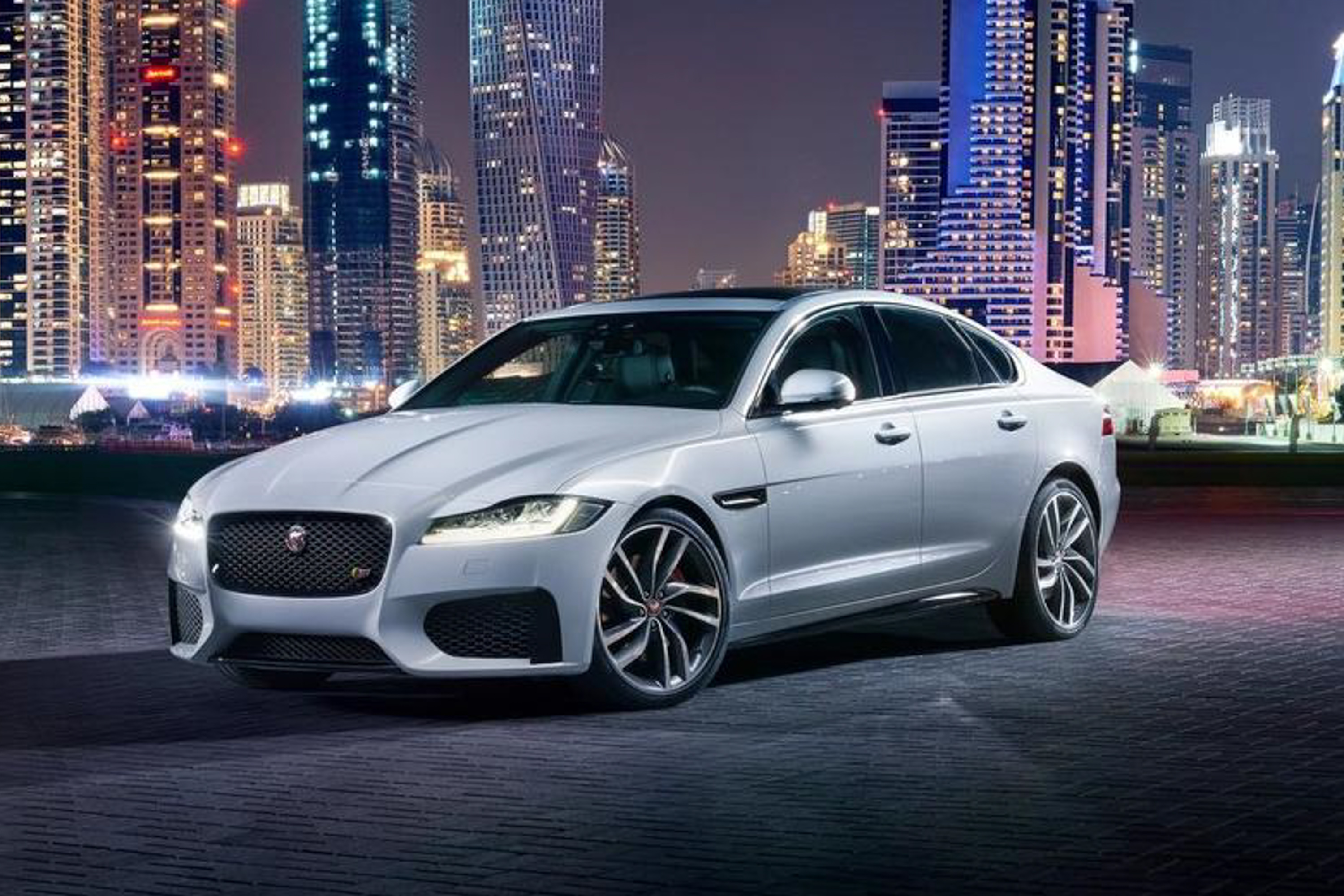
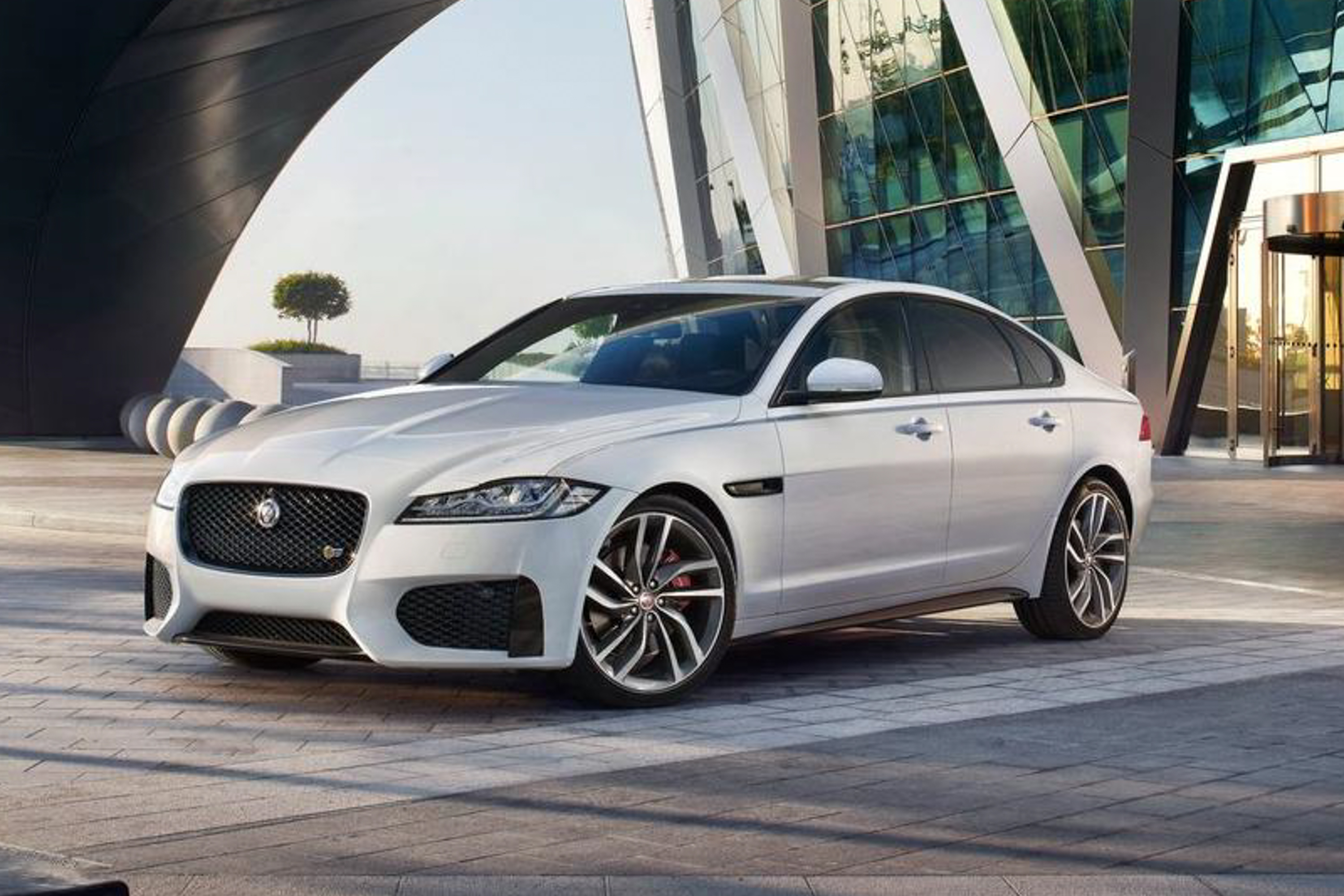
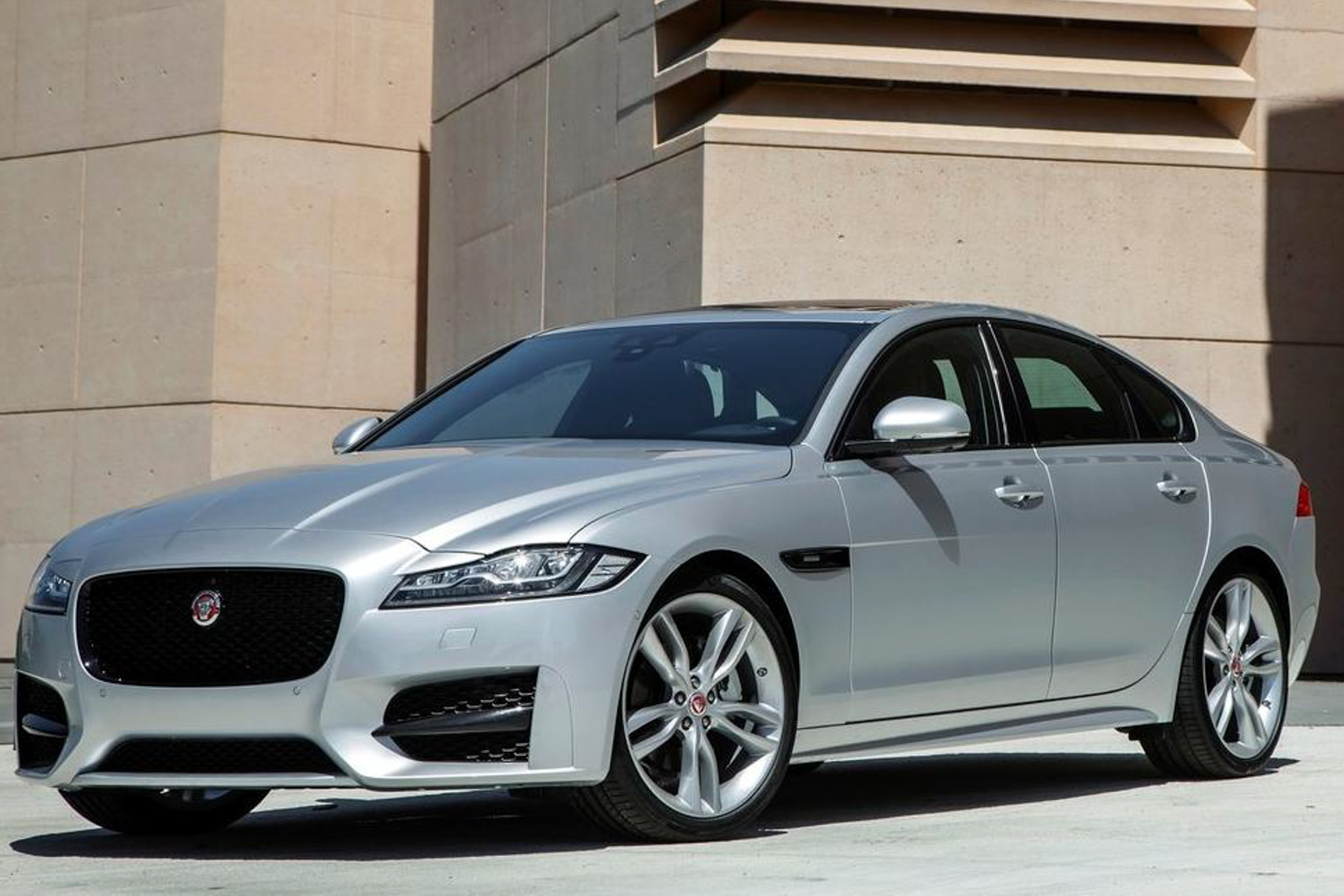
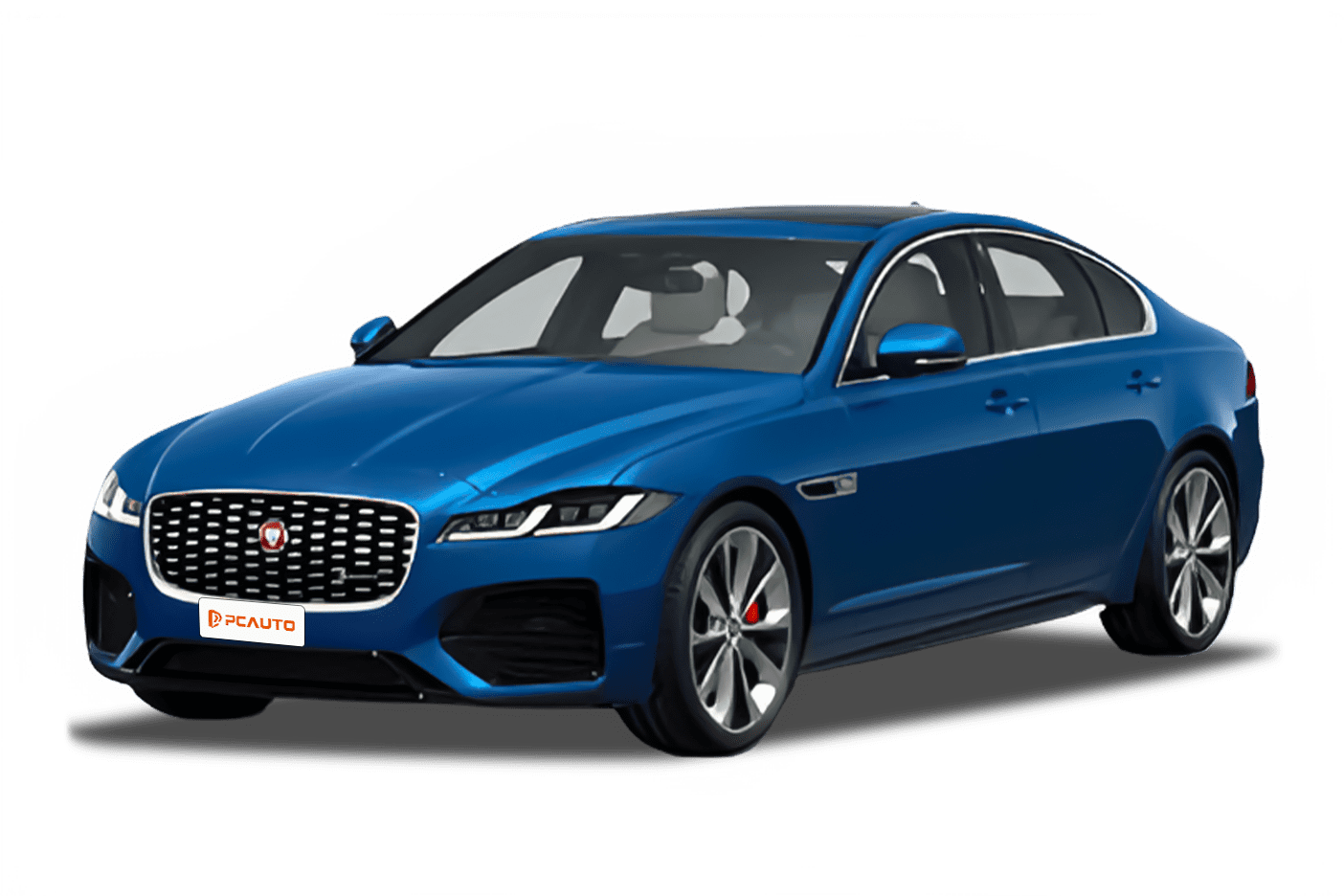
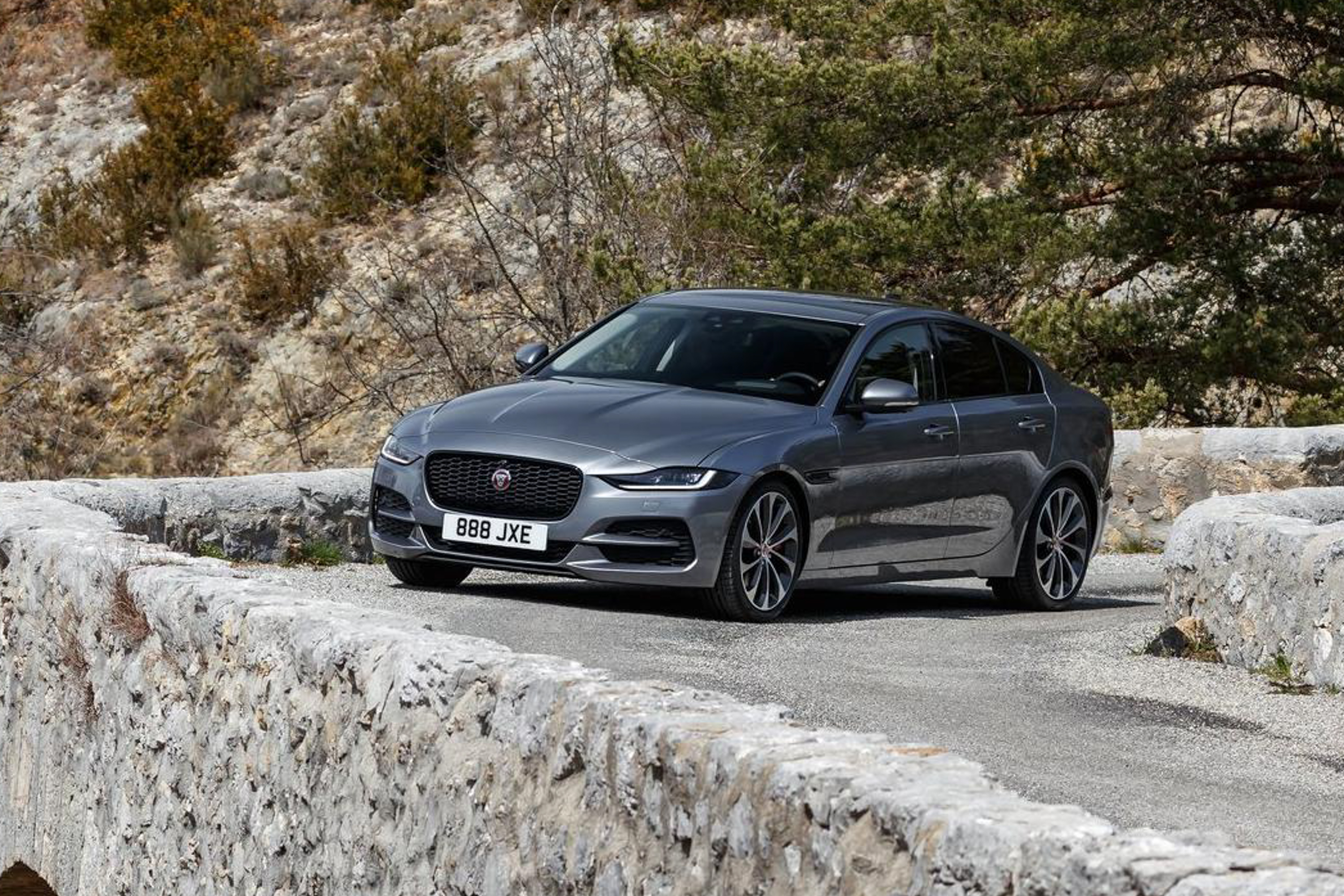
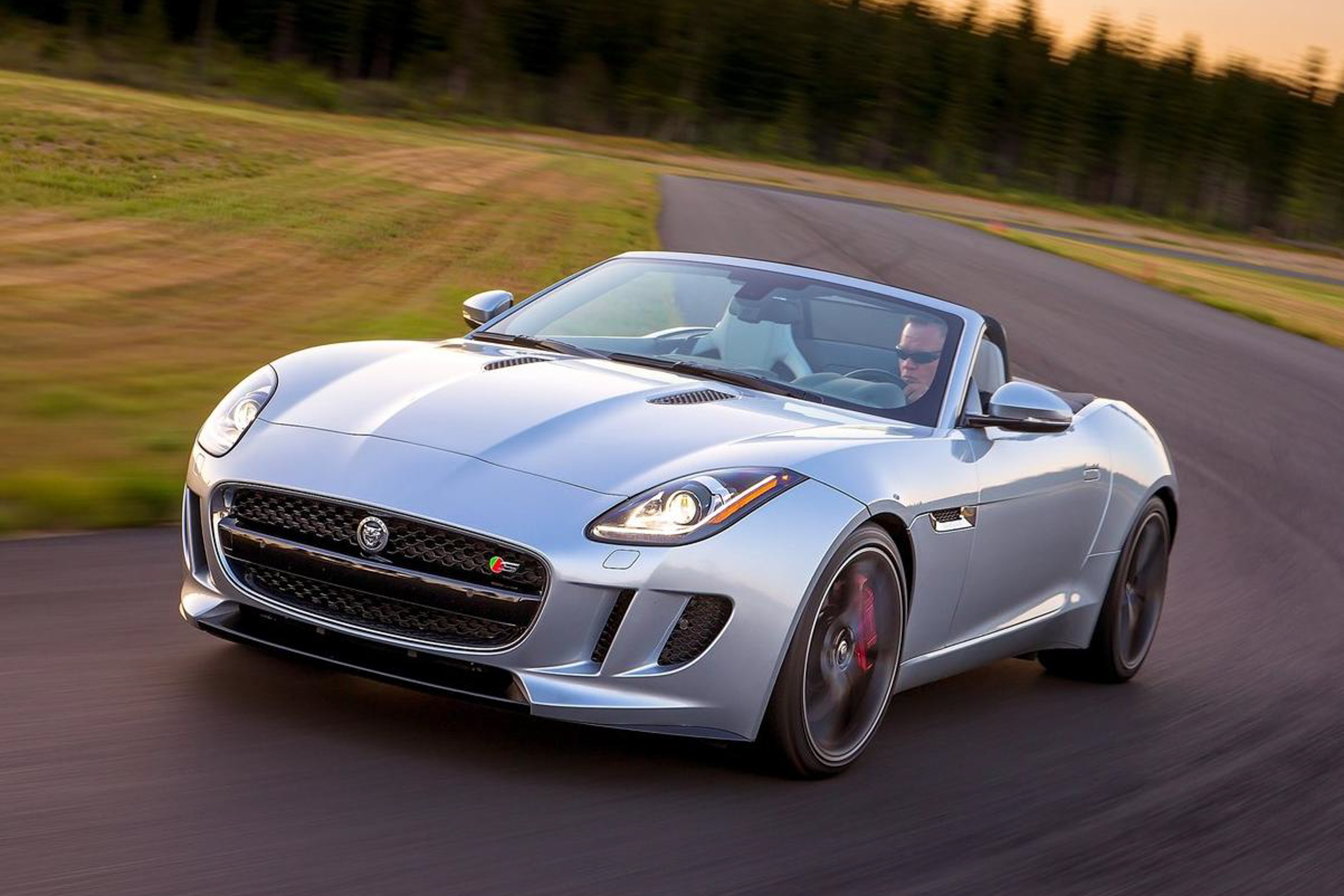
The exterior design of the 2020 XF R-Sport continues Jaguar's family design language, featuring a low and sleek silhouette while retaining the elegance of an executive sedan. The front end sports a large honeycomb-style grille, paired with a smoked R-Sport-exclusive front bumper, while the fog lamp areas feature sporty air ducts for enhanced recognition. On the side, the 2960mm wheelbase supports a long and slender profile, with 18-inch multi-spoke alloy wheels (245/45 R18 tire specifications for both front and rear) and a short front overhang enhancing its sporty stance. At the rear, the LED taillights are connected by a chrome strip, while the dual exhaust outlets and a small rear spoiler on the trunk lid further emphasize the performance orientation of the R-Sport variant.
Inside the cabin, the interior primarily features black soft-touch materials, complemented by aluminum trim and contrasting stitching, creating a subtle sense of luxury. The dashboard layout is simple, with a 10.2-inch touchscreen that integrates multimedia, navigation, and vehicle settings, offering decent responsiveness; a few physical buttons are retained below for convenient blind operations while driving. In terms of features, the vehicle comes standard with HUD head-up display, 10-way power-adjustable front seats, dual-zone automatic climate control, and a 220V/230V power outlet, meeting daily usage needs. Space-wise, the 2960mm wheelbase provides ample rear legroom; a passenger standing 175cm tall would still have two fists worth of space between their knees and the front seatback when seated in the rear. The rear is equipped with independent air conditioning vents and power outlets, ensuring comfort. The trunk has a capacity of 540L and supports 40:20:40 split-folding seats, expanding to 1145L when folded down, which can accommodate large luggage items.
The powertrain is equipped with a 2.0T turbocharged engine, offering a maximum power output of 240PS/5500rpm and a peak torque of 365N·m/1750rpm, paired with an 8-speed automatic transmission and an all-wheel-drive system. The official 0-100km/h acceleration time is 6.5 seconds. In actual testing, the response during takeoff in sport mode is swift, the turbo engages seamlessly without noticeable lag, and mid-to-high-range acceleration remains powerful, delivering ample thrust when pressing the gas pedal for overtaking. In economy mode, power output is smoother, making it more suitable for daily commuting. As for handling, the combination of a front double-wishbone independent suspension and a rear multi-link independent suspension is tuned towards sportiness, providing precise steering with minimal dead zones. During cornering, body roll is well controlled, and the all-wheel-drive system ensures solid grip. However, the suspension's damping of road shocks feels somewhat direct, and rear-seat passengers might notice distinct vibrations when traversing speed bumps or uneven roads.
The fuel consumption performance meets expectations, with a measured fuel consumption of approximately 8.2L/100km under mixed road conditions, slightly higher than the official 7.5L/100km; on highways, fuel consumption can drop to 6.8L/100km, and its fuel economy is at a mid-level among competitors. The braking performance is excellent, with a 100-0km/h braking distance of about 38 meters, and the brake pedal feedback is linear, inspiring confidence. In terms of comfort, the front seats provide good support, making long drives less tiring; however, the rear seats are somewhat firm, resulting in average comfort for long journeys. Noise control is well-handled, with minimal wind and tire noise at high speeds, though engine noise becomes noticeable in the cabin during rapid acceleration.
Overall, the core advantages of the 2020 Jaguar XF R-Sport 2.0 lie in its sporty design, all-wheel-drive system, and comprehensive safety features (standard 6 airbags, 360-degree panoramic camera, active braking, etc.). Compared to competitors like the BMW 5 Series and Mercedes-Benz E-Class, its price (RM 457,934) is more competitive, and it offers superior handling performance. However, its brand value retention and interior luxury feel are slightly inferior to its German rivals.
This car is suitable for consumers who value a dynamic driving experience and have a preference for personalized luxury, especially young business professionals or family users aged 30-45. It balances comfort for daily commuting with driving pleasure for weekend getaways. If your budget is around 450,000 Malaysian Ringgit, you are not satisfied with the homogeneous design of German cars, and you prioritize driving quality, the 2020 Jaguar XF R-Sport 2.0 is worth considering.
Jaguar XF Car Compare

Jaguar XF Loan Calculator
More Jaguar Reviews
Cars With Similar Price And Features
12
Rank in Sedan
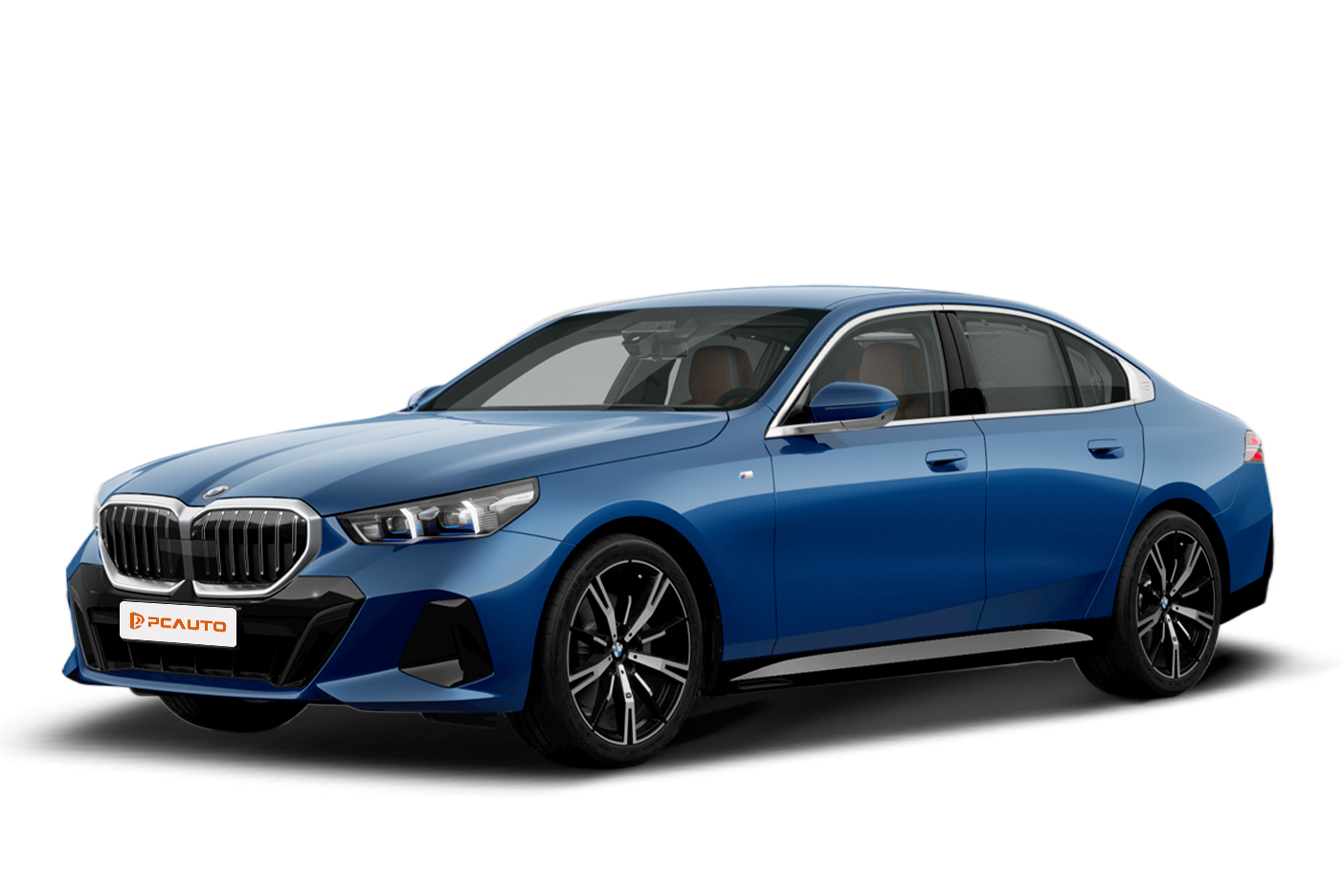
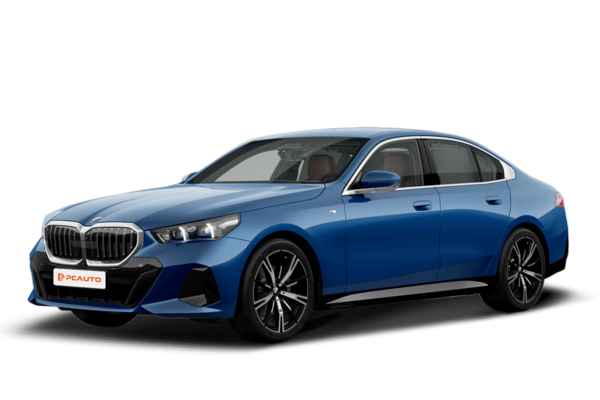
2025 BMW 5 Series 530i M Sport combines executive stability with youthful vitality through the M Sport package, featuring a powerful 2.0T mild hybrid system, enhanced by connected screen technology, balancing luxury, practicality, and driving pleasure.
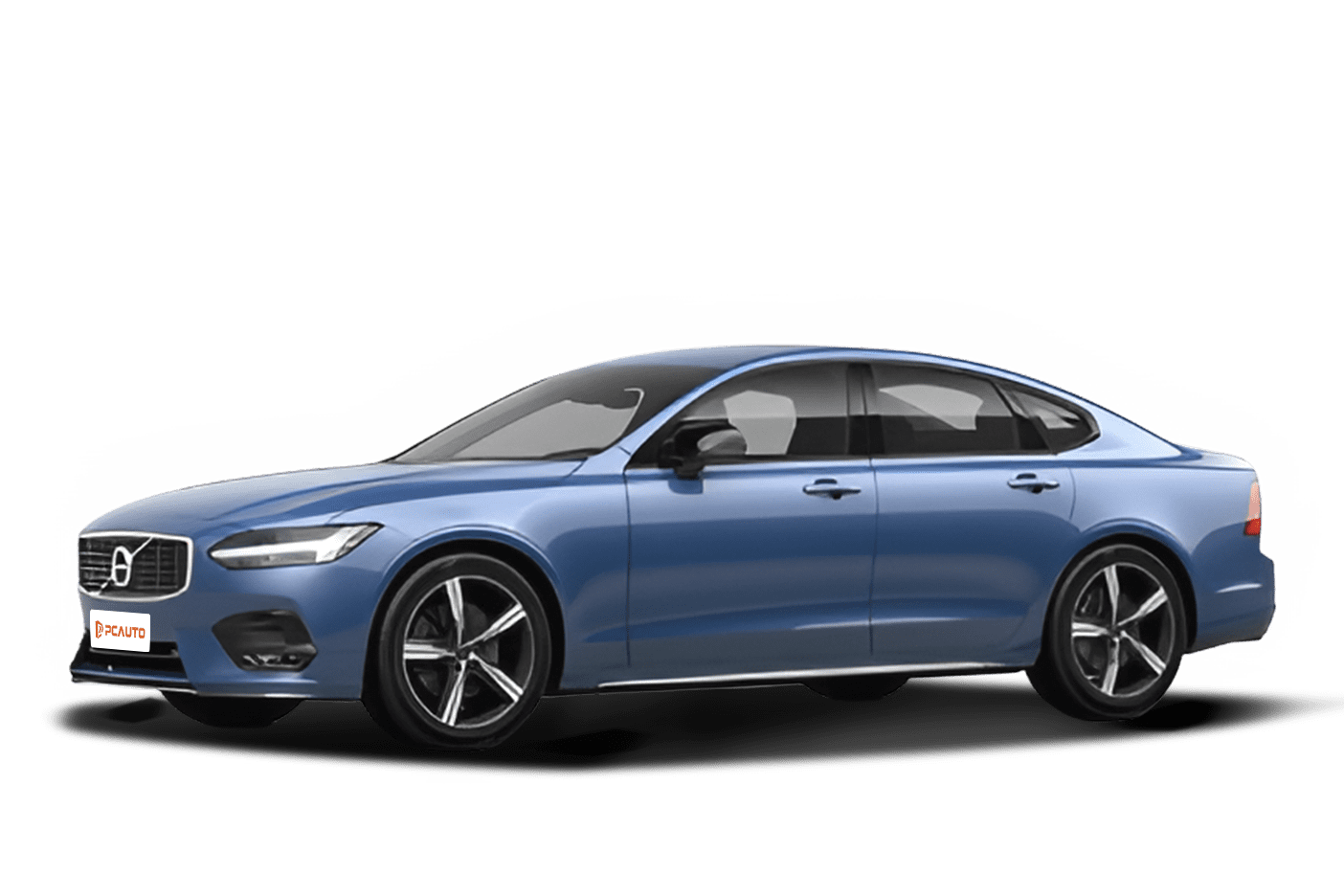
2021 Volvo S90 T5 Momentum is a mid-to-high-end sedan that combines safety DNA, family-friendly features, and executive-level comfort. It offers practical space, smooth power delivery, and is suitable for families and business users who value quality.

15
Rank in Sedan

2024 Mercedes-Benz E-Class E200, as a luxury executive sedan, upgrades its mild-hybrid system to balance power and fuel efficiency, enhances intelligent configurations, offers practical space, and highlights a comfortable driving experience.
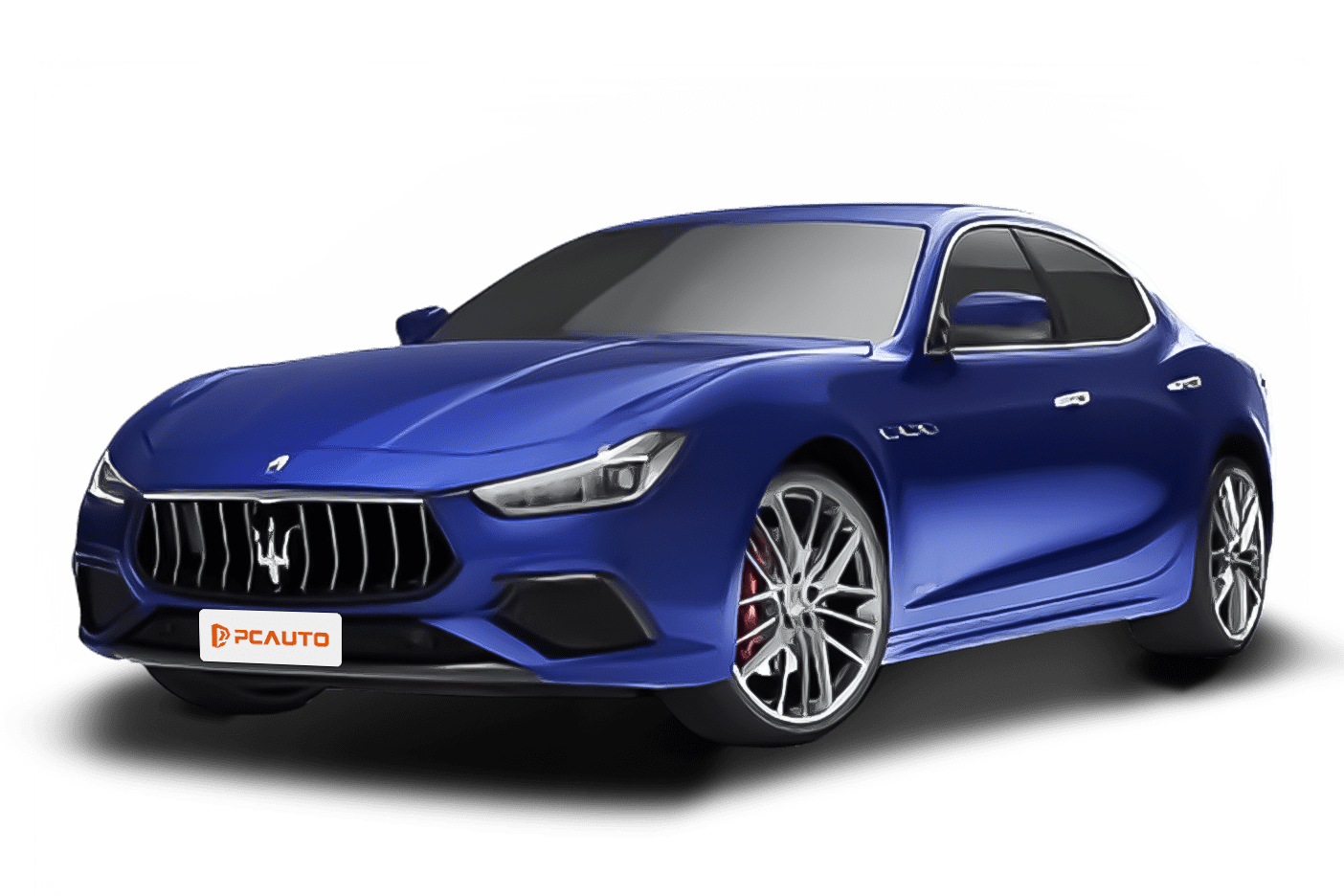
2022 Maserati Ghibli Hybrid is a model that combines luxurious executive appeal with efficient hybrid economy, retaining the brand's classic design and driving pleasure, and is more budget-friendly.