

Kia Sportage 2016 Review

 Share
Share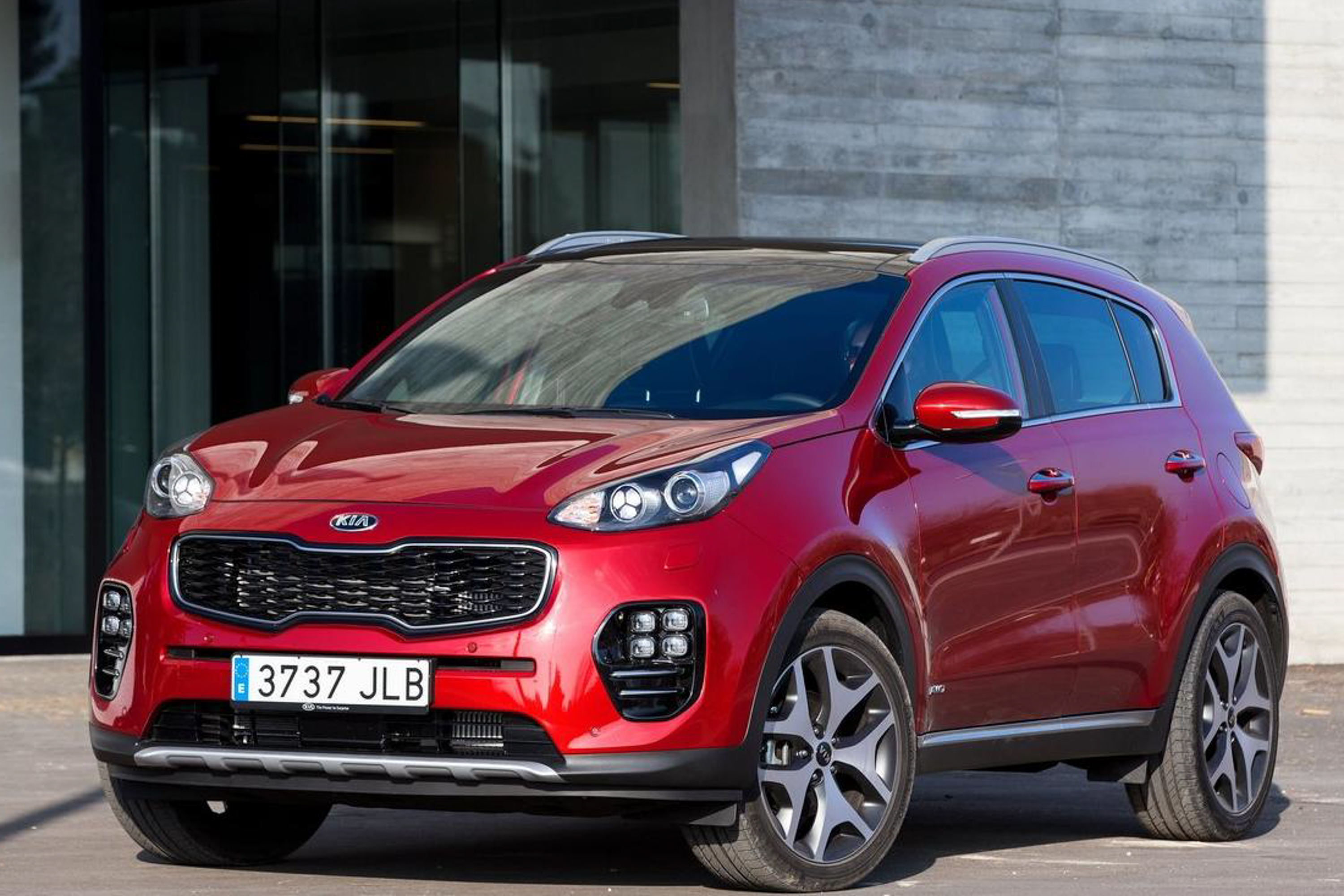
 Body Type
 Segment
 Capacity(L)
 Engine Power(PS)
 Engine Torque(Nm)
 Transmission
In recent years, the compact SUV market has become increasingly competitive, with consumers seeking both the off-road capability and practicality of SUVs without compromising on design and features. The 2016 Kia Sportage, as a popular contender in this segment, has attracted significant attention with its avant-garde appearance and upgraded features. This review will focus on its static design, spatial performance, and dynamic driving experience to see if this vehicle can meet the dual needs of family users and young consumers.
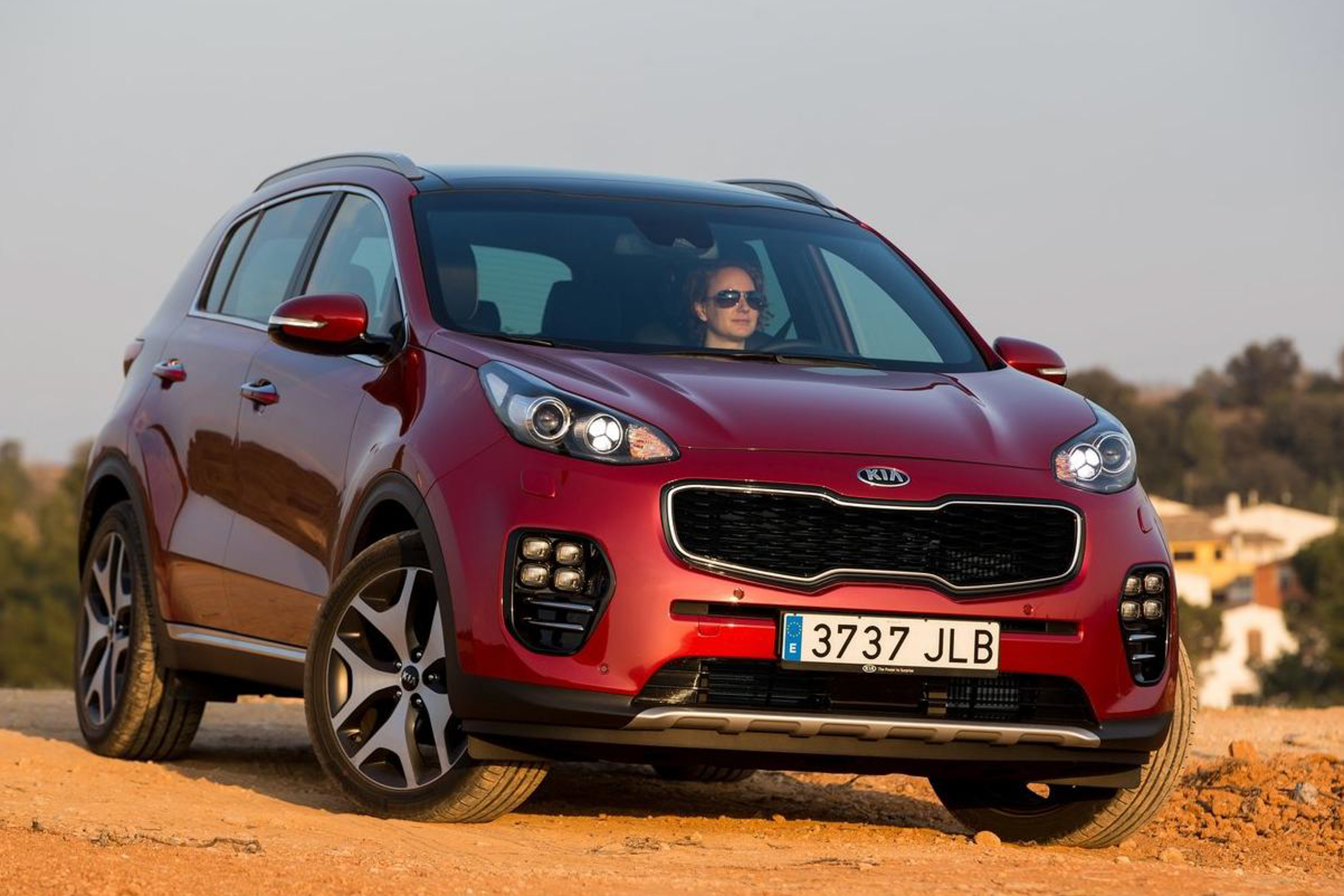
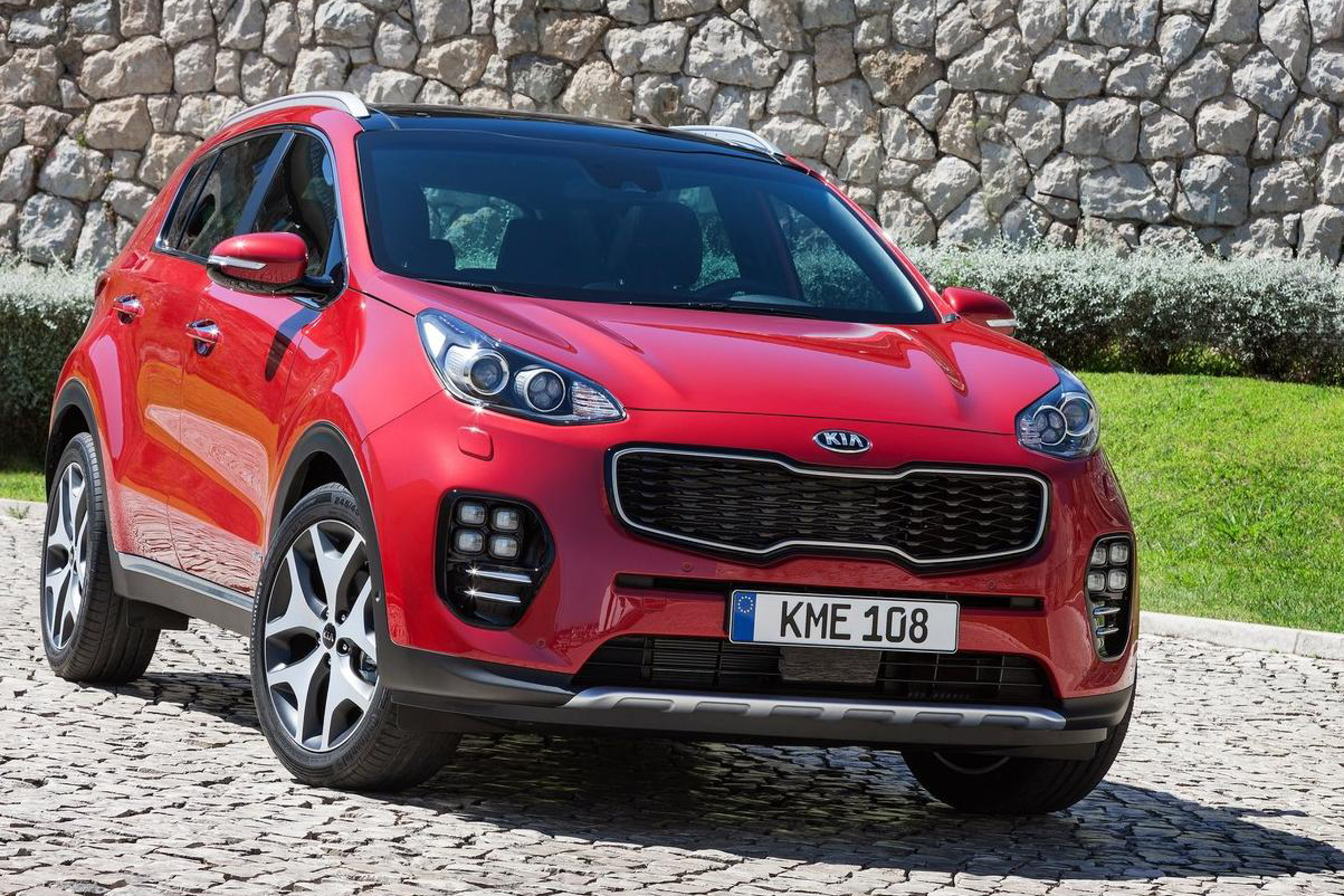
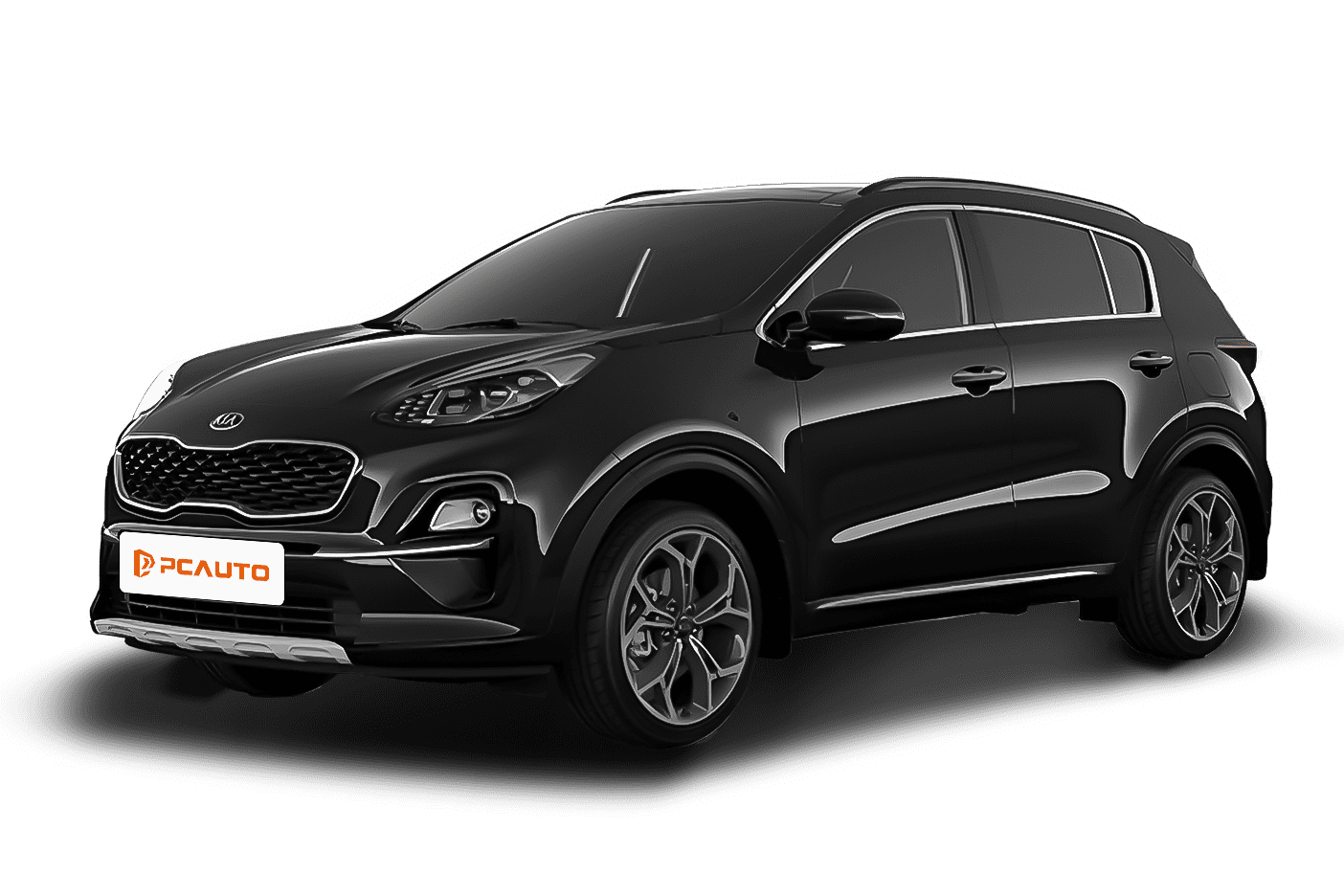
From the front view, the 2016 Sportage features a larger tiger-nose grille, complemented by irregularly shaped LED daytime running lights, giving it high recognizability. The side of the vehicle adopts a waistline design that runs from the front fender to the taillights. Together with the 17-inch alloy wheels, the overall lines appear smooth yet powerful. At the rear, the horizontally arranged LED taillights echo the front design, while the silver skid plate under the rear bumper adds a touch of off-road character. In terms of the lighting system, the top-spec model is equipped with projector headlights and LED taillights, offering clear nighttime visibility and good practicality.
Inside the car, the interior features a wraparound design, and the center console is tilted slightly toward the driver for easier operation. In terms of materials, the top of the dashboard is wrapped in soft-touch material, which feels refined, and the inner door panels are covered in leather, enhancing the overall interior quality. The center console is equipped with a 7-inch touchscreen display that supports Bluetooth connectivity and a rearview camera function. Its responsiveness is decent, but the resolution appears somewhat average by today's standards. The seats are made of fabric and provide good support. The driver's seat supports manual height adjustment, which ensures comfort during long trips. As for features, even the base model comes equipped with automatic air conditioning, a multifunction steering wheel, and USB ports, sufficient to meet daily usage needs.
In terms of body size, the 2016 Sportage measures 4480mm × 1855mm × 1635mm, with a wheelbase of 2670mm. The front-row seating offers ample space, with a 175cm tall passenger having a fist of headroom left after adjusting the seat. Rear-row space is average, with legroom of about two fists and headroom of one fist, comfortably meeting the needs of daily family use. For storage capability, the front central armrest box and door pocket storages are relatively large, accommodating items such as phones and water bottles. The regular trunk capacity is 491L, which can be expanded to 1480L by folding down the rear seats, allowing for the storage of large luggage. The rear row is also equipped with air conditioning vents and power outlets, enhancing passenger comfort in the back.
In terms of powertrain, the test model is equipped with a 2.0L naturally aspirated engine, delivering a maximum power of 155 horsepower and a peak torque of 192Nm, paired with a 6-speed automatic transmission. During everyday driving, the power delivery is smooth, with no noticeable lag during takeoff. Acceleration to 80km/h is fairly linear. When switched to sport mode, the transmission delays gear changes, and power response becomes more active, providing sufficient confidence when overtaking. However, during highway driving (above 100km/h), the power reserve feels slightly insufficient. A deeper press on the accelerator is required to achieve a significant sense of acceleration.
In terms of handling performance, the steering wheel has moderate resistance, minimal slack, and decent precision. The chassis adopts a combination of front MacPherson independent suspension and rear multi-link independent suspension, tuned for comfort. When passing speed bumps or uneven roads, the suspension effectively filters out most vibrations, avoiding a harsh feel; when cornering, the body roll is kept within a reasonable range, and the chassis stability is commendable. The braking system is linear in performance, with moderate braking distance, making daily driving reassuring.
In the fuel consumption test segment, we drove for 50km in both urban congested roads and highways, resulting in a combined fuel consumption of 8.5L/100km, which is close to the official figure of 8.2L/100km. The fuel economy performance meets expectations. Regarding noise control, wind and tire noise are slightly noticeable during high-speed driving, but remain within an acceptable range, not affecting normal communication among passengers in the car.
Overall, the core strengths of the 2016 Kia Sportage include its avant-garde exterior design, practical space performance, and balanced power and fuel efficiency. Compared to the Honda CR-V in the same class, the Sportage has a younger design and richer configurations; and compared to the Hyundai Tucson, while both share similar powertrains, the Sportage's chassis tuning leans more towards comfort. This car is suitable for families focusing on exterior design and spacious interiors while also meeting the demands of young consumers for high configurations and driving comfort.
In summary, the 2016 Kia Sportage is a well-balanced compact SUV with a striking exterior design, a practical interior space, and adequate power and fuel efficiency performance. Though it slightly lacks in interior technological appeal and high-speed power reserve, overall, it meets daily family use demands well. If you're looking for an SUV that offers a balance between design, space, and practicality, the 2016 Sportage is worth considering.
Kia Sportage Car Compare
Cars With Similar Price And Features
8
Rank in SUV
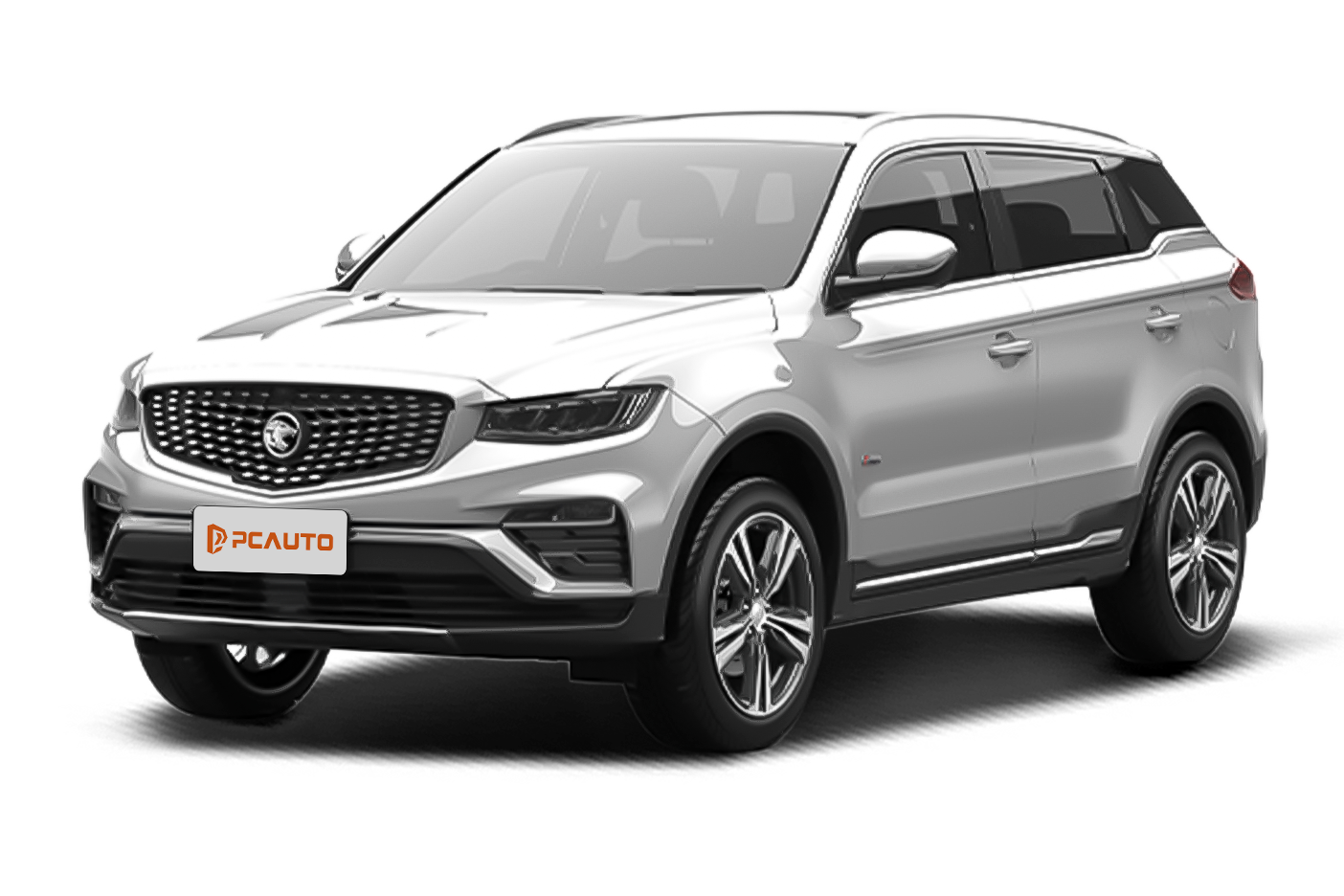
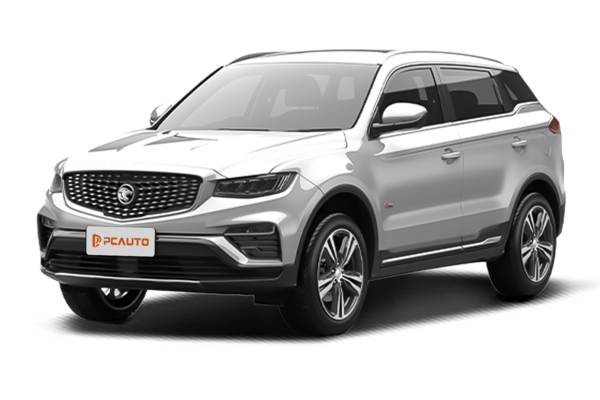
2026 Proton X70 1.5 TGDi Executive focuses on upgrading to a four-cylinder engine, practical configurations, and affordable pricing. It balances family commute practicality with value for money, making it a sensible choice among similarly priced C-segment SUVs.
10
Rank in SUV
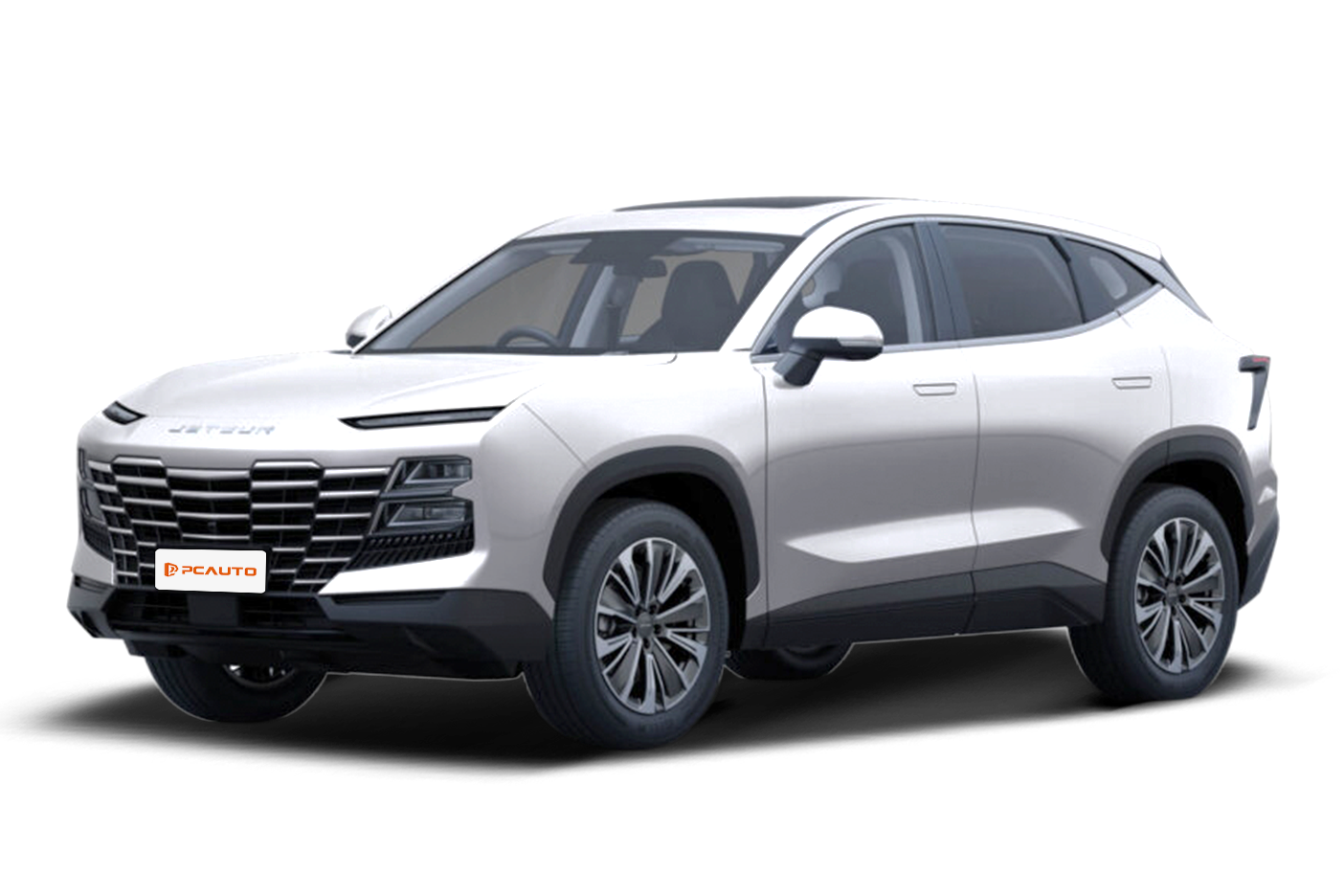
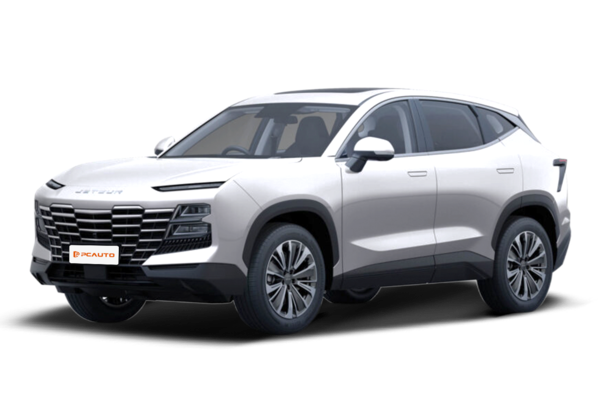
Jetour Dashing 1.5 TCI Comfort 2025 features a 2720mm long wheelbase and a 10.25-inch dual screen as its core, focusing on balanced cost performance to meet family practical needs.
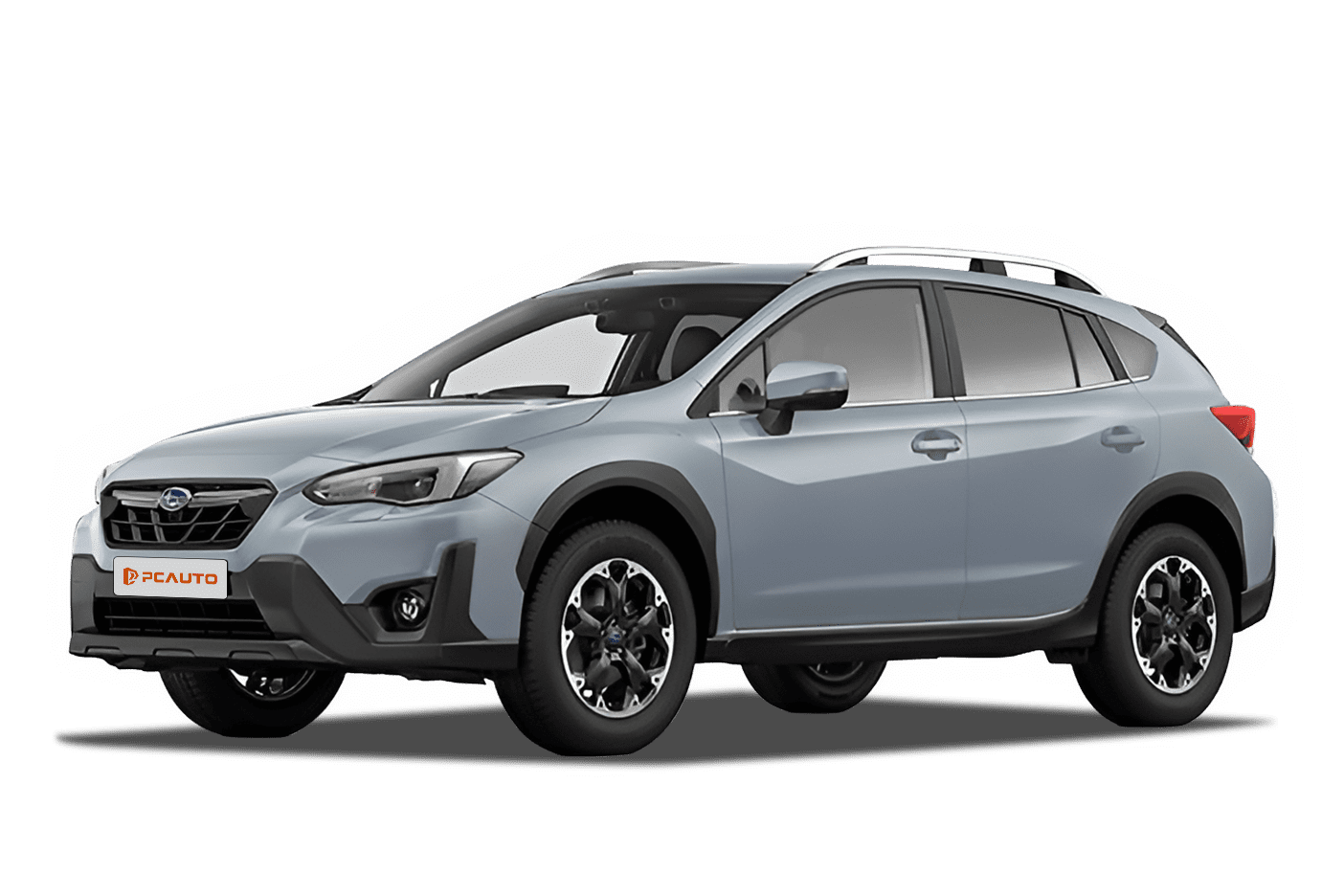
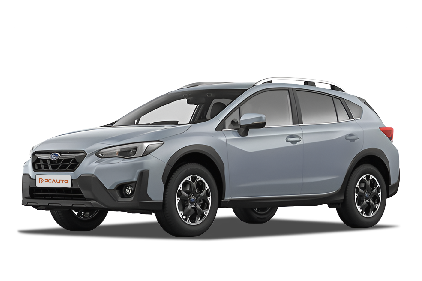
The 2021 Subaru XV 2.0i is a model targeting the C-segment crossover market, equipped with standard all-wheel drive and high safety features, balancing off-road capability and handling, with practical space.

2021 Hyundai Kona 2.0 Standard, as a high-value entry-level compact SUV, retains essential safety and practical features with an affordable price, meeting the daily commuting and loading needs of families.