

Lamborghini Aventador 2017 Review

 Share
Share
 Segment
 Body Type
 Capacity(L)
 Engine Power(PS)
 Transmission
 Driven Wheels
When the 2017 Lamborghini Aventador S Roadster comes into view, it's hard not to be captivated by it—there aren't many models in Malaysia's supercar market that can combine both ferocious performance and the flair of a convertible. The specifications of its 6.5L naturally aspirated V12 engine directly strike a chord with performance enthusiasts. In this test drive, we focus on its daily driving adaptability, handling performance in open-top mode, and the level of detailed craftsmanship as a top-tier supercar to determine whether it's merely a "track toy" or can also cater to occasional city commutes.
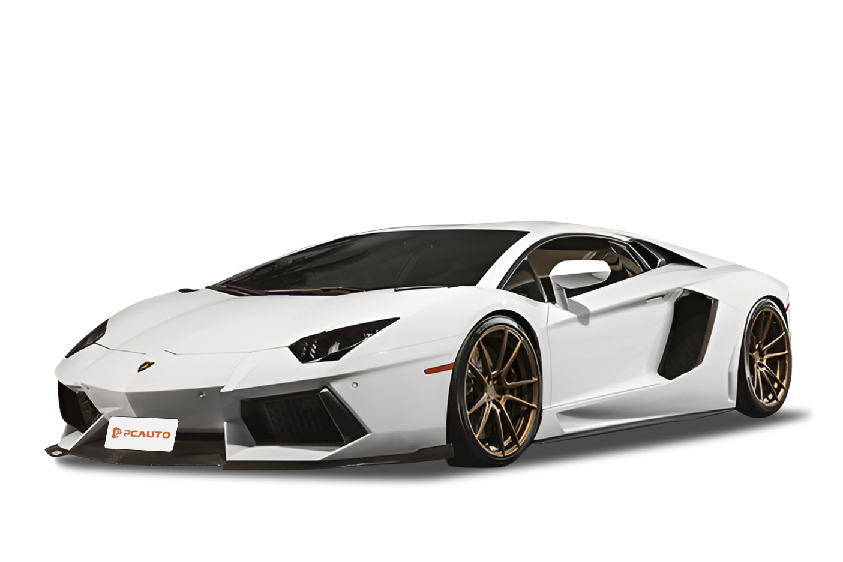
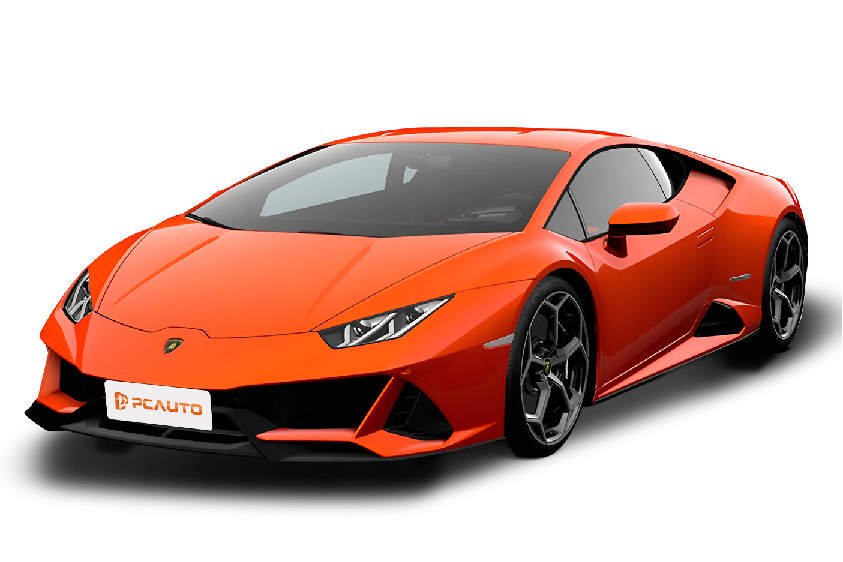
From the front, the Aventador S Roadster's design continues Lamborghini's signature sharp lines. The active air intake vents beneath the front grille are a key highlight, staying closed at low speeds to optimize aerodynamics and opening at high speeds for heat dissipation. Coupled with the sharply contoured LED daytime running lights, its distinctiveness is undeniable. The body's side lines stretch seamlessly from the front to the rear, and the combination of 20-inch front wheels and 21-inch rear wheels not only delivers a strong visual impact but also enhances handling. The soft-top convertible roof takes just 15 seconds to fold and can be operated at speeds below 50 km/h. When deployed, the roof aligns seamlessly with the body without looking cheap. At the rear, the quad exhaust outlets on both sides boldly proclaim its performance identity. The LED taillights feature a Y-shaped design echoing the headlights, while the lower diffuser further enhances aerodynamic performance.
Once seated inside, the sense of sportiness is immediate. The center console is covered with extensive Alcantara material, with most touchpoints wrapped in soft materials, paired with carbon-fiber trim to strike a good balance between luxury and sportiness. The 12.3-inch fully digital instrument cluster displays rich information and allows switching between Classic, Sport, and Track modes, each tailored to different driving scenarios. The central touchscreen supports CarPlay and Bluetooth connectivity, with a user-friendly interface that avoids the "overly complicated functionality" common in some supercars. The seats are bucket-style sports seats with excellent enveloping, providing good support for the waist and legs, keeping you from excessive fatigue even over long drives. The seats are electrically adjustable, allowing you to find a comfortable seating position. In terms of storage, space is not abundant as a two-door sports car. The door panel provides space sufficient for a water bottle, and the central armrest box can hold a phone and wallet, which suffices for daily commutes.
Regarding performance, the 6.5L naturally aspirated V12 engine delivers a maximum power of 740PS/8,400rpm and a maximum torque of 690N·m/5,500rpm, paired with a 7-speed ISR gearbox. The official 0-100 km/h acceleration time is 3 seconds, with a top speed of 350 km/h. During actual driving, a slight tap on the accelerator during start reveals the explosive power of the torque, instantly pinning you to the seat. Switching to Sport mode accelerates gear shifts, while the throttle blips during downshifting produce delightful exhaust growls. Overtaking requires nearly no anticipation—just step on the gas to easily pass other vehicles. The steering wheel offers precise handling with minimal play, enabling clear feedback of the car's front-end dynamics during cornering. The suspension adopts a double-wishbone independent structure at both front and rear, offering strong support while effectively controlling body roll during turns. However, on bumpy city roads, the ride might feel a bit stiff, though this is within acceptable limits for a supercar.
In terms of fuel consumption, the official combined fuel consumption is 18.4L/100km. When driving in the city with frequent hard accelerations, the fuel consumption can exceed 20L, while during highway cruising, it can drop to around 15L, which aligns with the performance of a large-displacement naturally aspirated engine. The braking performance is excellent, with front and rear ventilated disc brakes paired with high-performance brake pads, achieving a braking distance of less than 35 meters from 100-0km/h. The feedback when pressing the brakes is linear, giving a strong sense of confidence. The noise control in convertible mode exceeds expectations, with wind noise not significantly affecting in-car conversations at speeds below 120km/h. Tire noise and engine noise can be adjusted based on the driving mode—engine noise is partially suppressed in Comfort mode, while the V12 roar is fully unleashed in Sport mode.
Overall, the core advantages of the 2017 Lamborghini Aventador S Roadster are clear: its ferocious V12 power, eye-catching convertible design, precise handling, and the social attributes associated with the Lamborghini brand. Compared to its class rival, the Ferrari 812 GTS, it is priced slightly lower (the Aventador S Roadster is priced at RM2,270,000 in Malaysia, while the 812 GTS is about RM2,500,000), and the sound of the V12 naturally aspirated engine is more distinctive. However, its shortcomings are also apparent: high fuel consumption, less convenient for city driving, limited rear space (almost none), and restricted storage space.
This car is clearly suited for a specific group of people—those with ample budgets, seeking extreme performance and a stylish experience, or users who need a vehicle that can make an impression in business settings and occasionally hit the track. It is not a car ideal for daily commuting, but if you're looking for a supercar that combines track passion with head-turning road presence, the Aventador S Roadster is undoubtedly one of the top choices in its price range.
Lamborghini Aventador Car Compare
Lamborghini Aventador Loan Calculator
More Lamborghini Reviews
Cars With Similar Price And Features
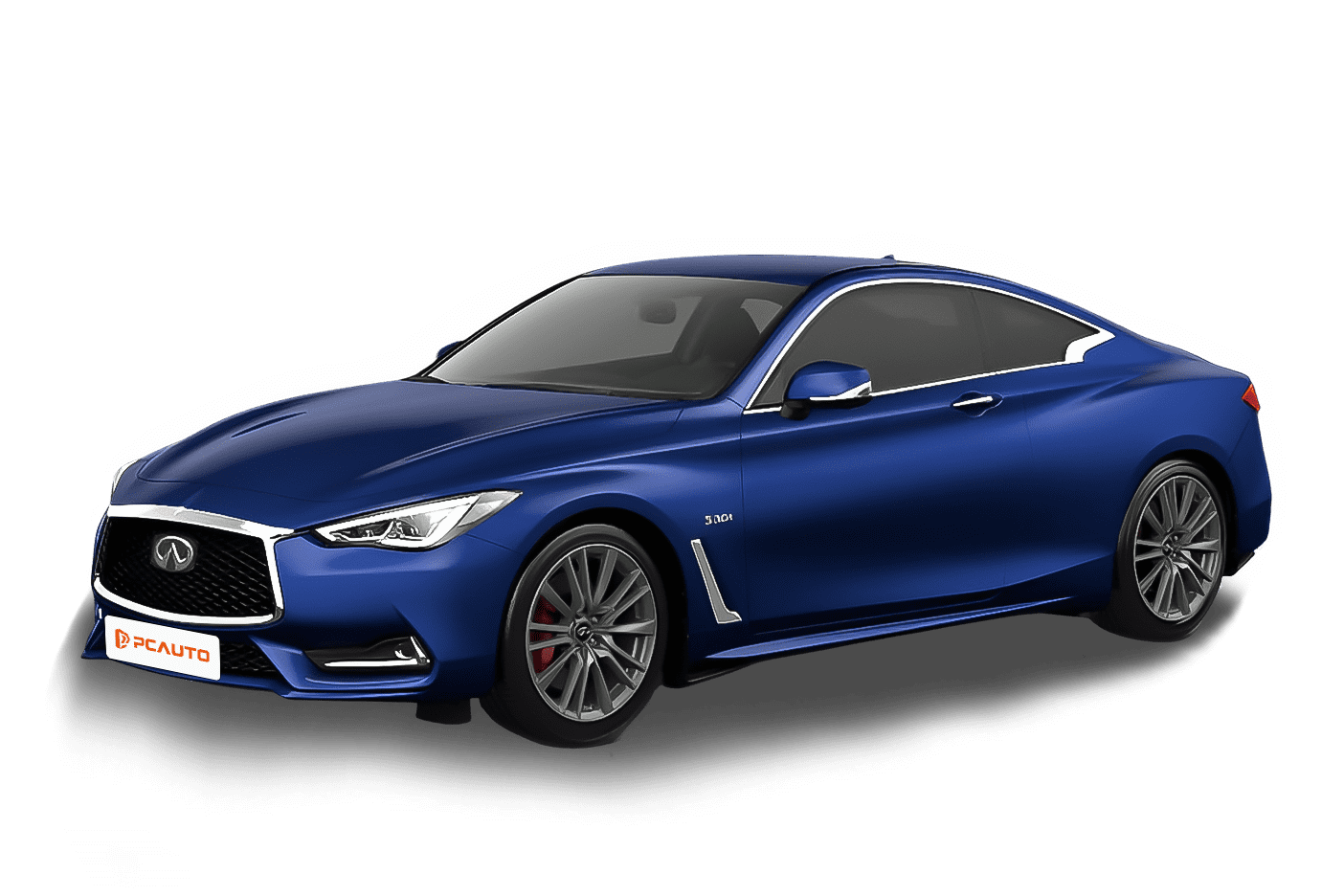
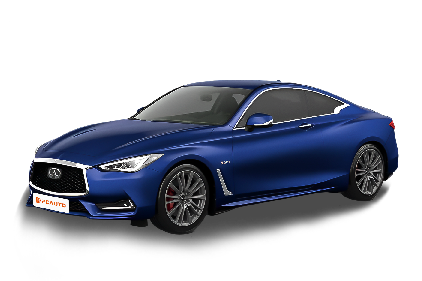
2017 Infiniti Q60 2.0t is a luxury coupe that balances sporty design and daily practicality, featuring a family-style exterior, BOSE audio system, and balanced power as its core selling points.
1
Rank in Coupe
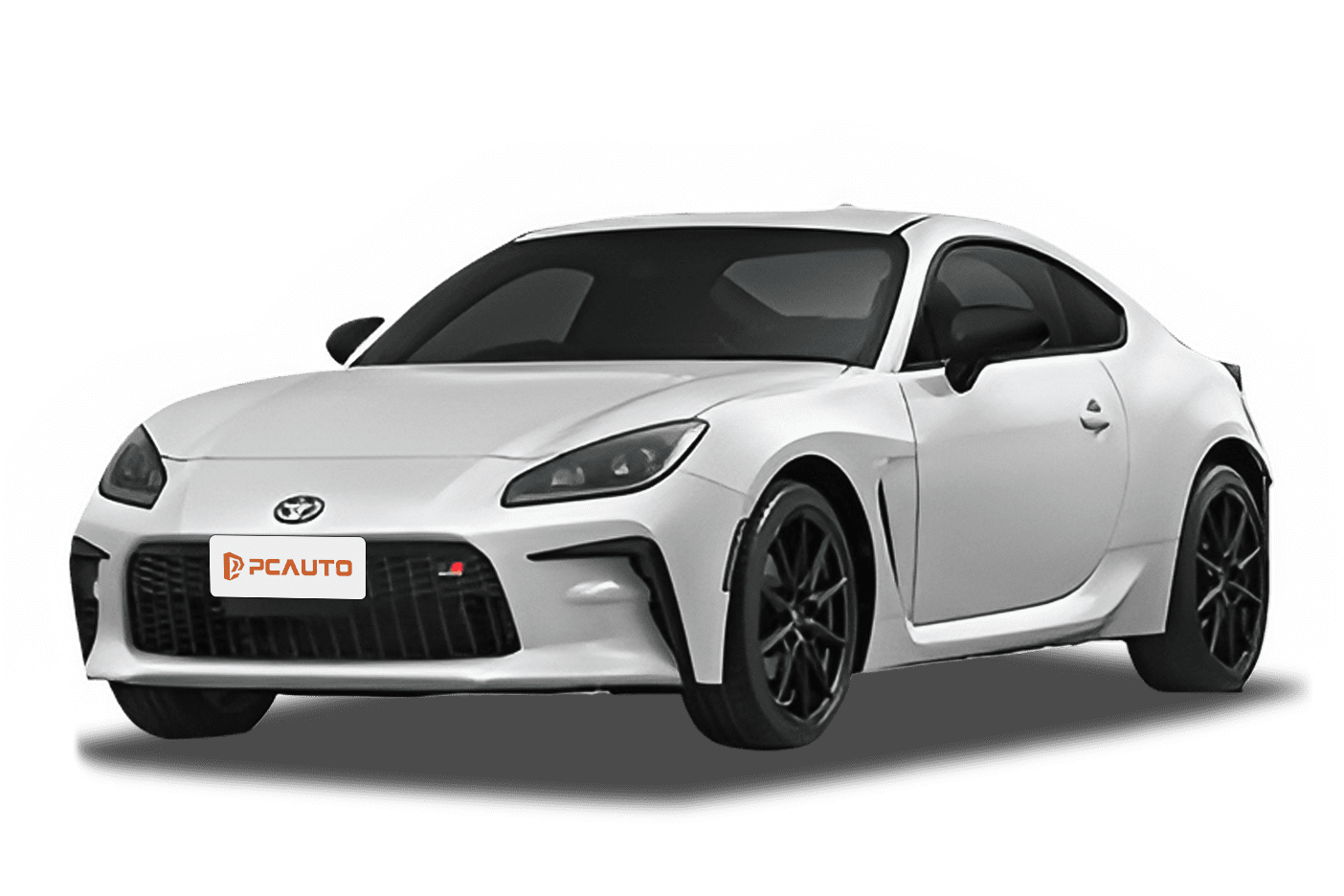
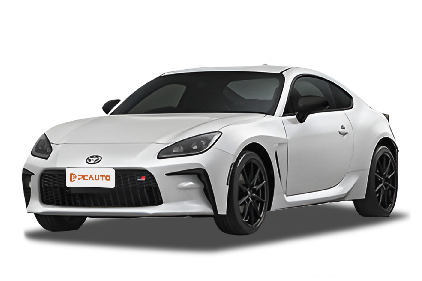
2023 Toyota GR 86 2.4 AT is a rear-wheel-drive sports coupe upgraded with a 2.4L naturally aspirated engine to address low torque issues, balancing daily commuting with pure driving pleasure.
10
Rank in Coupe
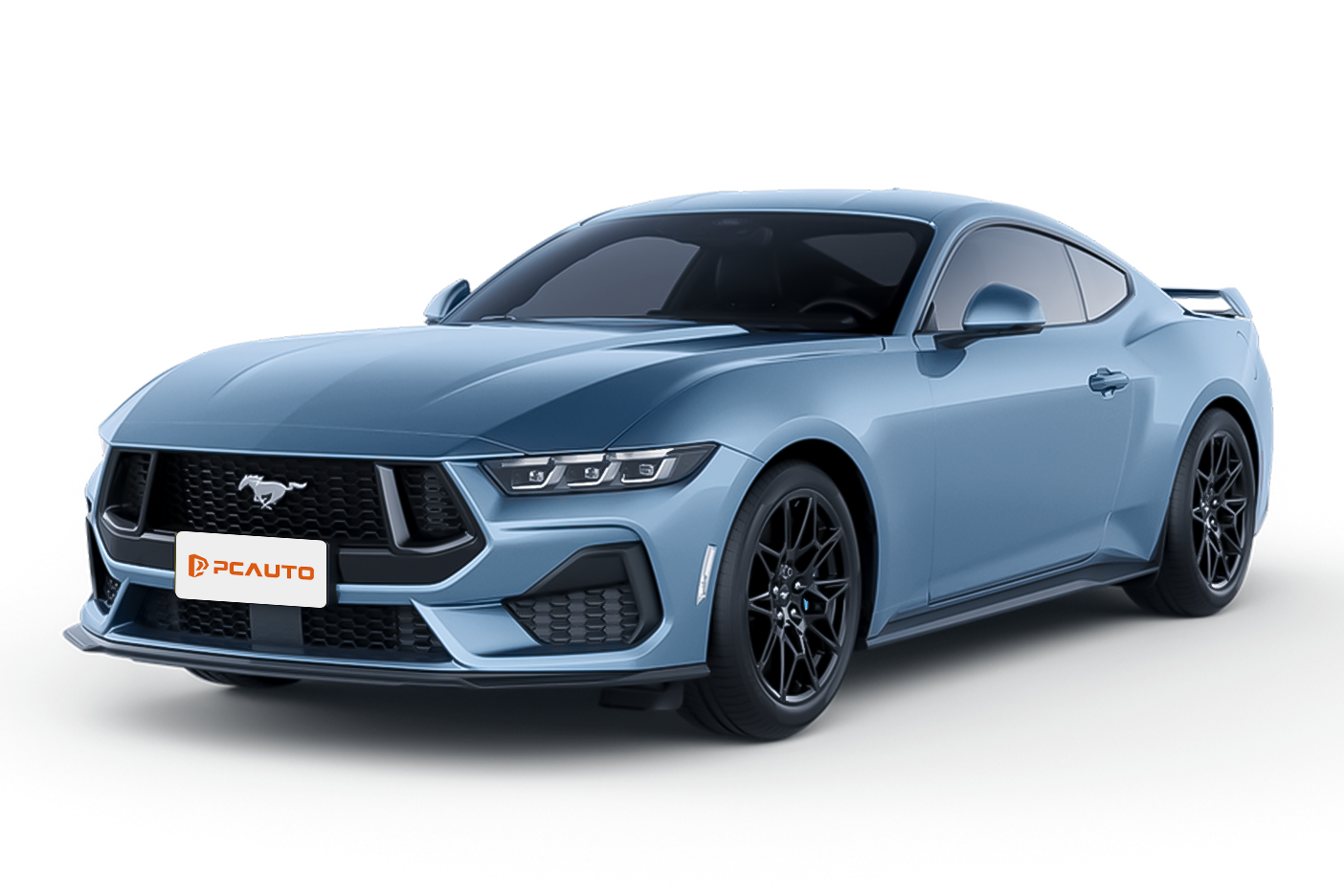
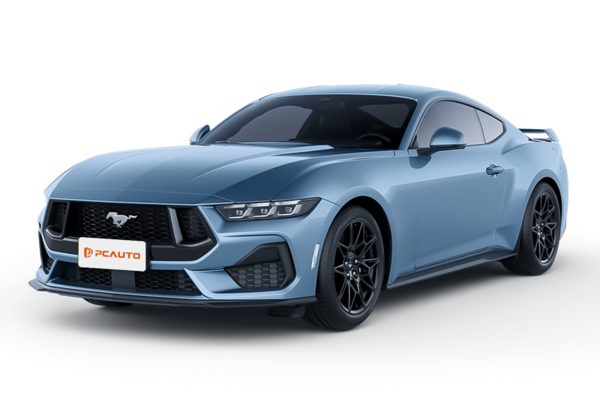
2018 Ford Mustang 2.3 EcoBoost retains the classic muscle car appearance with high cost performance, the 2.3T engine delivers 310PS horsepower, balancing performance and practicality for daily driving.
6
Rank in Coupe
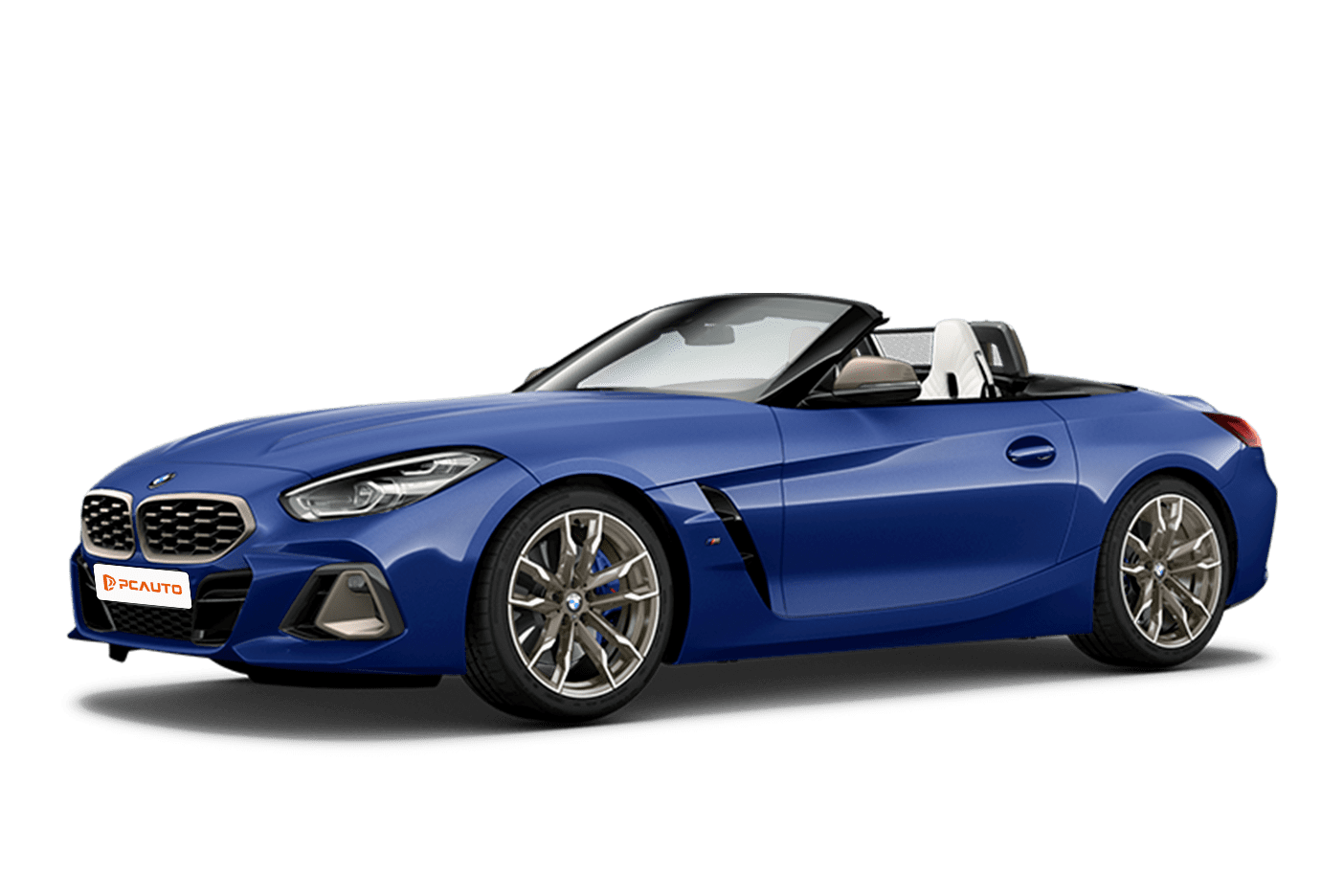
2023 BMW Z4 public, as a classic rear-wheel-drive convertible sports car, balances driving pleasure and daily practicality, with class-leading intelligent features and a compact body precisely meeting the needs of Malaysian users.