

Lamborghini Huracán 2019 Review

 Share
Share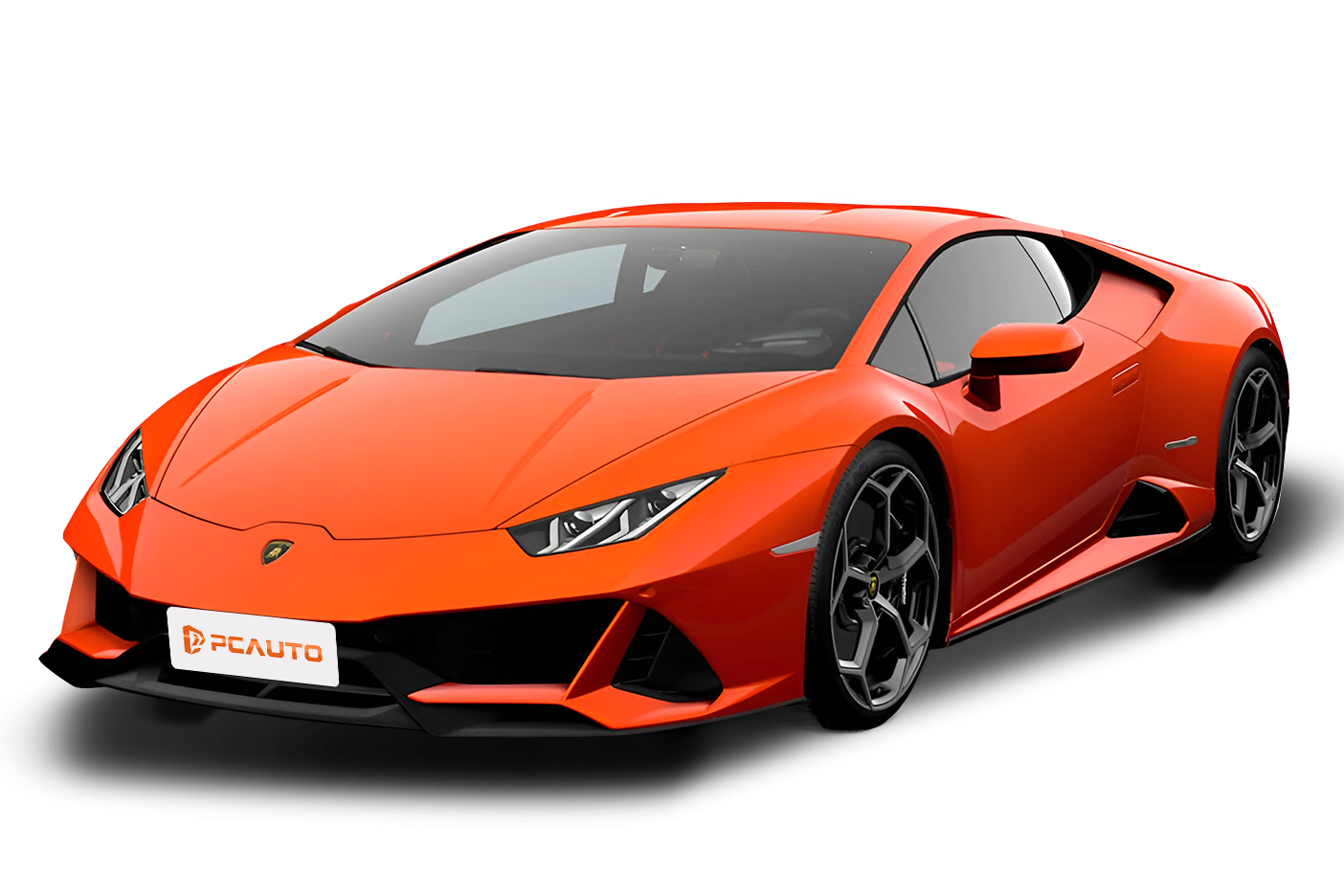
 Segment
 Body Type
 Capacity(L)
 Engine Power(PS)
 Transmission
 Driven Wheels
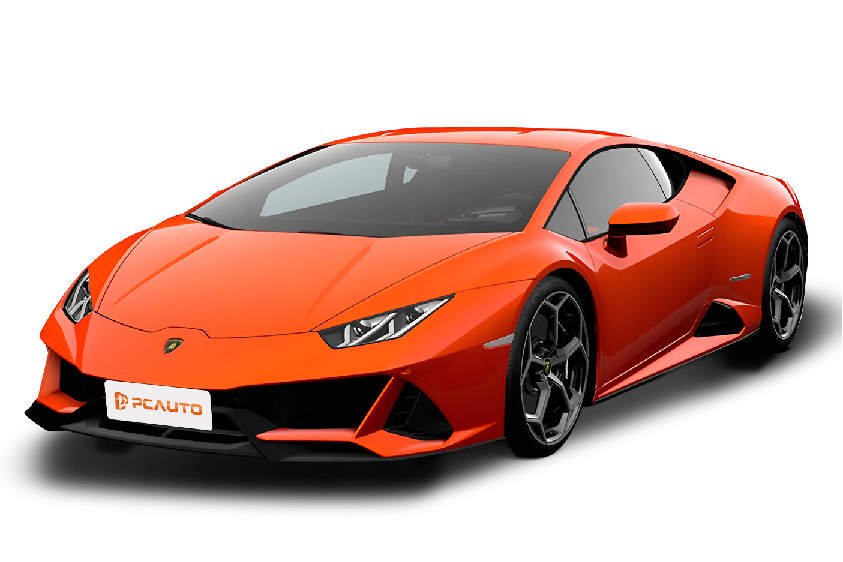
In the 2019 supercar market, naturally aspirated engine enthusiasts are becoming increasingly rare—Lamborghini Huracán EVO stands as a shining example. As the mid-cycle facelift of the Huracán series, it not only continues the brand's signature sharp design but also strives to strike a balance between performance and daily usability through power upgrades and optimization of the all-wheel-drive system. This review focuses on the coupe and Spyder convertible versions currently on sale, aiming to dissect their static quality and dynamic performance to provide prospective buyers with an intuitive reference.
From afar, the silhouette of the Huracán EVO retains the aggressive stance of the Huracán family: the 4520mm length paired with a 2236mm wide-body design and the low 1165mm body stance gives it the appearance of an arrow skimming the ground. The most striking feature of the front end is the redesigned front bumper, with larger intake vents on both sides and a honeycomb grille inside, optimizing heat dissipation while enhancing recognizability. The LED headlamp unit has a narrow shape and flows seamlessly with the hood lines; when lit, the Y-shaped daytime running lights are a signature element of Lamborghini. Along the body side, 20-inch wheels paired with front 245/30 R20 and rear 305/30 R20 wide tires, combined with the outwardly protruding muscular wheel arches and side skirts beneath the doors, visually lower the car's center of gravity. The rear end shows even more significant changes: a newly designed, more intricate diffuser is complemented by smaller hexagonal exhaust outlets embedded in the center, while the LED taillights feature a through-line design, echoing the front lights for a stronger overall visual integration.
Sitting inside the car, the first thing that stands out is the blend of a racing atmosphere and technological sophistication in the interior. The center console is driver-oriented, with most physical buttons integrated into the 12.3-inch touchscreen, which offers good interface smoothness and supports Apple CarPlay and Android Auto. The steering wheel is a typical supercar style, relatively small in size with a solid grip; the left side incorporates buttons for driving mode selection (STRADA, SPORT, CORSA), while the right side contains multimedia controls. The seats feature a sporty bucket design with strong bolstering; lumbar and thigh supports are adjustable, and the leather material feels refined to the touch. In terms of space, as a two-seater sports car, the front headroom is just enough for passengers up to 180cm tall, while legroom is limited due to the 2620mm wheelbase, but it does not pose issues for daily driving. Storage space is quite limited: the central armrest compartment can only hold a mobile phone, the door panel storage can barely fit a small water bottle, and the trunk, located in the front, has a capacity of about 150 liters—sufficient for a carry-on suitcase or a small backpack. Regarding features, the standard Sound Plus audio system delivers clear sound quality, while safety features such as active braking and front and rear parking sensors are included, balancing performance and basic practicality.
The moment the engine roars to life, the sound of the 5.2L V10 naturally aspirated engine immediately breaks the silence—this kind of unfiltered roar, delivering 640PS horsepower at 8000 rpm, is a rarity in the electrified era, embodying a sense of purity. Shifting into D mode and switching to STRADA mode, the throttle response is relatively gentle, and the 7-speed DCT gearbox shifts smoothly; during daily driving, it even feels somewhat "tame." When you press the accelerator to speed up, the power output is linear and continuous. With an official 0-100km/h acceleration time of 2.9 seconds, it is no exaggeration; even at a speed of 120km/h, stepping hard on the accelerator still delivers a strong push-back sensation. Switching to SPORT mode, the transmission shifts more aggressively, with rev-matching on downshifts, and the engine note becomes deeper and more robust. In CORSA mode, the vehicle stability control intervenes later, the throttle response becomes sharper, and it's more suited for track driving.
In terms of handling, the combination of front double wishbone independent suspension and rear double wishbone independent suspension, paired with the all-wheel-drive system, makes the Huracán EVO stable in corners. The steering wheel is precise with almost no dead zone, and you can clearly feel the road feedback when turning. During cornering, body roll is well controlled, and the wide tires provide ample grip, ensuring stability even at higher speeds. When dealing with bumpy roads, the suspension in STRADA mode moderately filters vibrations, avoiding the stiffness typical of traditional supercars. The comfort level during daily commuting exceeds expectations. The braking system performs exceptionally, with ventilated disc brakes offering linear and powerful stopping power, and the 100-0km/h braking distance is approximately 32 meters, inspiring confidence.
In terms of fuel consumption, as a performance-oriented supercar, the Huracán EVO has an average fuel consumption of about 15L/100km (over 20L in urban conditions, around 12L on highways), which is normal for a vehicle in this class. Regarding noise control, in STRADA mode, wind and tire noise are within acceptable levels when cruising at 100km/h. The engine noise is more prominent at low speeds, but that is part of the allure of a supercar.
To summarize, the core advantages of the 2019 Lamborghini Huracán EVO lie in three aspects: First, the pure naturally aspirated V10 engine delivers linear power and a stunning exhaust note, which is irreplaceable compared to turbocharged models in the same class; second, the tuning of the all-wheel-drive system and suspension strikes a balance between track performance and daily driving comfort; third, its relatively comprehensive features make it a highly practical option among supercars. Compared to the same-class Ferrari F8 Tributo, the naturally aspirated engine of the Huracán EVO is more sentimental, and the all-wheel-drive system makes it more controllable on slippery surfaces, but the turbocharged power of the F8 is more explosively strong.
This car is suitable for two types of people: one is driving enthusiasts who pursue the pure mechanical feel and appreciate the V10 engine’s exhaust note and linear power; the other is supercar owners who need to also accommodate daily commuting, as the comfort and features of the Huracán EVO can meet occasional urban driving needs. The Spyder convertible version, on the other hand, is more suitable for those who enjoy the combination of wind and exhaust noise. Although its 0-100km/h acceleration time of 3.1 seconds is 0.2 seconds slower than the hardtop version, the experience with the top down is incomparable to the hardtop.
Overall, the 2019 Lamborghini Huracán EVO is a supercar that can be both “wild and tame” – it can unleash the wildness of 640PS on the track while also playing the role of a relatively mild-mannered city commuter. For consumers pursuing the sentiment of a naturally aspirated engine without sacrificing practicality, it is an excellent choice currently available on the market.
Lamborghini Huracán Car Compare
Lamborghini Huracán Loan Calculator
More Lamborghini Reviews
Cars With Similar Price And Features
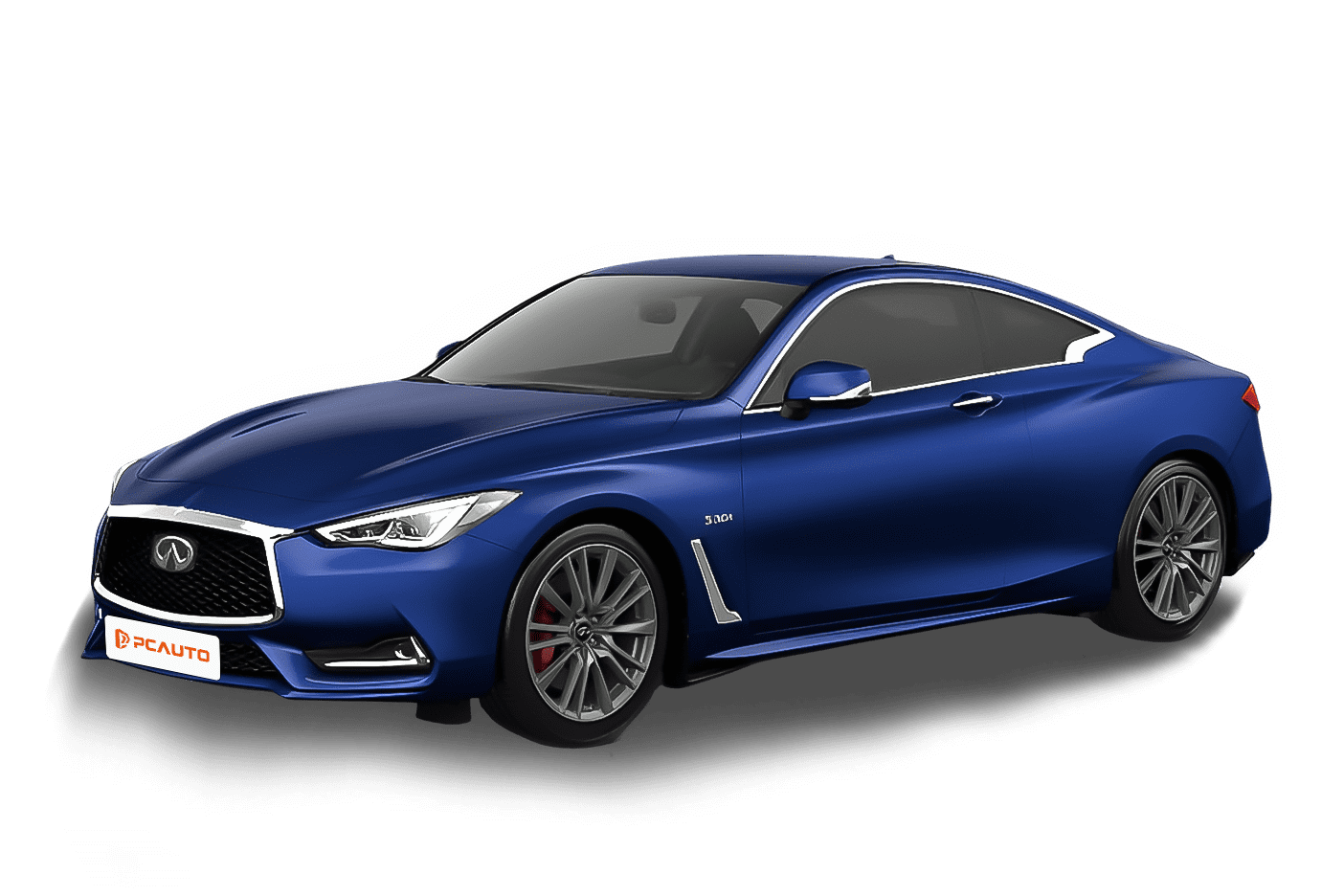
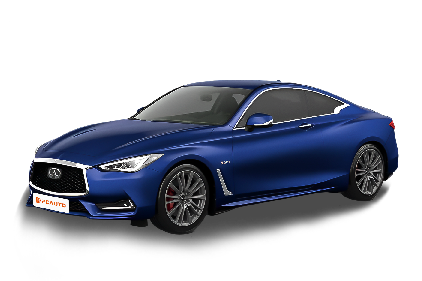
2017 Infiniti Q60 2.0t is a luxury coupe that balances sporty design and daily practicality, featuring a family-style exterior, BOSE audio system, and balanced power as its core selling points.
1
Rank in Coupe
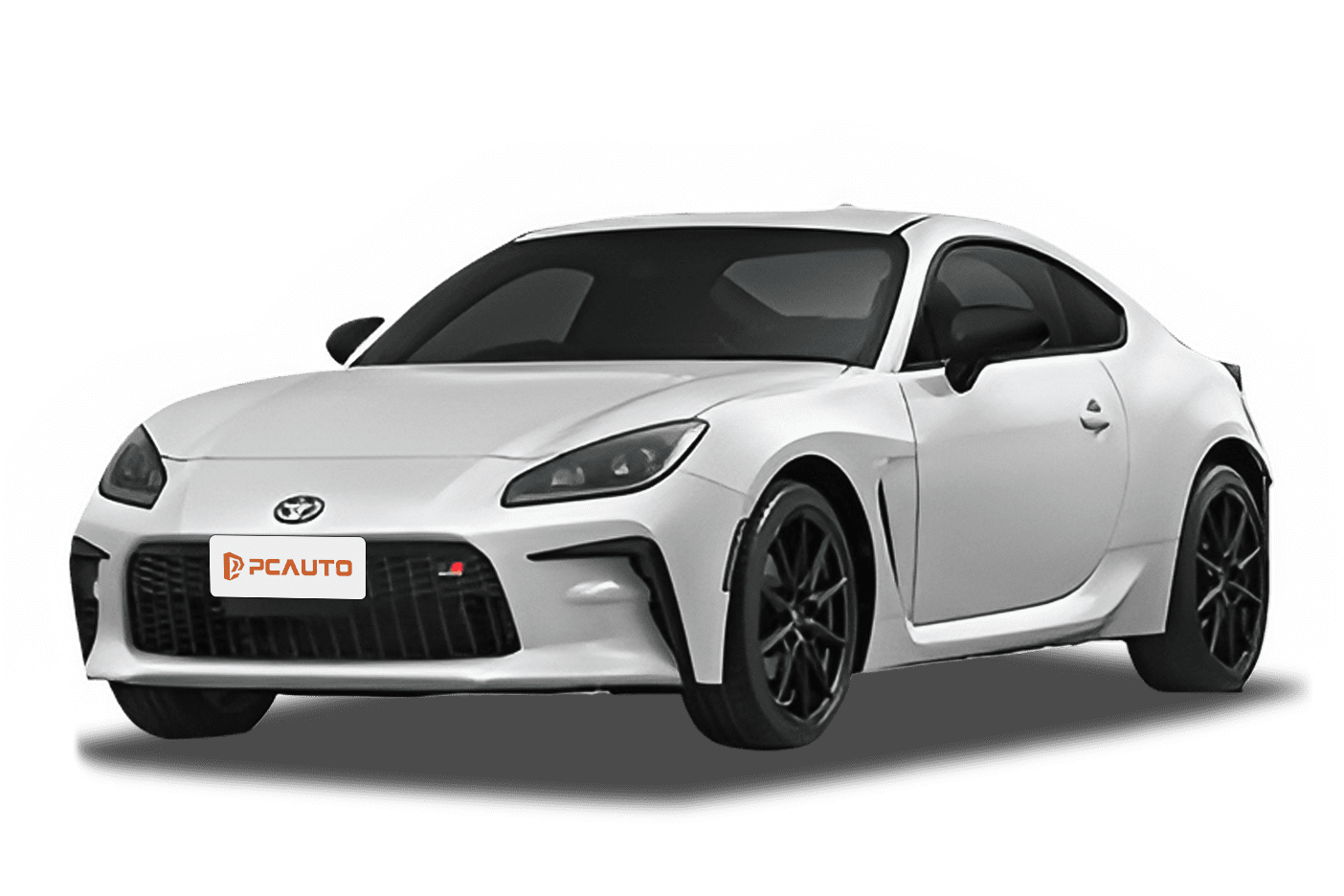
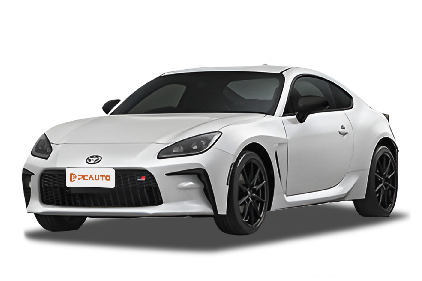
2023 Toyota GR 86 2.4 AT is a rear-wheel-drive sports coupe upgraded with a 2.4L naturally aspirated engine to address low torque issues, balancing daily commuting with pure driving pleasure.
10
Rank in Coupe
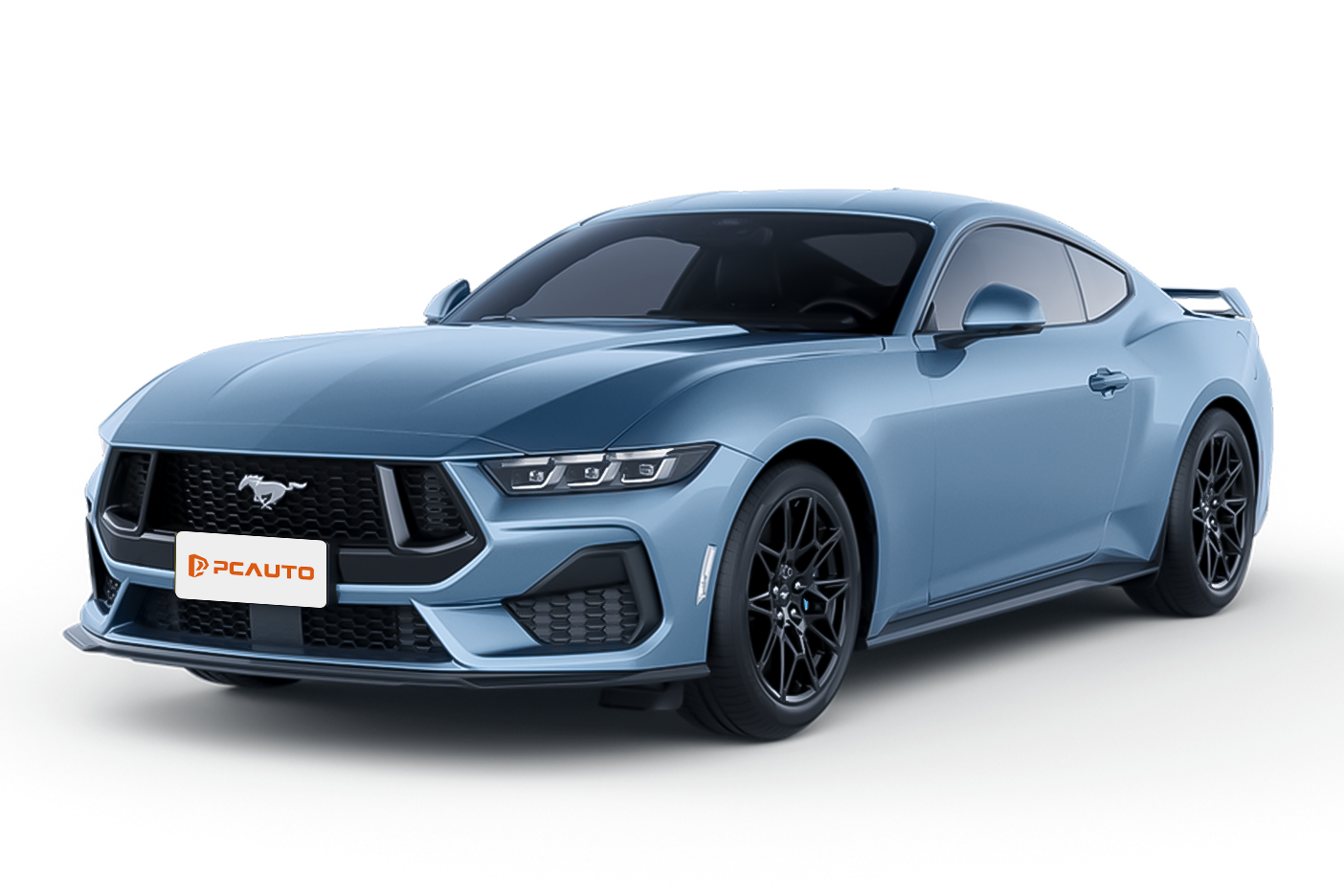
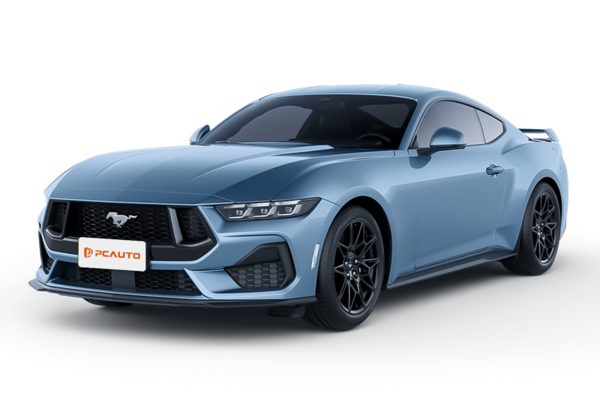
2018 Ford Mustang 2.3 EcoBoost retains the classic muscle car appearance with high cost performance, the 2.3T engine delivers 310PS horsepower, balancing performance and practicality for daily driving.
6
Rank in Coupe
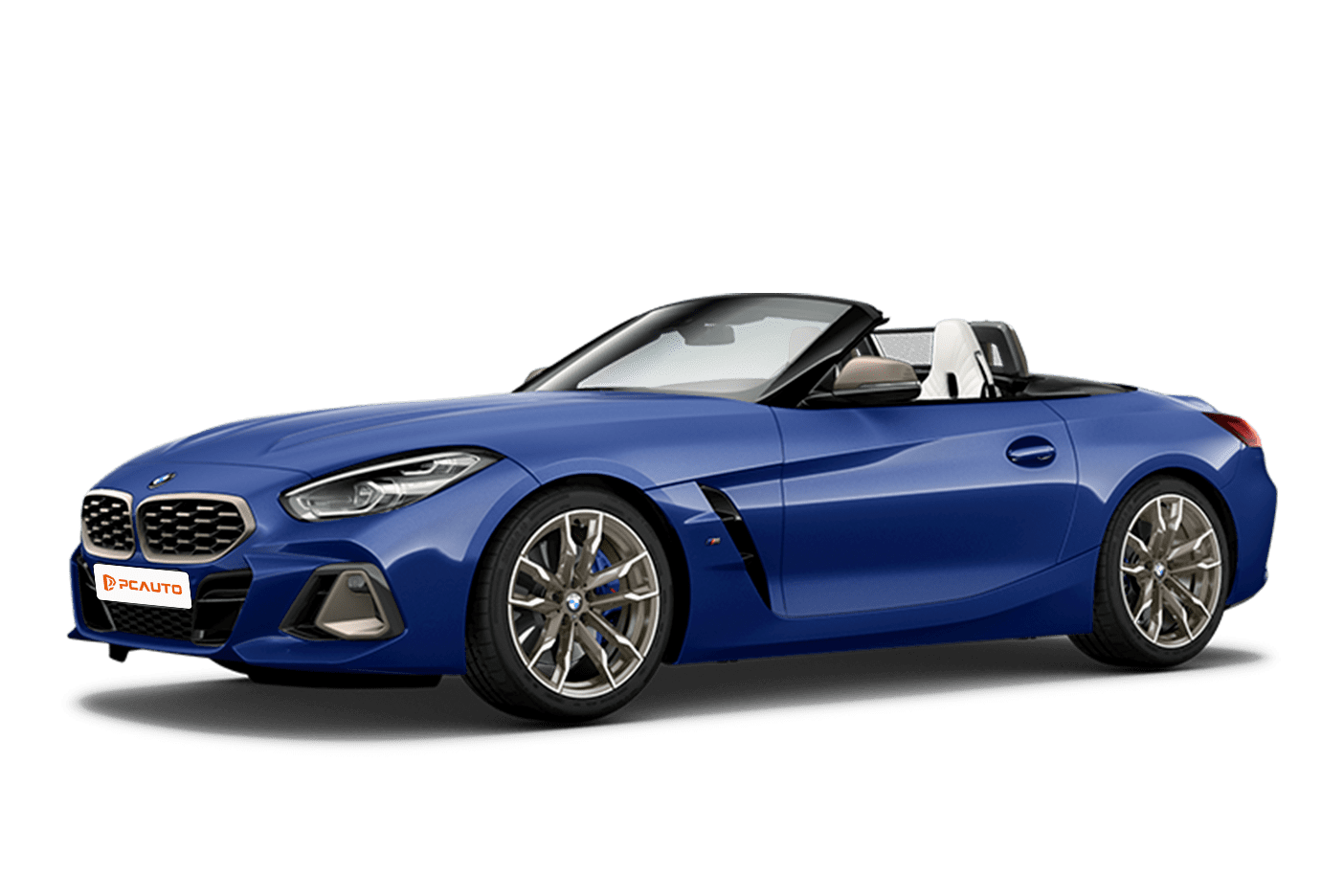
2023 BMW Z4 public, as a classic rear-wheel-drive convertible sports car, balances driving pleasure and daily practicality, with class-leading intelligent features and a compact body precisely meeting the needs of Malaysian users.