

Lamborghini Aventador 2018 Review

 Share
Share
 Segment
 Body Type
 Capacity(L)
 Engine Power(PS)
 Transmission
 Driven Wheels
In Malaysia's supercar market, the RM2 to 3 million range has always been the focus of top-performance enthusiasts. The Lamborghini Aventador SVJ, as the "performance benchmark" model in this price range, has been highly sought after since its launch in 2018, thanks to its limited-edition status and track genes. This time we got the real car, and the core goal is to verify whether its label as a "track beast suitable for daily driving" lives up to its name — after all, the ultimate value of a supercar has always been the "balance of performance and practicality."
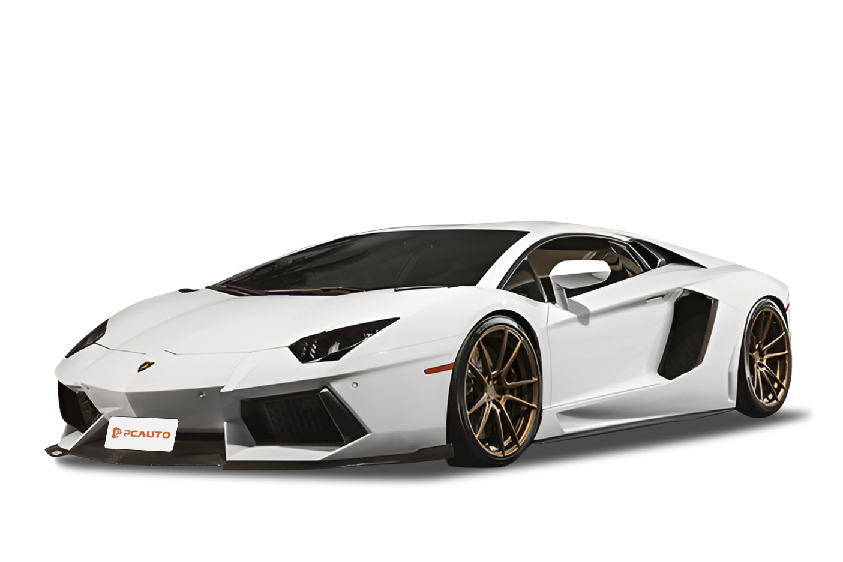
At first glance at the Aventador SVJ, it’s hard not to be captivated by its aggressive exterior. The design continues Lamborghini’s classic wedge shape, but every detail serves aerodynamic purposes: the front lip is wider than the standard version, paired with the massive air intakes on both sides to provide stronger downforce at high speeds; the sharp lines on the side of the car, combined with the 20-inch front/21-inch rear carbon fiber wheels matched with Pirelli P Zero Corsa tires, create a visually striking presence; the highlight of the rear is the active rear wing, which automatically adjusts its angle based on speed and offers up to a 40% increase in downforce; the taillights employ the iconic Y-shaped LED design, with a quad exhaust layout below. Just by looking at the design, you can imagine the explosive sound it produces. Every design choice is not for “looks” but for track performance — and that is the essence of the SVJ.
Sitting inside, you’ll find that the interior style is just as "direct" as the exterior. Black Alcantara material dominates, paired with carbon fiber panels, and everywhere you touch exudes the "purity" of a performance car. The center console layout is straightforward, with the only tech feature being the 8.4-inch touchscreen that supports Bluetooth connectivity and basic navigation, but its operational logic is less intuitive compared to regular family cars — after all, people driving the SVJ are more likely to have their focus on the steering wheel. The seats are integrated carbon fiber sports seats with strong wrapping, and the lateral support firmly keeps you in place, but they may feel a bit hard after more than an hour of use. In terms of space, as a two-door, two-seater sports car, the seating only accommodates two adults, with no rear seats. The front headroom and legroom are just adequate for individuals under 180cm in height. As for storage, it is almost non-existent — the glove box can only hold a pair of sunglasses, and the door panel storage slots can’t even fit a bottle of water — practicality is certainly not its strong suit.
The moment you start the engine, the sound of the 6.5-liter naturally aspirated V12 engine will instantly excite you. According to official data, it produces a maximum power of 770PS and a peak torque of 720Nm, paired with a 7-speed ISR automatic transmission. It accelerates from 0-100 km/h in just 2.8 seconds, with a top speed of 350 km/h. In actual driving, switching to "Corsa" (track) mode makes the throttle response extremely sharp, where even a light press floods you with a strong sense of thrust. The sound when the revs climb to 8400rpm is a "heavenly melody" unmatched by any turbocharged car. For daily driving, using "Strada" (street) mode, the power output becomes relatively milder, and the gear shifts are smoother. While there are still jerks at low speeds, it is sufficient to meet the basic needs of urban commuting.
In terms of handling, the SVJ's performance perfectly aligns with its positioning as a "track beast." The steering is precise with no play, and every turn directly translates to the wheels; the suspension adopts a front and rear double wishbone independent structure, complemented by Lamborghini's active suspension system (LMS), which provides extreme support on the track. Body roll is almost negligible during cornering; however, on bumpy city roads (such as some old streets in Kuala Lumpur), the suspension's shock absorption is poor, and every bump is directly transmitted to the seat—this is the "common ailment" of performance cars. The braking system is equipped with carbon-ceramic brake discs, offering extremely strong braking force. The braking distance from 100-0km/h is approximately 30 meters, and the moment you step on the brake pedal, you can feel the "wall-crashing" level of deceleration, giving you a great deal of confidence.
We also conducted a simple test on the track. On the straight of Sepang Circuit, the SVJ's acceleration performance made the accompanying 911 Turbo S seem slightly inferior, especially during mid-range acceleration (80-160km/h). The naturally aspirated engine's linear output is more controllable compared to turbocharged engines. During cornering, the all-wheel-drive system can accurately distribute power, and even on slippery road surfaces, there is almost no slippage. In terms of fuel consumption, our tests showed city fuel consumption reached 25L/100km, while highway fuel consumption was around 15L/100km—for a V12 engine, this is "an expected" performance. After all, those who buy this car likely won’t be concerned about fuel economy.
To summarize, the core strengths of the 2018 Lamborghini Aventador SVJ are clear: it is the "swan song" of Lamborghini's naturally aspirated V12 engine, boasts top-level track performance, offers an explosive sound, and holds significant collectible value due to its limited edition status. Compared to its peers like the Ferrari 812 Superfast, its track performance is stronger, but its everyday practicality is slightly weaker. Compared to the McLaren 720S, its naturally aspirated engine sound is more captivating, but its technological features are somewhat lacking.
Who is this car suitable for? First, you need to have enough budget (with a price of 2.27 million ringgit, plus purchase tax and insurance, its on-road price is close to 2.5 million ringgit); second, you need a "toy that can hit the track for some laps but also be driven to a café occasionally"; finally, you have to accept its "imperfections"—such as the stiff seats, poor shock absorption, and almost zero storage space. If you're a supercar enthusiast in pursuit of "pure driving pleasure" and "collectible value," then the SVJ is undoubtedly your best choice; but if you're looking for a supercar that is also "comfortable for daily commuting," it might not be the best option.
All in all, the Aventador SVJ is not a "practical car," but it is a car "that performance enthusiasts will love." With the most primitive naturally aspirated power and the most direct handling feedback, it tells you what "the essence of a supercar" truly is—and that’s enough.
Lamborghini Aventador Car Compare
Lamborghini Aventador Loan Calculator
More Lamborghini Reviews
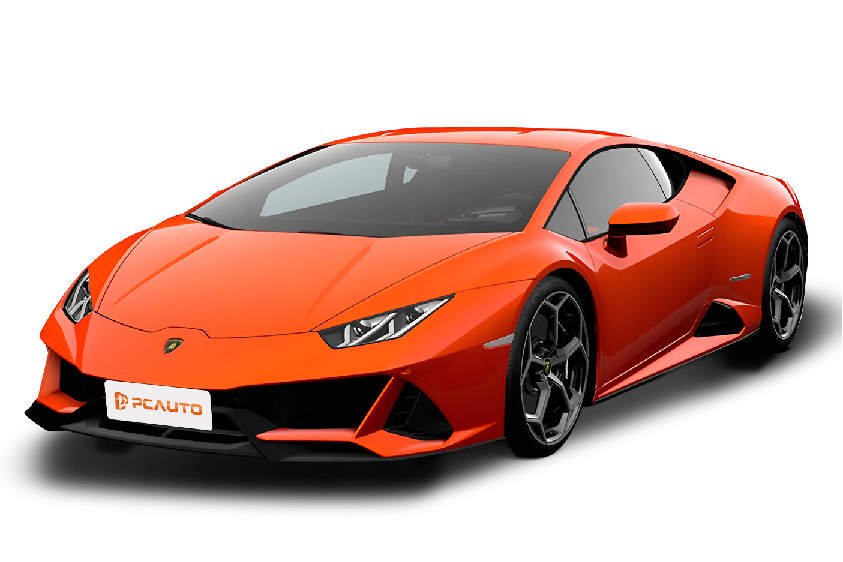
Cars With Similar Price And Features
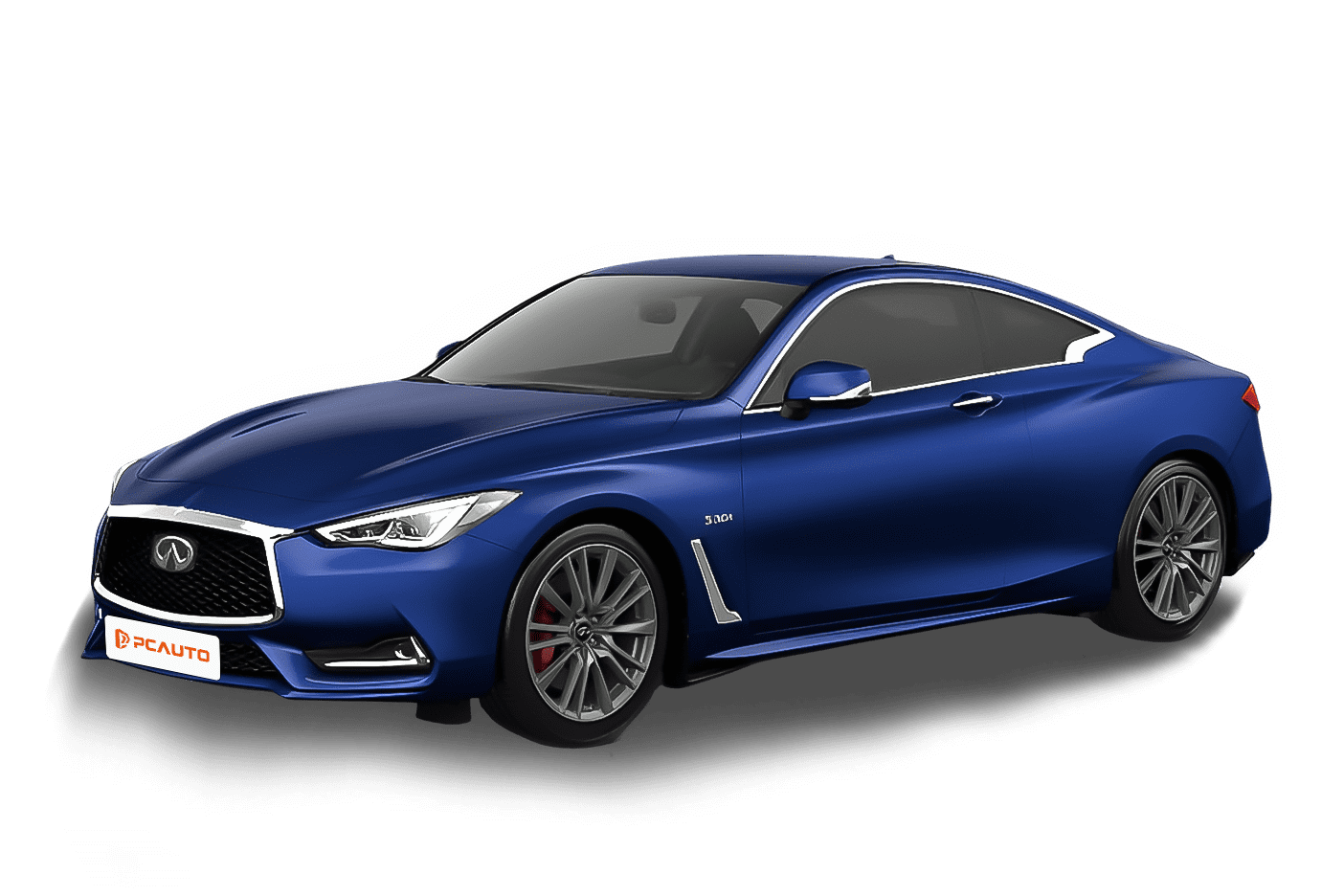
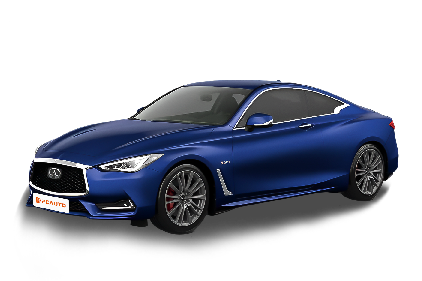
2017 Infiniti Q60 2.0t is a luxury coupe that balances sporty design and daily practicality, featuring a family-style exterior, BOSE audio system, and balanced power as its core selling points.
1
Rank in Coupe
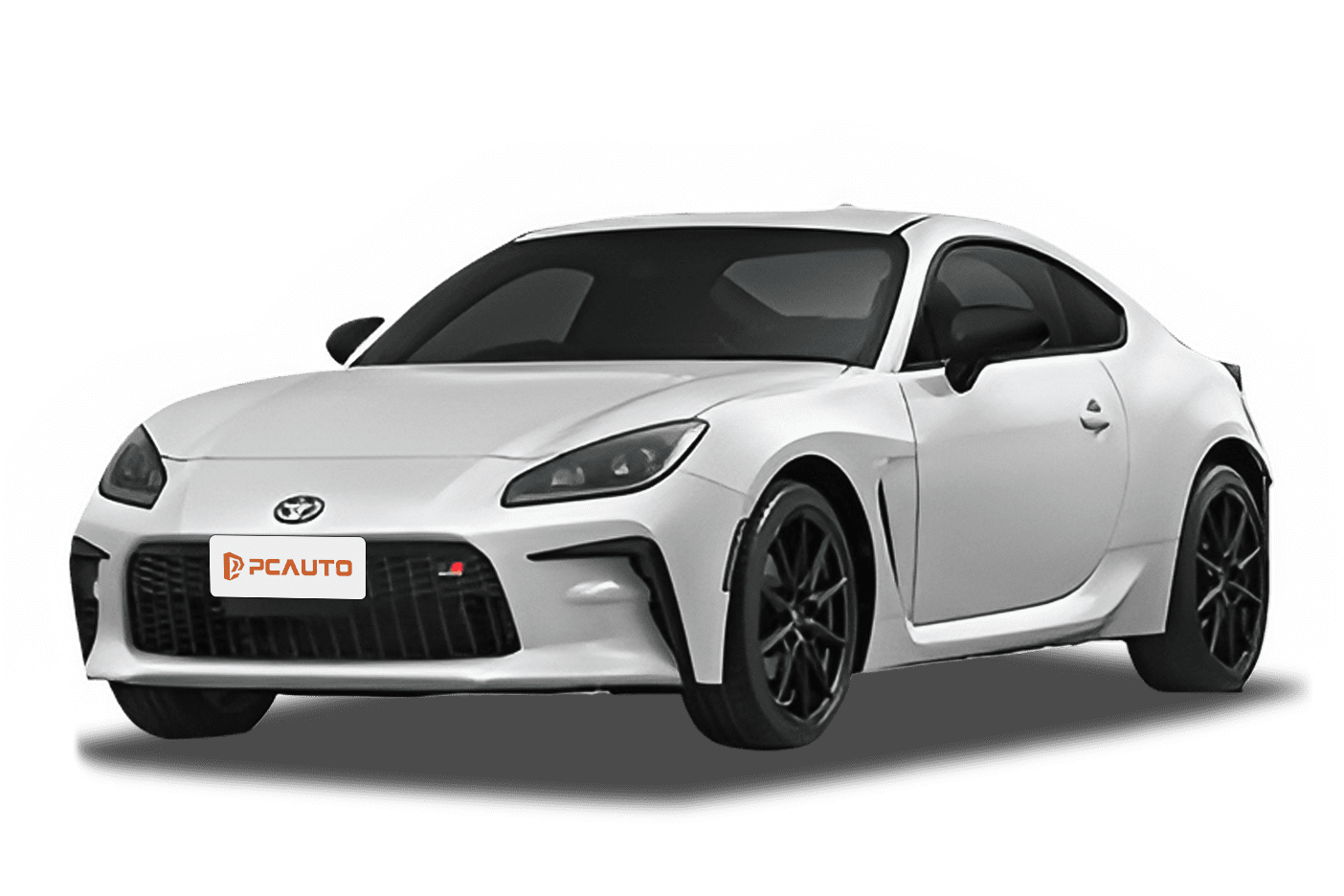
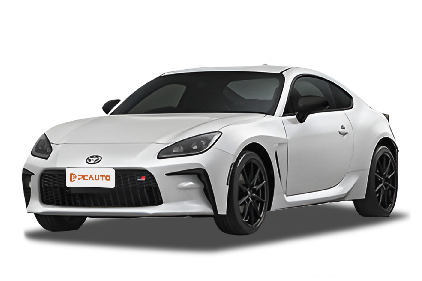
2023 Toyota GR 86 2.4 AT is a rear-wheel-drive sports coupe upgraded with a 2.4L naturally aspirated engine to address low torque issues, balancing daily commuting with pure driving pleasure.
10
Rank in Coupe
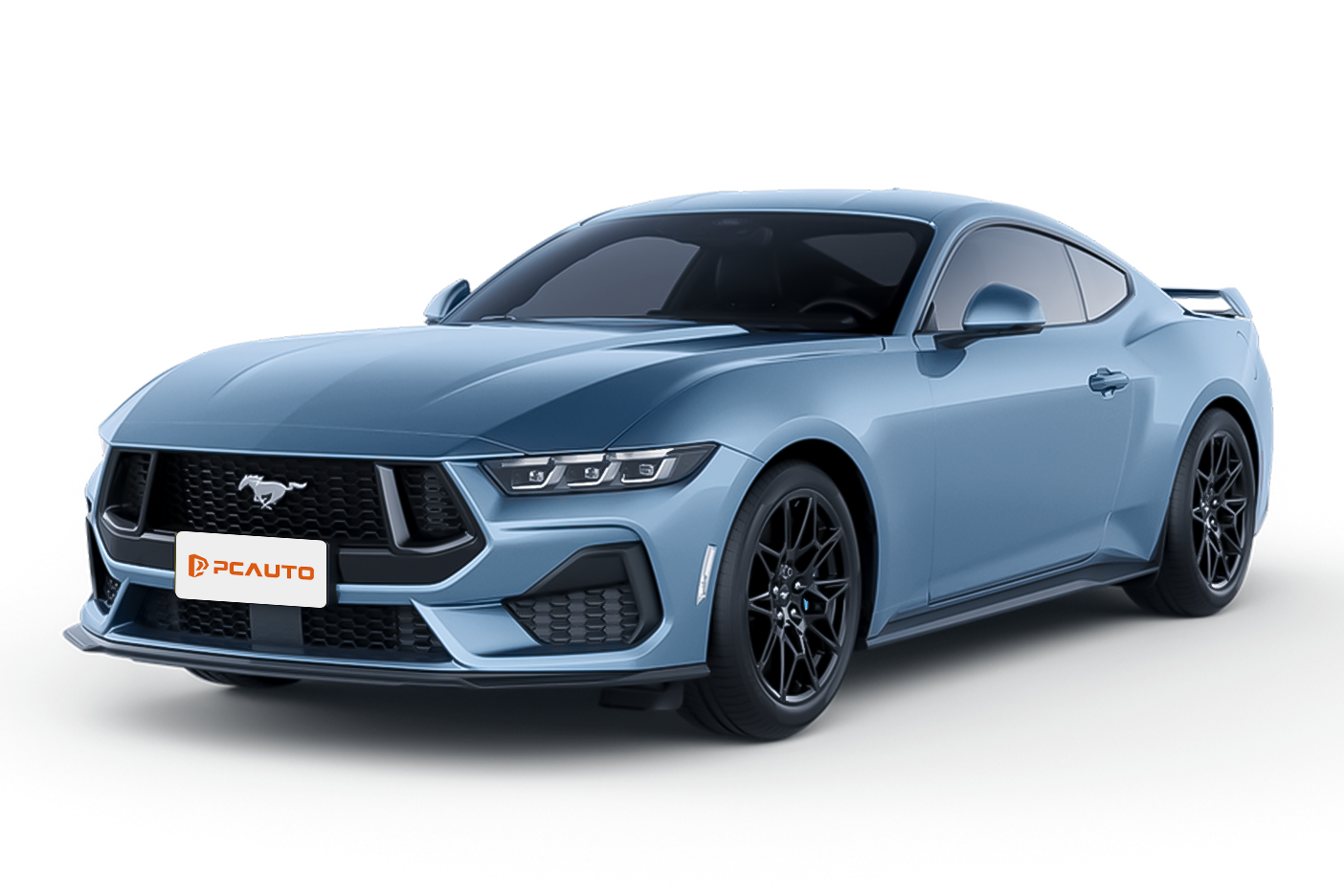
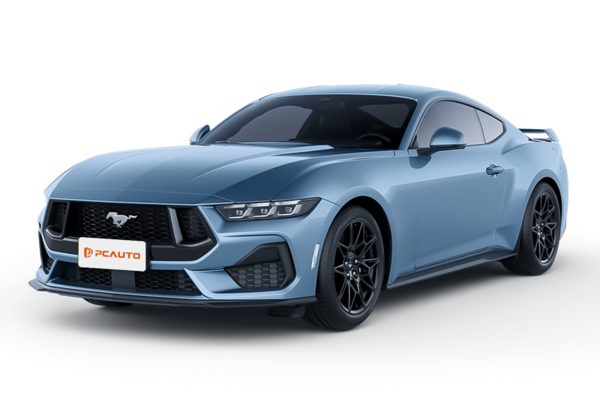
2018 Ford Mustang 2.3 EcoBoost retains the classic muscle car appearance with high cost performance, the 2.3T engine delivers 310PS horsepower, balancing performance and practicality for daily driving.
6
Rank in Coupe
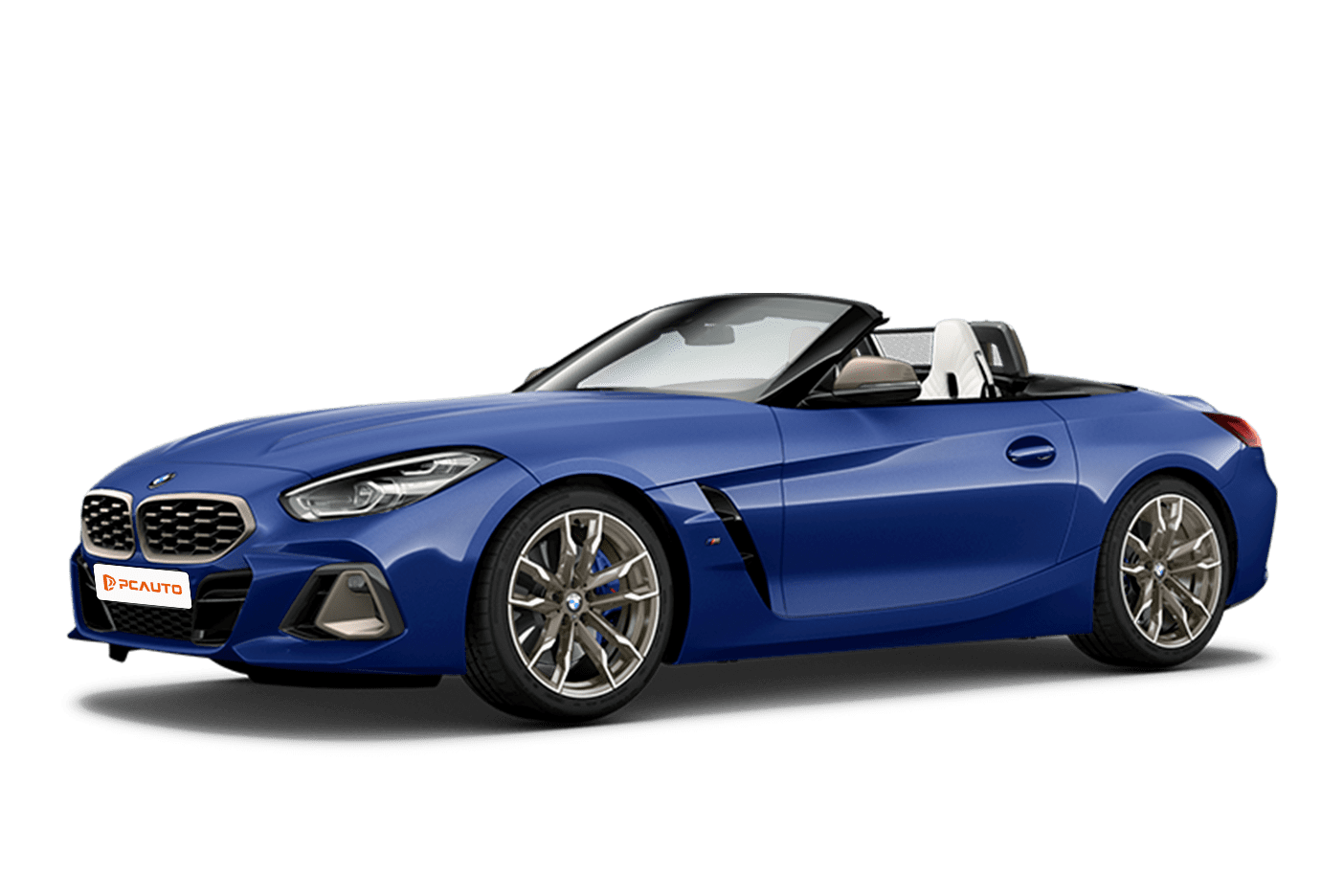
2023 BMW Z4 public, as a classic rear-wheel-drive convertible sports car, balances driving pleasure and daily practicality, with class-leading intelligent features and a compact body precisely meeting the needs of Malaysian users.