

Lamborghini Aventador Review

 Share
Share
 Segment
 Body Type
 Capacity(L)
 Engine Power(PS)
 Transmission
 Driven Wheels
In the current supercar market filled with ever-decreasing naturally aspirated V12 models, options that combine ultimate performance and open-top driving experience are extremely rare — the 2019 Lamborghini Aventador SVJ Roadster is a prime example. It is equipped with a 770PS naturally aspirated V12 engine, achieving an official 0-100 km/h acceleration in just 2.9 seconds, all while preserving the driving pleasure of a hardtop convertible. This time, we got our hands on the actual car, and the main goal is to verify its real-world performance as the "ultimate V12 convertible supercar": Does the design continue Lamborghini's aggressive style? Does its performance and comfort suffer in convertible mode? And how practical is it in daily driving?
From a distance, the Aventador SVJ Roadster’s overall silhouette is filled with a sense of aggression. Its low-slung body, paired with wide wheel arches, immediately reveals its supercar identity. The hexagonal front air intakes are larger than those on the standard Aventador and feature a black honeycomb design. On both sides, the air ducts improve aerodynamic efficiency. The "Y"-shaped contour on the sides stretches from the doors to the rear. Its 20-inch front and 21-inch rear wheels are paired with 255/30 ZR20 and 355/25 ZR21 tires, further enhancing its sporty stance. The active rear wing at the back is a highlight of the design; it automatically adjusts its angle based on the car’s speed. When stationary, it retracts to keep the look clean, while at high speeds, it extends to increase downforce. The taillights feature the iconic "Y"-shaped LED design, offering high recognition when illuminated at night. The hardtop convertible structure is made of carbon fiber, which allows it to open or close in just 18 seconds at the press of a button. Once retracted, the roof is stored above the trunk without detracting from the car's overall aesthetics.
Sitting inside, the interior is predominantly black, with large amounts of Alcantara material enveloping the seats, steering wheel, and central control area, providing a delicate tactile feel everywhere you touch. The center console layout is streamlined, with a 10.1-inch touchscreen as the core operation area, supporting Bluetooth connectivity, navigation, and vehicle status display. The functions are intuitive and easy to use. The multifunctional steering wheel has a flat-bottom design, with buttons for drive mode switching and volume control on the left side and cruise control on the right. The buttons offer clear feedback and align with supercar operation logic. The seats are sports bucket seats with excellent support, allowing manual adjustment for lumbar and thigh support, keeping the body firmly in place during spirited driving. As a two-seater, the front row provides a spacious experience. A passenger measuring 180cm tall would not feel cramped in head or legroom. Storage space, however, is relatively limited; the door storage slots can only hold a phone and wallet, and the center armrest box is small. The vehicle is primarily designed to deliver driving pleasure.
Upon starting the engine, the sound of the 6.5L naturally aspirated V12 roars straight through the cabin — this mechanical sensation is something electric supercars cannot replicate. The engine delivers a maximum output of 770PS at 8,400 rpm and a peak torque of 720N·m at 5,500 rpm, paired with a 7-speed automatic transmission. In Strada mode, the power delivery is relatively smooth and suitable for daily commuting. Switching to Sport mode, throttle response becomes sharper, maintaining the revs above 3,000 rpm, and with a deep press of the accelerator, the thrust power surges instantly, with actual 0-100 km/h acceleration close to the official 2.9 seconds. Overtaking requires only a light touch of the throttle. The steering is precise with minimal play, clearly transmitting road feedback while adding weight during high-speed driving to enhance stability. The suspension system uses front and rear double-wishbone independent suspensions. The setup leans toward stiffness, but when driving over speed bumps or uneven roads, the suspensions quickly filter out unnecessary vibrations, preventing excessive jolts for passengers. During cornering, body roll is well-controlled, and the wide tires provide ample grip, maintaining stability even when cornering at relatively high speeds. In convertible mode, when the speed exceeds 120 km/h, wind noise becomes significantly louder, but the engine’s roar remains distinctly audible. This blend of "engine roar and wind noise” is exactly the charm of an open-top supercar.
In terms of fuel consumption, the official combined fuel consumption is 18.4L/100km. After driving 50km each on city roads and highways, we measured the combined fuel consumption to be approximately 20L/100km, with urban congested sections reaching even 25L/100km, which aligns with expectations for a large-displacement V12 supercar. The braking performance is excellent, with a combination of front ventilated discs and rear ventilated discs paired with high-performance brake pads, resulting in a 100-0km/h braking distance of about 32 meters. There was no significant brake fade even after multiple stops. Noise control is commendable; when the convertible top is closed, the cabin's sound insulation is quite good, with minimal tire and wind noise below 60km/h. When the convertible top is open, wind noise increases as speed picks up, but this is part of the convertible driving experience and doesn't affect normal conversations. The seat comfort was also proven during long drives; although they are sport bucket seats, the cushioning is sufficiently soft, and driving continuously for 2 hours does not cause backache or discomfort.
Overall, the core advantages of the 2019 Lamborghini Aventador SVJ Roadster are evident: it's a rare model that offers a combination of "V12 engine sound + convertible experience + extreme performance." Compared to the 2018 Aventador SVJ Coupe, it adds the convertible feature at the same price; compared to the 2017 Aventador S Roadster, its power has increased by 30PS, with faster acceleration and a more aggressive aerodynamic design. However, its drawbacks are also prominent—high fuel consumption and limited storage space make it far less practical for daily commuting compared to standard sedans.
This car is most suitable for people who pursue the "ultimate driving experience": those who don't care about fuel consumption or practicality but simply want a collector's supercar that can unleash its performance on the track, turn heads on the road, and allow enjoyment of the V12 engine sound in convertible mode. For regular consumers, it might be too extreme, but for supercar enthusiasts, it's one of the "last hurrahs of the fuel-powered era."
In summary, the 2019 Lamborghini Aventador SVJ Roadster is not a car for everyone, but it is definitely a car that will drive its admirers crazy — with its pure mechanical essence and ultimate performance, it epitomizes the last glory of fuel-powered supercars.
Lamborghini Aventador Car Compare
Lamborghini Aventador Loan Calculator
More Lamborghini Reviews
Cars With Similar Price And Features
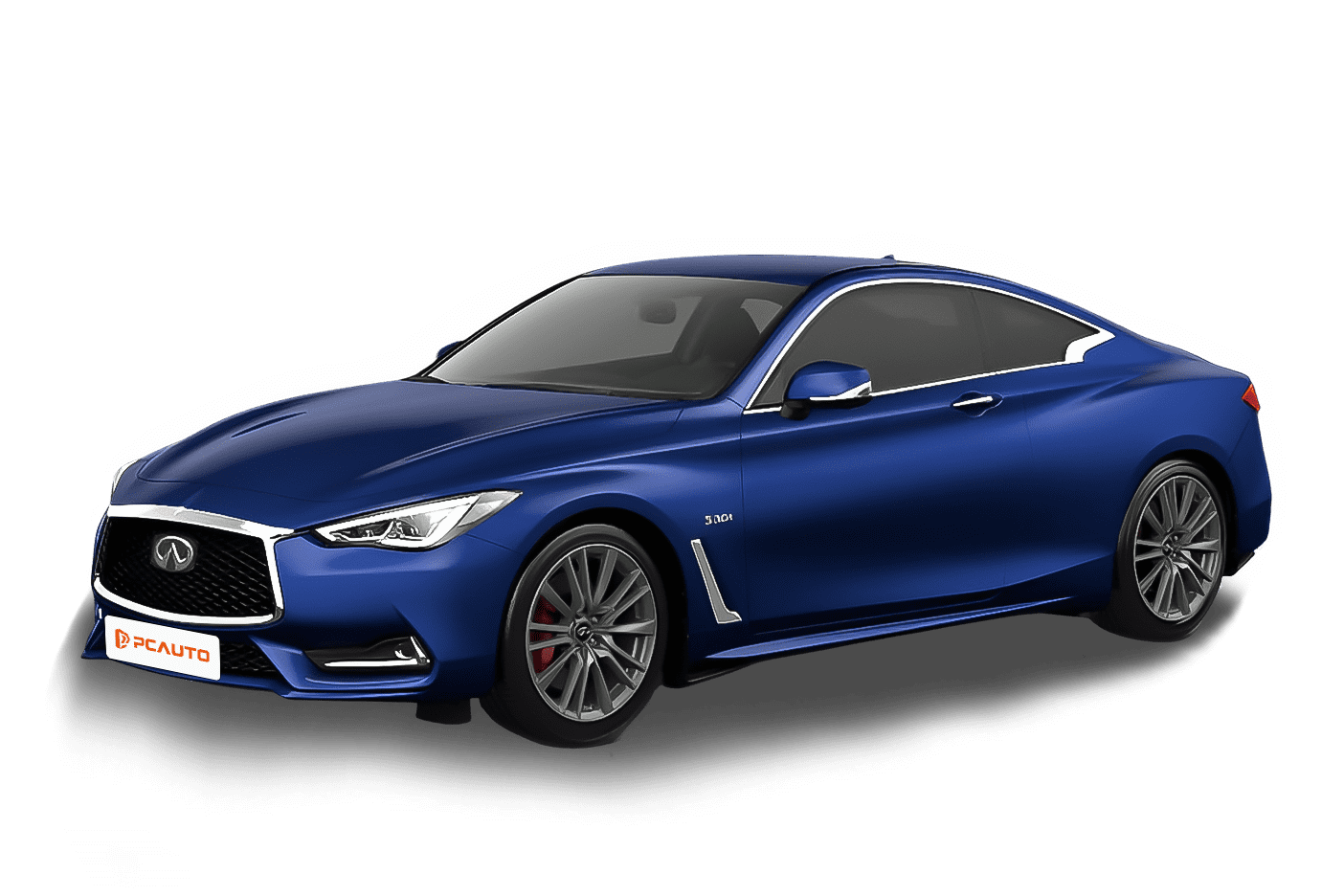
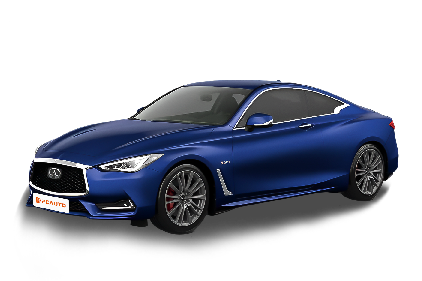
2017 Infiniti Q60 2.0t is a luxury coupe that balances sporty design and daily practicality, featuring a family-style exterior, BOSE audio system, and balanced power as its core selling points.
1
Rank in Coupe
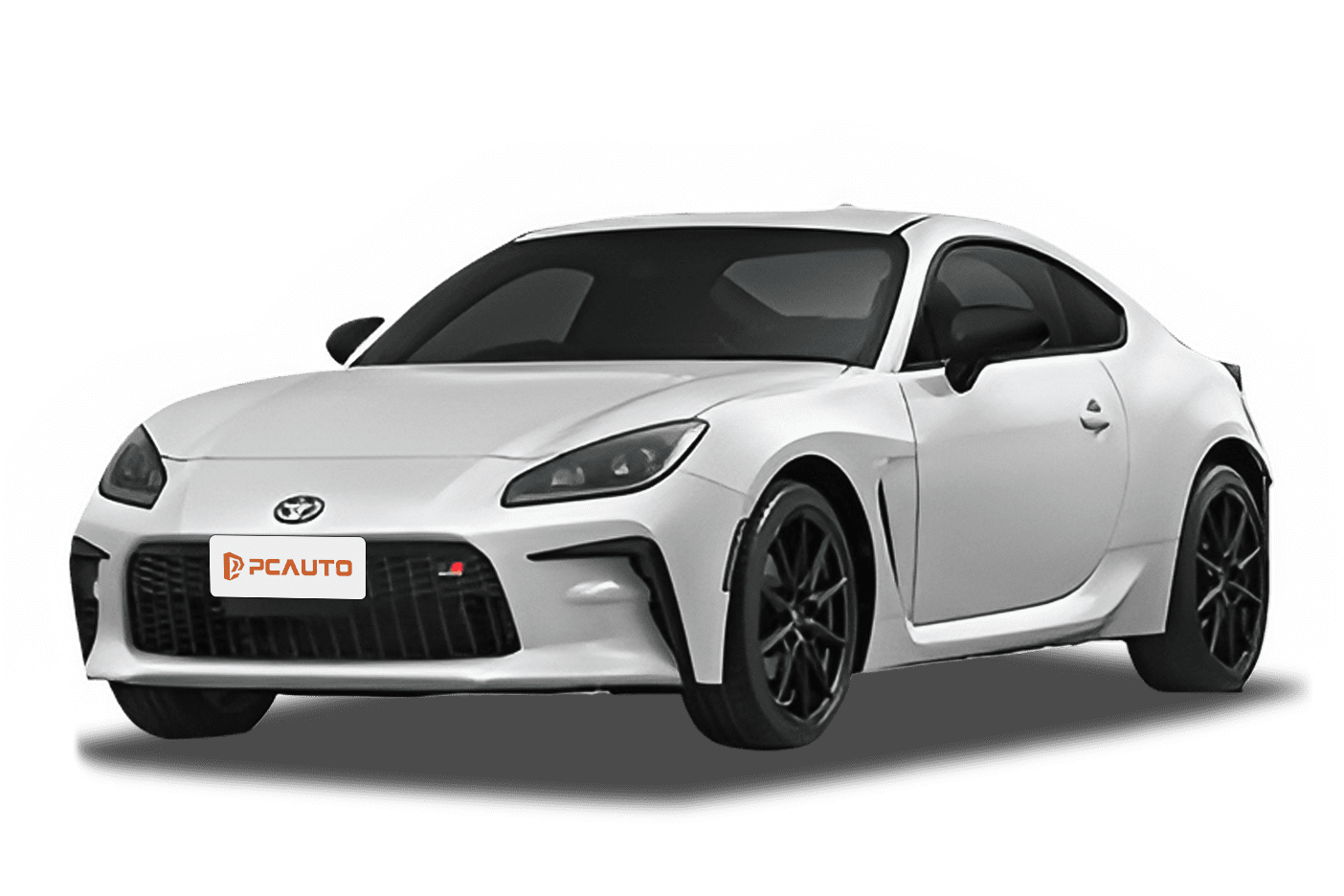
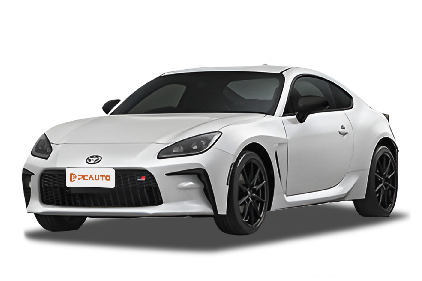
2023 Toyota GR 86 2.4 AT is a rear-wheel-drive sports coupe upgraded with a 2.4L naturally aspirated engine to address low torque issues, balancing daily commuting with pure driving pleasure.
10
Rank in Coupe
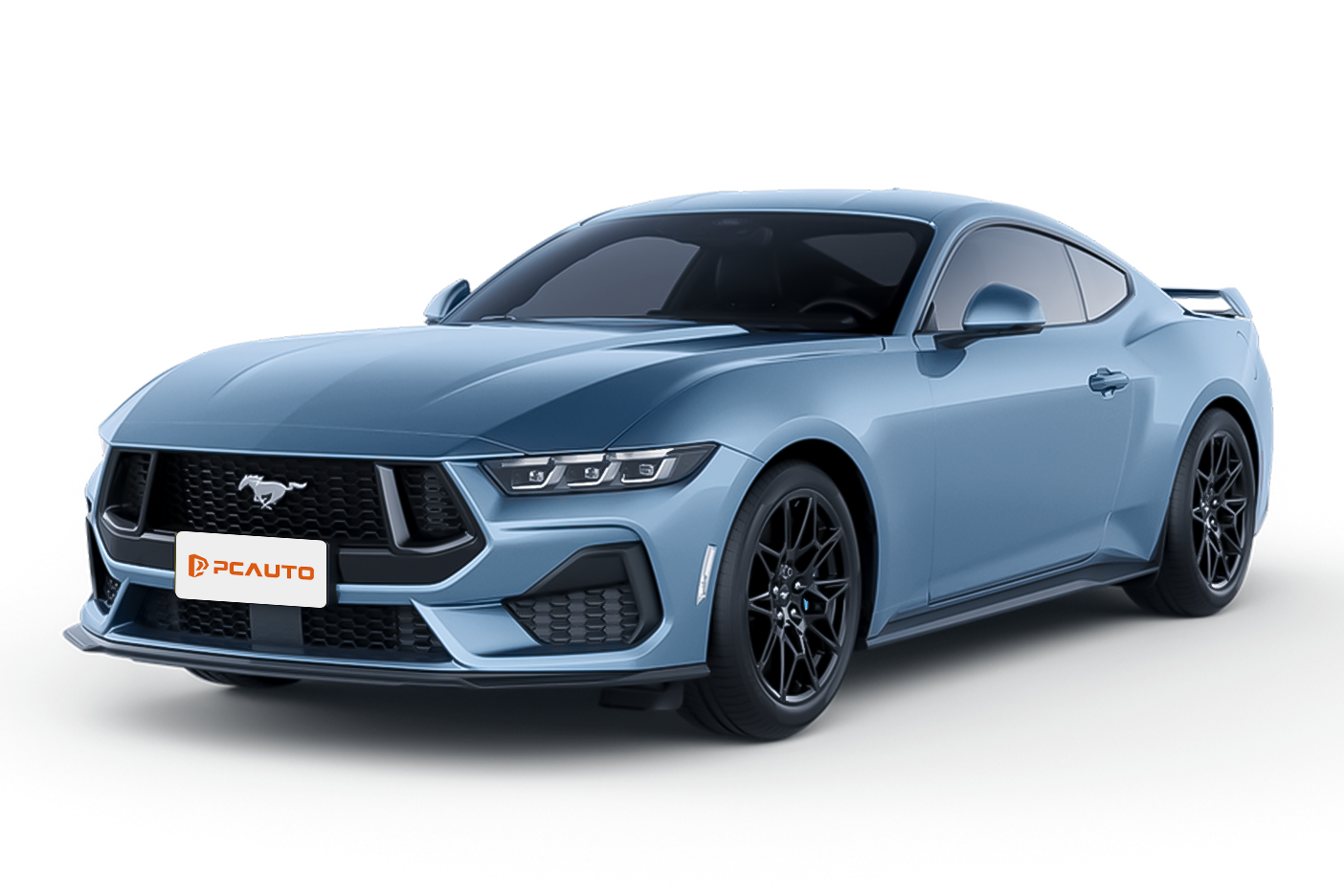
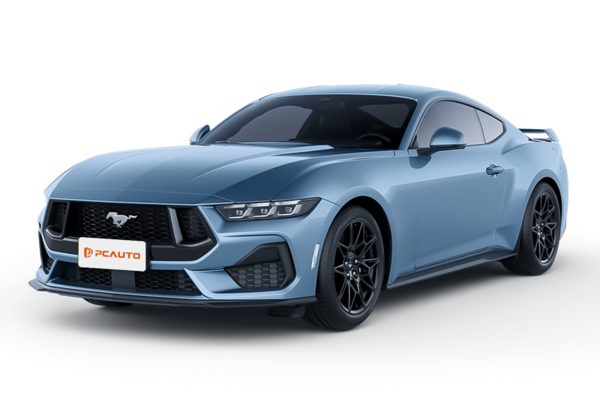
2018 Ford Mustang 2.3 EcoBoost retains the classic muscle car appearance with high cost performance, the 2.3T engine delivers 310PS horsepower, balancing performance and practicality for daily driving.
6
Rank in Coupe
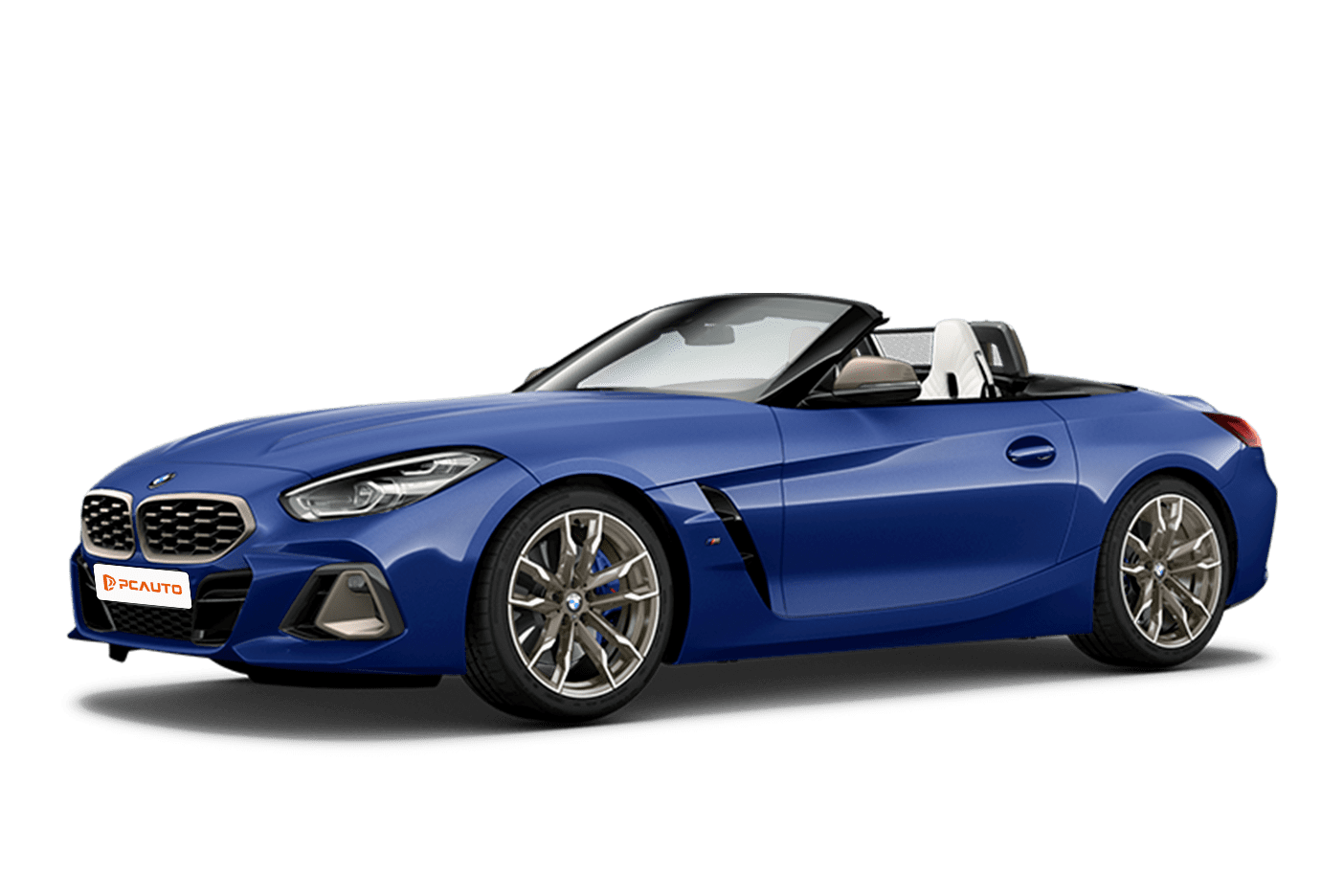
2023 BMW Z4 public, as a classic rear-wheel-drive convertible sports car, balances driving pleasure and daily practicality, with class-leading intelligent features and a compact body precisely meeting the needs of Malaysian users.