

2016 Lamborghini Aventador S Review

 Share
Share
 Segment
 Body Type
 Capacity(L)
 Engine Power(PS)
 Transmission
 Driven Wheels
In the Malaysian supercar market, the Lamborghini Aventador series has always been synonymous with "visual impact + manic performance". As a mid-cycle facelift model in the series, the 2016 Aventador S further enhances handling performance and technological features, targeting supercar enthusiasts who pursue both an ultimate driving experience and daily usability. The core purpose of this test drive is to evaluate the car's overall performance on the track and urban roads, to see if it truly lives up to its dual identity as a "track beast" and a "daily driver".
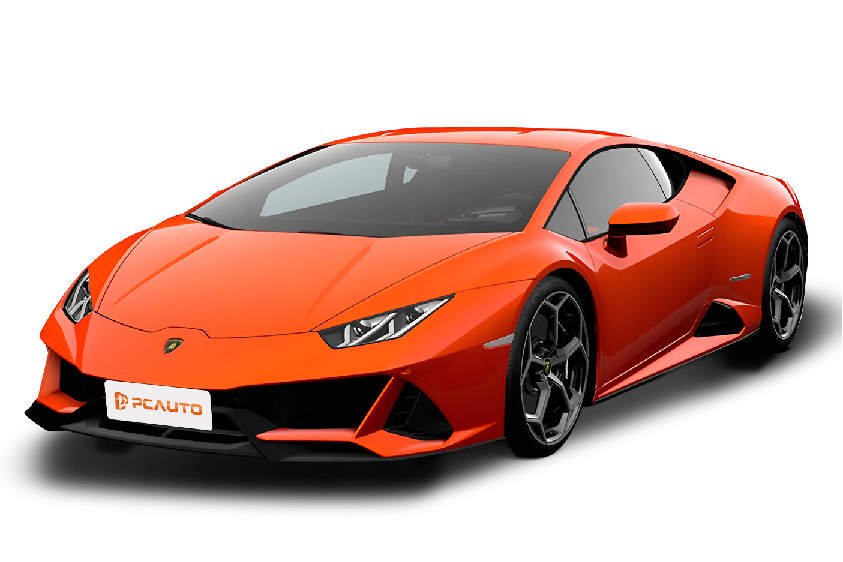
From a distance, the overall silhouette of the 2016 Aventador S continues the family’s iconic wedge-shaped design, and its low and wide stance exudes an oppressive presence. The most noticeable change at the front is the enlarged air intake grille, complemented by redesigned air ducts on both sides, which not only enhance cooling efficiency but also make the front end appear more aggressive. The side of the body retains sharp waistlines running from the fenders to the rear, paired with 20-inch front and 21-inch rear matte black wheels, creating a taut and powerful visual effect. At the rear, the newly added active rear spoiler is a highlight—it adjusts its angle automatically based on speed, providing more downforce at maximum speed. The taillights remain the classic Y-shaped LED design, offering a highly recognizable look when illuminated at night. The entire exterior design has no superfluous decorations, with every line serving either aerodynamic purposes or visual impact, embodying the unmistakable "Lamborghini style".
Once inside, the first impression is of a typical supercar wrap-around cockpit layout, with the center console tilted towards the driver for ease of operation. The interior materials mainly consist of Alcantara and leather, with orange stitching accents present on areas like the door panels and seats, creating a strong sporty atmosphere. The 8.4-inch touchscreen on the center console is a key upgrade from the facelift, supporting CarPlay and vehicle information display. Its operating logic is intuitive, and its responsiveness is above average for supercars. The multifunction steering wheel is relatively small, with a solid grip, and the left side integrates the driving mode selection buttons—featuring Strada (Street), Sport, Corsa (Track), and Ego (Custom) modes, with a noticeable tactile feedback when pressed. The seats have a bucket design, offering excellent lateral support and especially good wrapping at the shoulders and waist, though they may feel somewhat stiff during prolonged use, as they are designed for spirited driving. When it comes to storage space, the small compartments in the door panels can only fit a phone, and the center armrest box is almost negligible, making daily practicality somewhat limited.
As for performance, the 2016 Aventador S is equipped with a 6.5-liter naturally aspirated V12 engine, producing a maximum power of 740 horsepower and a peak torque of 690 Nm, paired with a 7-speed ISR transmission. In Strada mode, the vehicle’s power delivery is relatively smooth, and there is no sudden surge of power during takeoff, making it suitable for city driving. Switching to Sport mode, the transmission's shifting becomes noticeably quicker, and the throttle response is more sensitive. When you press down hard, the roar of the V12 engine directly fills the cabin, and the instantaneous surge of acceleration is ready at any moment. During a 0-100 km/h acceleration test, the all-wheel-drive system's traction control minimized wheel slip at launch, achieving a result almost identical to the official 2.9 seconds—showcasing tremendous explosiveness. During high-speed overtaking, even at speeds of 120 km/h, pressing the accelerator further still delivers a strong surge of acceleration, with power reserves that can only be described as "excessive".
In terms of handling, the Aventador S comes with a new rear-wheel steering system, which is key to improving its handling. At low speeds, the rear wheels turn in the opposite direction of the front wheels, reducing the turning radius — in actual experience, making U-turns in narrow roads is more flexible than the previous model without having to adjust the steering multiple times. At high-speed corners, the rear wheels turn in the same direction as the front wheels, improving the stability of the vehicle. The suspension system, in Strada mode, filters out some road bumps, making city driving less bumpy; switching to Corsa mode stiffens the suspension, transmitting road feel directly to the steering wheel with minimal body roll during cornering. The chassis performs tightly as a whole, and when driving over speed bumps or uneven roads, the suspension rebounds quickly without unnecessary wobbling. The braking system adopts carbon-ceramic brake discs, providing linear and sufficient braking force, with a 100-0 km/h braking distance of about 32 meters, inspiring confidence.
In terms of noise control, due to the presence of the V12 engine, a slight engine note can be heard inside the cabin at low speeds, and wind noise and tire noise increase significantly at high speeds. However, this is precisely the "sound experience" that supercar users pursue, so it is not considered a drawback. Although the seats provide good support, long-duration sitting (over an hour) may result in a lack of lumbar support, requiring posture adjustments. As for fuel consumption, the official combined fuel consumption is 18.4L/100km. However, during city driving, frequent aggressive acceleration can increase fuel consumption to over 25L/100km, while highway cruising can bring it down to around 15L, which is considered normal for a supercar.
In summary, the core advantages of the 2016 Lamborghini Aventador S are evident: First, the naturally aspirated V12 engine delivers linear power output and a stunning engine sound, which turbocharged cars cannot replicate. Second, the combination of the rear-wheel steering system and all-wheel-drive system makes its handling more balanced compared to its predecessor, performing sharp turns on the track while still being relatively friendly to drive in the city. Third, upgrades in interior technology, such as the addition of a touchscreen and CarPlay, enhance everyday usability. Compared to its competitor, the Ferrari 812 Superfast, the Aventador S has an advantage with its all-wheel-drive system on slippery roads and features a more distinctive exterior design. However, its fuel consumption and everyday practicality slightly fall short.
The target audience for this car is very clear: Firstly, it’s for supercar enthusiasts who seek the purity of a V12 engine and Lamborghini's brand appeal. Secondly, it’s for those with a certain level of financial capability who need a vehicle that can be both a thrilling track car on weekends and an occasional daily drive — after all, its street mode is indeed more user-friendly than many other supercars. If you are looking for a supercar that balances performance, brand prestige, and head-turning style, the 2016 Aventador S is definitely a choice that cannot be overlooked.
In conclusion, the 2016 Lamborghini Aventador S is not a "do-it-all car." Its shortcomings (high fuel consumption, limited storage space) are quite obvious, but its strengths (V12 engine sound, extreme handling, iconic design) are also compelling. It is a car that you "pay for the passion," and if you can accept the limitations of supercars, it will deliver unparalleled driving pleasure and visual satisfaction.
Lamborghini Aventador Car Compare
Lamborghini Aventador Loan Calculator
More Lamborghini Reviews
Cars With Similar Price And Features
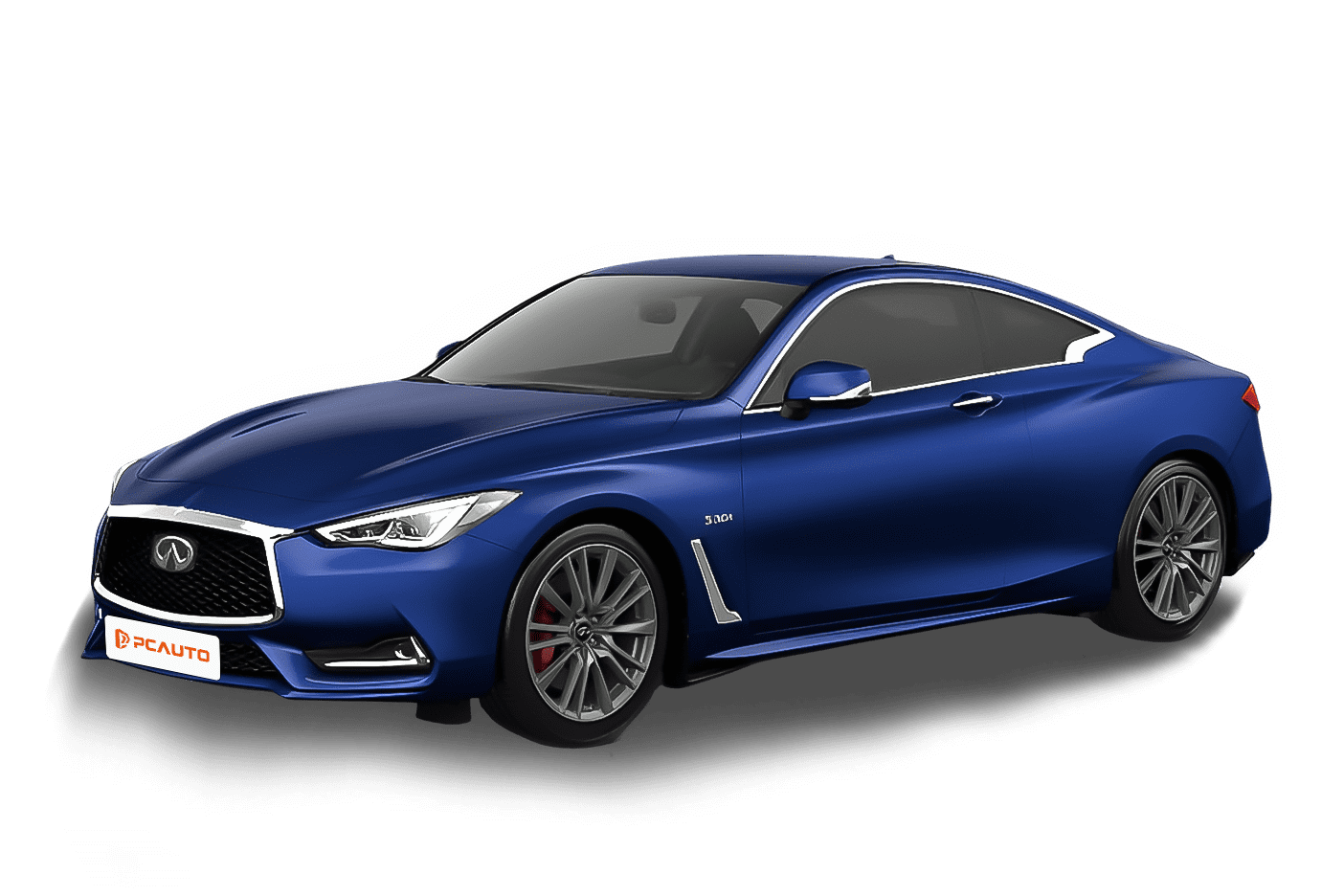
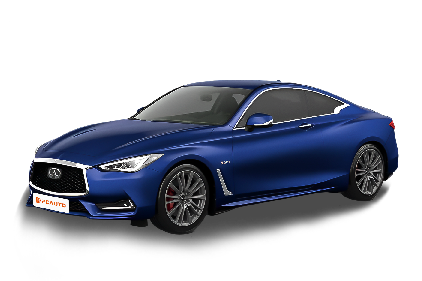
2017 Infiniti Q60 2.0t is a luxury coupe that balances sporty design and daily practicality, featuring a family-style exterior, BOSE audio system, and balanced power as its core selling points.
1
Rank in Coupe
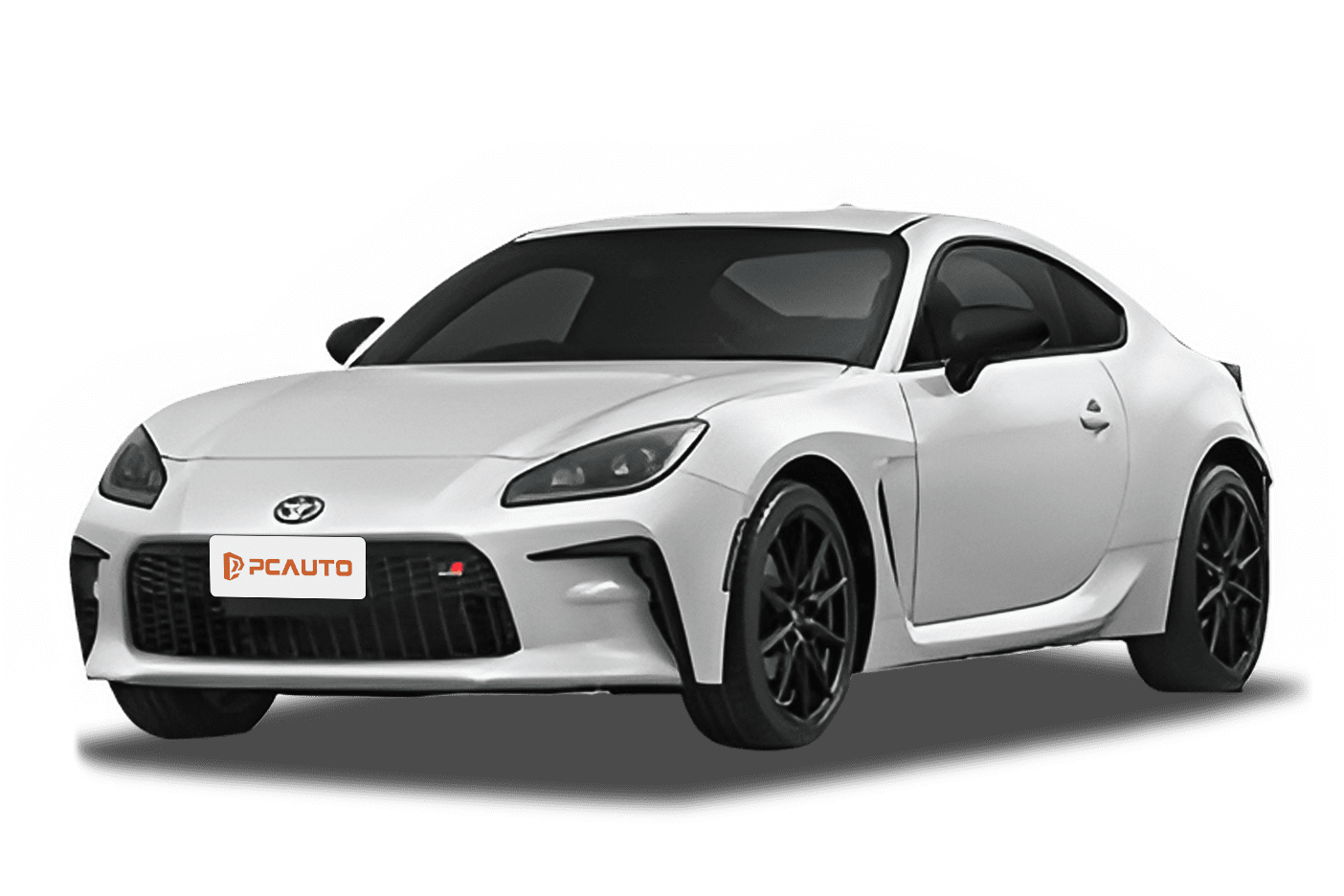
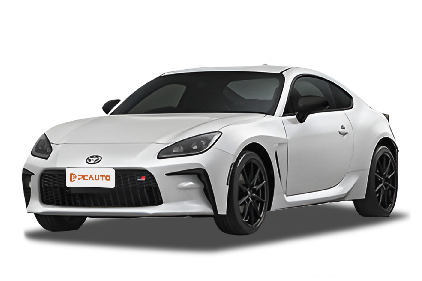
2023 Toyota GR 86 2.4 AT is a rear-wheel-drive sports coupe upgraded with a 2.4L naturally aspirated engine to address low torque issues, balancing daily commuting with pure driving pleasure.
10
Rank in Coupe
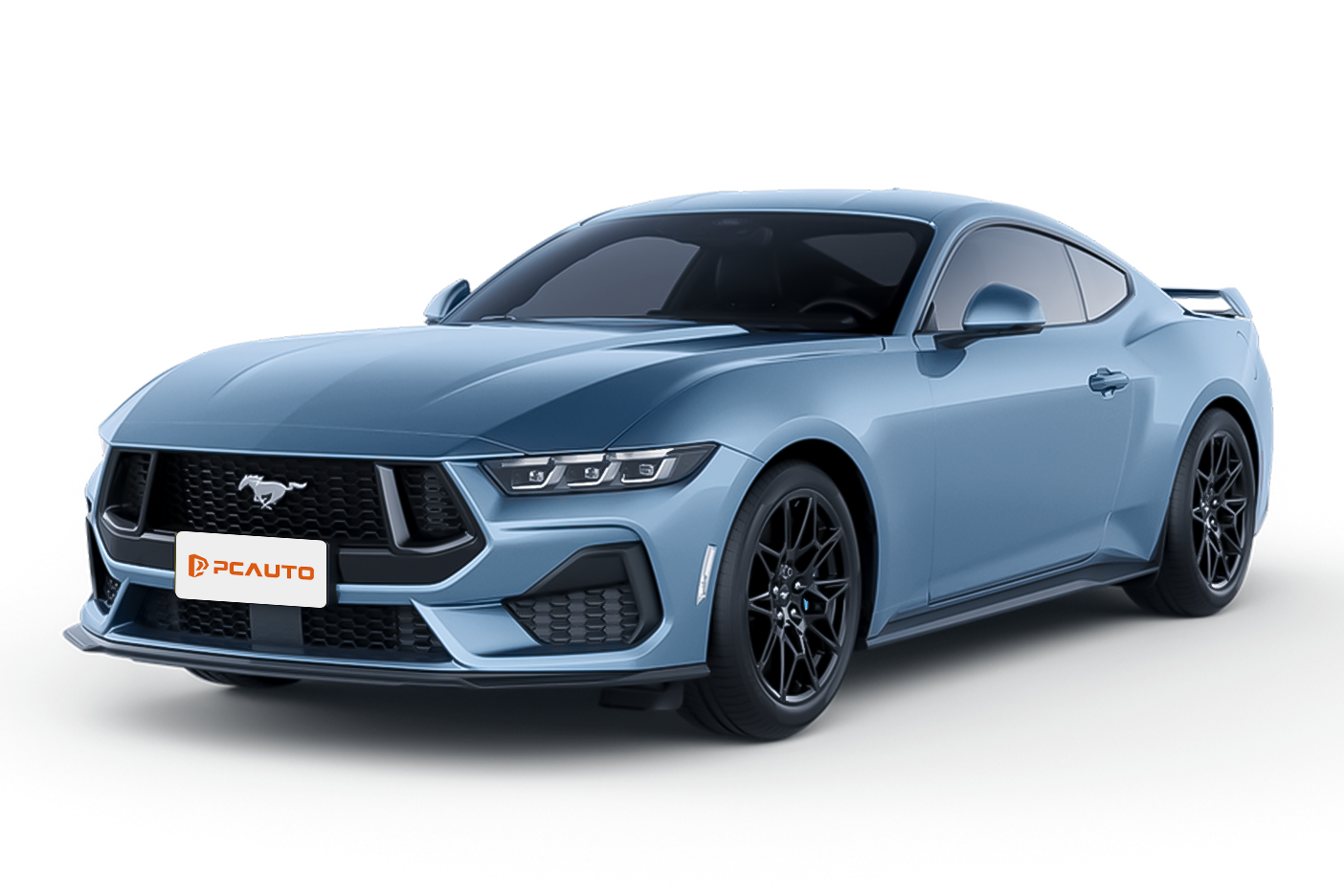
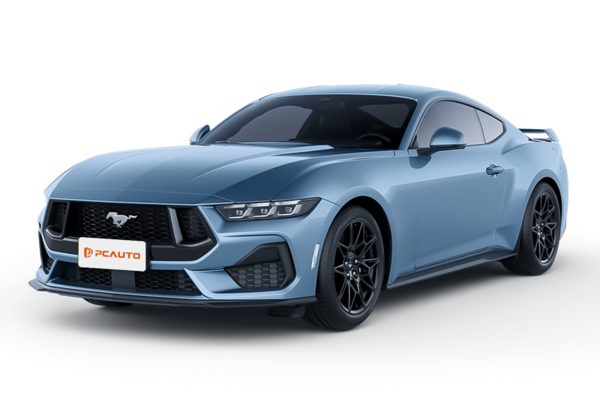
2018 Ford Mustang 2.3 EcoBoost retains the classic muscle car appearance with high cost performance, the 2.3T engine delivers 310PS horsepower, balancing performance and practicality for daily driving.
6
Rank in Coupe
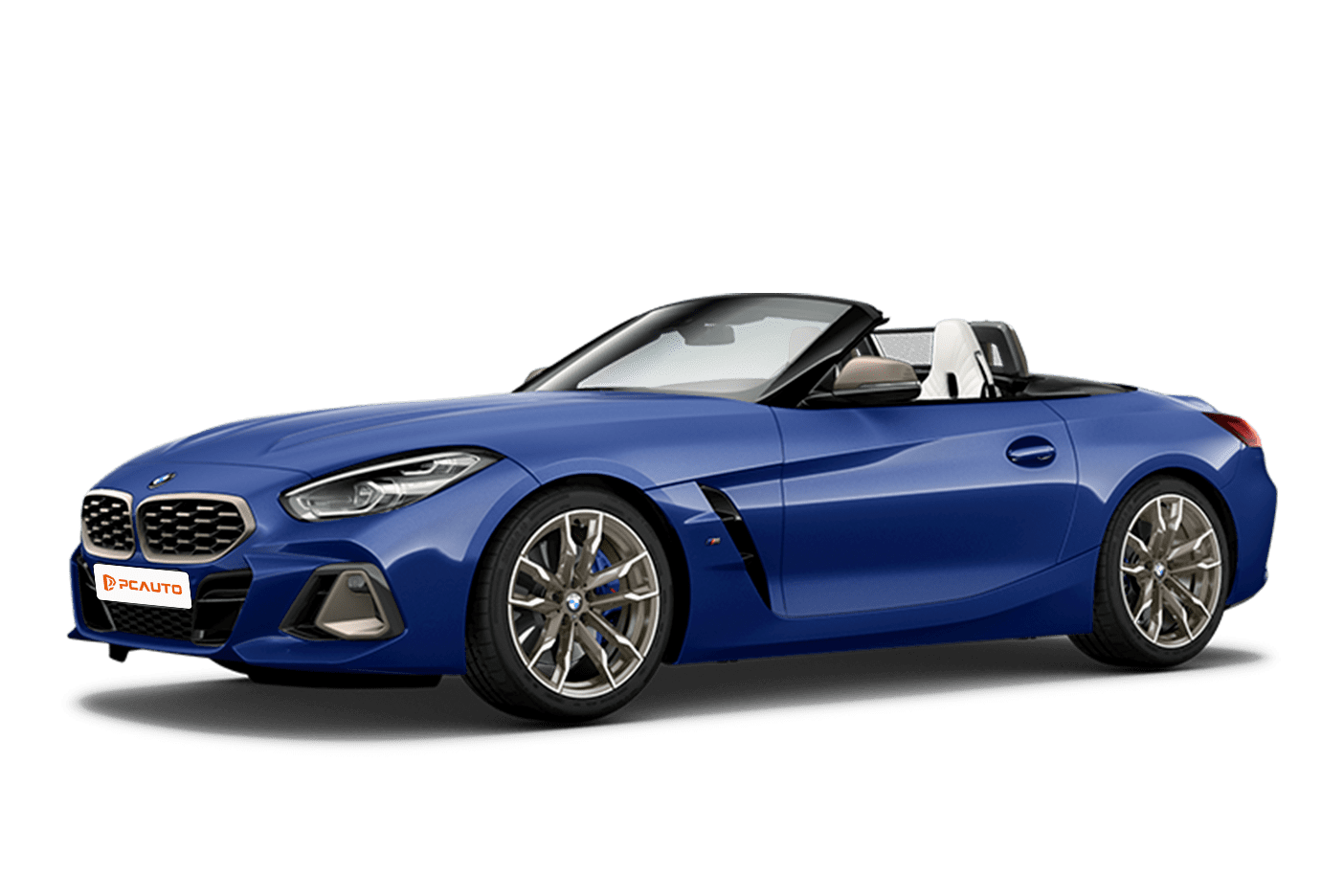
2023 BMW Z4 public, as a classic rear-wheel-drive convertible sports car, balances driving pleasure and daily practicality, with class-leading intelligent features and a compact body precisely meeting the needs of Malaysian users.