

Lamborghini Urus 2018 Review

 Share
Share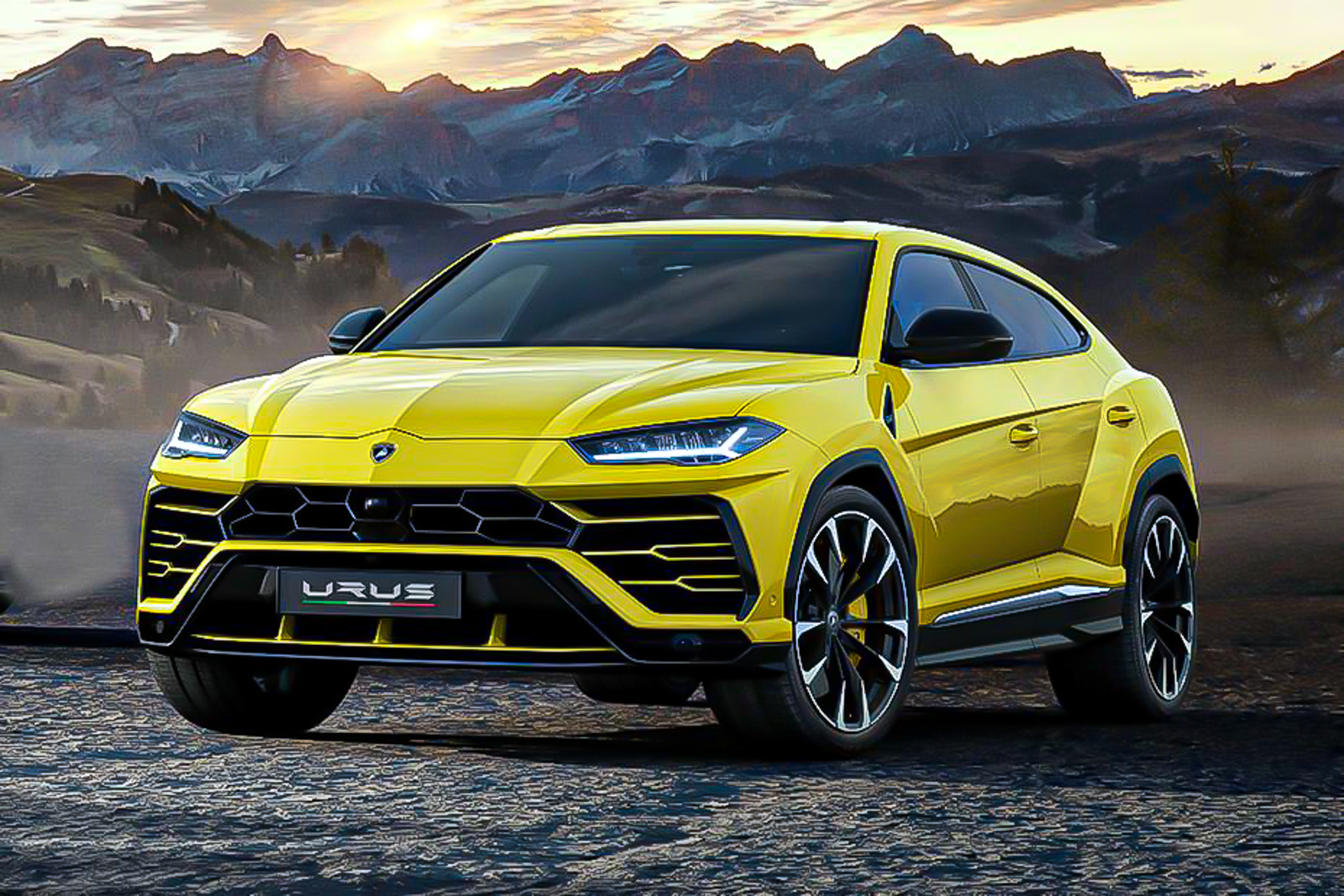
 Segment
 Body Type
 Capacity(L)
 Driven Wheels
 Combined System Output(PS)
 Combined System Torque(Nm)
As supercar brands have successively entered the high-performance SUV market, the 2018 Lamborghini Urus 4.0L, positioned as a "Super SUV," has been the focus of the luxury sports SUV segment since its launch. It aims to retain Lamborghini's iconic performance DNA while balancing the practicality of an SUV. In this test drive, our focus is to verify whether it truly balances "supercar-level power" with "daily driving needs," as well as to see if its million-level pricing matches expectations in terms of product strength.
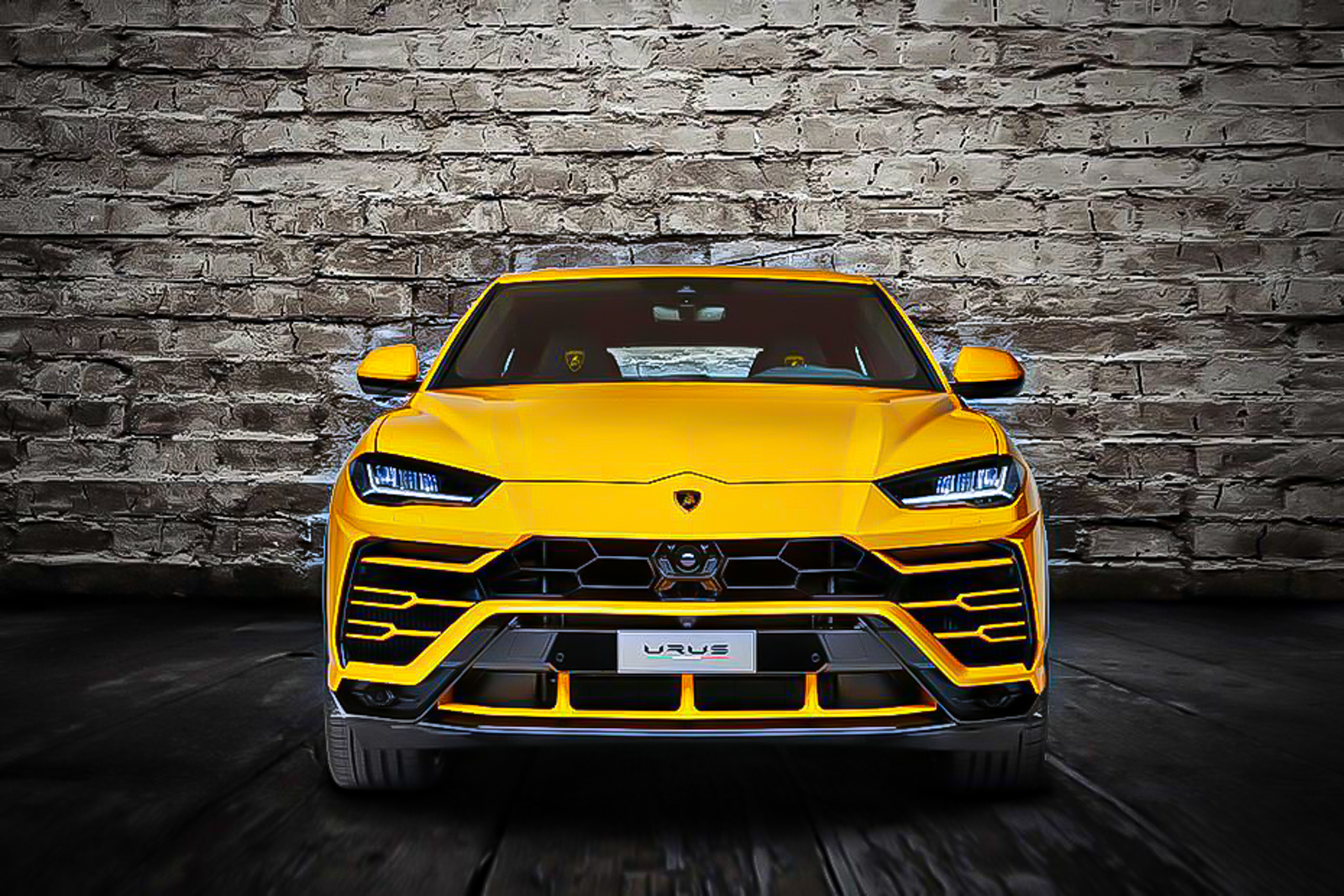
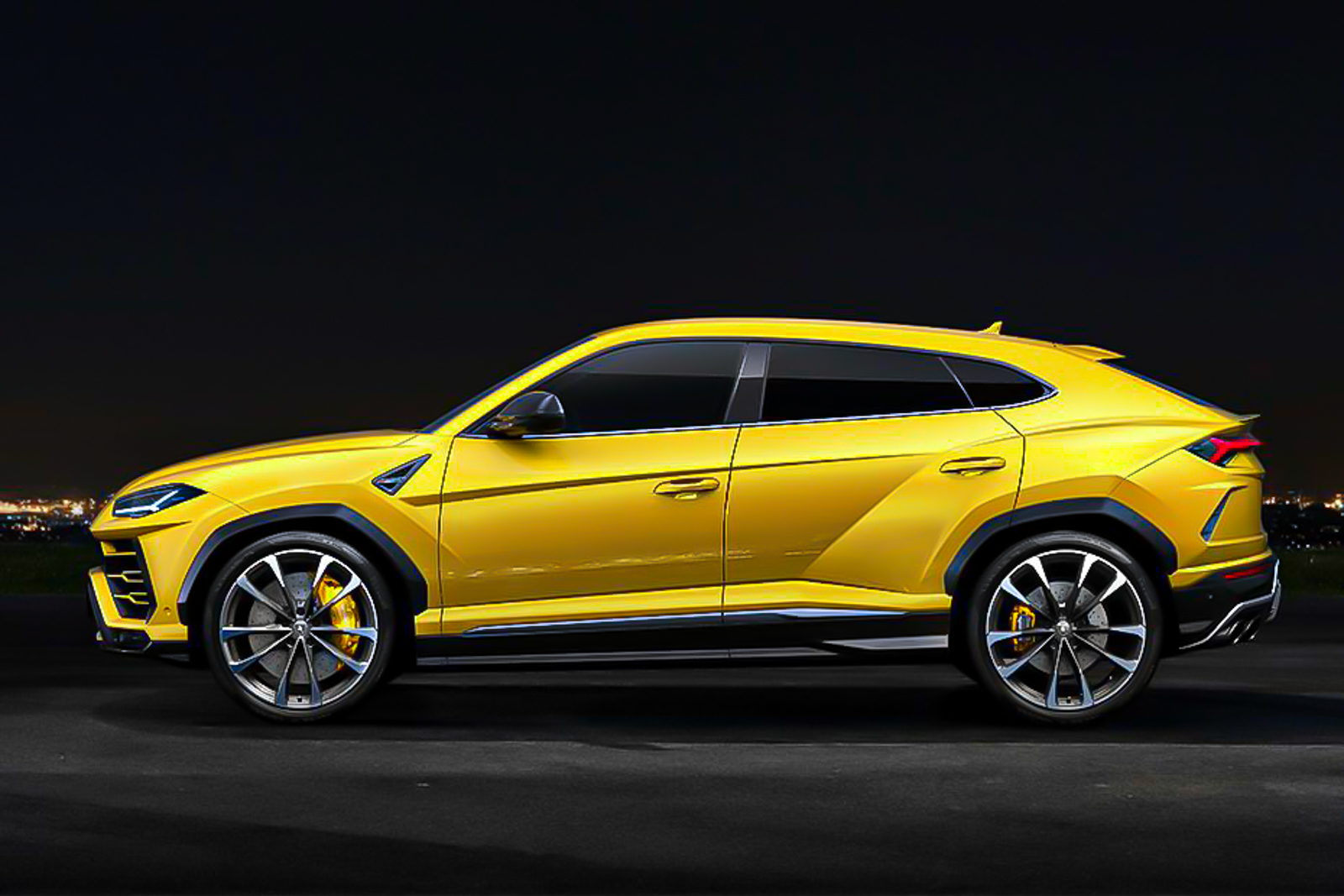
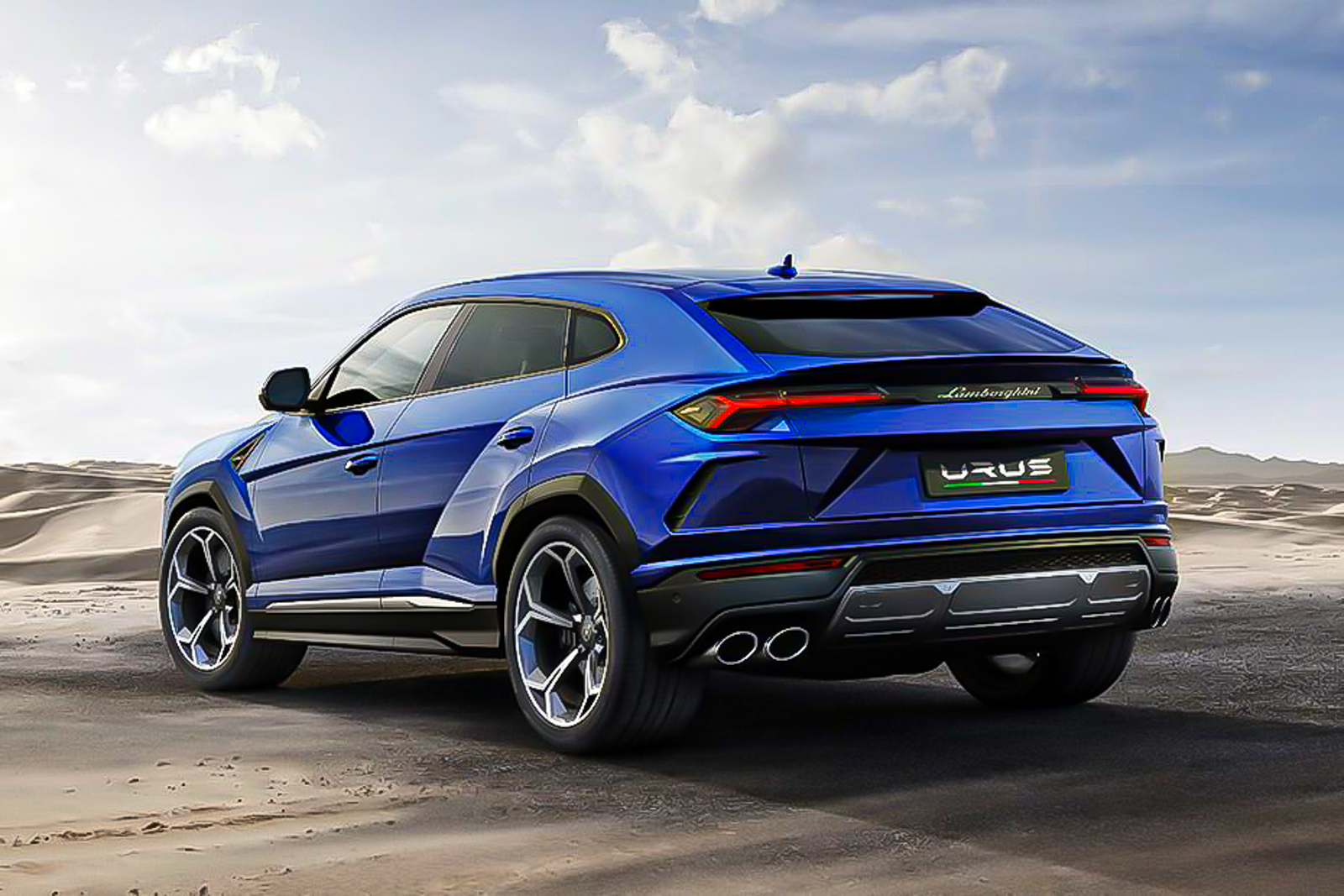
From a distance, the exterior of the Urus looks nothing like a traditional SUV; rather, it resembles a raised Lamborghini sports car. The front features the family-style Y-shaped daytime running lights, paired with a large honeycomb grille. The multiple raised muscle lines on the hood enhance its muscular feel, giving it an unmistakable presence. The side profile of the car boasts smooth lines, and the sloping design from the A-pillar to the rear reduces the bulkiness typically associated with SUVs. The 21-inch wheels, paired with 285/45 ZR21 front tires and 315/40 ZR21 rear tires, further reinforce its sporty stance. The rear design is equally aggressive, with Y-shaped taillights mirroring the front and a quad exhaust layout that boldly declares its performance identity. The rear diffuser design also extends the race track style. As for the lighting system, the LED headlights are sufficiently bright and highly recognizable when illuminated at night, perfectly aligning with its luxury positioning.
Sitting inside, the interior strikes a balance between sportiness and luxury. The center console is wrapped in extensive Alcantara and leather materials, with refined textures that are tangible to the touch. The metallic trims around the air conditioning vents and central control buttons enhance the sense of sophistication. The center console is equipped with a touchscreen, which is quite smooth to operate and supports basic multimedia and vehicle settings. Below it, there are still some physical buttons reserved for convenient blind operation while driving. The multifunctional steering wheel features Lamborghini's classic flat-bottom design, with a sturdy and solid grip, and the paddle shifters are large and provide clear feedback, stimulating the driver's desire to drive. In terms of equipment, keyless entry/start, automatic front air conditioning, and independent rear air conditioning are standard, meeting daily usage needs. However, compared to competitors in the same price range, its intelligent features are not particularly rich; for example, it lacks a panoramic surround-view camera and only offers a rearview camera, which is somewhat disappointing.
In terms of space, the Urus's dimensions are 5112mm×2181mm×1638mm, with a wheelbase of 3003mm. As a mid- to large-size SUV, the interior space is adequate. The front seats offer excellent support for the waist and legs, ensuring long drives are not too tiring. Even when three adults occupy the rear seats, there is about two fists of legroom remaining. However, due to the sloping rear design, headroom feels slightly tight, though it is sufficient for everyday use. In terms of storage capability, the door storage pockets and central armrest box are not very spacious, but the standard cargo space is adequate for a family's short trips; folding down the rear seats can provide additional space. The rear seat area is equipped with air-conditioning vents and power outlets for passenger comfort.
Performance is Urus's core selling point. It is equipped with a 4.0L twin-turbocharged V8 engine, delivering a maximum horsepower of 659PS and a peak torque that kicks in at 4500rpm. This is paired with an 8-speed automatic transmission and an all-wheel-drive system. When switched to sport mode, the throttle response becomes extremely sharp, with the tires experiencing slight slip during takeoff. The official 0-100km/h acceleration time of 3.6 seconds is absolutely tangible—as you press down on the accelerator, a surge of power hits you instantly. During mid-range acceleration and overtaking, there is ample power reserve, and when the RPM climbs to 6000, the engine sound is exhilarating, leaving one feeling pumped. Even in the comfort mode used for daily driving, the power delivery remains smooth without the overly aggressive jerkiness typically associated with supercars.
In terms of handling, the performance of the Urus exceeds expectations for an SUV. The steering is precise with minimal play; it feels light at low speeds and significantly heavier at high speeds, providing sufficient confidence. The suspension system supports adjustable firmness. In Sport mode, the suspension is taut, and body roll is well controlled during cornering, almost reaching the level of a sports car. In Comfort mode, it smooths out most minor bumps on urban roads without feeling overly stiff. This test drive did not involve extreme road conditions, but the full-time four-wheel-drive system demonstrated stability on slippery roads, with strong traction during starts and acceleration. As for fuel consumption, the official combined figure is 12.7L/100km, while in actual urban traffic, it is around 15-16L, and on the highway, it can drop to about 10L. Considering the 2.2-ton weight and 659PS engine power, this performance is quite reasonable.
Regarding driving comfort, the Urus offers some pleasant surprises. Although it is performance-oriented, the noise control during daily driving is commendable. At highway speeds of 120km/h, wind and tire noise remain within an acceptable range and do not interfere with conversations inside the cabin. The seats strike a good balance between support and wrap-around feel, ensuring long journeys are comfortable without causing back or waist pain. However, the rear seats are slightly firmer than the front seats, which might become tiring for extended periods. The integration of the engine start-stop technology is smooth without noticeable jolts, and the multifunction steering wheel features a well-arranged layout, making it convenient to use.
Overall, the core advantages of the 2018 Lamborghini Urus 4.0L are evident: supercar-level power output and handling close to that of a sports car while retaining the practicality of an SUV. Compared to competitors in the same price range, such as the Bentley Bentayga or Porsche Cayenne Turbo S, it offers stronger performance and brand recognition, though it falls slightly behind in terms of smart features and rear seat comfort. This car is more suitable for users who appreciate the Lamborghini brand and need a high-performance SUV for daily commuting—such as entrepreneurs who enjoy driving or those who need to balance business engagements with personal driving excitement.
In conclusion, the Urus is not an "all-purpose" SUV; its strengths lie primarily in "performance" and "brand." Practicality is only an added attribute. If you want a luxury sports SUV that can occasionally hit the track and also handle family transportation, it is definitely an option you can't miss. However, if rear seat comfort and smart features are more important to you, other competitors in the same price range might be a better fit.
Lamborghini Urus Car Compare

Lamborghini Urus Loan Calculator
More Lamborghini Reviews
Cars With Similar Price And Features
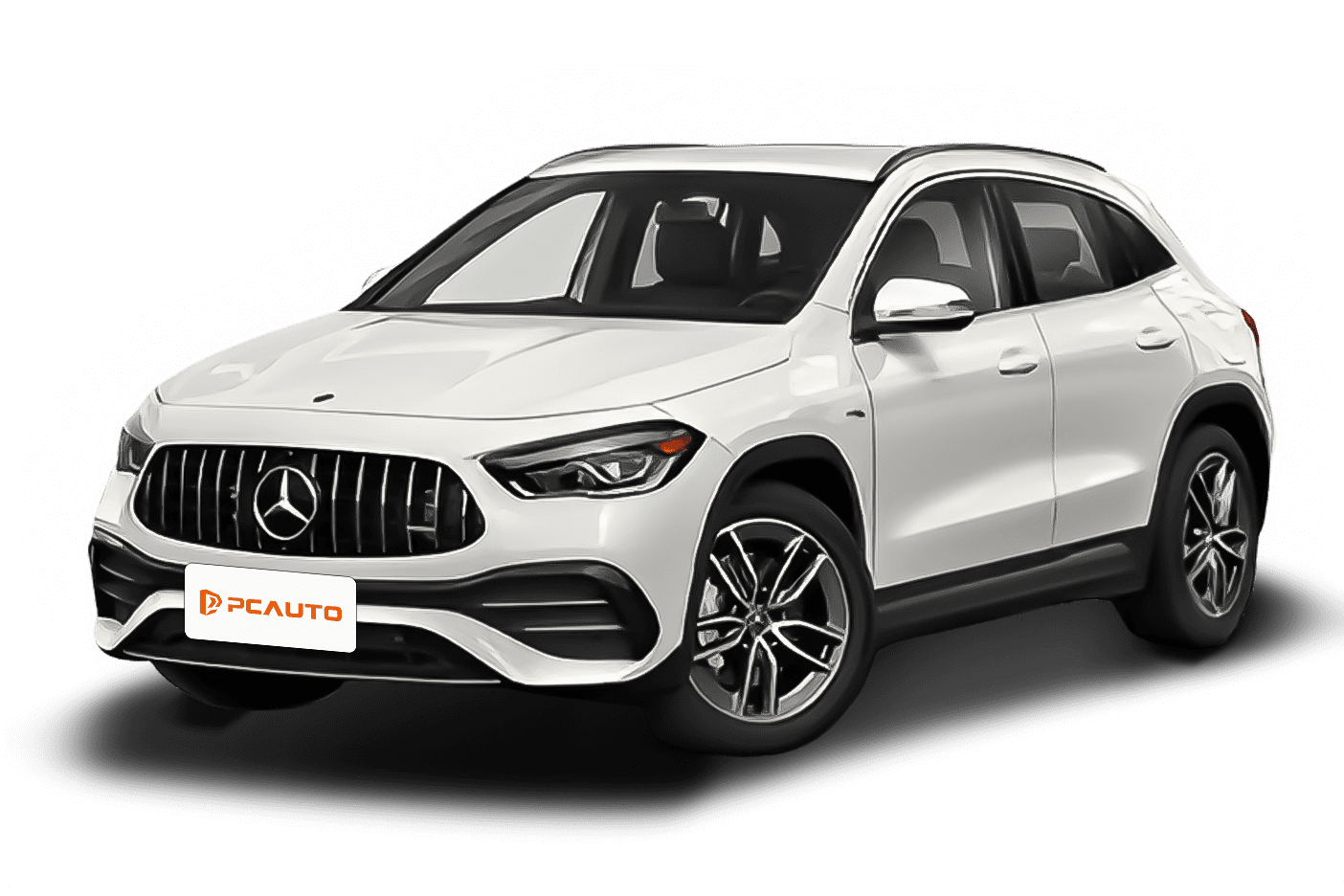
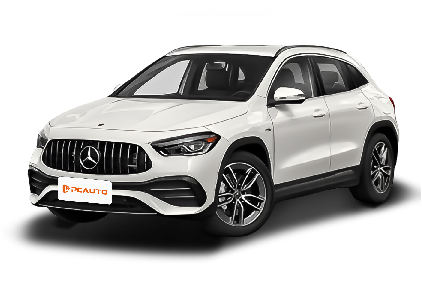
The 2024 Mercedes-Benz AMG GLA 45 S 4MATIC+ is a compact high-performance SUV that combines 420PS powerful output, 4.3-second 0-100 km/h acceleration, luxurious configuration, and practical space, meeting both ultimate driving pleasure and daily commuting needs.
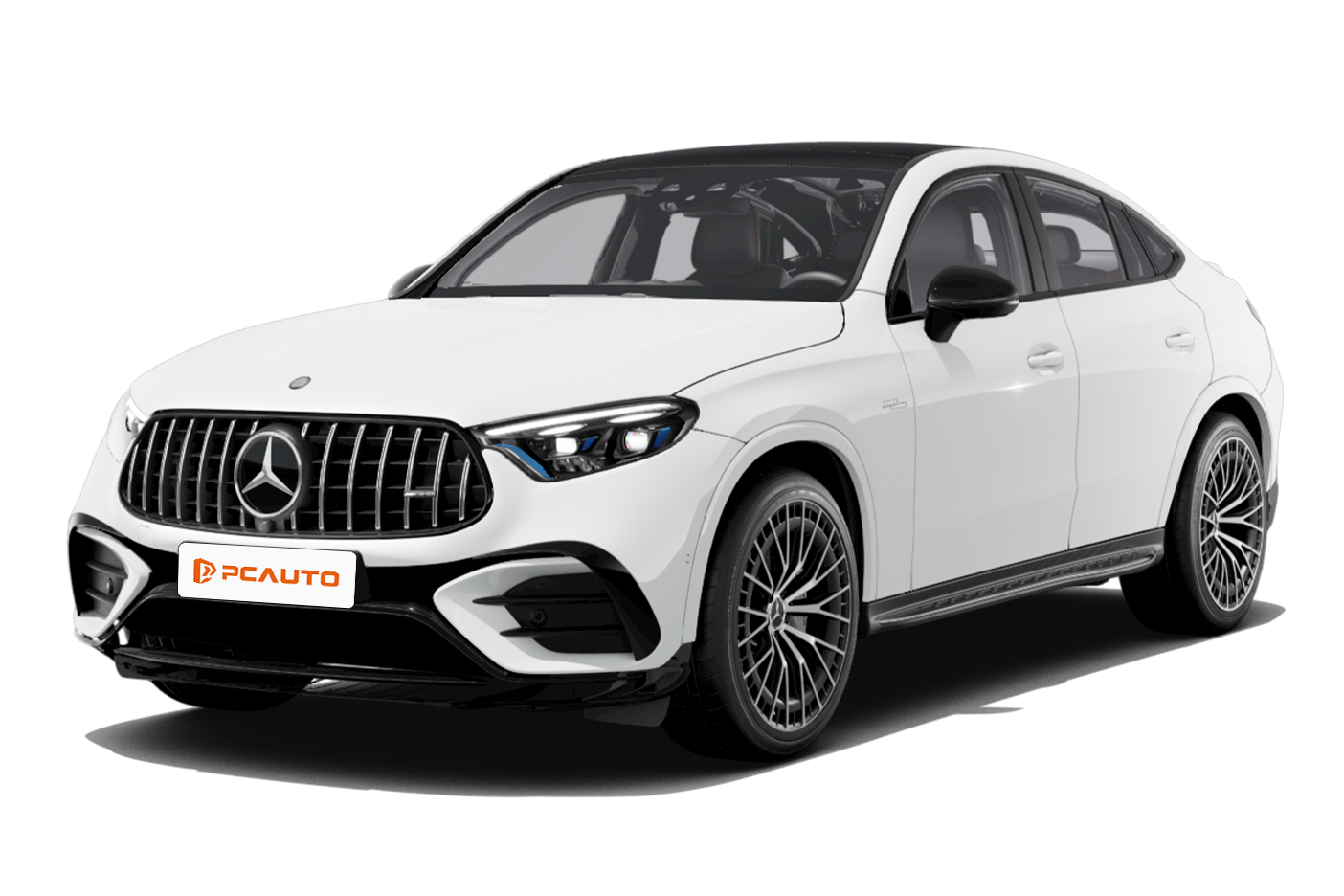
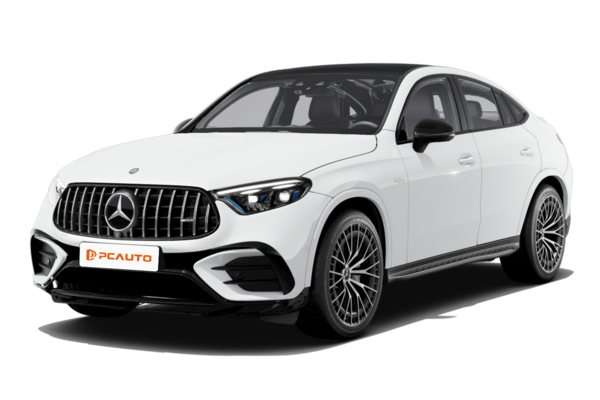
2024 Mercedes-Benz AMG GLC43 4Matic+ is equipped with a 2.0T hybrid system, surpassing the power of the old 3.0T, with fully upgraded features, balancing sportiness and family use as a luxury mid-size SUV.
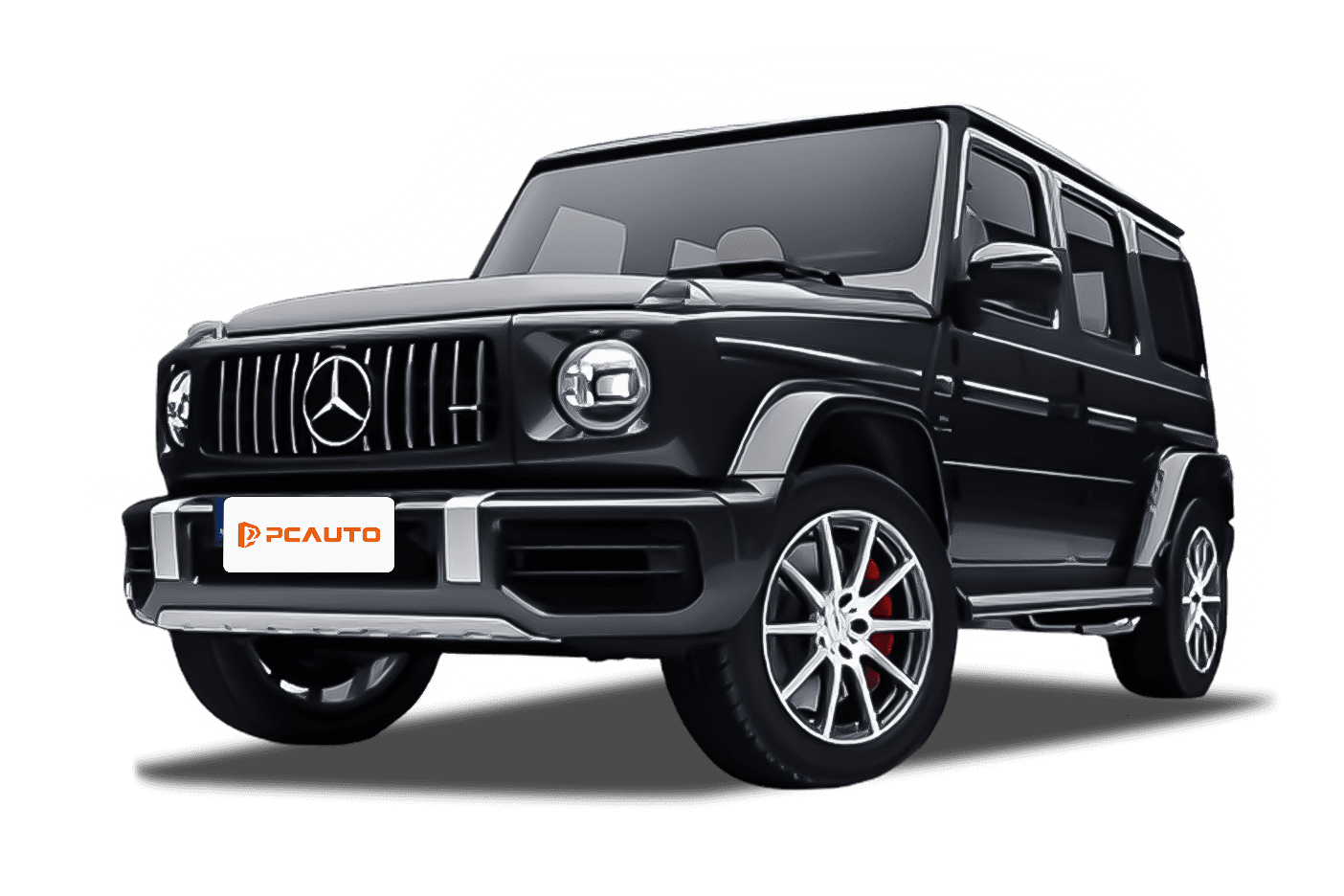
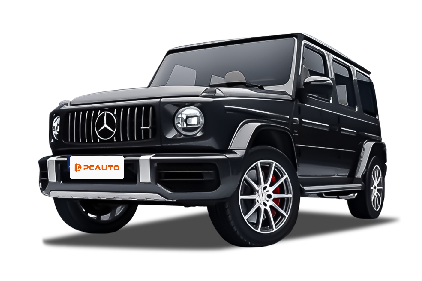
The Mercedes-Benz AMG G-Class G63 2024 is a luxurious hardcore SUV with a classic boxy design, featuring a new mild hybrid system to enhance power response, upgraded intelligent configurations, and interior quality, combining sentiment with performance.