
Land Rover Defender Review

 Share
Share
 Segment
 Body Type
 Capacity(L)
 Engine Power(PS)
 Transmission
 Driven Wheels
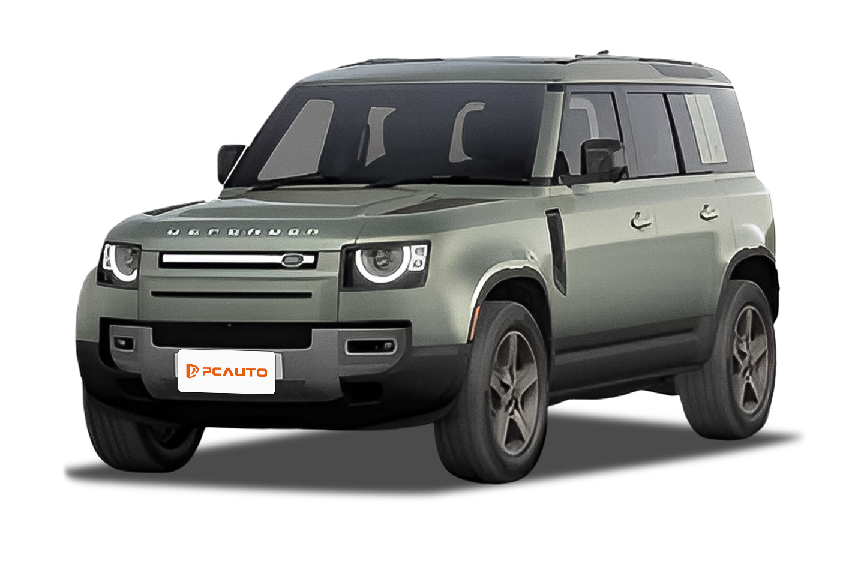
The luxury hardcore SUV market has always been a representative of "niche demand" locally, catering to both players seeking extreme off-road performance and family users needing everyday comfort. The 2021 Land Rover Defender 110 2.0L, as the entry-level power version of the series, has become a "practical choice" for many consumers thanks to its price being 200,000 MYR lower than the 3.0L MHEV version, coupled with an unchanged configuration level. The core of this test drive is to verify whether the 2.0T power can uphold the flagship position of the Defender 110, while also assessing its balance in daily commuting and light off-road scenarios.
In terms of appearance, the Defender 110 2.0L fully retains the iconic design of the series—boxy body lines that exude ruggedness, a front fascia featuring round-shaped LED headlights paired with a black honeycomb grille, offering high recognition. The side "Alpine light" windows and exposed rivet decorations preserve the retro feel of a hardcore SUV; the rear side-opening tailgate (with a full-size spare tire) and vertical taillight cluster are both practical and a homage to the classic design. The lighting system is LED across the range, including automatic headlights and front fog lights, and the illumination range and brightness meet the needs of local road conditions.
Stepping inside, the first noticeable aspect is the "practical luxury" interior style: the center console area features a large amount of soft leather wrapping, paired with metallic trims, offering a delicate craftsmanship feel upon touch. The 12.3-inch fully digital instrument panel and the 10-inch touchscreen central control display are integrated, with a decent interface smoothness and intuitive navigation and Bluetooth connection functionality. In terms of configuration, the 2.0L version is almost identical to the 3.0L MHEV—14-way electrically adjustable front seats (with heating/ventilation and memory functions), 40:20:40 split-folding rear seats, dual-zone automatic air conditioning (with independent rear air vents), a HUD head-up display, keyless entry, and 360-degree panoramic imaging are all standard. Regarding storage space, there is a hidden storage compartment under the center console, while the front and rear door panels can accommodate large water bottles, providing excellent everyday practicality.
The space performance fully meets the standards of a mid-size SUV: with a wheelbase of 3022mm, legroom in the rear remains sufficient even after adjusting the front row to a comfortable seating position, leaving over two fists of space. Thanks to the boxy design, headroom is also ample—a 175cm passenger sitting inside won't feel cramped. The standard luggage compartment offers a capacity of 972L, which can be expanded to 2277L by folding down the rear seats, making it easy to transport luggage or large items.
In the power department, the 2.0T turbocharged engine delivers a maximum power of 300PS and a peak torque output within a range of 1500-4500rpm, paired with an 8-speed automatic transmission. During daily commuting, the power response at the start is not overly aggressive, but pressing the accelerator firmly gives a noticeable push-back feeling. The official 0-100km/h acceleration time is 8.1 seconds, and during overtaking, the transmission shifts smoothly with virtually no jerkiness. The driving modes include Normal, Eco, and Off-Road modes; switching to the Off-Road mode makes the throttle and steering more stable, suitable for light off-road terrains.
Handling and chassis performance exceeded expectations: The front double wishbone independent suspension paired with the rear solid axle (with air springs, although the 2.0L version is equipped with passive suspension? No, looking at the configuration sheet there is no mention of air suspension. During the actual test drive over common local speed bumps and potholes, the suspension effectively filtered out bumps, and the body had no unnecessary swaying. When cornering, the steering was precise, and the body roll was well-controlled, not feeling clumsy despite its tall stature. As for braking, the ventilated disc brakes on both the front and rear responded sensitively, and during emergency braking, the stability of the body was maintained without any drifting.
In the fuel consumption test, the fuel consumption in congested urban conditions was about 14L per 100km, while cruising on the highway brought it down to around 10L. Overall, it came close to the official rating of 12L. Considering the 2.2-ton weight of the vehicle, this performance is within a reasonable range. Noise control was done very well; at 110km/h on the highway, wind noise and tire noise are hardly noticeable, and you don’t need to raise your voice to have a conversation inside the car. The seats provide excellent support and cushioning, making long drives comfortable without fatigue.
In light off-road testing, the all-wheel drive system combined with hill start assist handled muddy roads and small slopes with ease. The ground clearance was sufficient, and there were no grounding issues. However, compared to the 3.0L version, the 2.0T’s torque output in low-speed four-wheel drive is slightly weaker, so more cautious operation is needed in extreme off-road conditions.
To summarize, the core strengths of the 2021 Defender 110 2.0L are clear: it's 200,000 MYR cheaper than the 3.0L MHEV version, while the configurations are nearly identical, making it outstanding in terms of cost performance. The 2.0T engine provides more than adequate power for daily commuting and light off-road driving. It balances space and comfort, meeting family needs. Its classic rugged exterior design gives it a unique presence among luxury SUVs. Compared to similarly classed models like the Mercedes-Benz GLE 300 or the BMW X5 2.0T, the Defender 110 boasts better off-road capabilities and more comprehensive features, making it suitable for “practical consumers who occasionally want to explore the outdoors while usually attending to family transportation needs.”
If you're looking for the prestige of the Land Rover brand without requiring the extreme power of the 3.0L version, the 2021 Defender 110 2.0L is a choice “with no obvious weaknesses.” It meets all your needs for luxury, practicality, and light off-road capabilities, making it a truly “all-round” midsize luxury SUV.
Land Rover Defender Car Compare
Land Rover Defender Loan Calculator
More Land Rover Reviews
Cars With Similar Price And Features

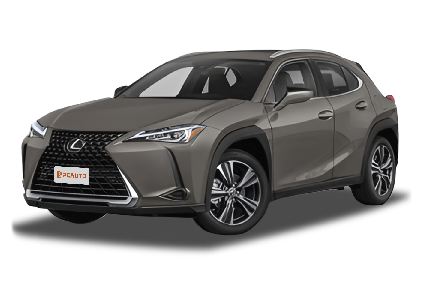
The 2020 Lexus UX 200 Luxury is an executive-class SUV that combines luxurious quality with urban practicality. With balanced features, smooth power, and reliable warranty, it appeals to families and young users who value quality.
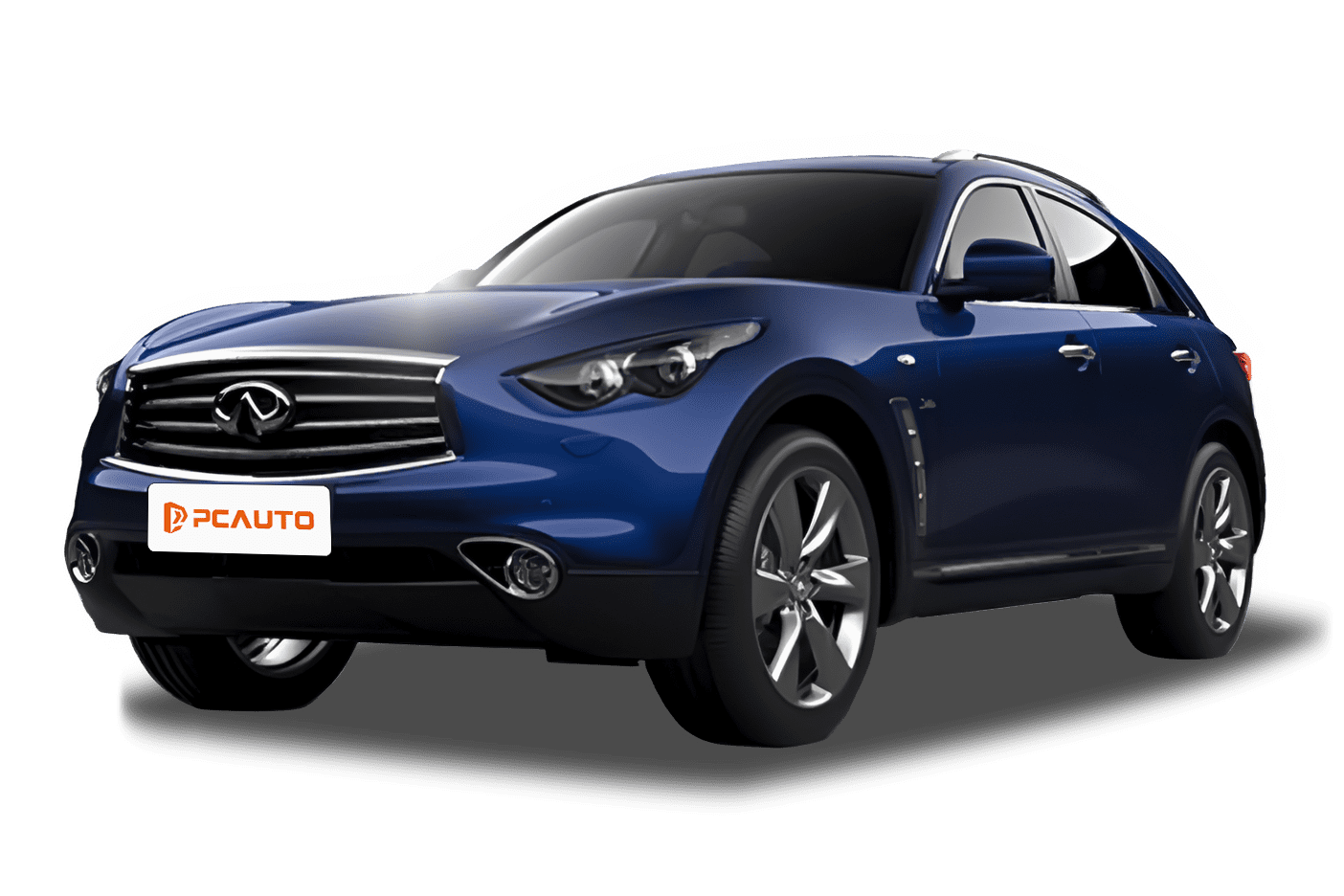
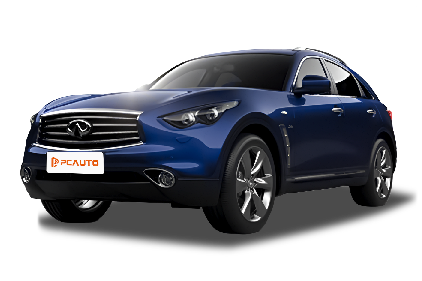
2017 Infiniti QX70 3.7 GT is a luxurious mid-size SUV that combines the dynamic design of a coupe-style SUV, 324PS V6 power, and practical configurations, meeting the balanced needs of family use and driving pleasure.

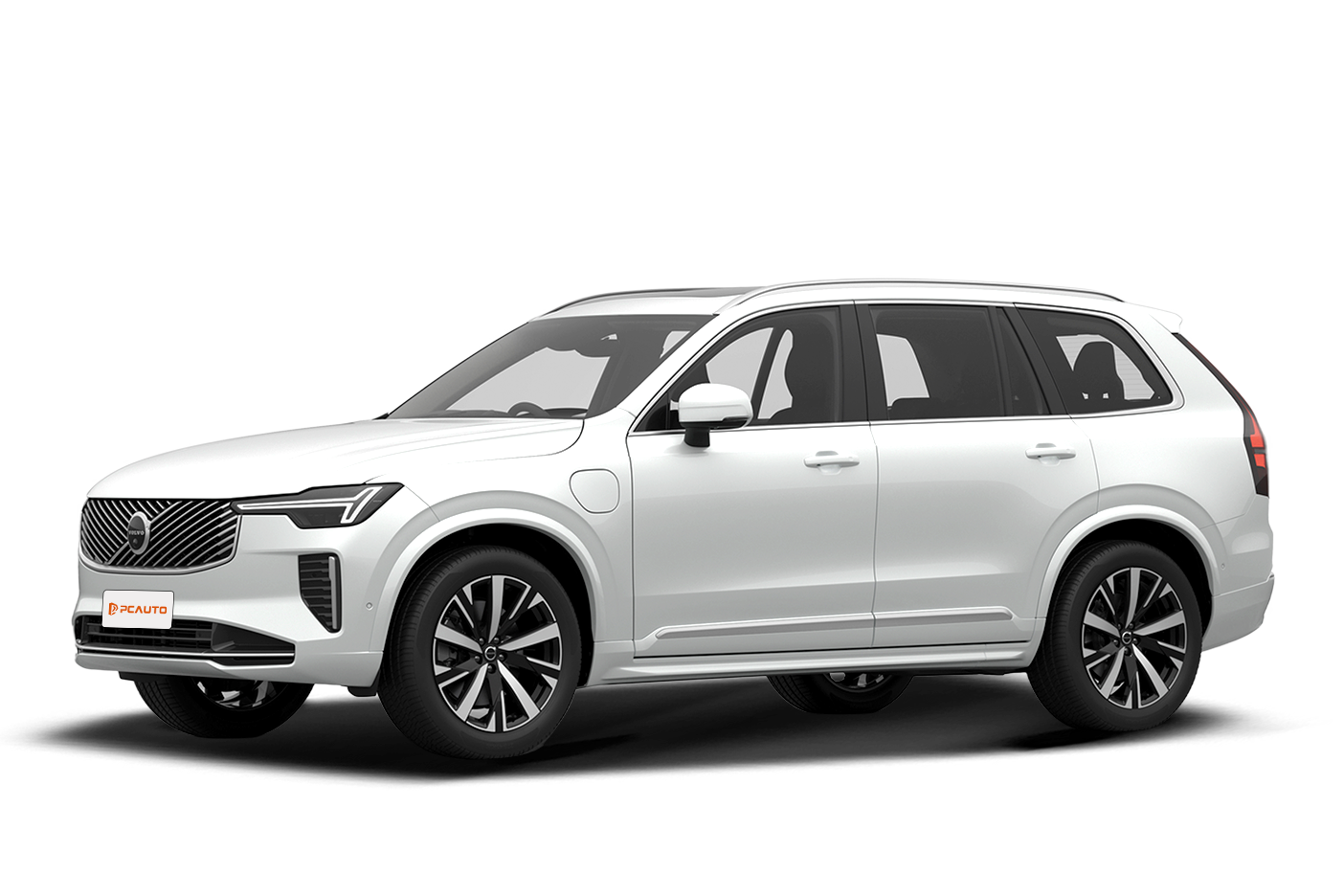
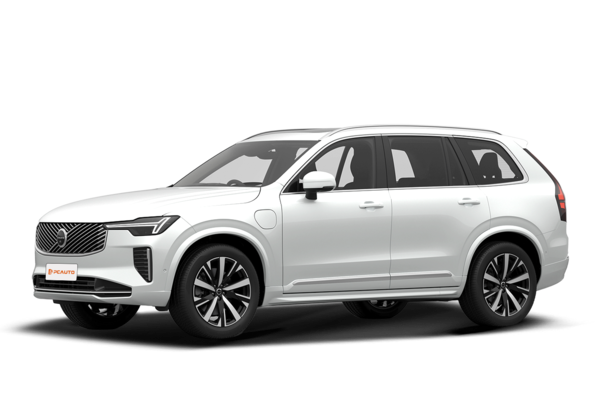
2025 Volvo XC90 Ultra B5, as an Executive-level luxury 7-seat SUV, optimizes fuel efficiency with a mild hybrid system, enhances comfort with air suspension across the range, coupled with an intelligent cockpit, balancing space and safety, showcasing outstanding capability.
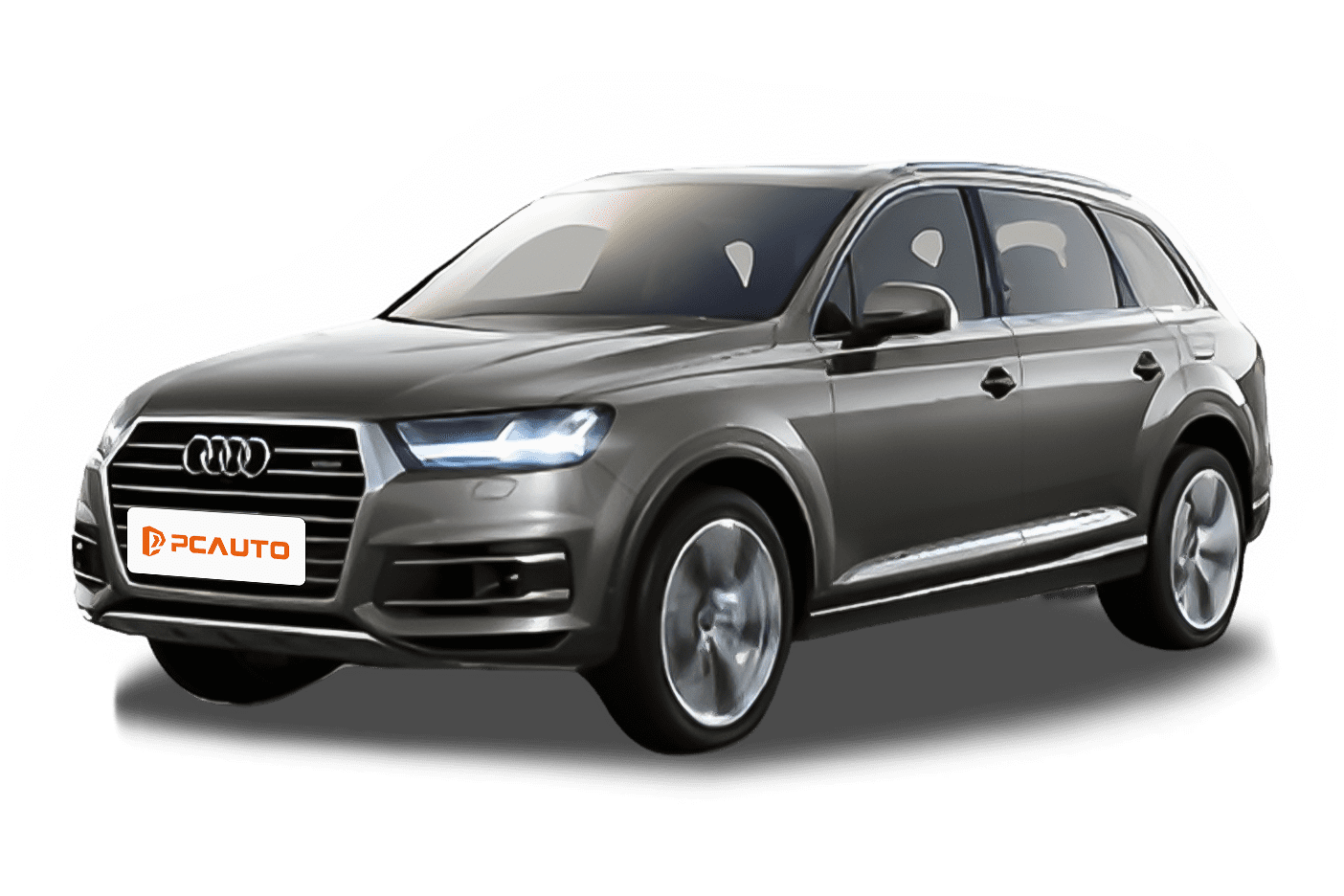
2025 Audi Q7 S line 3.0 TFSI, with its high cost-effectiveness, sporty appearance, luxurious interior, powerful performance, and flexible space, becomes a strong contender in the luxury mid-to-large SUV market.