

Maserati GranTurismo Review

 Share
Share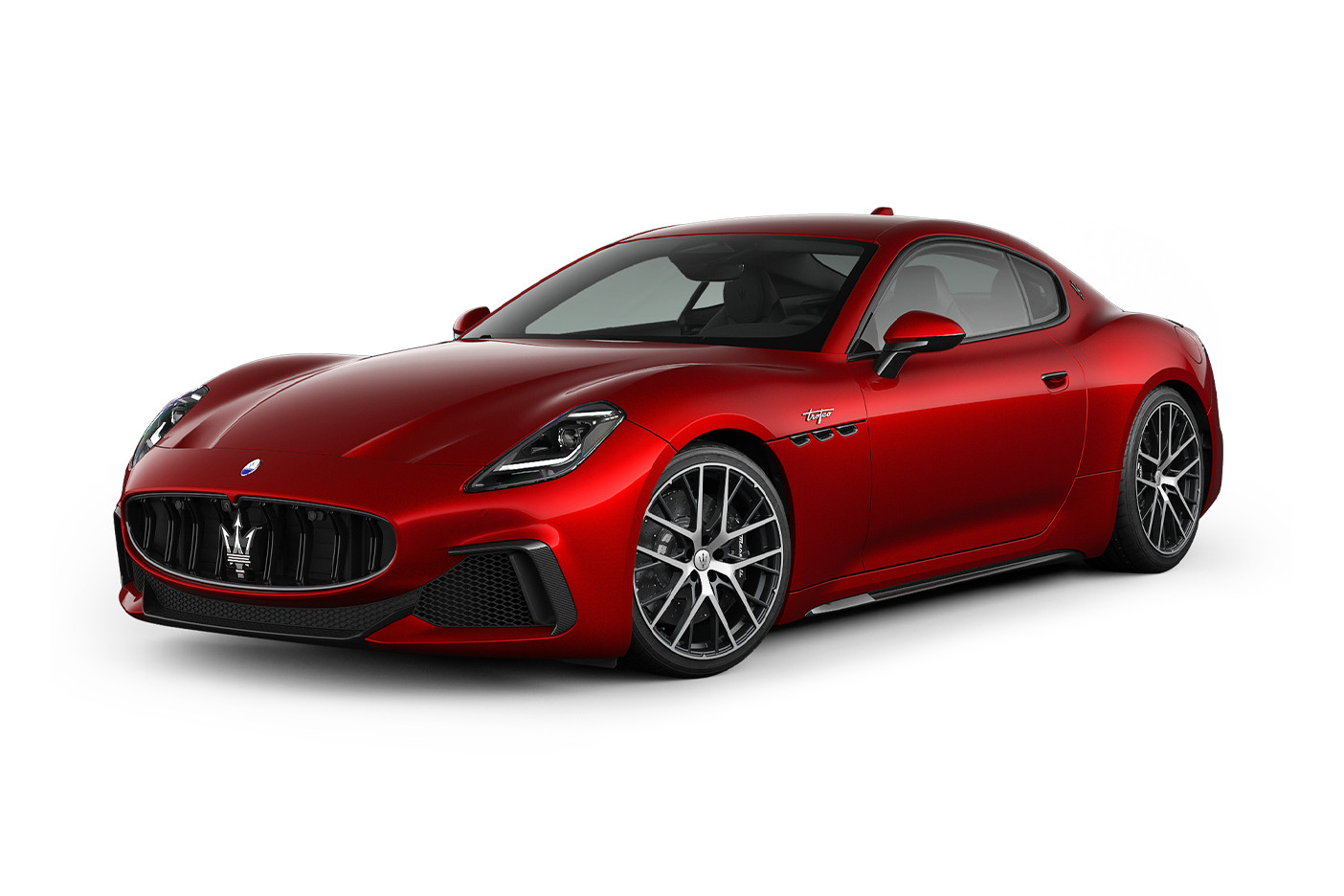
 Segment
 Body Type
 Capacity(L)
 Engine Power(PS)
 Engine Torque(Nm)
 Transmission
In Malaysia's luxury sports car market, two-door four-seater GT models have always been a niche popular choice combining performance and daily practicality. Consumers want the luxury branding without compromising on powerful performance and seating capacity. The 2024 Maserati GranTurismo Modena, positioned as the mid-tier variant of the series, enters the market equipped with a 3.0T V6 engine delivering 490PS, an all-wheel-drive system, and standard luxurious features. Its core selling point lies in its positioning as an "everyday drivable performance GT" - retaining the thrill of driving a sports car while addressing the traditional downside of cramped space in two-door sports cars. The main purpose of this test drive was to validate its balance between power, comfort, and practicality to see if it meets local consumers' expectations for a luxury GT.
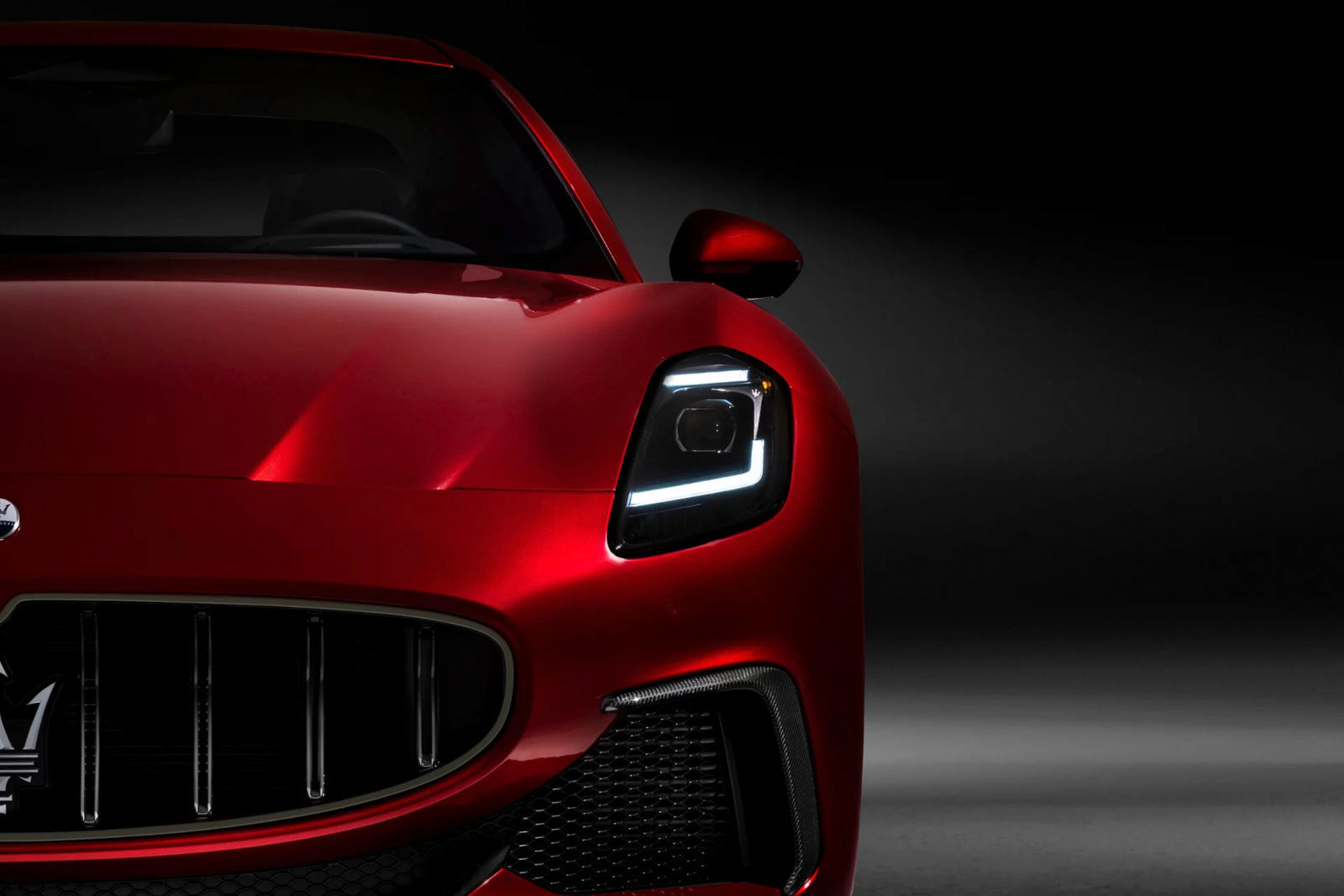
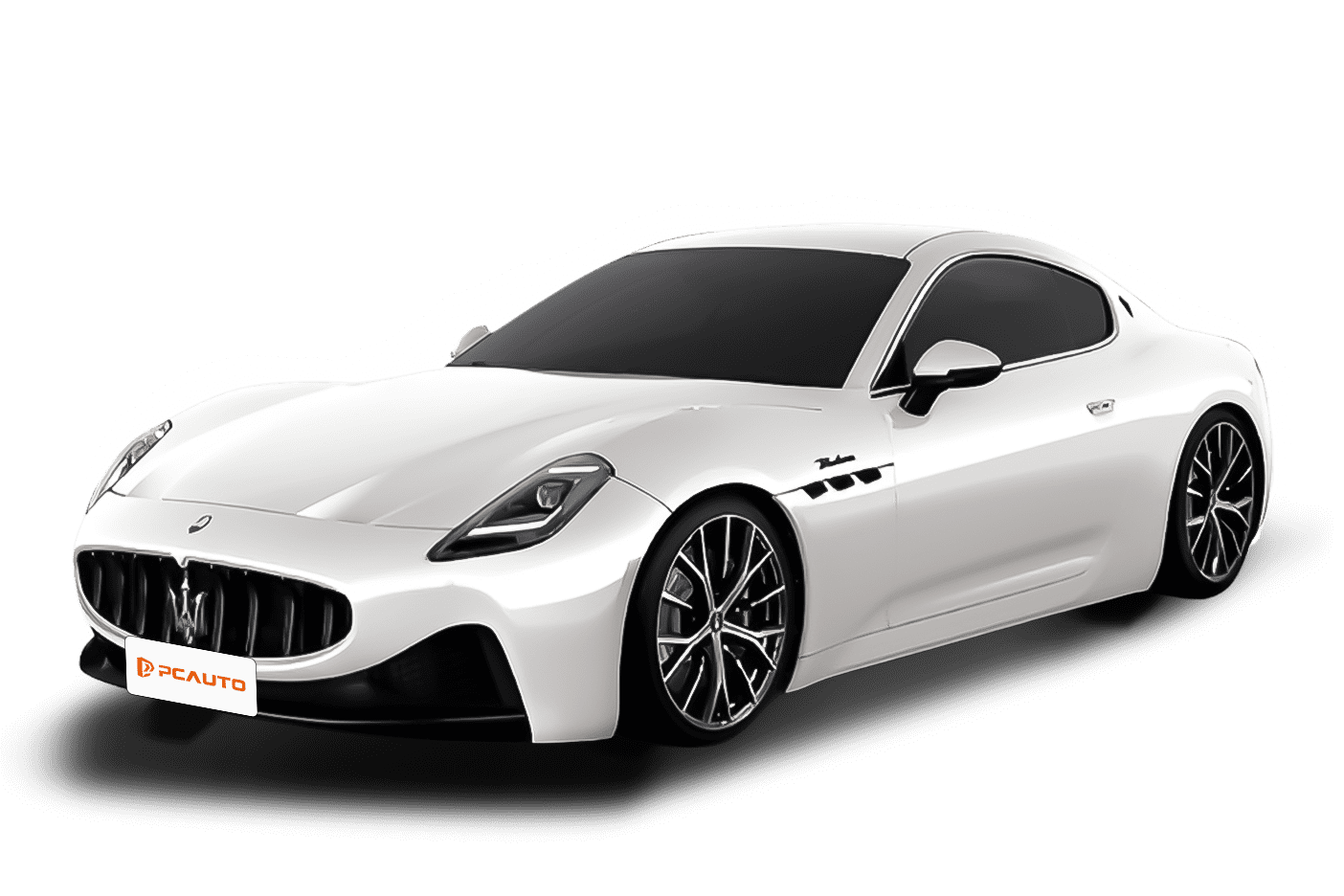
From the exterior, the Modena version continues the classic proportions of the GranTurismo family: a body measuring 4959mm in length, 1957mm in width, and 1353mm in height, paired with a 2929mm wheelbase. Its side profile is smooth and sleek, maintaining the dynamic feel of a two-door sports car while providing space for rear passengers. The front features a large shield-shaped grille with Maserati's signature vertical chrome slats inside, flanked by sharp LED headlights with high recognition. Two raised lines on the hood stretch from the grille to the A-pillar, emphasizing a sense of power. The triple "porthole" side vents, a classic design hallmark of the brand, are complemented by 20-inch front and 21-inch rear multi-spoke alloy wheels (front tires: 265/30 ZR20, rear tires: 295/30 ZR21), creating a sporty yet coordinated visual effect. At the rear, slim horizontal LED tail lights extend across the width, echoing the quad-exhaust layout on both sides. The overall design both pays homage to classic elements and aligns with modern aesthetics.
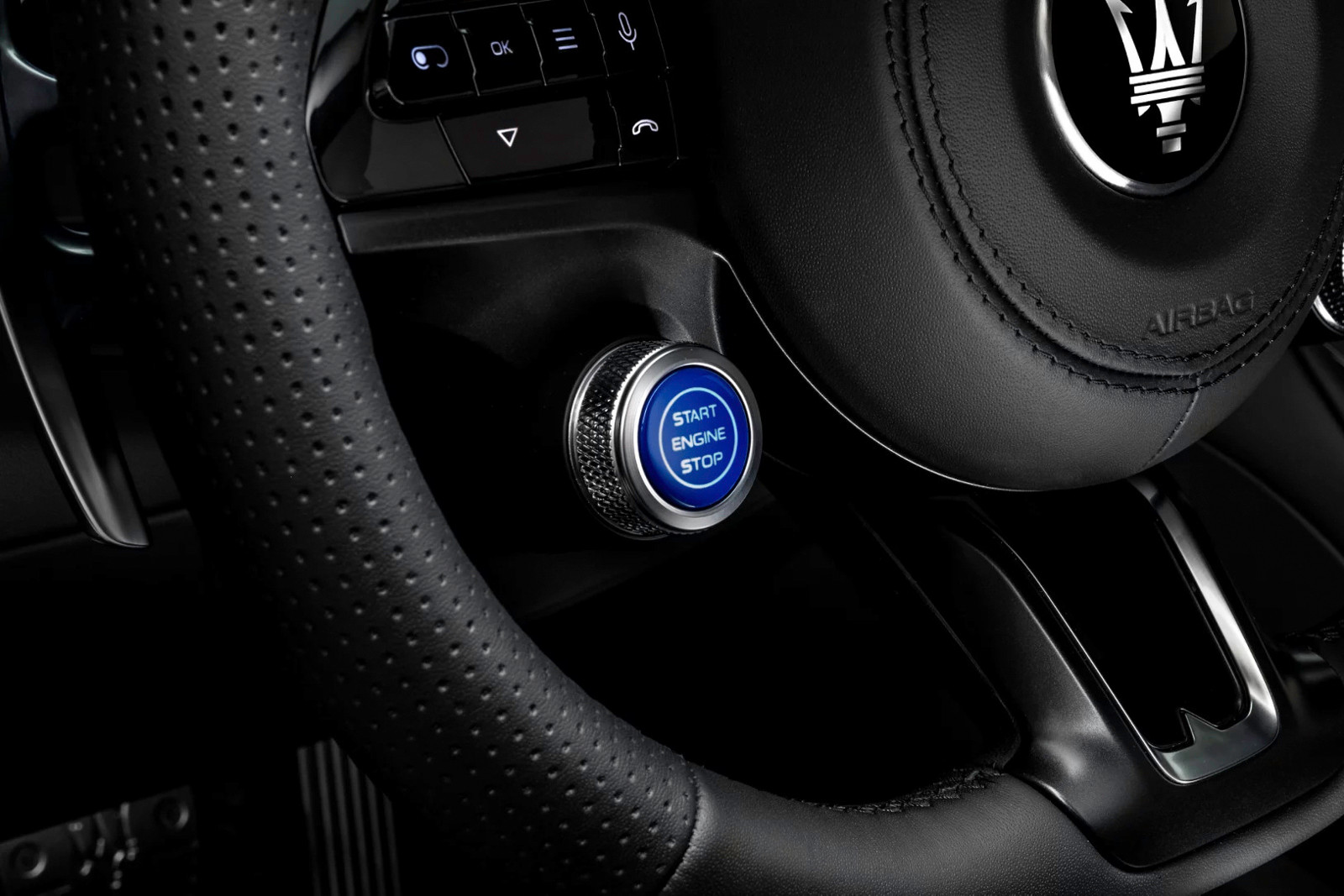
Sitting inside, the Modena edition's interior adopts a black leather theme with silver accents for a restrained yet premium feel. The dashboard layout is simple, with an 8.4-inch touchscreen at the upper center console and some physical buttons retained below it (such as air-conditioning adjustment dials), ensuring clear operation logic and avoiding the complexity of fully touch-controlled interfaces. The standard multi-functional steering wheel is wrapped in leather, offering a solid grip. The left side integrates buttons for drive mode selection and volume adjustment, while the right side controls the cruise system, enhancing convenience. In terms of features, the HUD head-up display comes as standard, showcasing speed, navigation, and other information to improve driving safety. The seats are sport-style leather seats with electric adjustment for the front row, providing excellent lateral support and soft cushioning, making long drives less tiring. Regarding space, the front row offers a headroom of about a fist and two fingers (driver height: 175cm), with ample legroom. Although the rear seats adopt a two-seat design, the legroom amounts to about a fist and the headroom about three fingers, making short trips for adults hassle-free. With a trunk volume of 173L, it can accommodate two 20-inch carry-on suitcases, sufficient for daily commutes or short trips.
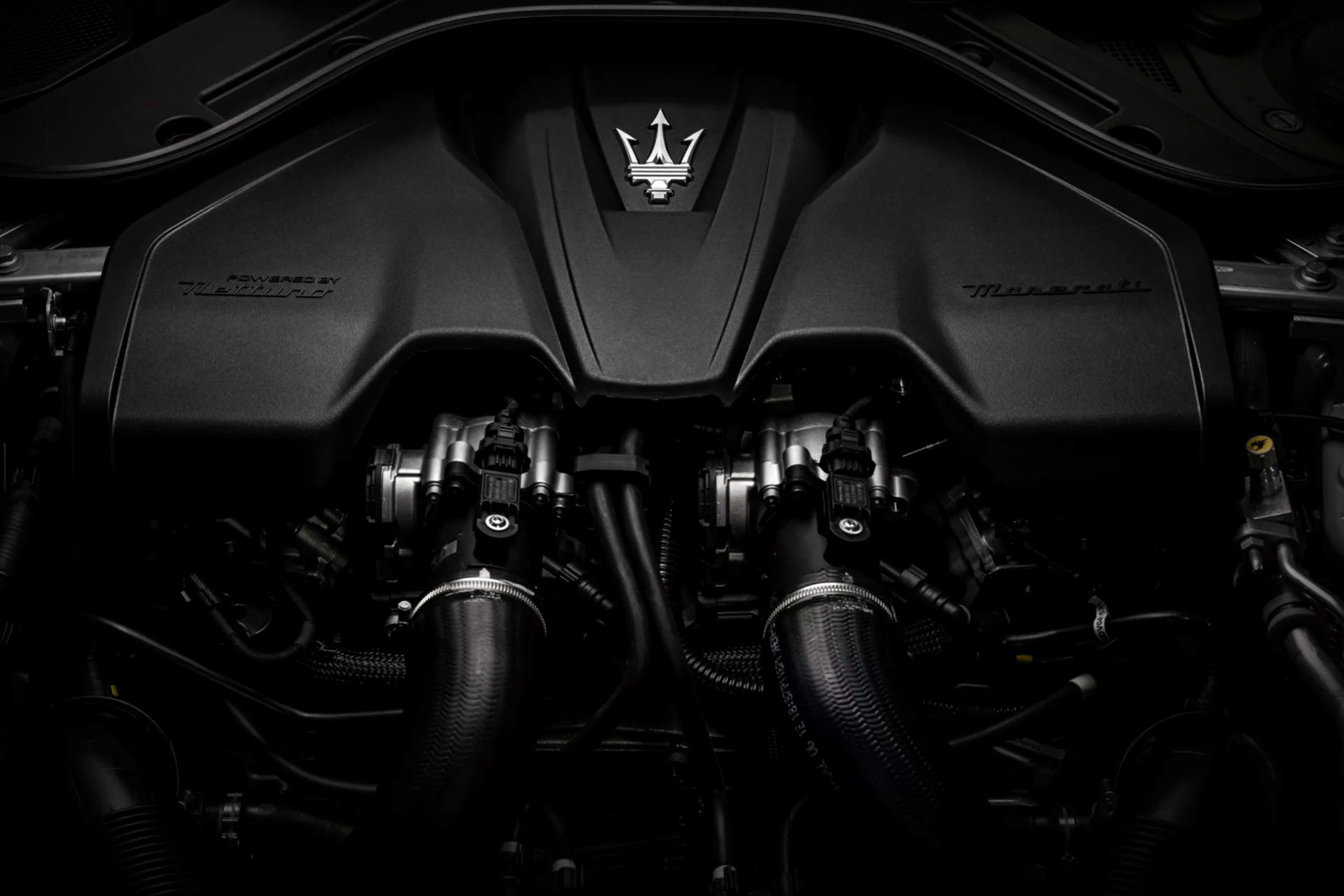
As for performance, the Modena version is powered by a 3.0T V6 twin-turbo engine that delivers a maximum of 490PS and peak torque of 600N·m, paired with an 8AT transmission and all-wheel-drive system. The official 0-100km/h acceleration time is just 3.9 seconds. In real-world driving, switching to Comfort mode delivers smooth power output at startup, with linear throttle response, making it suitable for urban traffic. Switching to Sport mode significantly enhances throttle sensitivity, and the turbo kicks in quickly, providing strong acceleration in the mid-to-high speed range. Overtaking is accompanied by a pronounced surge of power, and the transmission shifts gears faster, with almost no delay even when downshifting two gears. In terms of handling, the steering wheel offers precise control with minimal play. It feels light at low speeds and progressively heavier at higher speeds, providing a refined hand feel. The suspension system adopts a double wishbone front and multi-link rear structure. In Comfort mode, it absorbs most minor road bumps, and crossing speed bumps does not result in harsh vibrations. In Sport mode, the suspension stiffens, with excellent control of body roll. On winding mountain roads, the all-wheel-drive system provides ample grip, keeping the car stable and inspiring driver confidence. During specific testing, we drove 150km on mixed highway and city routes and recorded a combined fuel consumption of approximately 14.2L/100km, which is close to the official figure of 13.8L/100km. Considering its performance, this fuel consumption level is normal among GT models of the same class. In terms of braking, the pedal travel is moderate, with linear brake force output. During emergency braking, the vehicle's posture remains stable without noticeable nosedive effects.
In terms of ride comfort, the noise control performance of the Modena version is excellent. At a highway speed of 120km/h, wind noise and tire noise are kept at a low level, with only slight engine sound audible (the engine sound is more pronounced in Sport mode, enhancing the driving atmosphere). The seat comfort is commendable; the lumbar support of the front seats effectively alleviates fatigue during long drives. Although the rear seats are not as supportive as the front ones, short trips won’t feel cramped. Regarding storage space, the door panel storage slots can accommodate a 500ml water bottle and a mobile phone, and the central armrest box has a moderate depth, suitable for storing small items like documents. Daily-use small items all have a place for storage.
Overall, the core strength of the 2024 GranTurismo Modena lies in its "balance": the 490PS power meets performance needs, all-wheel drive enhances handling stability, and the two-door four-seat layout addresses the practicality shortcomings of traditional sports cars. Features like the standard HUD, leather seats, and Sonus faber audio system (although the test-driven vehicle was not equipped with the 19-speaker version, the basic audio effects are already sufficiently clear) also ensure a sense of luxury. Compared to class competitors like the Porsche 911 Carrera (priced around RM 900,000, with cramped rear space), the Modena version offers advantages in price (RM 738,800) and rear practicality. When compared to the older GranTurismo MC (2018 model, priced at RM 717,800), the new model provides stronger power, better fuel efficiency, and an added all-wheel-drive system.
The target audience for this car is very clear: consumers who pursue the quality of luxury brands, desire performance but also require daily passenger-carrying capabilities—for example, middle-class family users aged 30-45, who can both enjoy the driving pleasure on their own and take family members on short trips. It is also well-suited for young entrepreneurs who love GT models and need a car that balances business occasions with personal interests.
In summary, the 2024 Maserati GranTurismo Modena is a "well-rounded" luxury GT. It is neither a purely track-oriented sports car nor a luxury sedan with obvious shortcomings. Instead, it balances performance, comfort, and practicality very well, making it a great daily companion for Malaysian consumers who wish to "have the best of both worlds."
Maserati GranTurismo Car Compare

Maserati GranTurismo Loan Calculator
More Maserati Reviews
Cars With Similar Price And Features
1
Rank in Convertible
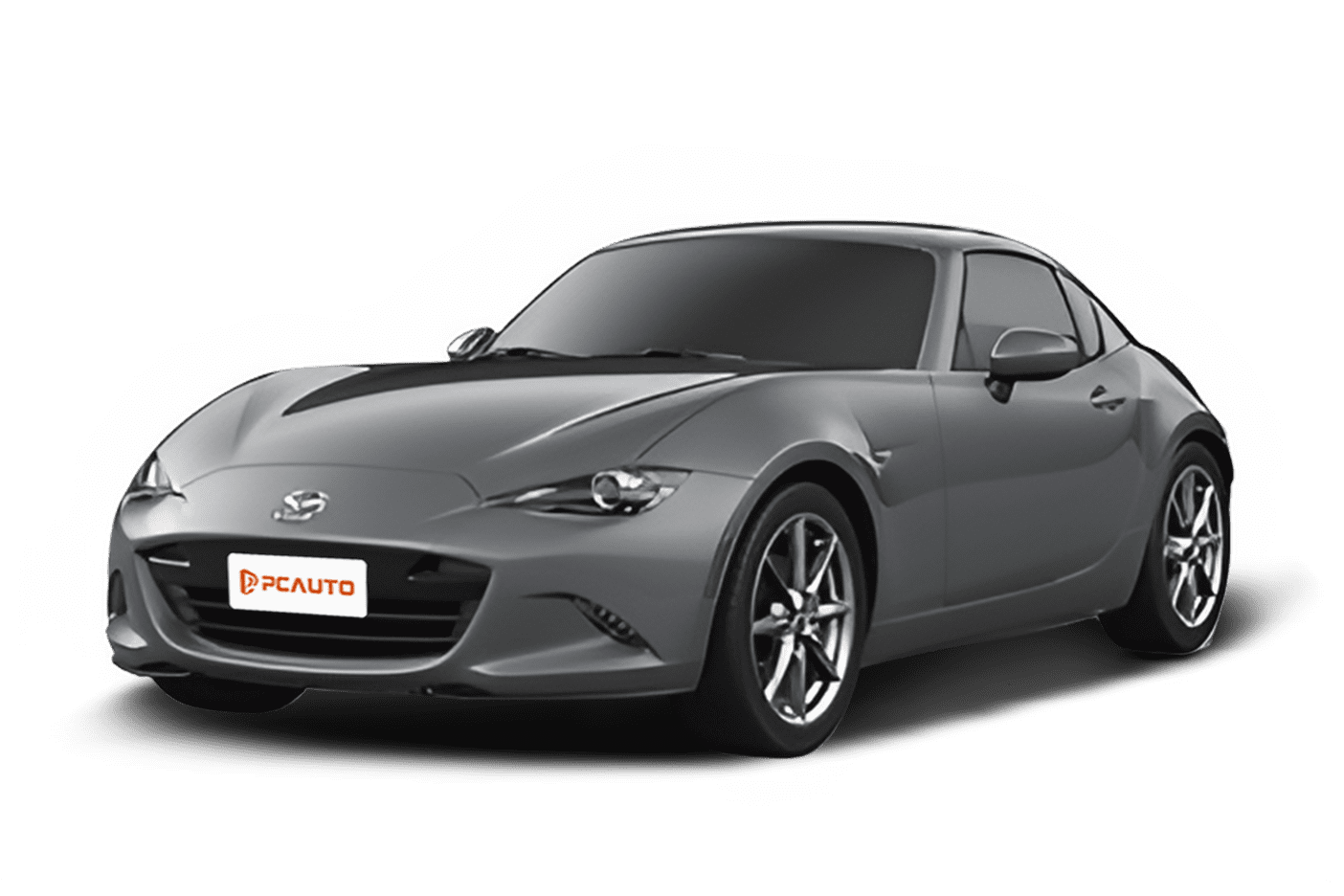
2025 Mazda MX-5 RF 2.0 MT is a hardtop manual sports car with precise handling and pure driving pleasure, balancing daily practicality with mountain road excitement, continuing the "Jinba Ittai" experience.

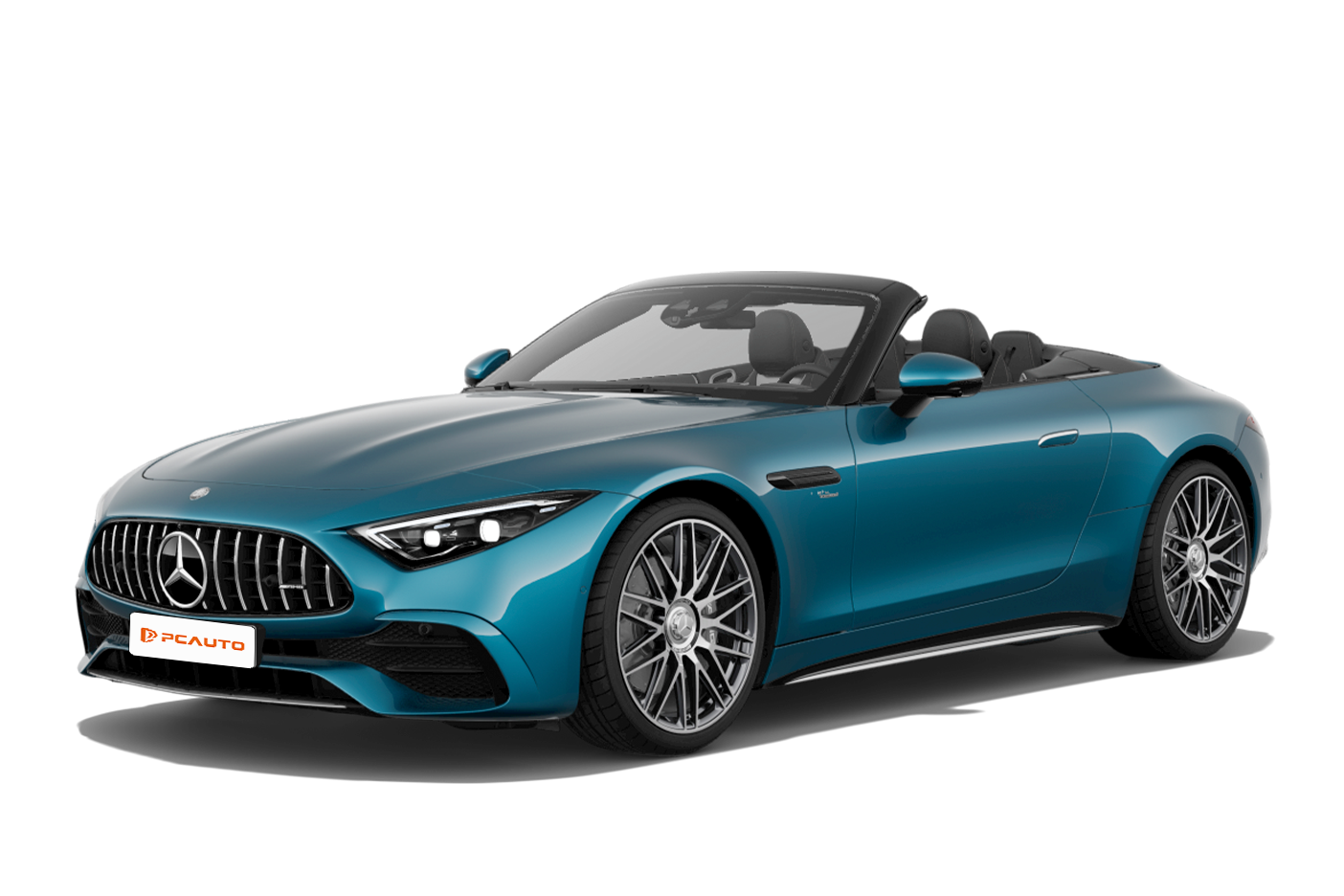
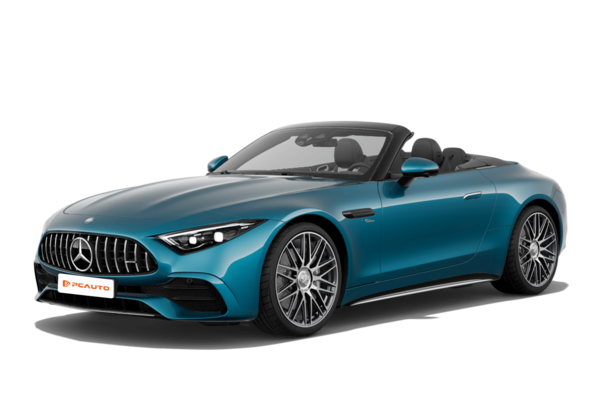
2025 Mercedes-Benz AMG SL-Class 63S E Performance achieves a super strong output of 816PS with a 4.0T V8 + plug-in hybrid system, balancing 2.9-second 0-100 km/h performance and short-distance pure electric commuting, setting a benchmark for luxury hybrid GT sports cars.
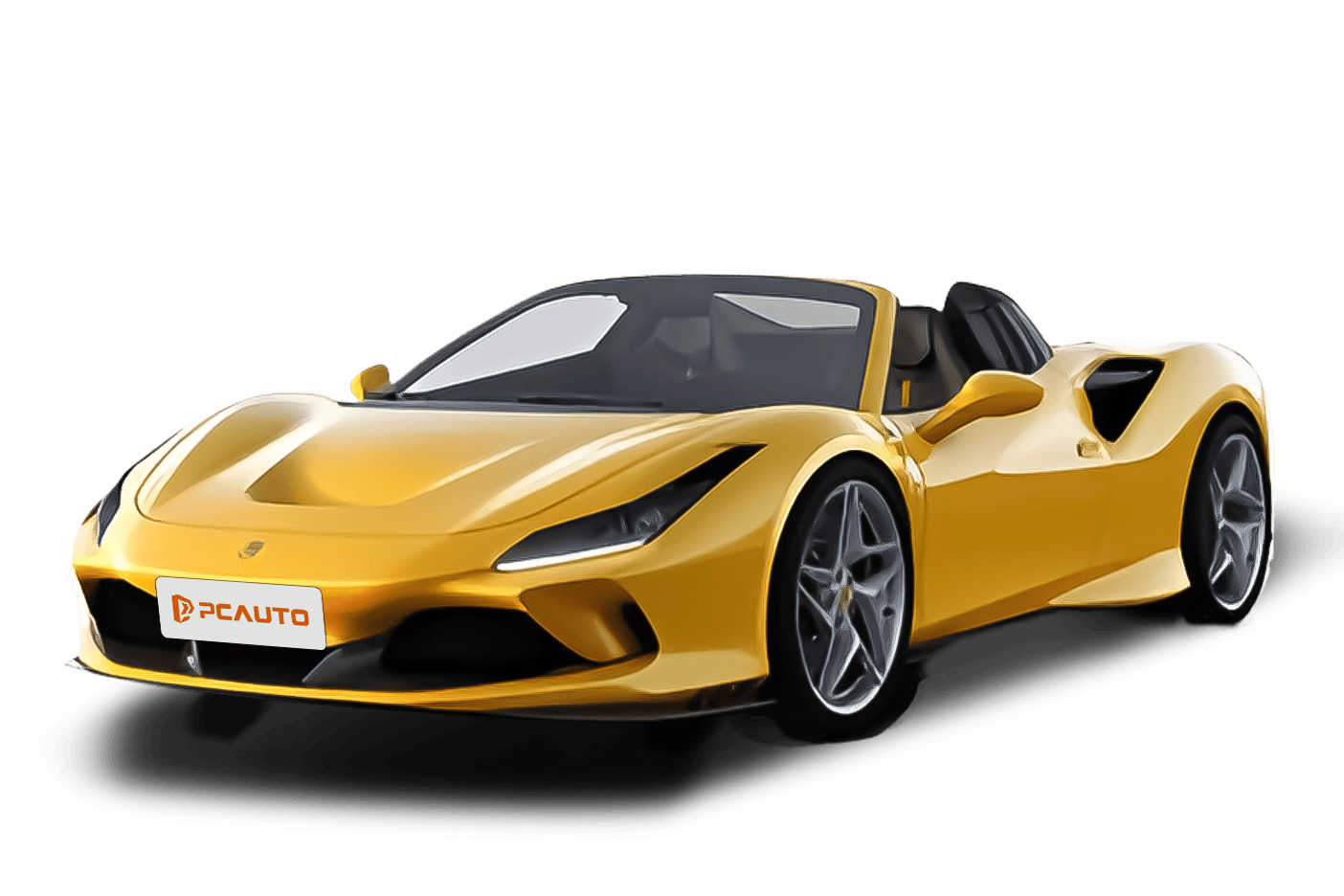
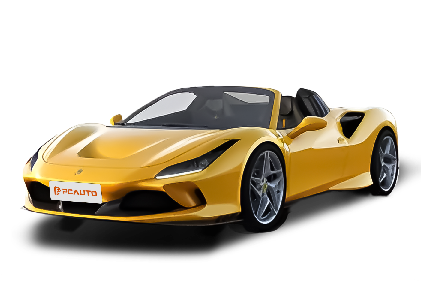
2020 Ferrari F8 Spider is a track-level supercar with 720 horsepower strong power and a hardtop convertible, balancing everyday practicality with track passion, featuring an eye-catching aerodynamic design.
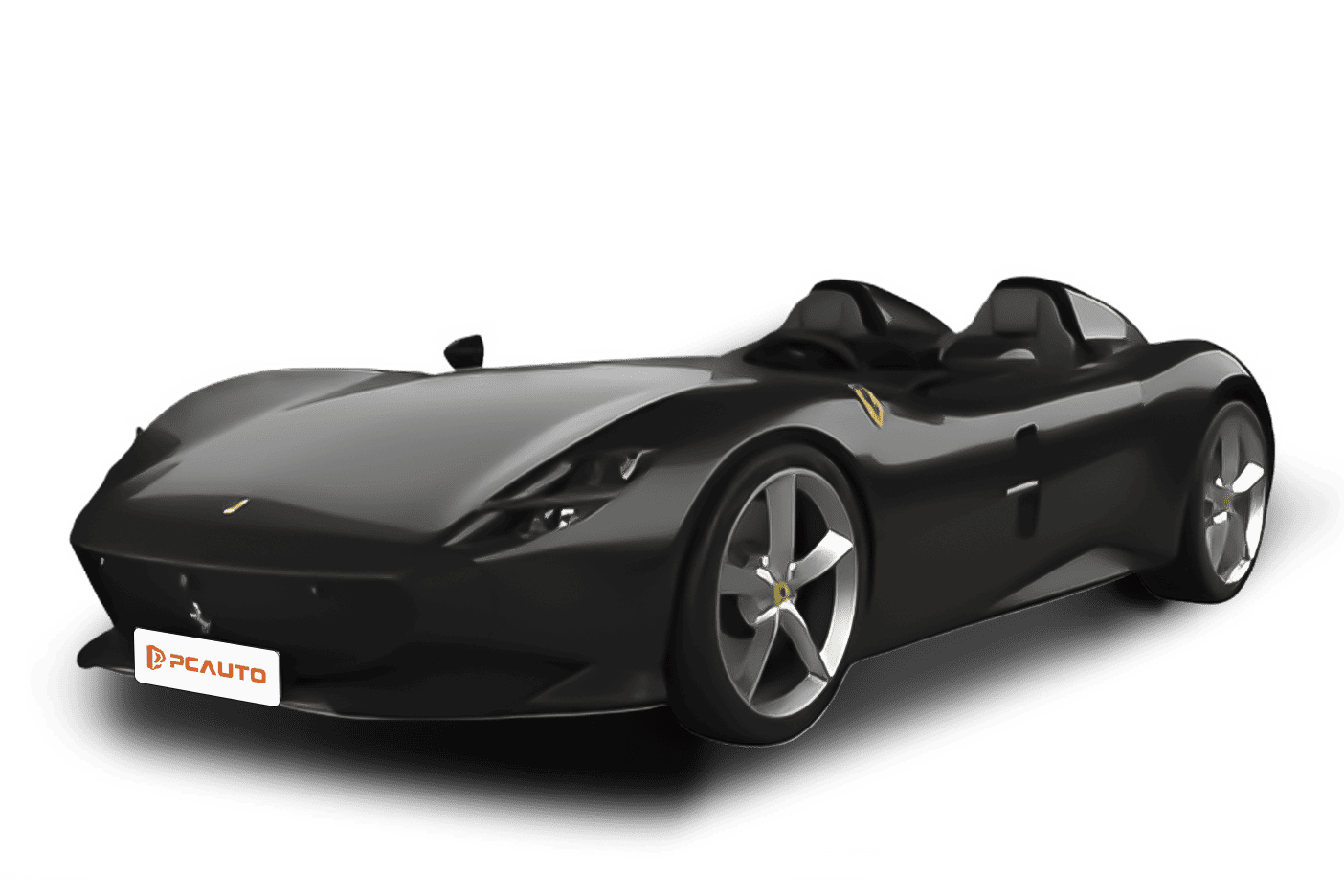
2019 Ferrari Monza SP2 V12 is an Icona series limited-edition convertible supercar, featuring a roofless Barchetta design + 810-horsepower V12 engine, embodying pure racing genes and retro aesthetics.