

Maserati Levante 2019 Review

 Share
Share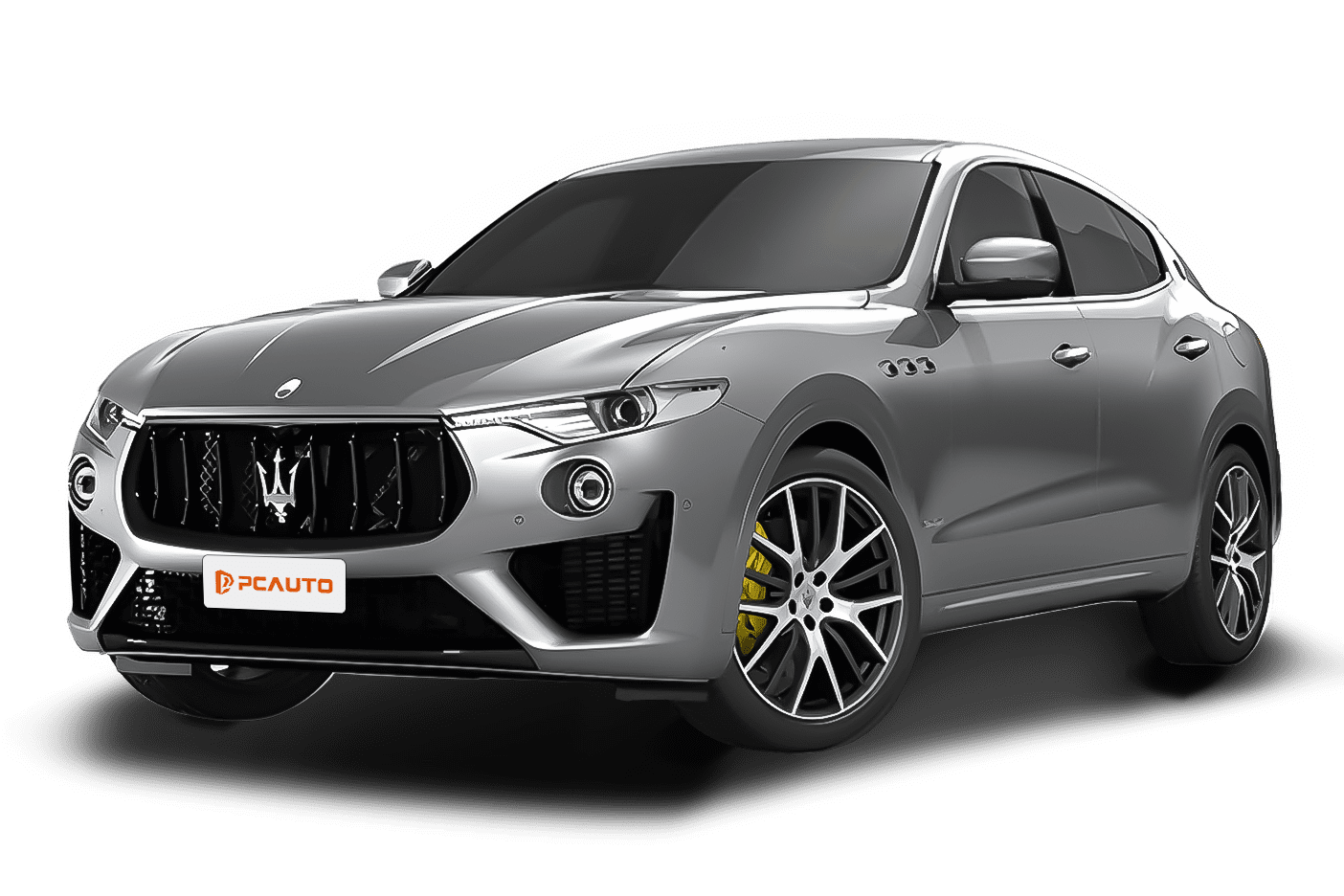
 Segment
 Body Type
 Capacity(L)
 Engine Power(PS)
 Transmission
 Driven Wheels
In Malaysia's luxury mid-size SUV market, consumers often seek a balance between sporty performance and luxurious quality—they want a vehicle that provides daily commuting comfort while occasionally satisfying their driving desires. The 2019 Maserati Levante S GranSport is a model that targets this demand, with its 3.0T twin-turbocharged gasoline engine as its core selling point, while retaining Maserati's iconic design DNA. The main purpose of this test drive is to determine if this car, as a luxury SUV, truly delivers on its promise of being a "sports SUV."
From a distance, the body lines of the Levante S GranSport are highly distinctive. With a length of 5003mm paired with a 3004mm wheelbase, it ensures the presence of a mid-size SUV while the coupe-like rear design reduces the bulkiness of traditional SUVs. The front features Maserati's classic vertical slat grille, with the iconic trident emblem prominently displayed in the center, accentuated by the automatic headlights; the sharp headlight design features a simple internal structure, offering high concentration of light when illuminated, ensuring strong visibility at night. The side body line stretches from the front fender to the taillights, complemented by 18-inch multi-spoke alloy wheels (with front and rear tire specifications of 255/60 ZR18), creating a forward-leaning stance. The rear design is relatively understated, with quad-exhaust pipes on both sides directly showcasing its sporty nature. The taillight assembly adopts a family-style L-shaped light strip, echoing the front headlights. The overall design includes no excessive or redundant decorations, with every line serving the purpose of highlighting its "sporty luxury" positioning.
Opening the door, the interior materials meet the expectations of a luxury car—the seats and the inside of the door panels are wrapped in genuine leather, the top of the dashboard is covered in soft-touch plastic, and the metallic trims in the details enhance the refinement. The center console layout is driver-focused, with an 8.4-inch touchscreen located at the center of the dashboard. The interface logic is clear, the response speed is fast, although the screen resolution appears somewhat average by current standards. The seats support multi-way electric adjustments, with strong side bolsters, balancing support during sporty driving and comfort during daily use. Rear passenger space is average; a passenger with a height of 175cm sitting in the back will have two fistfuls of legroom and one fist of headroom, making it sufficient for daily family use. The center floor has a slight bulge but doesn't affect the comfort of the middle passenger during short trips. In terms of storage capacity, the trunk volume is 580L with a regular shape. Folding down the rear seats further expands the space, meeting the luggage needs for long journeys. Additionally, the front row is equipped with USB power ports and cup holders, while the door storage bins can hold two bottles of mineral water, ensuring adequate practicality.
Sitting in the driver's seat, the 3.0T twin-turbocharged gasoline engine's sound upon ignition is not overly loud, but it conveys a hint of hidden power. This engine delivers a maximum power of 350 PS, paired with an 8-speed automatic transmission. Its performance parameters rank slightly above average among 3.0T models in the same class. Switching to Sport mode, the throttle response becomes more sensitive; a light press of the pedal at the start provides a noticeable push-back feeling. Although the exact 0-100 km/h acceleration figure hasn't been officially provided, the real-world experience shows sufficient power reserve during overtaking—when accelerating from 80 km/h, the transmission shifts down responsively, and the power output remains smooth and continuous. Overtaking on the highway is effortless. In Normal mode, the power output becomes smoother, suitable for daily commuting; the transmission shifts gear with a focus on fuel efficiency, and there is minimal gear shift lag.
Driving performance is the highlight of the Levante S GranSport. The steering wheel offers a heavier feel, high precision, and minimal slack, clearly transmitting road feedback during turning. The front double-wishbone independent suspension and rear multi-link independent suspension provide excellent support in sport mode. The body roll is well-controlled when cornering, and it maintains a stable posture even when passing through consecutive curves at high speeds. However, the firm suspension setup becomes apparent when dealing with bumpy roads—minor vibrations are directly transmitted into the cabin, with rear-seat passengers feeling it more noticeably than those in the front. The noise control during daily driving is decent. Tire and wind noise are not prominent at low speeds but start to increase when driving above 120km/h; however, it remains within an acceptable range for a luxury car.
In terms of fuel consumption, the official combined fuel consumption is 12L/100km. This test drive included urban traffic and highways, achieving an actual combined fuel consumption of approximately 13.5L/100km, which aligns with the expectations for a 3.0T gasoline engine. With an 80L fuel tank, a full tank offers a range of about 600km, which is sufficient for short to medium-distance trips. The All Wheel Drive system mainly operates as front-wheel drive during daily use, intelligently distributing power to the rear wheels when encountering slippery surfaces to enhance driving stability. However, given the vehicle's positioning as a city SUV, high-intensity off-roading is not recommended.
In summary, the core strength of the 2019 Maserati Levante S GranSport lies in its balance between "sportiness and luxury." Compared to rivals that emphasize comfort (such as the Mercedes-Benz GLE 350), it offers a more engaging driving experience. In comparison to the performance-oriented Porsche Cayenne 3.0T, it stands out with a more competitive price point (RM 858,940) while retaining Maserati's brand identity. This car appeals to two types of consumers: first, families who value a dynamic driving experience, need the practical space of an SUV, but do not want to compromise on driving pleasure; second, young individuals who seek a niche luxury brand, with the distinct trident badge offering more personality than traditional luxury brands.
The 2019 Maserati Levante S GranSport is not a perfect vehicle. Its firm suspension sacrifices some comfort, and the interior tech features are not the latest. However, it accurately meets the core needs of its target audience—delivering a triple experience of "luxury brand, sporty driving, and practical space" within a controlled budget. If you are looking for a luxury SUV that can handle daily commutes and occasional adventures, the Levante S GranSport is worth considering.
Maserati Levante Car Compare

Maserati Levante Loan Calculator
More Maserati Reviews
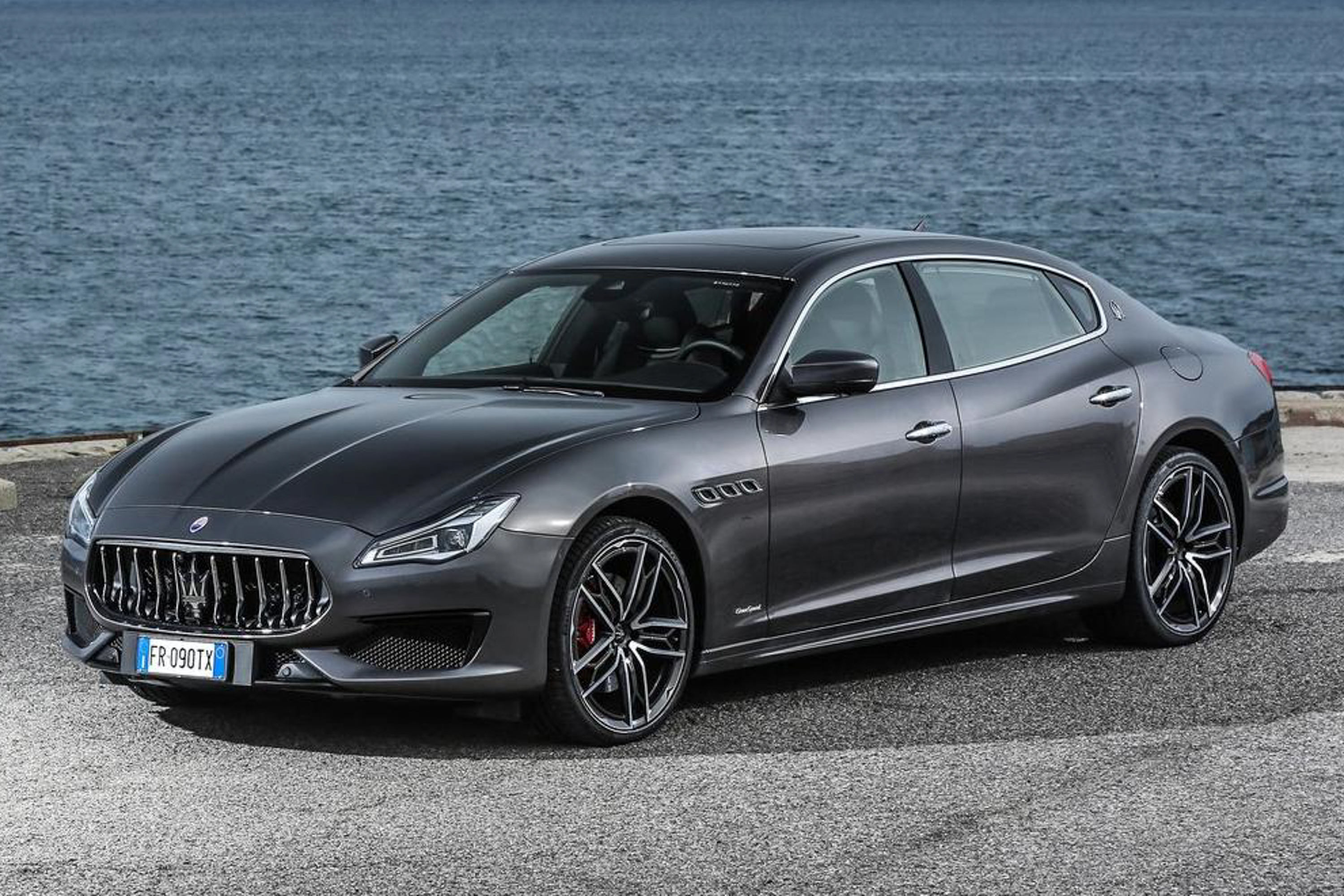
Cars With Similar Price And Features

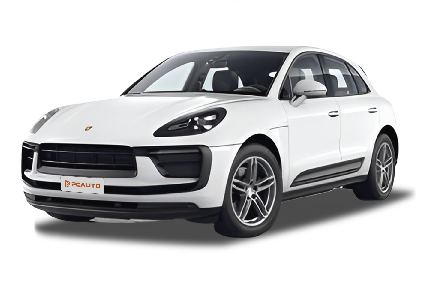
2022 Porsche Macan, as a luxury compact SUV, focuses on a balance of sportiness and luxury, with refined exterior upgrades, luxurious and practical interior, significant power enhancement, outstanding handling, and meeting diverse needs.

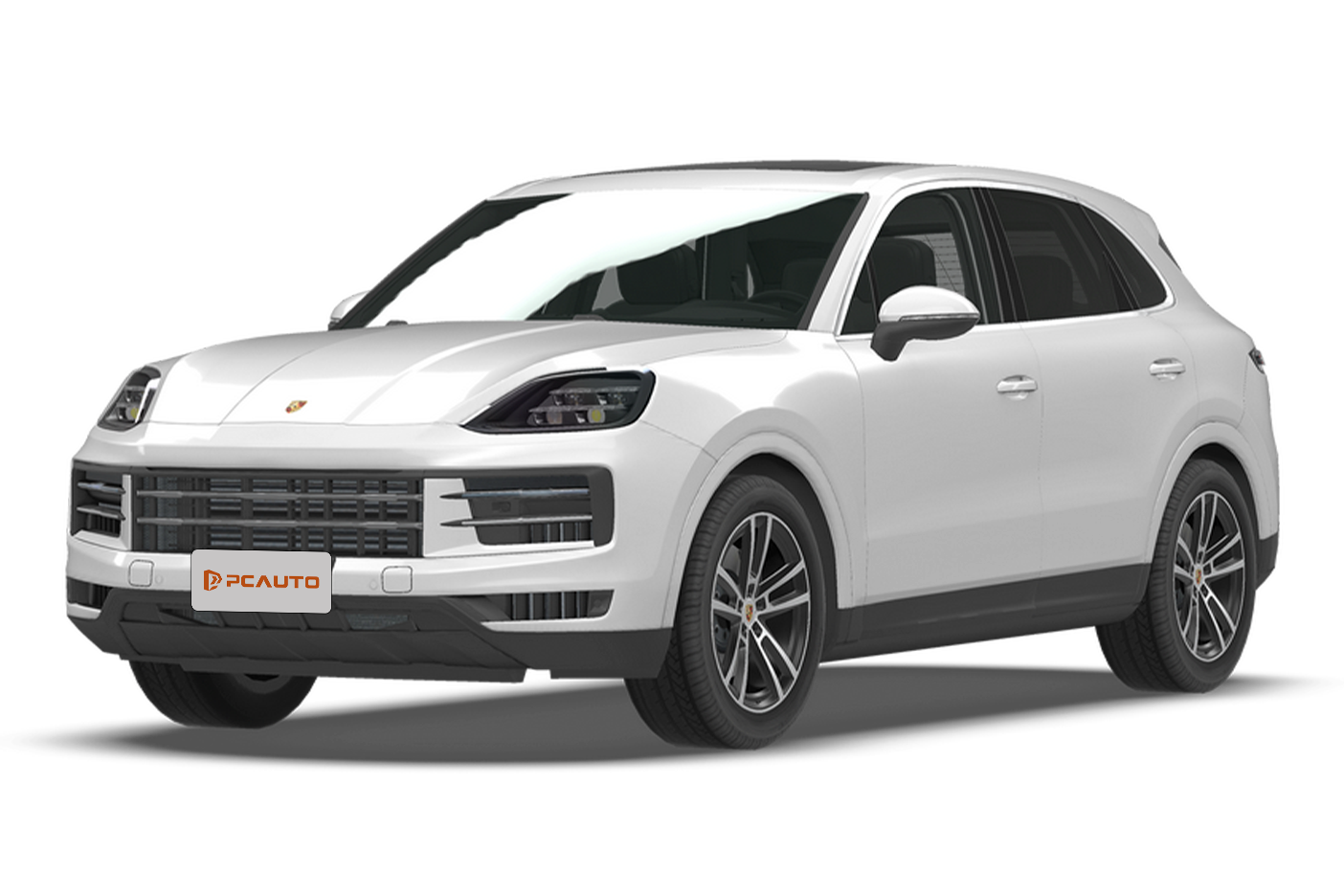
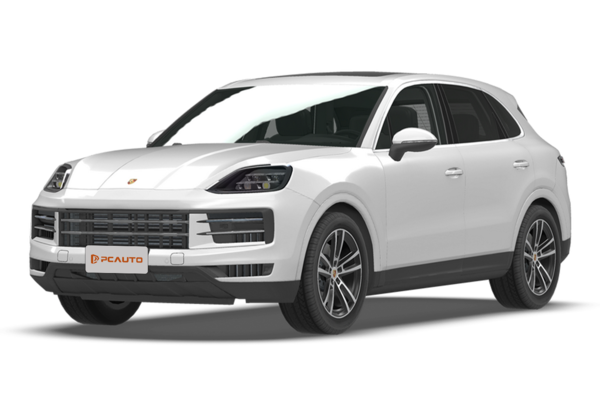
2025 Porsche Cayenne S E-Hybrid is a D-segment plug-in hybrid SUV that combines 520PS performance, 90km pure electric range, and luxurious texture, breaking barriers with an accessible price, suitable for families and performance enthusiasts.

2024 Mercedes-Benz GLS 450 4MATIC is a luxury mid-to-large 7-seater SUV that combines powerful performance, luxurious quality, and practical space, catering to both family outings and business needs.
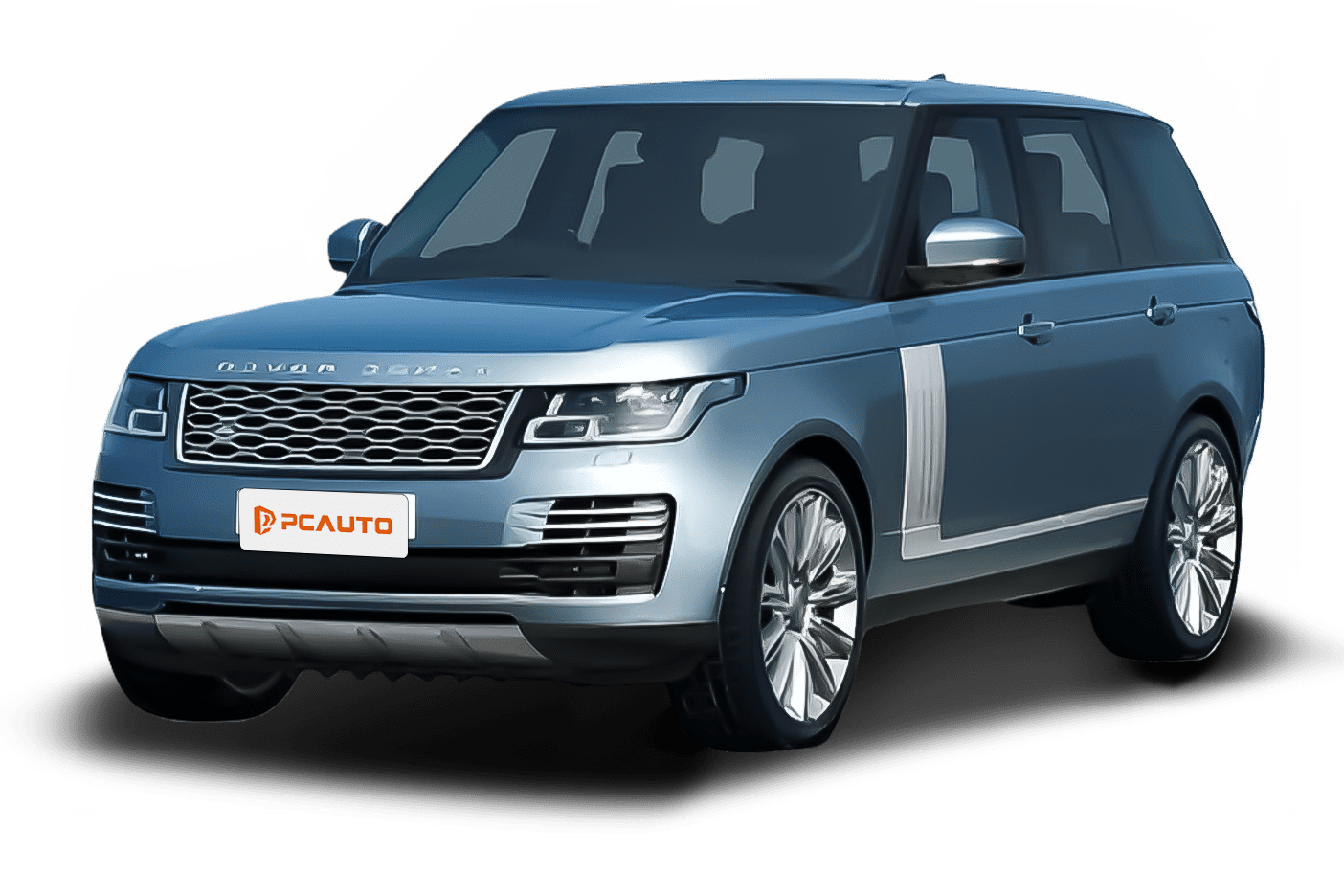
2017 Land Rover Range Rover 5.0 Supercharged Vogue SE as the brand's flagship luxury SUV, with 525 horsepower V8 engine, 20-way adjustable luxury seats, and Meridian sound system, precisely meets the dual demands of high-end users for performance and luxury.