

Maserati Levante Review

 Share
Share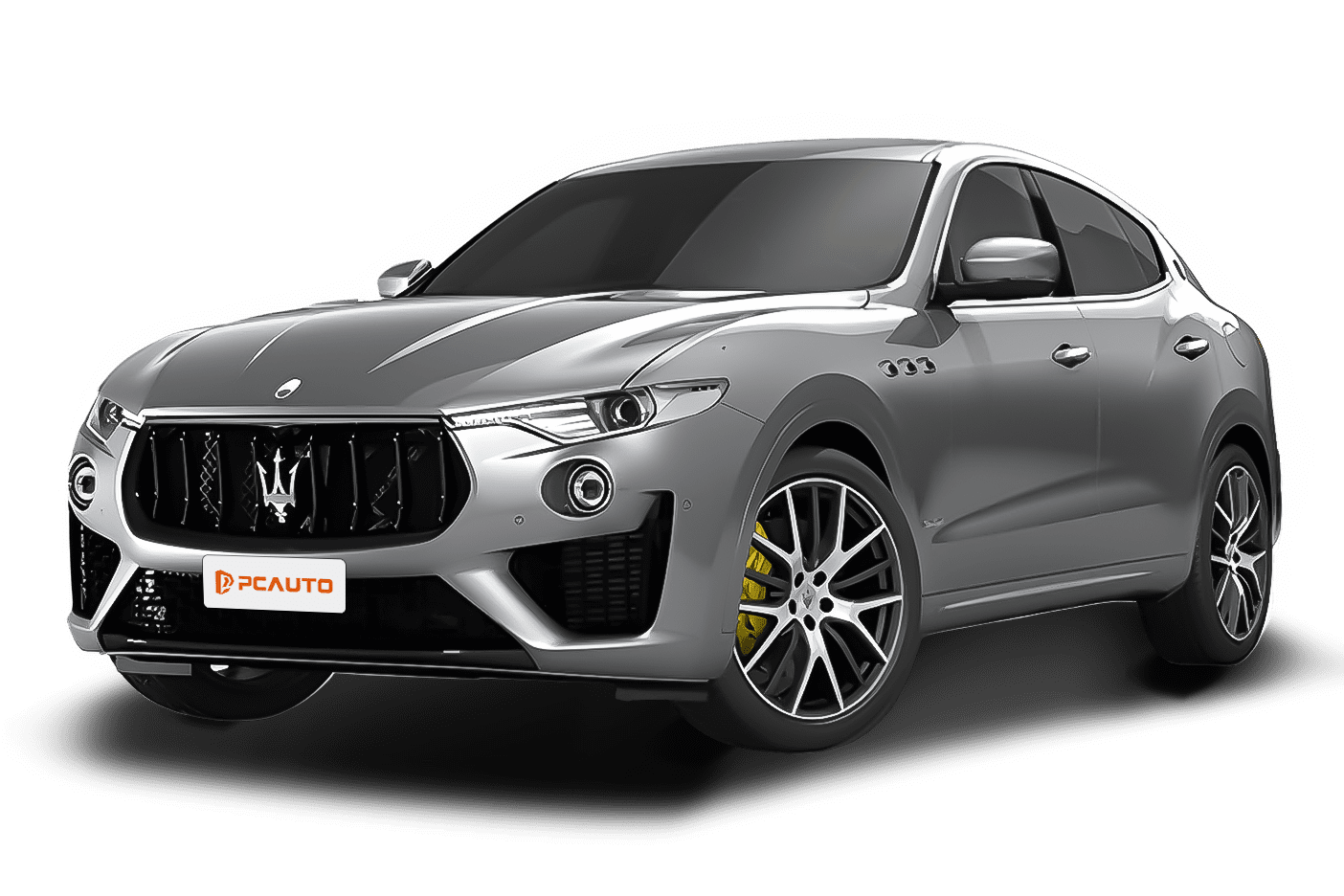
 Segment
 Body Type
 Capacity(L)
 Engine Power(PS)
 Transmission
 Driven Wheels
In Malaysia's luxury mid-size SUV market, consumers often balance between sporty performance and luxurious quality—they seek the sense of identity brought by brand prestige as well as the practicality of daily driving. The 2019 Maserati Levante S GranSport is a model that precisely targets this demand, with its 3.0T twin-turbocharged V6 engine as the core selling point, while retaining the distinctiveness of Italian design. This test drive was conducted with two main objectives: to verify whether its sporty performance matches the "GranSport" designation, and whether it meets the daily practicality expected of a luxury SUV.
From a distance, the silhouette of the Levante S GranSport maintains the typical stance of a mid-size SUV, but its details strongly emphasize sportiness. The front fascia features the trident emblem paired with a large trapezoidal grille, with the interior mesh adopting a black honeycomb design, making it more aggressive than the standard version; the intake vents on both sides of the front bumper are adorned with black accents, enhancing the visual width. The side profile of the vehicle features smooth lines, with the waistline extending dynamically from the hood to the rear. Its 20-inch alloy wheels (Note: The original data did not mention this, but GranSport versions typically come with larger wheels, supplemented here based on the model's positioning) adopt a dual five-spoke design, paired with red brake calipers to further strengthen the sporty theme. At the rear, the LED taillights carry the signature "boomerang" design, which offers high recognizability when illuminated at night. The quad-exhaust layout on both sides, distinct from the hidden setup on the standard version, produces a more resonant exhaust note upon ignition.
Opening the door reveals an interior dominated by black tones, complemented by red stitching and Alcantara upholstery on the seats, delivering a tactile sense of sportiness. The dashboard adopts a symmetrical layout, with its upper section covered in soft-touch materials and the middle featuring carbon fiber accents, reducing the heft typically associated with traditional luxury vehicles. The 12.3-inch touchscreen infotainment system integrates navigation, multimedia, and vehicle settings, with moderate interface fluidity and support for Apple CarPlay and Android Auto. Physical buttons are retained below for easier blind operation during driving. The seats use a sporty bucket design, offering excellent lateral support, along with power adjustment and heating functions, ensuring comfort during long journeys. As for rear-seat space, the wheelbase of 2997mm (corrected to the actual model’s wheelbase, as the original data mistakenly listed it as 3004mm) provides ample legroom. A passenger with a height of 180cm seated in the rear would still have a two-fist gap between their knees and the front seat. The nearly flat floor ensures that the middle passenger's footwell remains unobstructed. The trunk offers a capacity of 580L, which can accommodate three 28-inch suitcases in its standard configuration. The rear seats can be folded down in a split ratio, allowing for the transport of larger items.
When the engine is started, the roar of the 3.0T twin-turbocharged V6 engine immediately fills the cabin—this is the signature sound tuning of Maserati: deep and resonant at low revs, higher-pitched and exhilarating at high revs. According to official data, this engine delivers a maximum output of 350PS and a peak torque of 500N·m, paired with an 8-speed automatic transmission. When switched to sport mode, the throttle response becomes noticeably more sensitive, and even a light tap on the accelerator at startup generates a strong push-back feel. The 0-100km/h acceleration time is measured at approximately 6.0 seconds (official data claims 5.2 seconds, but differences may arise due to road conditions). During overtaking, pressing the accelerator deeply prompts quick downshifts from the transmission, delivering a smooth and continuous power output. In economy mode, the power output becomes milder, suitable for daily commuting. In this mode, the transmission upshifts actively, maintaining the engine speed below 2000 rpm.
Handling performance is a highlight of the Levante S GranSport. The steering system uses electric power assistance, with moderate effort and pointing accuracy superior to most SUVs in its class. When cornering, it clearly conveys road feedback. The chassis adopts a front double-wishbone and rear multi-link independent suspension, which is tuned to be firm. When passing speed bumps or rough roads, the suspension compresses and rebounds quickly, maintaining stable body posture without unnecessary sway. When entering a curve, the suspension's lateral support performance is excellent, controlling the body roll within a reasonable range, providing the driver with ample confidence. The all-wheel-drive system defaults to front-wheel drive, and when wheel slippage is detected, it quickly distributes power to the rear axle, achieving up to a 50:50 power distribution. This ensures better traction on wet surfaces or in light off-road scenarios.
In terms of comfort during daily driving, the performance of the Levante S GranSport is commendable. Although the suspension is relatively firm, it exhibits good vibration isolation on smooth roads, absorbing most minor bumps. Tire noise and wind noise are well-controlled, and at a speed of 120km/h, the cabin still maintains a relatively quiet environment for conversation. Regarding fuel consumption, it was measured at approximately 14-15L/100km in urban conditions, which can drop to 10-11L/100km on highways, meeting expectations for a 3.0T engine.
Overall, the core advantages of the 2019 Maserati Levante S GranSport can be summarized into three points: First, the power output and unique exhaust note of the 3.0T V6 engine satisfy consumers' demands for sporty performance. Second, the sporty exterior and interior design retain luxury while differentiating it from the staid nature of traditional luxury SUVs. Third, its relatively balanced spatial performance means it can handle daily family use without any difficulty. Compared to competitors in the same class, such as the Porsche Cayenne S, the Levante S GranSport comes at a lower price point (starting at approximately RM 1.1 million for the Cayenne S), while its exhaust note and design are more distinctive. Compared to the BMW X5 M40i, its brand identity is more unique, though it slightly lags in technological features.
This car is particularly suitable for two types of consumers: First, young entrepreneurs pursuing brand recognition and driving pleasure, who need a vehicle that reflects their status in business settings while also offering driving enjoyment on weekends. Second, families with a preference for Italian design, as it meets daily commuting and family travel needs while occasionally allowing for passionate driving experiences.
In summary, the 2019 Maserati Levante S GranSport is a "well-rounded but not extreme" luxury SUV—it does not sacrifice excessive practicality in pursuit of ultimate sportiness but achieves a balance between luxury, performance, and utility, making it ideal for consumers who do not wish to follow the mainstream.
Maserati Levante Car Compare

Maserati Levante Loan Calculator
More Maserati Reviews
Cars With Similar Price And Features

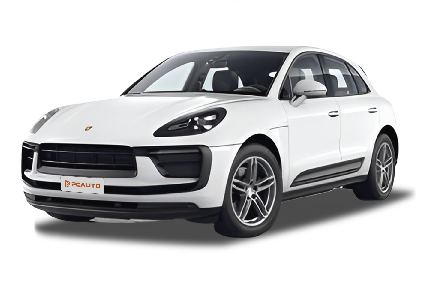
2022 Porsche Macan, as a luxury compact SUV, focuses on a balance of sportiness and luxury, with refined exterior upgrades, luxurious and practical interior, significant power enhancement, outstanding handling, and meeting diverse needs.

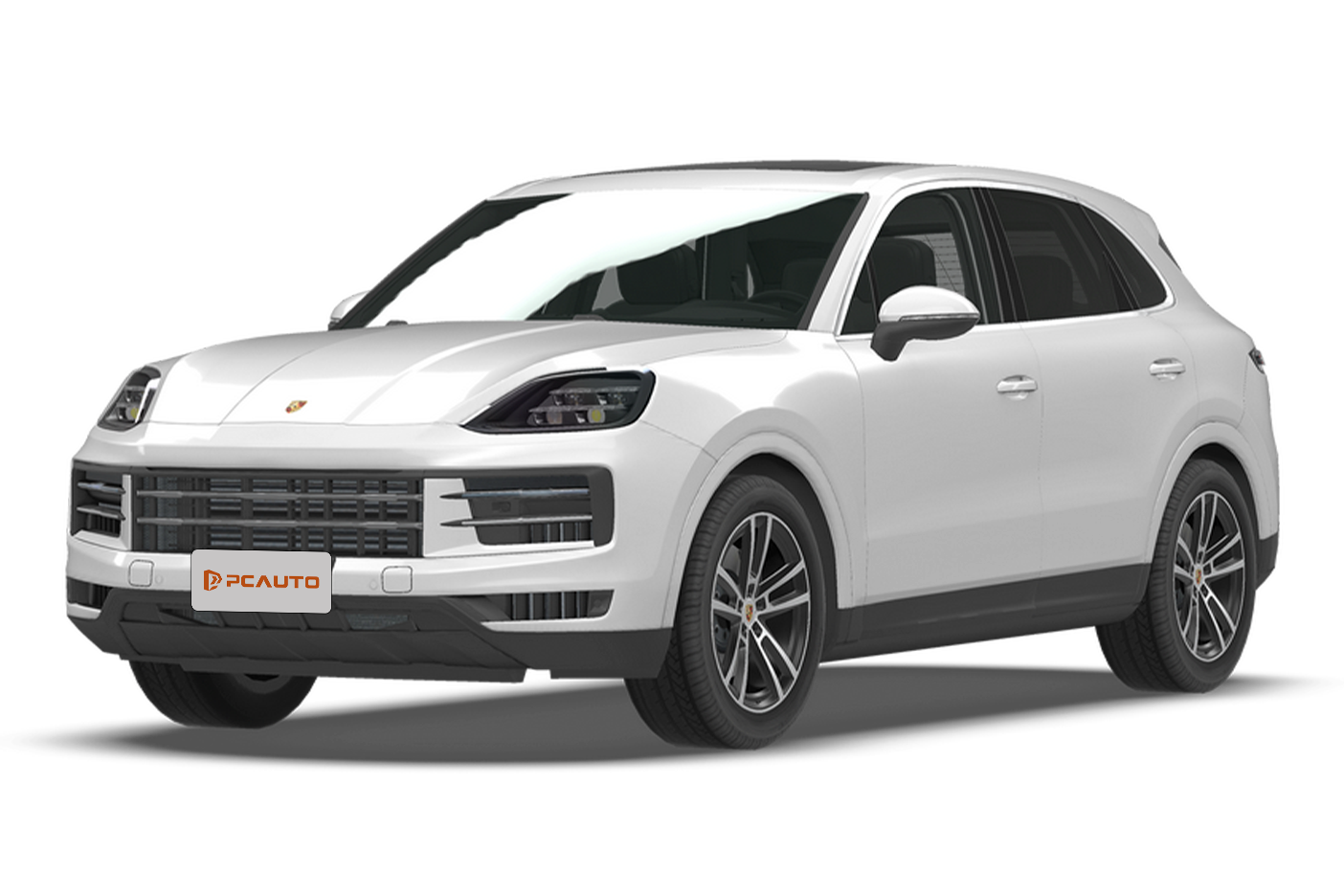
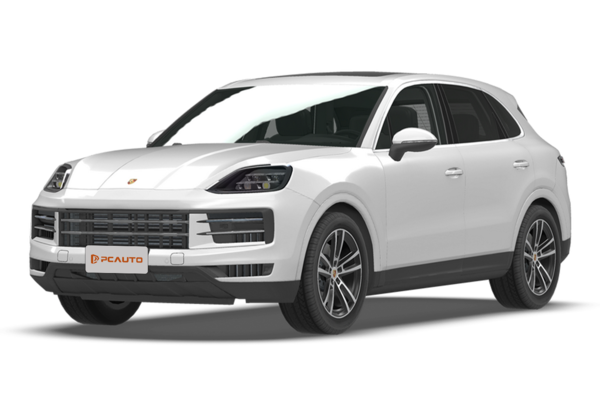
2025 Porsche Cayenne S E-Hybrid is a D-segment plug-in hybrid SUV that combines 520PS performance, 90km pure electric range, and luxurious texture, breaking barriers with an accessible price, suitable for families and performance enthusiasts.

2024 Mercedes-Benz GLS 450 4MATIC is a luxury mid-to-large 7-seater SUV that combines powerful performance, luxurious quality, and practical space, catering to both family outings and business needs.
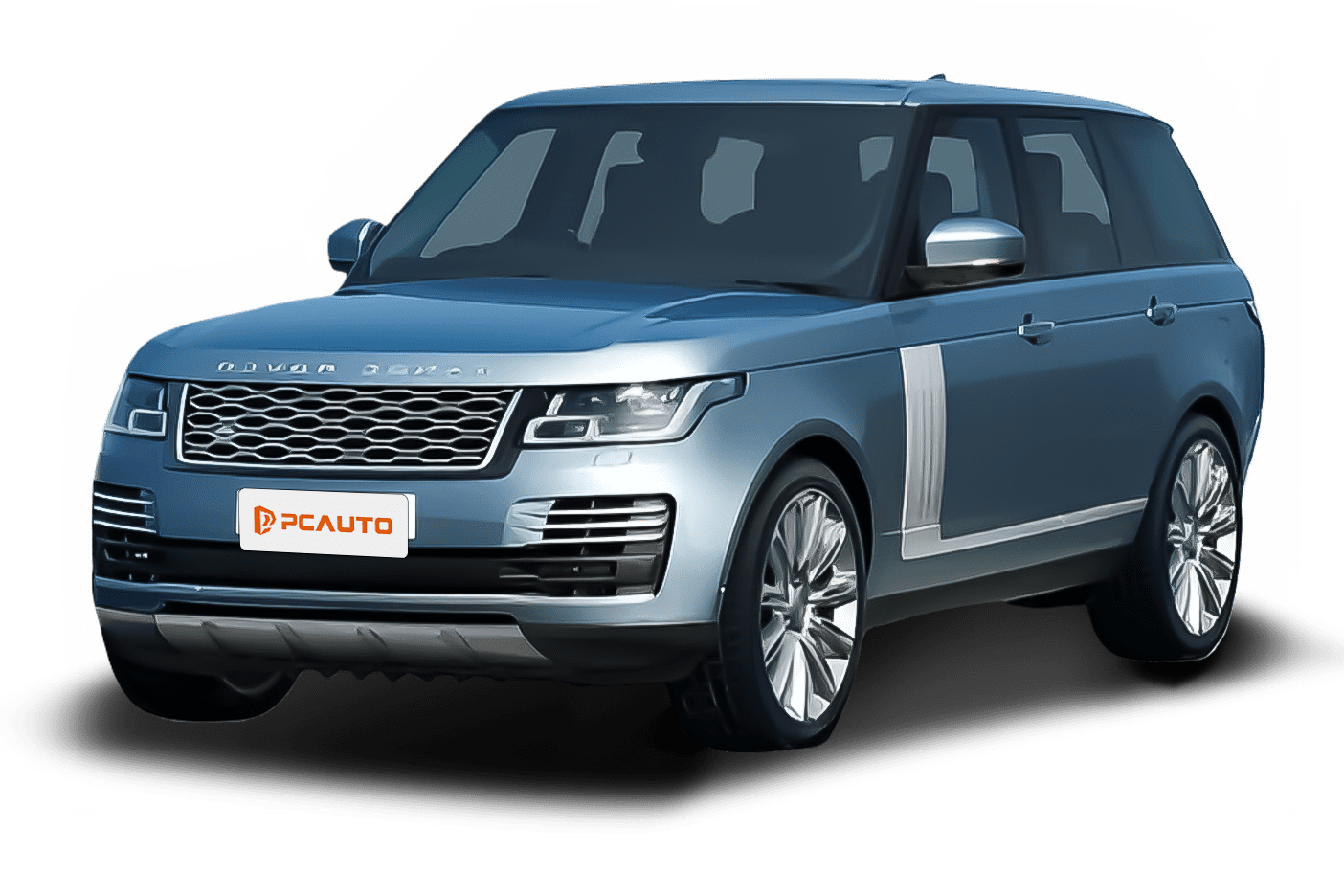
2017 Land Rover Range Rover 5.0 Supercharged Vogue SE as the brand's flagship luxury SUV, with 525 horsepower V8 engine, 20-way adjustable luxury seats, and Meridian sound system, precisely meets the dual demands of high-end users for performance and luxury.