

Mazda 2 Hatchback 2020 Review

 Share
Share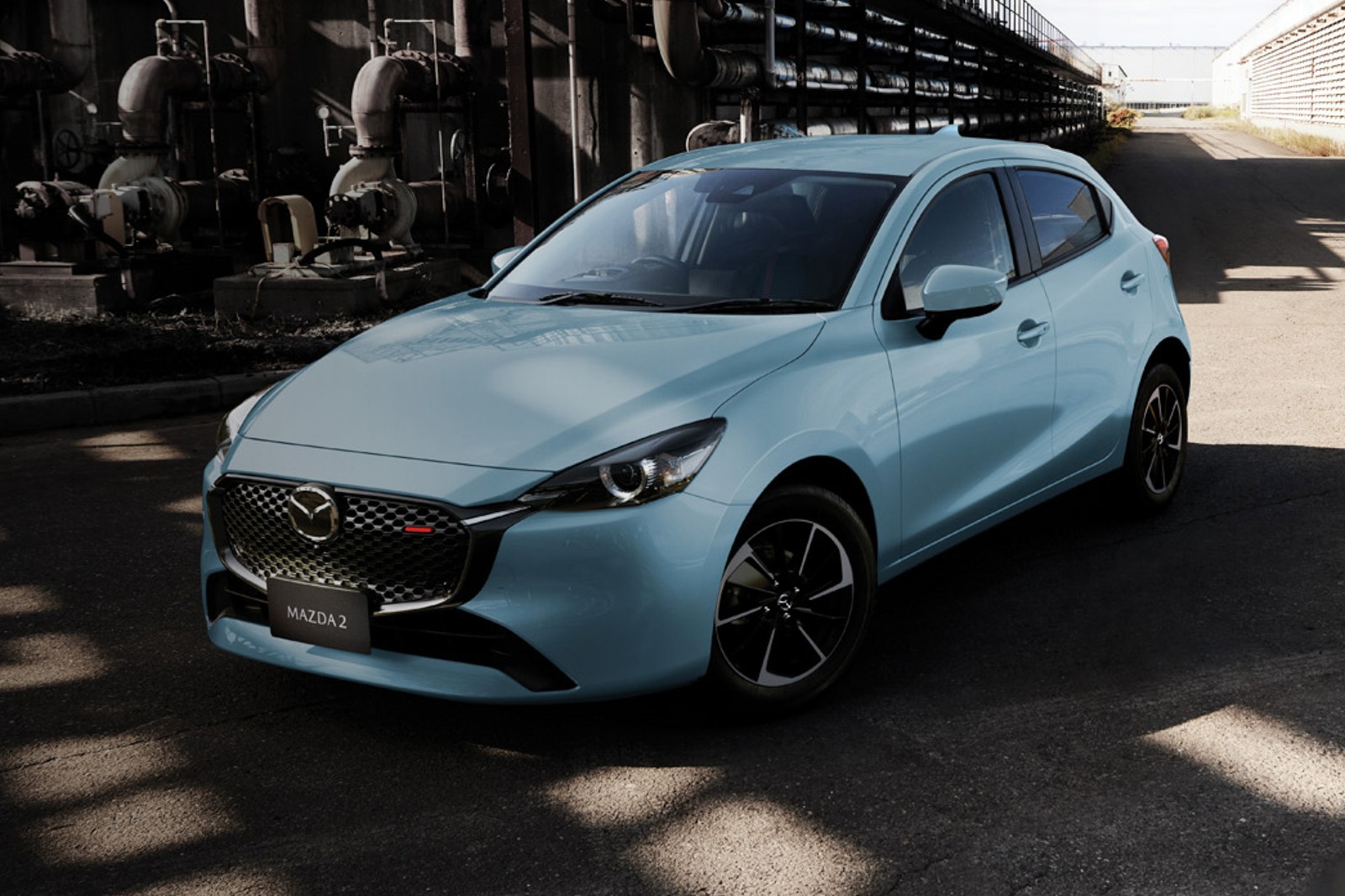
 Segment
 Body Type
 Capacity(L)
 Engine Power(PS)
 Transmission
 Driven Wheels
In Malaysia's B-segment hatchback market, consumers value practicality for daily commuting while maintaining a certain demand for design and quality—after all, it's a car used daily, so looks and experience cannot be compromised. This time, we test drove the 2020 Mazda 2 Hatchback 1.5L Soul Red Crystal edition, with core selling points being the recognizability of the Kodo Soul of Motion design, standard active safety features, and a more refined driving experience compared to other models in the same price range. Our test drive goal was straightforward: to see if this car can truly balance aesthetics, safety, and practicality in urban commutes and short weekend trips.
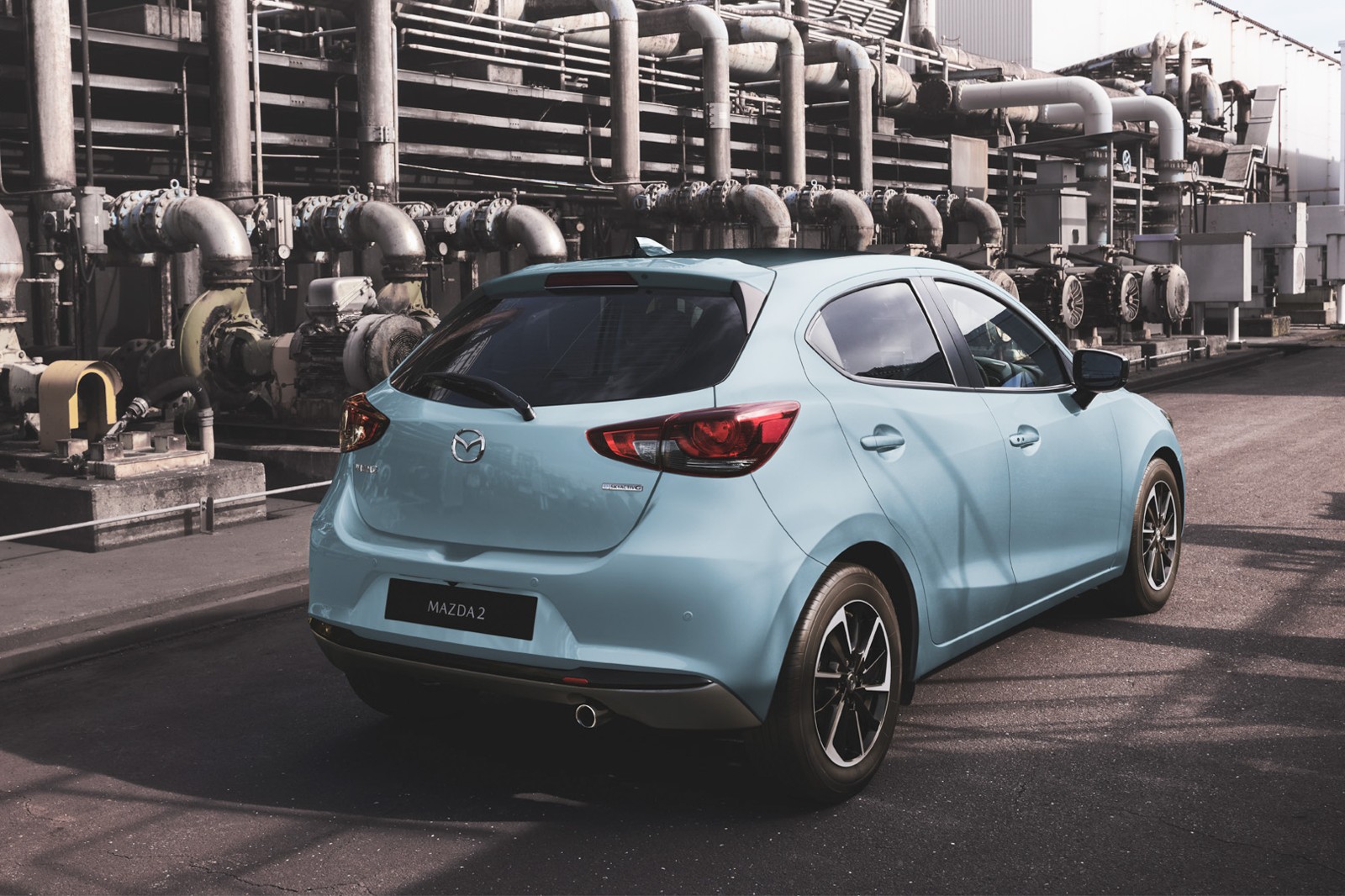
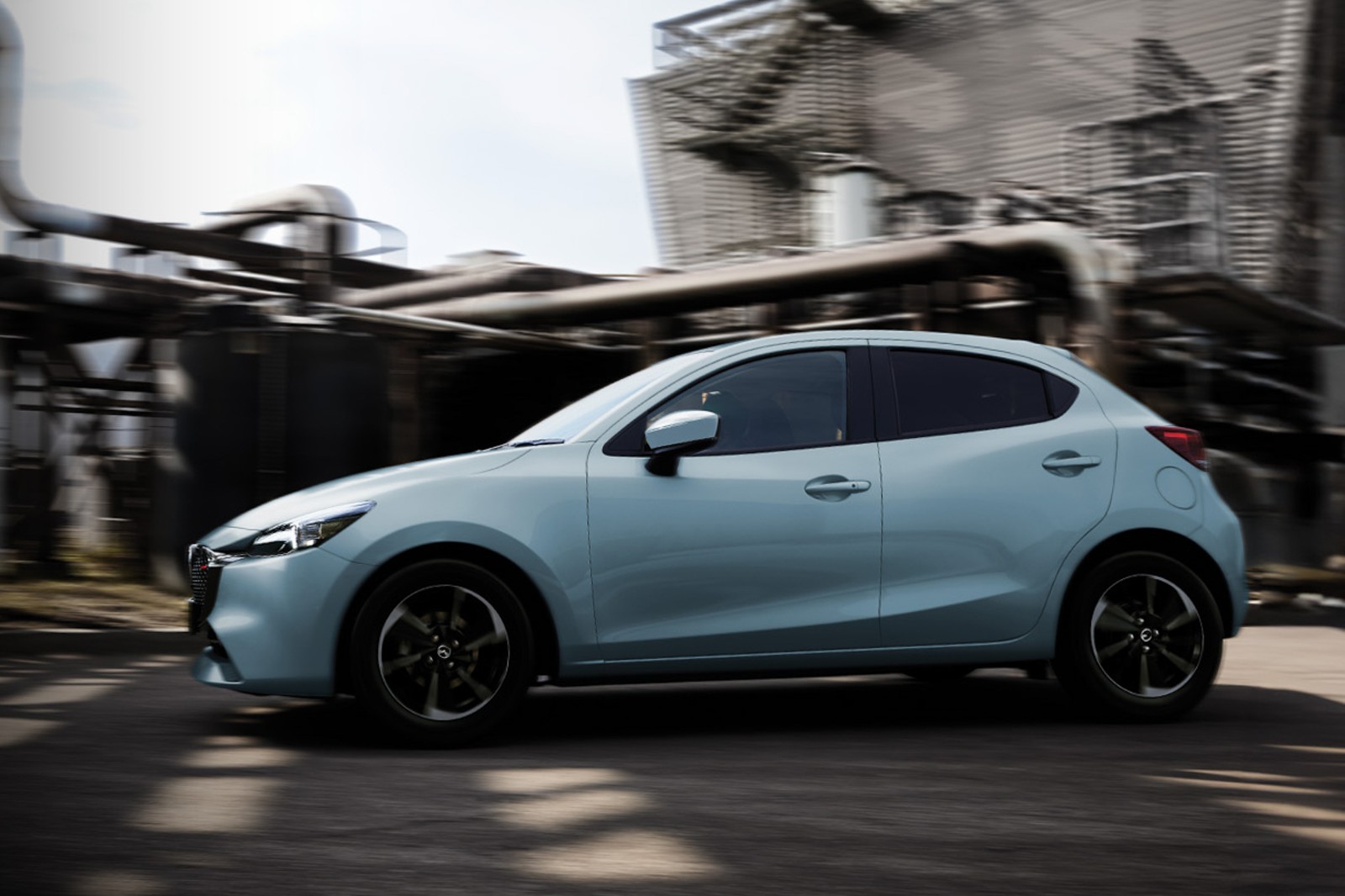
From the exterior, the Soul Red Crystal paint is undeniably the visual highlight of this car. Under the sunlight, the body paint shifts in depth and transition depending on the angle, offering more layers than regular red and accentuating the Kodo design's lines. The front features a shield-shaped grille paired with chrome trim, connected to the LED daytime running lights on both sides, giving the car a compact and sporty appearance. The side profile boasts a waistline running from the front to the rear, complemented by the 16-inch wheels, achieving a proportion that looks balanced without being bulky. At the rear, the horizontally designed LED tail lamps offer high recognition when lit, and the lines of the rear bumper echo those on the side, creating a unified design language. In terms of the lighting system, while the main headlights use halogen, LED daytime running lights and front and rear fog lamps come standard, which is sufficient for daily needs.
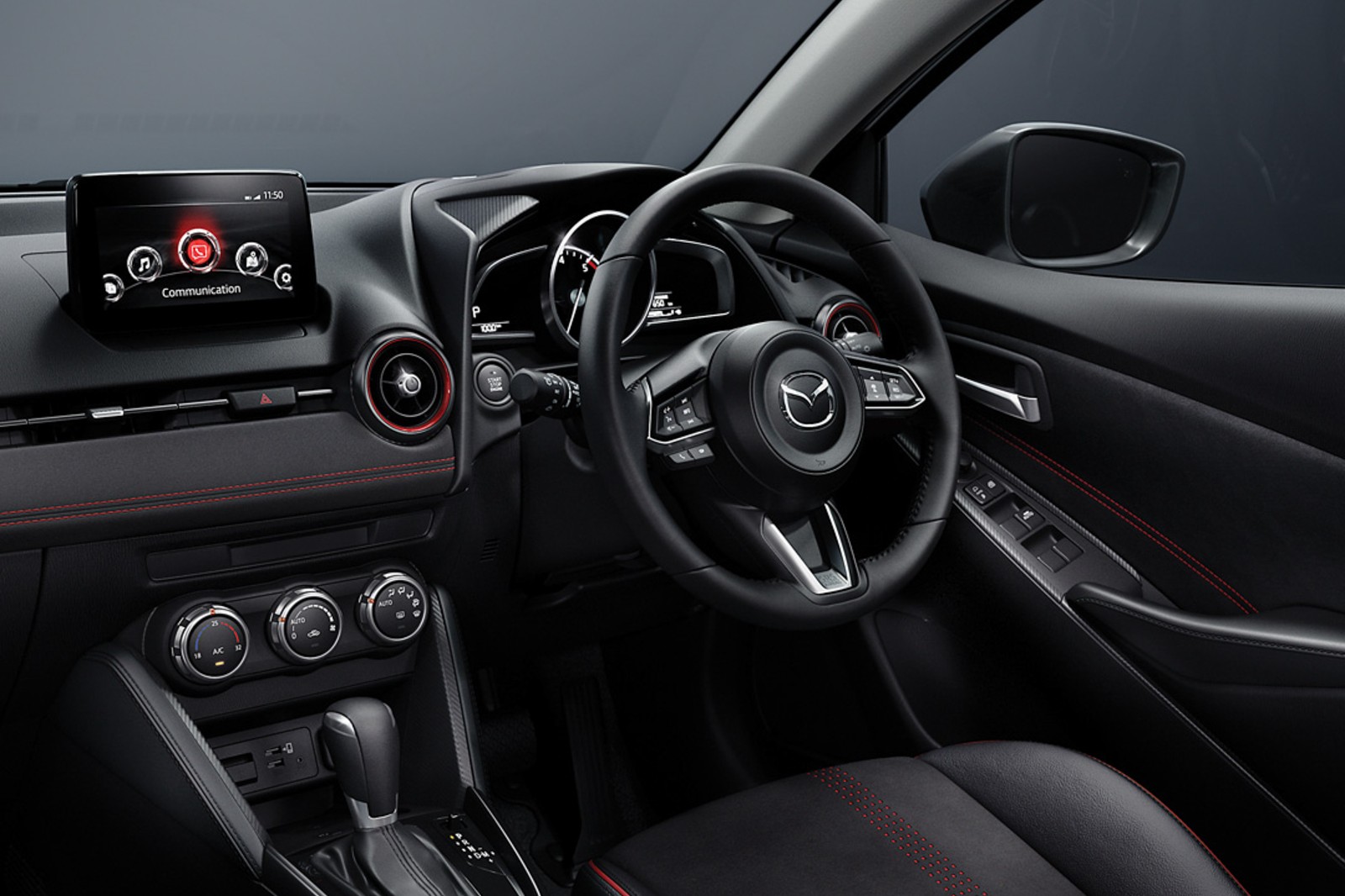
Stepping inside, the interior layout is simple and organized, with the center console tilted slightly towards the driver for easier operation. In terms of materials, the steering wheel and door armrests are wrapped in soft-touch materials, offering a better tactile feel compared to some plasticky competitors in the same segment. A 7-inch touchscreen comes standard, supporting basic multimedia functions and a reverse camera; the screen's response speed is acceptable. The instrument cluster combines traditional mechanical dials with a trip computer, offering clear visibility, while the HUD projects speed and navigation information, allowing drivers to keep their eyes on the road, enhancing driving convenience. For features, keyless entry, push-to-start, and single-zone automatic air conditioning are standard; the front row also includes a 220V power outlet, which is convenient for charging electronic devices. The seats are manually adjustable but have moderate padding, making long drives comfortable. The rear passenger space is average; for a passenger of 175cm, there’s about a fist's width of legroom left, and headroom is sufficient, meeting the needs of daily family use. The trunk capacity is 220L in its standard setup, which is just enough for two carry-on suitcases. Additionally, the rear seats support 60:40 split-folding, providing flexibility for carrying larger items if needed.
In terms of power, this car is equipped with a 1.5L naturally aspirated engine, delivering a maximum horsepower of 116PS and a peak torque of 148N·m, paired with a 6-speed automatic transmission. The power output is smooth during take-off, and unlike turbocharged cars, there is no abrupt surge, making it easy to follow traffic in congested city roads. Pressing harder on the accelerator for acceleration prompts the transmission to downshift eagerly. Although it lacks a strong push-back feeling, overtaking is not an issue. The official 0-100km/h acceleration is 10 seconds, which aligns with the performance expectations in this segment. There’s only a standard driving mode, but the transmission logic is smart enough for daily commutes. The suspension features a front MacPherson independent setup, tuned for comfort. When driving over speed bumps or uneven roads, the suspension absorbs most of the impacts without feeling too harsh. The steering has moderate weight and precise handling, controlling body roll well during cornering, and remains stable at high speeds.
In terms of fuel consumption, after a week of test driving, mainly for urban commuting and a small amount of highway driving, the combined fuel consumption was around 5.8L/100km, slightly higher than the official 5.3L, but considering urban congestion, this performance can be considered excellent. In terms of braking, the brake pedal feel is linear, the braking distance is moderate, and it gives confidence for daily driving. Noise control is well done; at speeds below 60km/h, wind noise and tire noise are not obvious. On highways, tire noise becomes slightly louder, but still within an acceptable range. The seat wrapping and support are adequate, and one does not experience back pain even after sitting for a long time.
Overall, the key advantages of the 2020 Mazda 2 Hatchback 1.5L Soul Red Crystal edition are evident: the Soul Red Crystal paint enhances its appearance, and standard safety features such as active braking and forward collision warning are rare among competitors in the same class. The driving experience also feels more refined compared to some rivals. Compared with similarly priced Toyota Vios or Honda City Hatchback, its design feels more premium, and safety features are more comprehensive, though the rear space and trunk capacity are slightly smaller. This car is suitable for consumers who value design, safety, and driving experience—for example, young people commuting daily or small families needing a car that's easy to drive and park while also being suitable for household use. If your primary requirement is urban commuting, with occasional short trips, and you value appearance and safety, this car is worth considering.
Mazda 2 Hatchback Car Compare

Mazda 2 Hatchback Loan Calculator
More Mazda Reviews
Cars With Similar Price And Features
4
Rank in Hatchback
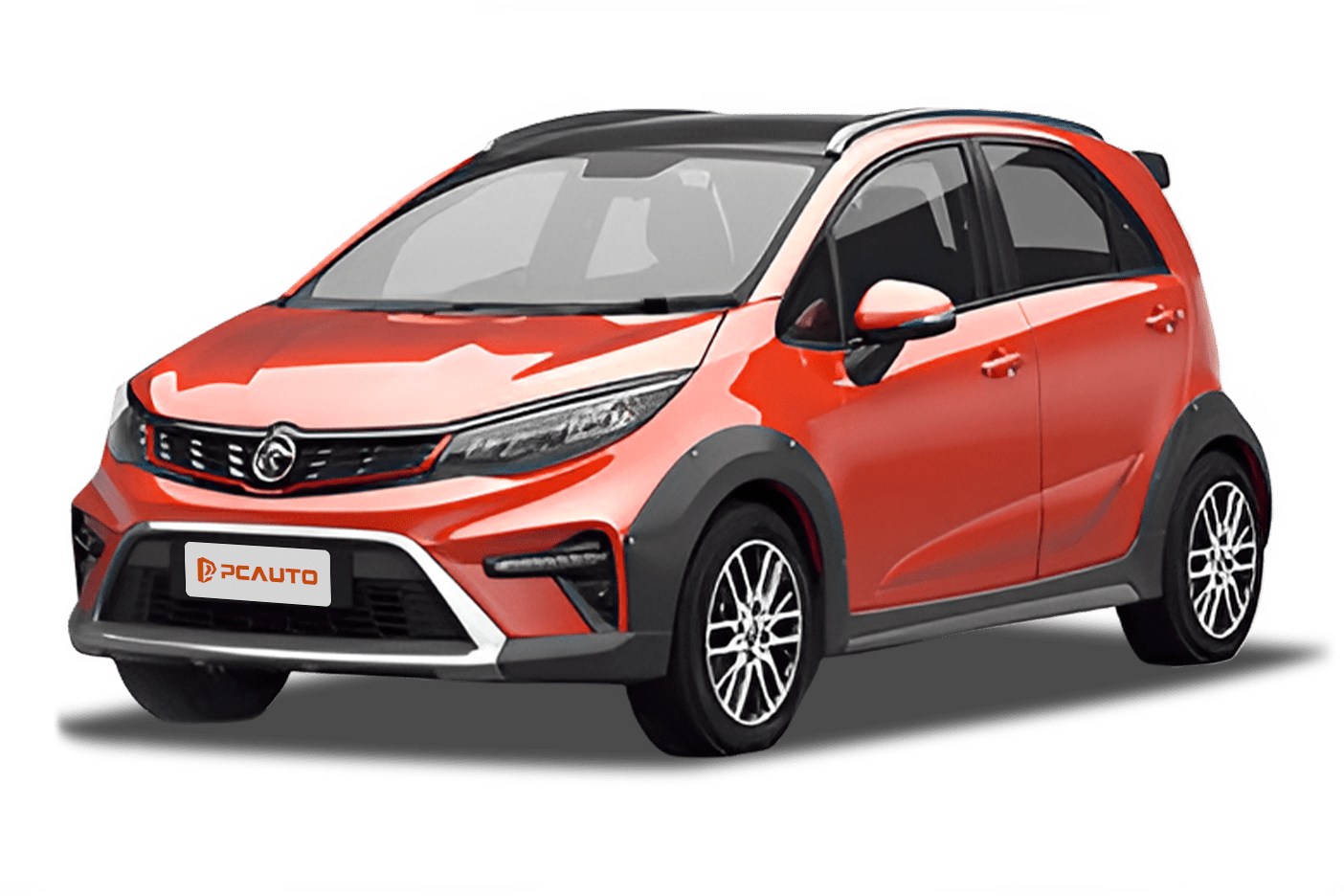
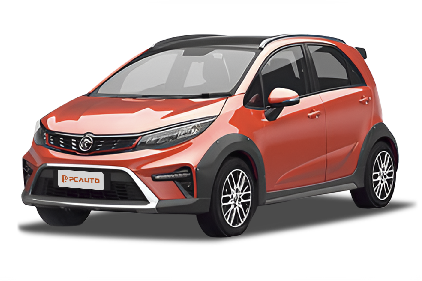
2023 Proton Iriz 1.3 Standard CVT is an affordable, well-balanced entry-level B-segment hatchback with safety features, suitable for budget-conscious families focusing on safety and practicality for daily commuting.
2
Rank in Hatchback

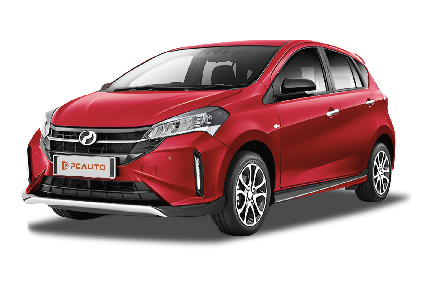
2023 Perodua Myvi 1.3 G with PSDA is an affordable B-segment hatchback, combining practical space, basic features, and PSDA safety assistance, suitable for family commuting.

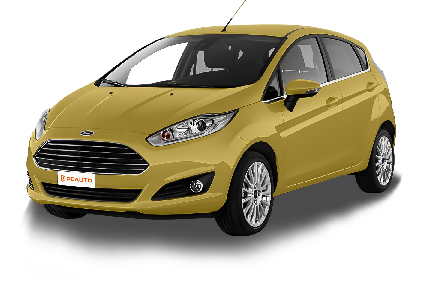
2022 Ford Fiesta public is a B-Segment model with responsive power, economical fuel consumption, and rich safety features, suitable for young families or individual users who prioritize driving experience and safety.
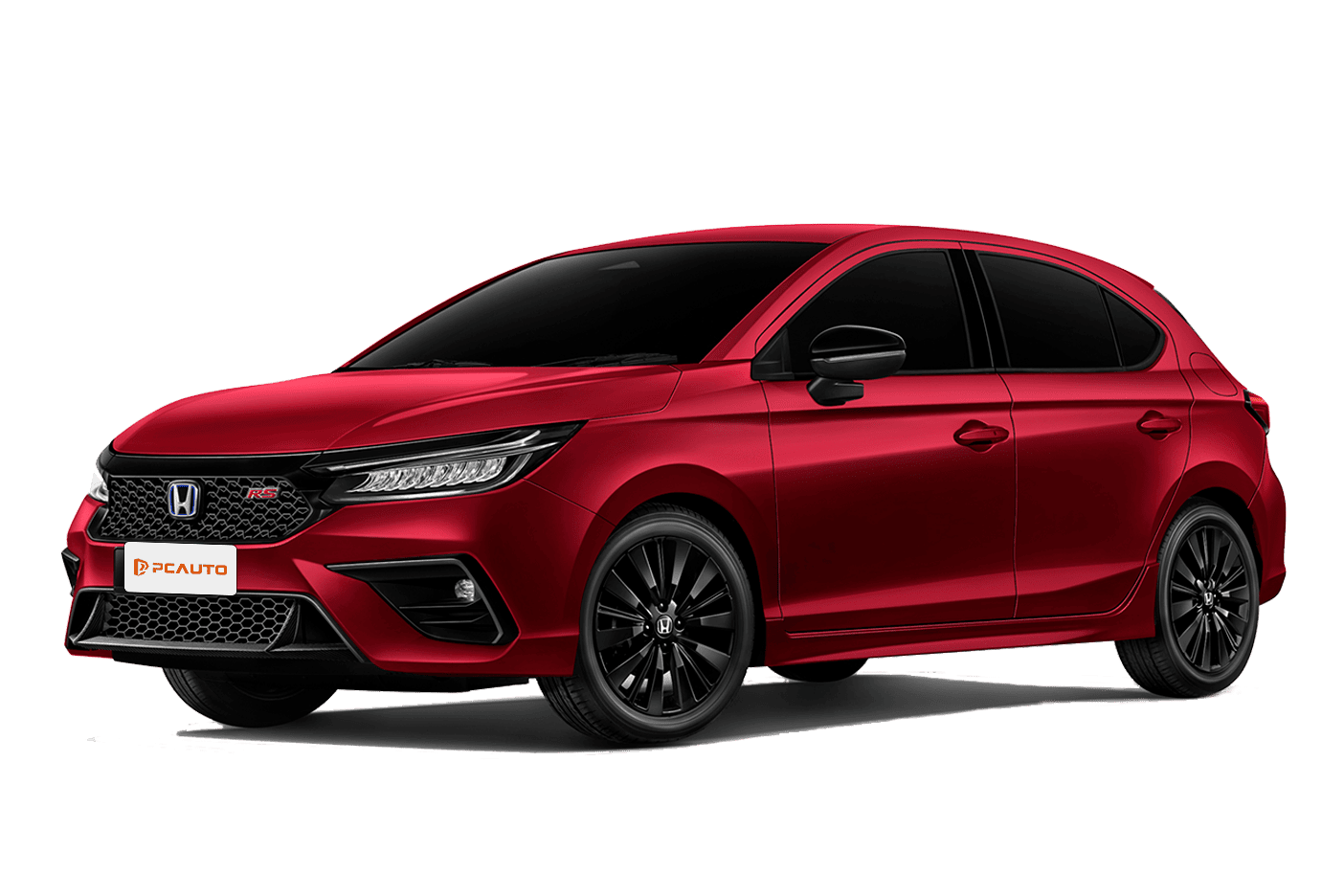
2024 Honda City Hatchback 1.5 S, as a high-value entry-level hatchback, comes standard with Honda Sensing and 6 airbags, offering practical space, economical fuel consumption, and balancing safety with daily commuting needs.