

Mazda 2 Hatchback Review

 Share
Share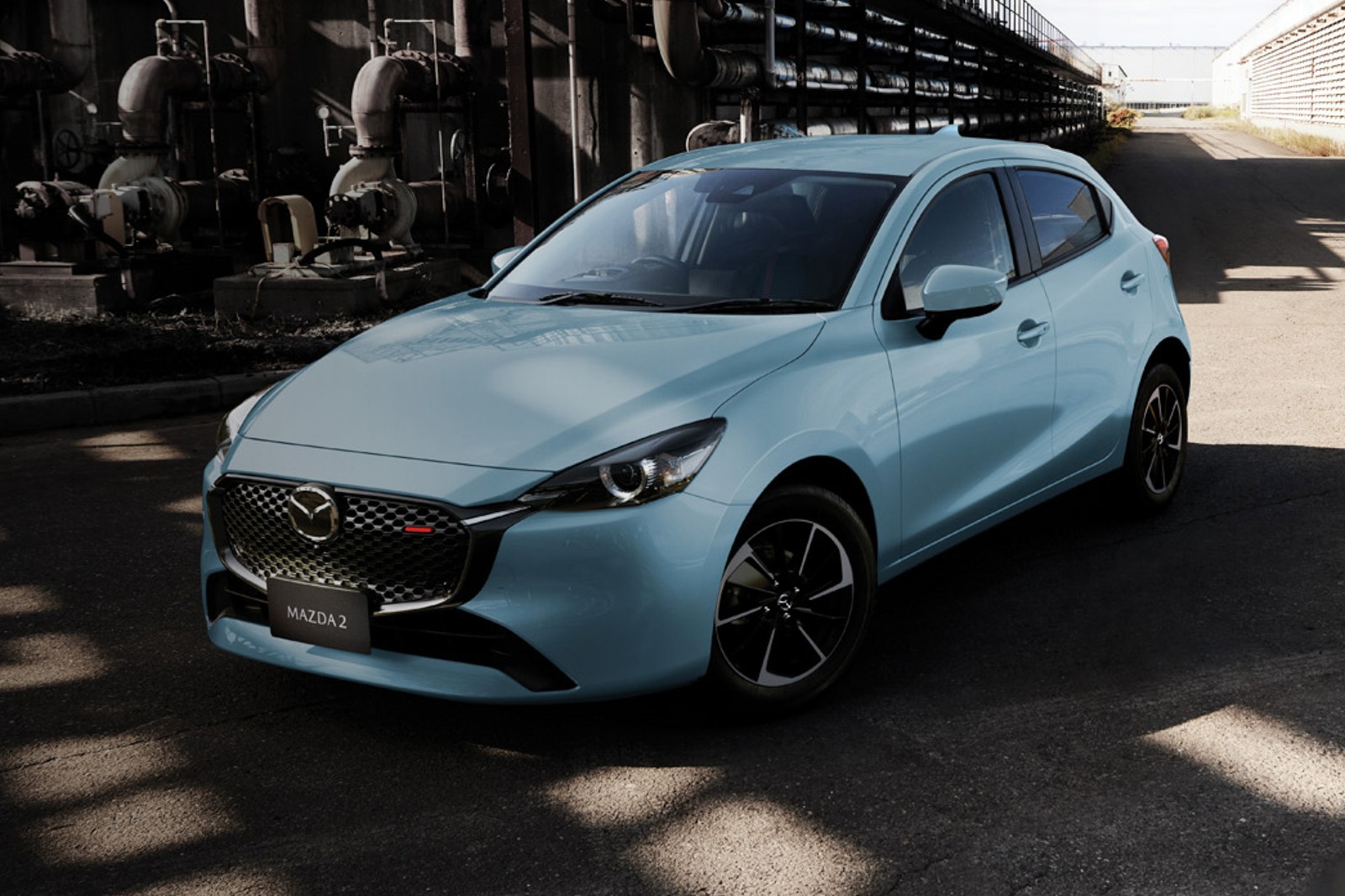
 Segment
 Body Type
 Capacity(L)
 Engine Power(PS)
 Engine Torque(Nm)
 Transmission
The B-segment market has always been the top choice for Malaysian families and young users. Vehicles in this segment need to strike a balance between daily practicality and keeping up with design and feature demand. The 2023 Mazda 2 Hatchback 1.5L, as a popular model in this category, has focused on optimizing its body dimensions and fuel efficiency with this facelift, while retaining its hallmark safety features. Our core goal for this test drive was to determine whether it could balance the economic efficiency required for daily use with a pleasing driving experience, and whether it is worth considering for those with a budget of around 100,000 RM.
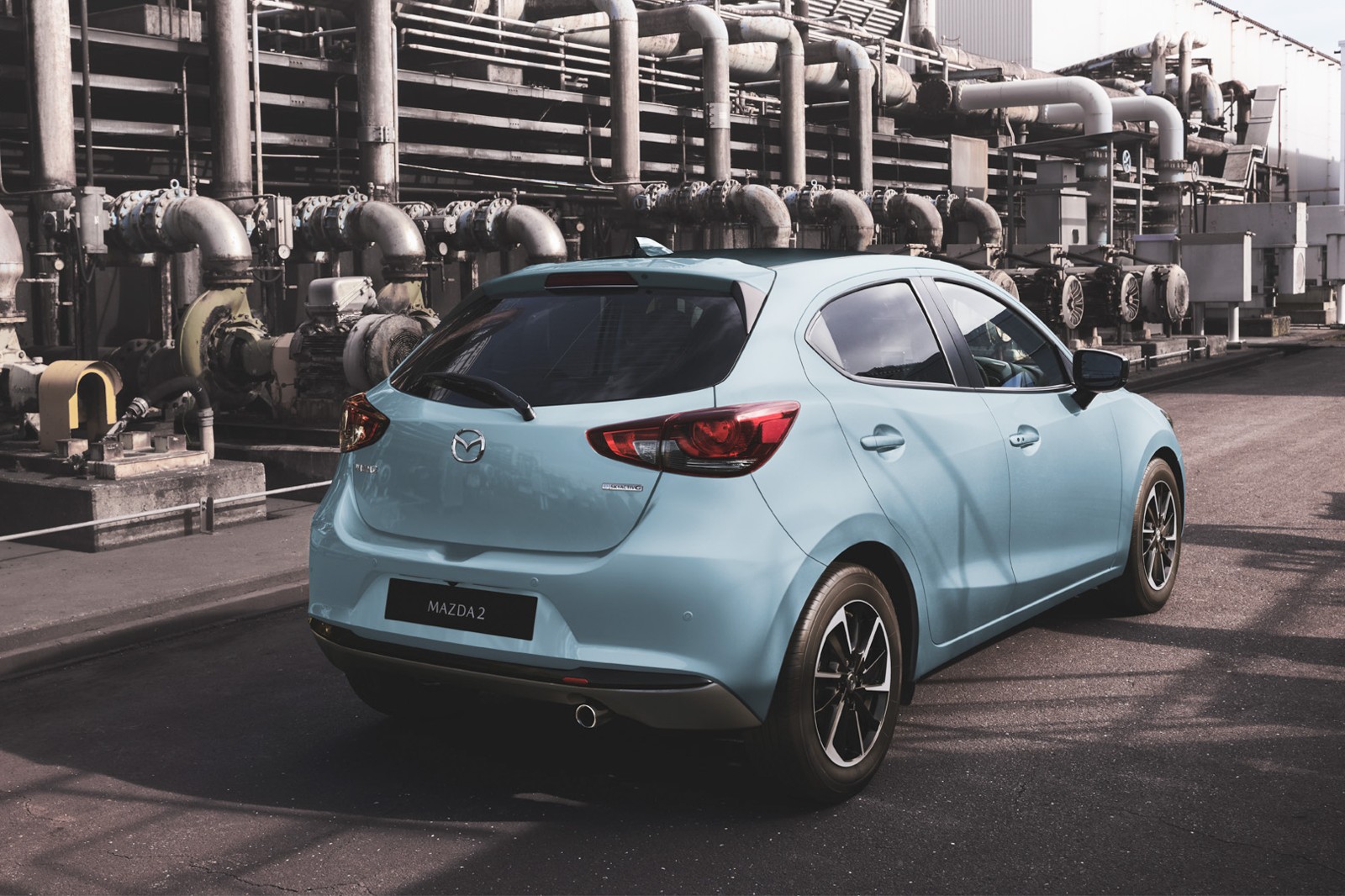
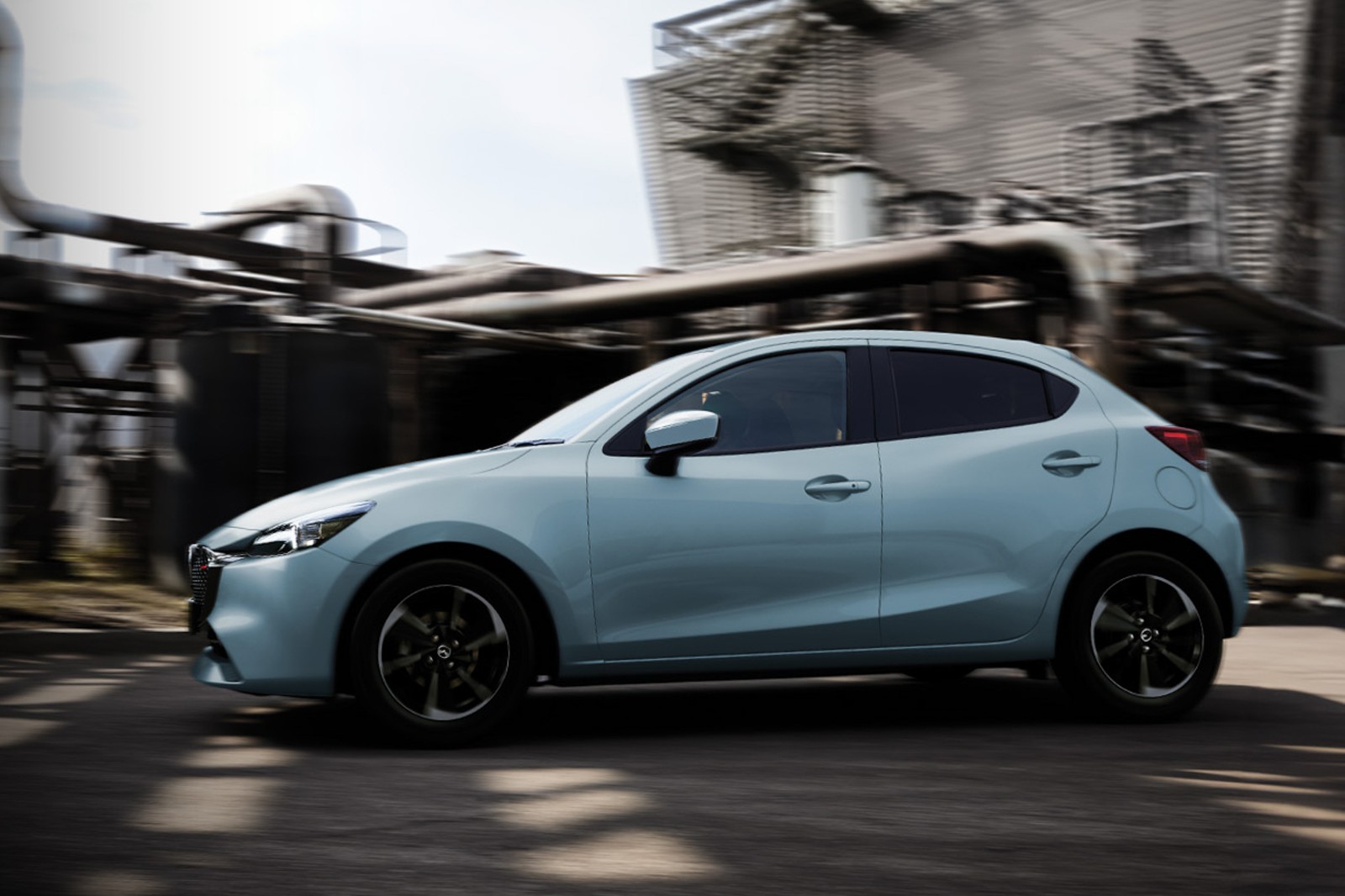
At first glance, the most noticeable change in the 2023 Mazda 2 Hatchback is the increase in body length, from 4065mm in the 2020 model to 4080mm, giving the side profile a sleeker appearance while maintaining the signature Mazda Kodo design philosophy. The front features a shield-shaped grille with chrome trims, combined with a headlight cluster that integrates halogen and LED lights. The daytime running lights have high recognizability when lit. The rear design is relatively simple, with horizontally arranged taillights, and the placement of the rear fog lights is prominent, meeting safety needs for daily usage. The 16-inch tire specifications are consistent with the 2020 model, paired with multi-spoke wheels that create a balanced visual effect.
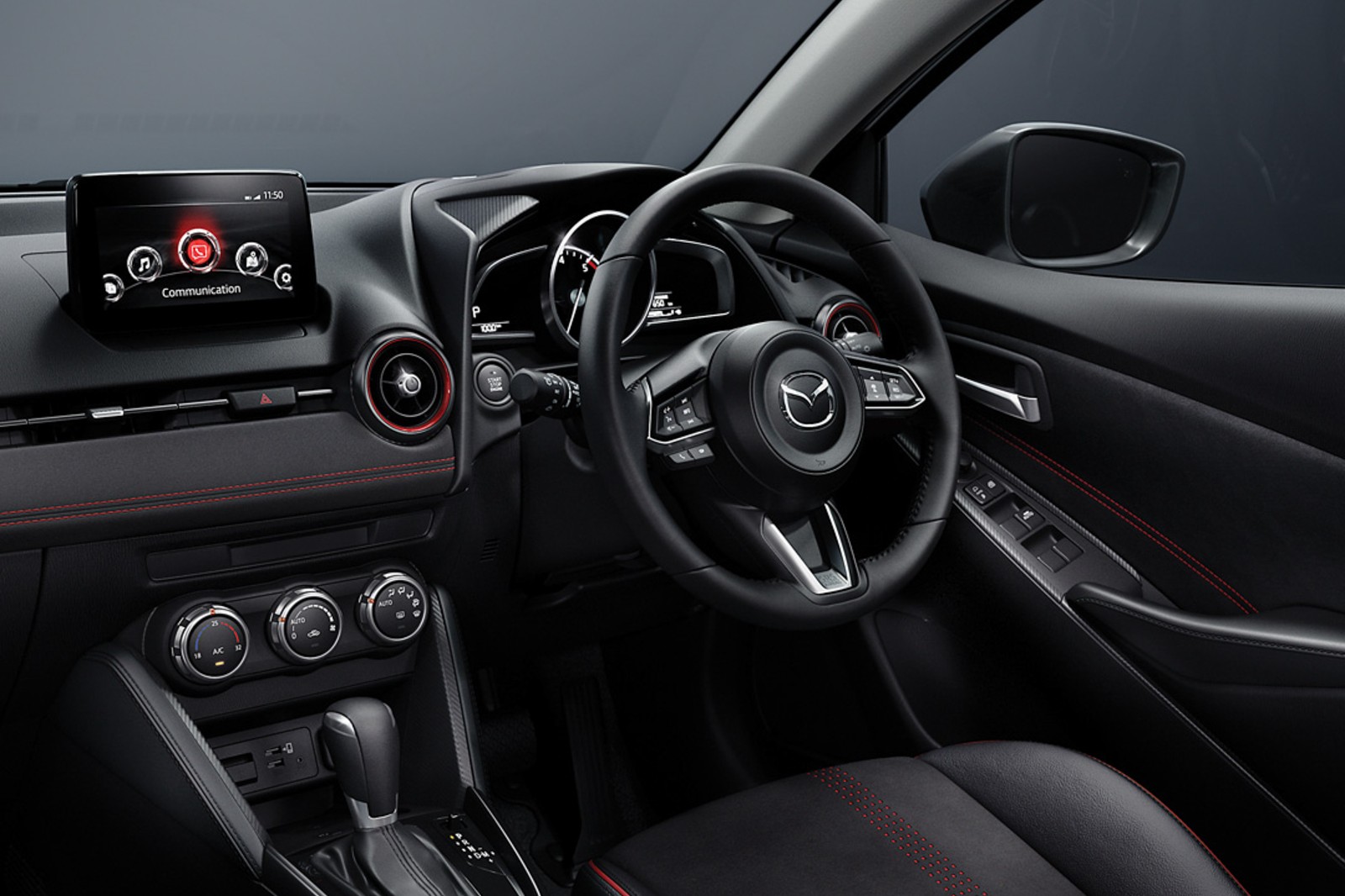
Opening the door, the interior layout maintains the familiar Mazda style, with the center console angled slightly towards the driver, making it very convenient to operate. The 7-inch touchscreen infotainment system is reasonably positioned and supports basic multimedia functions. Physical buttons below the screen remain for air conditioning and volume control, allowing easy blind operation. In terms of materials, although most surfaces are hard plastics, the panel seams are well-finished, avoiding a cheap appearance. Configuration-wise, the head-up display (HUD) is a highlight, allowing speed information to be seen without looking down, enhancing driving safety. Keyless entry and start and automatic air conditioning are also standard, making daily use convenient. The front seats are manually adjustable but offer good support, ensuring comfort even during long drives. The rear seats support a 60:40 split-fold arrangement. The wheelbase, at 2570mm, is the same as the previous model. A rear passenger around 175cm tall will find roughly a fist's worth of legroom—not overly spacious but sufficient for family use. The trunk has a capacity of 220L, enough for a few shopping bags or carry-on luggage. When the rear seats are folded, it provides expanded space for occasional transport of larger items.
Starting the engine, the 1.5L naturally aspirated engine delivers 114PS of horsepower and 149N·m of torque, slightly less than the 116PS in the 2020 model, but the difference is negligible in actual driving. For daily commutes, using Economy mode provides a smooth start and acceleration. The 6-speed automatic transmission has clear shift logic and avoids obvious jerks at low speeds. Switching to Sport mode makes the throttle response more sensitive; when overtaking, pressing the accelerator deeply pushes the engine RPM to around 4000 to deliver maximum torque, making lane changes and overtaking on urban roads quite manageable. The steering wheel offers moderate feedback without any dead zone, and it is precise during cornering. The suspension system combines MacPherson struts at the front with a torsion beam setup at the rear. When driving over speed bumps and rough roads in the city, the suspension effectively filters out most minor vibrations, ensuring that rear passengers do not feel excessively jolted. During high-speed cornering, body roll is well-controlled, and the overall stability is commendable.
Fuel consumption performance is one of the highlights of this test drive. The official combined fuel consumption is 5.3L/100km, consistent with the 2020 model. However, in actual driving, where we spent equal time in urban congested roads and highways, the final displayed fuel consumption was about 5.8L/100km. This result is considered above average among models in the same class. As for braking performance, the front and rear ventilated disc brakes provide stable performance, and the brake pedal feels linear. During emergency braking, the vehicle does not experience significant nose-dive. Regarding noise control, tire and wind noise can be noticed at high speeds, but it is within the normal range for B-segment models and does not affect communication among passengers inside the car. The seat comfort is commendable, with cushioning that strikes a good balance between softness and firmness. The three headrests in the rear also ensure adequate head support for the middle passenger.
In summary, the core advantage of the 2023 Mazda 2 Hatchback 1.5L lies in its balanced performance: the extended body dimensions look more proportionate, fuel efficiency remains economical, and its safety features (automatic braking, forward collision warning, front and rear radar, and cameras) stand out in its class. Features like the HUD head-up display and automatic air conditioning enhance daily convenience. Compared to its peers such as the Toyota Yaris and Honda Jazz, it offers a more solid driving experience without lagging behind on configurations. Although the rear space is not particularly spacious, it is sufficient for everyday family use. This car is best suited for young families who value safety and driving experience or users who need a vehicle for everyday commuting and occasional travel. If your budget is around 100,000 RM and you are looking for a stylish, well-equipped, and fuel-efficient B-segment hatchback, the 2023 Mazda 2 Hatchback 1.5L is worth considering.
Mazda 2 Hatchback Car Compare

Mazda 2 Hatchback Loan Calculator
More Mazda Reviews
Cars With Similar Price And Features
4
Rank in Hatchback

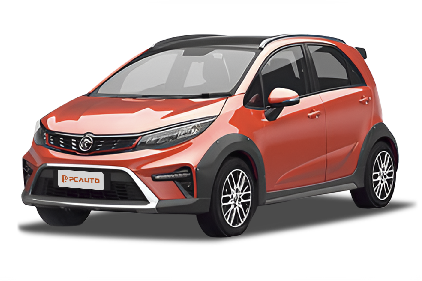
2023 Proton Iriz 1.3 Standard CVT is an affordable, well-balanced entry-level B-segment hatchback with safety features, suitable for budget-conscious families focusing on safety and practicality for daily commuting.
2
Rank in Hatchback

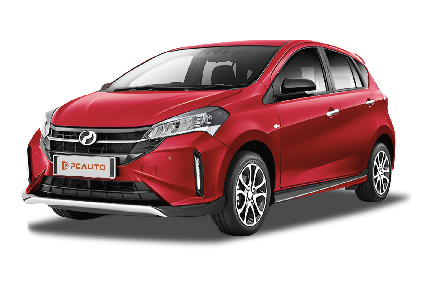
2023 Perodua Myvi 1.3 G with PSDA is an affordable B-segment hatchback, combining practical space, basic features, and PSDA safety assistance, suitable for family commuting.

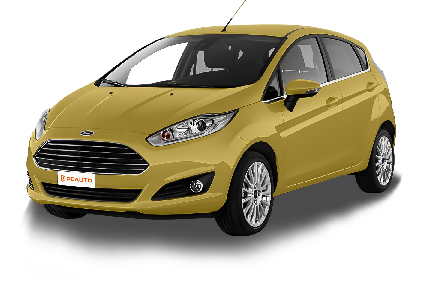
2022 Ford Fiesta public is a B-Segment model with responsive power, economical fuel consumption, and rich safety features, suitable for young families or individual users who prioritize driving experience and safety.
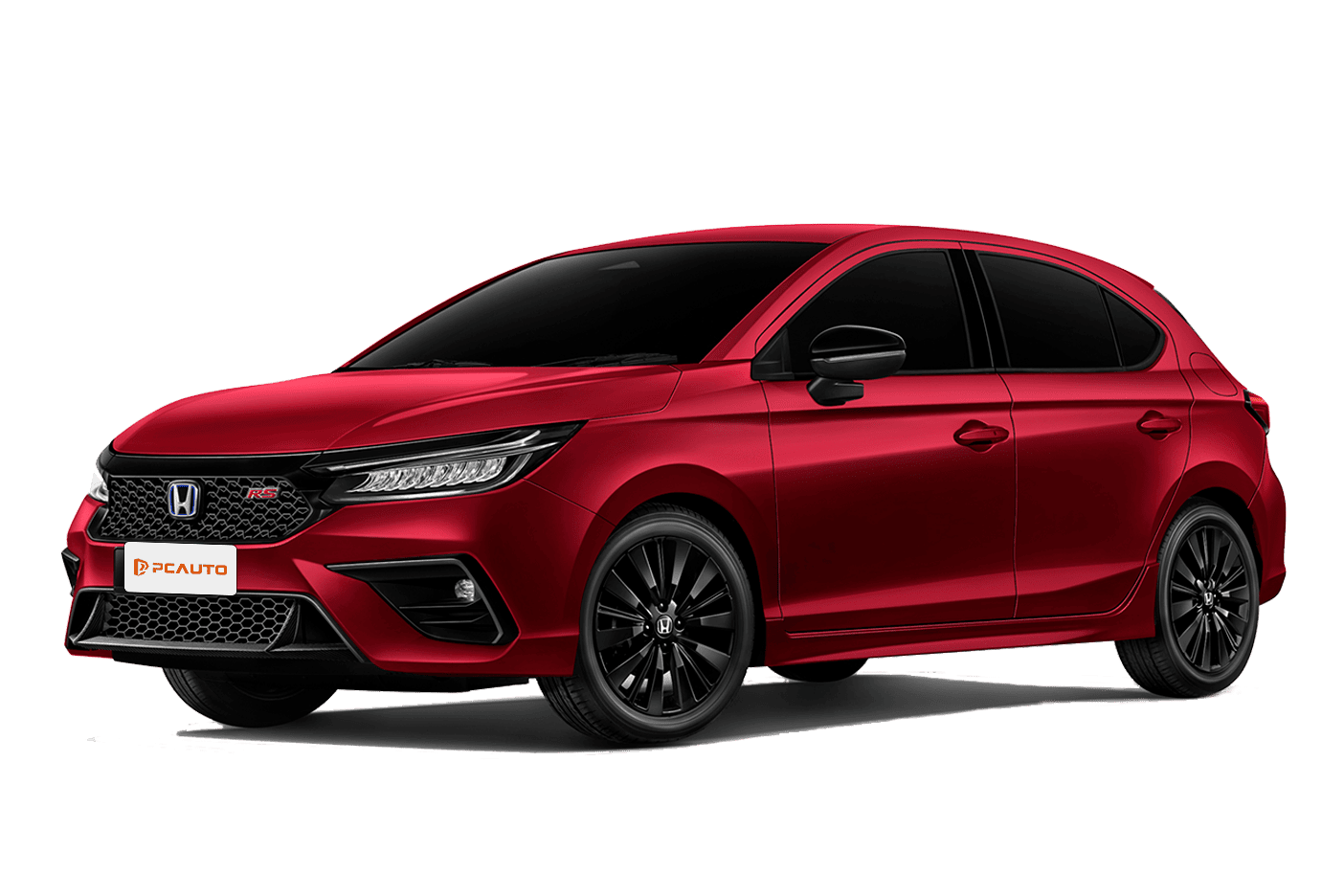
2024 Honda City Hatchback 1.5 S, as a high-value entry-level hatchback, comes standard with Honda Sensing and 6 airbags, offering practical space, economical fuel consumption, and balancing safety with daily commuting needs.