

Mazda 3 Hatchback 2022 Review

 Share
Share/Exterior/001.jpg)
/Exterior/002.jpg)
/Exterior/003.jpg)
/Exterior/004.jpg)
 Segment
 Body Type
 Capacity(L)
 Engine Power(PS)
 Transmission
 Driven Wheels
In Malaysia's C-segment hatchback market, consumers consistently emphasize a balance of design, practicality, and value for money. The 2022 Mazda 3 Hatchback 1.5, as the entry-level version of the series, retains the brand's signature Kodo design and core safety features at a more affordable price while balancing fuel efficiency for daily commuting. This test drive will focus on whether its static performance meets household needs, whether its dynamic driving experience continues Mazda's handling legacy, and its competitiveness in terms of configuration within the same segment to provide prospective buyers with a reference.
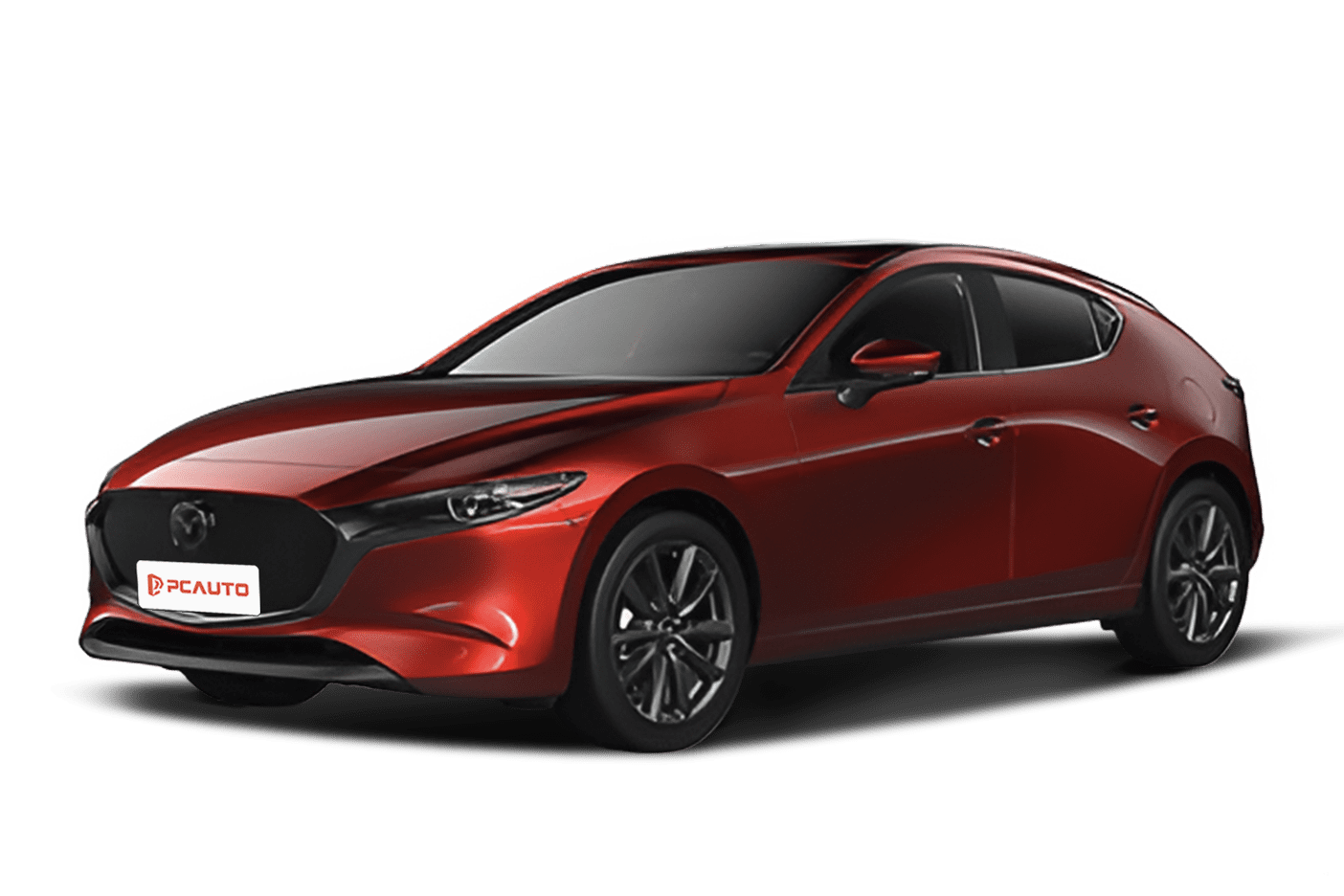
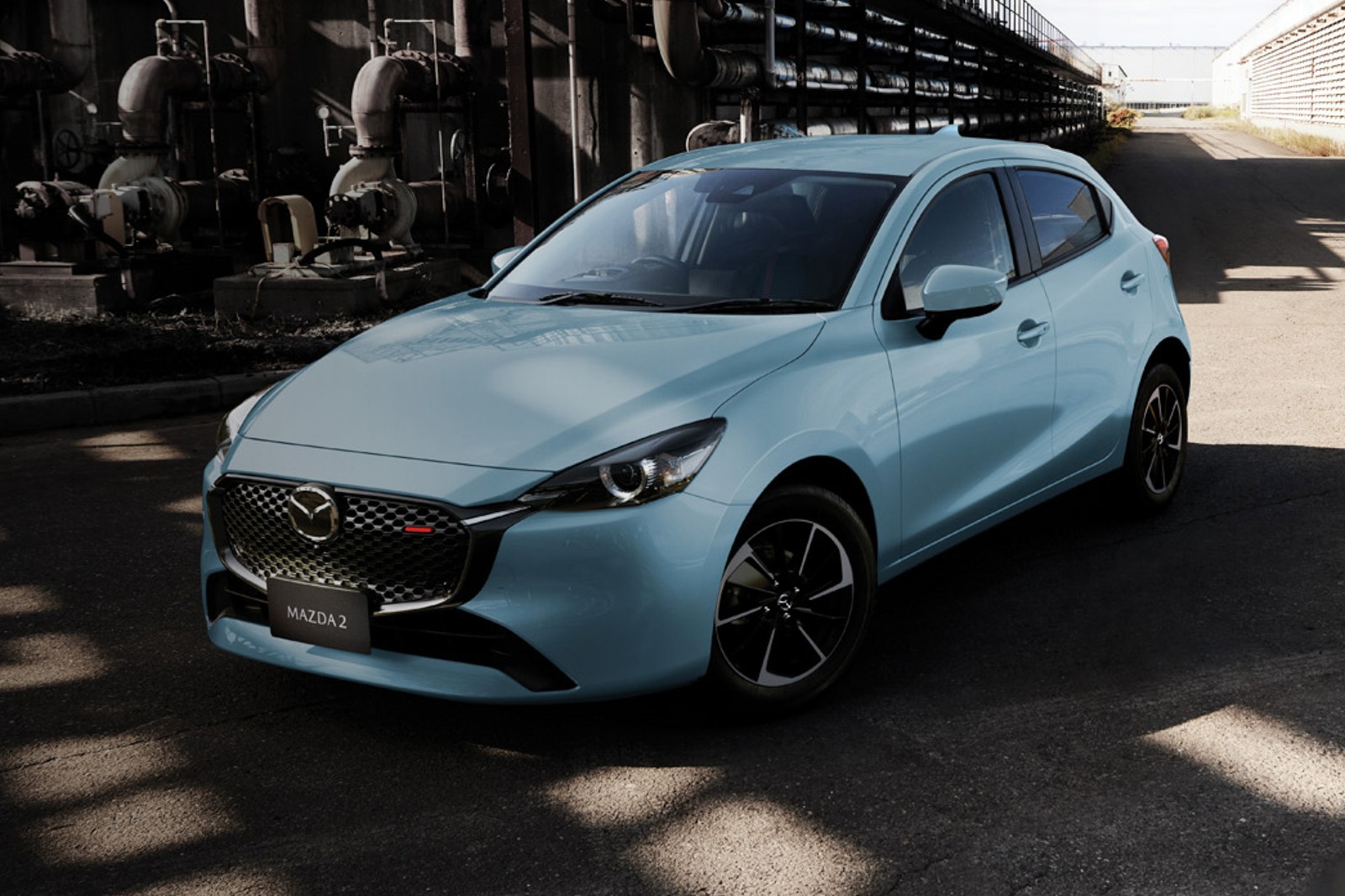
The exterior of the Mazda 3 Hatchback 1.5 continues the family’s Kodo 2.0 design language, with flowing and tense overall lines. The front features a large shield-shaped grille, paired with chrome accents and sharp LED headlights on both sides, giving it a distinctive look. The side of the car creates a sporty feel through the muscular lines of the front and rear wheel arches and the sloping roofline. The 205/60 R16 tires, though less striking than the 18-inch wheels of higher trims, prioritize comfort and durability. The LED taillights on the rear adopt a smoked design, complementing the hatchback profile, while the black trim on the lower rear bumper adds a hint of crossover style. In terms of details, front fog lights and rain-sensing wipers come as standard, meeting everyday usage needs.
Stepping inside, the interior features a dark color scheme with a symmetrical layout for the center console. The materials include extensive use of soft-touch plastics and piano black trim, with the texture being above average in the same class. The combination of a 7-inch fully digital instrument cluster and an 8.8-inch touchscreen infotainment system supports touch operation. The built-in Sound Plus system, paired with 8 speakers, delivers commendable audio quality. For practicality, the HUD head-up display reduces distractions while driving, the front row is equipped with 220V/230V power outlets convenient for external devices, and the rear seats support a 60:40 split-folding design to enhance storage flexibility. However, features such as manual air conditioning for the front row and manually adjustable driver seats seem less impressive compared to the dual-zone automatic air conditioning and electric seats in higher trims.
The vehicle dimensions are 4660mm×1795mm×1435mm, and the wheelbase reaches 2725mm, which is at a mainstream level in the C-segment. The front row offers ample seating space, with a 175cm tall occupant still having a fist’s worth of headroom after adjusting their posture. The rear legroom provides about two fists of space, but headroom may feel constrained for taller passengers due to the sloping roofline. The trunk offers a standard volume of 295L, which can be expanded by folding down the rear seats, making it adequate for luggage needs on short family trips. Additionally, the rear row features air-conditioning vents and ISO FIX child seat anchors, catering to family users.
In terms of power, the 1.5L naturally aspirated engine delivers a maximum output of 120PS (6000rpm) and a peak torque of 153N·m (4000rpm), paired with a 6AT gearbox. During everyday driving, the initial power delivery is smooth, and acceleration responds linearly, making it suitable for urban commuting. When the throttle is pressed deeply to 4000rpm, the torque release offers a slight push-back sensation, though overtaking requires planning for throttle reserve. The transmission's shift logic is clear, with appropriate timing for gear changes. In manual mode, paddle shifters on the steering wheel allow for quick shifting, adding driving fun. The official combined fuel consumption is 5.9L/100km. During the actual test drive, city road fuel consumption was about 6.5L/100km, while highway consumption dropped to 5.2L/100km, showcasing excellent fuel economy.
The handling and chassis tuning continue Mazda's sporty genes. The combination of front MacPherson independent suspension and rear multi-link independent suspension effectively filters small vibrations on city bumpy roads, maintaining the stability of the vehicle body. During cornering, the steering is precise, and body roll is well-controlled, giving the driver enough confidence. The braking system adopts ventilated disc brakes both front and rear, with a moderate brake pedal travel and linear brake force output. The vehicle remains stable during emergency braking. However, at high speeds, tire noise and wind noise are slightly noticeable, affecting comfort to some extent.
Compared to models in the same class, such as the Toyota Corolla Hatchback 1.8 and Honda Civic Hatchback 1.5T, the Mazda 3 Hatchback 1.5 offers better design quality and handling. Safety features such as 7 airbags and HUD head-up display are relatively comprehensive. Its price is approximately 18,000 MYR lower than the high-end versions of its competitors, making it highly cost-effective. However, its power parameters and some comfort features lag behind competitor turbocharged models.
In conclusion, the 2022 Mazda 3 Hatchback 1.5 is a model that balances design, handling, and practicality, making it suitable for young family users who value fuel economy and driving pleasure. Its core strengths lie in the distinctive KODO design, stable handling performance, and affordable pricing. Its drawbacks include limited power reserves and slightly inadequate comfort features. If you are pursuing a well-balanced product and your budget is around 140,000 MYR, this car is worth considering on your list.
Mazda 3 Hatchback Car Compare
Mazda 3 Hatchback Loan Calculator
More Mazda Reviews
Cars With Similar Price And Features
6
Rank in Hatchback
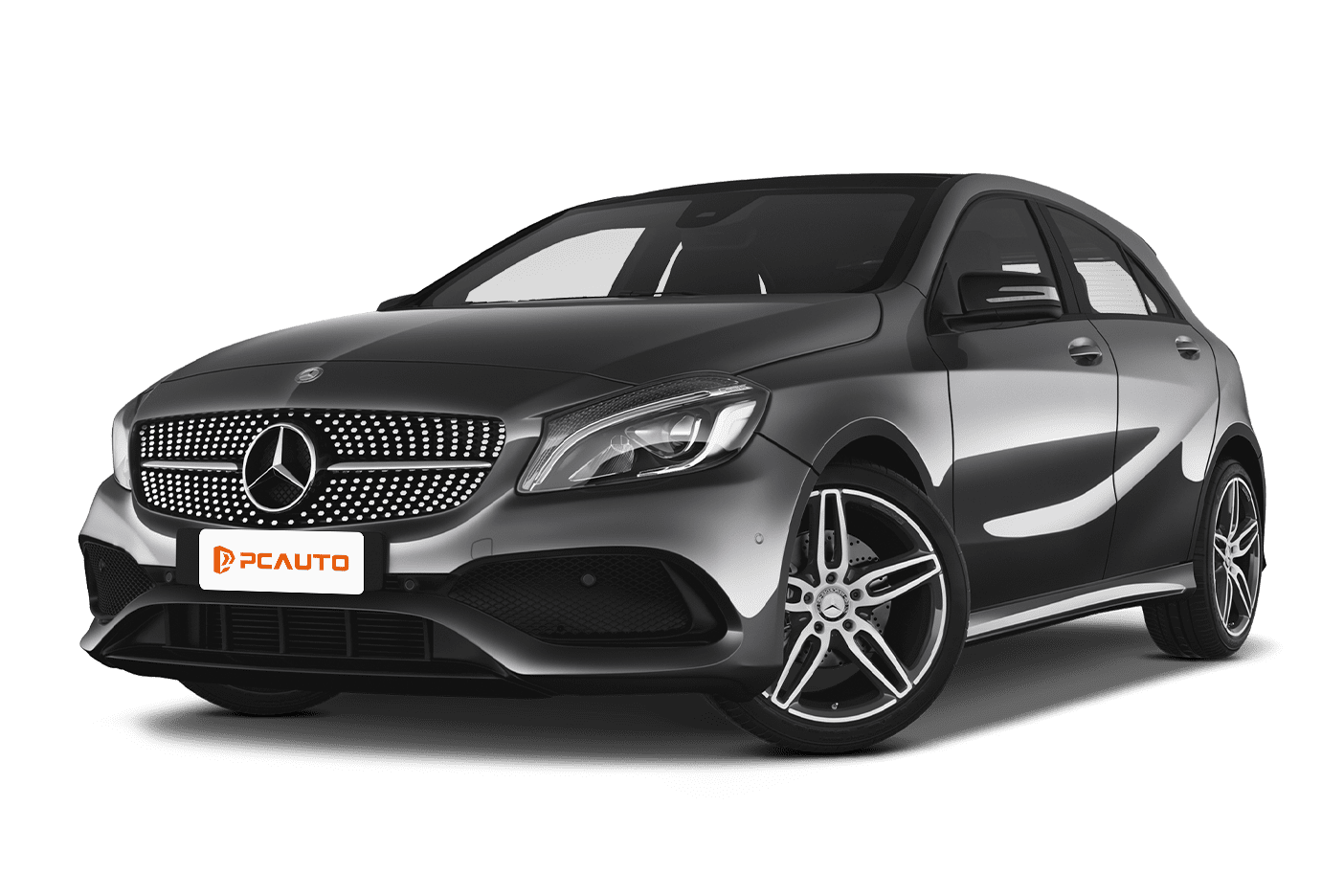
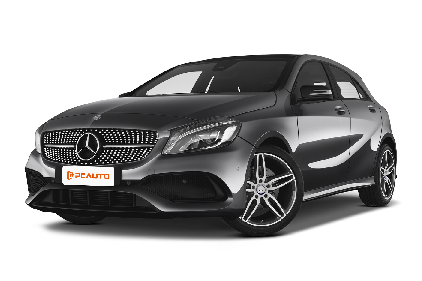
2018 Mercedes-Benz A-Class A200 Progressive Line offers luxurious features such as dual screens at an entry-level price, balanced space, and smooth power, making it a textured choice favored by young families and professionals.

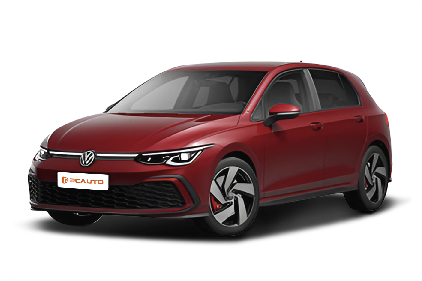
2024 Volkswagen Golf GTI Edition 50, as the anniversary model of the classic performance hatchback, features an upgraded Harman Kardon sound system, a fully digital instrument cluster, and a powerful 2.0T engine, combining driving pleasure with family practicality.
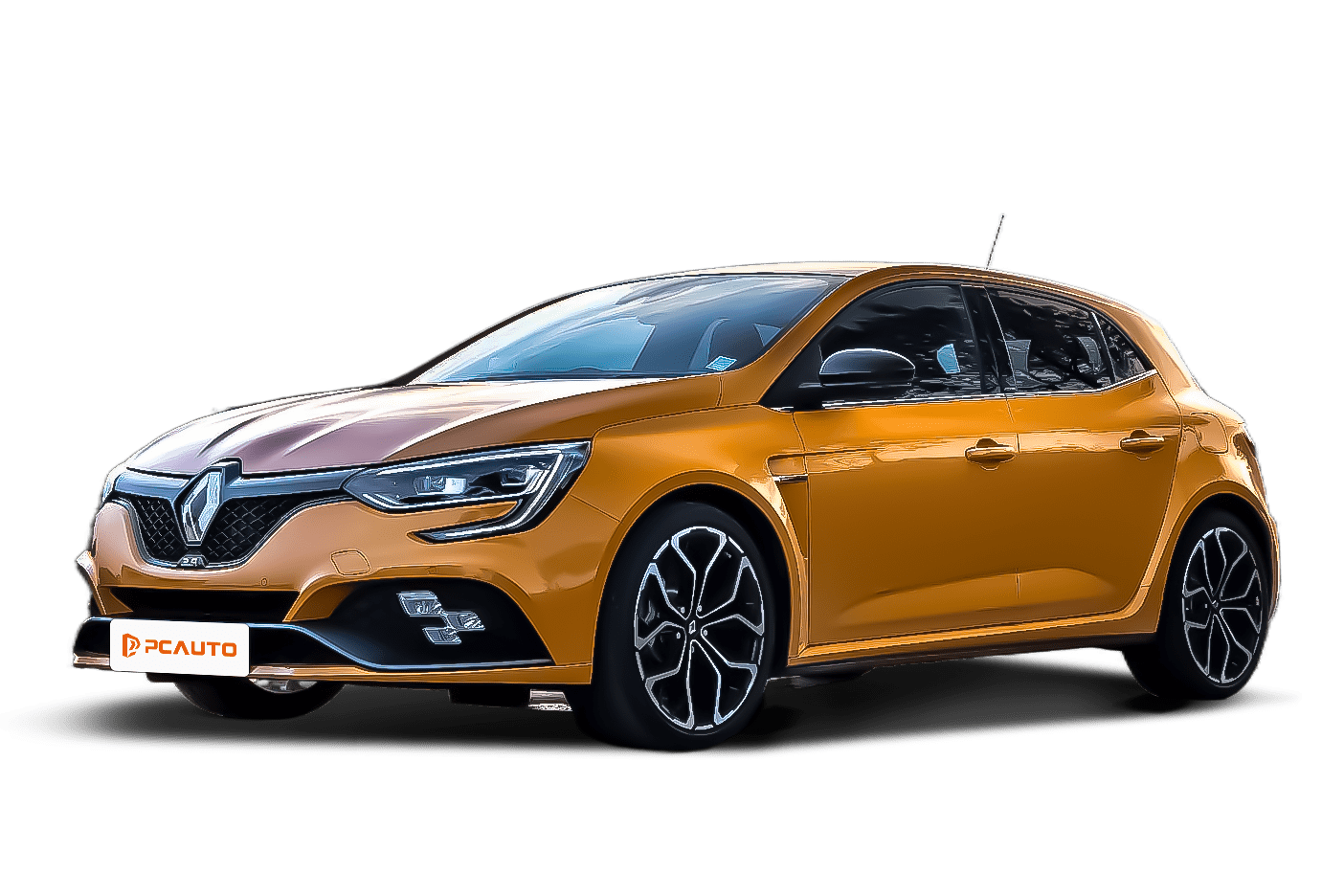
2019 Renault Megane RS 280 Cup MT is a C-segment performance hatchback equipped with a 280PS 1.8T engine + 6-speed manual transmission, featuring high handling limits and designed for enthusiasts seeking pure driving pleasure.