

Mazda 3 Hatchback 2023 Review

 Share
Share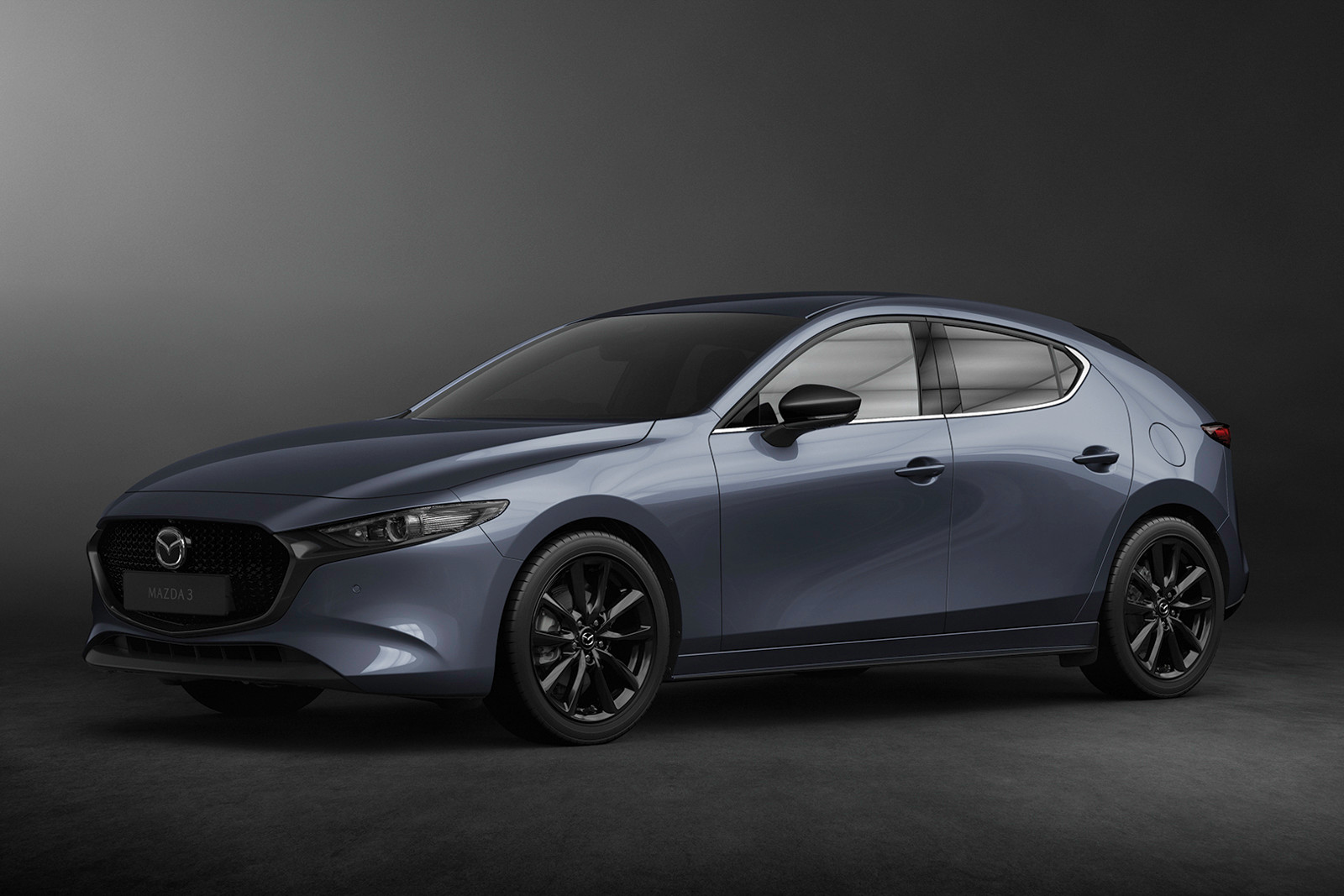
 Body Type
 Capacity(L)
 Engine Power(PS)
 Transmission
 Driven Wheels
 Segment
The compact hatchback market in Malaysia has always been the main battleground for joint-venture brands. Consumers value both refined design and specific requirements regarding features and driving quality. The 2023 Mazda 3 Hatchback 2.0 High Plus Liftback, as a popular option in this segment, aims to capture attention with improved safety features and comfort functions. Our main objective in this test drive is to verify whether it can meet the dual needs of practicality and driving experience for both family users and young consumers, beyond its "good looks".
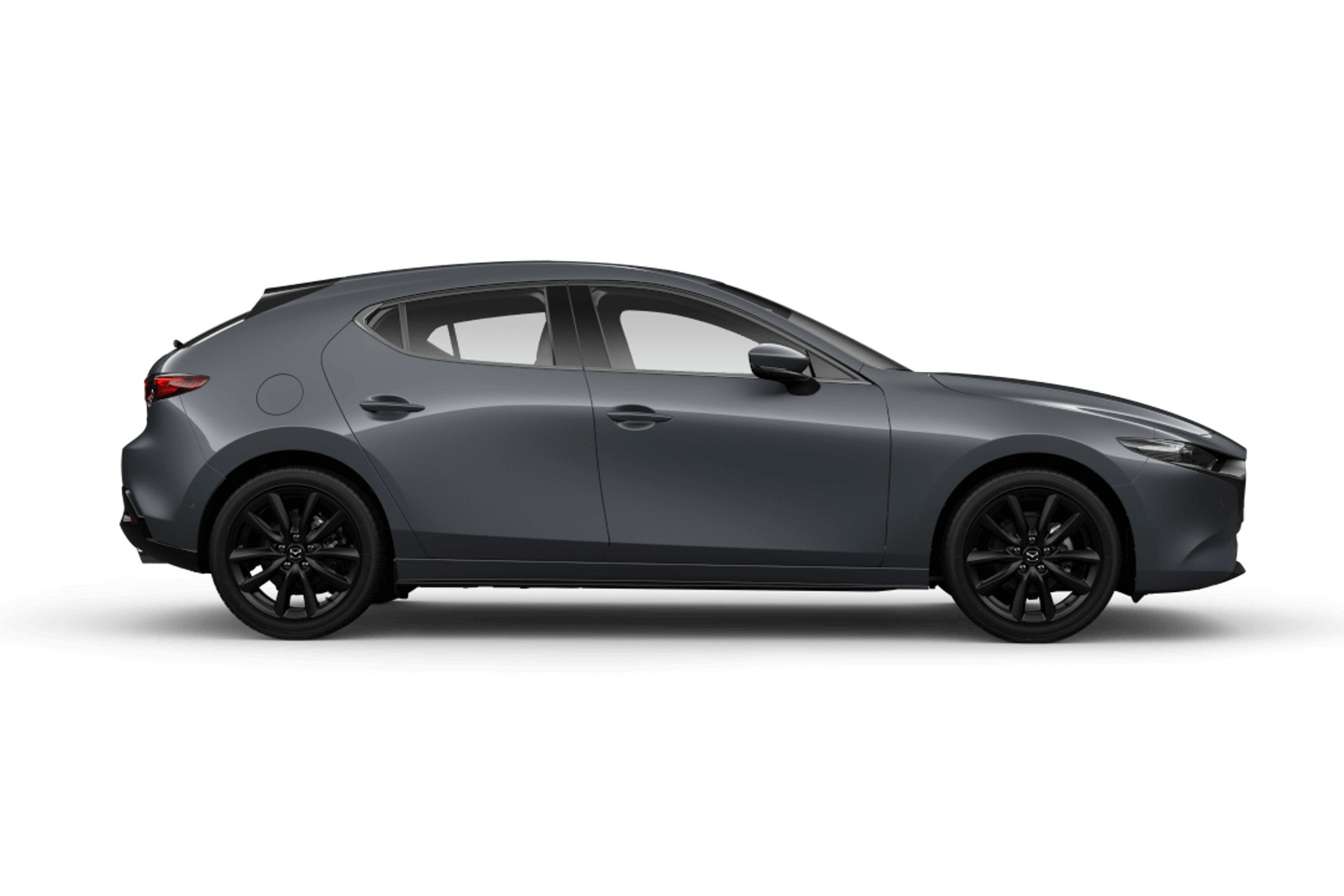
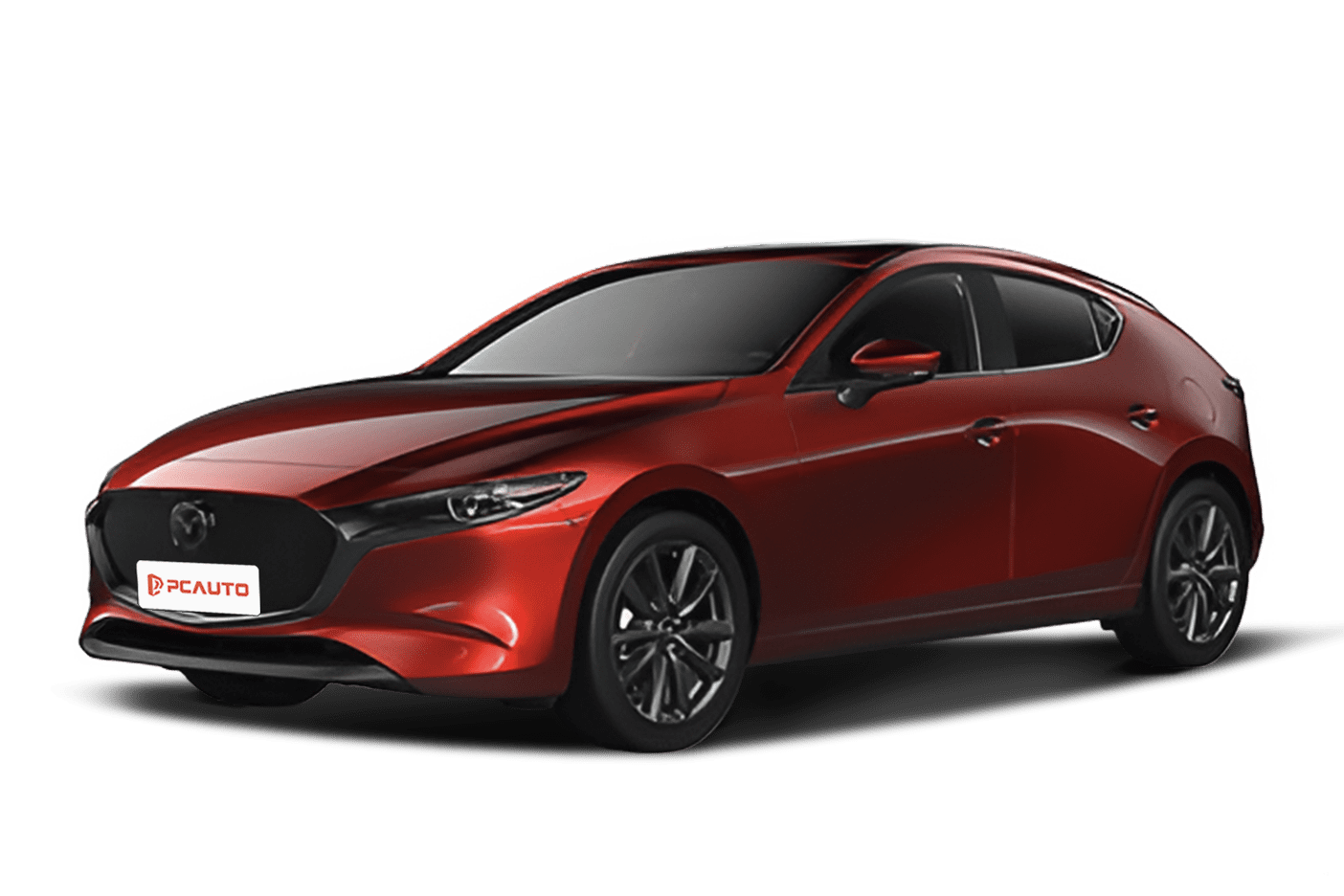
From a distance, the distinctive "Kodo" design style of this Mazda 3 Hatchback stands out. Its smooth body lines extend from the hood to the rear without unnecessary edges yet exuding a sporty vibe. The front features a shield-shaped grille with chrome accents, connecting the LED headlights on both sides, providing high visual recognition. The black plastic surrounds in the fog lamp area of the lower front bumper add a touch of ruggedness. The side profile showcases a body line running from the front fender to the taillights. The 18-inch wheel design is clean and matches the overall style of the car. At the rear, the LED taillights have a smoked finish, displaying a signature dual-ring design when lit. The diffuser-like styling of the lower rear bumper and the hidden exhaust layout maintain a cohesive simplicity.
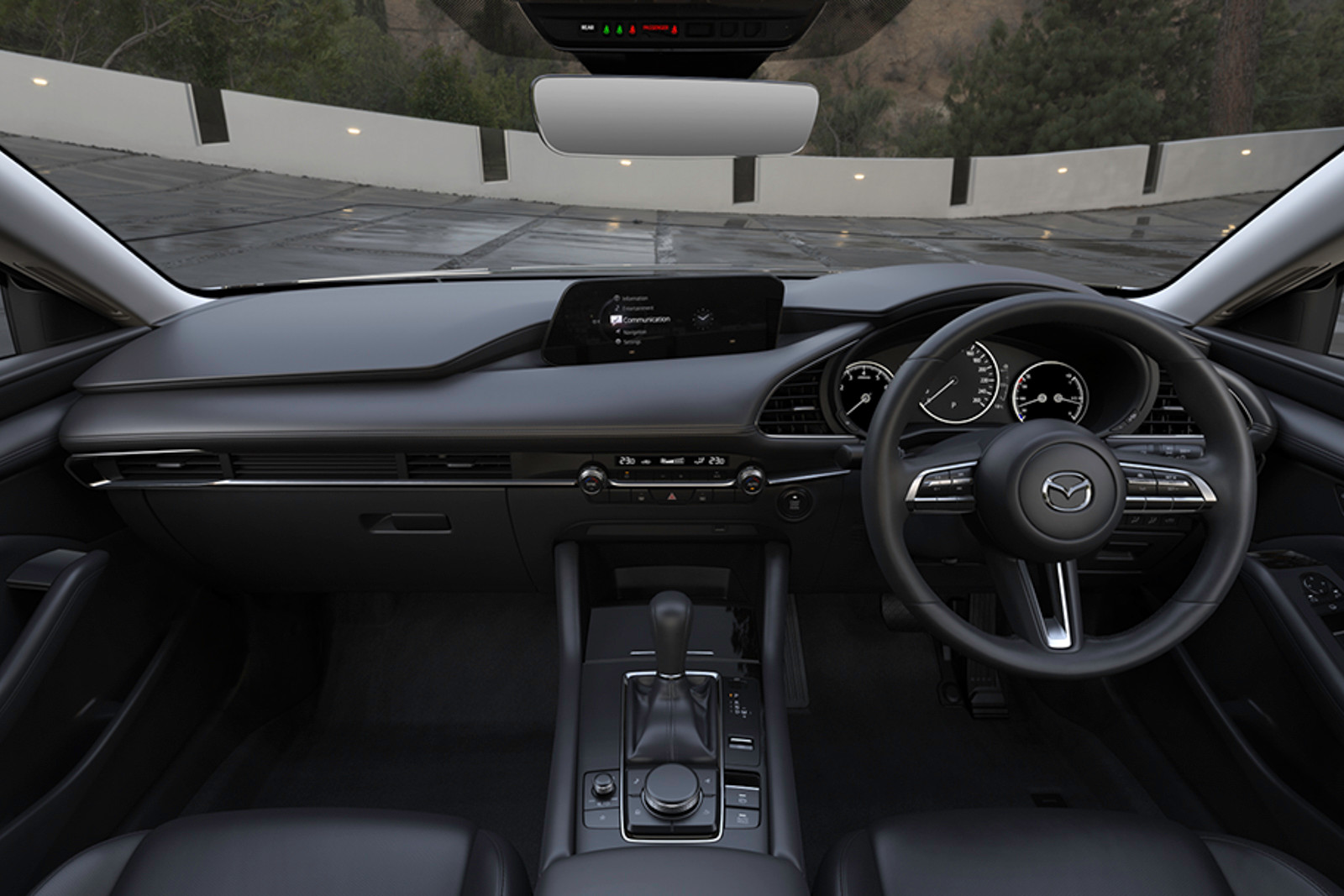
Stepping inside, the interior materials and layout make a positive first impression. The dashboard is wrapped in soft materials and accented with silver trims, offering a premium feel that ranks above average within its class. The driver’s seat is 10-way electrically adjustable with a memory function, featuring evenly balanced resistance during adjustments, making it easy to find a comfortable seating position quickly. The front passenger seat is manually adjustable but equally well-cushioned for long-term comfort. The 8.8-inch central touchscreen may not be the largest in size, but it offers clear visuals and is more convenient for blind operation during driving thanks to the use of knobs and buttons instead of relying entirely on touch controls. The HUD (Head-Up Display) system displays speed, navigation, and other information, reducing the need to glance down at the dashboard. The 7-inch fully digital instrument cluster is designed simply, making vehicle data immediately visible. For rear space, the 2725mm wheelbase provides a significant advantage. A 175cm passenger can sit comfortably in the rear with about two-fists worth of legroom and adequate headroom. The center floor area is not highly raised, making it acceptable to accommodate a third person temporarily. The trunk offers a volume of 295L, which can easily fit two carry-on suitcases. Folding down the rear seats further expands the space, meeting the need for transporting luggage.
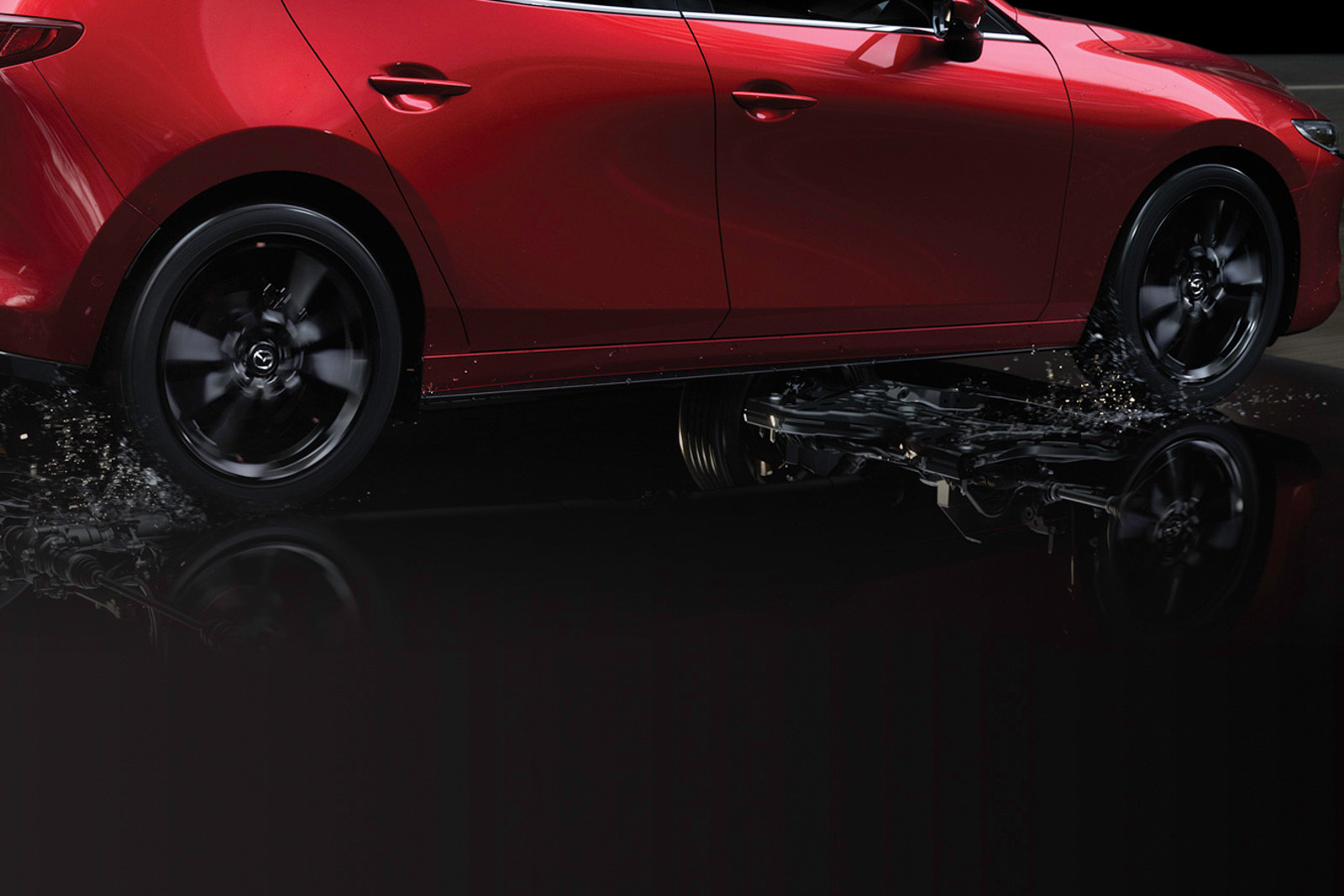
Starting the vehicle, the operation of the 2.0L naturally aspirated engine is very quiet, with almost no noise at idle. When shifted to D gear and the accelerator is pressed, the throttle response is very linear at the start without the abruptness of turbocharged vehicles. When the revs climb to 4,000 rpm, the 162PS of power and 213N·m of torque provide a noticeable acceleration. Pressing the accelerator for overtaking results in crisp gear shifts, with the 6-speed automatic transmission exhibiting clear logic and fast downshifts, delivering a smooth overall experience. The steering wheel offers a heavier feel with precise directional control. While cornering, the path of the wheels can be clearly felt. The combination of the MacPherson front suspension and multi-link rear suspension effectively filters out most minor bumps when passing over speed bumps or uneven roads, with minimal body sway. During high-speed cornering, the suspensions provide sufficient support, keeping body roll within a reasonable range, ensuring passenger comfort.
We drove 50km each on city roads and highways, with an average fuel consumption of approximately 6.5L/100km, slightly higher than the official 6.3L. However, considering the heavy traffic in urban areas, this result is quite good. In terms of braking, the pedal feel is linear, braking force is responsive, and the car remains stable without veering during emergency braking. Noise control is excellent; at 110km/h on the highway, wind noise and tire noise are barely noticeable, and conversation doesn’t require raising your voice intentionally. The seats offer good support and lumbar support is well in place, ensuring that long drives don’t cause back pain.
The core advantages of this Mazda 3 Hatchback 2.0 High Plus Liftback are clear: the aesthetic appeal of the KODO design, class-leading interior quality, comprehensive safety features (7 airbags, active braking, lane-keeping assist, etc.), and a linear, smooth driving experience. Compared to the Toyota Corolla Hatchback in the same price range, it delivers a more prominent sense of handling; compared to the Honda Civic Hatchback, it excels in interior materials and comfort features.
In summary, this car suits two types of users: first, those looking for practicality for family use, with sufficient space, complete safety features, and economical fuel consumption; second, young buyers who value driving dynamics and design appeal, as the KODO design and precise handling cater to their needs. If you’re looking for a “stylish, fun to drive, and practical” compact hatchback, the 2023 Mazda 3 Hatchback 2.0 High Plus Liftback is worth considering.
Mazda 3 Hatchback Car Compare
Mazda 3 Hatchback Loan Calculator
More Mazda Reviews
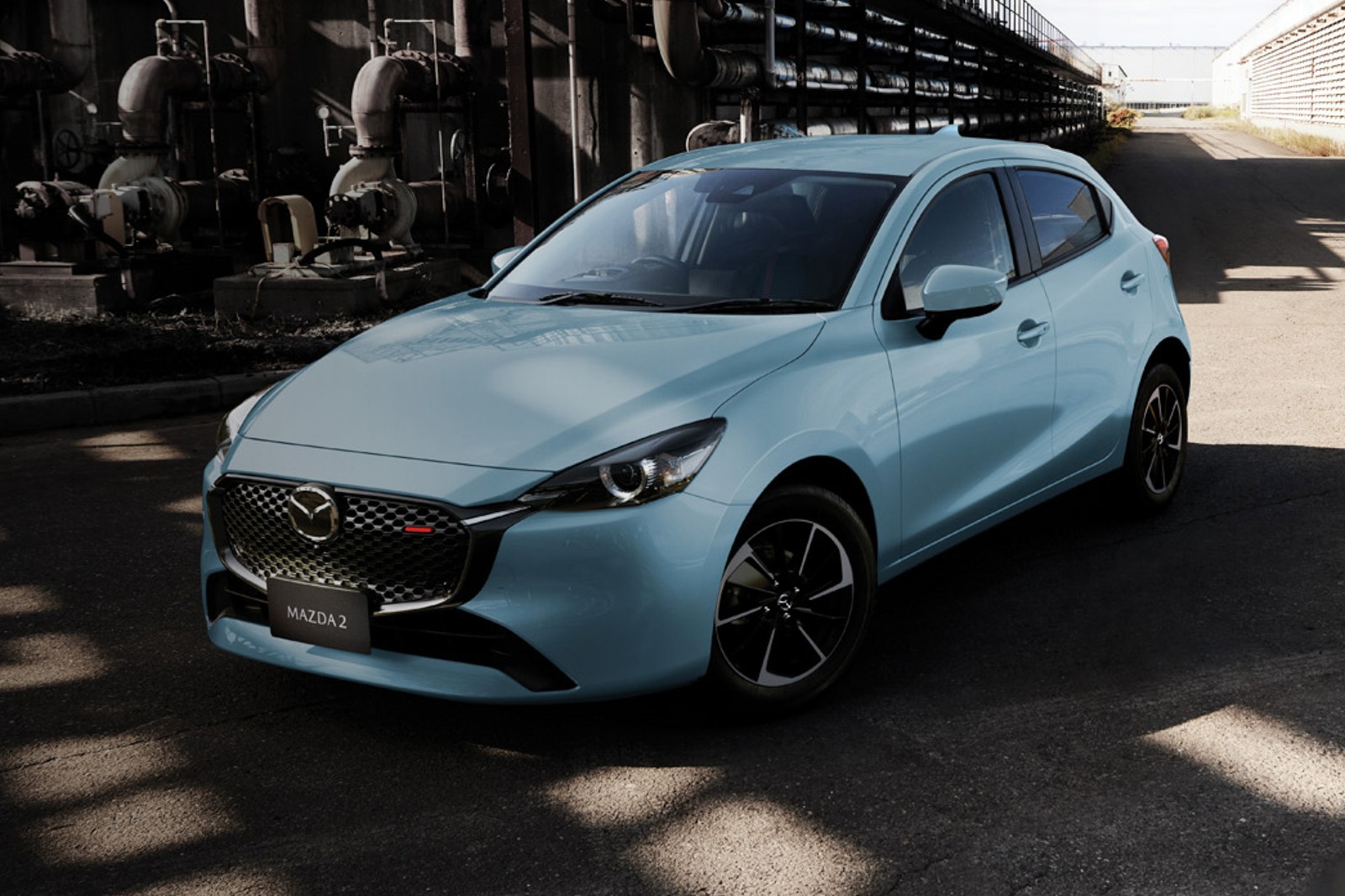
Cars With Similar Price And Features
6
Rank in Hatchback
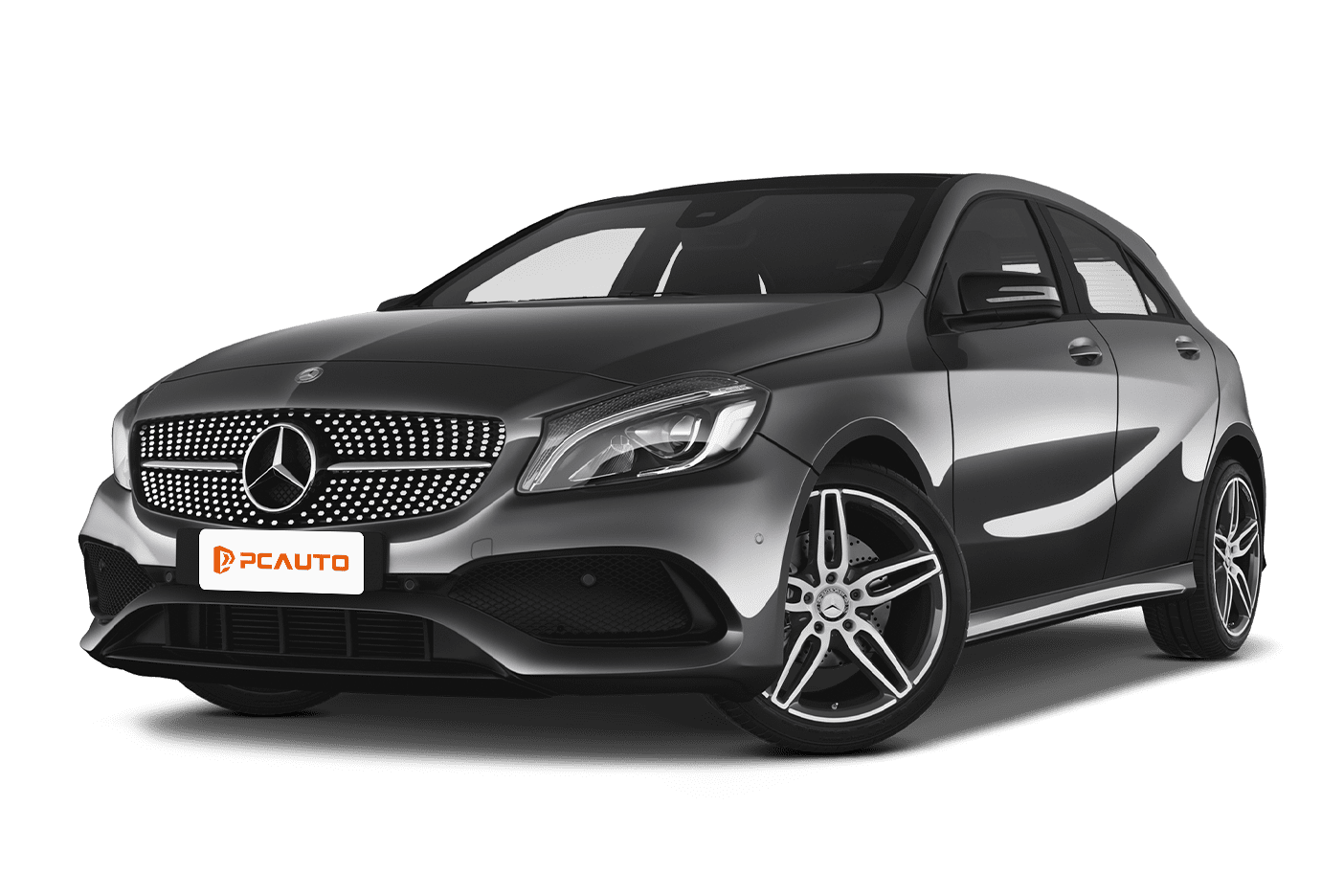
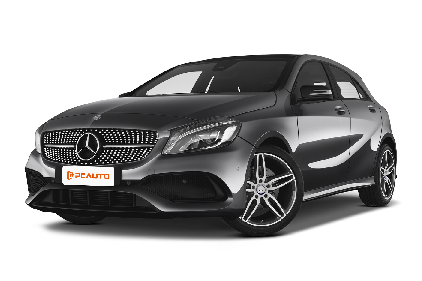
2018 Mercedes-Benz A-Class A200 Progressive Line offers luxurious features such as dual screens at an entry-level price, balanced space, and smooth power, making it a textured choice favored by young families and professionals.

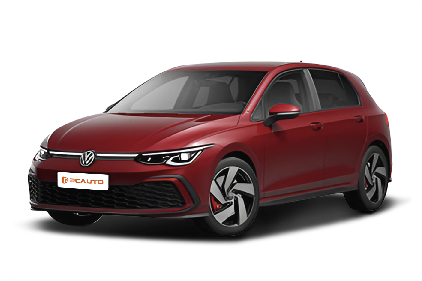
2024 Volkswagen Golf GTI Edition 50, as the anniversary model of the classic performance hatchback, features an upgraded Harman Kardon sound system, a fully digital instrument cluster, and a powerful 2.0T engine, combining driving pleasure with family practicality.
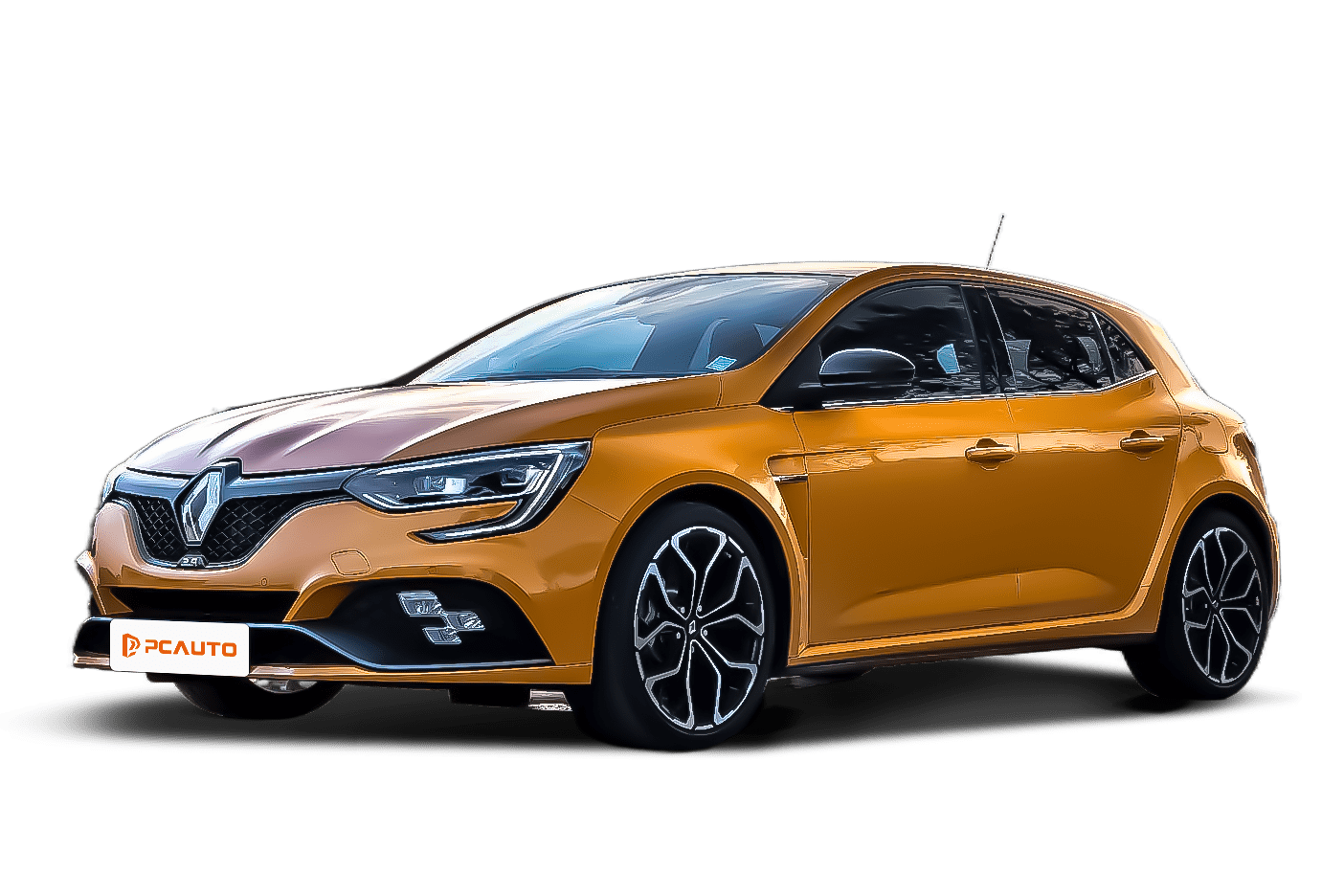
2019 Renault Megane RS 280 Cup MT is a C-segment performance hatchback equipped with a 280PS 1.8T engine + 6-speed manual transmission, featuring high handling limits and designed for enthusiasts seeking pure driving pleasure.