

2023 Mazda 3 Hatchback 2.0 High Plus Liftback Review

 Share
Share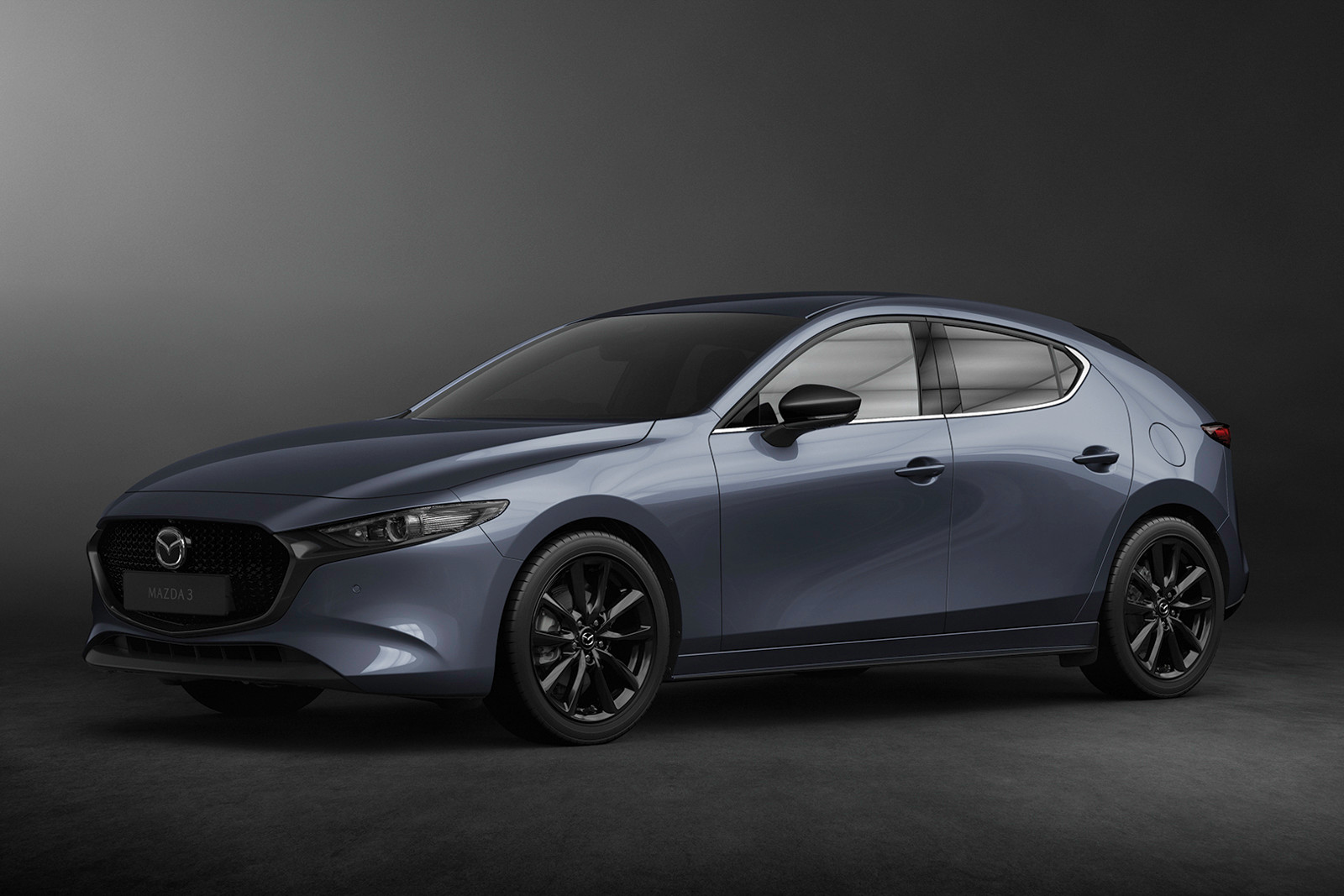
 Body Type
 Capacity(L)
 Engine Power(PS)
 Transmission
 Driven Wheels
 Segment
In recent years, the competition in Malaysia's compact hatchback market has become increasingly fierce. Consumers not only seek unique designs but also value a balance between features and driving quality. As Mazda's flagship model in this segment, the Mazda 3 Hatchback 2.0 High Plus Liftback has consistently attracted attention with its Kodo design language, comprehensive active and passive safety features, and a well-tuned powertrain system. In this test drive, we will focus on evaluating whether its static experience meets the luxurious positioning, whether its dynamic performance continues Mazda’s handling advantages, and whether its practicality can satisfy family needs for daily use.
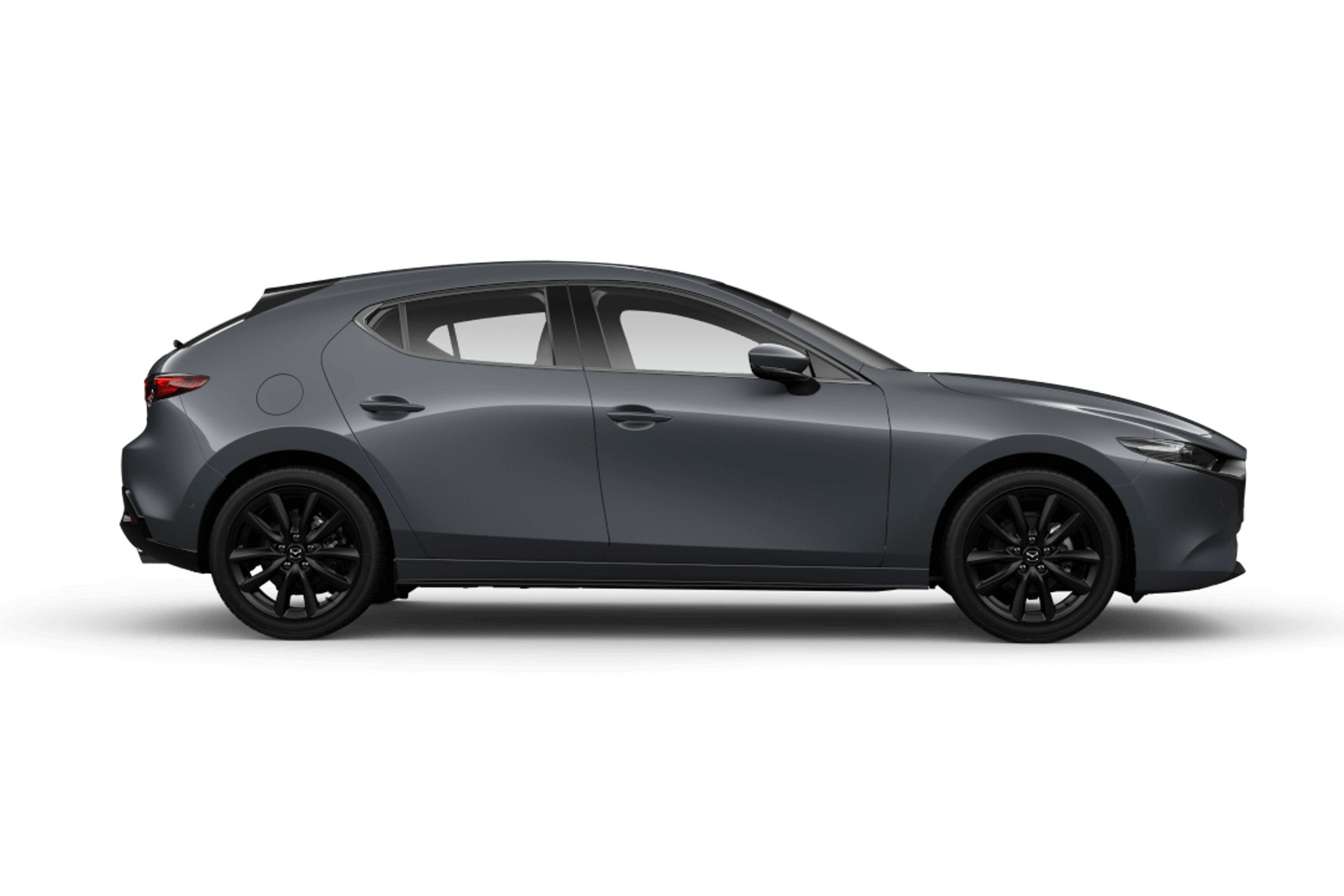
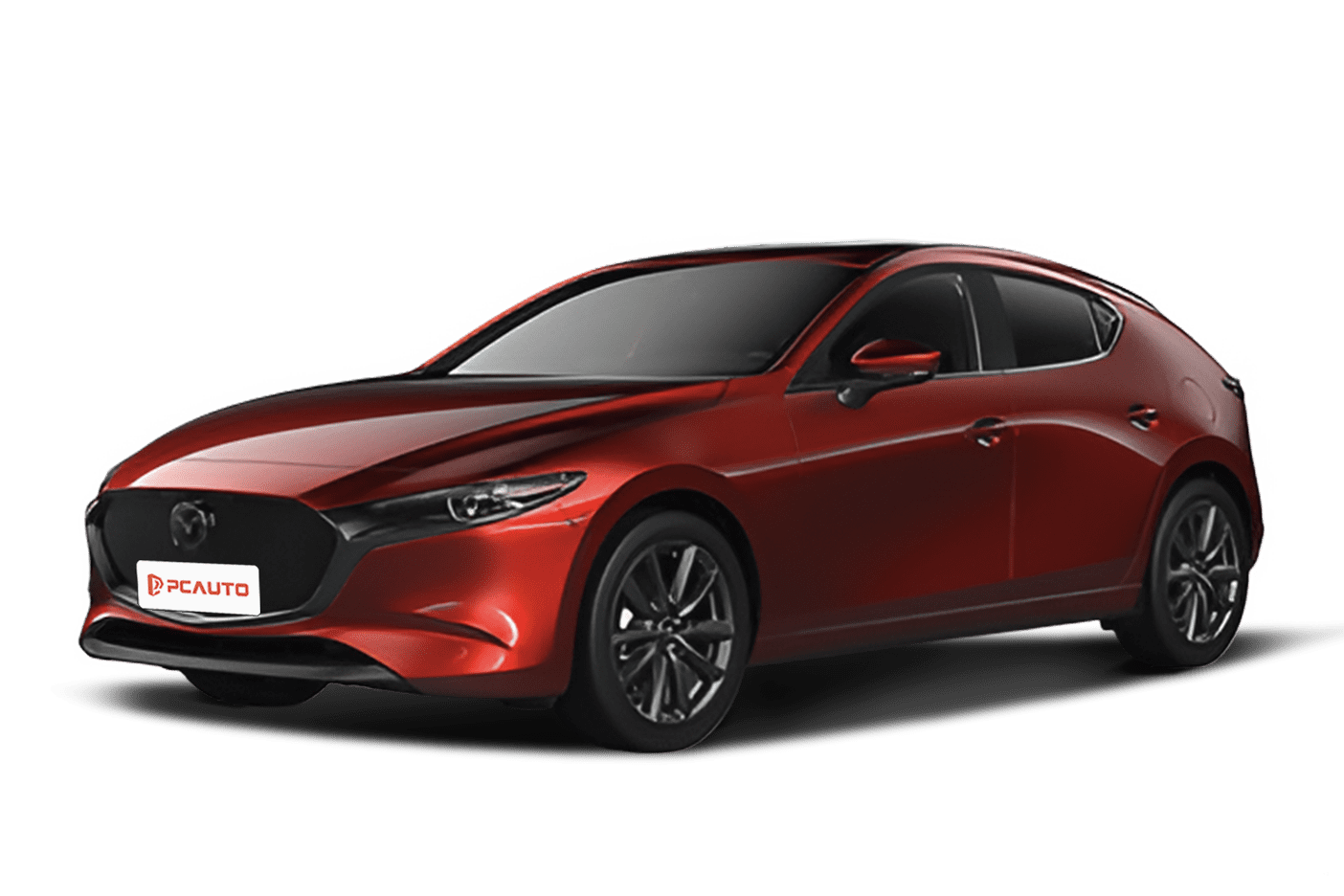
In terms of exterior design, this car continues Mazda’s iconic Kodo design, with fluid yet dynamic lines overall. The front features a large shield-shaped grille adorned with a glossy black honeycomb mesh and chrome trim, giving it high recognizability. The sharp LED headlights on both sides are connected to the chrome strip along the top edge of the grille, visually broadening the front. The side profile adopts a coupe-like sloping design, with a waistline running from the fender to the rear, complemented by 18-inch multi-spoke aluminum alloy wheels, enhancing its sporty vibe. At the rear, the LED taillights on both sides are connected by a thin chrome strip, which echoes the front design. The hidden exhaust layout below is simple, and the rear bumper includes black scratch-resistant trim, adding a touch of crossover style. As for the lighting system, LED headlights, daytime running lights, and front and rear fog lights all come as standard. The automatic headlight function quickly lights up when entering tunnels or dim environments, offering practicality.
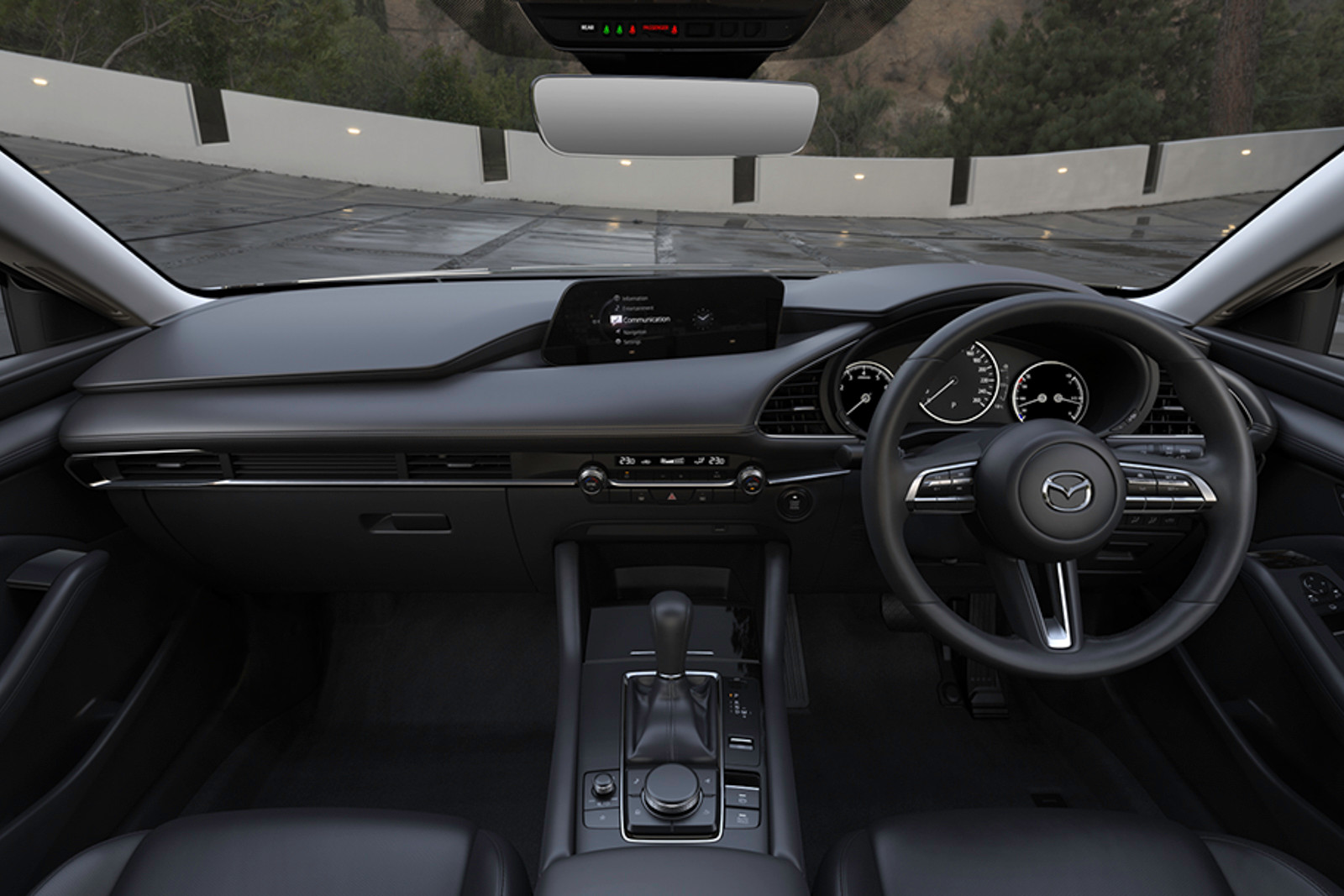
Sitting inside, the interior adopts Mazda’s family-style symmetrical layout, with the central control panel slightly inclined toward the driver for convenient operation. In terms of materials, the upper center console and inner door panels are wrapped in soft leather, paired with silver trims and piano black panels, delivering a texture that matches its price positioning. The central display measures 8.8 inches and features a floating design with touch functionality. However, during driving, it’s safer to operate it via the central knob and physical buttons. Regarding core features, the HUD head-up display clearly shows speed, navigation, and other information, reducing the driver’s need to look down. The 7-inch fully digital instrument cluster provides rich information and allows switching between different themes. For seating, the driver’s seat features 10-way electric adjustment and memory function, making it easy to find a comfortable position. The front passenger seat has manual adjustment, and the rear seats support a 60:40 split-folding design, which enhances trunk expandability.
In terms of space, the car’s dimensions are 4460mm×1795mm×1435mm, with a wheelbase of 2725mm, placing it in the upper-medium range among class competitors. The front-row seating space is generous, with a 175cm tall occupant able to maintain a comfortable sitting posture and still have a fist's worth of headroom. In the rear, the same height person enjoys about two fists of legroom, though headroom is slightly tight at around three fingers’ width. However, it still meets everyday family usage needs. Regarding storage capacity, the door pockets, center armrest console, and front cup holders are all reasonably designed for placing phones, water bottles, and other items. The trunk capacity is 295 liters, but folding the rear seats allows for greater space, accommodating items like strollers or suitcases. Additionally, the rear is equipped with independent air conditioning vents and a 220V/230V power outlet, enhancing the comfort and convenience for rear passengers.
In terms of powertrain, it is equipped with a 2.0L naturally aspirated engine, with a maximum power of 162PS/6000rpm and a maximum torque of 213N·m/4000rpm, paired with a 6-speed automatic transmission. During actual driving, the power response in the initial phase is lively, and a light press on the accelerator provides a good sense of acceleration. While mid-to-high-end acceleration isn't as strong as a turbocharged engine, the power delivery is smooth enough to meet daily commuting and highway overtaking needs. The transmission has a clear shift logic and relatively fast upshifting and downshifting speeds. When paired with the paddle shifters on the steering wheel, it brings a certain level of driving pleasure. Regarding driving modes, there are three options: Standard, Eco, and Sport. Switching to Sport mode makes the throttle response more sensitive, and the transmission delays shifts to maintain high engine speed, enhancing power performance.
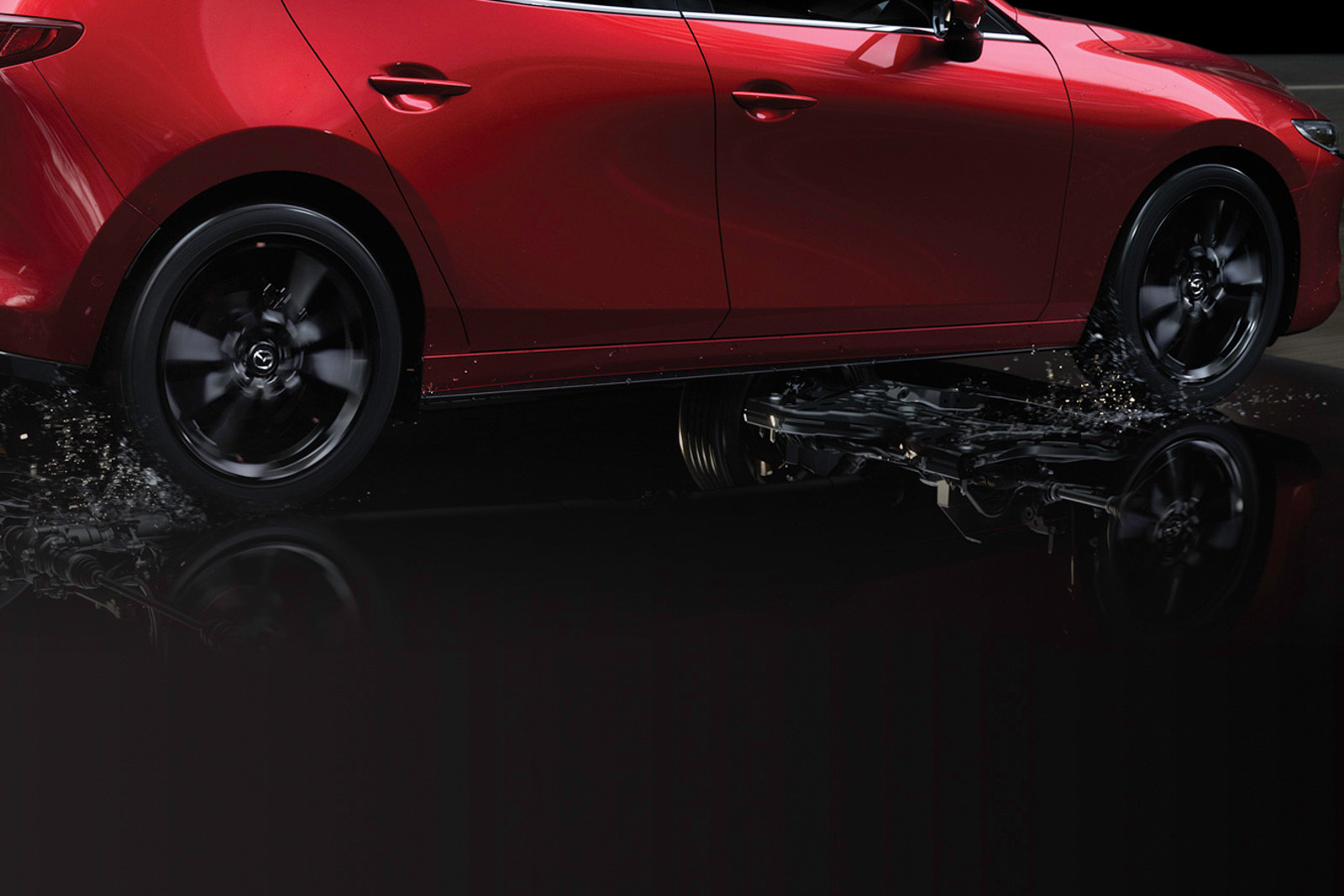
In terms of handling and chassis performance, the front suspension is a MacPherson independent suspension, and the rear suspension is a multi-link independent suspension (although not explicitly marked in the configuration list, it is actually a multi-link setup tuned by Mazda). The steering wheel offers precise control, a small dead zone, and moderate feedback strength, providing a strong sense of control. The suspension system is tuned towards sportiness, offering sufficient support when cornering, with minimal body roll. However, on bumpy roads, vibration filtering is not thorough enough, and some minor tremors are transmitted into the cabin. The chassis as a whole feels solid and provides strong stability during high-speed driving, giving a sturdy sense of ride.
In terms of performance testing, we conducted fuel consumption measurements. In urban road conditions, fuel consumption is approximately 7.5L per 100km; on highways, it is about 5.8L per 100km; under mixed conditions, it is around 6.5L per 100km, which is basically consistent with the official figure of 6.3L/100km. The fuel economy performance is quite good. Regarding braking performance, the brake pedal feels linear, and the braking distance is relatively short, inspiring strong confidence in the driver.
As for driving comfort, the seats provide good wrap-around support, making long periods of sitting less tiring; however, the rear seats have slightly firm padding, which might cause some discomfort during long-distance trips. In terms of noise control, the cabin remains relatively quiet at low speeds, though there is some wind and tire noise at highway speeds, but still within an acceptable range. Moreover, the engine start-stop system helps effectively reduce fuel consumption when waiting at red lights, while the hill-start assist feature prevents rollback when starting on slopes, enhancing driving convenience.
Overall, the core highlights of the Mazda 3 Hatchback 2.0 High Plus Liftback lie in its KODO design exterior, high-quality interior, comprehensive safety features, and smooth powertrain. Compared to similar models in its class, such as the Toyota Corolla Hatchback and Honda Civic Hatchback, it has advantages in terms of design and handling and offers richer configurations, though its rear-seat space and fuel economy slightly lag behind the Corolla Hatchback. To sum up, this car is suitable for young family users who value design, driving quality, and safety features. It satisfies the needs of both daily commuting and weekend travel. If you're looking for a distinctive, well-handling, and well-equipped compact hatchback, the Mazda 3 Hatchback 2.0 High Plus Liftback is worth considering.
Mazda 3 Hatchback Car Compare
Mazda 3 Hatchback Loan Calculator
More Mazda Reviews
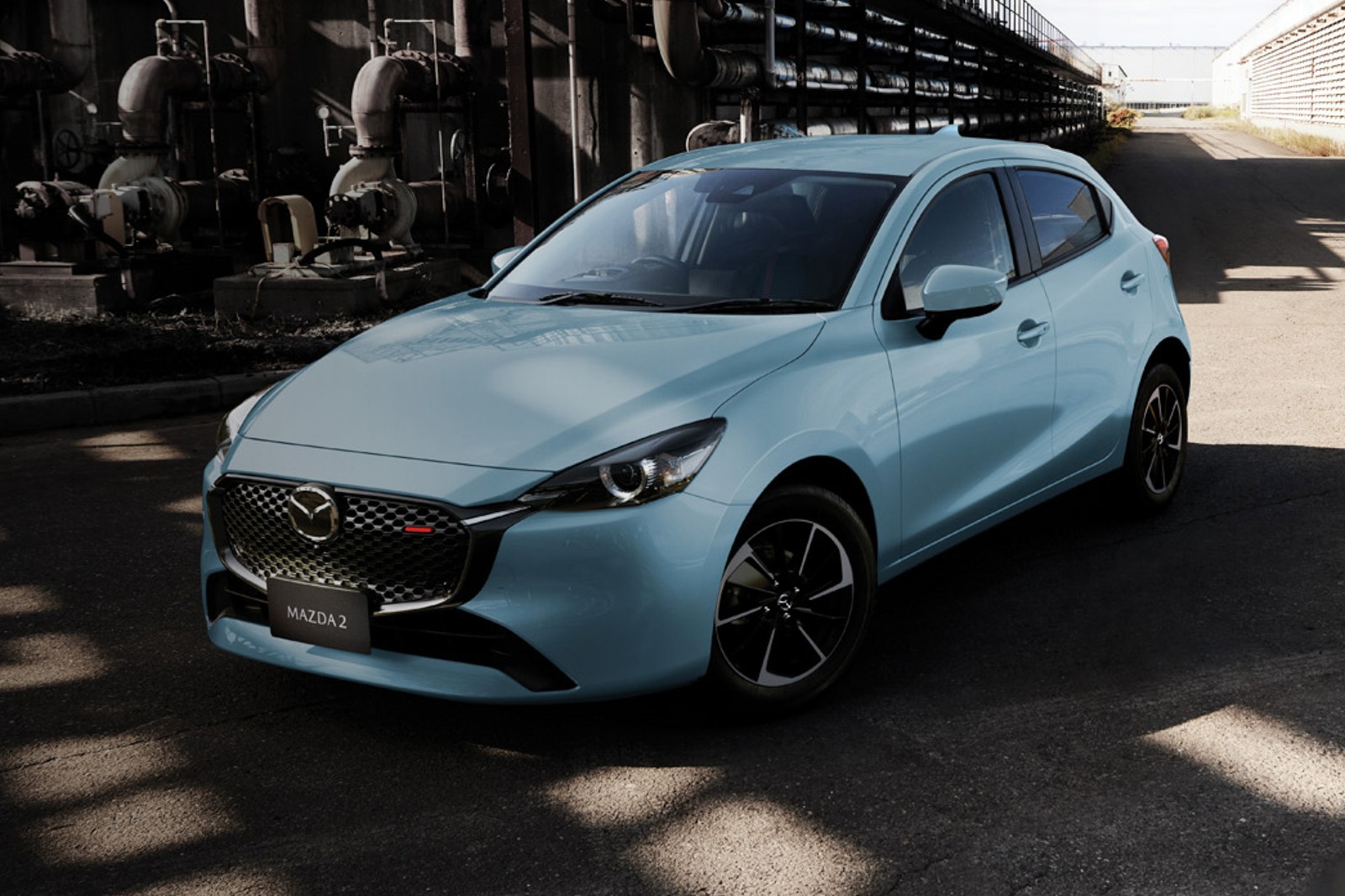
Cars With Similar Price And Features
6
Rank in Hatchback
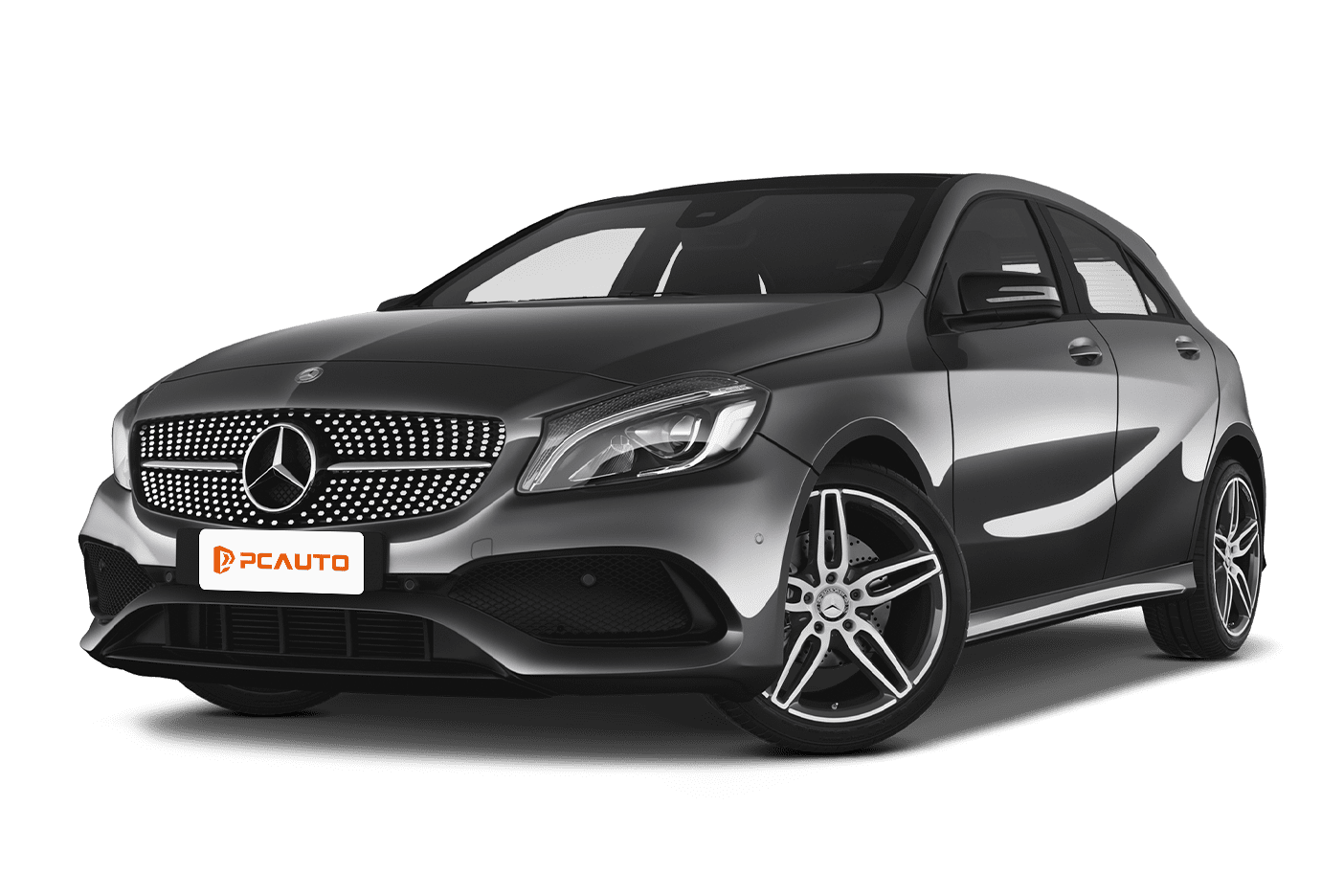
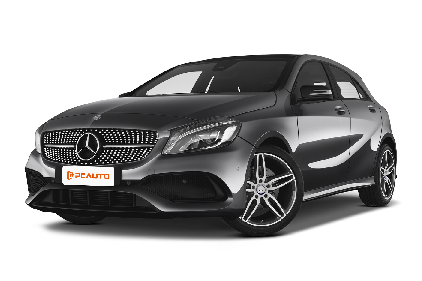
2018 Mercedes-Benz A-Class A200 Progressive Line offers luxurious features such as dual screens at an entry-level price, balanced space, and smooth power, making it a textured choice favored by young families and professionals.

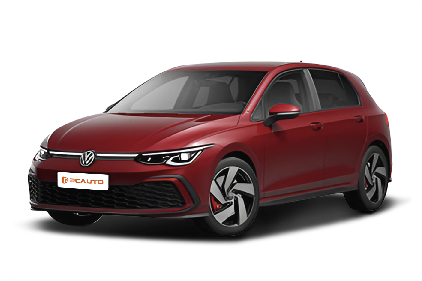
2024 Volkswagen Golf GTI Edition 50, as the anniversary model of the classic performance hatchback, features an upgraded Harman Kardon sound system, a fully digital instrument cluster, and a powerful 2.0T engine, combining driving pleasure with family practicality.
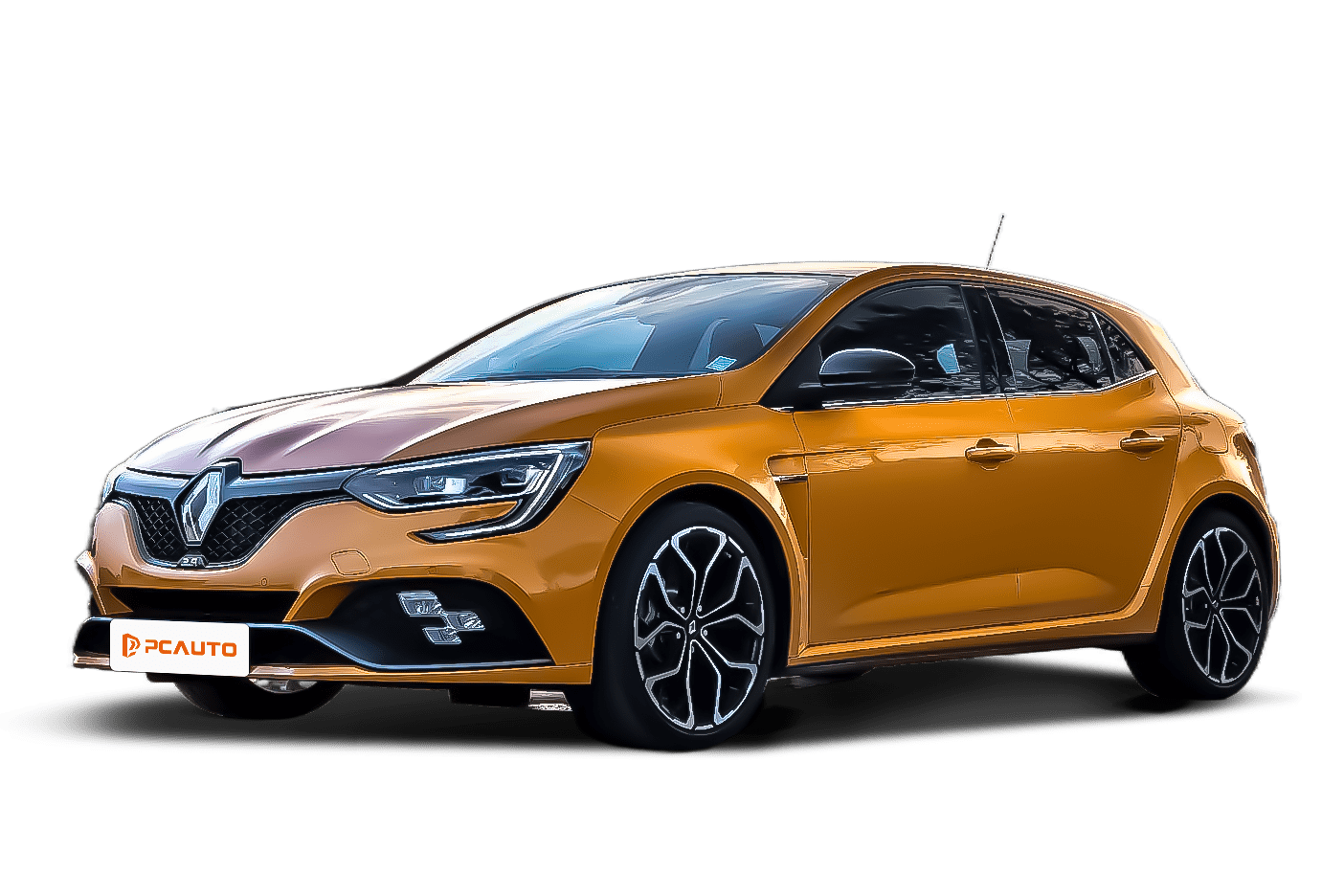
2019 Renault Megane RS 280 Cup MT is a C-segment performance hatchback equipped with a 280PS 1.8T engine + 6-speed manual transmission, featuring high handling limits and designed for enthusiasts seeking pure driving pleasure.