

Mazda 3 Hatchback 2025 Review

 Share
Share/Exterior/001.jpg)
/Exterior/002.jpg)
/Exterior/003.jpg)
/Exterior/004.jpg)
 Body Type
 Segment
 Capacity(L)
 Engine Power(PS)
 Engine Torque(Nm)
 Transmission
With the competition in the C-segment hatchback market becoming increasingly fierce, consumers' demand for balanced performance, practical space, and design quality continues to grow. The all-new 2025 Mazda 3 Hatchback 1.5L is a new contender in this segment. It continues Mazda's signature Kodo design language while optimizing the configuration details and driving dynamics. Its core selling points are focused on precise handling experience, premium interior quality, and efficient power performance. The main goal of this test drive is to thoroughly assess the car's actual performance in scenarios such as daily commuting and weekend short trips, providing an authentic reference for interested consumers.
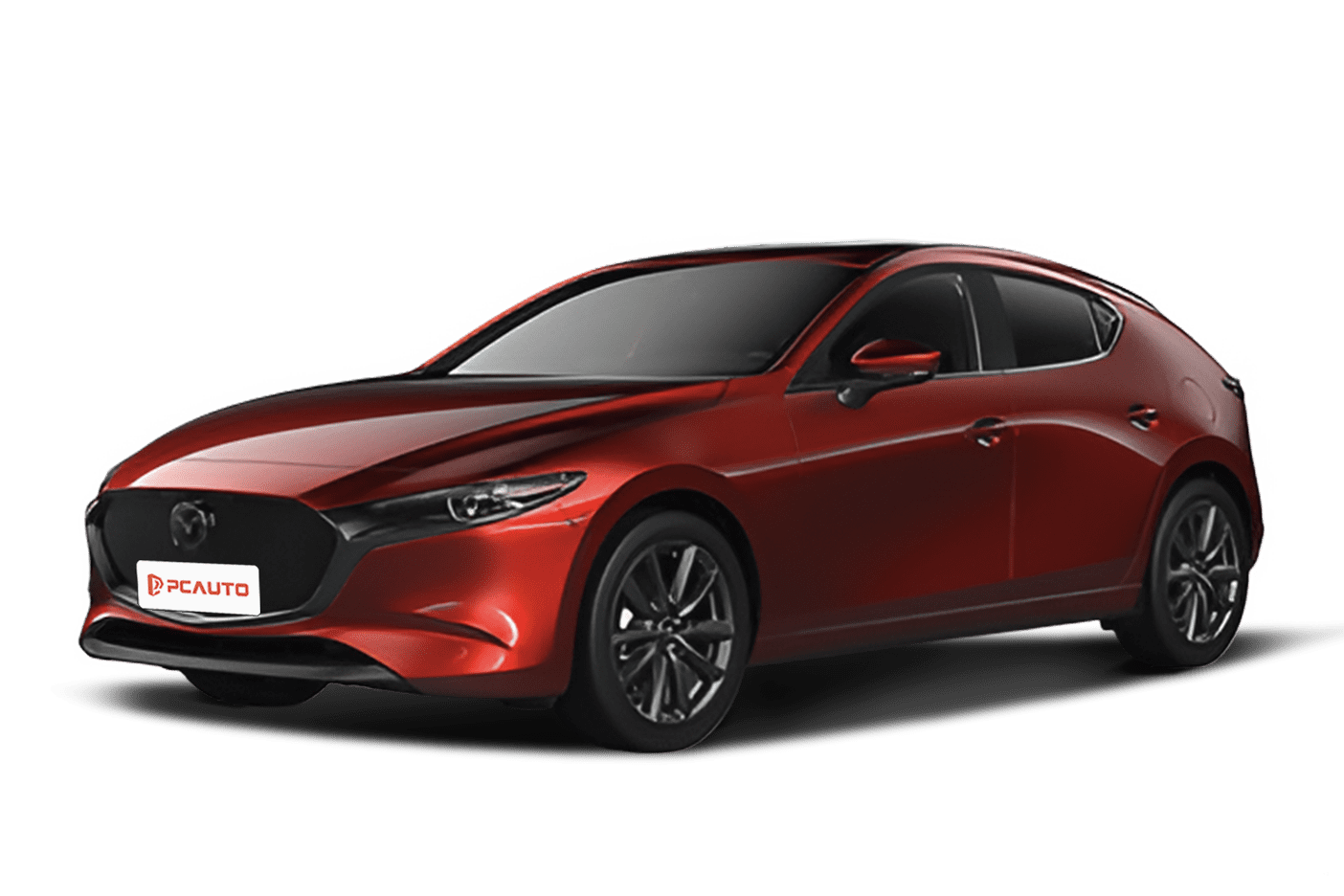
From the exterior, the overall style of the 2025 Mazda 3 Hatchback 1.5L remains simple and streamlined. The front adopts a slightly smaller shield-shaped grille with a black mesh structure inside, paired with sharp LED headlight clusters on both sides. The light housing integrates lenses and daytime running lights, offering high recognition when illuminated. The side profile features a waistline extending from the front fender to the rear, creating a crouched stance. The 16-inch multi-spoke alloy wheels, though not ostentatious, harmonize well with the overall design. At the rear, the blackened LED tail light clusters are arranged horizontally and connected by a chrome trim, visually widening the car’s stance. The black cladding on the lower rear bumper adds a touch of sportiness.
Sitting inside, the interior layout continues Mazda’s usual minimalist style, with the center console tilted slightly toward the driver for easier operation. In terms of materials, the upper part of the center console is covered with soft-touch plastics, providing a delicate feel, while the inside of the door panels is wrapped in leather, enhancing the overall quality. The center screen measures 8.8 inches, adopts a floating design, and supports Apple CarPlay and Android Auto connectivity, offering smooth operation. The seats are upholstered in fabric, with moderate support and cushioning. The driver’s seat supports manual 6-way adjustment, while the passenger seat offers 4-way manual adjustment. Configuration-wise, the car is equipped with features such as automatic air conditioning, keyless entry, push-button start, and a reversing camera, sufficiently meeting daily usage needs.
In terms of space, the vehicle dimensions are 4460mm×1795mm×1450mm, with a wheelbase of 2725mm. The front seating space is ample; for a tester with a height of 175cm, there is still a fist-sized headroom after adjusting the sitting position. In the rear, a person of the same height can have about two fists of legroom and roughly three fingers of headroom, which feels slightly cramped. Regarding storage space, the front armrest box offers moderate capacity, and the door storage slots can accommodate two bottles of water. The rear armrest also comes with cup holders. The trunk has a standard capacity of 358L, which can be expanded to 1263L by folding down the rear seats, enough to meet the cargo needs for family short trips.
For power, it is equipped with a 1.5L naturally aspirated engine, delivering a maximum power of 87kW (118PS) and a peak torque of 153N·m, paired with a 6-speed automatic transmission. During daily driving, power delivery is smooth. The throttle response is responsive during the initial acceleration, and the low-speed driving is light and flexible, suitable for urban commuting. When the accelerator is pressed deeply for acceleration, the transmission’s shift logic is clear, quickly downshifting to increase RPM. However, the power reserve at higher speeds is modest, and sufficient lead time is required for highway overtaking. Regarding driving modes, it offers two options: Eco and Normal. In Eco mode, the throttle response is slightly delayed, suitable for users who prioritize fuel economy.
The handling and chassis performance is one of the highlights of this car. The steering wheel is precise, with minimal play and clear directional accuracy, giving a strong sense of confidence. The chassis utilizes a combination of front MacPherson independent suspension and rear multi-link independent suspension, with tuning biased towards sportiness, providing good support. When cornering, the body roll is well-contained. When dealing with daily road bumps, the suspension can quickly filter out minor vibrations, but when encountering larger potholes, rear passengers will feel noticeable jolts.
In terms of fuel economy, actual tests show that the fuel consumption is approximately 6.5L per 100 kilometers under urban conditions, which drops to 5.8L on highways. The combined fuel consumption is around 6.2L, meeting expectations. As for noise control, wind noise and tire noise can be heard during high-speed driving, but they remain within an acceptable range and do not affect in-car conversations.
In summary, the core advantages of the 2025 Mazda 3 Hatchback 1.5L lie in its precise handling, decent interior quality, and reliable fuel efficiency. Compared to competitors in the same class, it excels in handling performance and its interior materials are superior to some rivals. However, its power reserve and rear space performance are average. This car is suitable for young consumers who prioritize driving experience and seek balanced performance or for use as a family commuter car. If you do not require high power but prefer an agile hatchback, this car is worth considering.
Mazda 3 Hatchback Car Compare
More Mazda Reviews
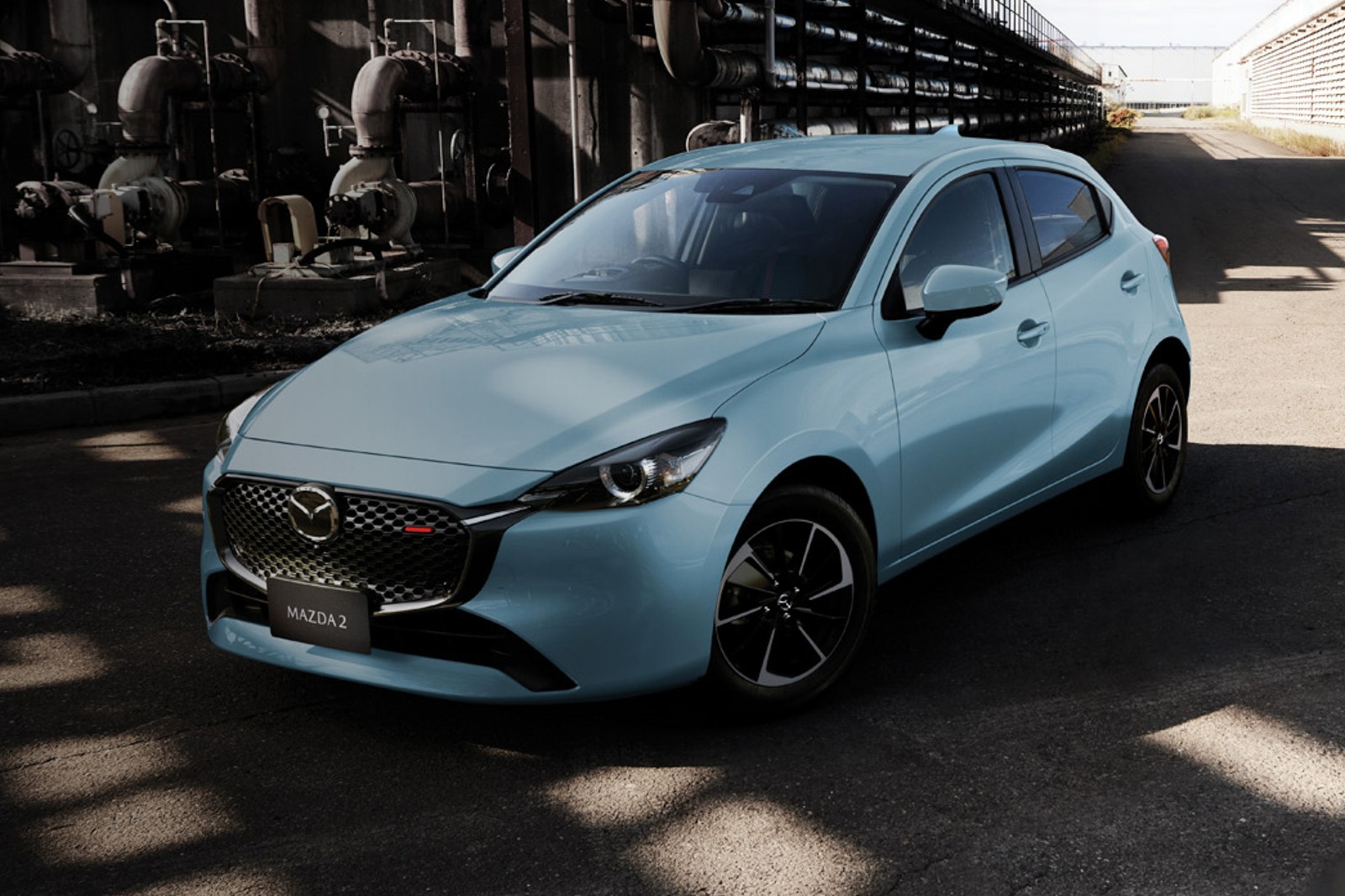
Cars With Similar Price And Features
6
Rank in Hatchback
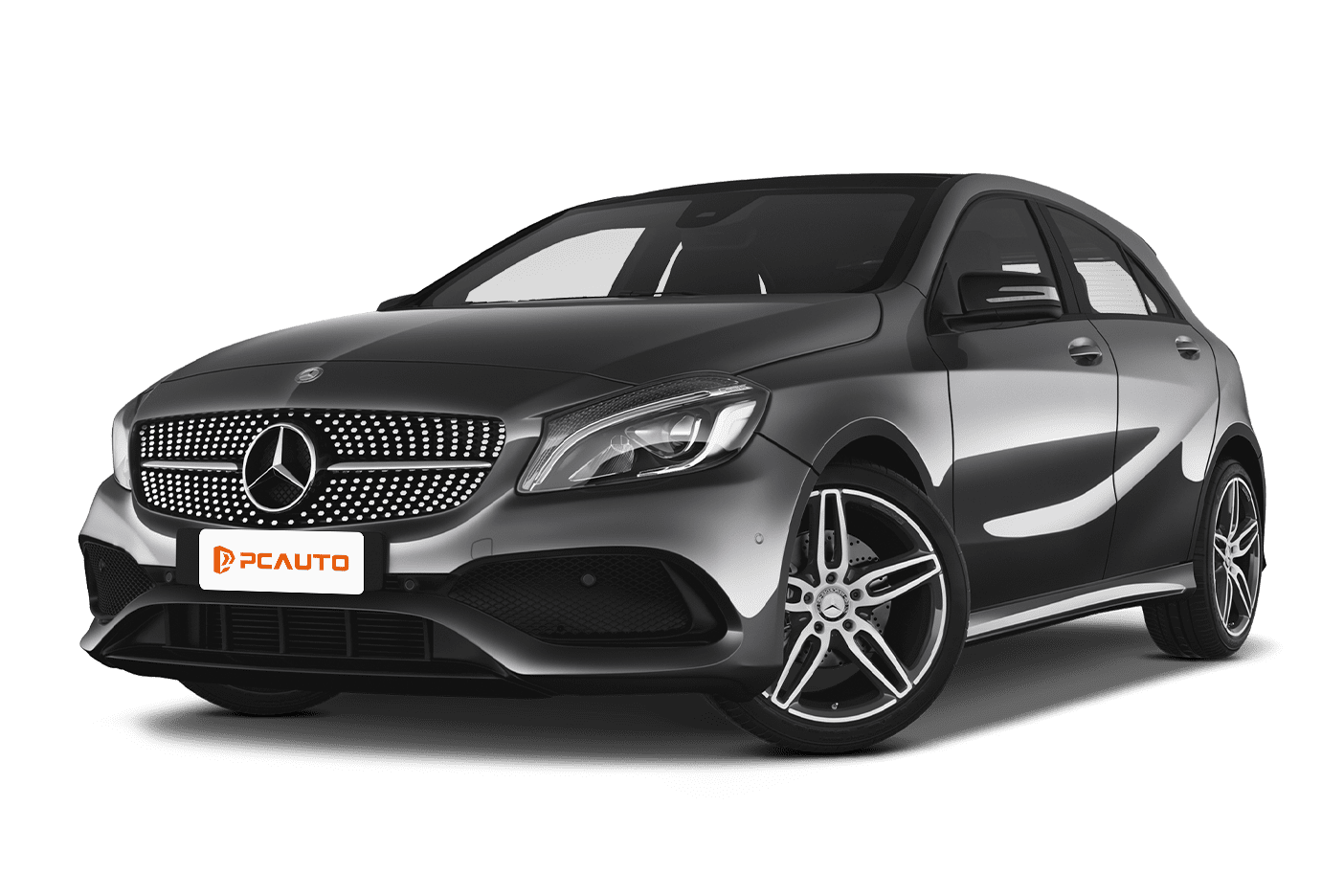
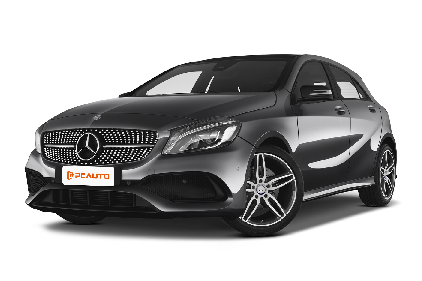
2018 Mercedes-Benz A-Class A200 Progressive Line offers luxurious features such as dual screens at an entry-level price, balanced space, and smooth power, making it a textured choice favored by young families and professionals.

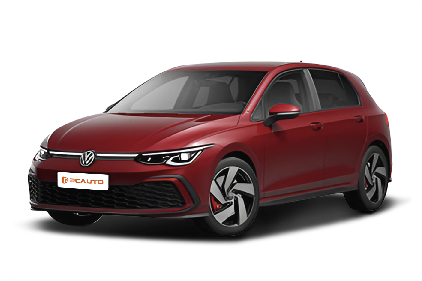
2024 Volkswagen Golf GTI Edition 50, as the anniversary model of the classic performance hatchback, features an upgraded Harman Kardon sound system, a fully digital instrument cluster, and a powerful 2.0T engine, combining driving pleasure with family practicality.
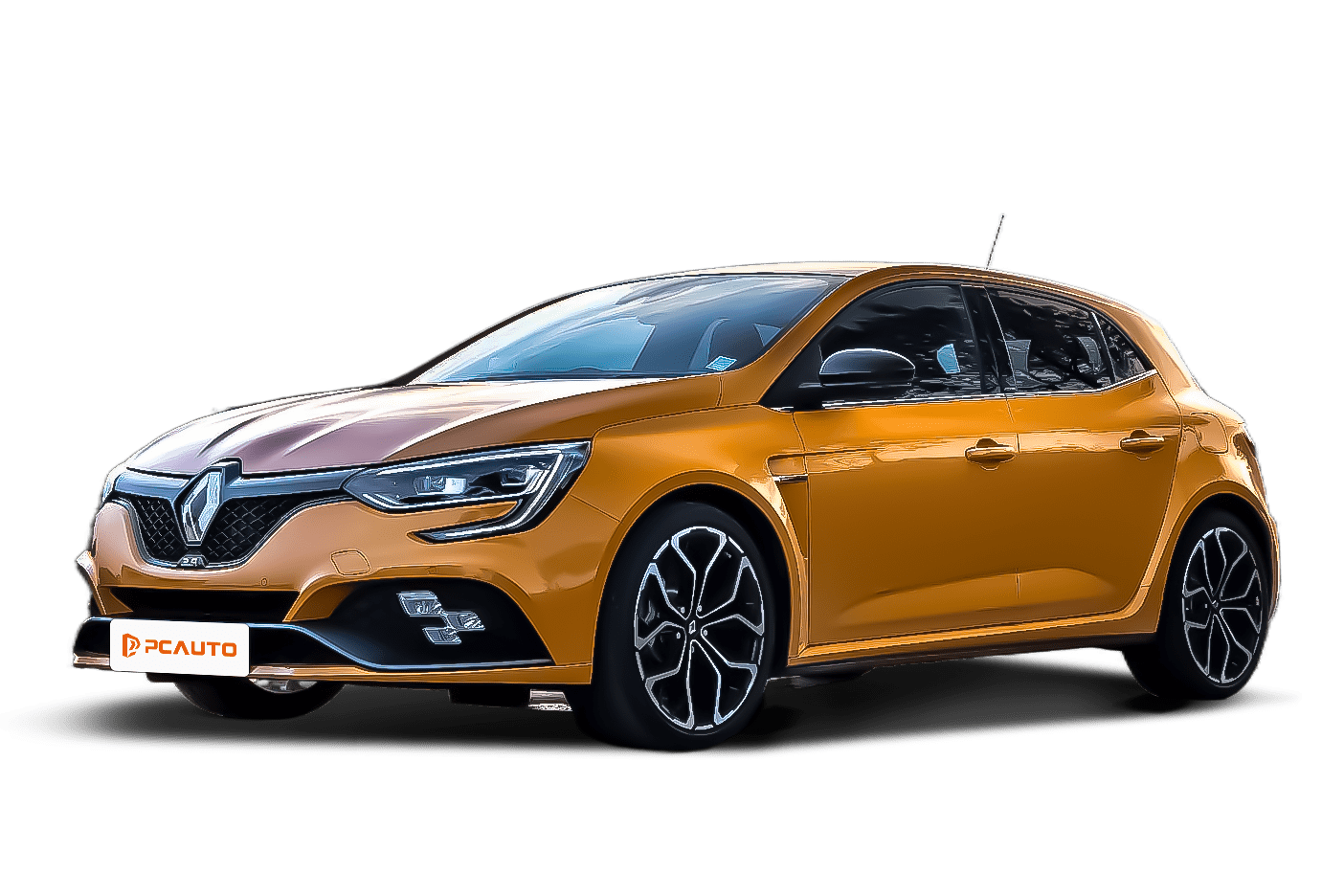
2019 Renault Megane RS 280 Cup MT is a C-segment performance hatchback equipped with a 280PS 1.8T engine + 6-speed manual transmission, featuring high handling limits and designed for enthusiasts seeking pure driving pleasure.