

Mazda 2 Hatchback 2023 Review

 Share
Share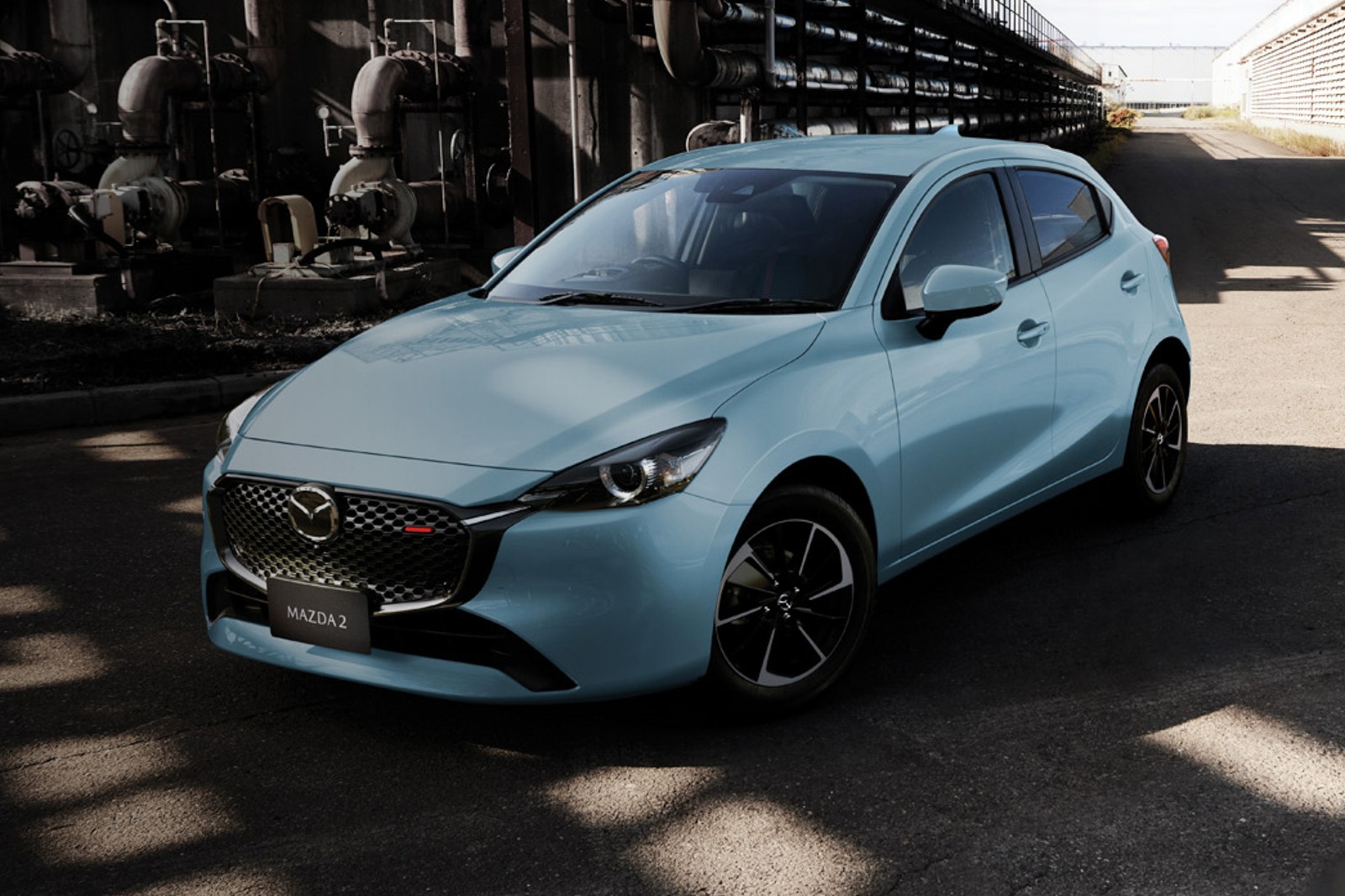
 Segment
 Body Type
 Capacity(L)
 Engine Power(PS)
 Engine Torque(Nm)
 Transmission
The B-class hatchback market has always been a popular choice among family users and young office workers locally—not only must it meet the fuel economy needs of daily commuting, but it also has to offer adequate space and basic configurations, all without being too "off-putting" in terms of price. The 2023 Mazda 2 Hatchback 1.5L is a familiar face in this segment, but after this minor facelift, its core selling points are clearly tilted toward "balanced practicality": it comes standard with active safety systems, a head-up display, and maintains the consistent reliability reputation of Japanese cars. The purpose of our test drive this time was simple: to see if it can distinguish itself with its features and driving quality among competitors in the same segment, such as the Toyota Yaris and Honda Jazz.
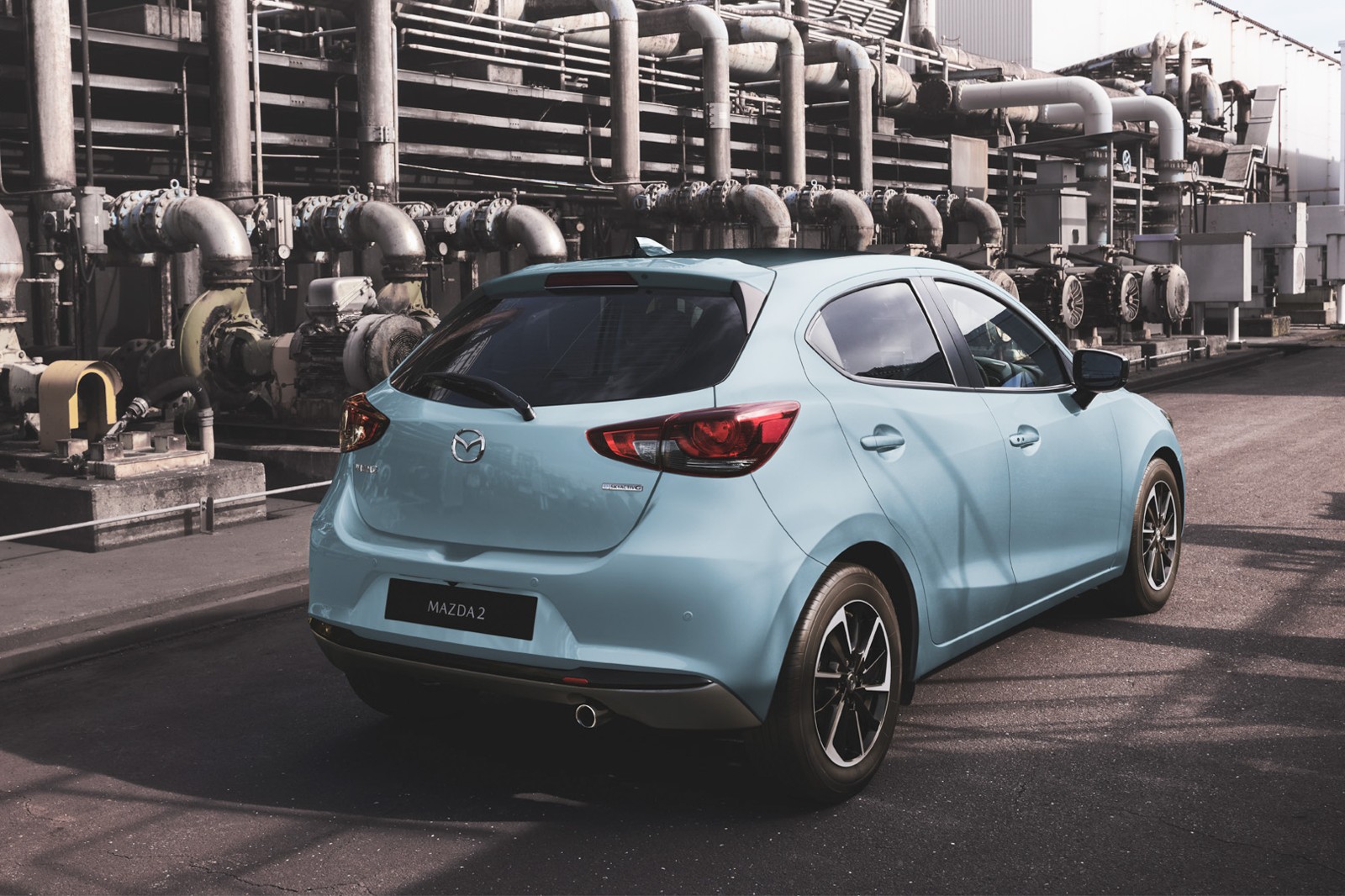
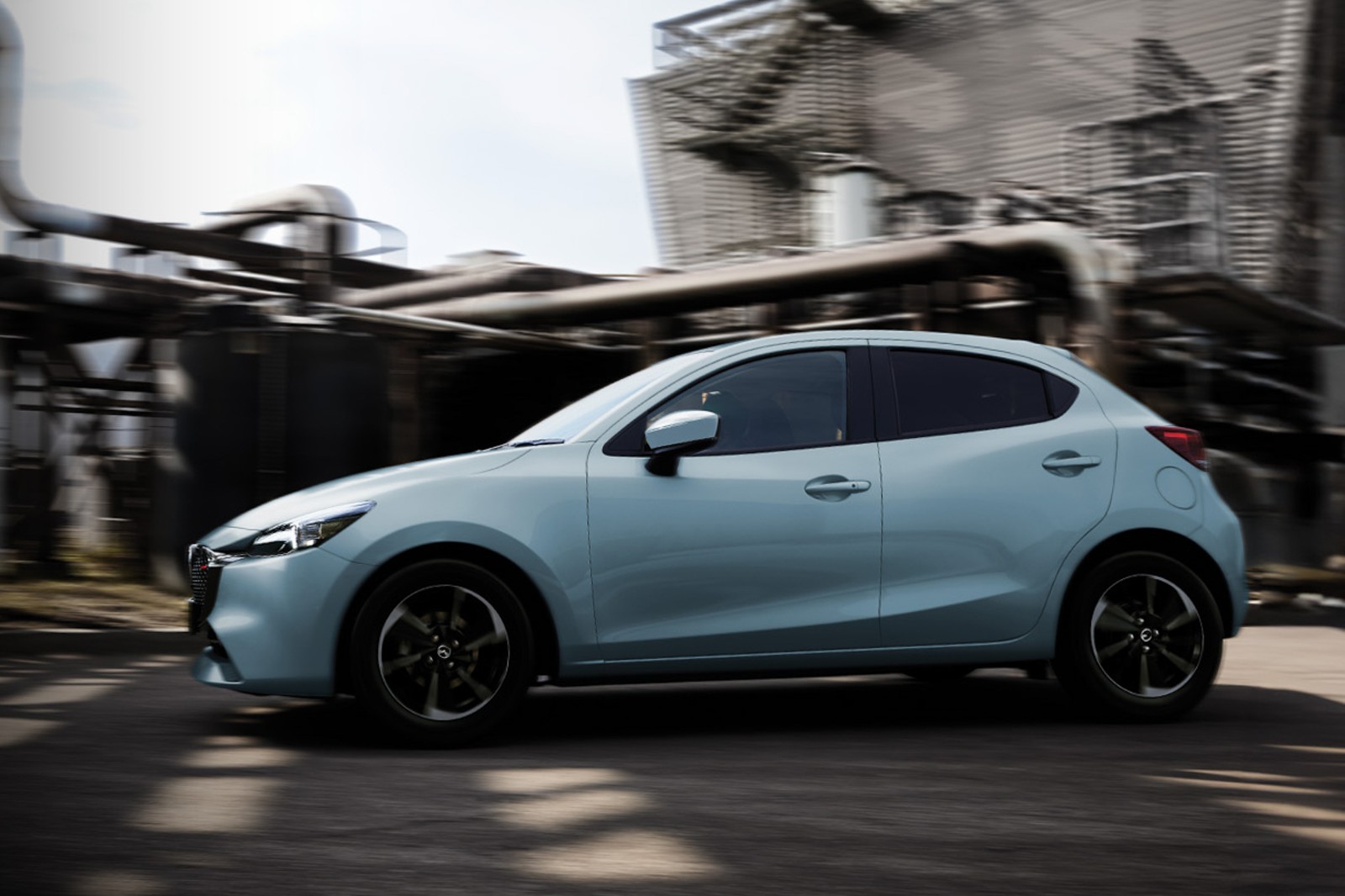
From a distance, the "Kodo" design language of the 2023 Mazda 2 Hatchback remains evident—its smooth body lines extend from the hood to the rear without unnecessary decorative complexities, giving it an overall crisp appearance. The front grille's chrome trim connects the headlights, visually widening the front profile; the headlight assembly combines halogen and LED lights, and the sharply styled LED daytime running lights are quite distinctive when lit. A character line runs from the front fender through the taillights on the side profile of the car, and coupled with the 16-inch multi-spoke wheels, it ensures the car doesn't appear overly "domestic." The rear design is relatively simple, with horizontally arranged taillights and black plastic trim on the lower edge of the rear bumper for a touch of sportiness. However, the exhaust pipe is hidden, making it less flashy. Overall, its exterior design falls into the "timelessly appealing" category—not stunning, but not outdated either.
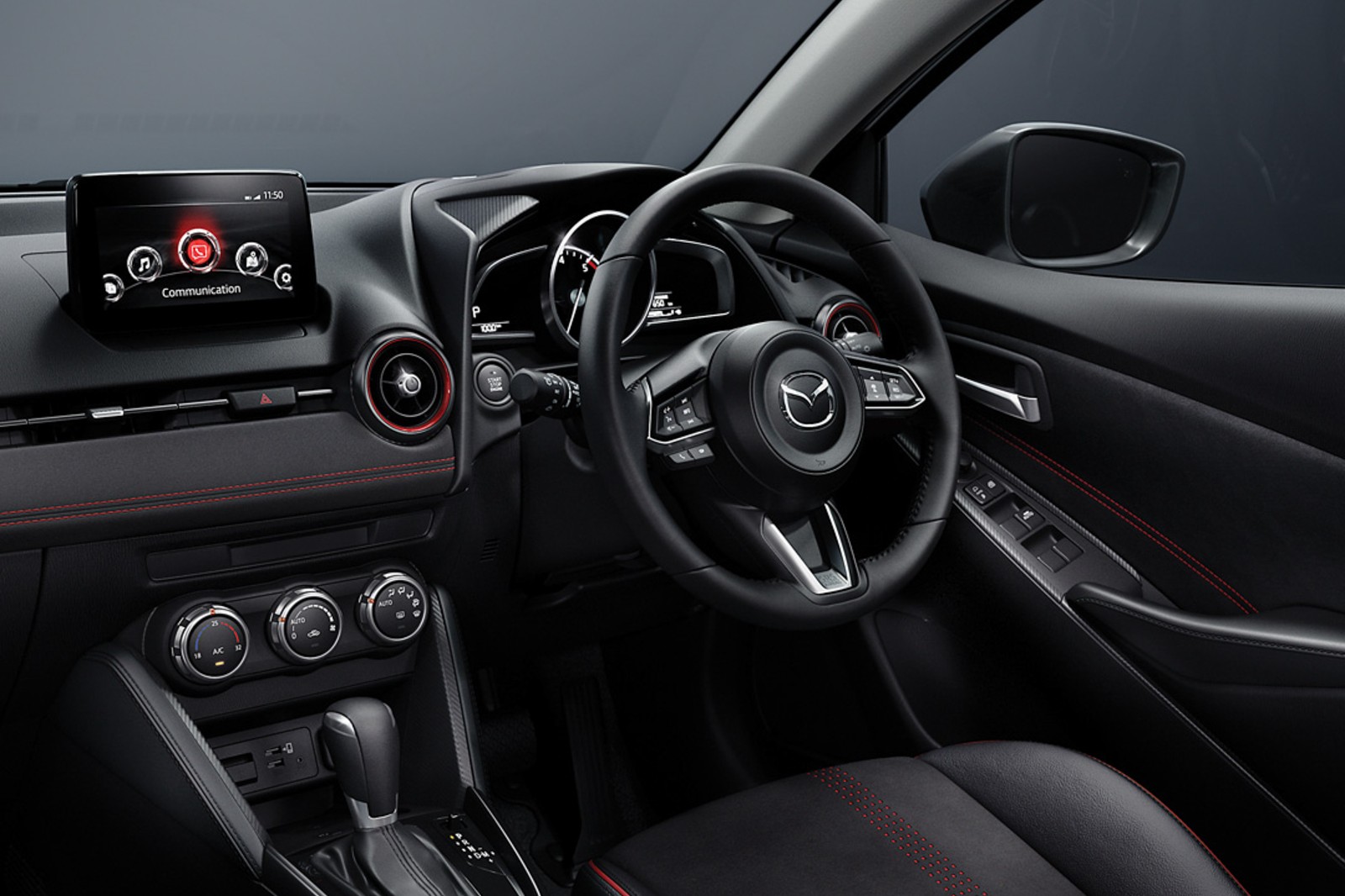
Sitting inside, the first thing you notice is the layout of the interior—the center console is tilted toward the driver, making it convenient to operate. In terms of materials, the top of the center console is hard plastic, but the door armrests and seats are fabric, providing a relatively comfortable texture; the predominantly black interior is complemented by silver trim, creating a functional ambiance without excessive embellishments. Among the key features, the 7-inch touchscreen responds quickly and supports Bluetooth and smartphone connectivity (though the lack of CarPlay/Android Auto is a bit regrettable); the multifunction steering wheel integrates buttons for volume control, call answering, and cruise control, with a clear operational logic. A noteworthy highlight is the HUD (head-up display), a relatively rare feature in this class, which shows speed and navigation information, eliminating the need to look down at the instrument panel and enhancing driving safety. The seats are manually adjustable, and while the fabric material offers average wrap-around support, the support is sufficient to prevent discomfort during long periods of sitting.
In terms of body dimensions, it measures 4080mm in length, 1695mm in width, and 1495mm in height, with a wheelbase of 2570mm, making it average-sized for a B-class hatchback. The front row provides about a fist's worth of head and legroom for passengers as tall as 175cm, avoiding any sense of tightness. The rear space is a focal point—when two adults sit in the back, there are about two fingers of legroom left and one fist of headroom, which isn't spacious but sufficient for short trips; with three adults, the middle seat's floor protrusion and lack of a headrest for the third passenger compromise comfort. In terms of storage, the door pockets can hold two bottles of mineral water, and the central armrest and glove compartments offer decent capacity; the trunk has a standard volume of 220L, which can accommodate two carry-on suitcases comfortably. With the rear seats folded down in a 60:40 split, the volume expands substantially, allowing for the transport of small furniture or suitcases without issue. The rear seat also features air conditioning vents and power outlets, showcasing thoughtful attention to detail.
In terms of power, it is equipped with a 1.5L naturally aspirated engine, with a maximum horsepower of 114PS and a maximum torque of 149N·m, paired with a 6AT transmission. In actual driving, the power response during start-up is relatively gentle, lacking the explosive feel of turbocharged models. However, once you step on the gas pedal, the transmission shifts smoothly, and the RPM rises linearly. On city roads, whether following other vehicles or overtaking, as long as you're willing to accelerate, the power is sufficient. We tested the 0-100km/h acceleration, and the official data is 10 seconds, which aligns with the actual experience, falling within the standard range for family cars. There are two driving modes: Normal and Sport. When switching to Sport mode, the transmission delays shift timing, keeping the RPM above 3000, offering more direct power output at the cost of slightly higher fuel consumption.
Handling and chassis performance are Mazda's strong points. The steering wheel provides precise feedback with very little play, and you can clearly feel the road conditions when cornering. The suspension system uses a front MacPherson strut and rear torsion beam combination, with tuning that leans toward comfort while retaining a certain level of firmness—when going over speed bumps or uneven road surfaces, the suspension filters out most of the vibrations, ensuring passengers don't feel too bumpy. On winding mountain roads, body roll is well-controlled, and there's no noticeable "floating" sensation, giving the driver a high level of confidence. The braking system consists of ventilated discs on both the front and rear wheels, and the brake pedal provides a linear feel. The braking distance ranks slightly above average within the same class.
As for fuel consumption, this test drive was conducted mostly on city roads (approximately 70%) and highways (about 30%), with the air conditioning on the entire time. The final displayed fuel consumption was 5.8L/100km, which is close to the official figure of 5.3L/100km, demonstrating good fuel economy. Regarding noise control, the interior is relatively quiet at speeds below 60km/h, with tire noise and engine noise being minimal. However, when speeds exceed 80km/h, wind noise gradually increases, but it remains within an acceptable range and won't affect normal conversations.
To summarize, the 2023 Mazda 2 Hatchback 1.5L has clear core advantages: standard active safety systems (active braking, forward collision warning) and HUD head-up display, which are standout 'bonus' features in the same class; it delivers good fuel economy, making it suitable for daily commuting; and its chassis tuning is well-balanced, providing a blend of handling and comfort. However, it also has some drawbacks: the rear seating space is relatively small, it lacks CarPlay/Android Auto, and it only has two airbags (some competitors in the same class have four). Comparing it to competitors, for instance, the Toyota Yaris offers better fuel economy, and the Honda Jazz provides more space, but the Mazda 2 stands out with its superior configuration and driving feel, offering solid value for money.
Who is this car suitable for? If you're a recent graduate or a small family user, with primary usage being city commutes and occasional weekend short-distance trips with family, it can be a good choice—it doesn't require you to pay for unnecessary configurations, and its practicality, reliability, and ease of driving are its biggest characteristics. Overall, the 2023 Mazda 2 Hatchback 1.5L is a family car without obvious weaknesses. If you value balance and cost-effectiveness, it is worth considering.
Mazda 2 Hatchback Car Compare

Mazda 2 Hatchback Loan Calculator
More Mazda Reviews
Cars With Similar Price And Features
4
Rank in Hatchback
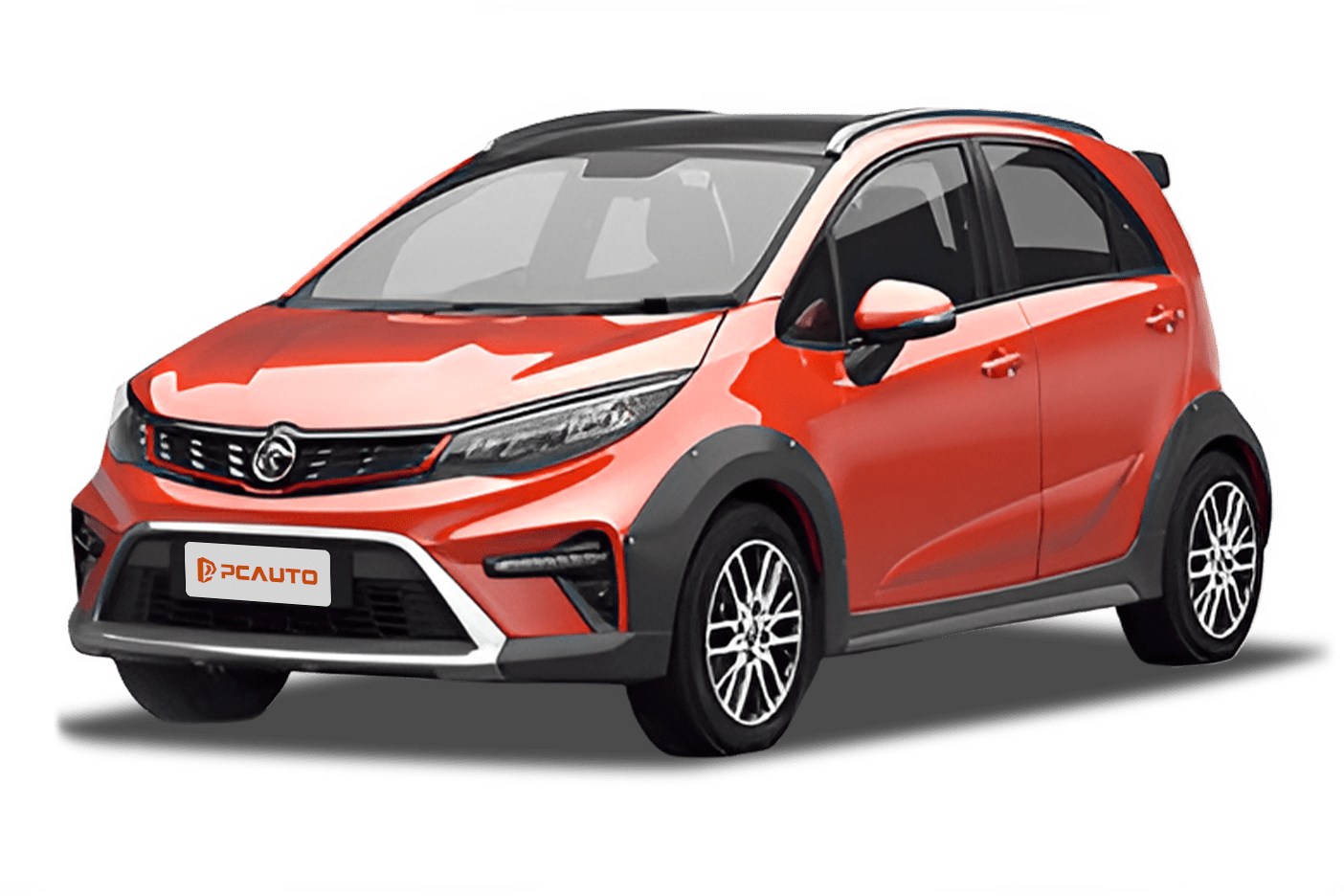
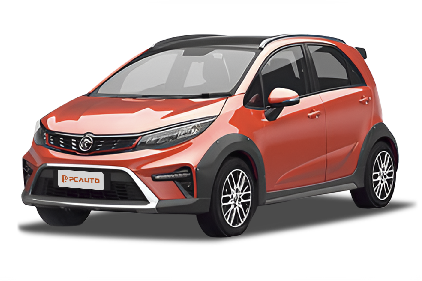
2023 Proton Iriz 1.3 Standard CVT is an affordable, well-balanced entry-level B-segment hatchback with safety features, suitable for budget-conscious families focusing on safety and practicality for daily commuting.
2
Rank in Hatchback

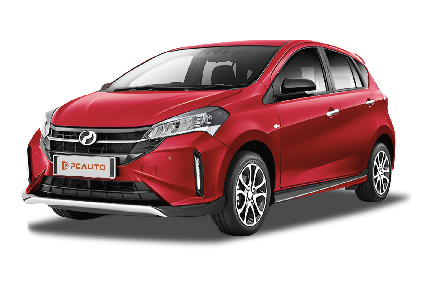
2023 Perodua Myvi 1.3 G with PSDA is an affordable B-segment hatchback, combining practical space, basic features, and PSDA safety assistance, suitable for family commuting.

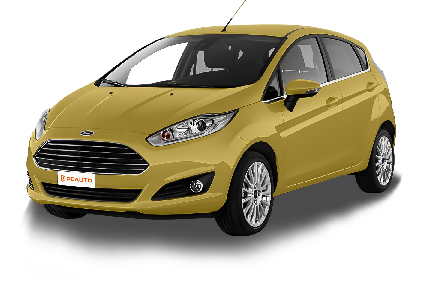
2022 Ford Fiesta public is a B-Segment model with responsive power, economical fuel consumption, and rich safety features, suitable for young families or individual users who prioritize driving experience and safety.
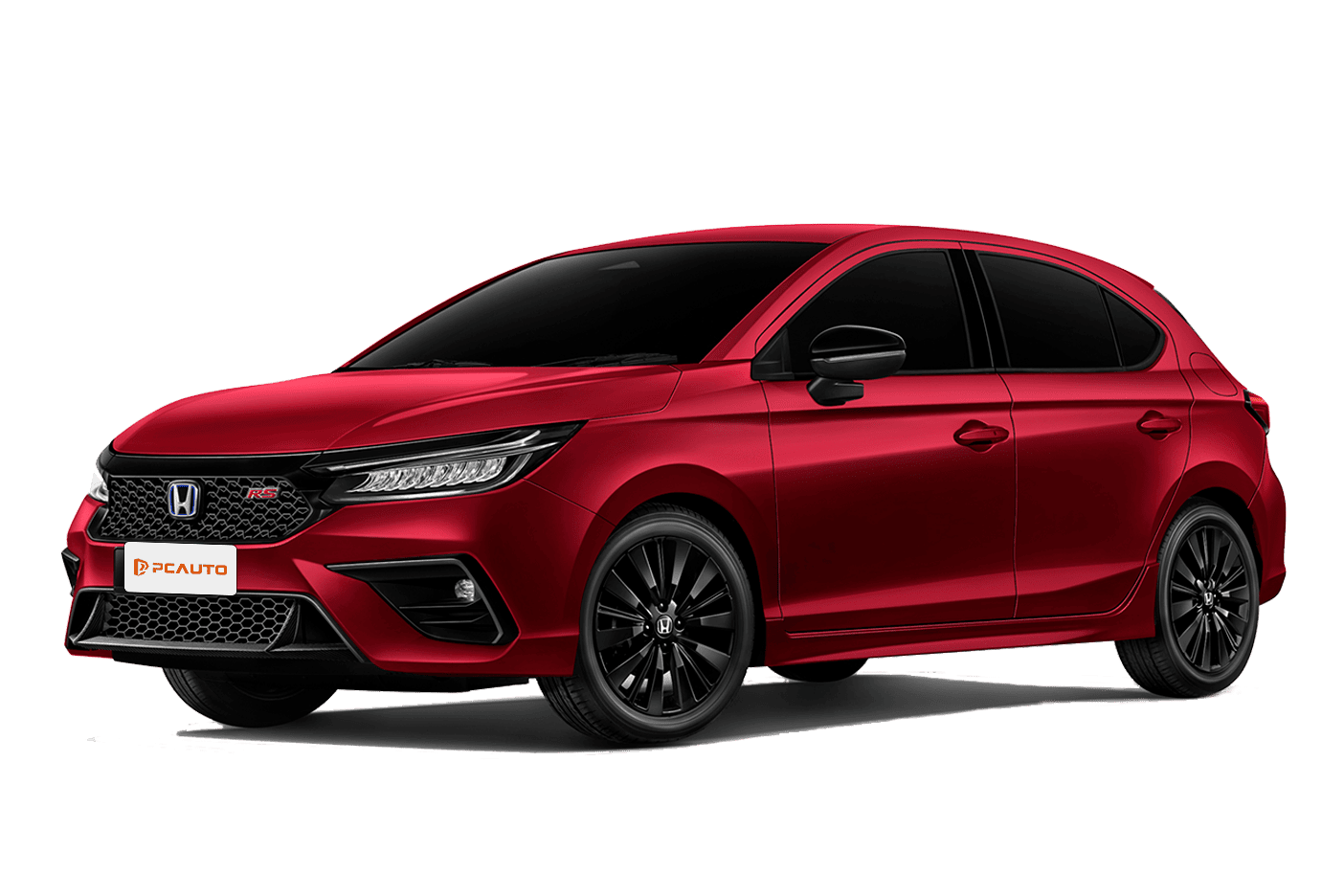
2024 Honda City Hatchback 1.5 S, as a high-value entry-level hatchback, comes standard with Honda Sensing and 6 airbags, offering practical space, economical fuel consumption, and balancing safety with daily commuting needs.