

Mazda CX-30 2023 Review

 Share
Share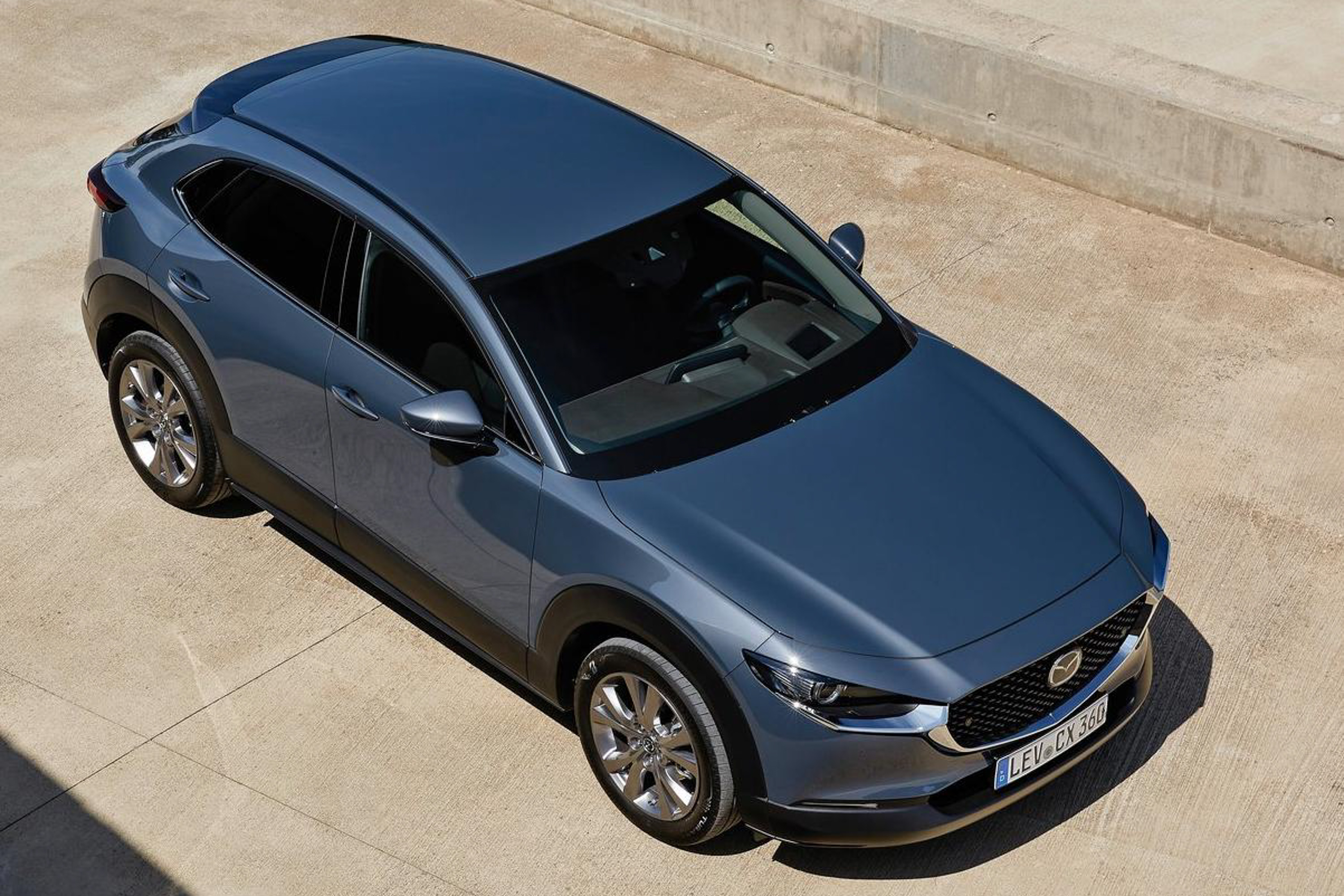
 Segment
 Body Type
 Capacity(L)
 Engine Power(PS)
 Transmission
 Driven Wheels
The B-Segment SUV market has become intensely competitive in recent years. Consumers want the agile handling of a compact body but are unwilling to compromise on space and features. The 2023 Mazda CX-30 2.0G 2WD Standard, as the entry-level model of the series, is priced at RM 131,409, featuring a 164PS naturally aspirated engine, 7 airbags, and a HUD (Head-Up Display), aiming to strike a balance between value for money and essential driving experience. In this test drive, we focus on evaluating whether its basic configurations are sufficient, its power performance for daily needs, and its practicality as a family car.
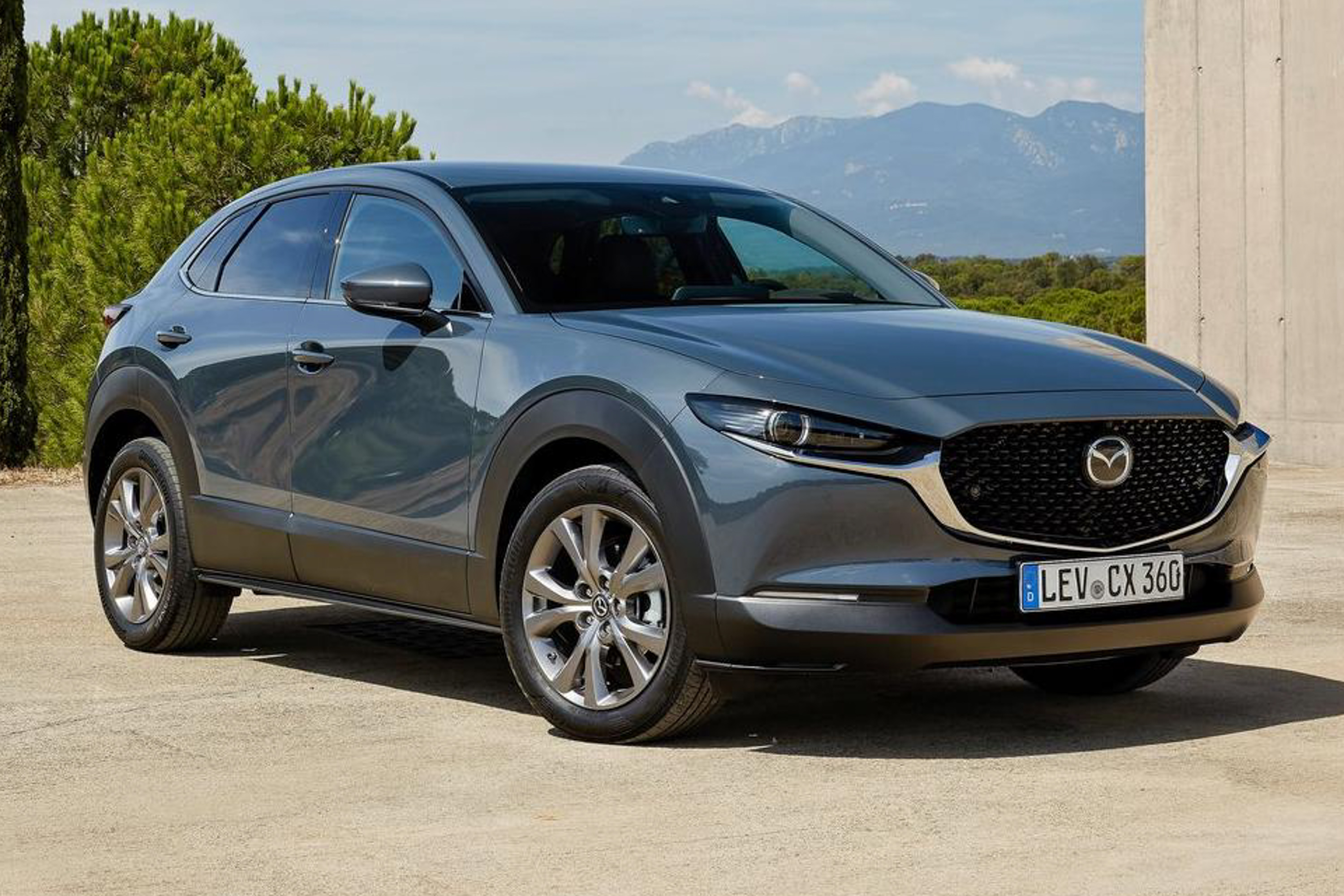
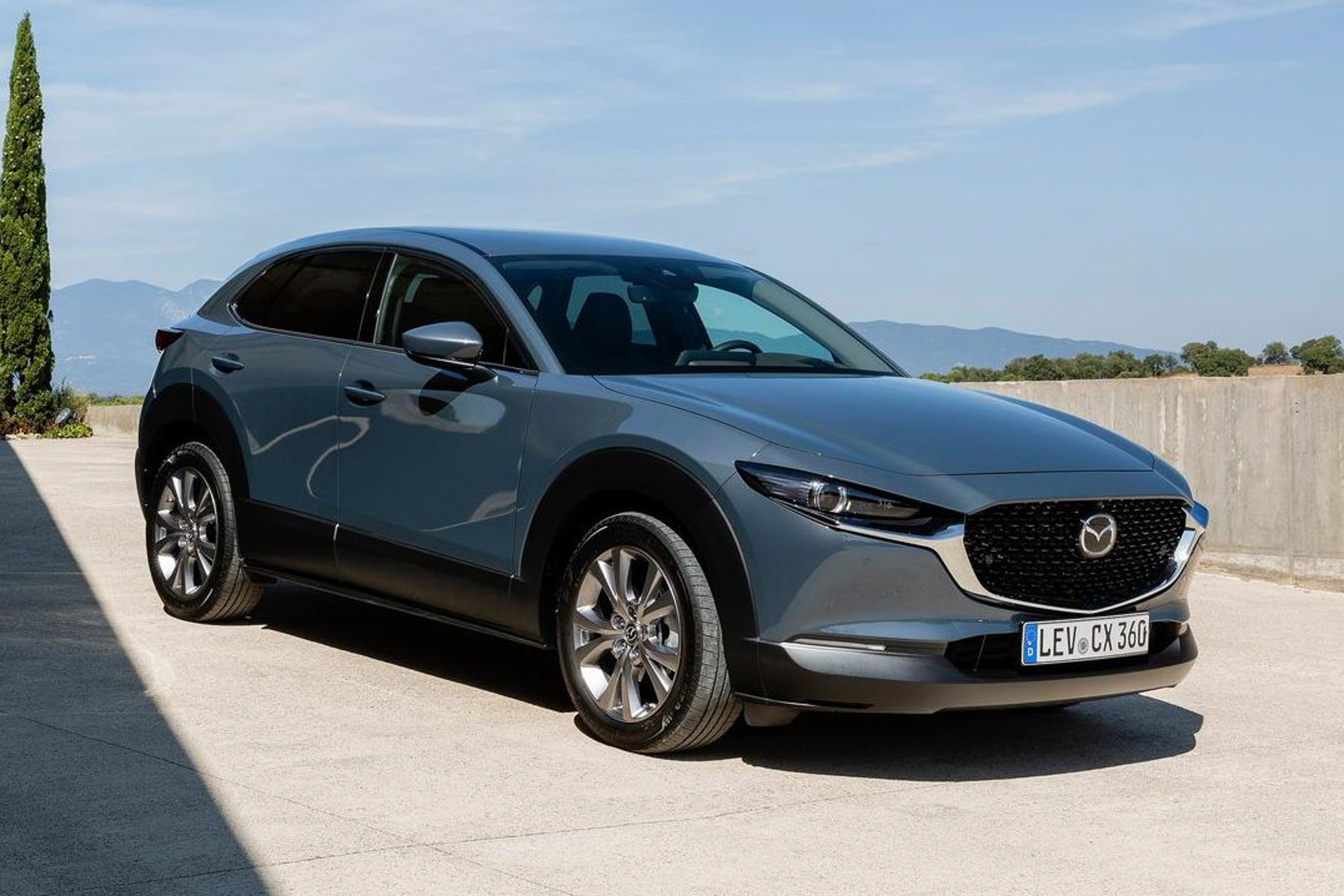
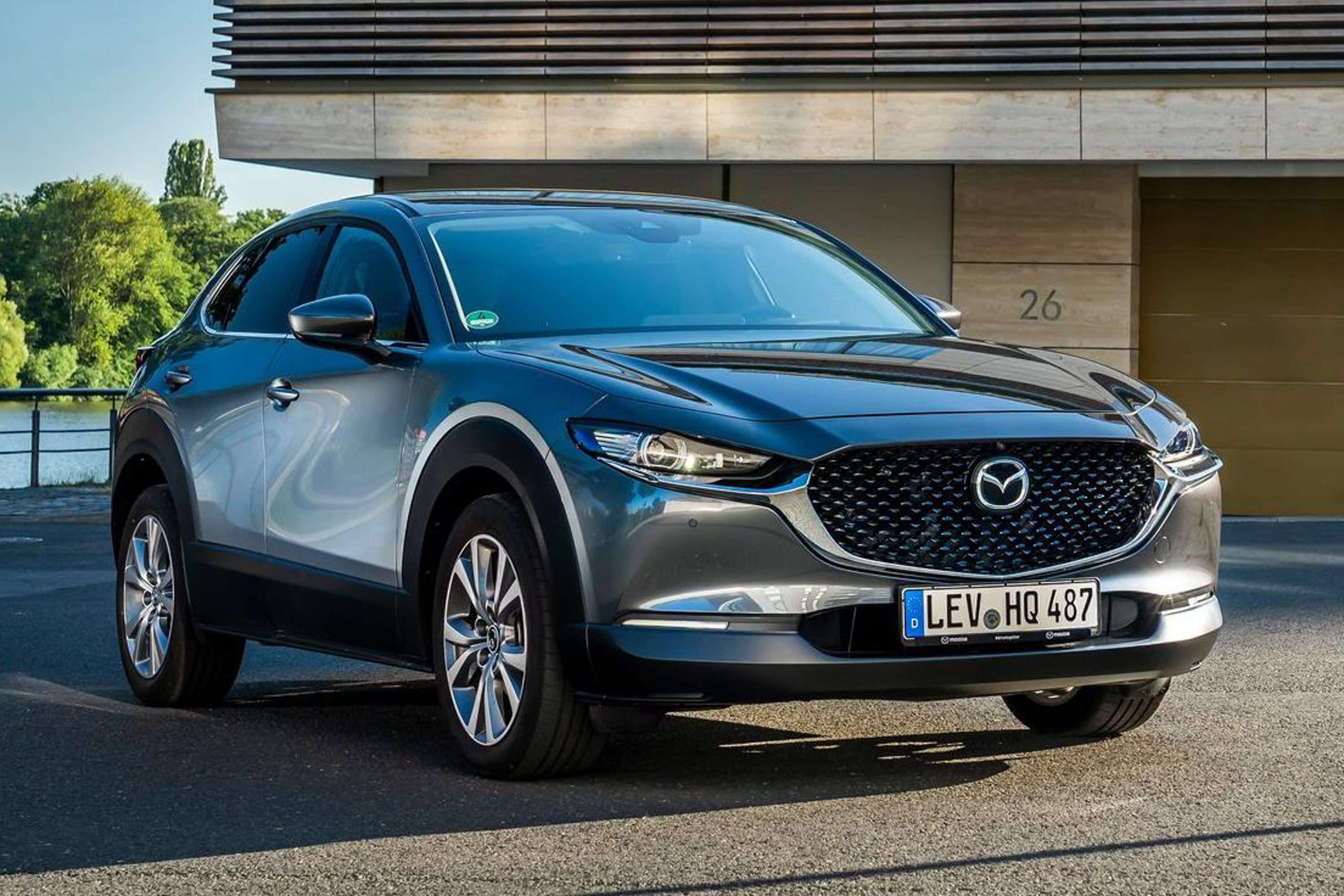
In terms of appearance, the CX-30 Standard continues Mazda's Kodo design language. The overall lines are sleek with a touch of sportiness. The front end features a shield-shaped grille adorned with chrome trims, giving it a distinctive look. The headlights are a combination of halogen and LED, with automatic lighting as standard, making daily use convenient. The side profile of the car runs from the fender to the rear, with a compact waistline paired with 215/65 R16 tires, ensuring it doesn’t appear too narrow visually. The rear LED tail lights complement the front headlights, and rear fog lights come as standard, meeting safety regulations. The only regret is that the entry-level model lacks daytime running lights, which distinguishes it from the mid-to-high-end trims. Nonetheless, the overall design retains the brand’s consistent sense of refinement.
Inside the CX-30 Standard, the interior style leans towards simplicity and practicality. The dashboard is symmetrically designed, utilizing hard plastics, but the quality of seams and assembly is well-controlled, with no noticeable cheap feel. An 8.8-inch touchscreen infotainment system comes standard, supporting the Sound Plus feature, paired with 8 speakers that deliver sound quality above average for its class. The instrument cluster features a 7-inch color TFT LCD screen, clearly displaying information such as speed and fuel consumption, while the addition of the HUD makes it more convenient to view data while driving. The front seats are manually adjustable, with six-way adjustment for the driver’s seat and eight-way adjustment for the passenger seat. Although they are not electrically adjustable, their range of adjustment is sufficient to cover most user body types. The rear seats support a 60:40 split-fold, allowing for flexible expansion of storage space. In terms of space, the car measures 4,395mm in length, 1,795mm in width, and 1,540mm in height, with a wheelbase of 2,655mm. The front seating is spacious, leaving a 175cm-tall passenger with a fist-width of headroom. The rear legroom is about two fists, and headroom is one fist, comfortably suitable for daily family usage. The trunk space is 430 liters, which can accommodate two 28-inch suitcases and still leave room, meeting storage requirements. Additionally, it comes equipped with a single sunroof, rain-sensing wipers, and electrically foldable mirrors as standard, enhancing everyday convenience.
In terms of power, the CX-30 Standard is equipped with a 2.0L naturally aspirated engine, delivering a maximum power of 164PS at 6,000rpm, with maximum torque released at 4,000rpm (specific figures not provided by the manufacturer, but the torque output feels smooth in real driving conditions). It is paired with a 6-speed automatic transmission. During daily driving, the car responds lightly upon starting, with smooth, linear power output when pressing the accelerator, without the abruptness of turbocharged engines, making it suitable for urban commuting. When overtaking at medium speeds, the transmission shifts proactively. Pressing the accelerator firmly prompts a quick downshift, and power delivery is seamless. Its acceleration performance at speeds below 80km/h is sufficient for most road conditions. At high speeds, acceleration beyond 100km/h is average, but when cruising at 120km/h, the engine speed stabilizes at around 2,500rpm, with commendable noise control. In terms of fuel consumption, the official combined figure is 6.4L/100km. During the test drive, urban conditions showed about 7.5L/100km, and highways showed around 6.2L/100km, aligning with expectations.
The handling and chassis performance are among the highlights of the CX-30. The front MacPherson independent suspension is tuned for comfort while retaining a certain level of support. When going over speed bumps or uneven roads, the suspension filters out most of the fine vibrations, and the body shows no noticeable bouncing; during cornering, body roll is well-controlled, the steering wheel is precise with minimal play, giving the driver ample confidence. The braking system uses ventilated discs on both the front and rear, providing linear braking response. During emergency braking, the body maintains stability without significant forward pitching. Regarding noise control, tire and wind noise are minimal under 60km/h, and tire noise becomes evident when the speed exceeds 80km/h but remains within an acceptable range. Engine noise can be heard inside the cabin at high RPMs but is not overly harsh.
In terms of safety features, the performance of the CX-30 Standard is commendable. Seven airbags (including a driver’s knee airbag and rear passenger airbags), ABS, vehicle stability control, forward collision warning, etc., are all standard; rear parking sensors and a reversing camera are also included. For an entry-level model, there is no compromise on safety features. Additionally, practical functionalities like ISOFIX child seat anchors, hill start assist, and engine start-stop technology are also equipped, meeting the safety needs of family users.
In conclusion, the 2023 Mazda CX-30 2.0G 2WD Standard may be an entry-level variant, but its core features are not to be underestimated. It lacks the power-adjustable seats, dual-zone automatic climate control, and active safety systems of the mid-to-high trims but retains key features such as HUD, central display, and seven airbags, making it highly cost-effective. Compared to competitors in the same segment, such as the Honda HR-V 1.5L V i-VTEC (priced at approximately RM 135,000), the CX-30 Standard offers more power and a higher number of airbags. Compared to the Toyota Corolla Cross 1.8G (priced at approximately RM 136,000), it offers more agile handling and richer features.
This car is suited for family users who value practicality and cost-effectiveness. It can handle daily commutes as well as short weekend trips; meanwhile, its sophisticated design meets the aesthetic needs of younger audiences. If you are on a budget but don’t want to compromise on essential features, the CX-30 Standard is a good choice. While it may lack the luxury feel of mid-to-high-level trims, it provides adequate space, reliable power, and comprehensive safety protection at a reasonable price, making it a well-balanced B-Segment SUV for family use.
Mazda CX-30 Car Compare

Mazda CX-30 Loan Calculator
More Mazda Reviews
Cars With Similar Price And Features
15
Rank in SUV
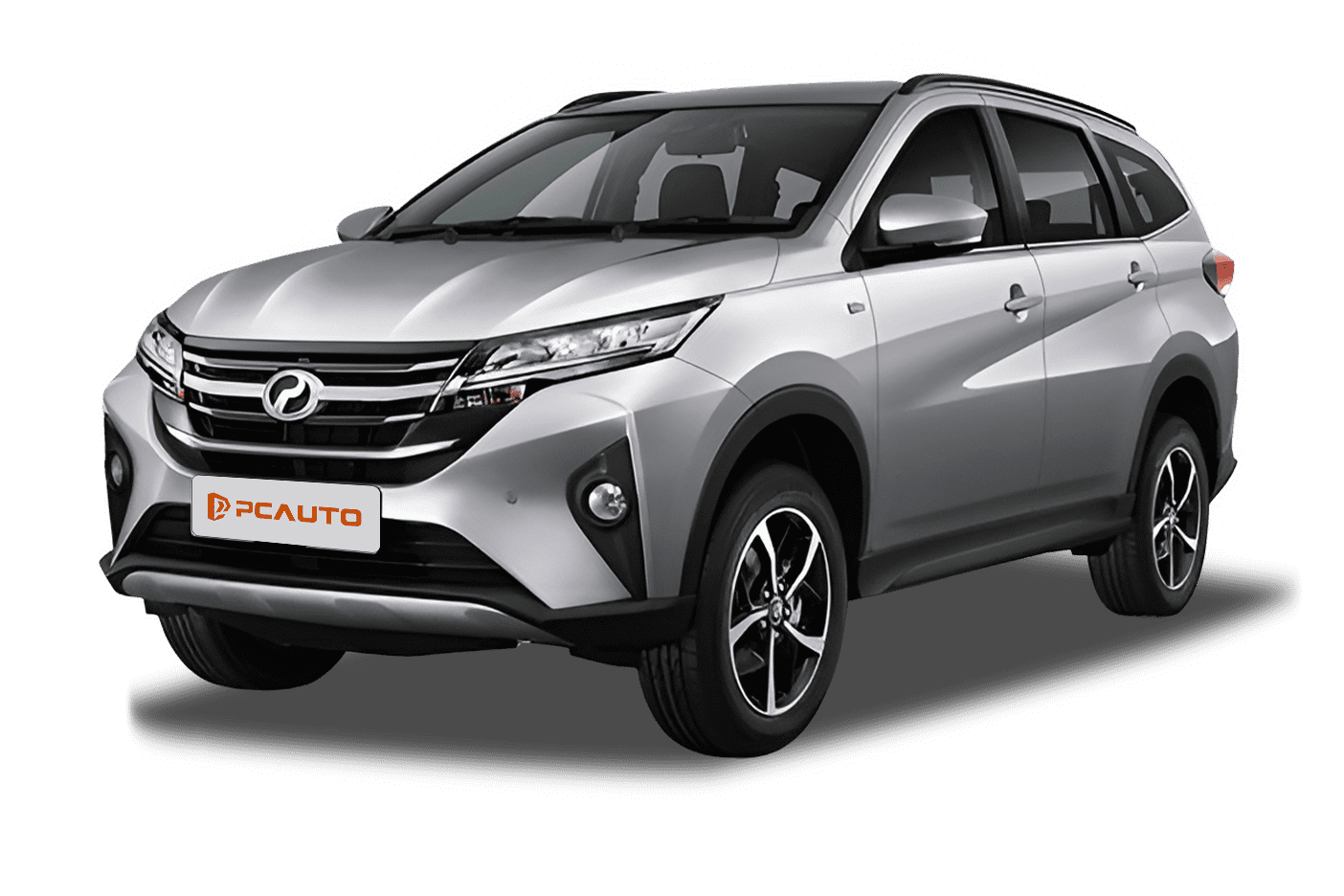
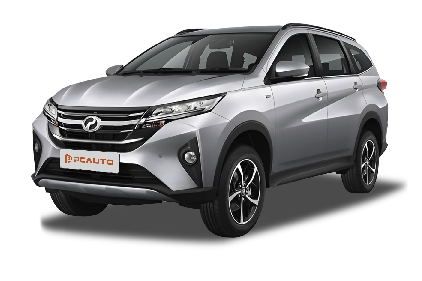
The 2023 Perodua Aruz 1.5L X is a high-value-for-money B-segment 7-seater SUV, offering 6 airbags and active safety systems as standard equipment for under RM63k. It balances practical space and daily commuting needs, making it a pragmatic choice for budget-conscious families.
4
Rank in SUV

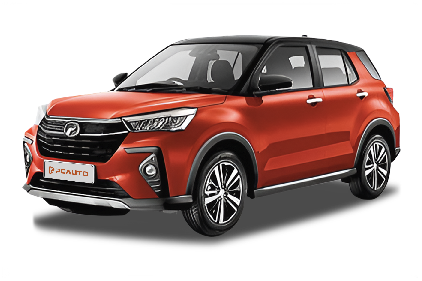
2023 Perodua Ativa 1.0L Turbo X, as a high-value-for-money entry-level B-SUV, meets the commuting and short-distance travel needs of family users with advanced safety features, practical space, and economical fuel consumption.
3
Rank in SUV
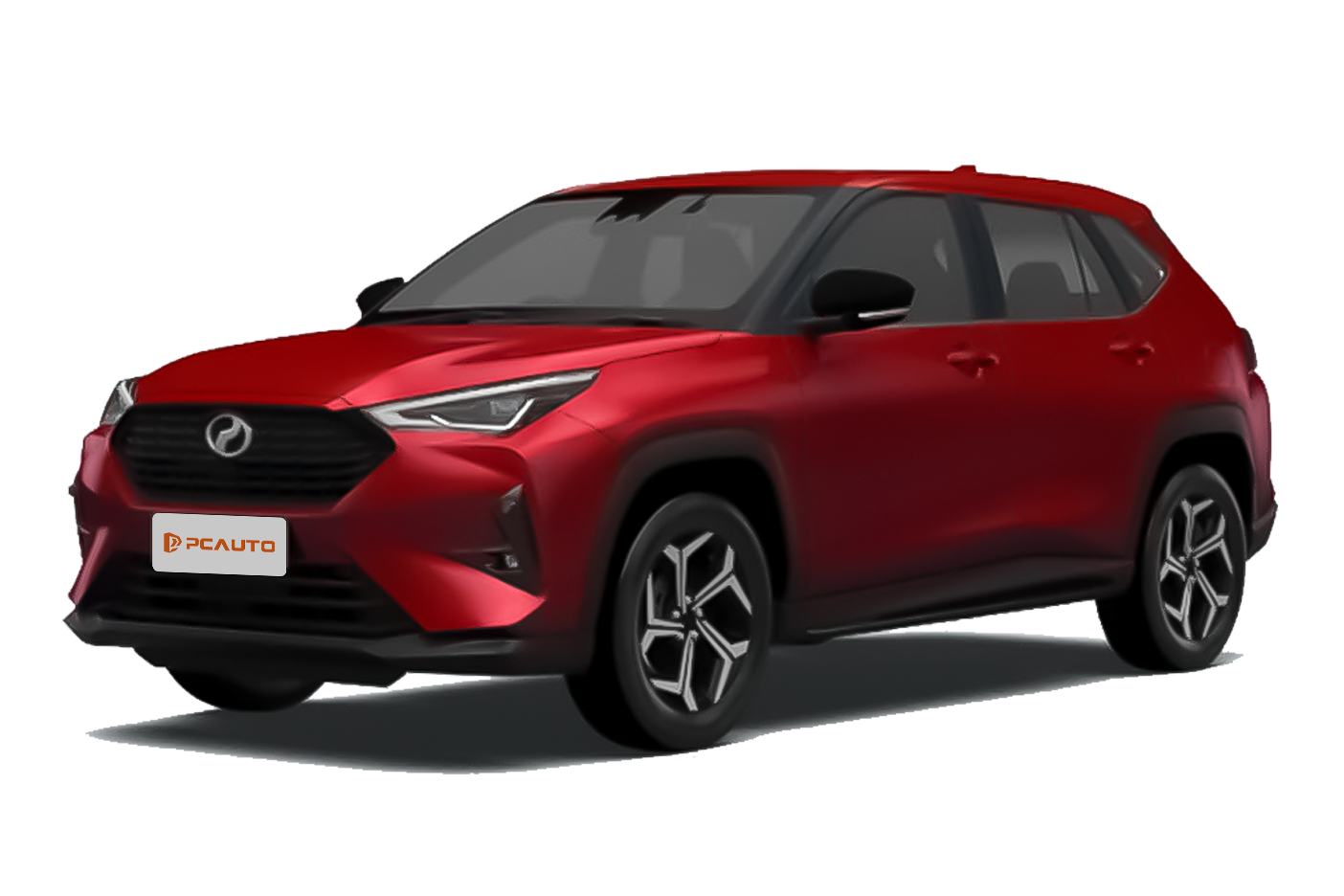
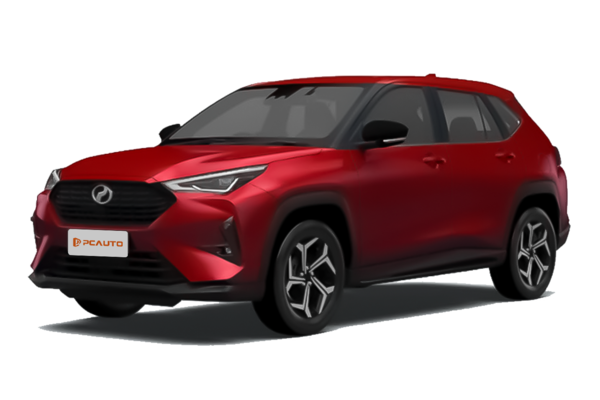
2025 Perodua Traz X, positioned as a B-segment SUV for family users, highlights advanced safety features, 210mm high ground clearance, and practical spaciousness as its main selling points, balancing flexibility and practicality.
2
Rank in SUV
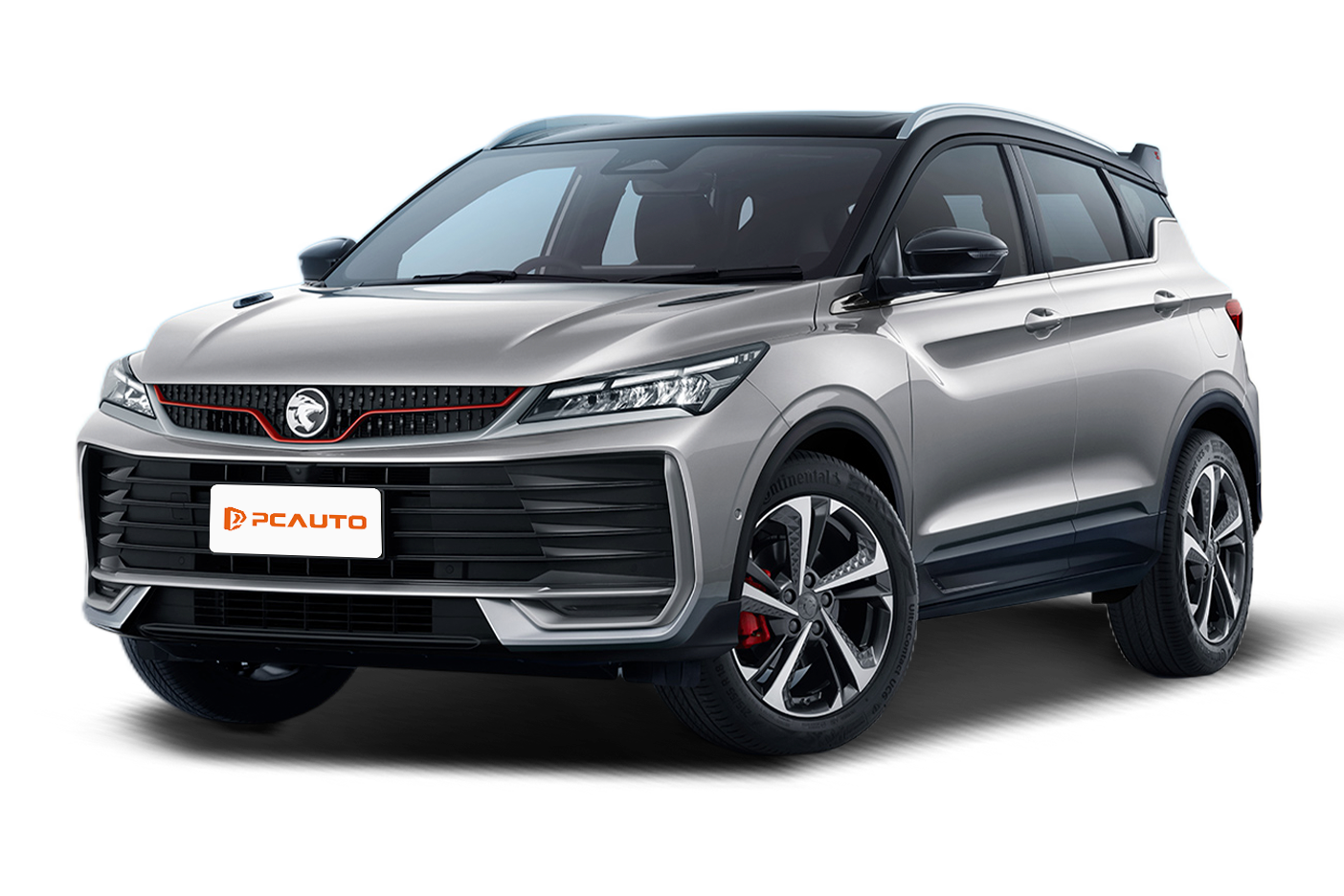
2025 Proton X50 Executive is an upgraded and price-reduced mid-size SUV that combines refined exterior, tech-savvy interior, powerful performance, and practical space, offering exceptional value for money.