

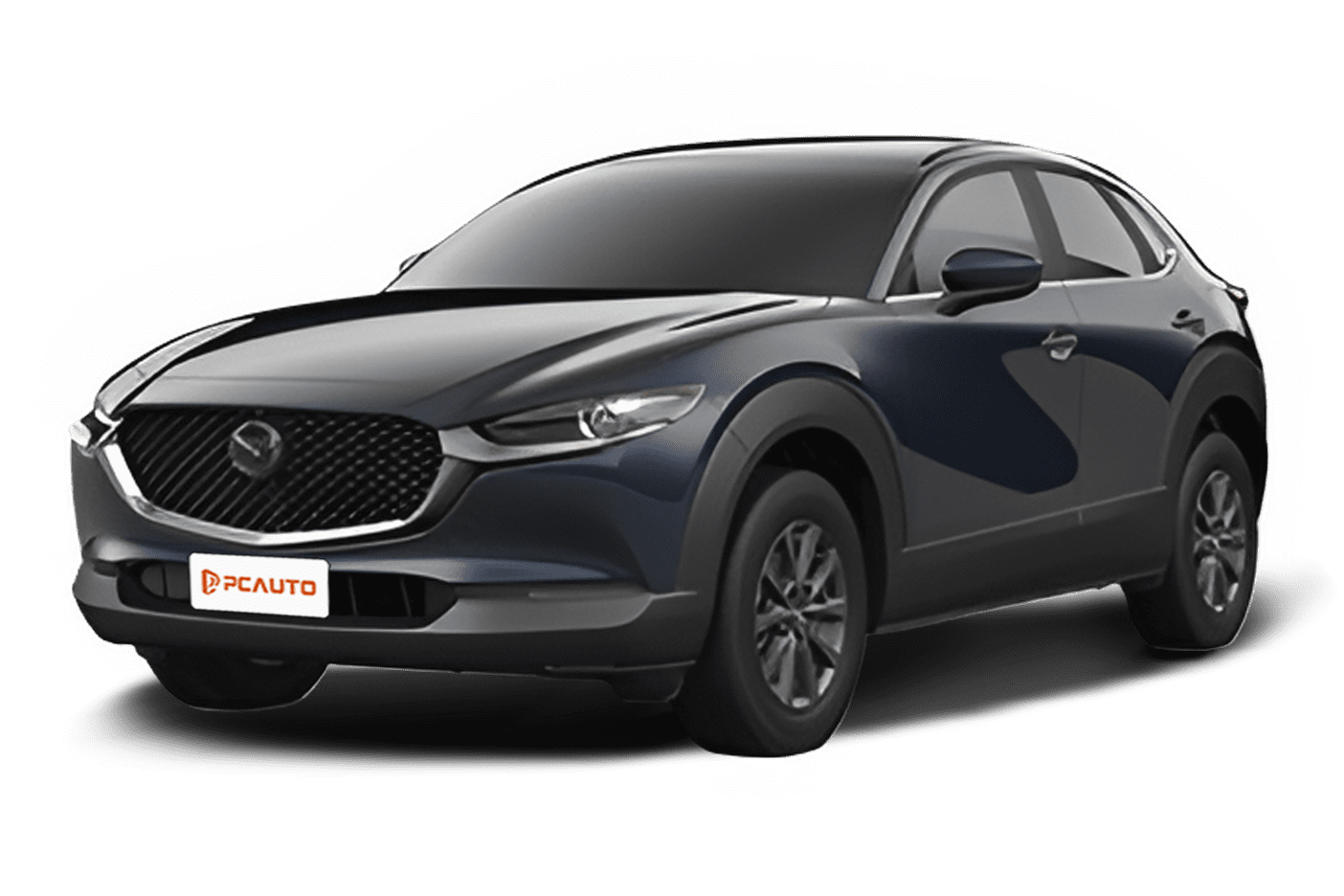
2023 Mazda CX-30 2.0G 2WD High Review

 Share
Share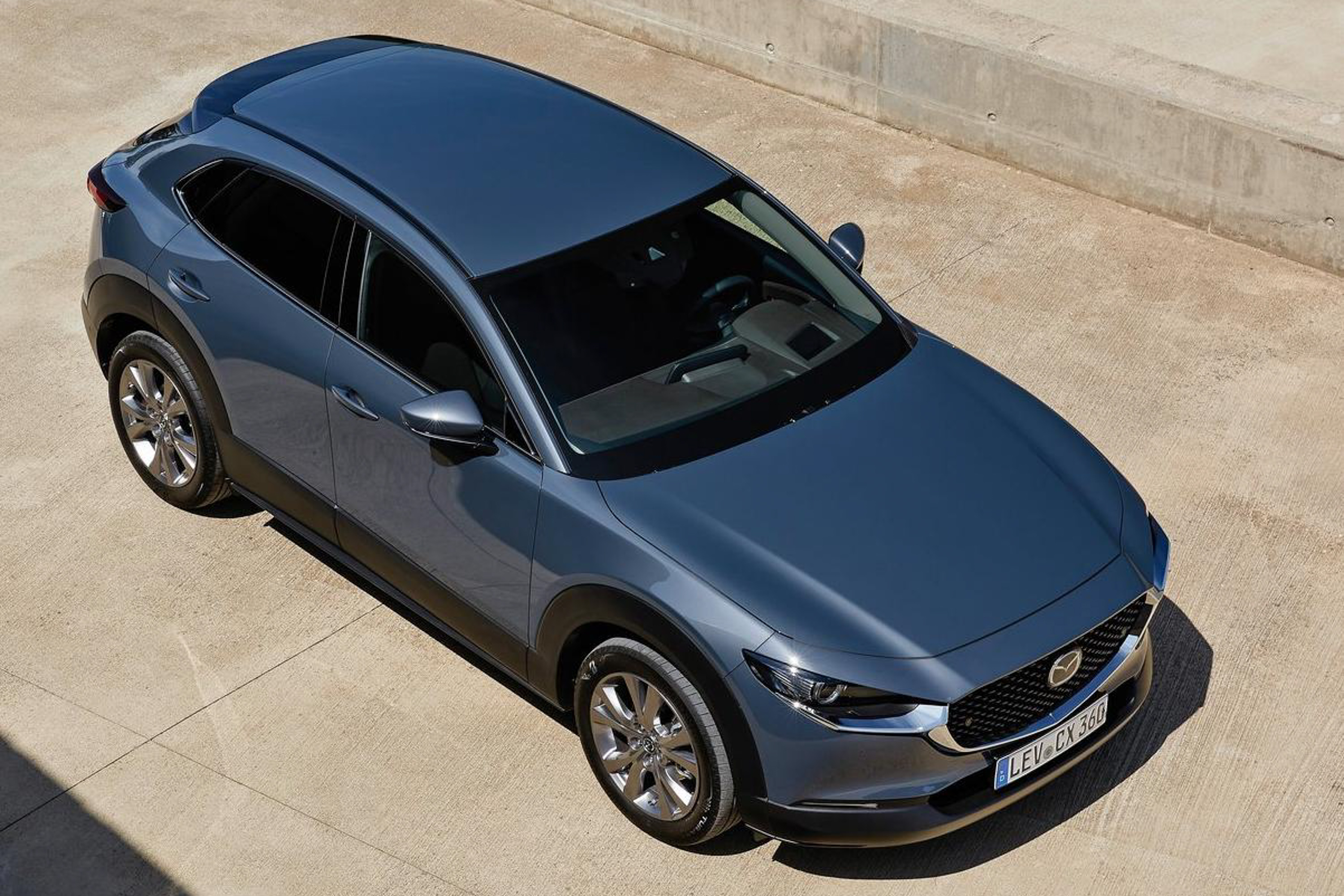
 Segment
 Body Type
 Capacity(L)
 Engine Power(PS)
 Transmission
 Driven Wheels
In Malaysia's B-Segment SUV market, consumers are increasingly demanding a well-balanced vehicle—they want economical options for daily commuting without compromising on features and space. The 2023 Mazda CX-30 2.0G 2WD High, a popular contender in this segment, emphasizes a combination of high-end features and driving dynamics. In this test drive, we mainly evaluate whether it can balance family usage with personal driving needs, as well as verify the actual performance against its official data.
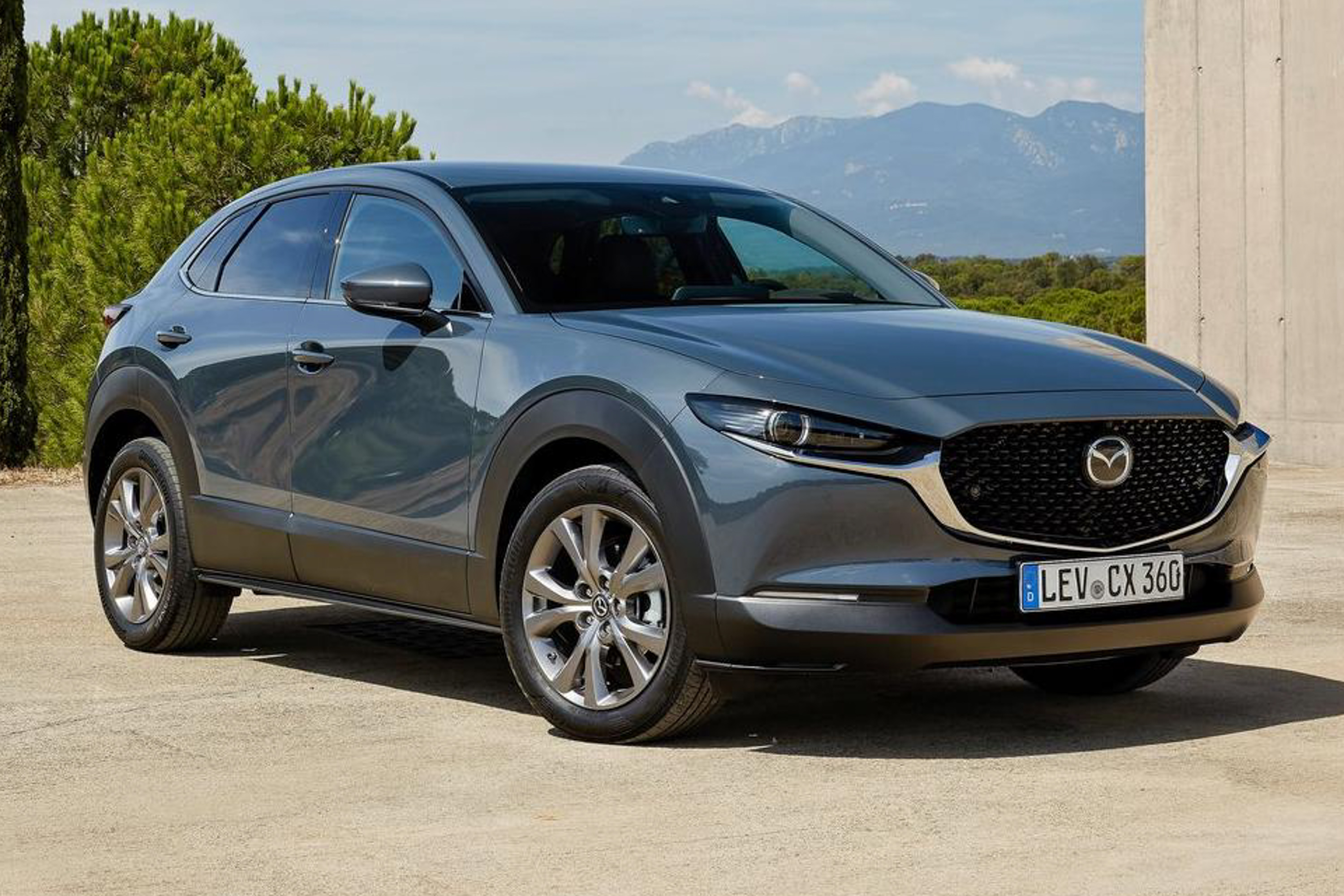
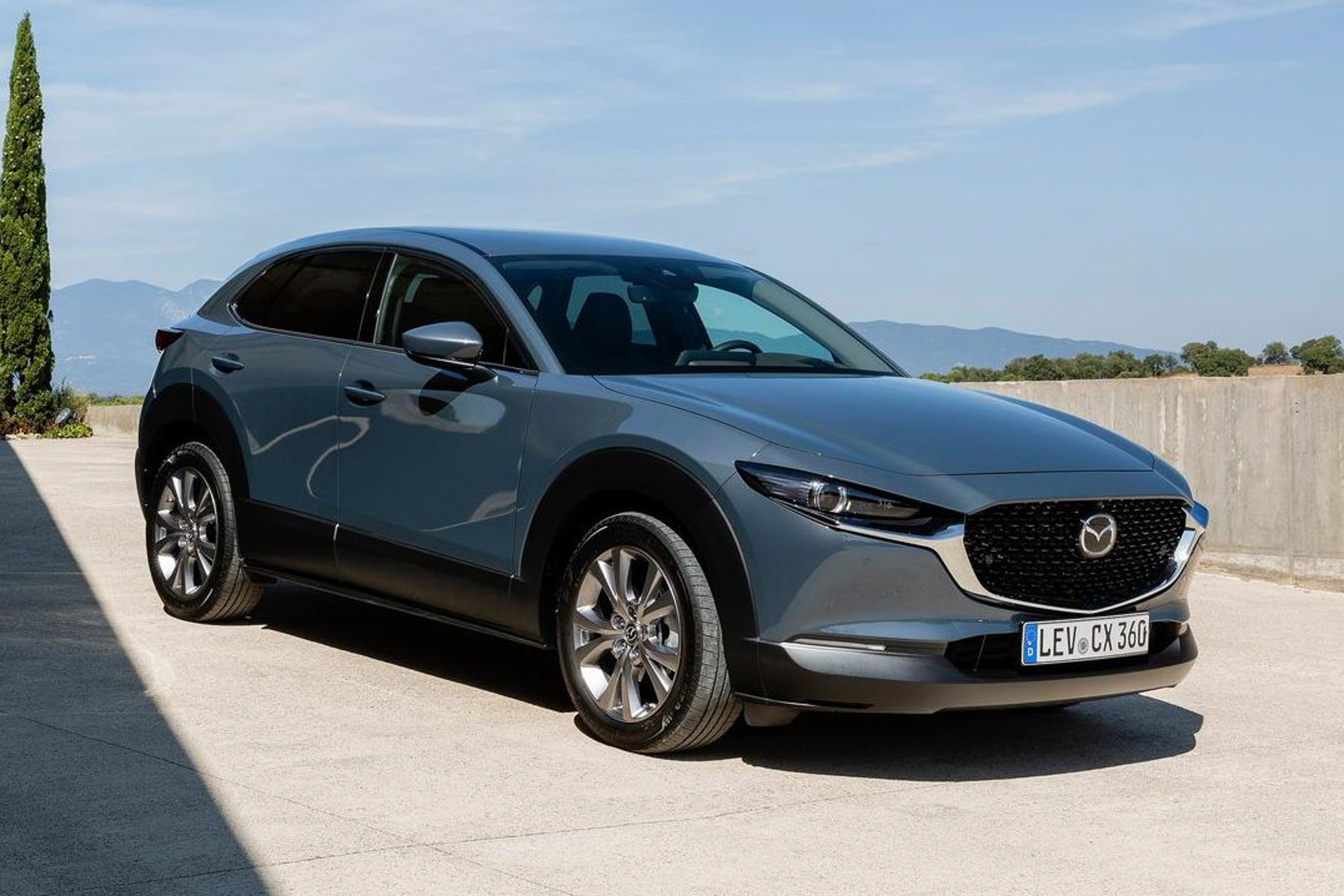
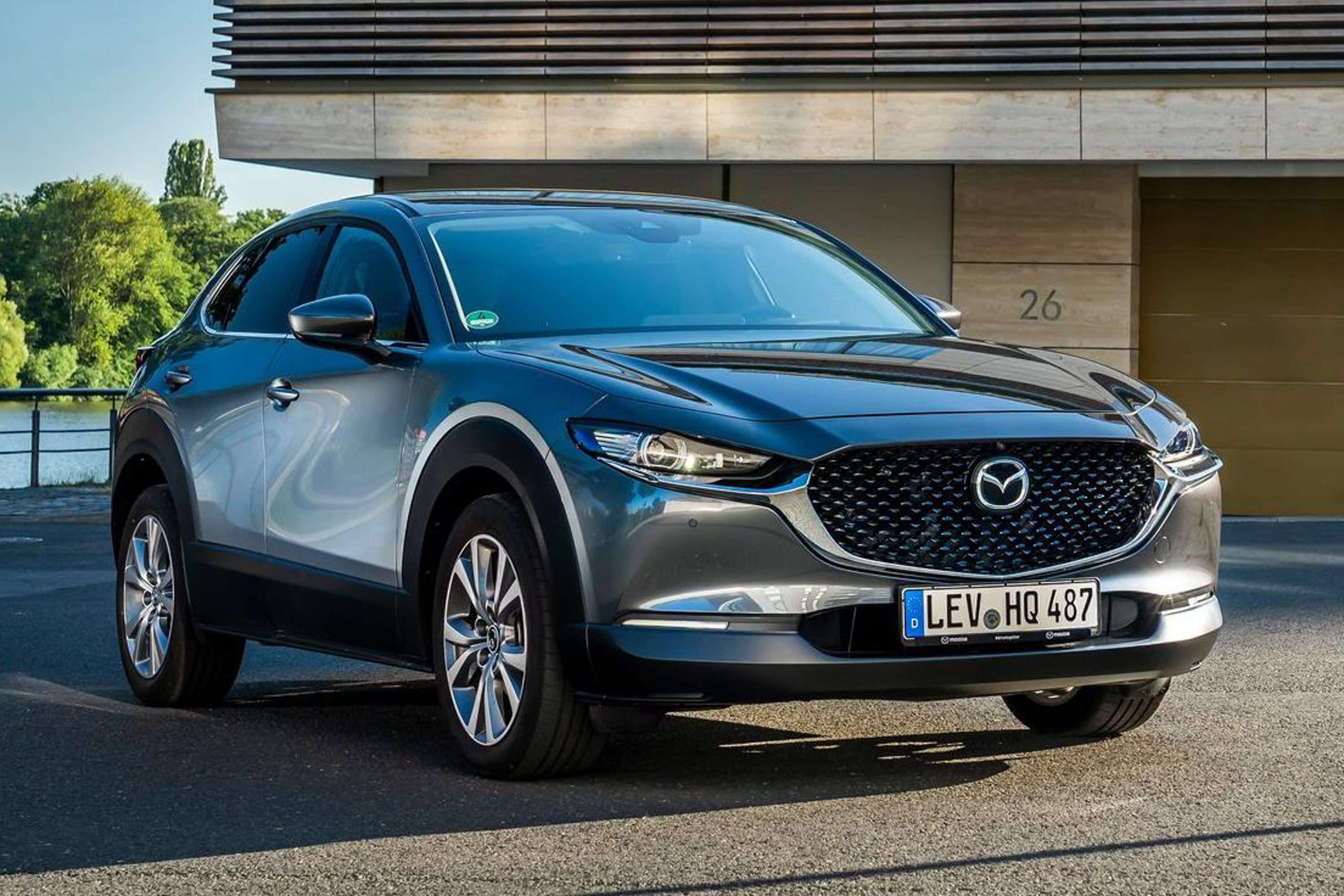
From a distance, the overall lines of the CX-30 maintain Mazda’s characteristic smoothness, with no overly complex edges. The front features a shield-shaped grille matched with chrome trim, seamlessly connected to the LED headlights on both sides, creating high recognizability. The trapezoidal air intake at the lower front bumper and the black trim in the fog light area give the front a more layered appearance. The shoulder line along the side of the vehicle extends from the front fender to the rear, paired with 18-inch multi-spoke wheels, ensuring a well-balanced side profile. At the rear, the smoked LED taillights align with the small spoiler on the trunk, while the silver skid plate on the rear bumper adds a touch of rugged SUV vibe. Overall, the exterior design is understated yet appealing, with detailed touches that reflect thoughtful craftsmanship.
Stepping inside, the interior materials and layout leave a good initial impression. The dashboard is wrapped in soft-touch materials, accented with silver trims, offering a level of quality above average in its class. The infotainment screen measures 8.8 inches, though daily operation relies more on the physical rotary knob located near the gear lever, with a clear logic that is convenient even for blind operation. A head-up display (HUD) is standard, showing speed, navigation, and other information, reducing the frequency of looking down at the instrument panel. A 7-inch color TFT instrument cluster clearly displays the vehicle’s status. In terms of configuration, the front seats are 10-way electrically adjustable with memory function, while the passenger seat is manually adjustable with 6 settings. The seat padding is on the firmer side but provides sufficient support. The rear seats include air conditioning vents and power outlets, and the center floor hump is not very high, allowing three adults to sit comfortably for short trips. The trunk offers a capacity of 430 liters, with rear seats capable of a 60:40 split fold, making it easy to accommodate a stroller or suitcases, meeting daily family usage needs.
In terms of performance, the 2.0L naturally aspirated engine delivers a maximum power of 164PS and maximum torque output at 4000rpm. In daily driving, the car has a responsive start, and the power response is active in the lower RPM range, suitable for city commuting. Under full throttle acceleration, the power delivery remains linear, but the high-end acceleration is average, requiring advance planning for overtaking on highways. The transmission is a 6-speed automatic that shifts smoothly with minimal jerkiness. In sports mode, the shifting logic becomes more aggressive. The steering feel is on the heavier side, with precise handling, providing enough confidence to the driver during cornering. The suspension system utilizes a front MacPherson strut and rear multi-link setup, tuned towards a firmer side. When going over speed bumps or uneven roads, the vibrations are cleanly damped without excessive rebound, though rear passengers may experience slight shaking.
As for fuel consumption, we conducted both city and highway tests. In the city, driving mainly in congested conditions, and on the highway at speeds between 90-110km/h, the combined fuel consumption averaged around 7.2L/100km, slightly higher than the official figure of 6.4L. However, considering real-world conditions, this performance is within a reasonable range. In terms of braking, the pedal feels linear, and the braking distance is moderate. During emergency braking, the vehicle maintains good stability. Regarding noise control, some wind and tire noise can be heard at higher speeds, but they remain within an acceptable range, not affecting normal conversations. Engine noise becomes pronounced at higher RPMs but is not intrusive during daily driving.
Overall, the core advantages of the 2023 Mazda CX-30 2.0G 2WD High lie in its features and driving dynamics. Compared to competitors in the same segment, such as the Honda HR-V or Toyota Corolla Cross, it comes with more comprehensive standard safety features (7 airbags, autonomous emergency braking, etc.), and its interior quality is superior, while its price remains reasonable, making it highly cost-effective. It is suitable for families who value balanced performance—low fuel consumption for daily commutes, spacious enough for family use, and features that enhance convenience. It is also ideal for young people who seek driving quality, as its precise steering and smooth transmission deliver a good driving experience.
In summary, the CX-30 2.0G 2WD High is a model without obvious shortcomings. It achieves a good balance between space, features, driving performance, and fuel economy. If you are looking for a B-Segment SUV that caters to both family and personal driving needs, it is worth considering.
Mazda CX-30 Car Compare
Mazda CX-30 Loan Calculator
More Mazda Reviews
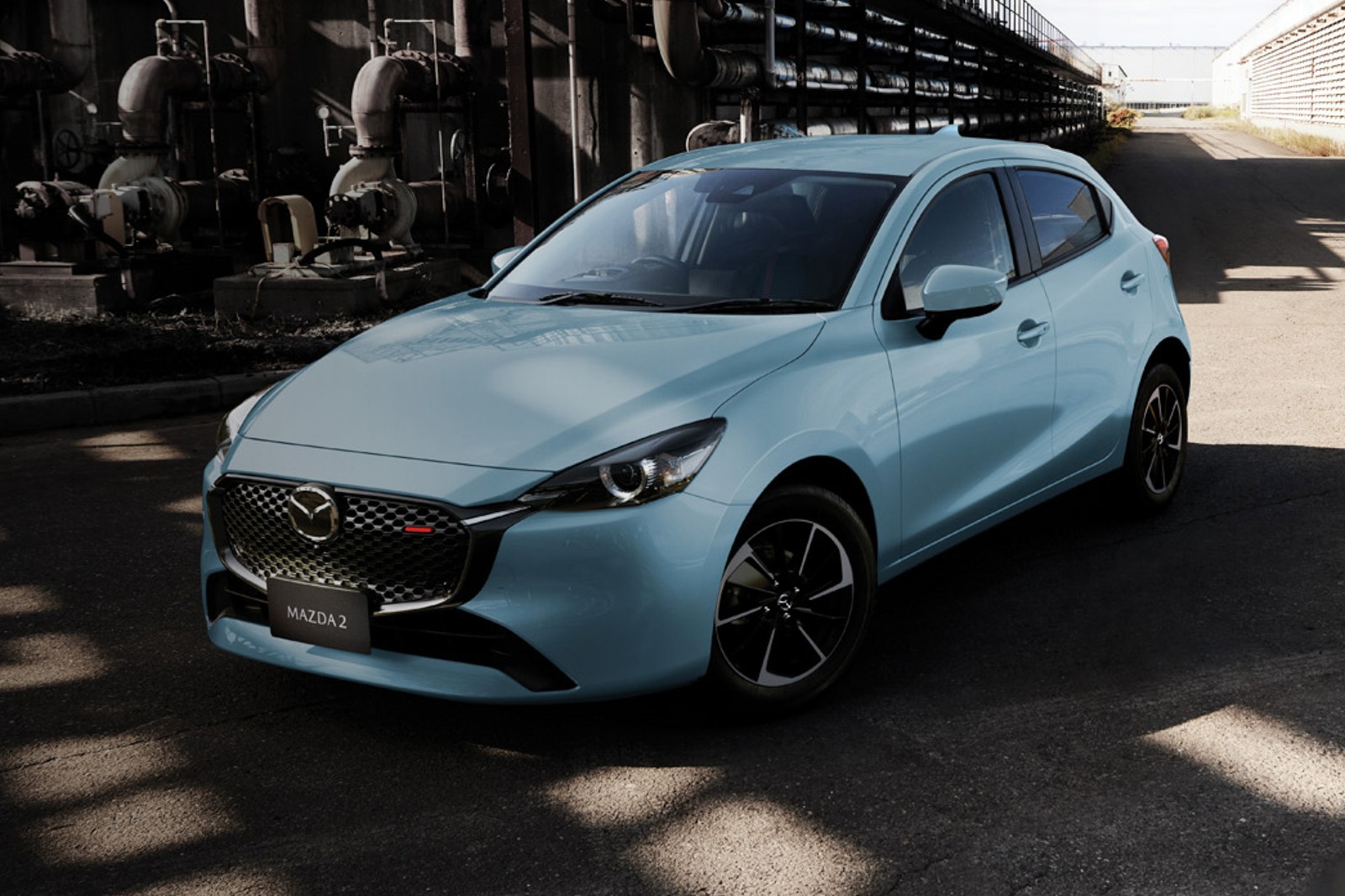
Cars With Similar Price And Features
4
Rank in SUV
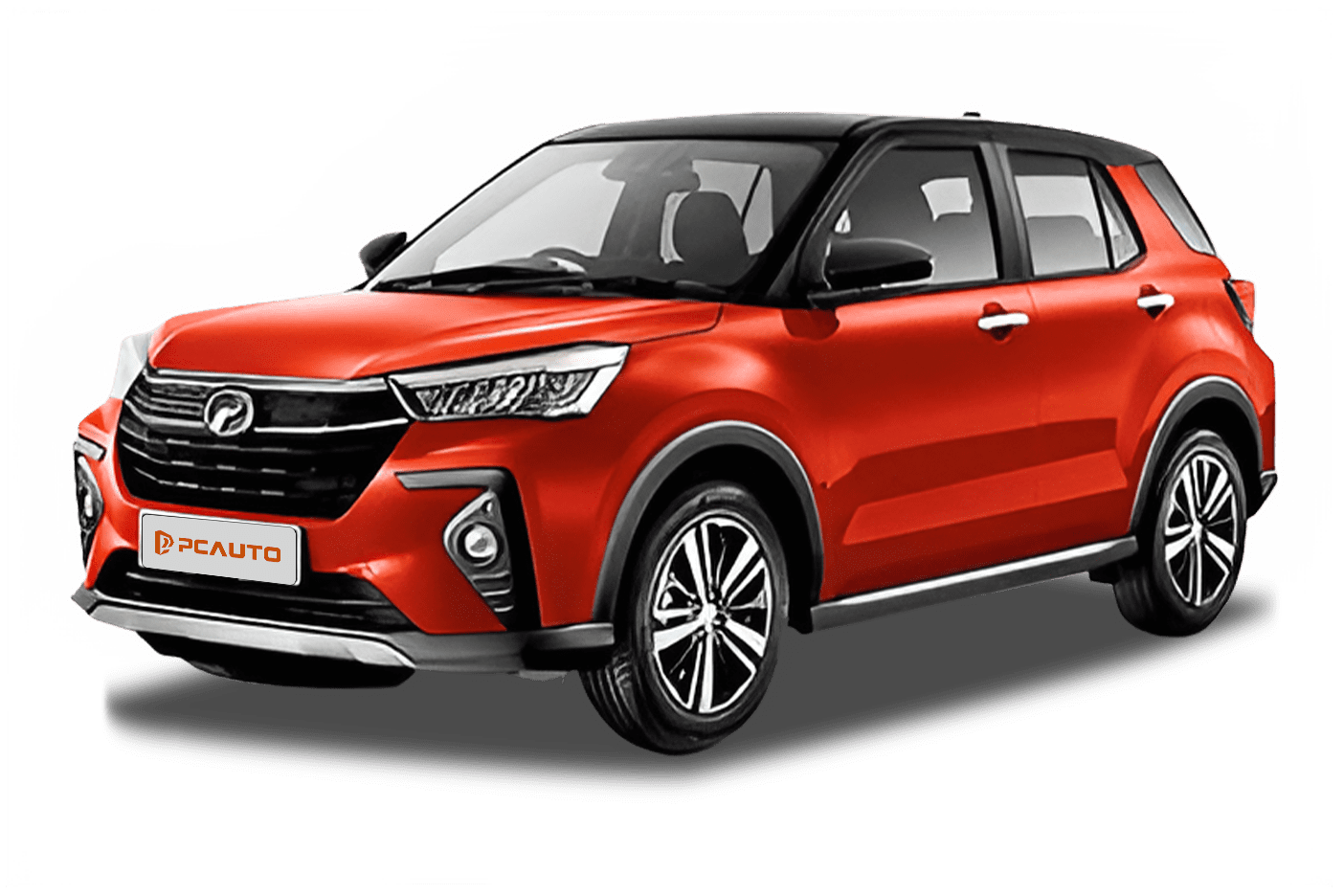
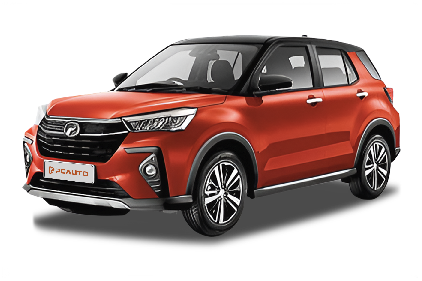
2023 Perodua Ativa 1.0L Turbo X, as a high-value-for-money entry-level B-SUV, meets the commuting and short-distance travel needs of family users with advanced safety features, practical space, and economical fuel consumption.
15
Rank in SUV
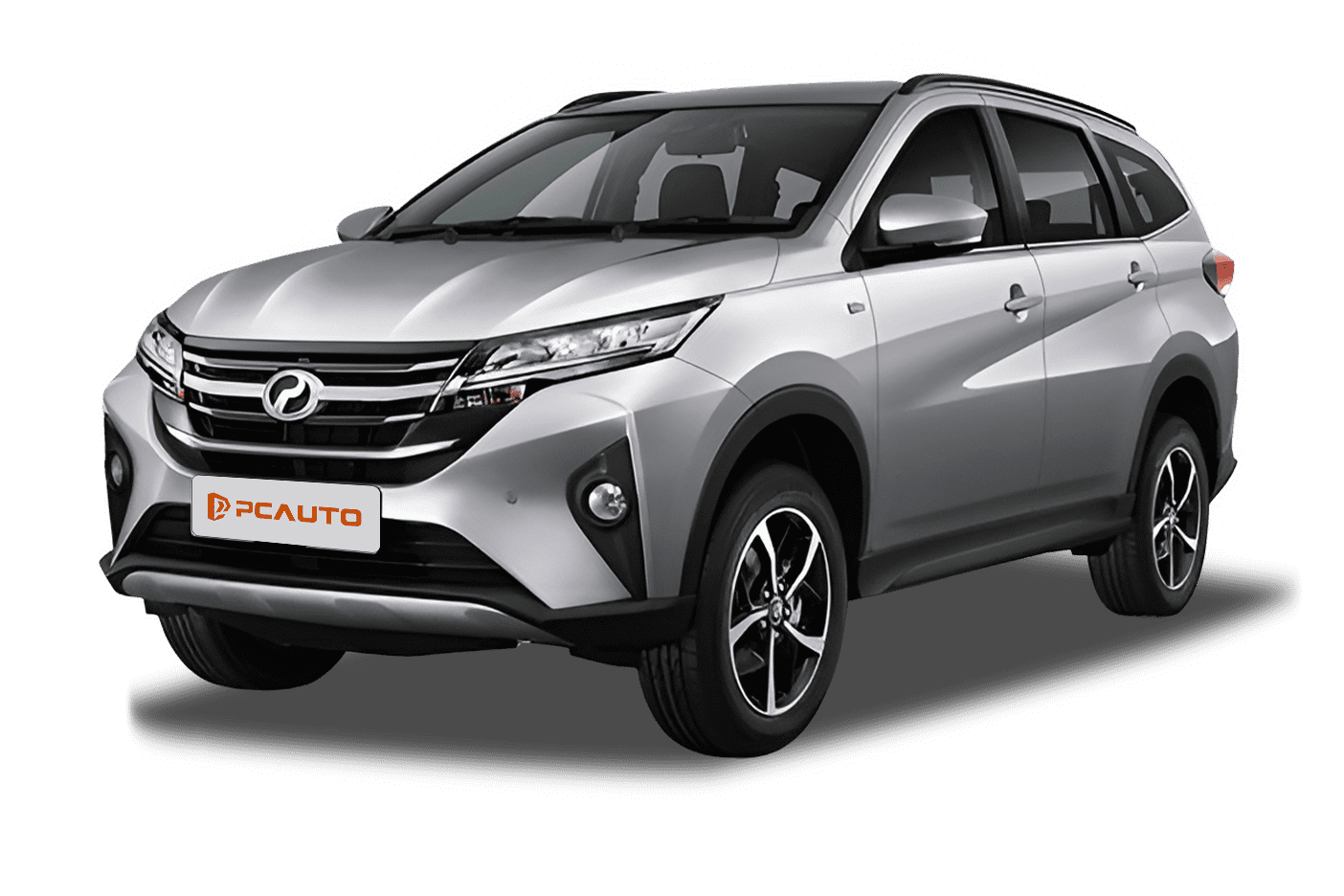
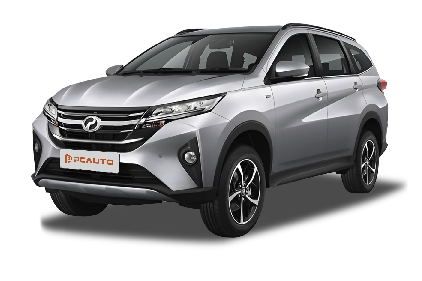
The 2023 Perodua Aruz 1.5L X is a high-value-for-money B-segment 7-seater SUV, offering 6 airbags and active safety systems as standard equipment for under RM63k. It balances practical space and daily commuting needs, making it a pragmatic choice for budget-conscious families.
3
Rank in SUV
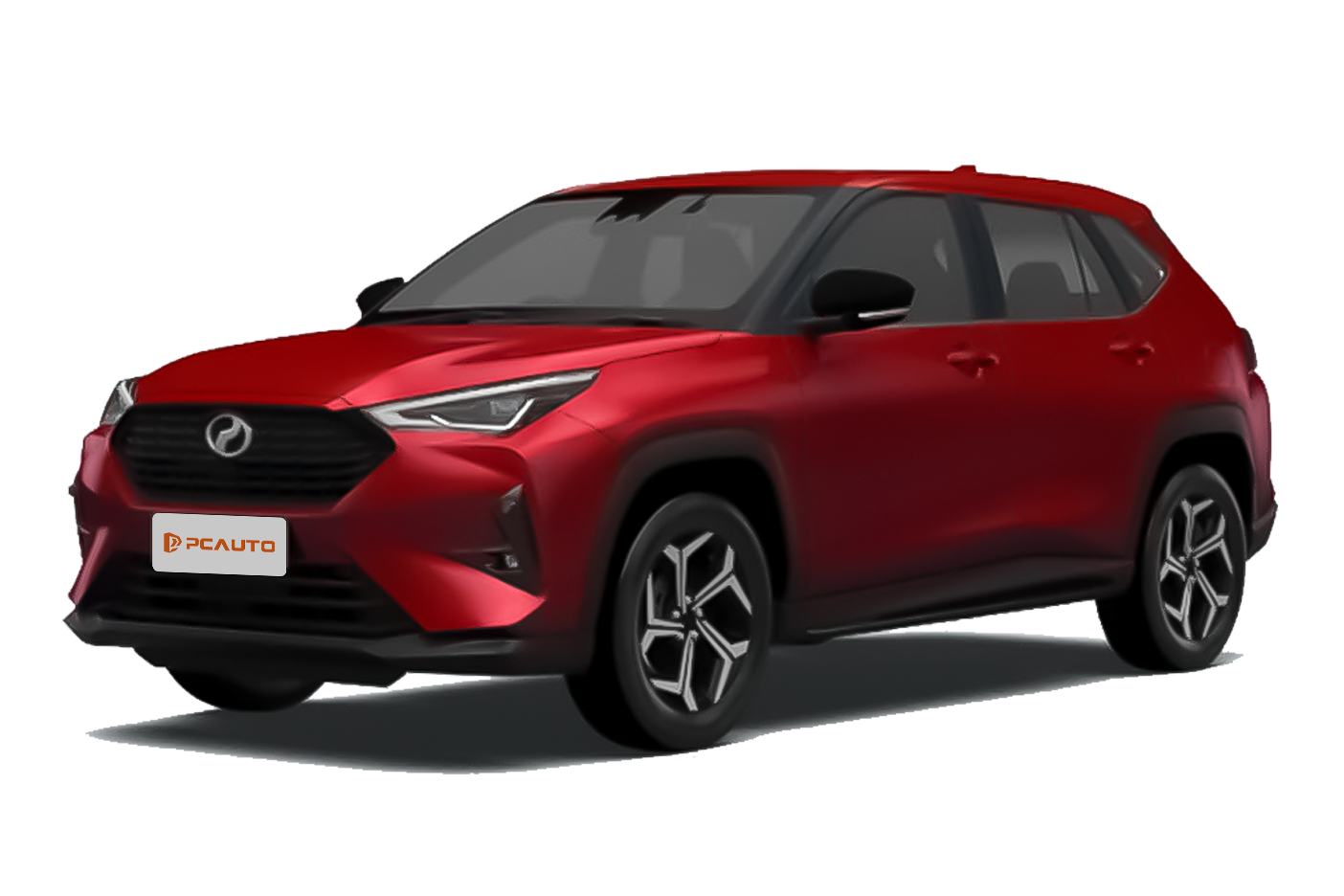
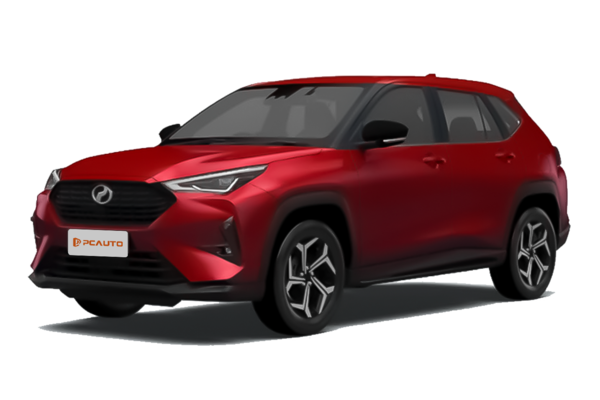
2025 Perodua Traz X, positioned as a B-segment SUV for family users, highlights advanced safety features, 210mm high ground clearance, and practical spaciousness as its main selling points, balancing flexibility and practicality.
2
Rank in SUV
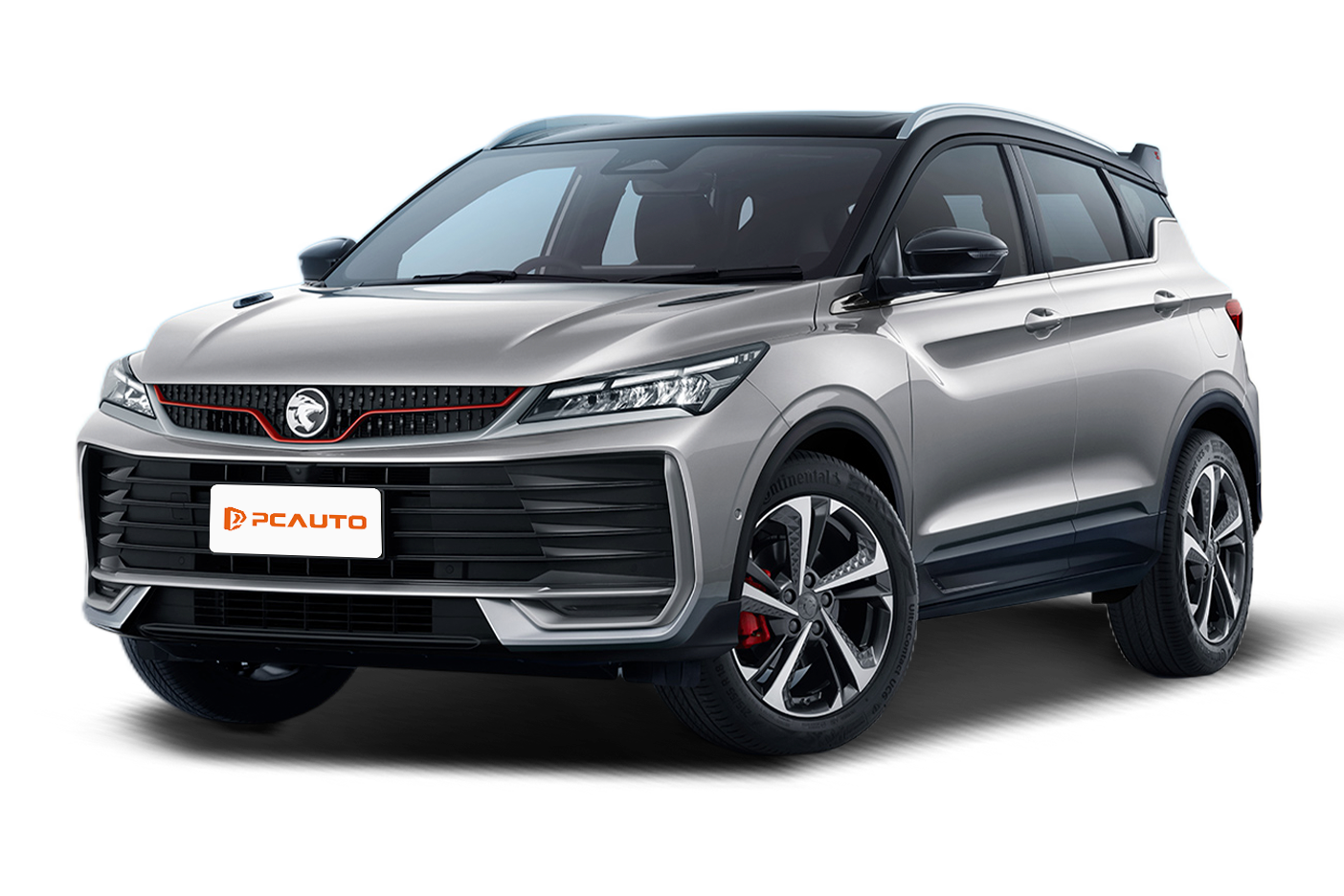
2025 Proton X50 Executive is an upgraded and price-reduced mid-size SUV that combines refined exterior, tech-savvy interior, powerful performance, and practical space, offering exceptional value for money.