

Mazda CX-60 Review

 Share
Share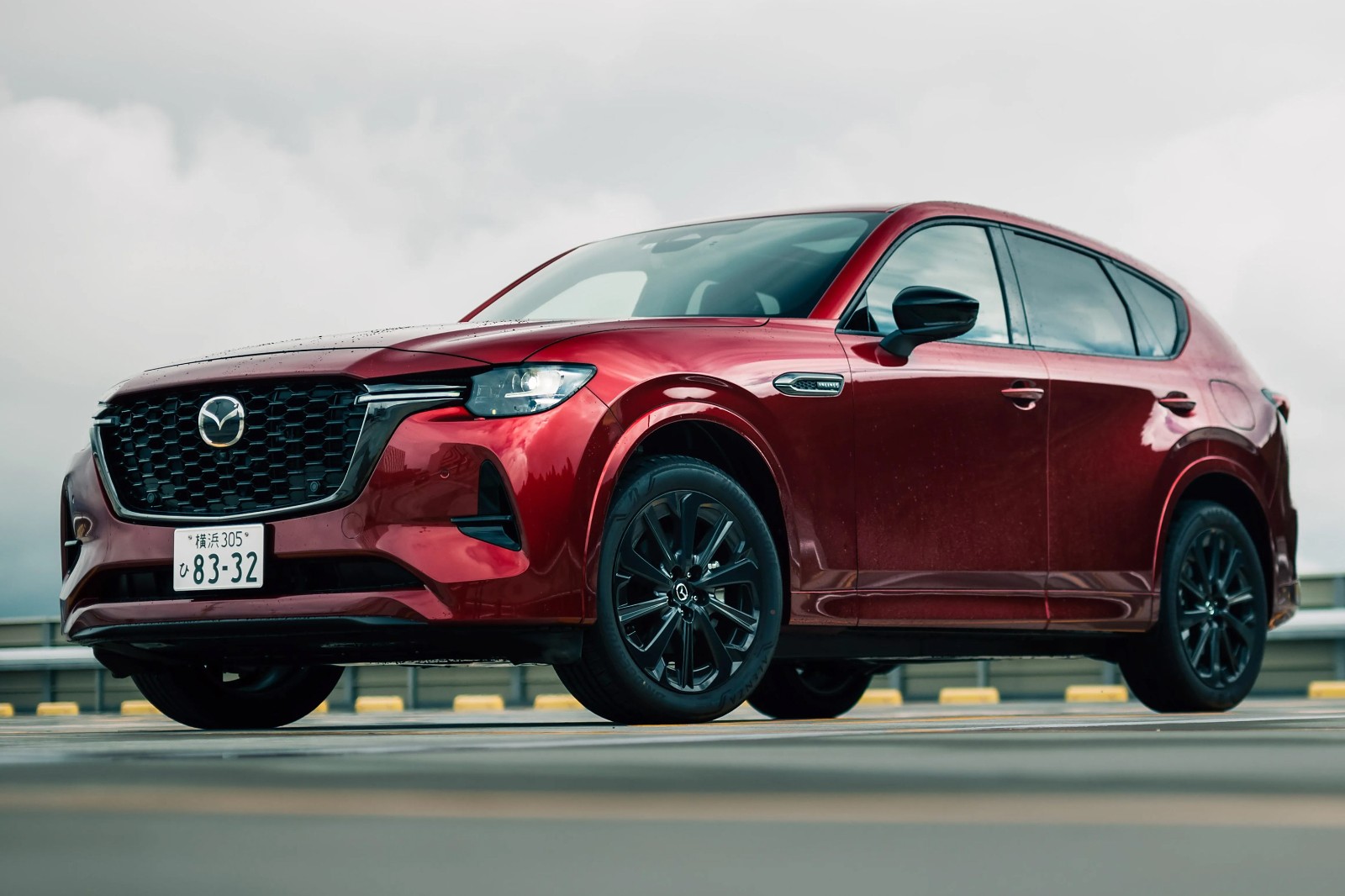
 Segment
 Body Type
 Capacity(L)
 Engine Power(PS)
 Engine Torque(Nm)
 Transmission
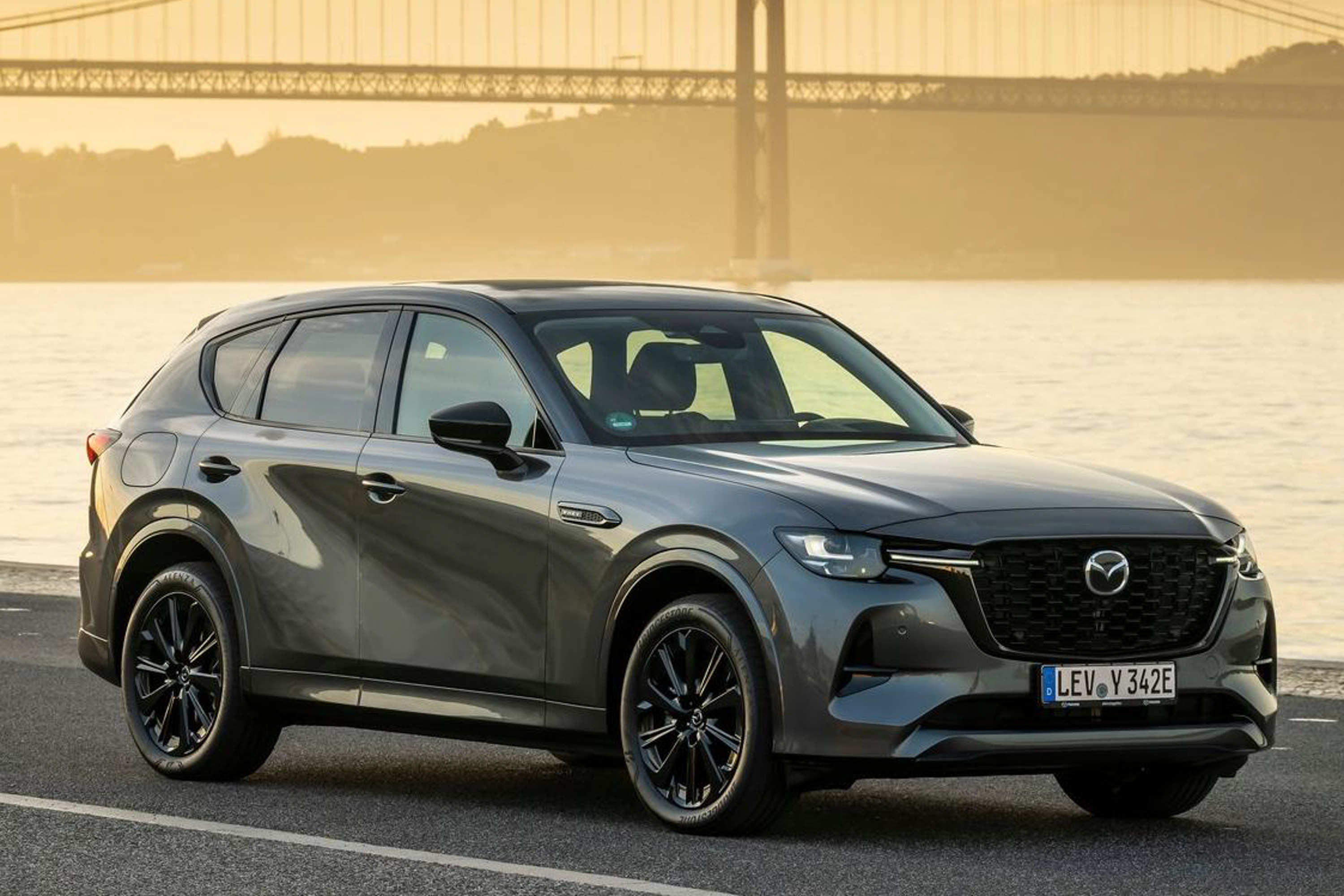
In the current Malaysian D-Segment SUV market, family users have increasingly clear demands for space, features, and driving quality. While many models focus on these aspects, few achieve a proper balance. The 2025 Mazda CX-60 2.5G 2WD High, as a new choice in this segment, highlights its core selling points of spaciousness brought by a long wheelbase, comprehensive intelligent safety features, and Mazda's consistently excellent handling tuning. In this test drive, we focus on verifying whether its space practicality meets family needs, whether the features are truly "high-spec," and how the 2.5L naturally aspirated engine performs in daily driving.
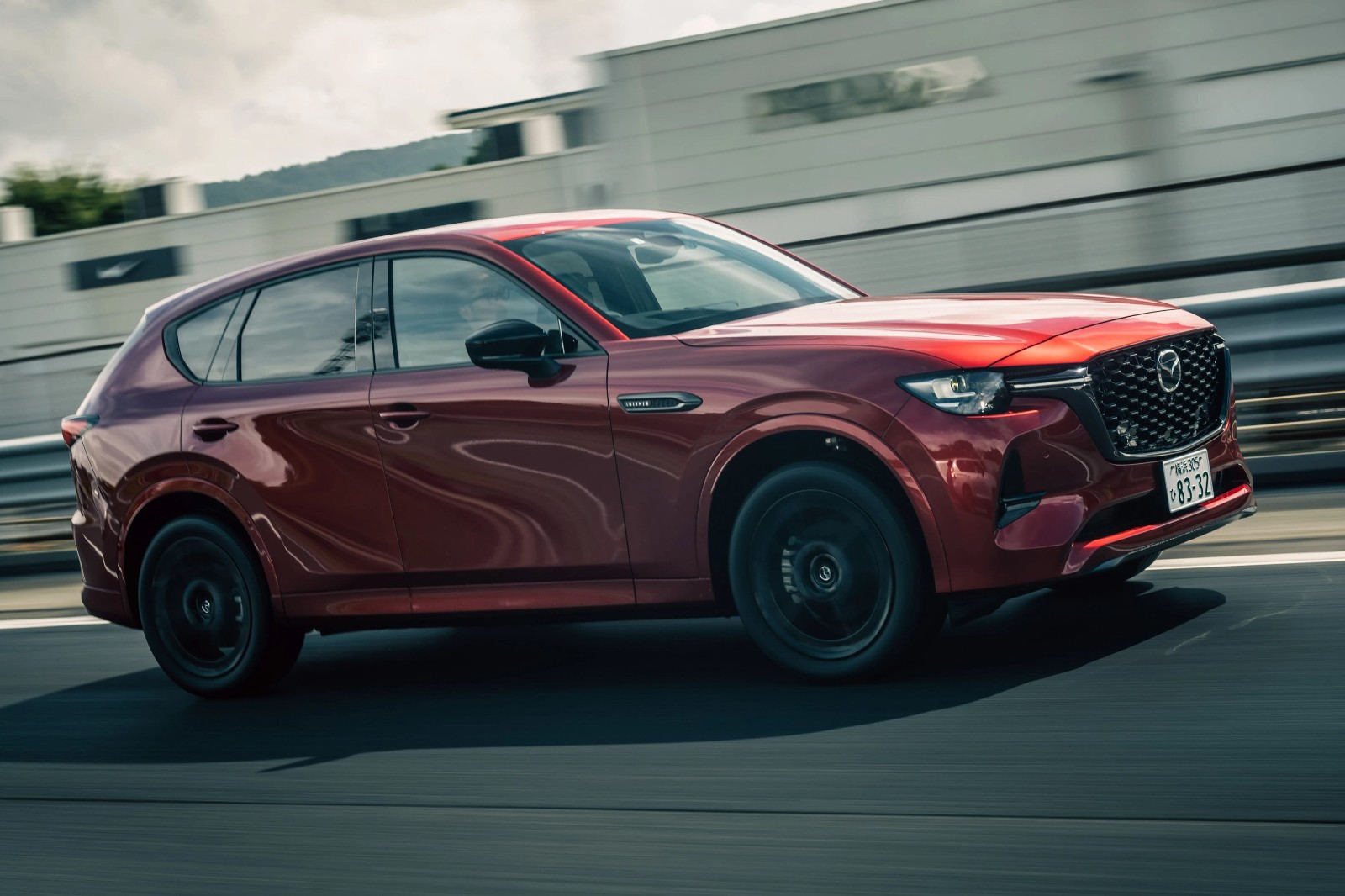
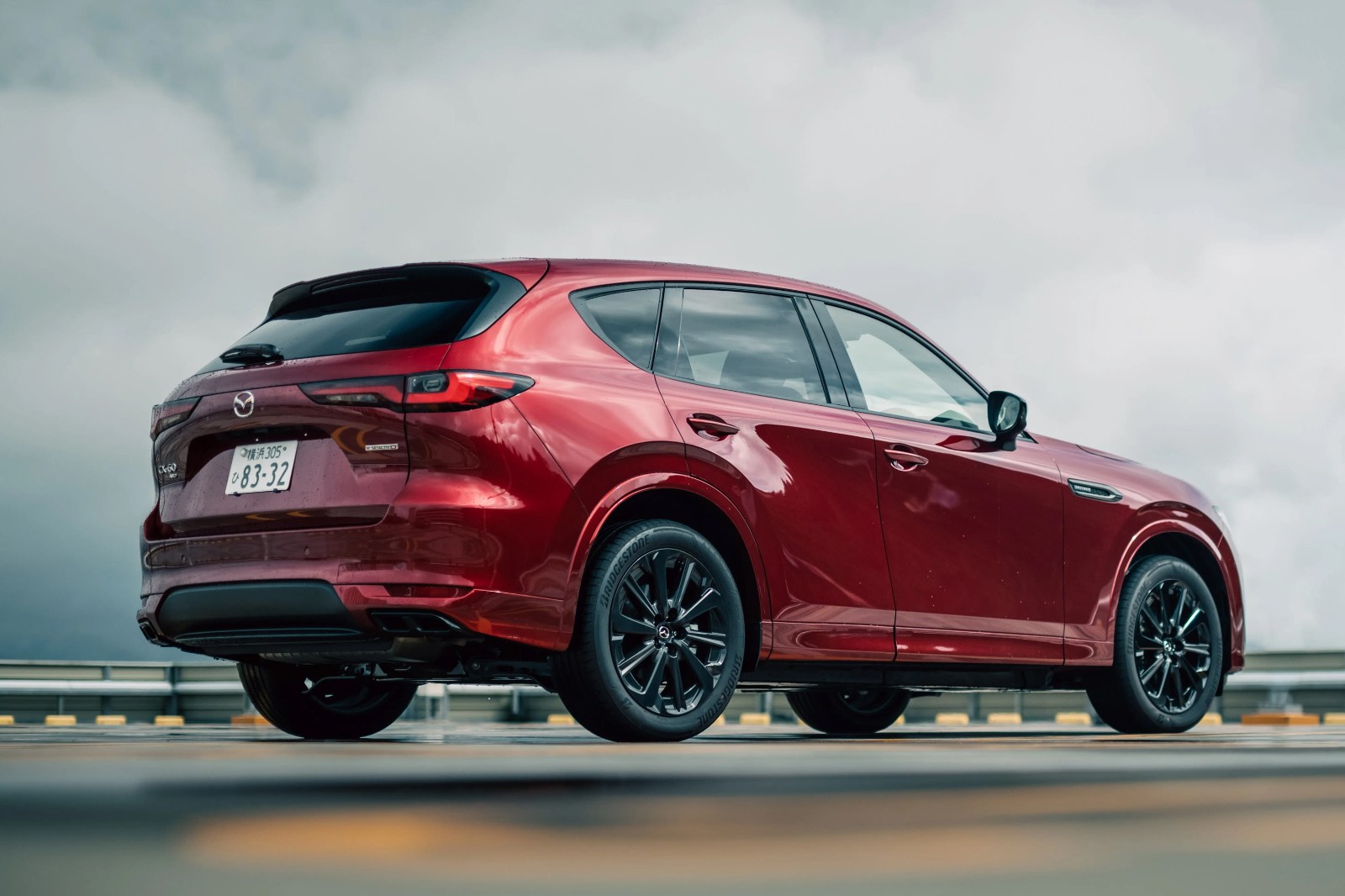
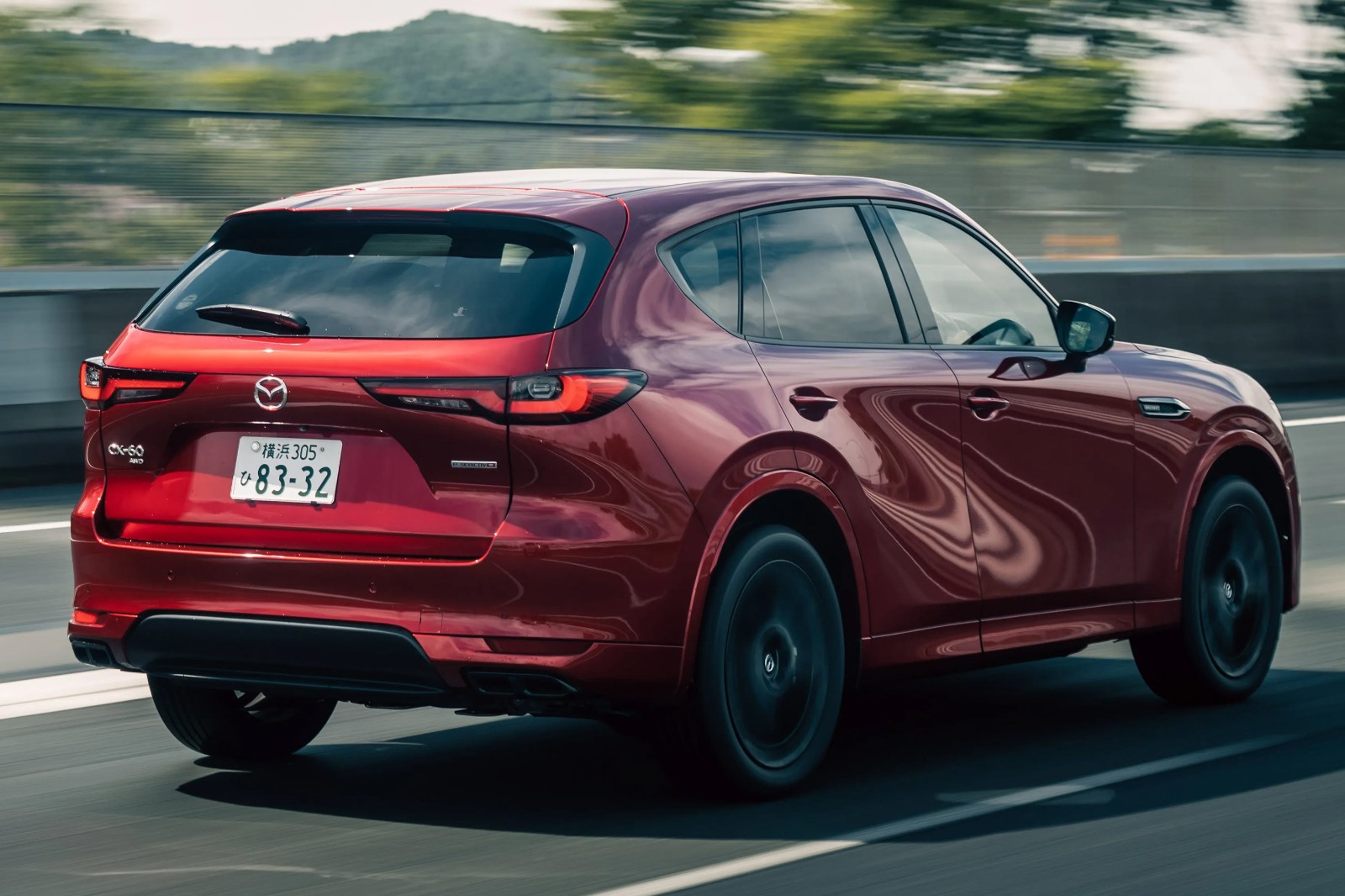
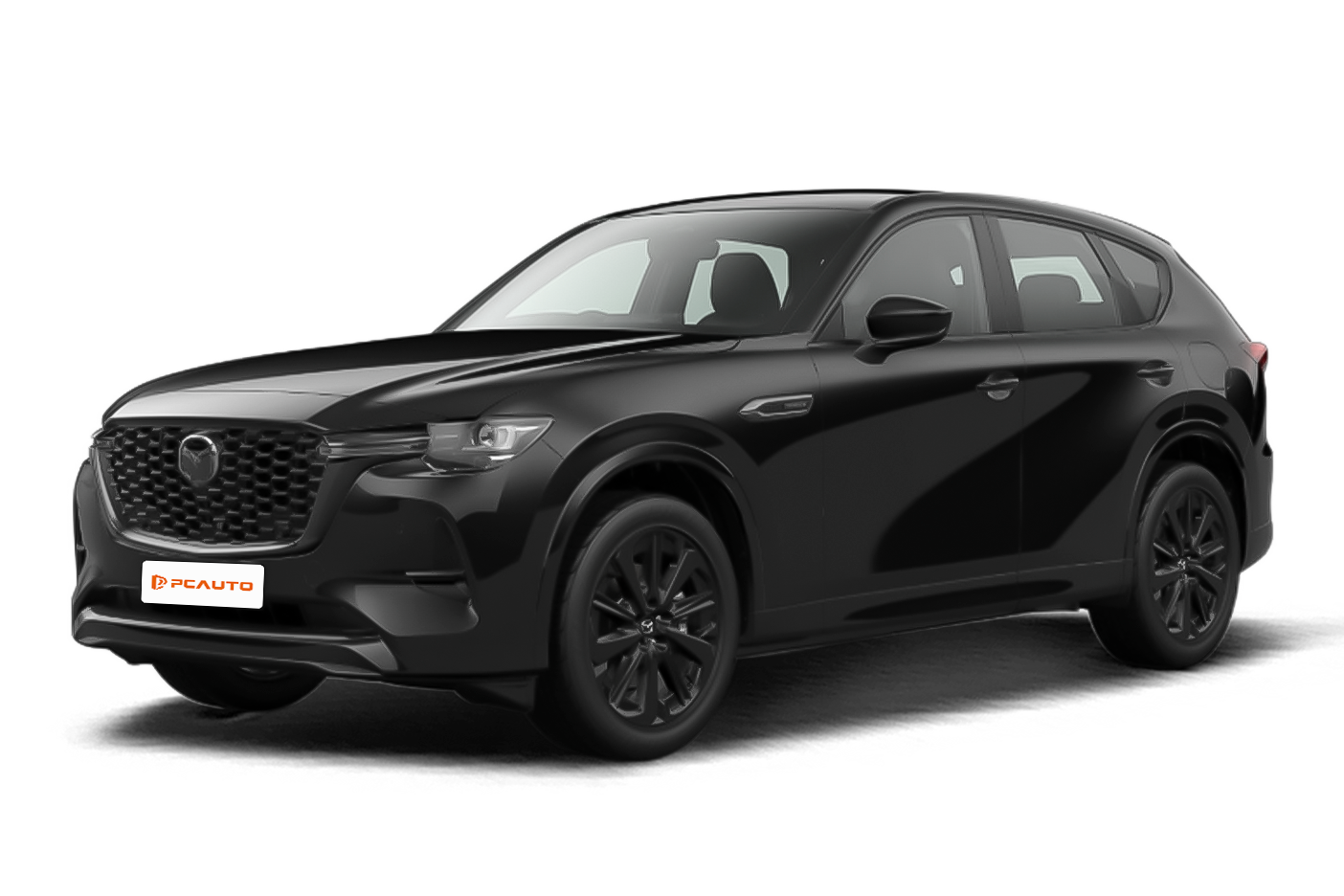
Looking at the exterior, the CX-60 2.5G High continues Mazda's signature Kodo design language. The overall style leans towards mature elegance, but does not lack refinement in the details. The front features a shield-shaped grille of moderate size, filled with a black mesh structure and surrounded by chrome trim, ensuring strong recognition. The LED headlight design is sharp and connected to the grille, visually widening the car's front. The lower fog lights are also LEDs, embedded in the side air inlets, adding a sporty feel. The side profile of the vehicle is smooth, with a distinct waistline extending from the front fender to the rear. Paired with 20-inch multi-spoke alloy wheels, the side proportions are well-balanced. At the rear, the LED taillights adopt a through-type design, connected in the center by a chrome strip, creating a striking lighting effect. The silver skid plate on the rear bumper and the dual exhaust outlets enhance the layered look of the rear design.
Opening the door, the interior's quality is eye-catching. The dashboard is wrapped in soft materials and complemented by wooden grain decorative panels and silver trims, creating an overall luxurious atmosphere. The 12.3-inch central touchscreen is suspended above the dashboard with a moderate size and smooth interface. Below it, physical buttons and knobs are retained for common functions, making them more convenient to operate compared to full-touch controls. The instrument cluster is also a 12.3-inch fully digital display, showing information such as navigation, fuel consumption, and driving assistance features, with excellent clarity. Regarding the seats, the front seats are wrapped in leather. The driver’s seat supports 10-way electric adjustments, while the passenger seat supports 8-way electric adjustments. Lumbar support and lateral support are well-designed, ensuring comfort even on long drives. The rear seats feature similarly soft cushioning, and the legroom benefits from the 2870mm wheelbase, appearing very spacious. A 175cm tall passenger sitting in the rear would find two fists of space between their knees and the front seats. The rear seats are also equipped with independent air-conditioning vents and USB ports, maximizing practicality. In terms of storage, the front central armrest box is very sizeable, accommodating numerous items. The door storage slots can also hold water bottles. The trunk has decent regular capacity, and the rear seats support a 40:20:40 split-folding mode, expanding the space even further to meet the cargo needs of family trips.
Regarding performance, this car is equipped with a 2.5L naturally aspirated engine delivering a maximum power output of 191PS and a peak torque of 261N·m, paired with an 8-speed automatic transmission. In daily driving, the power output is smooth. Acceleration doesn’t feel sluggish, and throttle response is linear. In urban traffic conditions, the transmission shifts proactively, with virtually no noticeable jerks. When accelerating to 60-80km/h, the power reserve is sufficient, and stepping on the gas pedal to overtake prompts a quick downshift, delivering adequate power. However, when driving on a highway above 100km/h, the acceleration doesn't feel particularly explosive, making it more suitable for a steady driving style. There are three driving modes to choose from: Eco, Standard, and Sport. In Sport mode, the throttle response becomes more sensitive, and the transmission delays its shift timing, suitable for users looking to add some driving thrill occasionally.
In terms of handling, the performance of the CX-60 is satisfying. The steering wheel is precise with minimal dead zones and moderate return force, light at low speeds, and stable at high speeds. The front double wishbone and rear multi-link independent suspension are tuned for comfort without losing resilience. When passing over speed bumps or uneven roads, the suspension absorbs most of the vibrations, ensuring passengers inside don't feel the jolts. When cornering, the body roll is well-controlled, and the suspension offers sufficient support, instilling strong confidence. Regarding braking, the brake pedal feel is linear, braking force is distributed evenly, and during emergency braking, the car remains stable without any skidding.
In terms of safety features, this car is almost fully equipped. Standard features include six airbags, anti-lock braking system (ABS), and electronic stability control. For active safety, there is lane-keeping assist, lane departure warning, autonomous emergency braking, forward collision warning, and full-range adaptive cruise control (ACC), which greatly reduces fatigue during daily driving. The 360-degree panoramic image has high clarity, combined with front and rear parking sensors, making parking convenient. The heads-up display (HUD) shows speed, navigation, and other information without requiring the driver to look down at the instrument panel, thus enhancing safety.
As for fuel consumption, we drove both in the city and on highways. In total, the average fuel consumption came to about 8.5L per 100 kilometers. In congested urban areas, the fuel consumption is slightly higher, around 9.2L, whereas on highways during cruising, the fuel consumption is lower, at about 7.8L. For a 2.5L SUV, this fuel consumption is considered moderate.
Noise control is also handled well. While driving in the city, road and wind noise are not noticeable; at highway speeds above 120km/h, wind noise increases slightly but does not affect conversations inside the car. The comfort of the seats adds additional points, as the padding is soft with good support, ensuring that even during long rides, passengers don’t feel fatigued.
Overall, the core advantages of the 2025 Mazda CX-60 2.5G 2WD High are clear: the extended wheelbase provides generous space suitable for family use, the full suite of safety and comfort features enhance everyday driving, the 2.5L naturally aspirated engine delivers smooth and reliable power, and the fuel consumption is within an acceptable range. Compared to models like the Toyota Highlander 2.5L or Honda Avancier 1.5T in the same class, the CX-60 offers more comprehensive features, better interior quality, and a good value for money.
The target audience of this car is clear: families that prioritize space, features, and driving quality, or middle-aged consumers seeking a well-balanced vehicle. If you need an SUV that meets daily commuting and family travel needs while offering rich features and a comfortable driving experience, the CX-60 2.5G High is worth considering.
In conclusion, the 2025 Mazda CX-60 2.5G 2WD High is a well-rounded D-segment SUV with no significant shortcomings in space, features, power, and handling. Its standout configuration and spaciousness make it very competitive within its class. If you value practicality and comfort, this car will not disappoint you.
Mazda CX-60 Car Compare
Mazda CX-60 Loan Calculator
More Mazda Reviews
Cars With Similar Price And Features
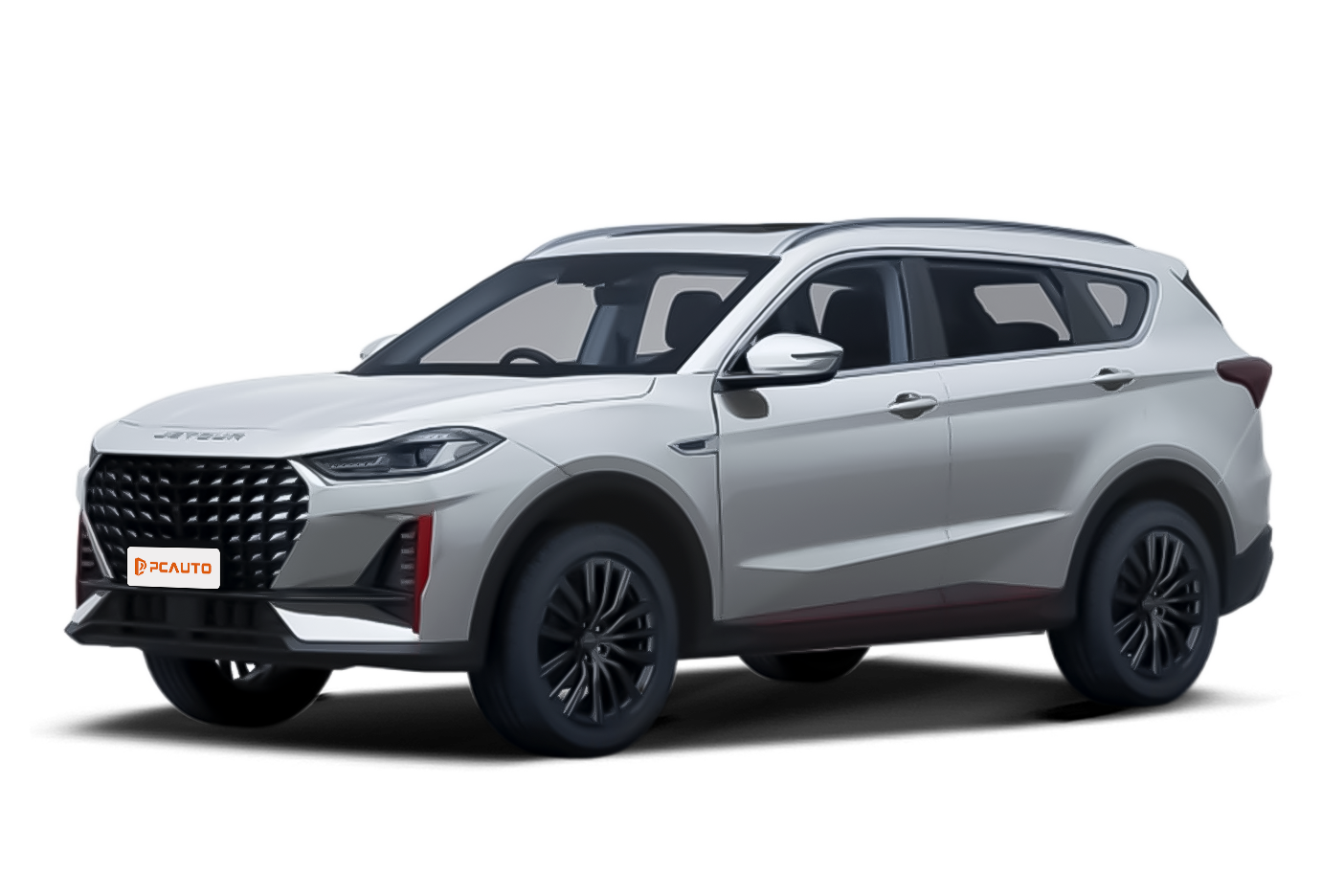
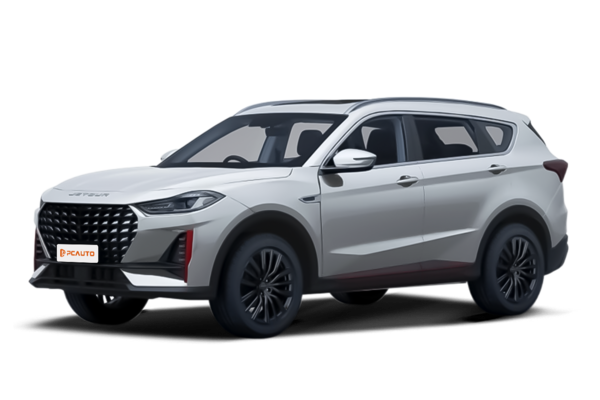
2025 Jetour VT 9 Comfort is a highly cost-effective 7-seater family SUV, featuring practical space, rich configurations, and balanced power, precisely meeting the needs of family short-distance travel.

11
Rank in SUV
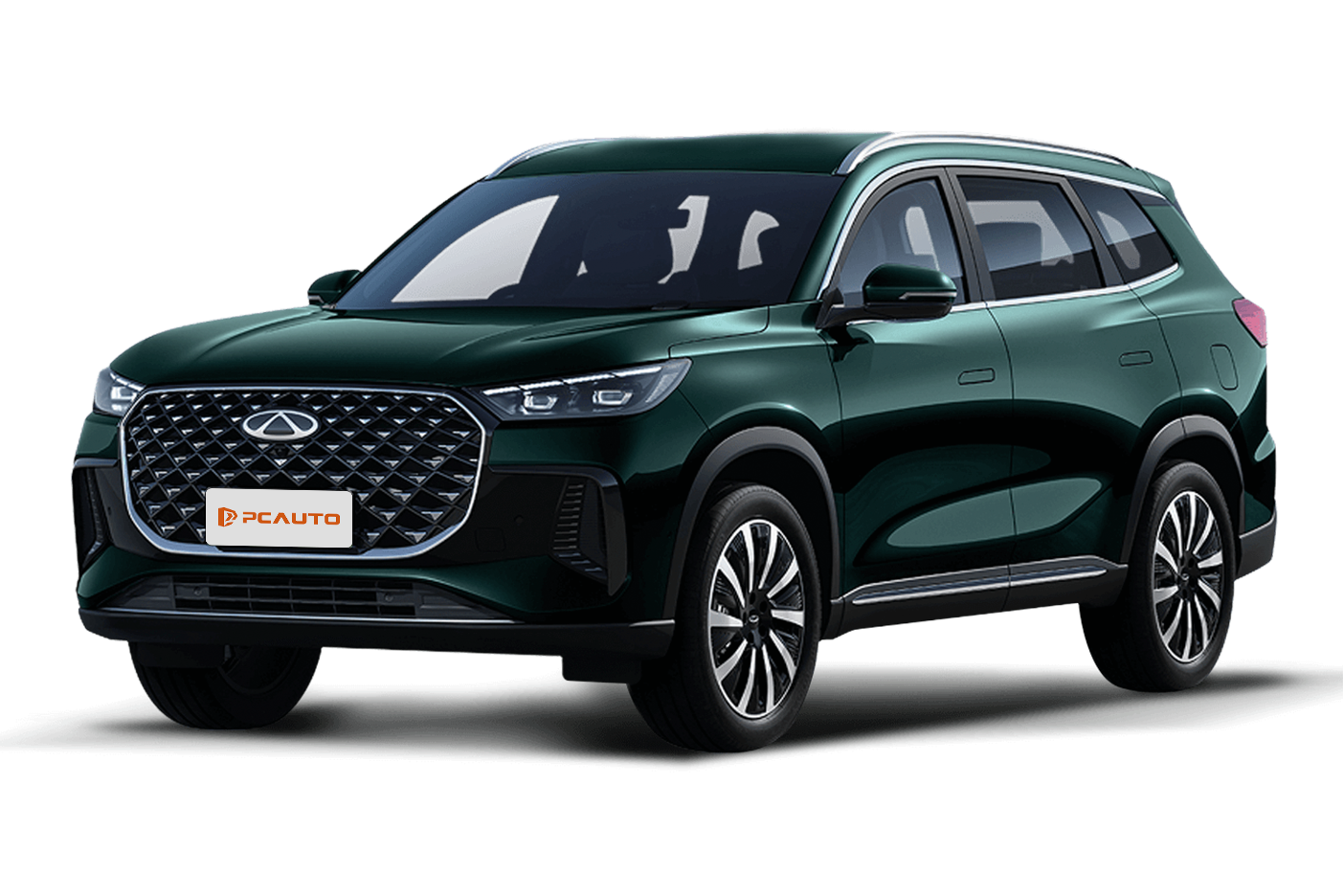
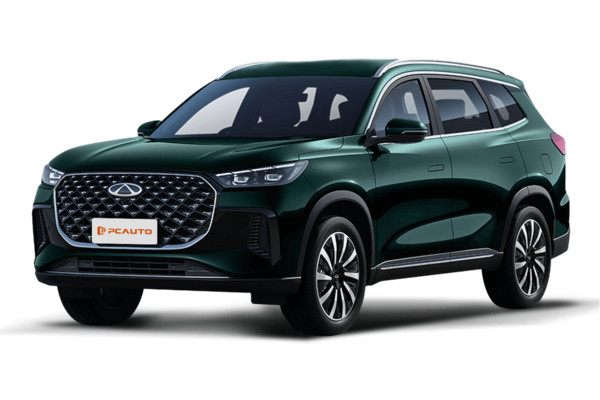
2026 Chery Tiggo 8 is a D-Segment SUV aimed at family users, offering superior configurations, practical space, and smooth power at a high cost-performance ratio, meeting both commuting and light off-road needs.
16
Rank in SUV

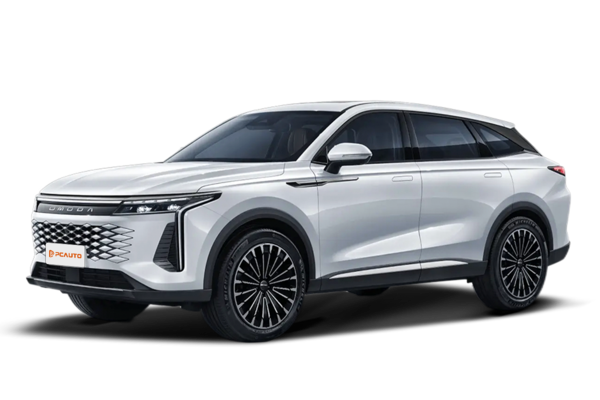
2024 Chery OMODA C9 2WD with 2.0T+8AT powertrain, L2 level assistance, and dual 12.3-inch screens, breaking the stalemate in the D-Segment market and becoming a high-value disruptor.
29
Rank in SUV
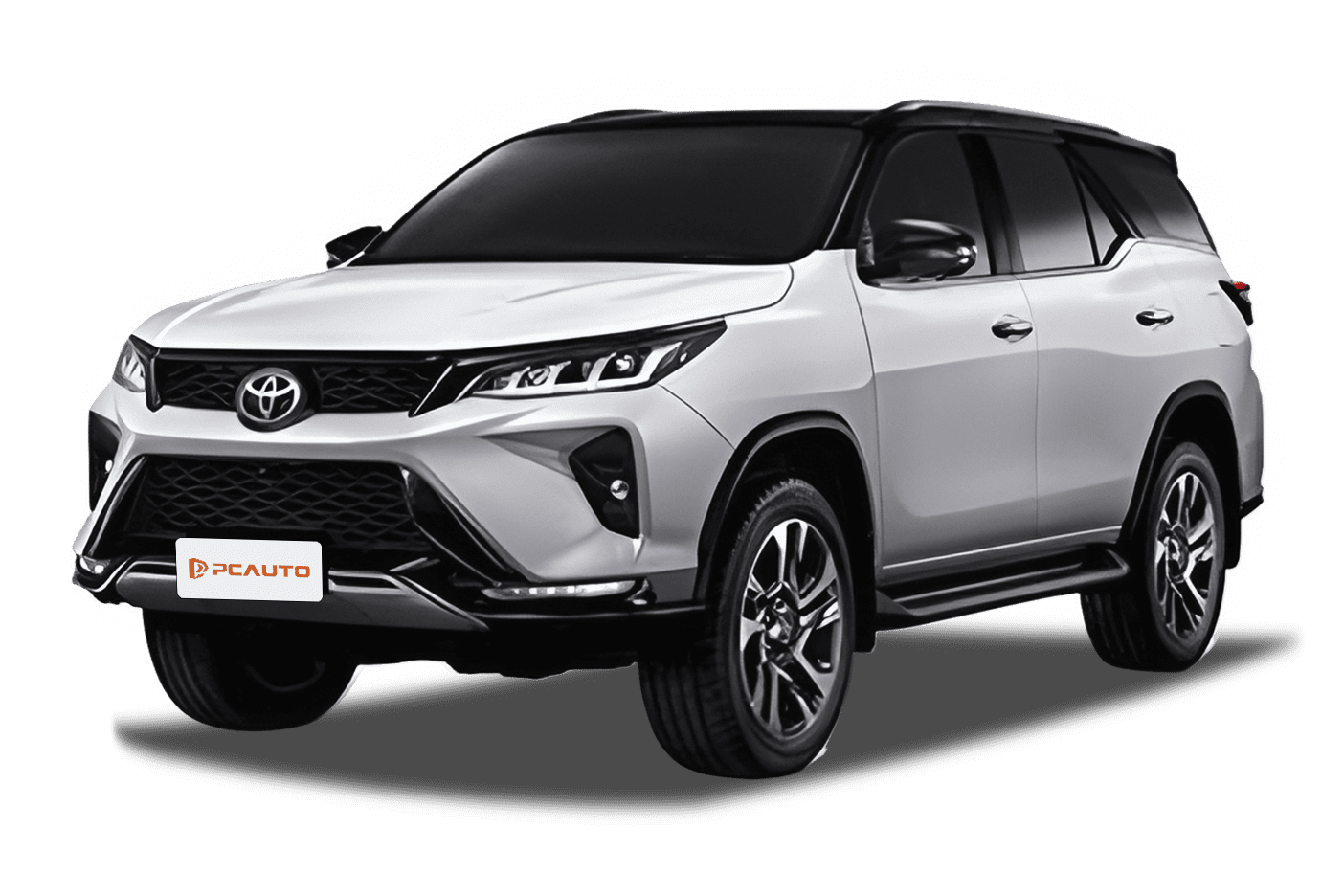
2021 Toyota Fortuner 2.7 SRZ AT 4x4 is a 7-seat SUV that balances family comfort and mild off-road capabilities, with smooth gasoline power and a practical 4x4 system, offering low maintenance requirements suitable for various family scenarios.