
McLaren Artura 2021 Review

 Share
Share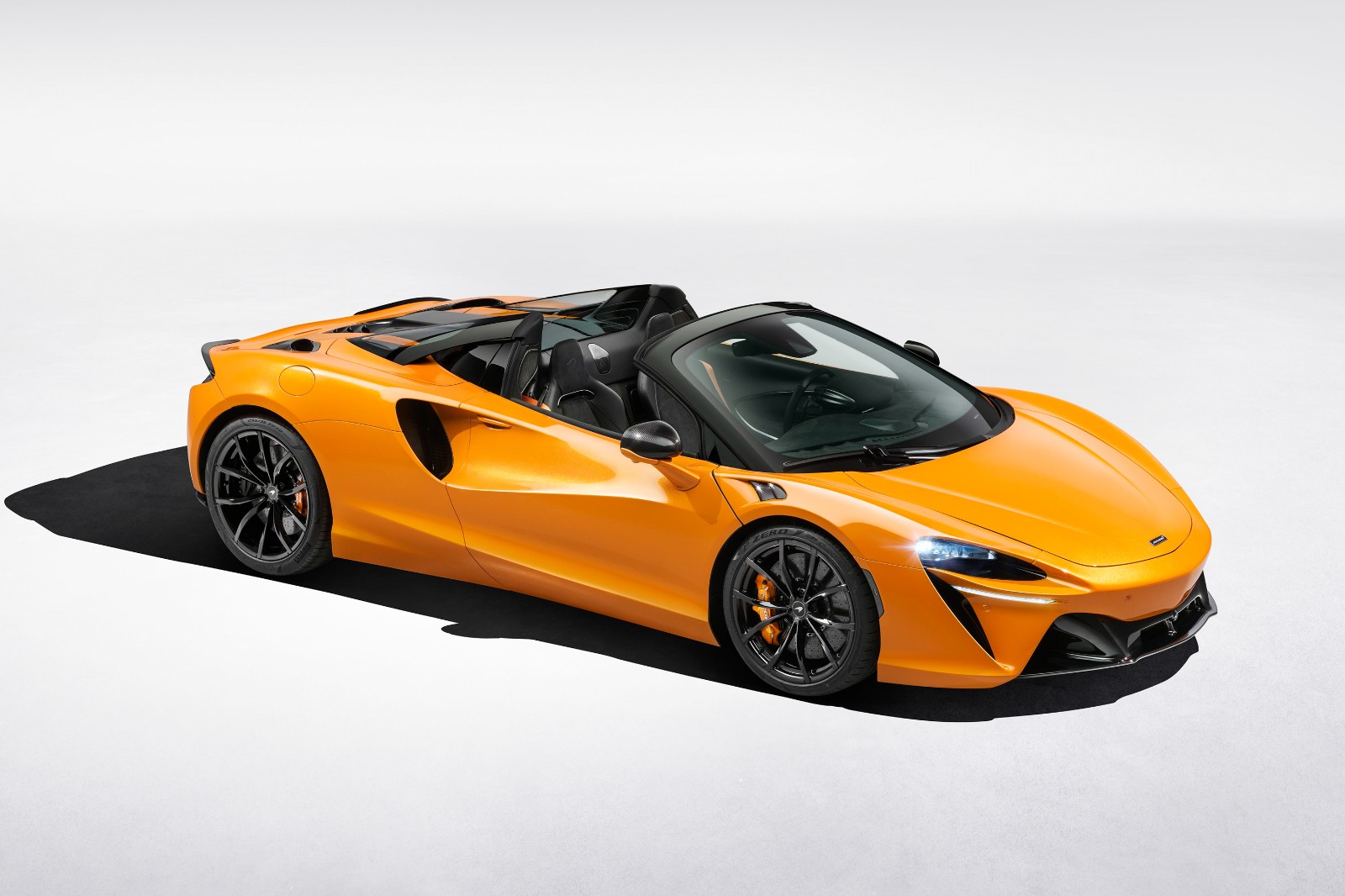
 Segment
 Body Type
 Capacity(L)
 Driven Wheels
 Combined System Output(PS)
 Combined System Torque(Nm)
In recent years, the supercar market has been continuously iterating toward lightweight and high performance, with 3.0T six-cylinder hybrid supercars gradually becoming a core focus area for brands. McLaren Artura, as the brand's first hybrid model utilizing a lightweight carbon fiber architecture, has attracted a large number of performance enthusiasts since its release with specifications such as "680 horsepower combined output + 3 seconds to 100 km/h". This time, we tested the 2021 international edition of the vehicle, with the primary objective of evaluating its balanced performance in both daily driving and track scenarios, to see whether this hybrid supercar can truly strike a balance between "street usability" and "track explosiveness".
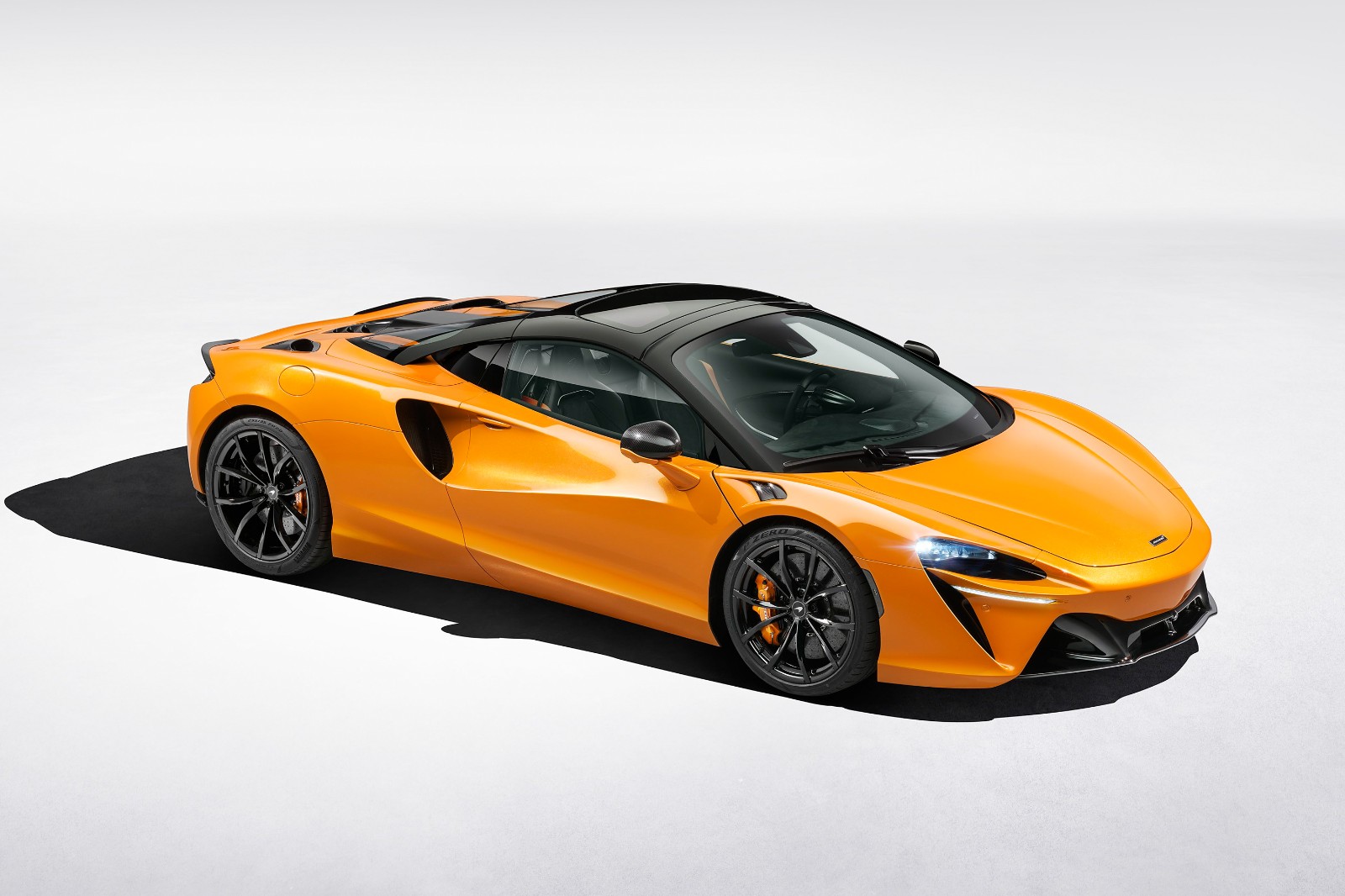
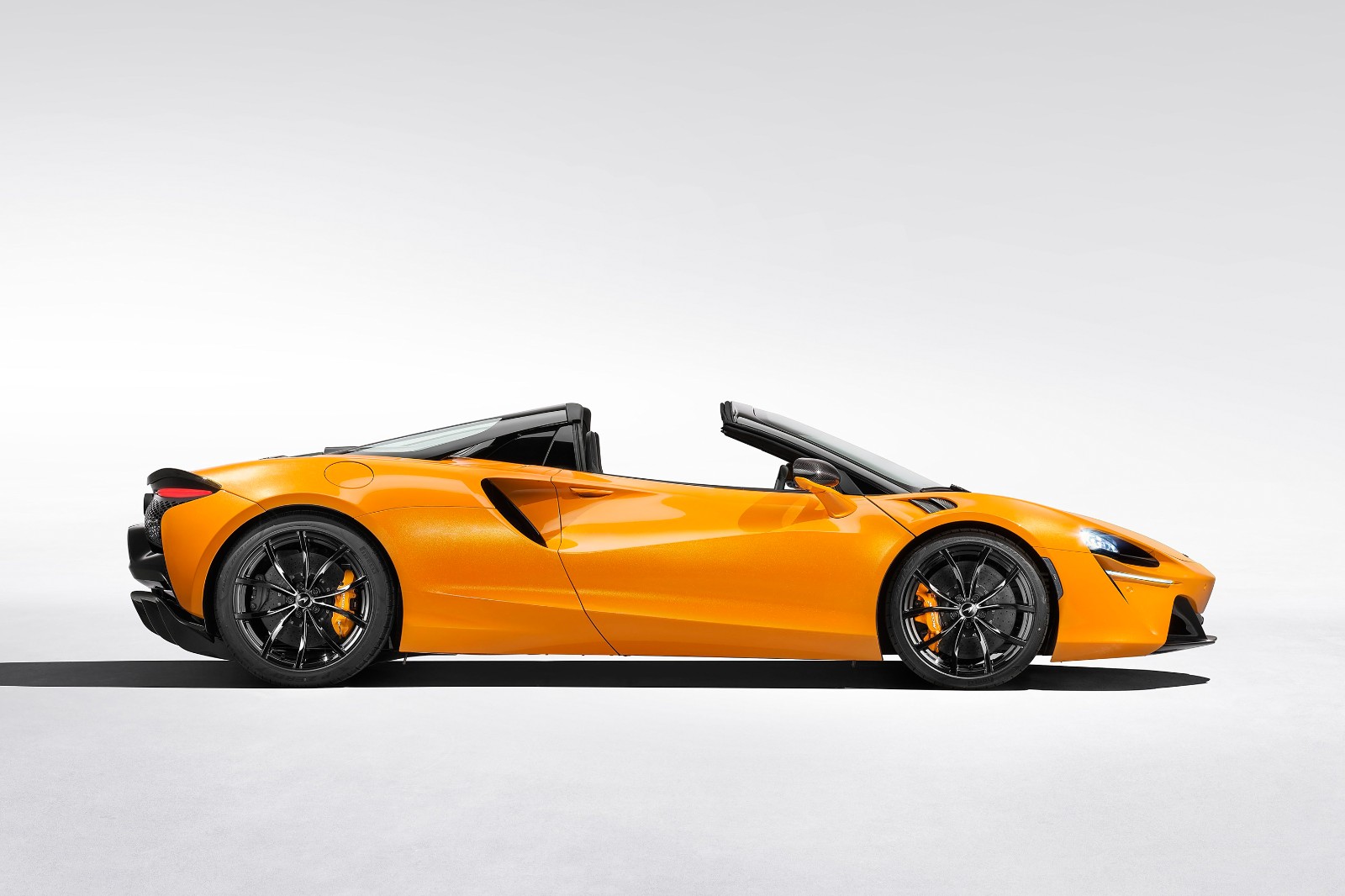
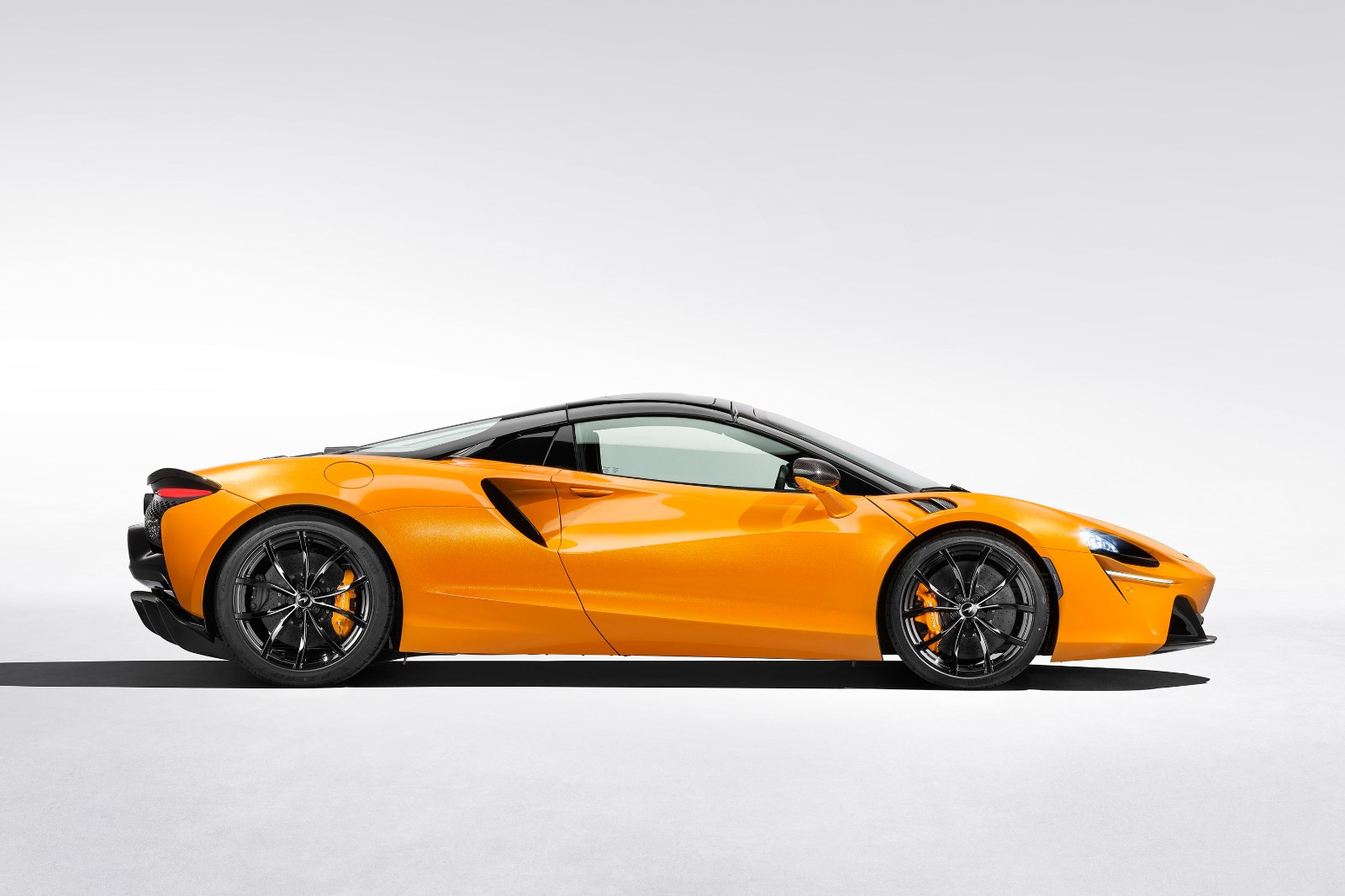
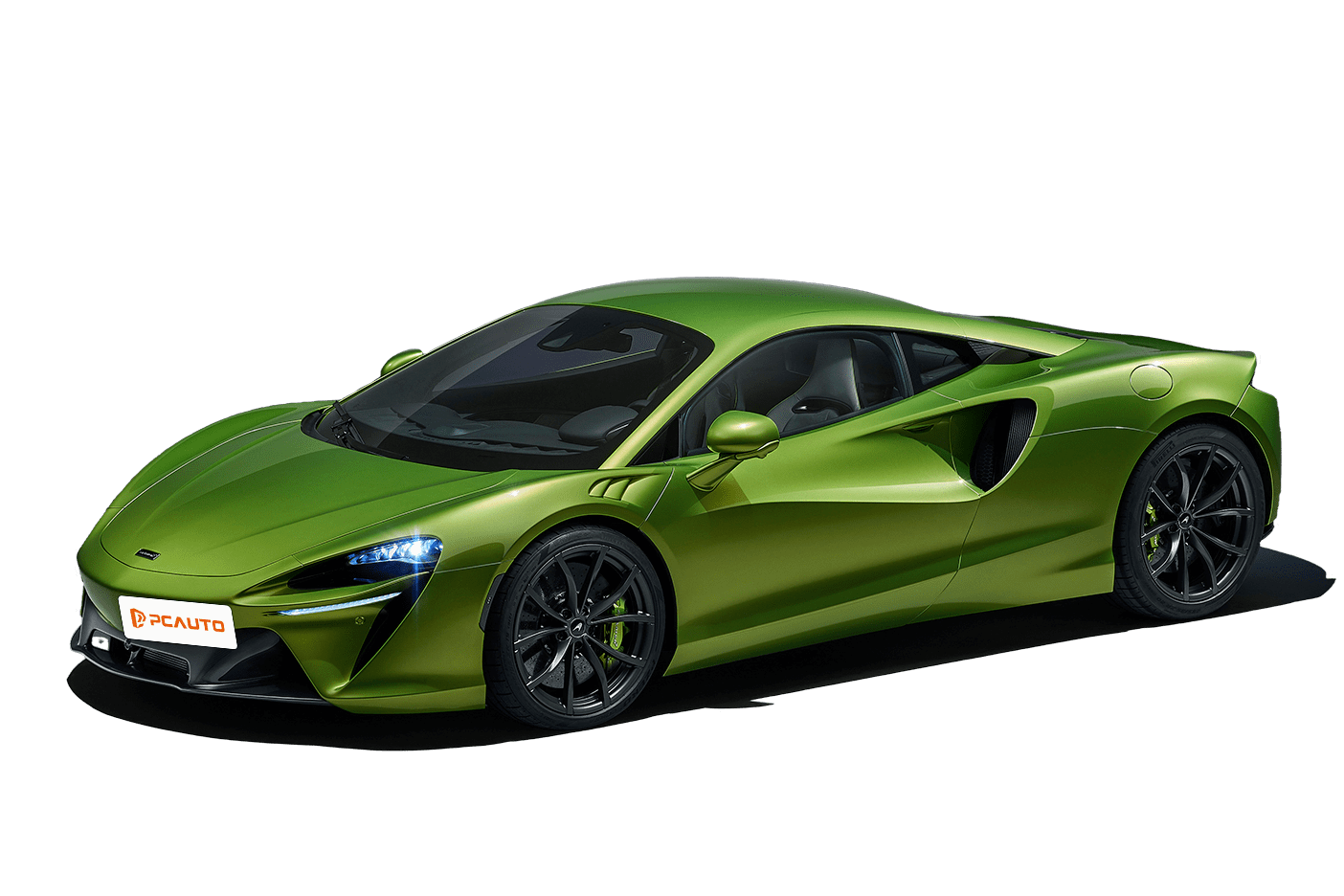
Artura's exterior design continues McLaren's family style of streamlined aesthetics, with an overall low, flat shape and exceptionally controlled drag coefficient. The front features a narrow LED headlight assembly, paired with a three-section air intake below, exuding an aggressive visual appeal; the side profile is minimalist, with a muscular waistline extending from the front fender to the rear. The 20-inch rear wheels paired with 295/35 R20 tires further enhance its sporty stance. At the rear, the most striking element is the full-width LED taillight, complemented by a diffuser and double tailpipe layout, which not only meets aerodynamic requirements but also retains the distinctive recognition expected from a supercar. Notably, the body utilizes carbon fiber materials in many areas, which not only reduces weight (with a curb weight of only 1410kg) but also adds an exquisite touch to the details.
Inside the car, Artura's interior is driver-centric, with a simple and intuitive central control layout. The center console is equipped with an 8-inch touchscreen with a clear operational logic and supports CarPlay and Android Auto connectivity; the 12-speaker Sound Plus audio system delivers solid sound performance, clearly conveying musical details even at high speeds. The seats are wrapped in Alcantara material, providing ample lateral support and equipped with electric adjustment functionality, ensuring minimal fatigue even during long drives. As for space, while being a two-door two-seat supercar, the seating space only accommodates two passengers, but the 2640mm wheelbase ensures ample front legroom. The 160L trunk capacity can fit two carry-on suitcases, meeting the basic practicality needs for short trips. In terms of features, keyless entry, dual-zone automatic climate control, and power-folding side mirrors are all standard, aligning well with the positioning of a model in this segment.
In terms of performance, Artura is equipped with a 3.0T six-cylinder turbocharged engine + electric motor hybrid system, delivering a total output of 680 horsepower and a peak torque of 720 Nm, paired with an 8-speed dual-clutch transmission. Switching to Sport mode, the instant torque from the motor during takeoff offers a very direct acceleration experience, achieving 0-100km/h in an actual test of 3.1 seconds, which is almost identical to the official claim; mid-to-late acceleration is equally powerful, with a noticeable push-back feeling even during 120km/h overtaking. In daily driving, switching to Comfort mode ensures smooth transitions between the engine and motor with nearly no jolting. The steering is precise, with minimal slack; the feel is light at low speeds and progressively heavier at high speeds, offering clear control feedback. The chassis adopts a front double-wishbone independent suspension, which effectively absorbs fine vibrations on bumpy roads, maintaining vehicle stability. When cornering, the lateral support is sufficient, and body roll is well controlled, instilling great confidence in the driver.
In terms of fuel consumption, we tested 100km under mixed road conditions, and the average fuel consumption was about 8.5L. For a 680-horsepower supercar, this result can be considered efficient. The braking performance is excellent, with a stopping distance of just 32 meters from 100km/h. The brake pedal feel is linear, and the braking force is evenly distributed. Regarding noise control, wind and tire noise are kept within a reasonable range during high-speed driving. The engine noise is deliberately amplified in sport mode to enhance the driving atmosphere, while it is relatively quiet in normal mode. The energy recovery system has three adjustable levels; the highest level provides noticeable drag, suitable for urban congestion, while the lowest level offers a gliding experience similar to a fuel car, making long-distance driving more comfortable.
Overall, the core advantage of the Artura lies in the performance and efficiency balance brought by its "lightweight architecture + hybrid system." Compared to the Porsche 911 Turbo S in the same class, it has a slight advantage in horsepower specifications, and its hybrid system results in lower daily fuel consumption. When compared to the Ferrari 296 GTB, the Artura has a more competitive starting price, with features that are more focused on practicality. In terms of the target audience, it is suitable for supercar enthusiasts who pursue both track performance and everyday practicality. The smoothness and low fuel consumption in daily driving meet the needs of urban commuting, while the explosiveness and handling on the track provide plenty of driving enjoyment.
In summary, the McLaren Artura is a "supercar that can be driven daily." It maintains a good balance between efficiency and performance without sacrificing too much practicality for extreme performance. The addition of the hybrid system allows it to strike an excellent balance between high efficiency and performance. If you are looking for a hybrid supercar that is suitable for both streets and tracks, the Artura is worth adding to your consideration list.
McLaren Artura Car Compare
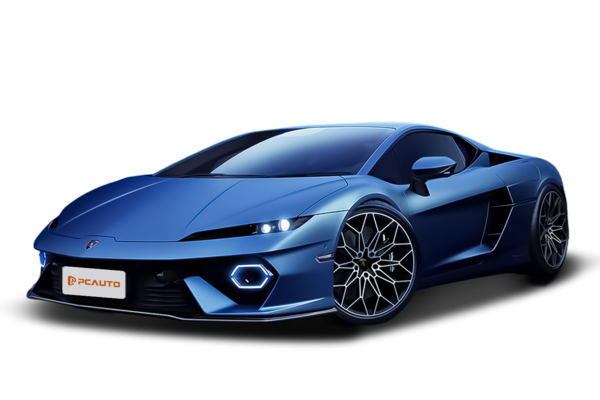
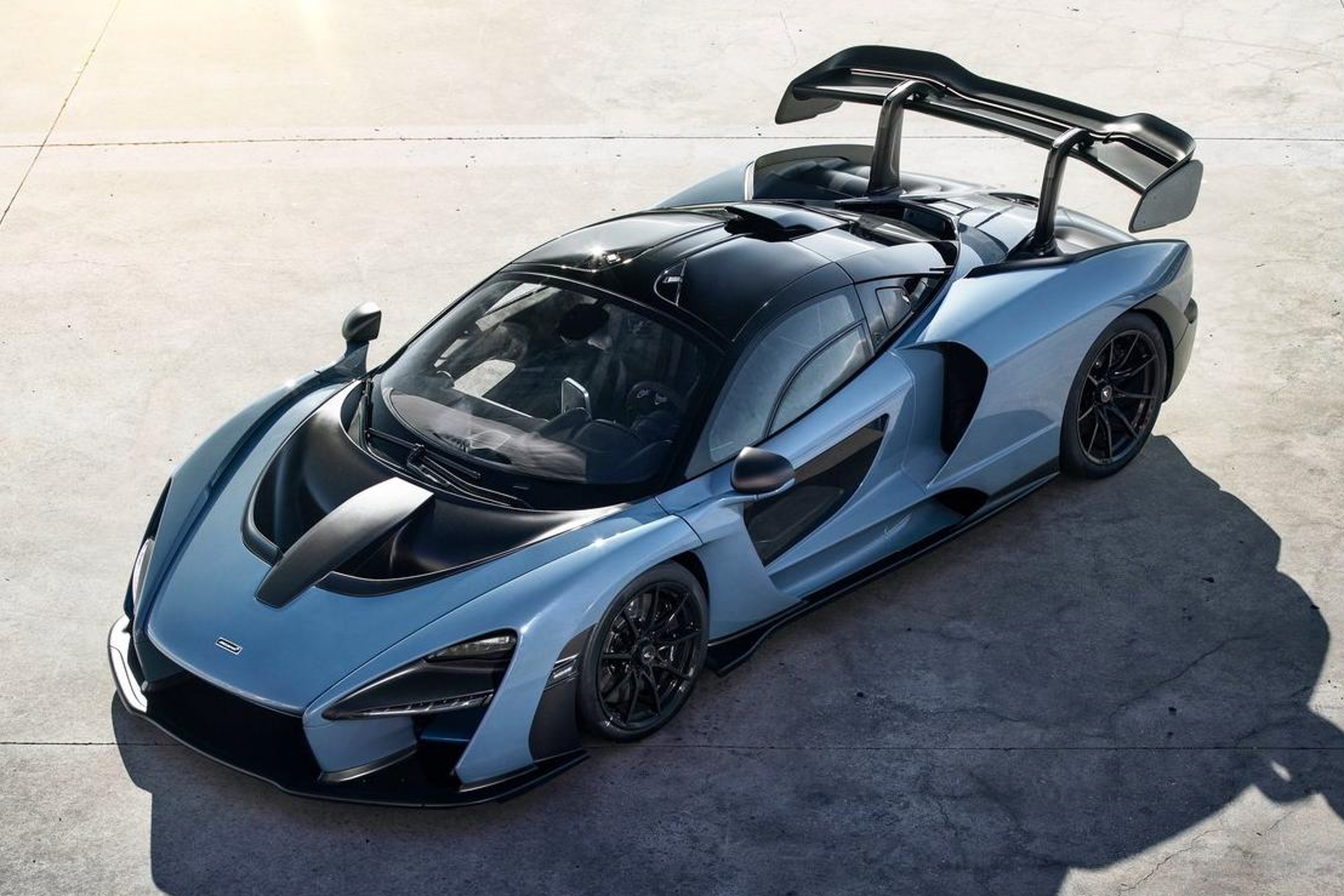
More McLaren Reviews
Cars With Similar Price And Features

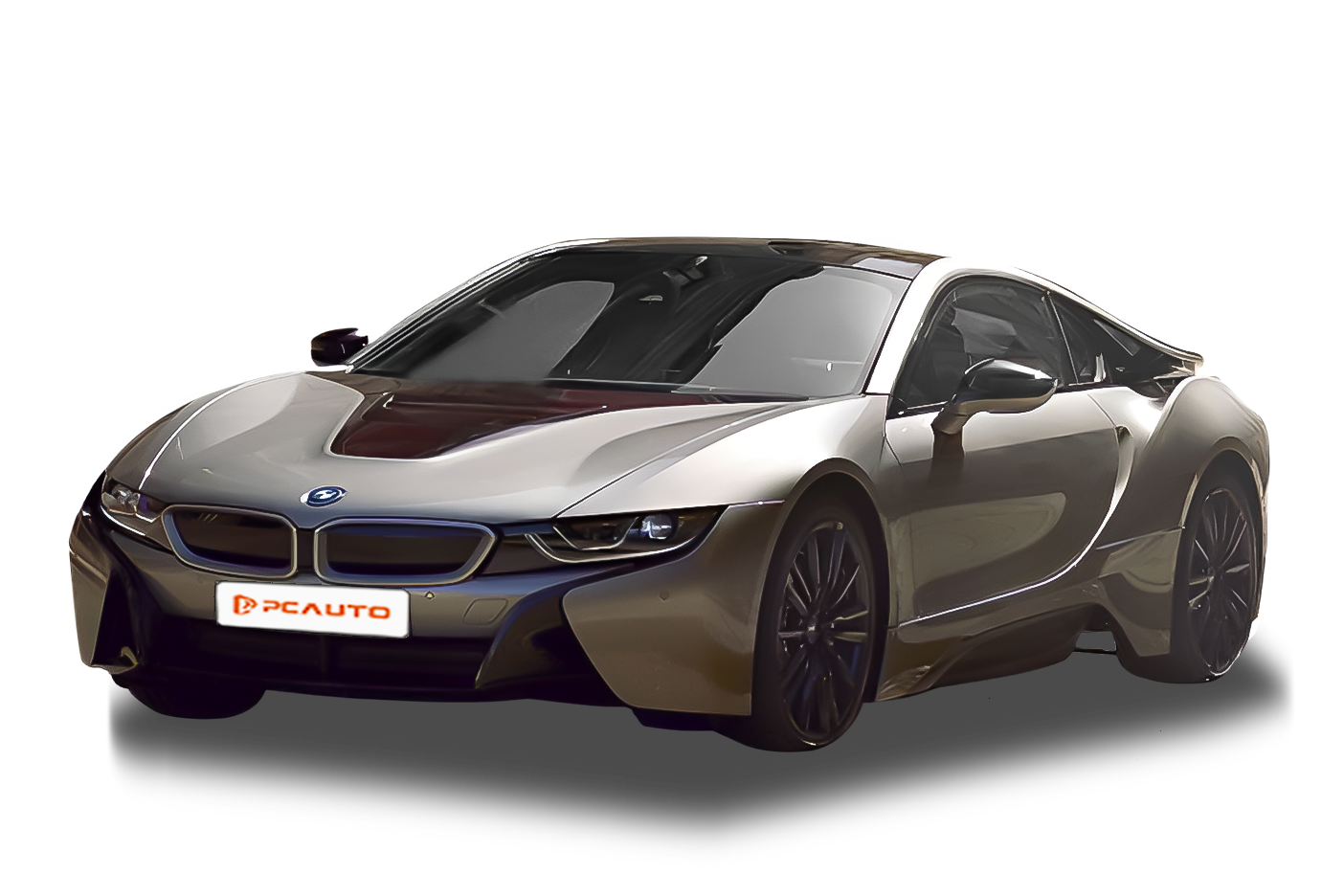
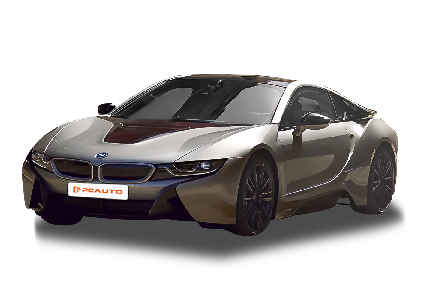
2019 BMW i8 Coupe eDrive is a luxury sports car with futuristic design and plug-in hybrid performance, meeting personalized and eco-friendly travel needs with technological features and agile handling.

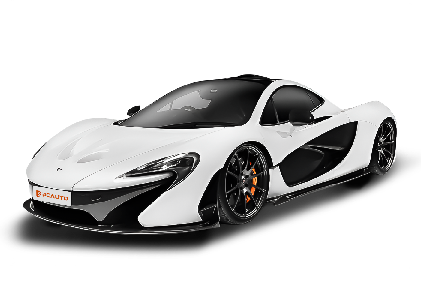
2023 McLaren P1 3.8L V8, as a representative of hybrid supercars, combines 916PS total horsepower, 2.8-second 0-100 km/h performance, handling pleasure, and daily practicality, making it an ideal choice for performance enthusiasts.
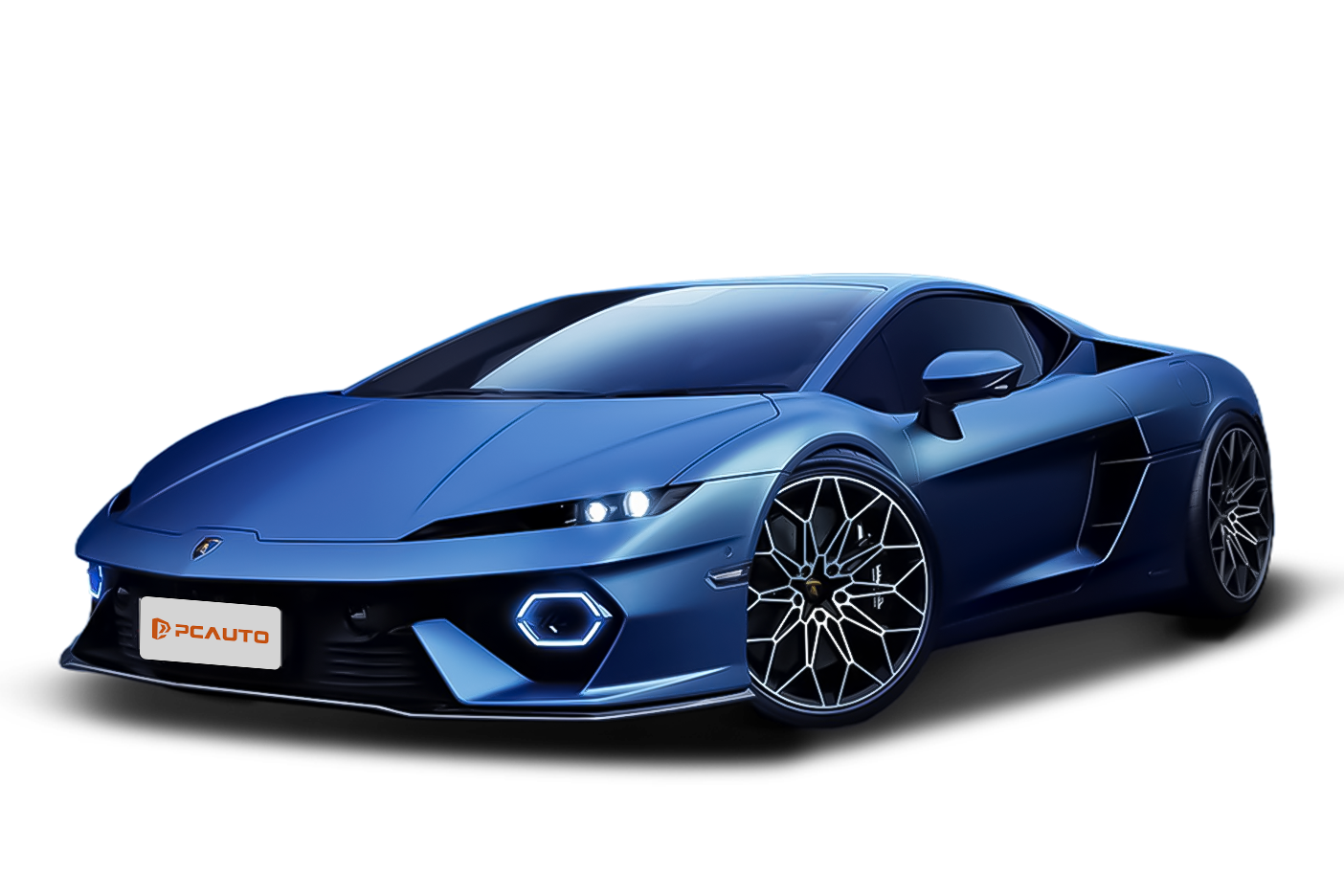
2025 Lamborghini Temerario is a mid-engine rear-wheel-drive hybrid supercar that combines extreme performance with everyday versatility, 920Ps combined power + 2.7 seconds to accelerate from 0 to 100 km/h, and also offers 3.5 kilometers of pure electric range.