

McLaren GT 2020 Review

 Share
Share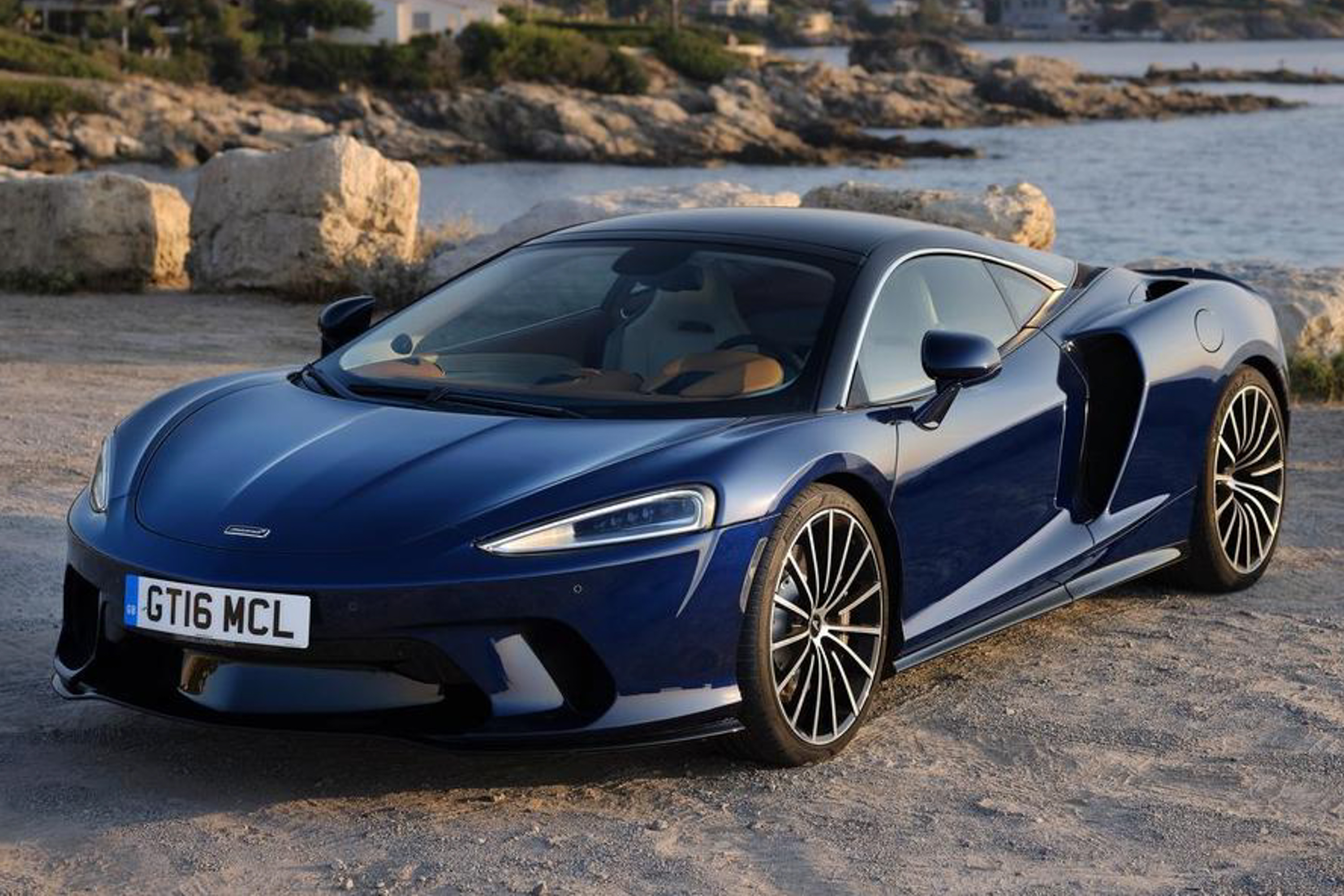

 Body Type
 Segment
 Capacity(L)
 Engine Power(PS)
 Engine Torque(Nm)
 Transmission
In the current supercar market, most models focus on extreme performance but compromise on everyday practicality, leaving many consumers who seek a balance between speed and life in a dilemma—wanting both the driving passion of a supercar and the ability to meet occasional long-distance travel or light loading needs. The emergence of the McLaren GT happens to fill this niche. Positioned as a "Grand Tourer," it retains McLaren's iconic supercar performance while enhancing comfort and practicality. The primary purpose of this test drive is to verify whether this car can strike the perfect balance between the performance genes of a supercar and the long-distance adaptability of a GT model.
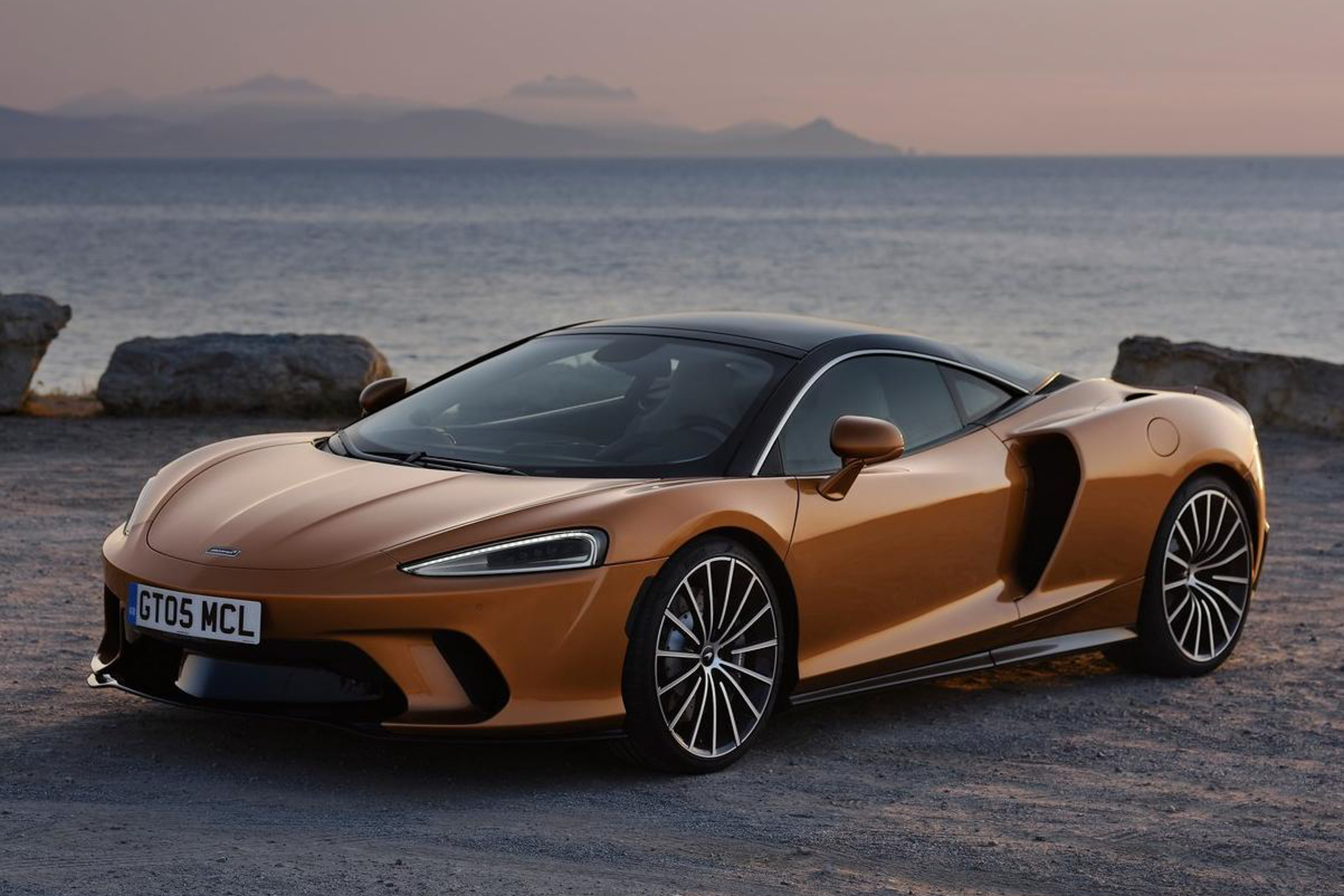
From the exterior, the McLaren GT continues the brand's family-style streamlined design, but compared to pure performance models like the 720S, the lines are more elegant and elongated. The front adopts a large trapezoidal lower grille, paired with slender LED headlight clusters on both sides, creating a low, sporty stance while ensuring cooling requirements. The "flying line" design running through the side of the body enhances aerodynamic efficiency and makes the 4683mm length and 2675mm wheelbase appear more proportionate. At the rear, the slender LED taillights echo the retractable spoiler, preserving the supercar's distinctiveness while softening overly aggressive aesthetics with a simpler design. Overall, the McLaren GT's exterior finds a good balance between sportiness and elegance, aligning well with the GT model's positioning.
Entering the interior, the first impression is a different atmosphere from traditional supercars—there are no exaggerated carbon fiber racing seats; instead, Nappa leather-wrapped multi-way electrically adjustable seats are used. The seat cushions and backrests are thicker, evidently prioritizing comfort. The center console adopts a symmetrical layout, with a high-resolution 10.25-inch touchscreen equipped with the McLaren Infotainment System II, supporting Apple CarPlay and Android Auto. The operating smoothness meets mainstream standards. Regarding materials, most areas of the cabin are covered in leather or Alcantara, while carbon fiber trim in the details retains the brand's sporty genes. In terms of features, heated front seats, keyless entry/start, adaptive cruise control, and other practical functions are all included, making it more focused on daily usability compared to other models in the brand's lineup.
Space performance is a major highlight of the McLaren GT. After adjusting the front seats to a suitable position, a passenger with a height of 180cm still has a fist's worth of headroom, and the horizontal space is also spacious enough without feeling cramped. Although the rear seats exist, the space is limited, making them more suitable for placing items or briefly accommodating children. In terms of storage capacity, besides the conventional glove compartment and central armrest box, the front trunk offers a volume of 150 liters, and the rear trunk (located on the side of the body) has a capacity of 420 liters. Altogether, they can accommodate two 28-inch suitcases and some personal items, fully meeting the loading requirements for long-distance travel. Additionally, the rear trunk is equipped with an electric opening function, demonstrating thoughtful attention to detail.
In terms of power, the McLaren GT is equipped with a 4.0T V8 twin-turbocharged engine, delivering a maximum power of 620 horsepower and a peak torque of 630 Nm, paired with a 7-speed dual-clutch transmission. During actual driving, when switched to Normal mode, the power output is relatively smooth, and the throttle response is not overly sensitive, making it suitable for daily city commuting. When switched to Sport or Track mode, the engine sound becomes more robust, the throttle pedal feedback is more direct, achieving 0-100 km/h acceleration in just 3.2 seconds, and mid-range acceleration (80-120 km/h) takes only 2.1 seconds, providing strong confidence during overtaking. The transmission performs differently across modes, with smooth shifts in Normal mode, and quicker, more aggressive shifts in Sport and Track modes, making the shift intervals almost imperceptible.
The handling and chassis performance continue to maintain McLaren's high standards. The steering is precise with minimal play, and even during low-speed driving, the steering effort is not overly heavy, balancing control and daily driving comfort. The chassis uses an adaptive suspension system, which effectively absorbs small road bumps in Normal mode. When driving over speed bumps or uneven roads, the suspension rebounds quickly and does not feel stiff. In Sport mode, the suspension stiffens, better controlling body roll during cornering and keeping the car stable. Notably, the McLaren GT's ground clearance can be increased to 130mm with the chassis lift function, allowing it to handle speed bumps or steep slopes more easily and avoiding the typical supercar issue of "bottoming out."
In dedicated performance tests, fuel consumption is as expected—about 15L/100km during urban driving and around 9L/100km on highways, with a combined fuel consumption of approximately 12L/100km. For a 620-horsepower supercar, this performance is quite commendable. In terms of braking performance, the model equipped with a carbon-ceramic braking system achieves a 100-0 km/h braking distance of only 32 meters, without any significant heat fade after repeated braking, ensuring safety.
In terms of driving comfort, the performance of the McLaren GT surpasses expectations. During high-speed cruising at 120 km/h, wind and tire noise are well controlled and do not interfere with the normal conversation of passengers inside the car. The engine noise is also well suppressed in Normal mode, only coming into the cabin when the throttle is pressed deeply, and the sound has been tuned to not be too harsh. The seats are notably comfortable, with minimal fatigue in the back and hips even after long drives of over three hours, offering a significant improvement compared to traditional supercars.
Overall, the core advantage of the McLaren GT lies in its "balance"—retaining McLaren's signature supercar performance while also incorporating the comfort and practicality expected of a GT car. Compared to similar models such as the Bentley Continental GT, the McLaren GT has a performance advantage; compared to the Ferrari Roma, it offers greater storage space and better long-distance travel capability. This car is suitable for consumers who want both a supercar driving experience and the ability to take occasional long trips—such as high-income individuals aged 30-45, who may have families and need to balance daily commuting with weekend trips, while also valuing brand prestige and performance.
Overall, the McLaren GT is a "supercar that can take you far," breaking through the traditional limitations of supercars being "only suitable for track or short city drives," truly achieving a combination of performance and practicality. If you're looking for a supercar that is both prestigious and practical, the McLaren GT is worth considering.
McLaren GT Car Compare

More McLaren Reviews
Cars With Similar Price And Features

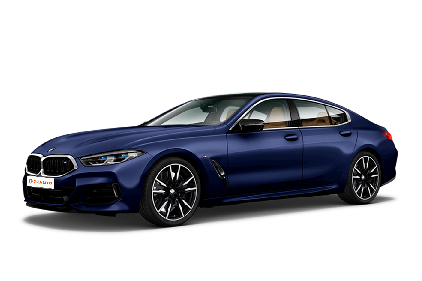
2023 BMW 8 Series Gran Coupe public is a luxurious four-door coupe that balances the dynamic design of a sports car with everyday practicality, combining powerful performance and comfortable driving to meet both driving passion and family/business needs.
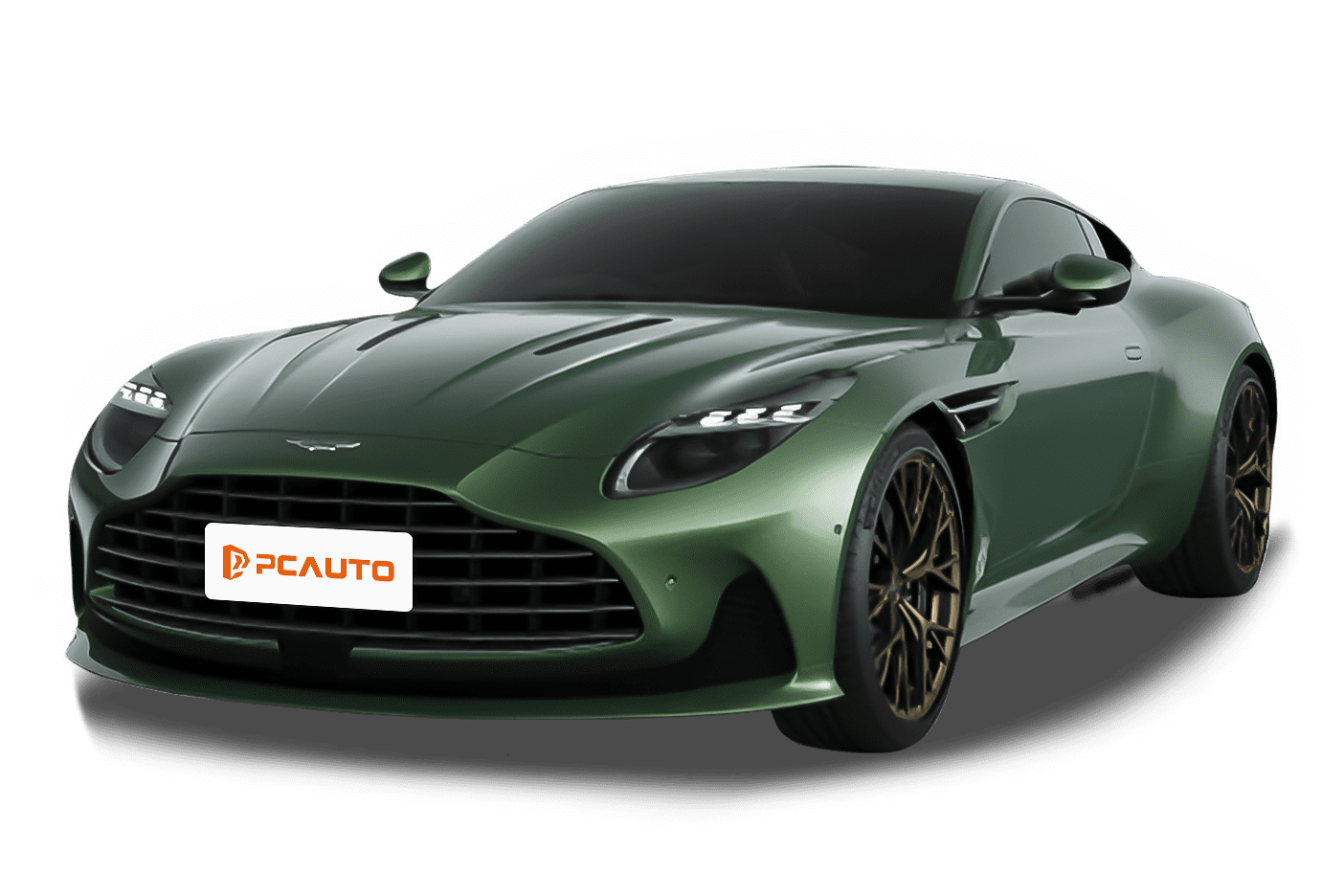
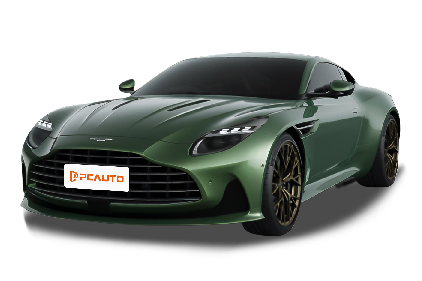
2023 Aston Martin DB12 V8 is positioned as a "Super GT," redefining the benchmark for luxury performance GT with 680PS 4.0T V8 power, elegant sporty design, and a balance of track performance and everyday practicality.

2018 Aston Martin DB11 V8 is an English luxury grand tourer that combines 600PS dynamic passion with GT elegance and comfort, equipped with practical standard configurations, designed for users who value brand and driving experience.
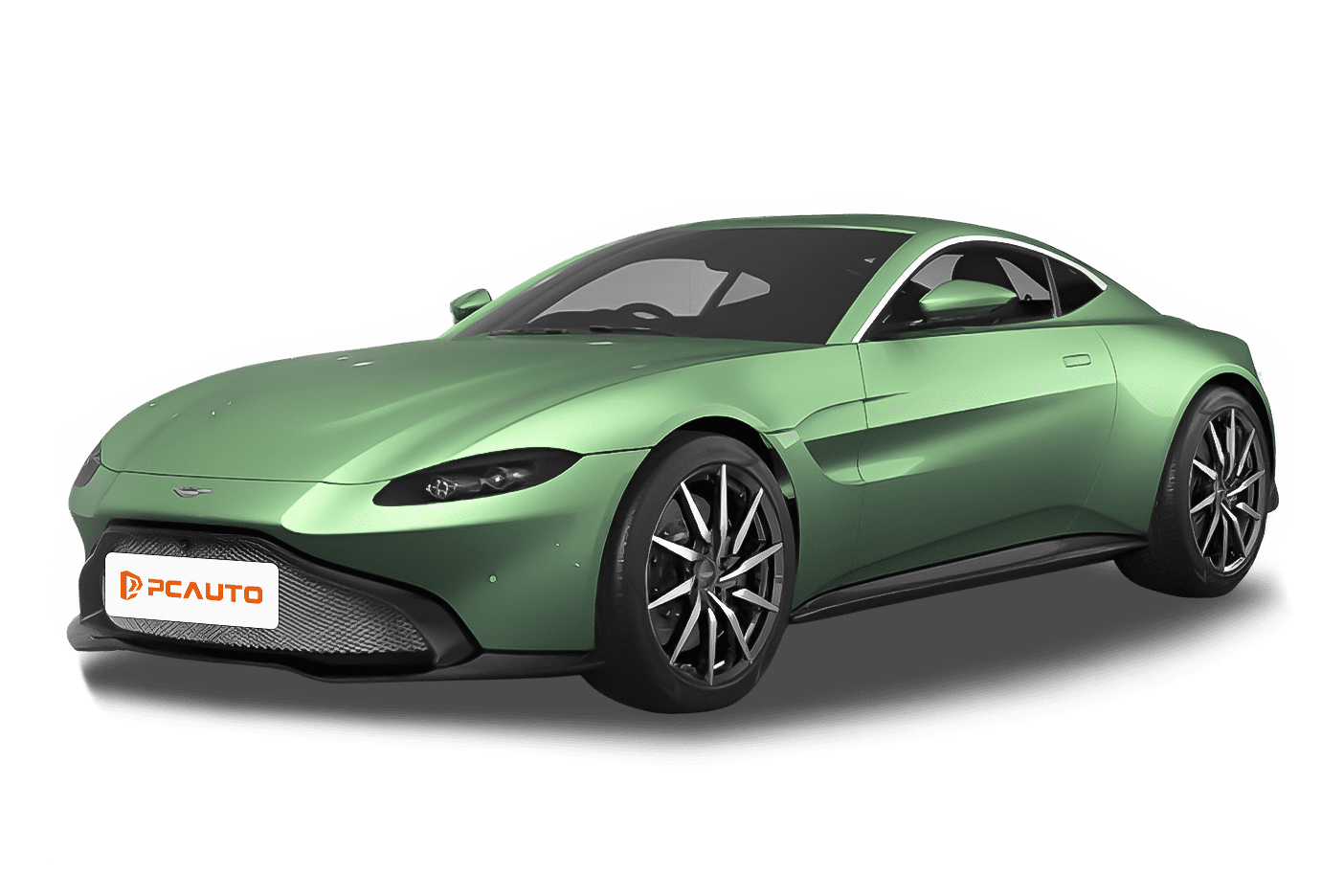
2024 Aston Martin Vantage as a mid-cycle facelift luxury GT, with power upgraded to 665PS, combining elegant design and strong performance to meet both speed and comfort needs.