

Mercedes-Benz EQC 2022 Review

 Share
Share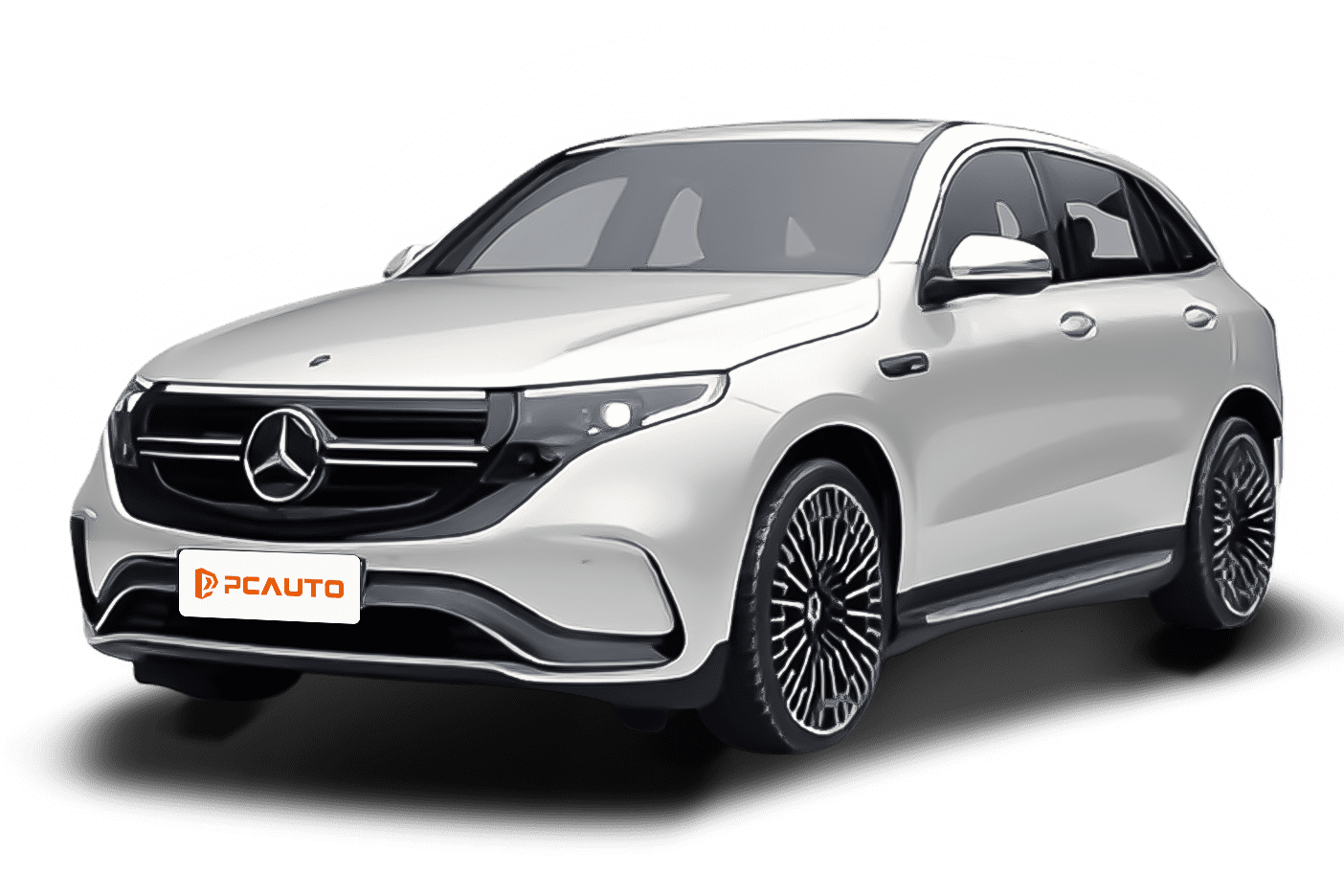
 Body Type
 Segment
 Motor Output(kW)
 Motor Torque(Nm)
 EV Range(km)
 Battery Capacity(kWh)
The new energy vehicle market in Malaysia has been steadily heating up in recent years, and demand for luxury pure electric SUVs is also increasing—consumers want both the quality feel brought by the brand and the convenience of electric travel for daily practicality. As the first mass-produced pure electric SUV under Mercedes-Benz, the upcoming 2022 EQC aims precisely at this niche market. Its core selling points are clear: the luxurious genes of the Mercedes-Benz brand, optimized intelligent configurations, and a driving experience tailored for family users. The goal of this test drive is to see whether this car can strike a balance between "luxury" and "practicality," and whether it is worth considering for high-end new energy users.
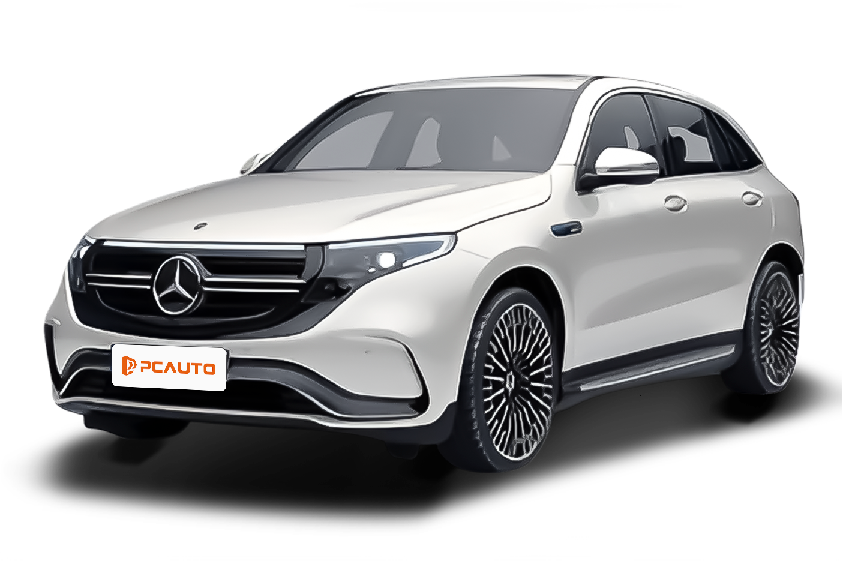
In terms of appearance, the 2022 EQC continues the design language of the Mercedes-Benz family but incorporates exclusive elements of pure electric models. The front face features a closed star-pattern grille with a large three-pointed star logo in the center, which is highly recognizable; the LED headlights on both sides are connected to the grille, and the daytime running lights inside adopt the unique "Time-Space Wings" design of the EQ series, offering a striking visual effect when illuminated. The side profile of the car has smooth lines, with a waistline extending from the front fender to the rear, giving the body a streamlined appearance. The 19-inch multi-spoke alloy wheels enhance the sense of sportiness. At the rear, the highlight is the full-width LED taillights, which echo the design of the front, while the diffuser-like shape under the rear bumper reinforces the futuristic feel of the electric vehicle. Overall, the design retains the luxury of Mercedes-Benz while conveying its identity as an EV through the details.
Opening the door, the sense of luxury in the interior is overwhelming. The dashboard adopts Mercedes-Benz's classic "dual 10.25-inch integrated screens" design, with high-resolution instrument and central control screens and good operational smoothness. The center control area retains some physical buttons, such as the air conditioning adjustment knobs, which are more convenient in everyday use compared to fully touch-based controls. The seats are wrapped in Nappa leather, with thick padding and excellent support, and the driver's seat is equipped with 12-way electric adjustment and memory functions. In terms of materials, soft-touch materials cover the top of the dashboard and the inner sides of the door panels, while the stitching details and metal trims enhance the sense of quality. Regarding configurations, this model comes standard with the MBUX intelligent human-computer interaction system, supporting voice control, CarPlay/Android Auto connectivity, and also features a wireless charging pad and a panoramic sunroof, balancing both practicality and comfort.
Regarding spatial performance, the 2022 EQC has dimensions of 4761mm×1884mm×1624mm, with a wheelbase of 2873mm. The front row provides spacious seating, with a person 180cm tall having more than a fist's worth of headroom after adjusting the seat. Rear seat space is equally generous, with legroom exceeding two fists, and although the middle of the floor has a slight bump, it has minimal impact on the middle passenger. In terms of storage capacity, the front center armrest box and the door storage compartments are quite sizable, with a standard trunk capacity of 500L that can be expanded to 1440L by folding down the rear seats. This is enough to accommodate several suitcases or a baby stroller. The rear row also comes with independent air conditioning vents and two USB-C ports, making it convenient for rear passengers.
For its powertrain, the 2022 EQC is equipped with dual motors at the front and rear, delivering a system combined maximum output of 300kW and a maximum torque of 760N·m, paired with a fixed-ratio transmission. There are four selectable driving modes: Eco, Comfort, Sport, and Individual. During actual driving, the power output in Eco mode is relatively smooth, suitable for daily commutes; switching to Sport mode noticeably speeds up throttle response, providing strong acceleration with a significant sense of pushback. The official 0-100km/h acceleration time is 5.1 seconds, and the actual experience is indeed very rapid. Starting off lacks the joltiness of fuel vehicles, with the electric motor providing linear output. When overtaking, pressing the throttle deeply will bring immediate power, and stability during high-speed driving is also quite good.
In terms of handling, the steering wheel has moderate steering force and precise direction, with no obvious play, making daily driving very effortless. The chassis adopts a front double-wishbone and rear multi-link independent suspension, tuned towards comfort while retaining some support. When passing over speed bumps or bumpy roads, the suspension filters out most of the vibrations, so passengers inside the car will not feel significant jolts; when turning corners, the body roll is well controlled, giving sufficient confidence. The pedal feel of the brake is linear, and the braking force is evenly distributed, making it easy to handle during daily driving.
In terms of range and energy consumption, this car is equipped with an 80kWh ternary lithium battery pack, with an official CLTC range of 440km. During our test drive, which was primarily on city roads and highways with the air conditioning on throughout, the range performance rate in economy mode was about 85%. The energy consumption in urban traffic is approximately 18kWh/100km, whereas on the highway it is slightly higher, about 22kWh/100km. Regarding charging, using a DC fast charging pile, it takes about 45 minutes to charge from 10% to 80%, while a home slow charging pile takes about 11 hours to fully charge, which is sufficient for daily use.
In terms of ride comfort, the noise control of this car is quite impressive. At low speeds, the motor is almost silent, and at high speeds, wind noise and tire noise are relatively minimal, mainly because the car doors are well-sealed and the chassis has noise insulation. The energy recovery system offers three adjustable levels; at the lowest level, there is almost no sense of drag, giving a driving experience close to that of a fuel car; at the highest level, the deceleration effect after releasing the accelerator is noticeable, reducing the frequency of brake usage. The seats also showcase their comfort during long drives, with adequate lumbar support, ensuring you won’t feel fatigued.
Overall, the core advantages of the 2022 EQC are significant: Mercedes-Benz brand prestige, luxurious interior design, ample space, and powerful performance. Compared to similar models like the BMW iX3 or Audi e-tron, it boasts greater luxury in the interior and superior configurations, as well as stronger performance. Priced at RM 388,888, it falls in the mid-range pricing for a luxury pure electric SUV and offers a good value for money.
The target customer base for this car is very clear: firstly, consumers who value brand and luxury, as the Mercedes-Benz emblem and interior design satisfy their needs; secondly, family users, as the spacious interior and abundant features are suitable for daily family outings or trips; lastly, younger individuals who appreciate technology, as the powerful dual motors and intelligent configurations provide a great driving experience. However, for users who frequently need to take long-distance trips, the range may be a concern. But for urban commuting and short-distance travel, this car is more than sufficient.
In summary, the 2022 Mercedes-Benz EQC is a pure electric SUV that balances luxury, practicality, and performance. It not only brings the brand value of Mercedes-Benz but also enhances the driving experience with electrification technology. The configurations and space can also meet the needs of family users. If you are looking to purchase a luxury brand pure electric SUV without sacrificing comfort and usability, this car is worth considering.
Mercedes-Benz EQC Car Compare
Mercedes-Benz EQC Loan Calculator
More Mercedes-Benz Reviews
Cars With Similar Price And Features

1
Rank in SUV
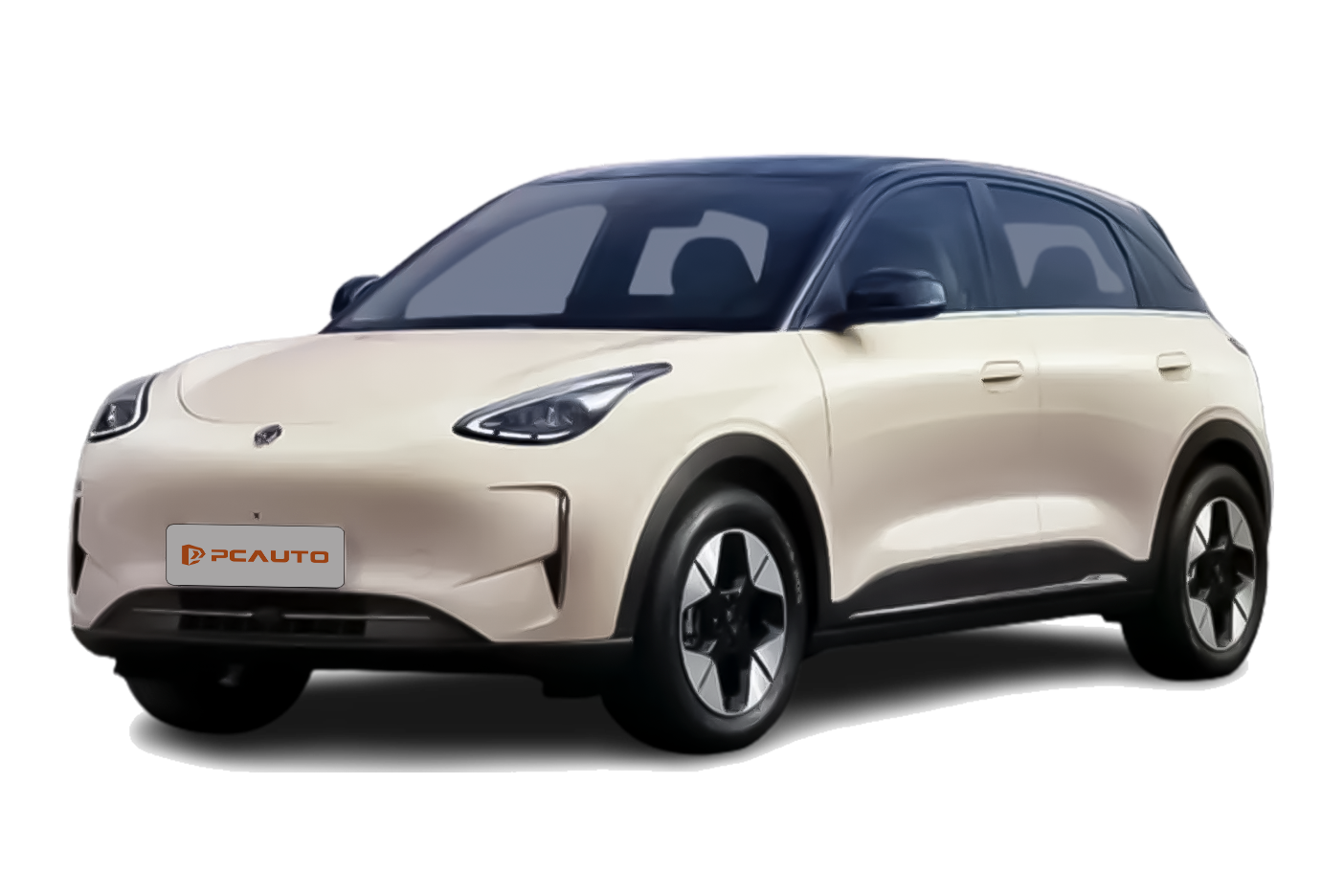
2025 Proton e.Mas 5 Prime is Proton's first entry-level pure electric C-Segment model, priced from 56,800 MYR to target the sub-100,000 MYR market, balancing practical features with commuting range.
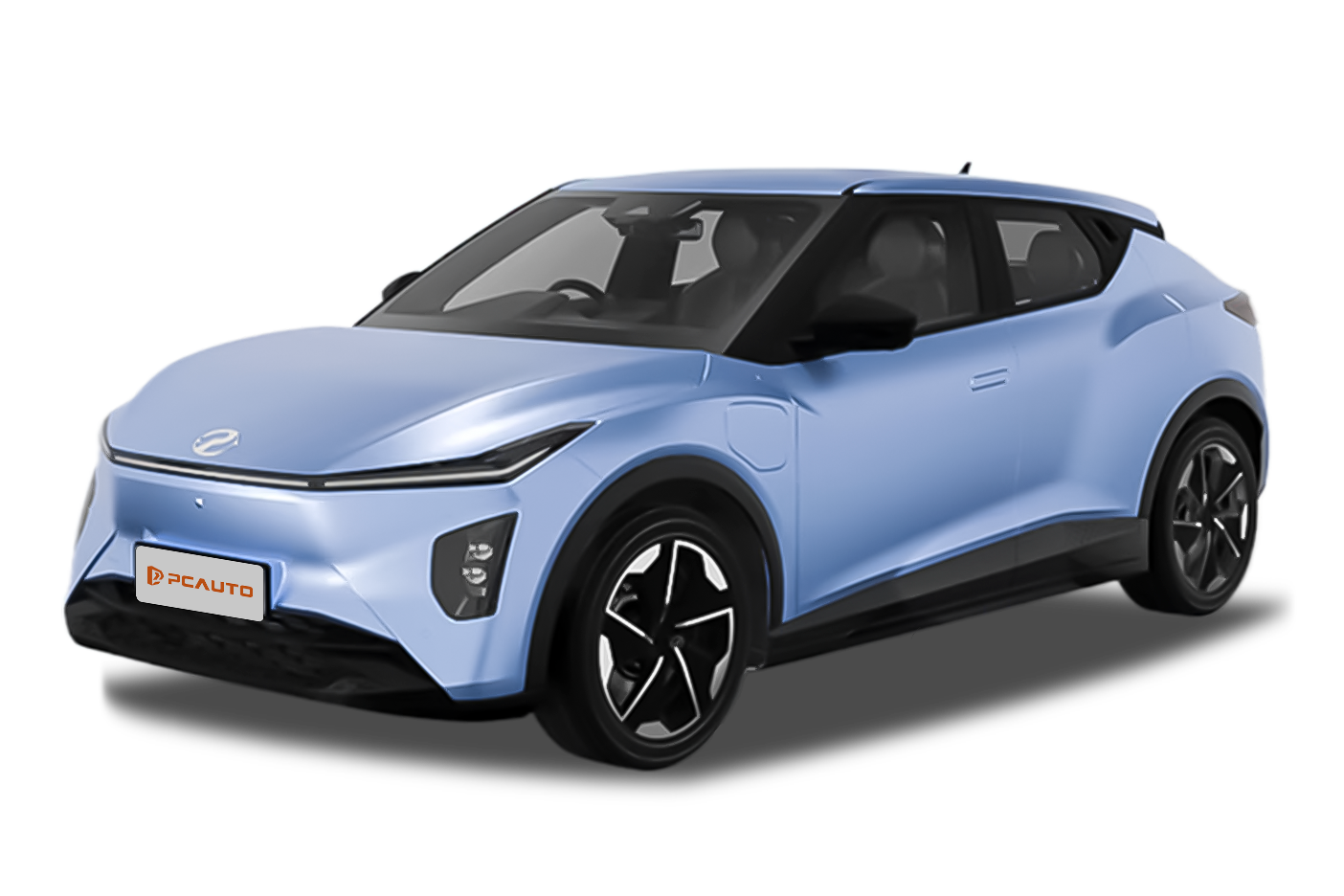
The 2025 Perodua QV-E is an affordably priced, practically ranged class-C pure electric vehicle, precisely tailored for family users and young commuters with its high safety features, spacious interior, and agile driving dynamics.
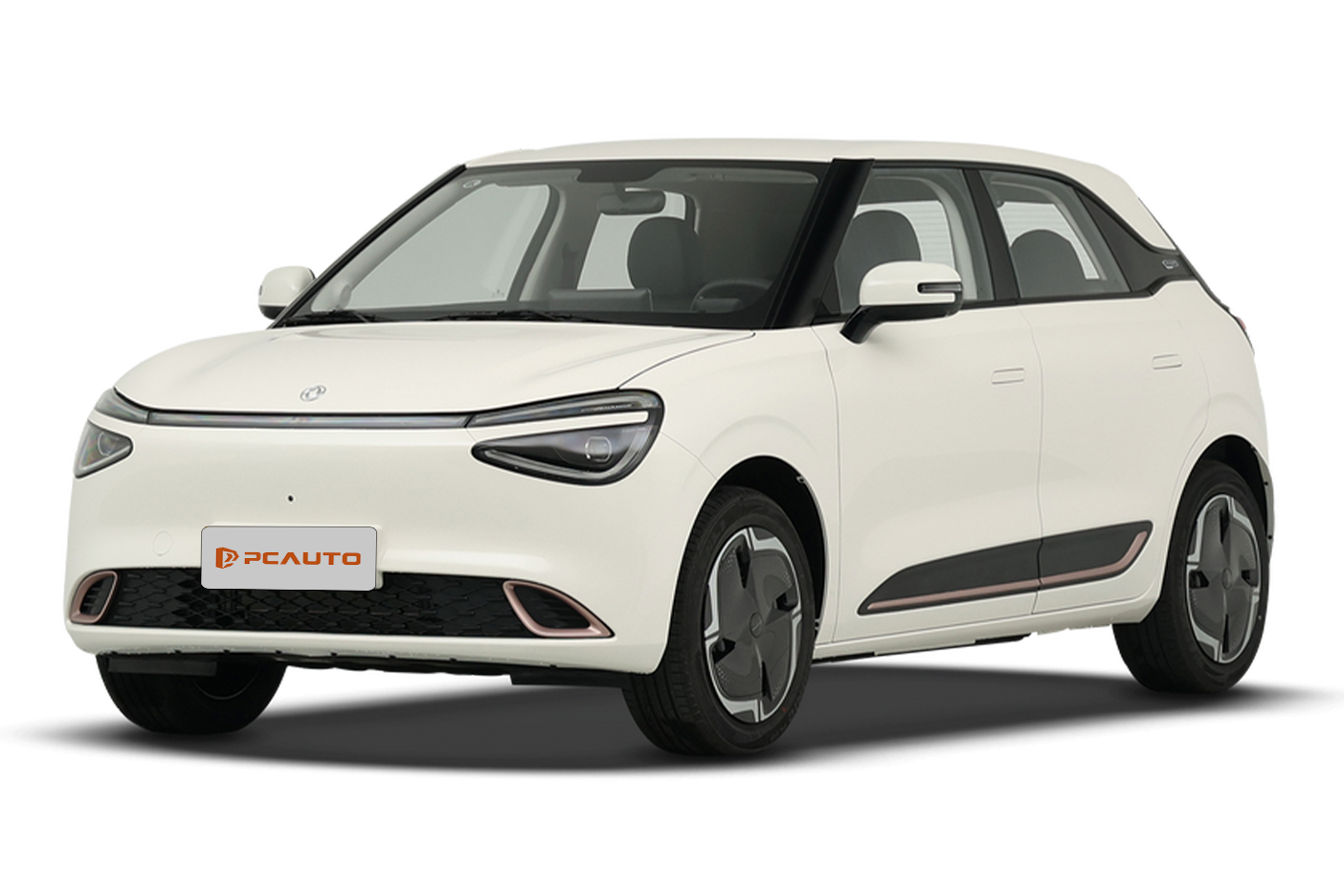
2024 DFSK Box E2 is a household pure electric vehicle in Malaysia priced at around 100,000 Ringgit, featuring a 330 km range, 12.8-inch large screen, and practical space as its main selling points, catering to both commuting and family needs.
30
Rank in SUV
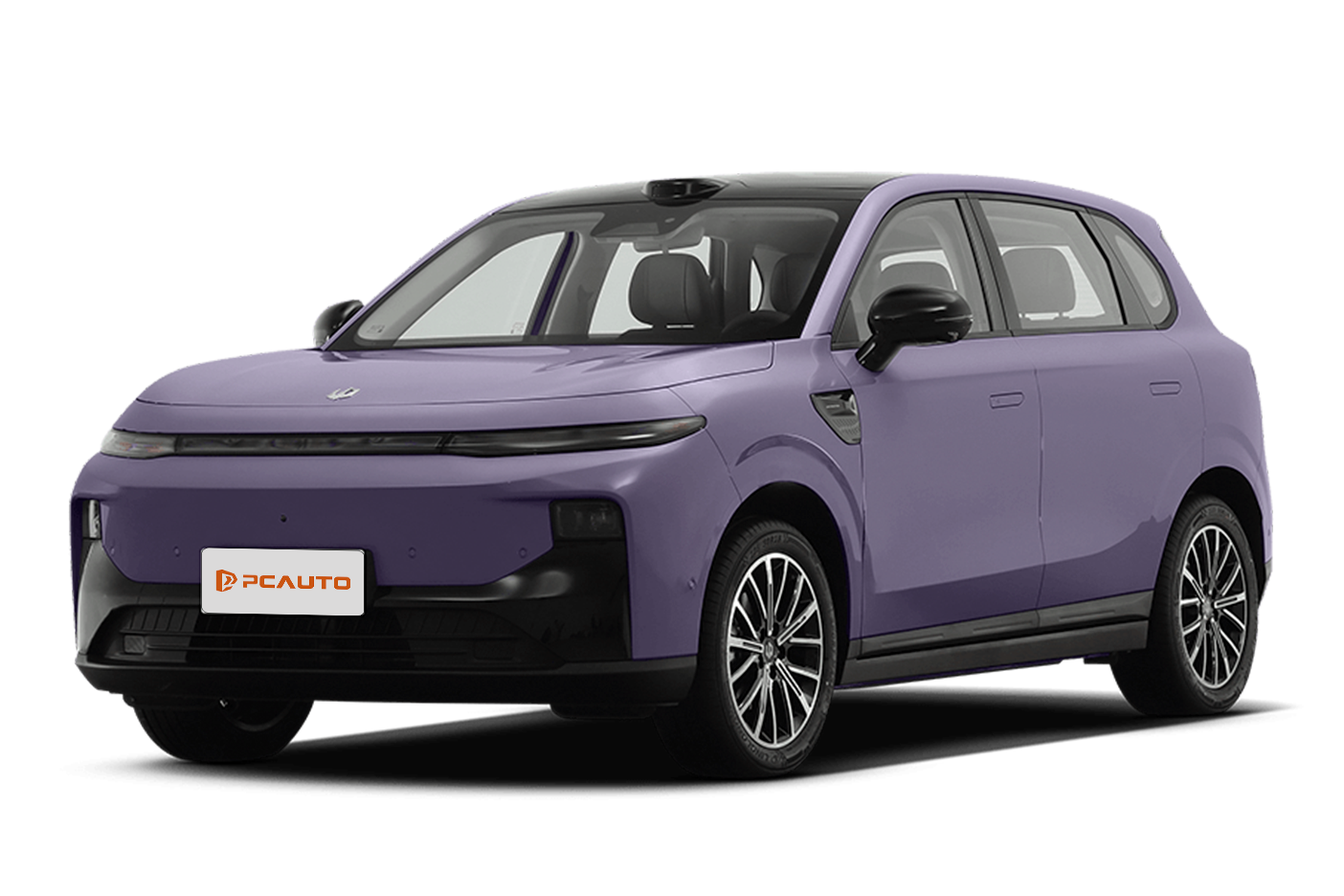
2025 Leapmotor B10 LIFE is a 100,000-level pure electric C-class SUV, equipped with standard L2 assisted driving and other practical features. It offers spacious interior and solid range, making it a go-to choice for family users.