

Mercedes-Benz GLC Coupe Review

 Share
Share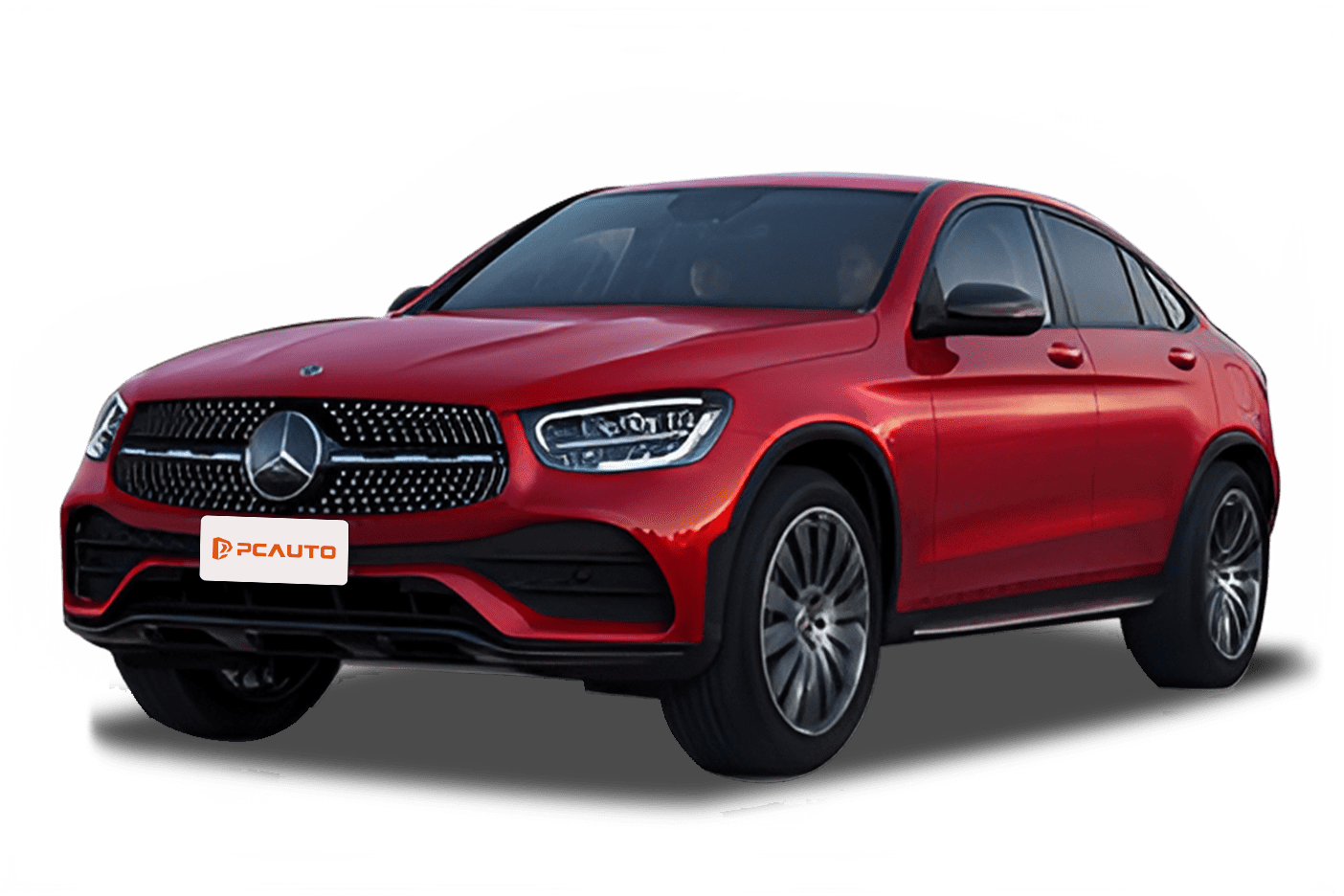
 Segment
 Body Type
 Capacity(L)
 Combined System Output(PS)
 EV Range(km)
 Driven Wheels
As Malaysia's luxury mid-size SUV market enters the "hybridization" transformation period, consumers' demand for models that balance sporty design, luxurious configuration, and fuel economy is growing. The 2023 Mercedes-Benz GLC 300 4MATIC AMG Line Coupe, as the latest iteration in this segment, is equipped with a 48V mild hybrid system. It retains the streamlined design of a coupe SUV, reduces fuel consumption through hybrid technology, and upgrades the intelligent cockpit configuration. The core purpose of this test drive is to verify whether its hybrid system's performance, space practicality, and dynamic handling match its luxury positioning.
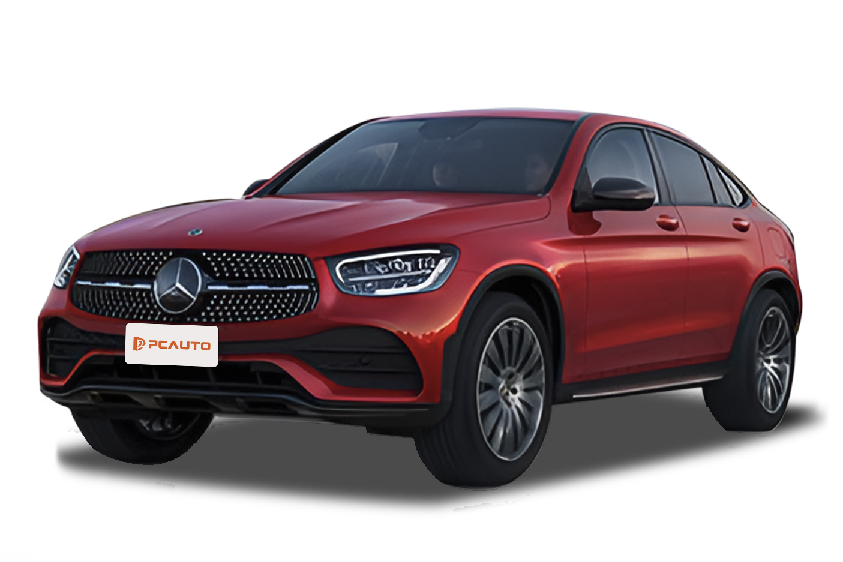
From the exterior, the new car continues the coupe SUV's fastback design, with overall lines that are more streamlined than the previous model. The front features the AMG Line-exclusive large-sized star-patterned radiator grille, paired with a smoked finish on the Mercedes-Benz three-pointed star emblem, which offers high recognition; the structure inside the LED headlight group on both sides has been adjusted, and the daytime running lights are updated to a three-segment design, creating a sharper visual effect when illuminated. On the side of the car, the 20-inch dual five-spoke AMG alloy wheels (front tires: 255/45 R20, rear tires: 285/40 R20) paired with wide-body wheel arches enhance the sporty feel; the sloping roofline gradually descends from the B-pillar and seamlessly connects to the small rear spoiler. At the rear, the major upgrade is the through-type LED taillights, which feature a horizontal strip design inside, enhancing its recognition when lit at night; the dual round exhaust outlets on both sides retain the AMG Line's sporty characteristics.
Opening the door, the sense of luxury and technology in the interior is significantly enhanced. The center console is wrapped in large soft leather, complemented by silver trims and piano lacquer panels, offering a refined tactile feel. The core 11.9-inch floating central control screen replaces the 7-inch display from the previous model, angled 6 degrees toward the driver for ease of operation; the built-in MBUX intelligent system supports voice control and wireless CarPlay/Android Auto, with smooth response speed. The 12.3-inch full LCD instrument panel switches between three display modes and can show navigation, power flow, and other information. In terms of configuration, the front seats support electric adjustment, memory, heating, and ventilation functions, with good wrapping for the backrest and cushion; the rear seats come equipped with independent air conditioning vents and USB-C ports, and can be folded down in a 40:20:40 ratio. Regarding space performance, the new car's wheelbase reaches 2888mm, a 15mm increase compared to the 2022 CKD model. Headroom for a 180cm passenger in the front row is about a fist and two fingers, while the rear legroom is two fists. Although the headspace is slightly tight due to the sloping roofline, there are no issues with everyday seating comfort. The trunk offers a capacity of 545 liters, which can be expanded to around 1600 liters after folding down the rear seats, meeting storage needs for family trips.
As for power, the new car is equipped with a 2.0T turbocharged engine paired with a 48V mild-hybrid system, delivering a combined system power output of 190kW (258PS) and a peak torque of 400N·m. It is matched with a 9-speed automatic transmission and a 4MATIC all-wheel-drive system. During actual driving, the car starts smoothly in economy mode, with the mild hybrid motor offsetting turbo lag for linear acceleration. When switching to sports mode, the throttle response becomes more sensitive, and stepping hard on the pedal results in an immediate burst of power. The official 0-100km/h acceleration time of 6.3 seconds was essentially achieved in our tests, with the transmission being responsive during highway overtaking. In terms of handling, the steering wheel offers moderate weight and precision with minimal play. The front and rear multi-link independent suspension is tuned for comfort but still provides adequate support, filtering out vibrations well when driving over speed bumps, and maintaining vehicle stability on rugged roads. In corners, body roll is well-controlled, and the all-wheel-drive system provides ample grip, instilling confidence in driving. Regarding fuel consumption, this test drive covered urban traffic, highway cruising, and suburban roads, resulting in an average fuel consumption of approximately 3.8L/100km. Although this does not reach the official optimal figure of 2.6L, it is a significant improvement compared to the 8.4L of the 2022 internal combustion engine version. In terms of comfort details, dual-layer sound-insulating glass effectively blocks external noise, keeping wind and tire noise within a reasonable range even at 120km/h on the highway. The seat cushioning is soft, making long-distance travel less tiring.
Overall, the core advantages of the 2023 GLC 300 4MATIC AMG Line Coupe include: low fuel consumption brought by the hybrid system, upgraded intelligent cockpit configuration, improved spaciousness, and the retained sporty design of the coupe SUV. Compared to the 2022 GLC Coupe 300e PHEV of the same class, it does not require external charging, making it more convenient to use, and it has a larger trunk capacity (545L vs 350L); compared to the 2022 CKD pure fuel version, fuel consumption is reduced by approximately 55%, and it offers richer configurations. This car is suitable for consumers who value luxury, need to balance family travel with personal driving enjoyment, especially the middle class who commute frequently between the city and highways. On the whole, it is a "well-balanced" luxury coupe SUV that meets daily practical needs while providing a pleasant driving experience, making it a strong competitor in the current D-segment coupe SUV market.
Mercedes-Benz GLC Coupe Car Compare
Mercedes-Benz GLC Coupe Loan Calculator
More Mercedes-Benz Reviews
Cars With Similar Price And Features
21
Rank in SUV
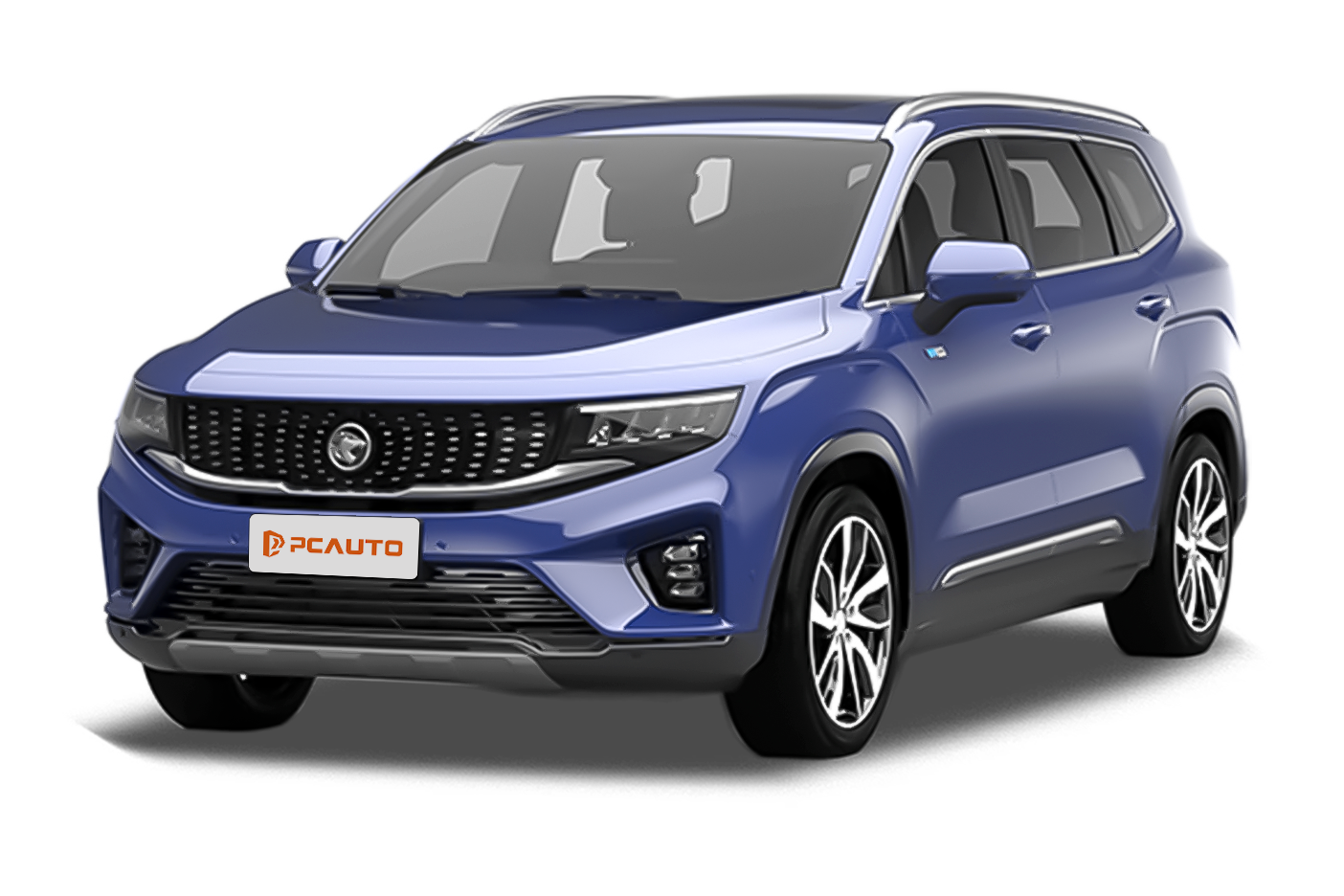
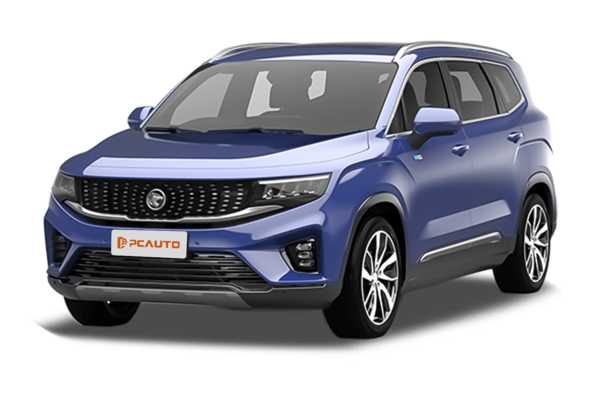
Proton X90 1.5TGDI BSG Standard 2023 is a family-oriented mid-size SUV that balances the practicality of a spacious 7-seater, the fuel economy of 1.5T mild hybrid, and mainstream technology features, offering outstanding value for money.

11
Rank in SUV
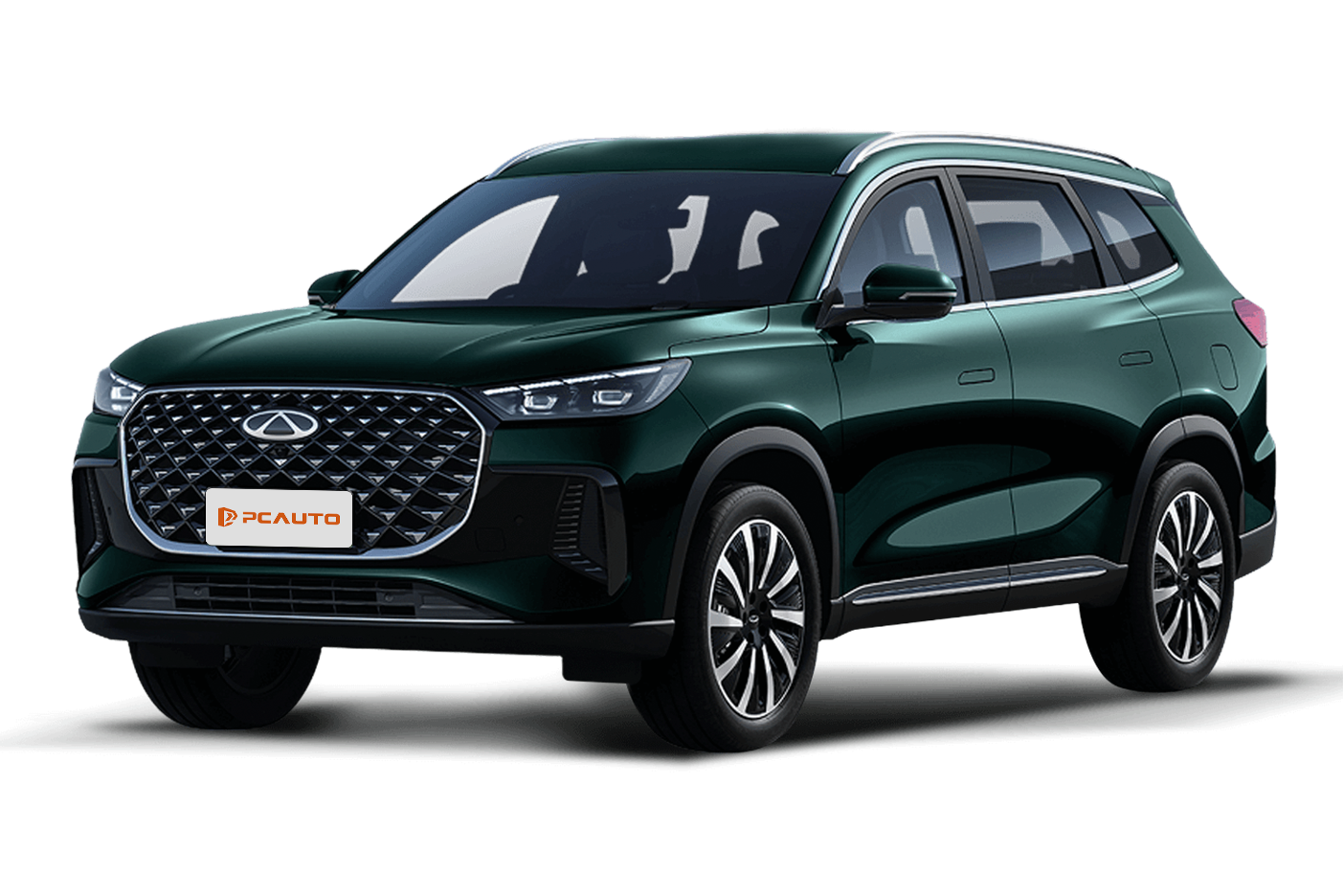
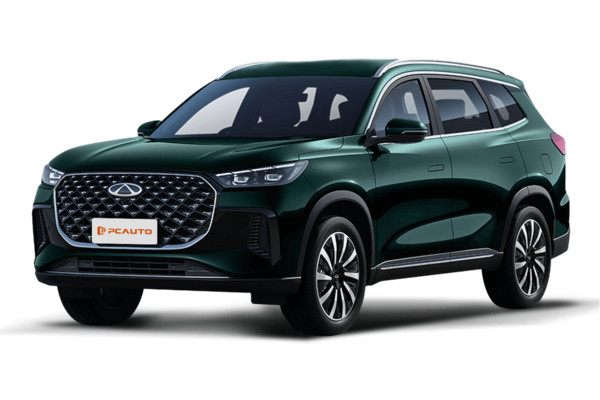
2026 Chery Tiggo 8 is a D-Segment SUV aimed at family users, offering superior configurations, practical space, and smooth power at a high cost-performance ratio, meeting both commuting and light off-road needs.
16
Rank in SUV

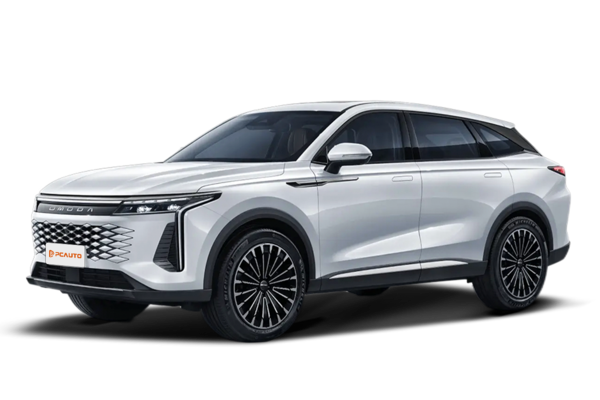
2024 Chery OMODA C9 2WD with 2.0T+8AT powertrain, L2 level assistance, and dual 12.3-inch screens, breaking the stalemate in the D-Segment market and becoming a high-value disruptor.
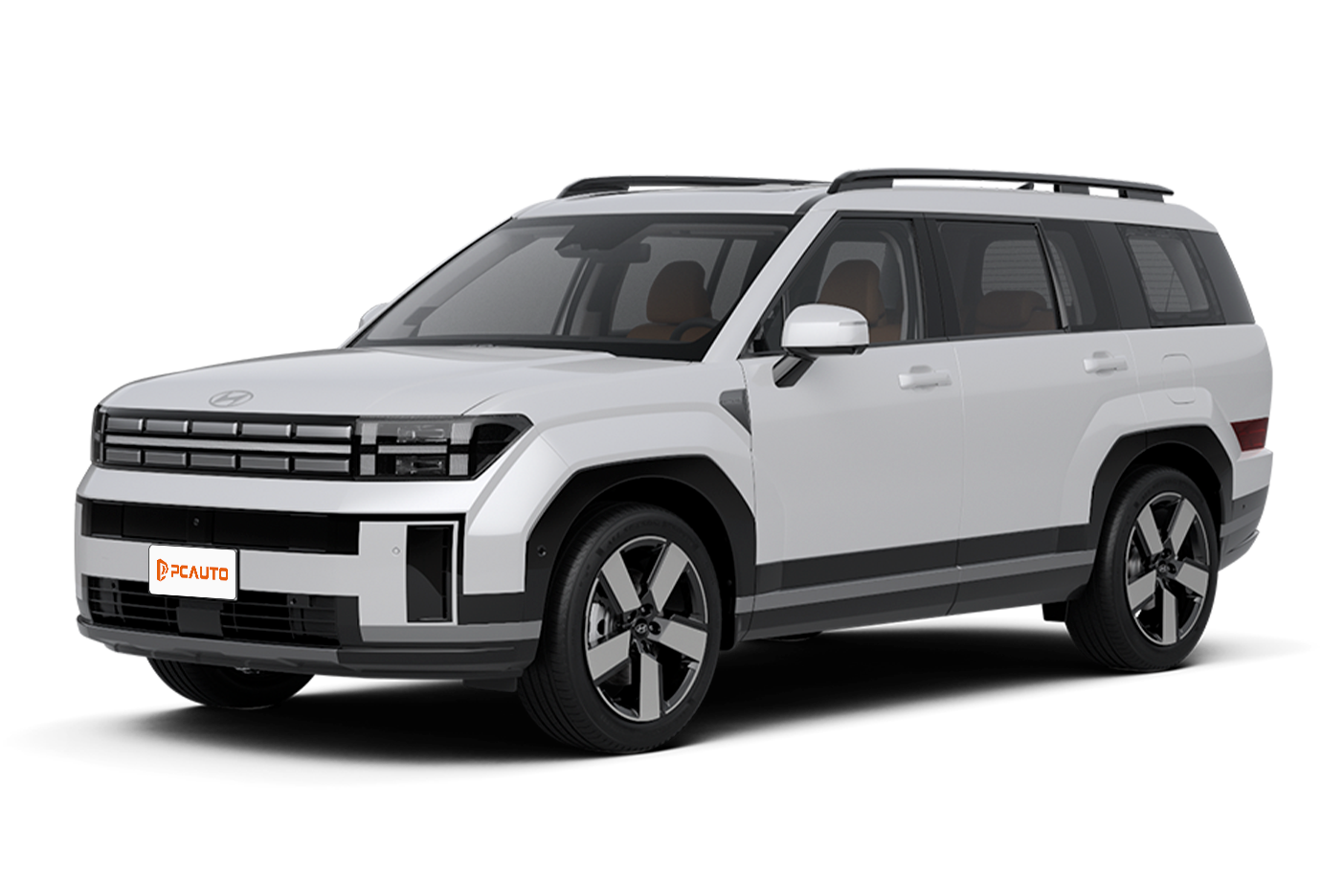
2025 Hyundai Santa Fe HEV Prime is a mid-level 7-seater hybrid SUV that balances fuel efficiency and practical space, with an enduring design and well-rounded features, meeting family needs.