

Mercedes-Benz GLC Review

 Share
Share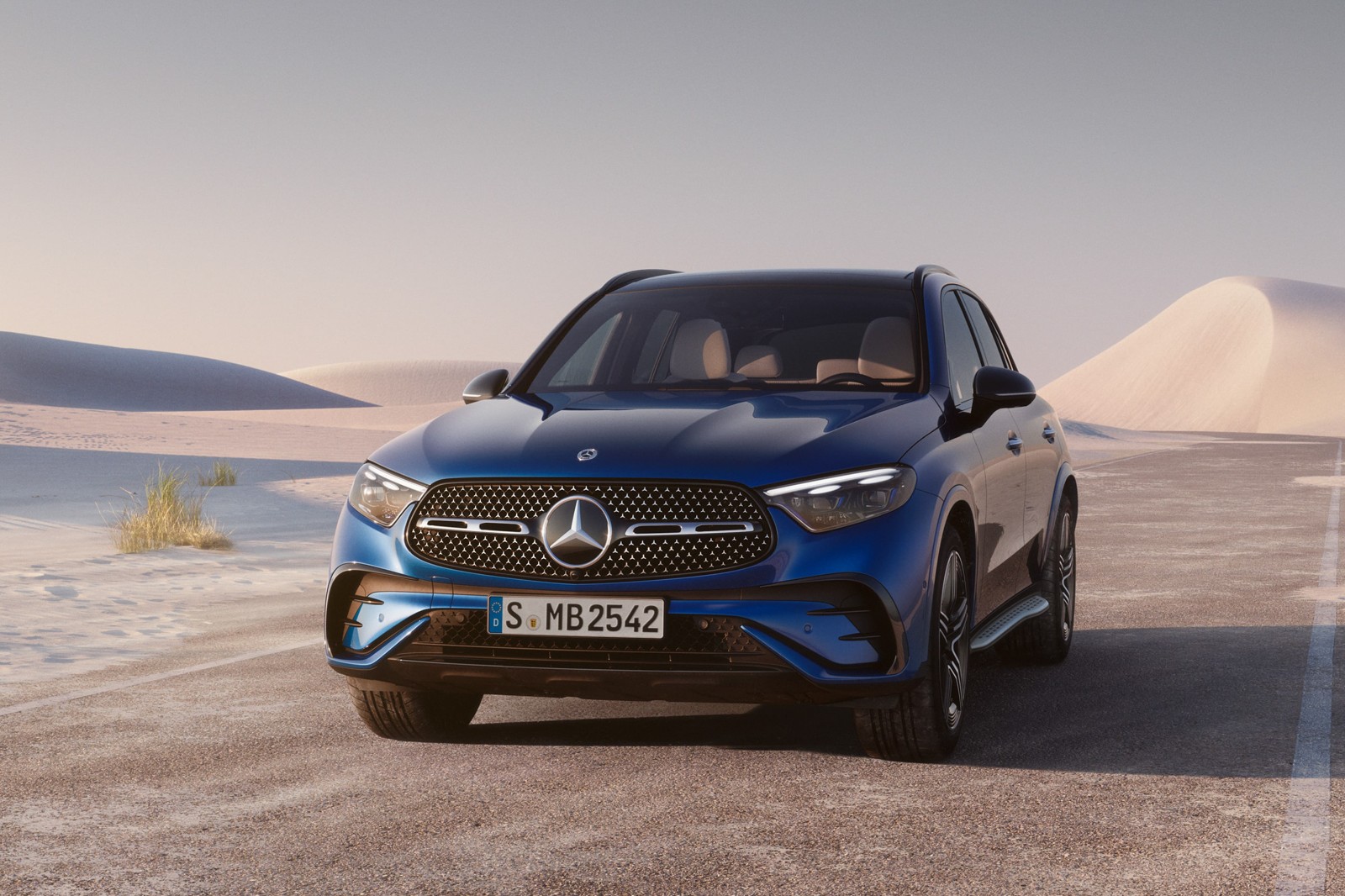
 Segment
 Body Type
 Capacity(L)
 Combined System Output(PS)
 EV Range(km)
 Driven Wheels
In Malaysia's D-segment luxury SUV market today, transitioning from traditional fuel to new energy, consumers are increasingly seeking brand value and comfort while also demanding lower usage costs. The Mercedes-Benz GLC 350e 4Matic, launching in September 2024 as the first plug-in hybrid model of the series, not only offers 131km of pure electric range to cover daily commutes but also delivers a combined output of 313PS through its 2.0T turbo engine and electric motor combination, targeting users who desire both luxury and fuel efficiency. This test drive focuses on its design practicality, dynamic performance, and real-world plug-in hybrid system experience to determine if this RM425,888 model strikes a balance among its competitors in the same segment.
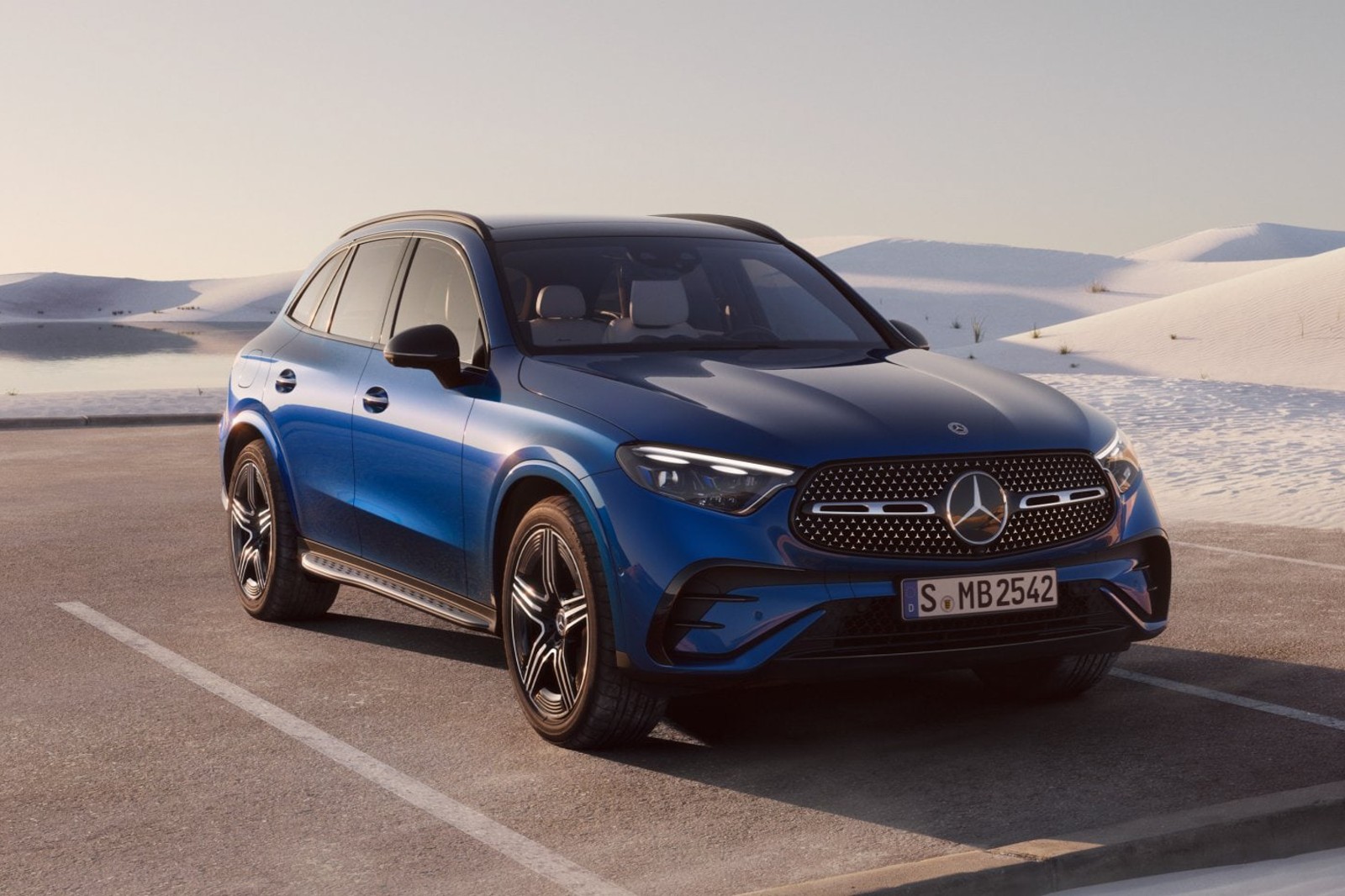
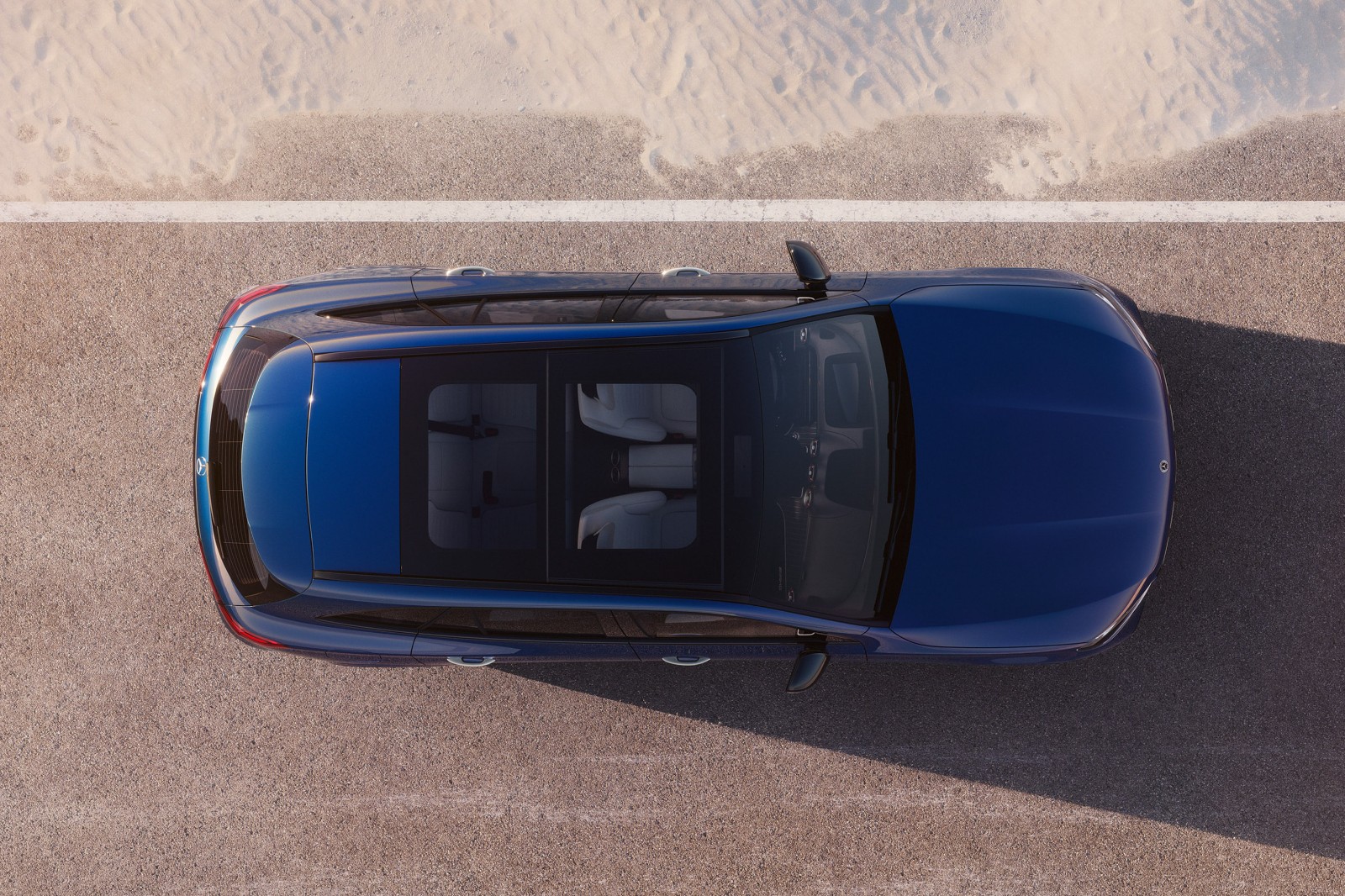
Approaching the GLC 350e, the most immediate impression is its more streamlined body proportion compared to the previous model. The vehicle measures 4716mm in length, 2075mm in width, and has a wheelbase of 2888mm. The side profile features a continuous waistline stretching from the fender to the taillights, paired with 20-inch dual-tone wheels (front 255/45R20, rear 285/40R20), maintaining the steadiness of a luxury SUV while enhancing its sporty appeal with a wide-body design. The front fascia features the iconic three-pointed star emblem embedded in the illuminated grille center, flanked by LED headlamp clusters with a new "eyebrow" daytime running light design, offering high recognition when lit. The rear LED taillights feature a smoked finish, echoing the hidden exhaust layout and creating a simple yet refined overall style. Details such as the fixed panoramic sunroof and chrome trim along the body further enhance its luxurious positioning.
Opening the door, the interior continues the latest Mercedes-Benz family design language. A 12.3-inch fully digital instrument cluster and an 11.9-inch vertically oriented central control screen form a dual-screen system, with the central screen tilted 6 degrees towards the driver for easier operation. The interior materials primarily consist of soft leather and metal trims, with frequently touched areas like door armrests and the central armrest box wrapped in genuine leather, providing a delicate texture. The front seats support electric adjustment, offering moderate support and ensuring long-term seating comfort. The rear seats feature a 40:20:40 split design, and the central armrest comes with cup holders. The legroom in the rear is excellent for its segment—a 175cm tall passenger sitting in the back has two fists of space between their knees and the front seats. In terms of storage space, the trunk offers a standard volume of 470L, which can be further expanded by folding down the rear seats, allowing for the convenient storage of baby strollers or luggage.
Starting the vehicle defaults to pure electric mode, where the motor delivers 129PS of power and 440N·m of torque. The initial response is quick and silent, making it well-suited for urban traffic conditions. Switching to hybrid mode engages the 2.0T turbo engine (204PS, 320N·m), which activates based on vehicle speed and throttle input. The system provides a combined output of 313PS and 550N·m, with an official 0-100km/h acceleration time of 6.7 seconds. In real-world driving, mid-range acceleration (80-120km/h) requires only a light press on the accelerator, with ample power in reserve. The 9AT transmission offers smooth gear changes, with almost imperceptible shift shocks. As for the suspension, the combination of front multi-link independent suspension and rear air suspension performs exceptionally. It quickly absorbs most bumps when passing speed bumps or uneven roads, keeping the vehicle stable. At high-speed cornering, the air suspension automatically stiffens to reduce body roll, balancing both comfort and handling.
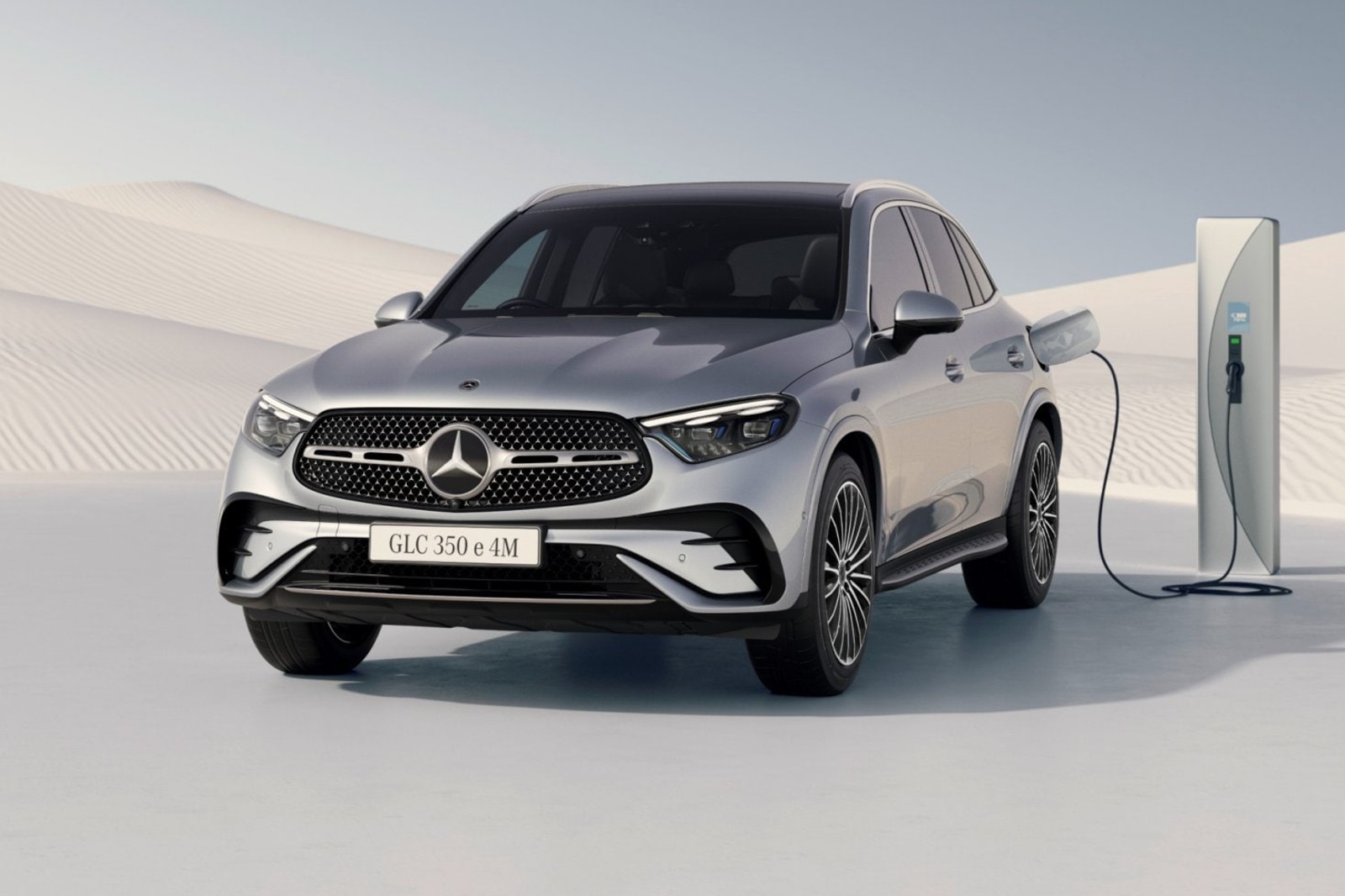
For the plug-in hybrid system, we conducted a special test: under full charge, with the air conditioning on and mainly driving in urban traffic conditions, the actual pure electric range achieved is about 85%, which is approximately 110km and fully meets daily commuting needs. When switched to hybrid mode, the combined fuel consumption is about 6.8L/100km, which is more fuel-efficient than the fuel-only version of the GLC 300 in the same class (officially 7.1L). In terms of charging, using a home slow charging station, it only takes 2 hours to fully charge the 31.2kWh lithium battery, offering good convenience. Regarding driving comfort, the vehicle does a good job of controlling wind and tire noise, maintaining undisturbed conversations inside the car at speeds under 100km/h. The Burmester 3D sound system (with 15 speakers) delivers excellent audio performance, with deep bass and clear treble. However, during pure electric mode, the energy recovery system offers three adjustable levels, with the highest level causing a noticeable drag when releasing the accelerator, which requires some adaptation.
Overall, the core advantage of the GLC 350e lies in the plug-in hybrid system, which provides low operating costs alongside Mercedes-Benz's consistent luxurious feel. Compared to models in the same class, such as the BMW X3 xDrive30e (pure electric range approximately 50km), its pure electric range is longer; compared to the in-house 2023 GLC 300 (RM378,888), it is about RM47,000 more expensive but offers additional features such as a plug-in hybrid system, air suspension, HUD head-up display, and Burmester sound system, making its cost-performance ratio quite high. This car is suitable for two types of users: first, family users focusing on daily commuting cost savings, as the pure electric mode covers most short trips while the hybrid mode meets long-distance needs; second, young people pursuing luxury and comfort, as its design and features balance prestige with practicality.
In summary, the GLC 350e 4Matic is a luxury plug-in hybrid SUV with "no obvious shortcomings." It retains Mercedes-Benz's brand identity and comfort while addressing the high fuel consumption issue of gasoline-powered vehicles through its plug-in hybrid system. If you are looking for a D-Segment SUV that balances luxury, practicality, and economy, this car is worth considering for your list.
Mercedes-Benz GLC Car Compare

Mercedes-Benz GLC Loan Calculator
More Mercedes-Benz Reviews
Cars With Similar Price And Features
21
Rank in SUV
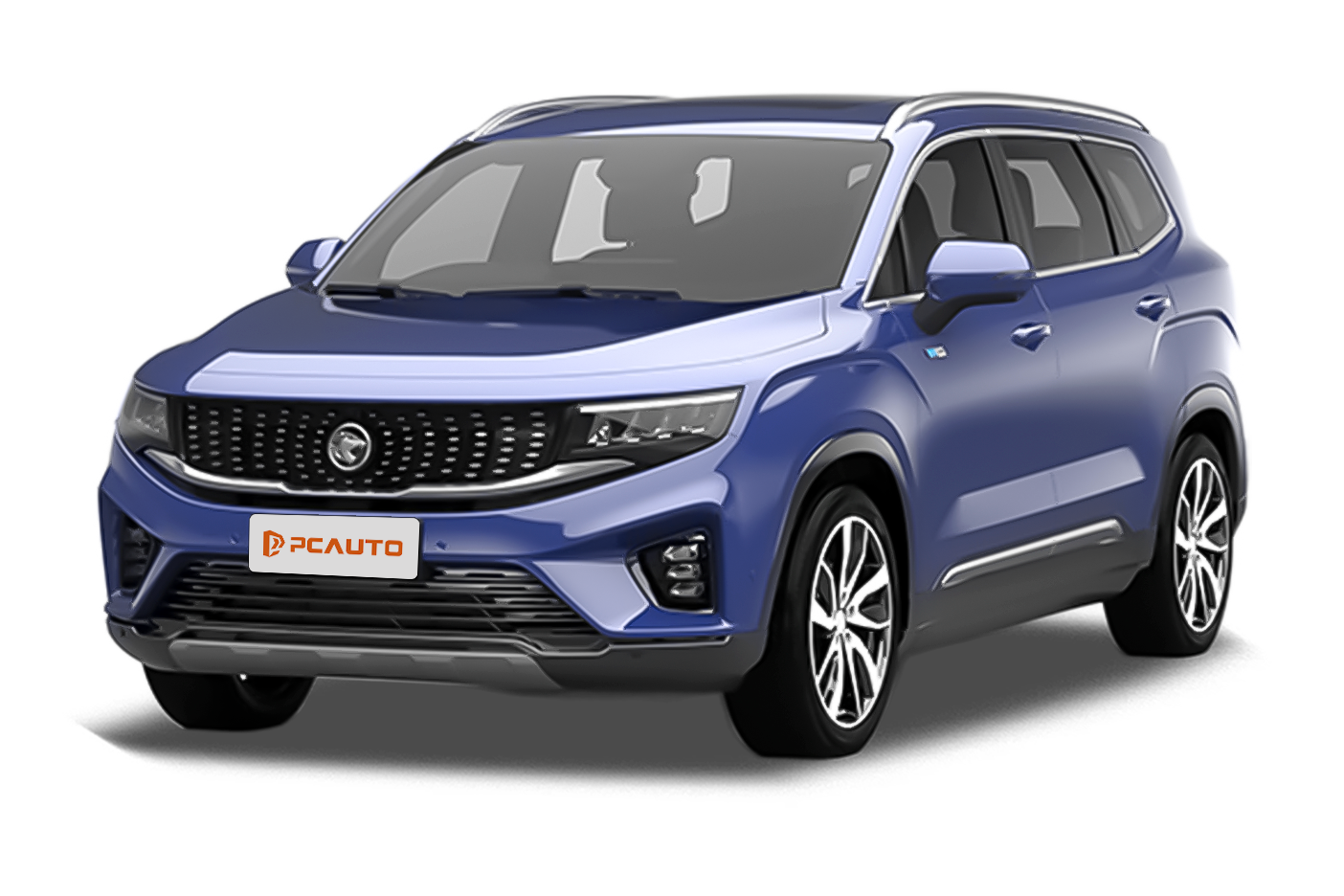
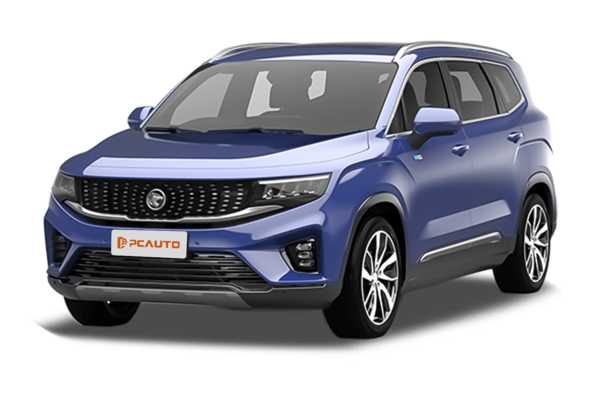
Proton X90 1.5TGDI BSG Standard 2023 is a family-oriented mid-size SUV that balances the practicality of a spacious 7-seater, the fuel economy of 1.5T mild hybrid, and mainstream technology features, offering outstanding value for money.

11
Rank in SUV
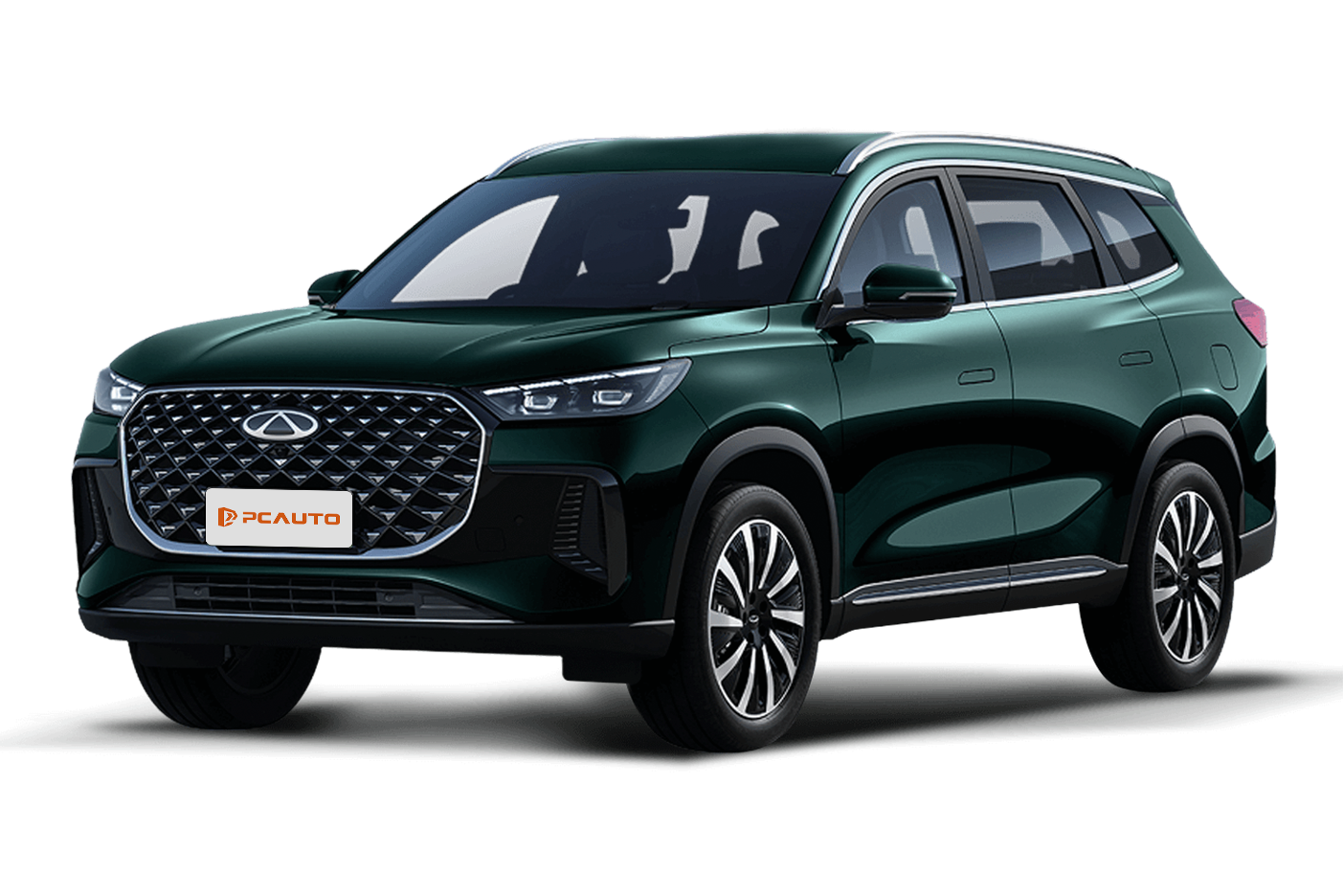
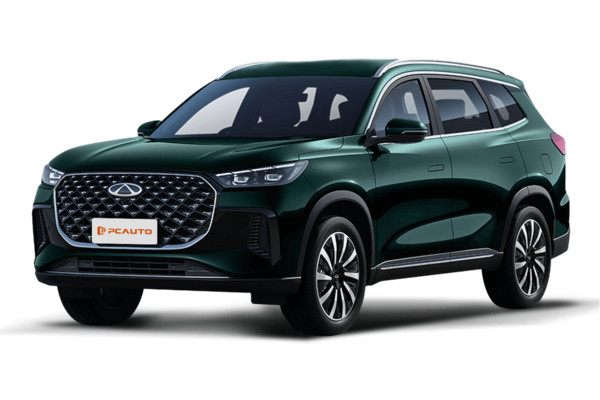
2026 Chery Tiggo 8 is a D-Segment SUV aimed at family users, offering superior configurations, practical space, and smooth power at a high cost-performance ratio, meeting both commuting and light off-road needs.
16
Rank in SUV

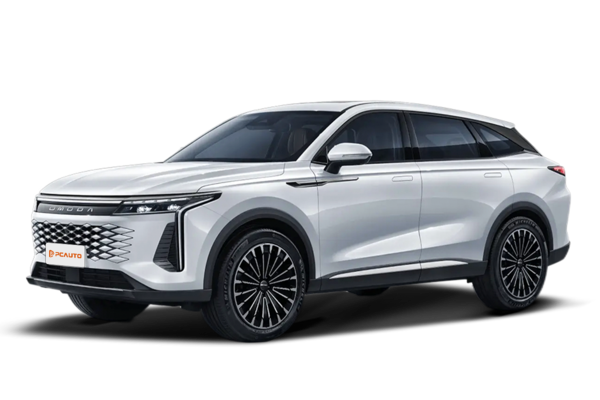
2024 Chery OMODA C9 2WD with 2.0T+8AT powertrain, L2 level assistance, and dual 12.3-inch screens, breaking the stalemate in the D-Segment market and becoming a high-value disruptor.
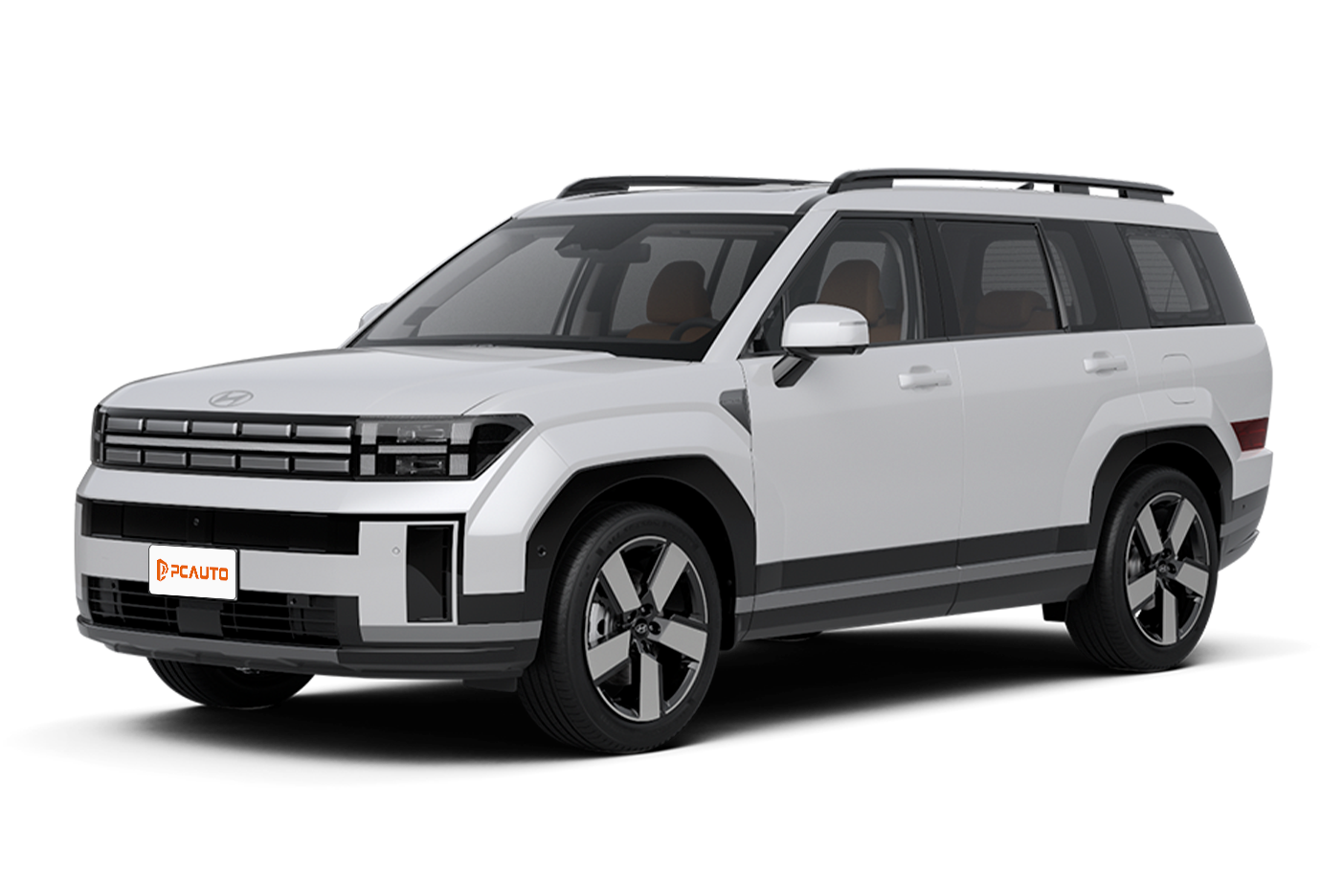
2025 Hyundai Santa Fe HEV Prime is a mid-level 7-seater hybrid SUV that balances fuel efficiency and practical space, with an enduring design and well-rounded features, meeting family needs.