MINI Convertible Review

 Share
Share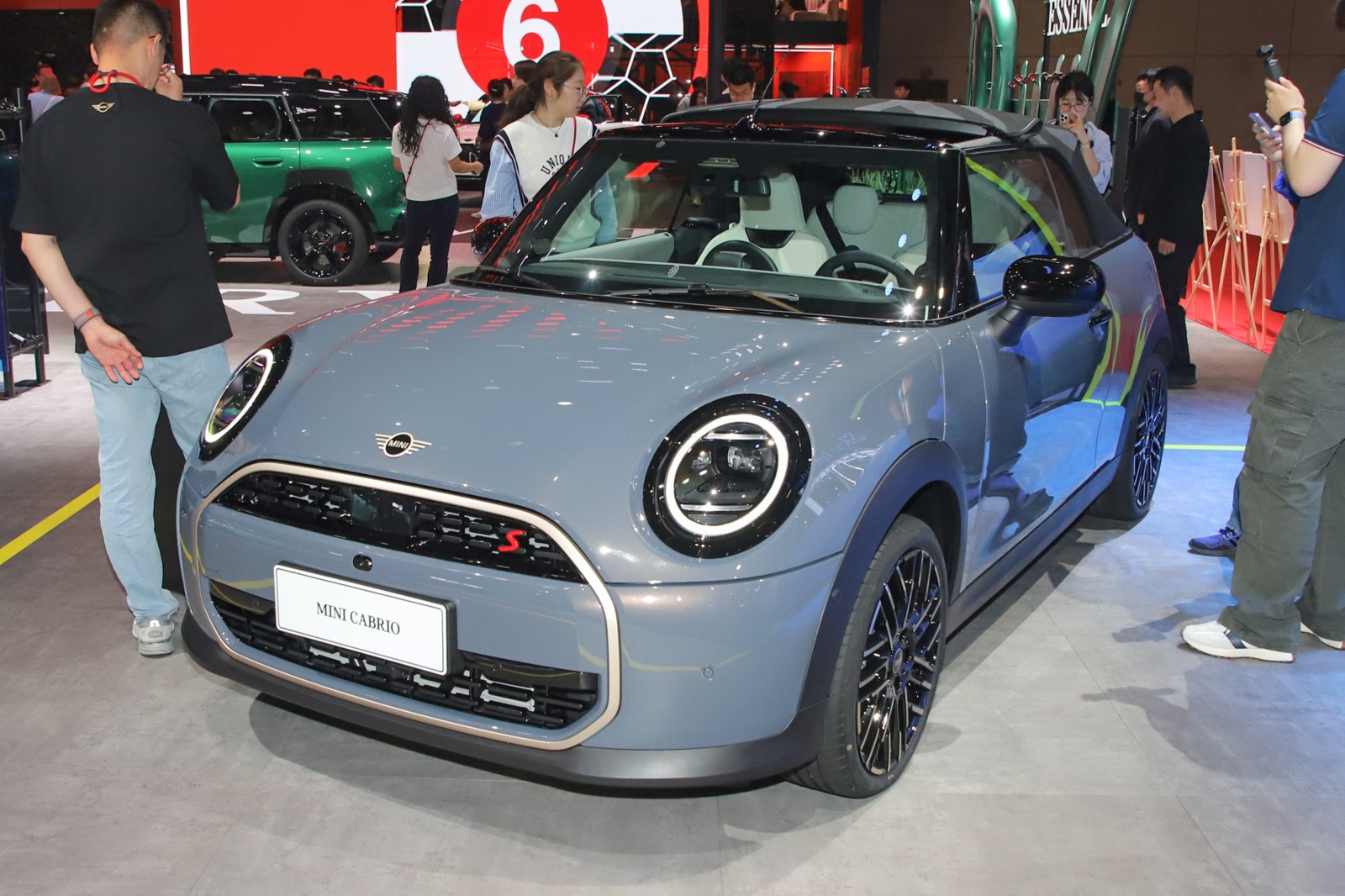
 Segment
 Body Type
 Capacity(L)
 Engine Power(PS)
 Engine Torque(Nm)
 Transmission
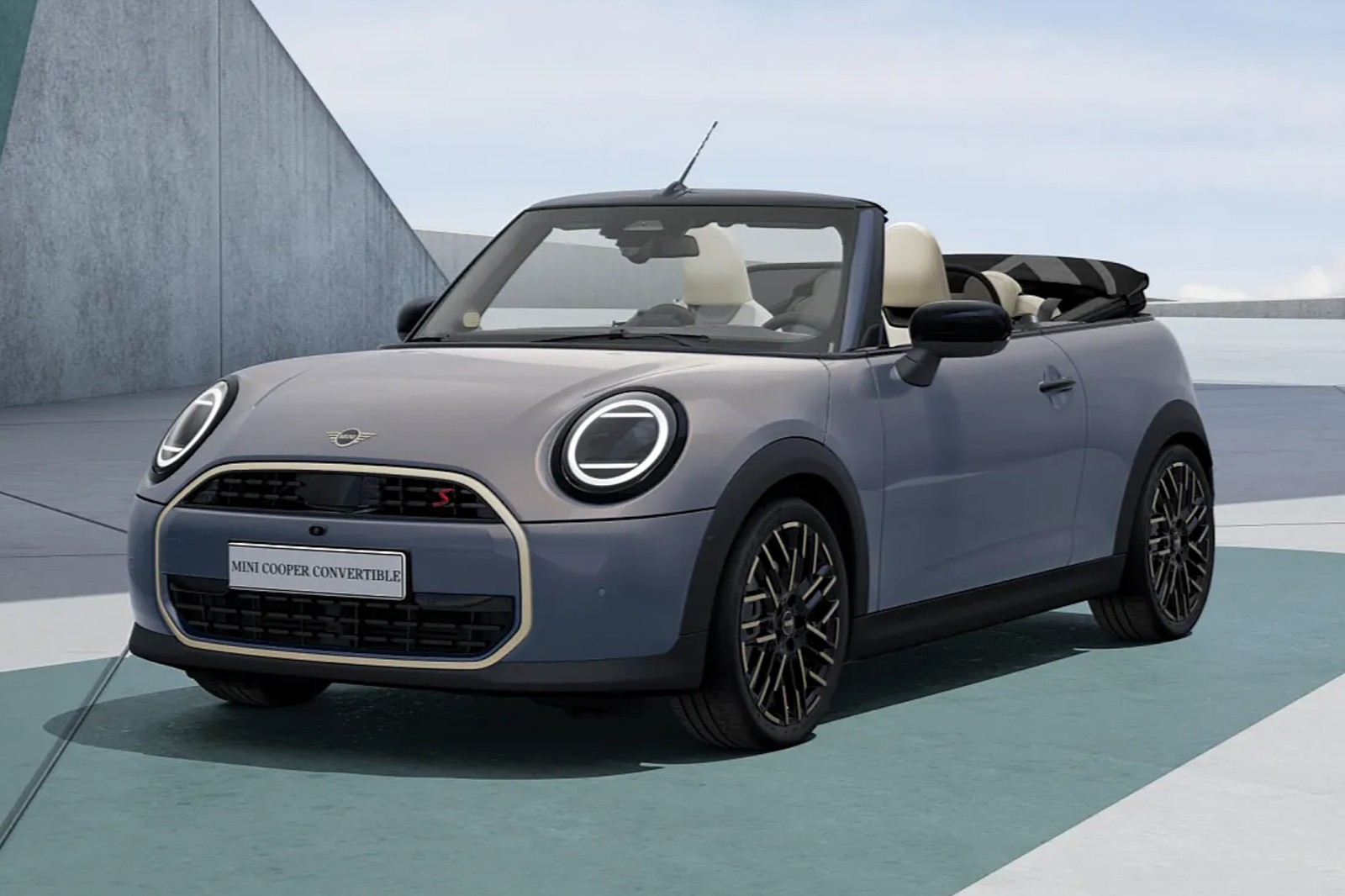
In recent years, although the market for B-segment convertible cars has been niche, there has always been stable demand. Consumers not only demand the recognition brought by classic designs but also expect configurations and power to keep up with the times. The 2025 MINI Convertible Cooper, launched on April 28, has quickly attracted the attention of young consumers with its upgraded 2.0T turbocharged engine, intelligent safety configurations standard across all models, and an exterior design that retains MINI's iconic design language. The main purpose of this test drive is to verify whether this new car truly meets market expectations in terms of daily driving, space practicality, and configuration experience, as well as to compare whether the improvements over the old model are adequate.
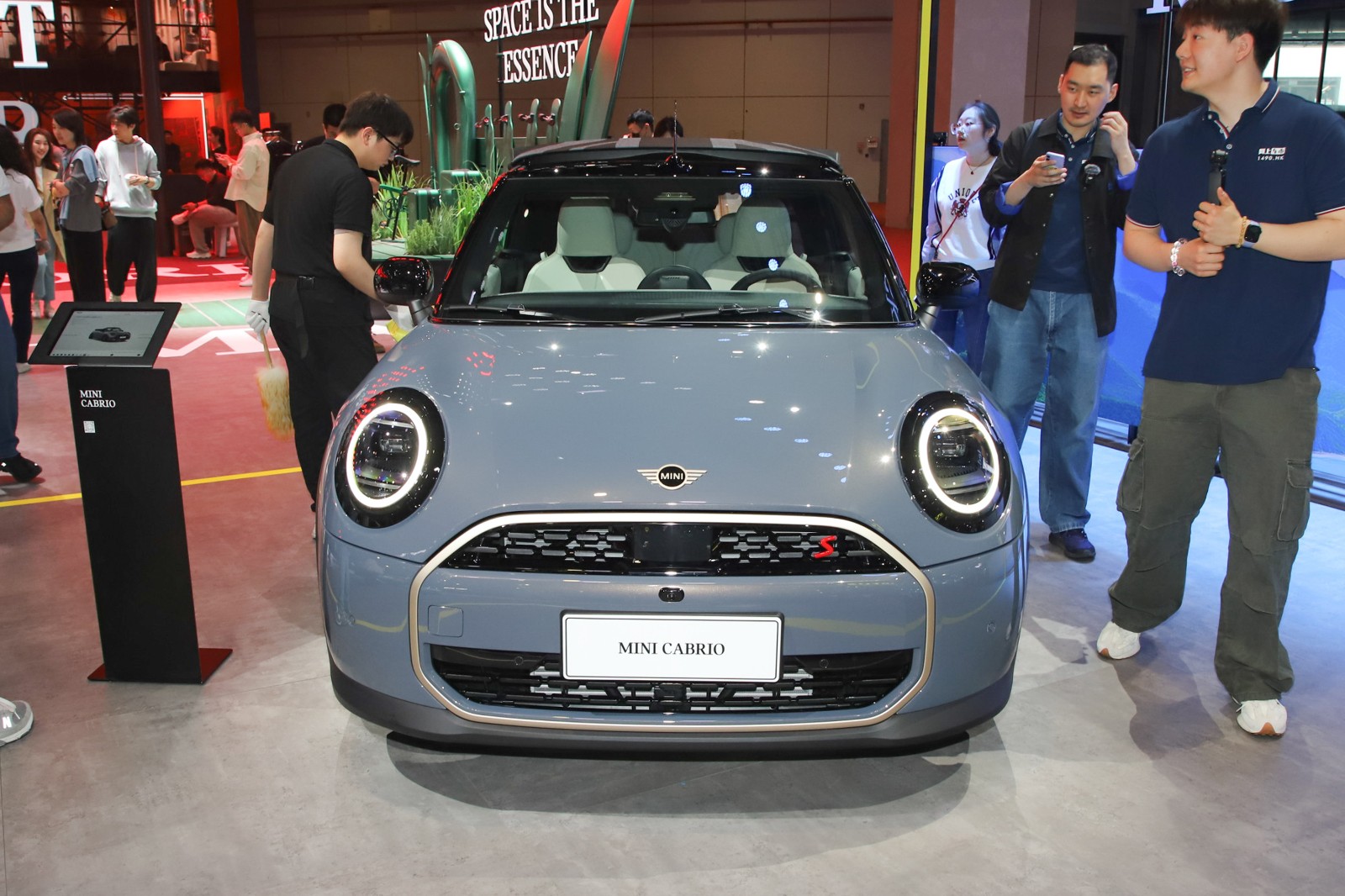
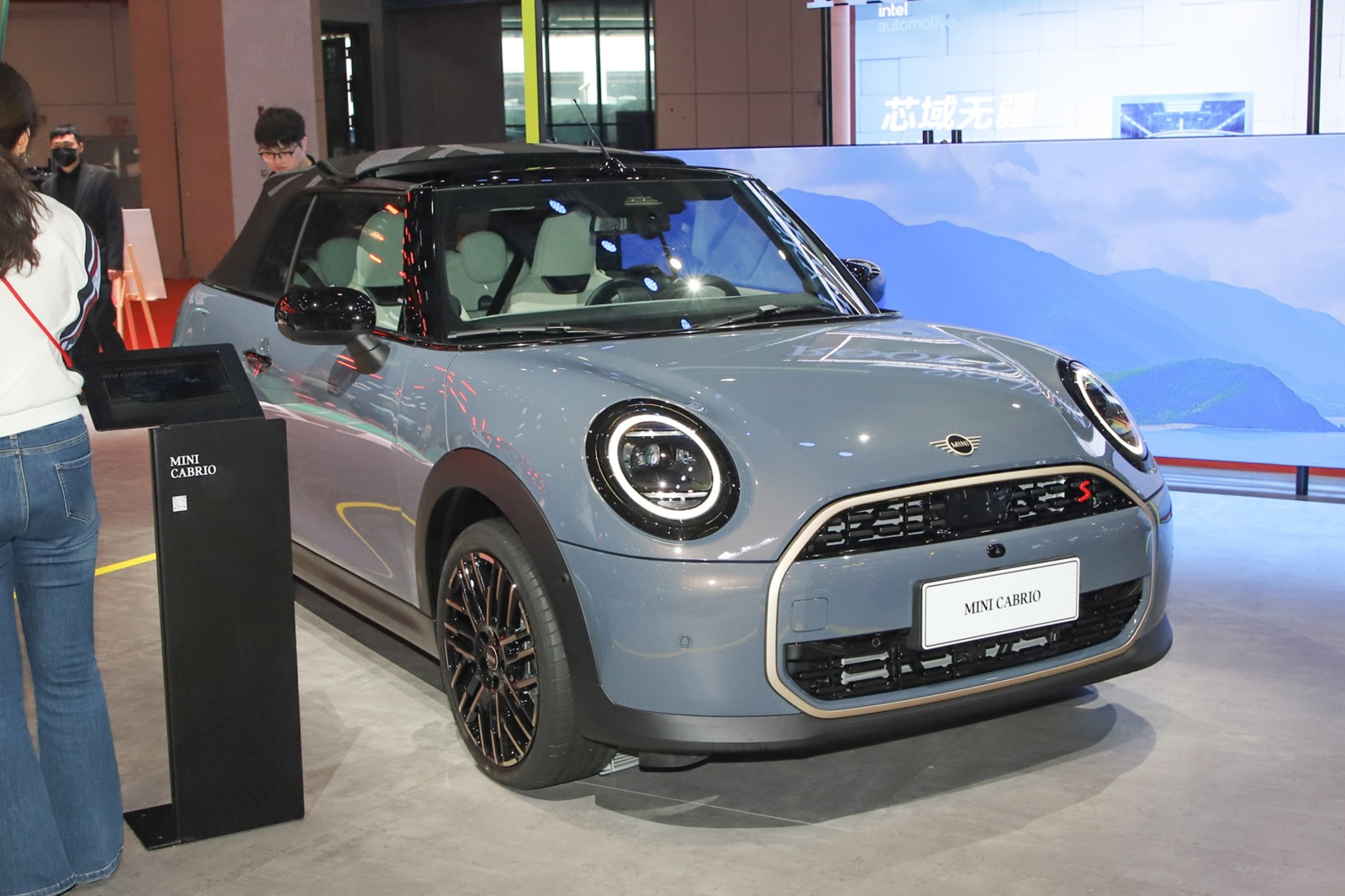
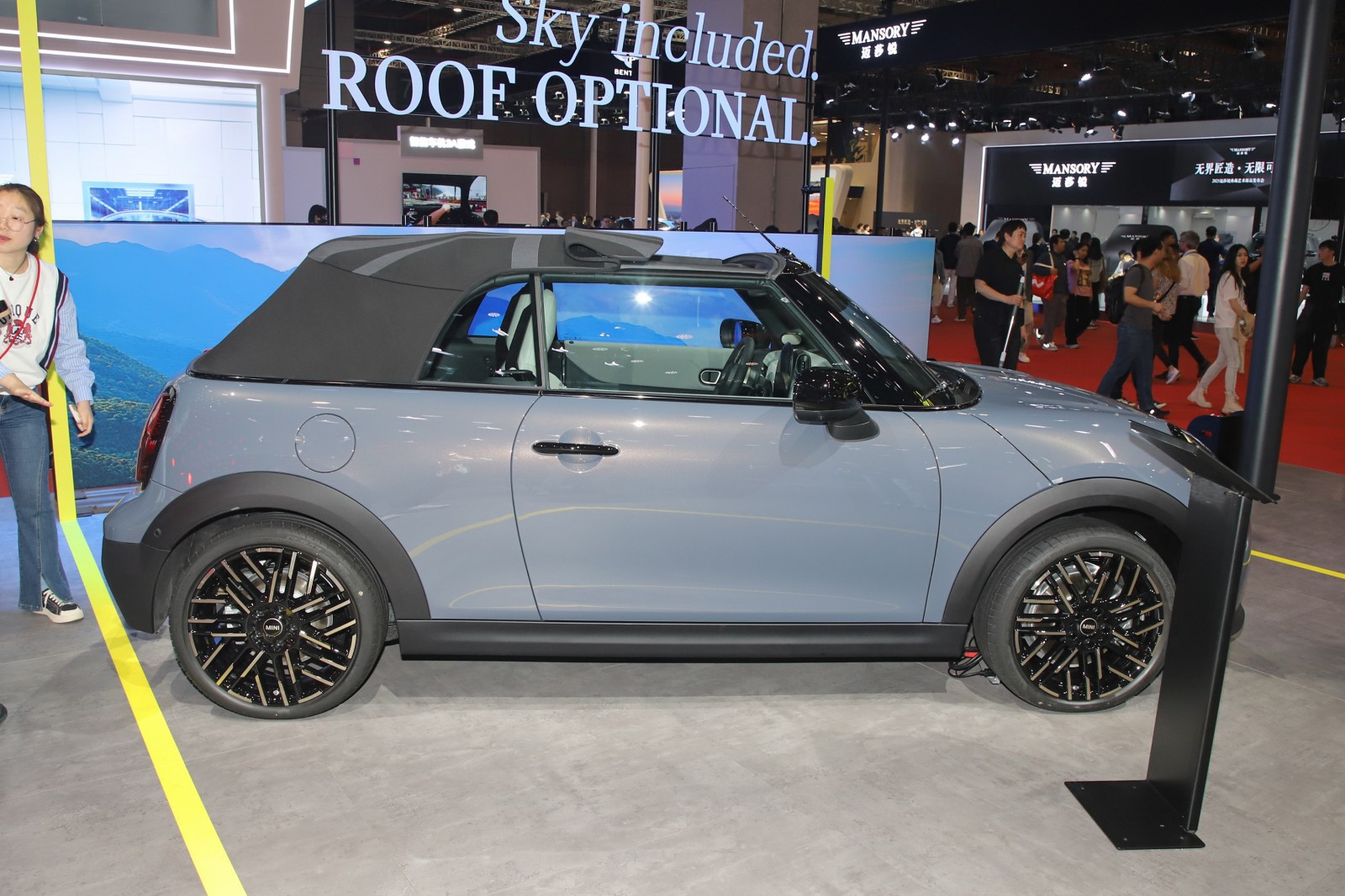
In terms of appearance, the new car continues MINI's family design of round headlights and short front and rear overhangs, maintaining its distinctive recognition. On the front, the grille size has been slightly adjusted, featuring a black mesh structure inside, paired with a through-style front lip below, which gives it a sportier look compared to the old model. The side profile is smooth, with a length of 3879mm and a wheelbase of 2495mm, both consistent with the old model, but the 1744mm width has increased by 20mm, making the car appear more stable. The standard 18-inch wheels, paired with 205/45 R18 tires both front and rear, provide a fuller visual impact compared to the 17-inch wheels of the old model. The LED taillights at the rear retain a circular outline, but the internal light assembly has been changed to a ring-shaped design, improving their recognition when illuminated; the lower rear bumper features decorative dual exhaust outlets, enhancing its sporty feel. Although the manufacturer has not disclosed the time taken for the convertible mechanism to operate, in practice, it can be completed at low speeds, and when folded, the trunk volume remains at 160L, the same as the 2020 model. It is sufficient for storing two carry-on backpacks for daily use.
Sitting inside the car, the most noticeable change is the 10.25-inch OLED round display in the center console, which replaces the 8.8-inch touchscreen of the old model. The screen displays clearly, operates smoothly, and supports CarPlay and Android Auto connectivity, with interface layouts better suited for current user habits. A HUD heads-up display is standard, showing information such as speed and navigation to reduce distractions while driving. In terms of interior materials, the upper part of the dashboard is made of soft-touch plastic material, and the inside of the door panels is wrapped in leather, providing a much-improved tactile feel compared to the hard plastic of the old model. As for the seats, the front driver and passenger seats are equipped with electric adjustment functions, allowing multi-directional adjustment of the backrest and cushion, replacing the manual adjustment found in the old model. The rear seats support a 60:40 split fold, which can expand storage space when folded down. However, due to the convertible structure, the rear legroom is only suitable for short trips, and passengers 175cm tall may feel slightly cramped. In terms of features, automatic air conditioning, rear air vents, rain-sensing wipers, and electrically folding mirrors are all standard. The 360-degree panoramic imaging has high clarity, and the automatic parking assist function is very practical in tight spaces, making it more convenient than the front and rear cameras of the old model.
The power system is the highlight upgrade of the new model. It is equipped with a 2.0T turbocharged four-cylinder engine, delivering a maximum power output of 150kW (204PS) and a peak torque of 300N·m. This represents an improvement over the 192PS engine of the 2021 model, with an increase of 12PS in output and 50N·m in torque. It is paired with a 7-speed automatic transmission, replacing the 7-speed dual-clutch transmission of the old model, which results in significantly smoother shifting. During daily driving, the throttle response is sensitive during takeoff, with a maximum torque output starting at 1450rpm. The power reserve at low rpm is ample, making it convenient for city driving and overtaking. In sport mode, the transmission delays shifting, keeping the engine rpm above 3000, and the acceleration feels more powerful. The official 0-100km/h acceleration time is 6.9 seconds, which is 0.2 seconds faster than the old model. In actual tests, the car repeatedly achieved a time of 7.1 seconds, which meets expectations.
In terms of handling, the new car adopts a front MacPherson independent suspension and a rear multi-link independent suspension, with a chassis tuning that is tighter than the old model. The steering wheel is precise with minimal play, and body roll is well-controlled during cornering, retaining the consistent driving pleasure of a MINI. The suspension absorbs road bumps more softly than the old model. When passing speed bumps or uneven roads, rear passengers won't feel obvious jolts, balancing sportiness with comfort. As for fuel consumption, the official combined fuel efficiency is 6.6L/100km. In actual city driving with congested sections, the fuel consumption is about 8.2L/100km, while during highway cruising it is around 5.8L/100km, meeting the standard of a 2.0T engine. With a fuel tank capacity of 44L, the full fuel range is about 650km, which meets daily commuting needs.
As for driving comfort, with the convertible top closed, the noise control inside the car is well-handled. While driving at 120km/h on the highway, wind noise and tire noise are not significant, marking an improvement in sound insulation compared to the old model. With the convertible top open, wind noise is acceptable below 80km/h, but you'll need to raise your voice to talk when exceeding 100km/h. The seat cushioning is of moderate firmness and provides good support, ensuring that the lower back doesn't feel fatigued during long drives. Regarding safety features, six airbags, lane change assist, lane departure warning, and active braking are all standard across the lineup. Compared to the old model, ACC adaptive cruise control has been added, which reduces fatigue during highway driving.
In summary, the core advantages of the 2025 MINI Convertible Cooper lie in the enhanced driving experience due to upgraded power, the intelligent configurations that are standard across the lineup, and the improved interior quality while retaining classic design elements. Compared with the same class, such as the Audi A1 Convertible (discontinued) or the Volkswagen Golf Convertible (older models), the new car has more advantages in configurations and performance. Although the price of 318,888RM is quite a bit higher than the 2021 model's 274,360RM, the configuration upgrades are significantly improved. This car is suitable for young consumers who value driving pleasure and seek personal expression, especially those who enjoy short trips on weekends and primarily commute in urban areas on a daily basis. If you don't have high demands for rear seat space and favor the unique experience of a convertible, the 2025 MINI Convertible Cooper is a good choice in the B-segment convertible car market.