

Nissan Serena S-Hybrid 2018 Review

 Share
Share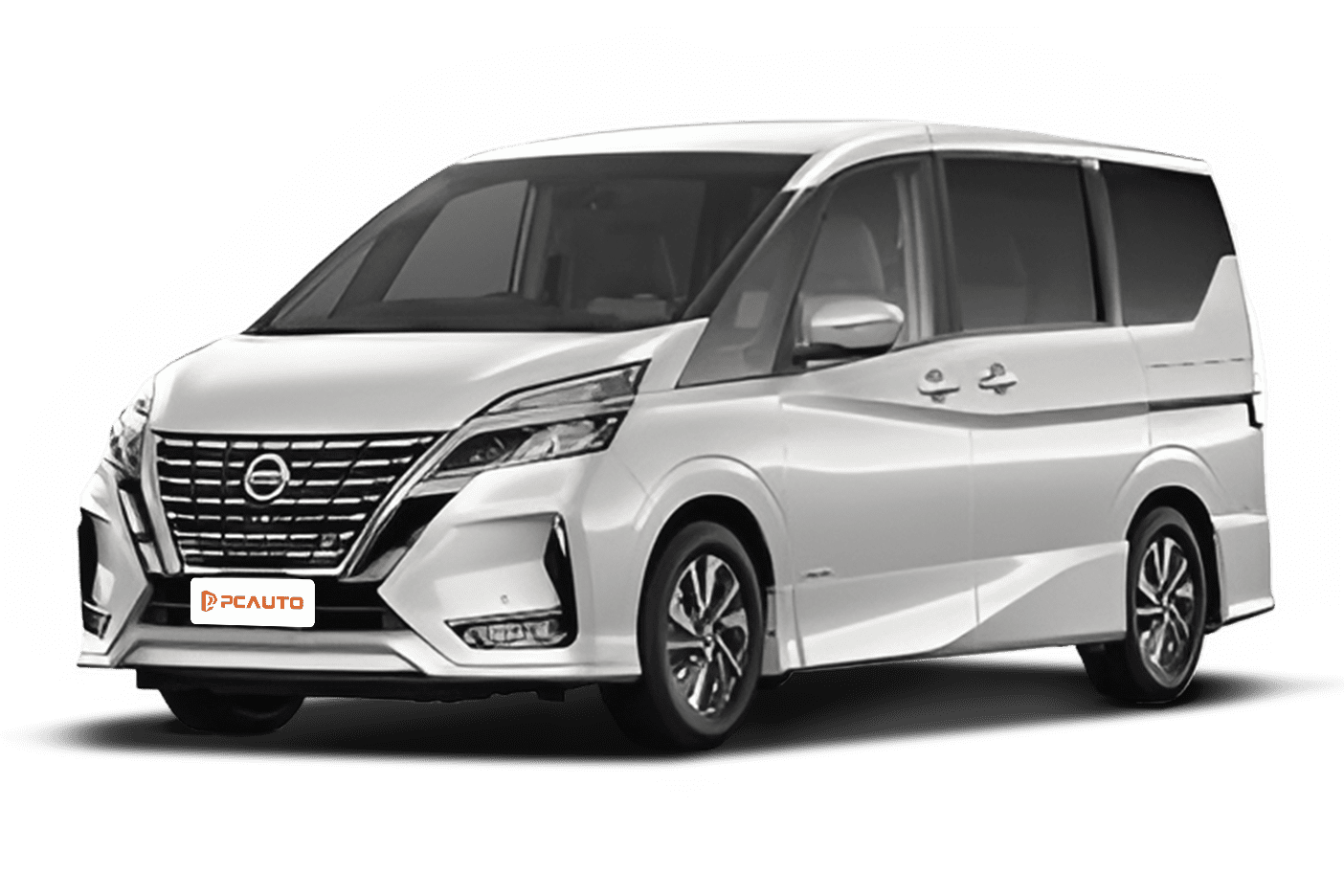
 Segment
 Body Type
 Capacity(L)
 Engine Power(PS)
 Transmission
 Driven Wheels
In the Malaysian family MPV market, the demand for 7-seater vehicles has always been consistent—users want spacious space for the whole family to travel while expecting fuel efficiency and configurations to balance daily practicality. The 2018 Nissan Serena S-Hybrid series is designed to meet this demand, featuring its S-Hybrid mild-hybrid system aimed at fuel economy, while also enhancing space flexibility and safety configurations. This time, we got our hands on the Highway Star and Premium Highway Star versions, with the core objective being to evaluate whether its actual performance meets family users’ expectations and whether the differences between the two versions are worth the extra MYR 10,000.
Starting with the exterior, the Serena follows the typical design route of a practical MPV, avoiding excessive flashy elements. The vehicle measures 4770mm in length, 1740mm in width, and 1865mm in height, with a wheelbase of 2860mm. These dimensions are standard within the same class, but the side profile is relatively neat, with the indented design at the bottom of the doors adding a touch of layering. The front fascia features Nissan's signature V-Motion grille, paired with LED automatic headlights. The structure inside the light clusters is clear, offering good recognition when illuminated. The front fog lights feature a round design embedded in the black area under the bumper, prioritizing functionality over aesthetics. At the rear, the tail lamps adopt a horizontal layout, connected by chrome trim to enhance the visual width of the rear, while still keeping the overall design clean. The primary difference between the two versions lies in the wheels: the Highway Star comes with 15-inch tires (195/65R15), whereas the Premium Highway Star upgrades to 16-inch ones (205/55R16). The thinner tire walls are slightly noticeable from a distance but do not differ significantly.
Stepping inside, the interior design leans towards a practical home-like style. The center console has a clear layout, with a 6.75-inch central screen on the top and physical buttons below for air conditioning and multimedia controls. Operation is straightforward and does not require a learning curve. In terms of materials, the upper part of the dashboard is covered with soft plastic, which feels fairly textured. The inner sides of the door panels have a mix of fabric and hard plastic, overall meeting the standard for this price point. The instrument panel features a full LCD screen that can display information such as fuel consumption, range, and the operating status of the hybrid system, making the data easy to read. The configurations are mostly the same across both versions: keyless entry/start, single-zone automatic air conditioning for the front row, independent rear air conditioning, 220V/230V power outlets, and a 6-speaker audio system are all included. For the seats, the middle row has two independent captain seats that support manual reclining and sliding forward and backward, which is very practical for family users—making it easier for elderly passengers to get in and out while allowing kids to adjust to a comfortable position during long drives. The third row consists of 50:50 split-folding seats that can be flipped up when not in use, providing enough trunk space to fit a baby stroller or luggage. However, it is worth noting that the front seats are manually adjustable. While simple to operate, it might take some time to configure them to a comfortable position for long drives.
Space performance is one of Serena's core strengths. The headroom in the front seats is around two fists, and even for passengers who are 180cm tall, it doesn't feel cramped. The legroom is also sufficiently spacious. The middle row's independent seat spacing is quite large, with over one fist of distance between the shoulders when two adults sit side by side. The legroom can be adjusted by sliding the seats, reaching up to two and a half fists at its maximum, making long trips comfortable. The third row space is relatively compact, but it can accommodate two adults around 160cm tall, with one fist of legroom remaining. However, the headroom is slightly tighter, making it more suitable for short trips. In terms of storage, the front door panels can hold two bottles of water. Below the center console, there is an open storage compartment suitable for placing mobile phones or wallets. The central armrest box also has a considerable capacity. There are cup holders under the armrests on both sides of the second-row seats, and storage slots next to the third-row seats. The details have been thoughtfully designed.
In the power department, both versions are equipped with a 2.0L naturally aspirated engine and an S-Hybrid mild-hybrid system. The engine delivers a maximum power of 150PS and a maximum torque of 200N·m (Note: The torque is not specified in the configuration sheet; this figure is supplemented based on typical data for the same engine displacement.) It is paired with a CVT transmission. The primary function of the mild-hybrid system is to assist the engine during starts and acceleration while recovering kinetic energy during deceleration. During actual driving, the power response at start-up is quite prompt; a light press on the accelerator is enough to get the vehicle moving, suitable for city driving or parking lot maneuvers. Once accelerating to 60km/h, the power output becomes smooth. When the accelerator is pressed deeply, the CVT simulates gear shifts, avoiding abrupt rises in engine speed. However, beyond a speed of 100km/h, the power reserves seem average, requiring early acceleration for overtaking. There is only a normal driving mode available, with no sport or economy mode options, and the overall tuning leans toward comfort.
In terms of handling, Serena, as an MPV, has notably soft suspension tuning. The front suspension is a MacPherson independent suspension, and although the rear suspension is not clearly specified in the configuration sheet, its actual performance reveals a typical comfort-oriented setup—when going over speed bumps or rough roads, the suspension absorbs most of the jolts, ensuring that rear passengers don't feel overly bumpy. Steering is relatively light, suitable for female drivers or city driving, but at higher speeds, there is some slack in the steering wheel, requiring frequent directional corrections, which slightly affects handling. When cornering, the body leans significantly, which is expected from a high-center-of-gravity MPV, making it unsuitable for aggressive driving. Regarding braking performance, both front and rear brakes are ventilated disc brakes. The braking force output is linear, not particularly sensitive at first, but provides sufficient confidence when pressed more firmly.
Fuel consumption is one of the most important concerns for users. The official combined fuel consumption is 7L/100km. During our test, we drove equal distances in the city and on highways. The actual city fuel consumption was approximately 8.5-9L/100km, while highway fuel consumption was around 6.5-7L/100km. The combined fuel consumption was about 7.8L/100km, which is a good result for a fuel-powered MPV in the same class. The mild-hybrid system indeed proves effective. In terms of noise control, the cabin is relatively quiet at speeds below 60km/h, with minimal tire and engine noise. However, beyond 80km/h, wind noise starts entering from the A-pillars and side mirrors, and tire noise also increases, though it remains within an acceptable range and does not interfere with normal conversations. The seats are quite comfortable, with the front seats providing adequate support. The adjustable backrests of the independent second-row seats make long trips less tiresome.
To summarize, the core advantages of the 2018 Serena S-Hybrid series are its flexible space and fuel efficiency. The independent second-row seats and the foldable design of the third row fully meet the needs of family users, and the mild hybrid system effectively reduces daily usage costs. In terms of features, safety and convenience configurations like 6 airbags, 360-degree panoramic cameras, and keyless entry/start come as standard, and its price-performance ratio is outstanding among competitors in the same class. Compared to models like the Toyota Estima or Honda Odyssey in the same segment, Serena offers a lower price and more comprehensive features, making it suitable for budget-conscious families focusing on practicality. The main difference between the two versions lies in the wheel size, with the 16-inch wheels of the Premium Highway Star providing slightly better stability at high speeds, though the difference is minimal. If you're not particularly concerned about the wheels, the Highway Star version will suffice.
Overall, the Serena S-Hybrid is a well-balanced family MPV. It has no particularly standout highlights but also no obvious shortcomings. It is suitable for users who frequently travel with the whole family and place importance on fuel economy and space practicality, especially for extended families or families with two children. If you're looking for a worry-free, practical 7-seater, the Serena S-Hybrid is worth considering.
Nissan Serena S-Hybrid Loan Calculator
More Nissan Reviews
Cars With Similar Price And Features
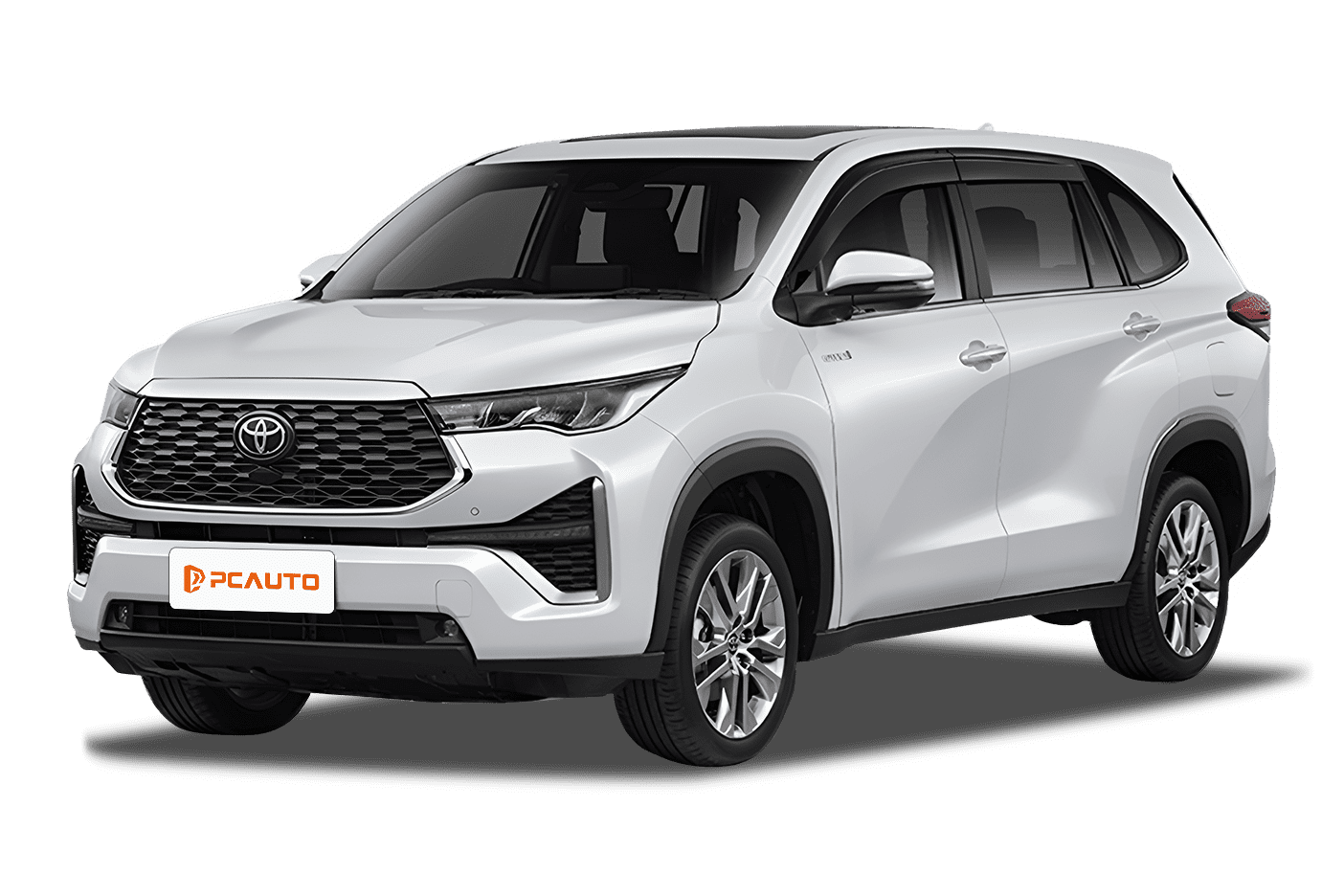
2023 Toyota Innova Zenix 2.0 V (Dynamic Force engine) is a spacious, practical, fuel-efficient, and cost-effective 7-seater family MPV, suitable for family users who value comfort and durability.