
Porsche 718 2019 Review

 Share
Share
 Segment
 Body Type
 Capacity(L)
 Engine Power(PS)
 Engine Torque(Nm)
 Transmission
In recent years, naturally aspirated models have gradually become the "favorite" of niche players in Malaysia's sports car market. Although turbocharged cars have strong explosive power, the linear power output and high-pitched engine sound of naturally aspirated engines have always been synonymous with pure driving pleasure. The 2019 Porsche 718 Spyder sits at the core of this niche market segment. Not only is it the only convertible model in the 718 family equipped with a naturally aspirated engine, but it also carries forward Porsche's signature traits of lightweight design and handling precision. The main goal of this test drive was to determine if this car could strike a balance between daily use and track performance, and whether it's worth enthusiasts paying for its "purity".
Approaching the 718 Spyder, the first impression is that its design retains the convertible silhouette of the Boxster while incorporating more aggressive sports elements. The front end doesn't differ much from the standard Boxster, with the classic four-eye LED daytime running lights remaining prominent. However, the air intake below the front bumper has been enlarged, and paired with a small spoiler lip, it enhances aerodynamic performance. The most eye-catching feature on the car's side is the retro-style manual soft-top mechanism, derived from the 911 R. It takes just 10 seconds to retract and can be operated at speeds below 50 km/h. In its convertible state, the side profile is sleek and muscular. The changes at the rear are more noticeable. The central dual-round exhaust layout replaces the dual-side, two-outlet design of the standard version, while the fixed rear spoiler above is a direct marker of its performance credentials. Unlike the electric spoiler of the Boxster, it provides more stable downforce at high speeds. The taillights retain the through-line design, but the internal light cluster is darkened, giving it an even sportier appearance.
Opening the door, the interior layout remains consistent with the standard 718. The Tartan-patterned fabric seats are exclusive to the Spyder, not only lighter in weight but also with better wraparound support compared to the standard sports seats. The center console's 10.9-inch touchscreen is equipped with the Porsche Communication Management (PCM) system, supporting Apple CarPlay and Android Auto. Its operation logic is straightforward, though its features aren't particularly fancy—after all, this car isn't focused on "smart technology." In terms of materials, the upper dashboard is wrapped in soft leather, while the inner door panels feature Alcantara material, which feels delicate and improves friction. Notably, the Spyder has eliminated the physical buttons for the air-conditioning control panel found in the standard version. Some functions now need to be accessed via the touch screen, trading a bit of convenience for a cleaner cabin aesthetic. In terms of space, the adjustment range of the front seats is sufficient, allowing drivers as tall as 180 cm to find a comfortable sitting position. Headroom feels slightly cramped when the convertible top is closed but poses no issues once it's open. The "small seats" in the back function more like storage slots and can only accommodate backpacks or light items. The front trunk has a capacity of 150 liters, which can barely fit two carry-on suitcases—suitable for short trips but limited for long-distance travel needs.
Sit in the driver's seat, press the start button on the left side of the steering wheel, and the roar of the 3.8L naturally aspirated flat-six engine immediately fills the cabin—steady at low rpm and producing a rich and sharp roar above 4000rpm. This is a sensation that turbocharged engines cannot replicate. The specifications of this engine are impressive: maximum power of 375PS/6700rpm, maximum torque of 420N·m/4700-6000rpm, paired with a 6-speed manual gearbox (yes, the Spyder is only available with a manual transmission). When starting, the clutch engagement point is clear, the throttle response is linear and direct, and even a light press on the accelerator reveals a continuous delivery of power, without the abruptness of turbo lag. In terms of acceleration, the official 0-100km/h time is 4.4 seconds. In actual testing, under Sport mode with full-throttle shifting, the push from 3000rpm continues all the way to the 7800rpm redline, and the smoothness of power delivery is truly addictive.
Handling is the core strength of the 718 Spyder. The steering wheel's weighting is heavier than a standard Boxster, but its precision is extremely high, with virtually no dead zone. During cornering, it provides clear feedback on road conditions. The suspension system uses Porsche Active Suspension Management (PASM) and is lowered by 20mm. In Sport mode, the suspension offers exceptional support, keeping body roll to a minimum during corners; even when switched to Normal mode for navigating city bumps and uneven roads, it is not overly harsh and is more suitable for daily driving than expected. The braking system is equipped with the optional Porsche Ceramic Composite Brakes (PCCB), with a short brake pedal travel and direct feedback. The tested 100-0km/h braking distance was only 32 meters, inspiring great confidence.
This test drive also included a short track experience, and the Spyder’s performance was impressive. The mid-engine layout provides a 50:50 front-to-rear weight distribution, giving it excellent tracking performance in corners. Even if the throttle is applied a bit aggressively, the body only slides slightly and is easily corrected through the steering wheel. The manual gearbox provides a tight shifting feel, with short travel and a strong engagement sensation. Combined with rev-matching functionality during downshifts, the car offers an immersive driving experience. As for fuel consumption, it averages around 12L/100km in city driving and drops to about 8L on the highway. Considering the displacement of the 3.8L naturally aspirated engine, these figures are reasonable.
The comfort of daily driving is better than expected. With the convertible top closed, cabin noise isolation is comparable to that of a hardtop sports car, and wind and road noise are kept within a tolerable range. With the convertible top open, as long as the speed does not exceed 120km/h, the wind deflector does a good job of reducing the airflow that hits your face, making it possible to have regular conversations without wearing a helmet. While the seats provide strong support, the padding is not overly hard, so long drives do not feel tiring. However, to achieve a lightweight design, the Spyder eliminates the rear speakers and some soundproofing materials, making tire noise at high speeds more noticeable than in the regular Boxster—an inevitable compromise for performance-oriented design.
In summary, the core strengths of the 2019 Porsche 718 Spyder are very prominent: the linear output and high-pitched roar of the 3.8L naturally aspirated engine, the pure manual transmission, precise handling and lightweight design, as well as the retro-style manual convertible mechanism. Compared to its classmate, the Cayman GT4, it offers the added fun of an open-top drive; compared to the Boxster GTS, its engine refinement and handling limits are higher; even when compared to the more expensive 911 Carrera Cabriolet, the Spyder's lightweight design and mid-engine layout make it more agile in corners.
This car is clearly not designed for family users, and its target audience is very specific: first, sports car enthusiasts who pursue pure driving pleasure and are willing to sacrifice some comfort for a manual transmission and a naturally aspirated engine; second, niche consumers who enjoy the convertible experience, looking for the convenience of daily commuting while occasionally unleashing passion on the track.
Overall, the 2019 Porsche 718 Spyder is an "uncompromising" sports car—it preserves the essence of driving with a naturally aspirated engine and manual transmission, carries on Porsche's racing genes with precise handling, and simultaneously offers the everyday practicality of a convertible model. For those who truly understand it, this is not just a car, but a faithful practice of the belief in "pure driving."
Porsche 718 Car Compare

Porsche 718 Loan Calculator
More Porsche Reviews
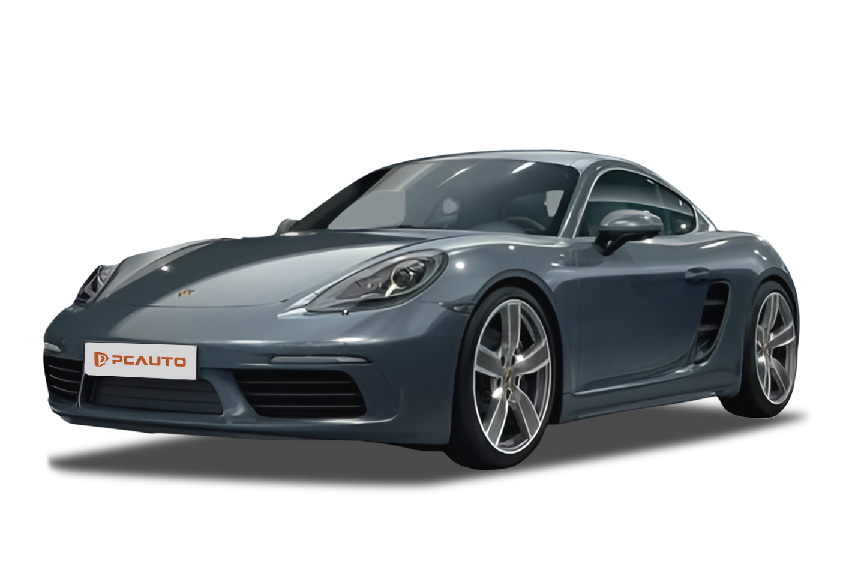
Cars With Similar Price And Features

30
Rank in Sedan
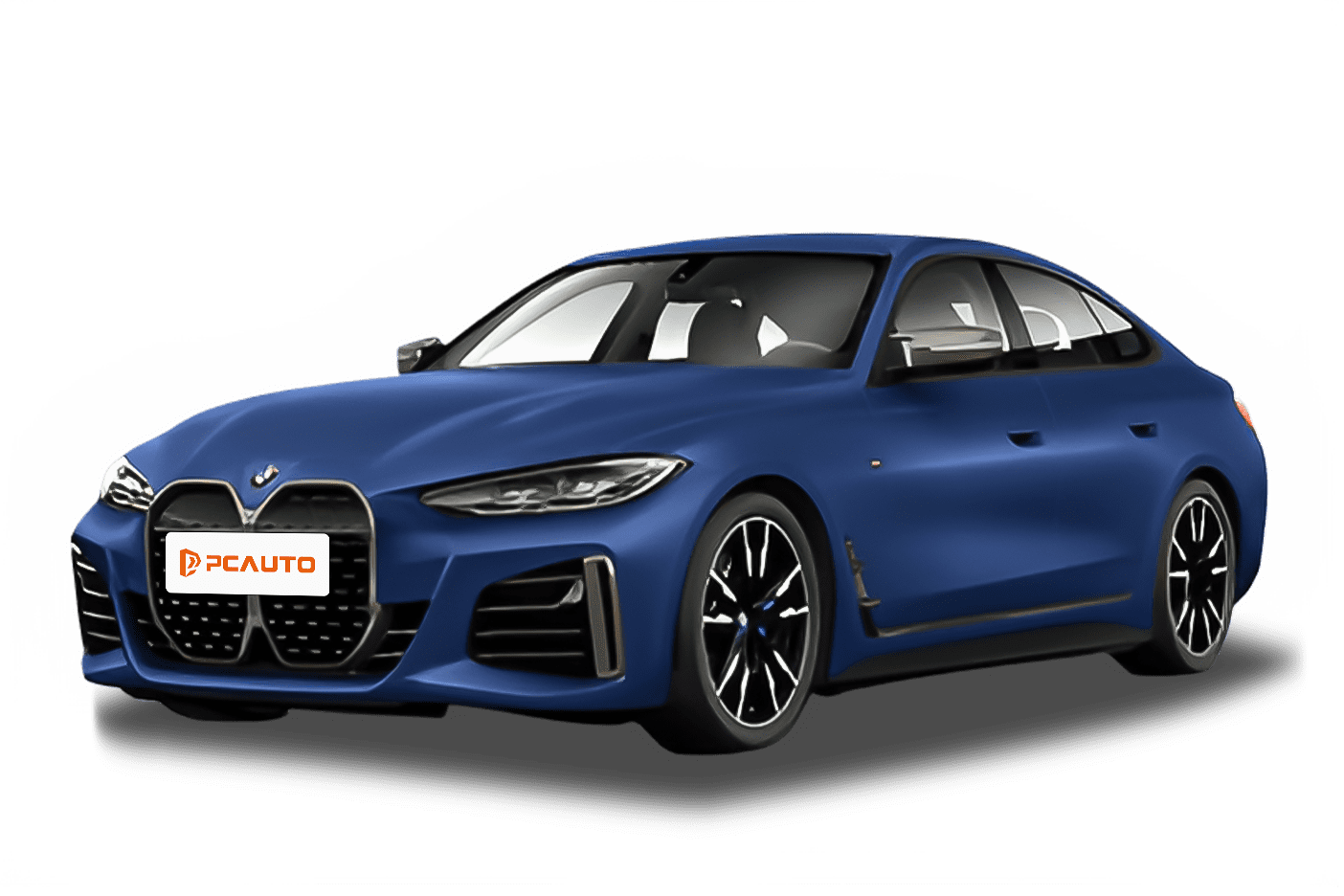
2025 BMW i4 eDrive 35 M Sport is a D-segment luxury electric coupe balancing BMW's sporty DNA with practical range, upgraded lithium battery/wide tires, excellent driving dynamics, and practical space.
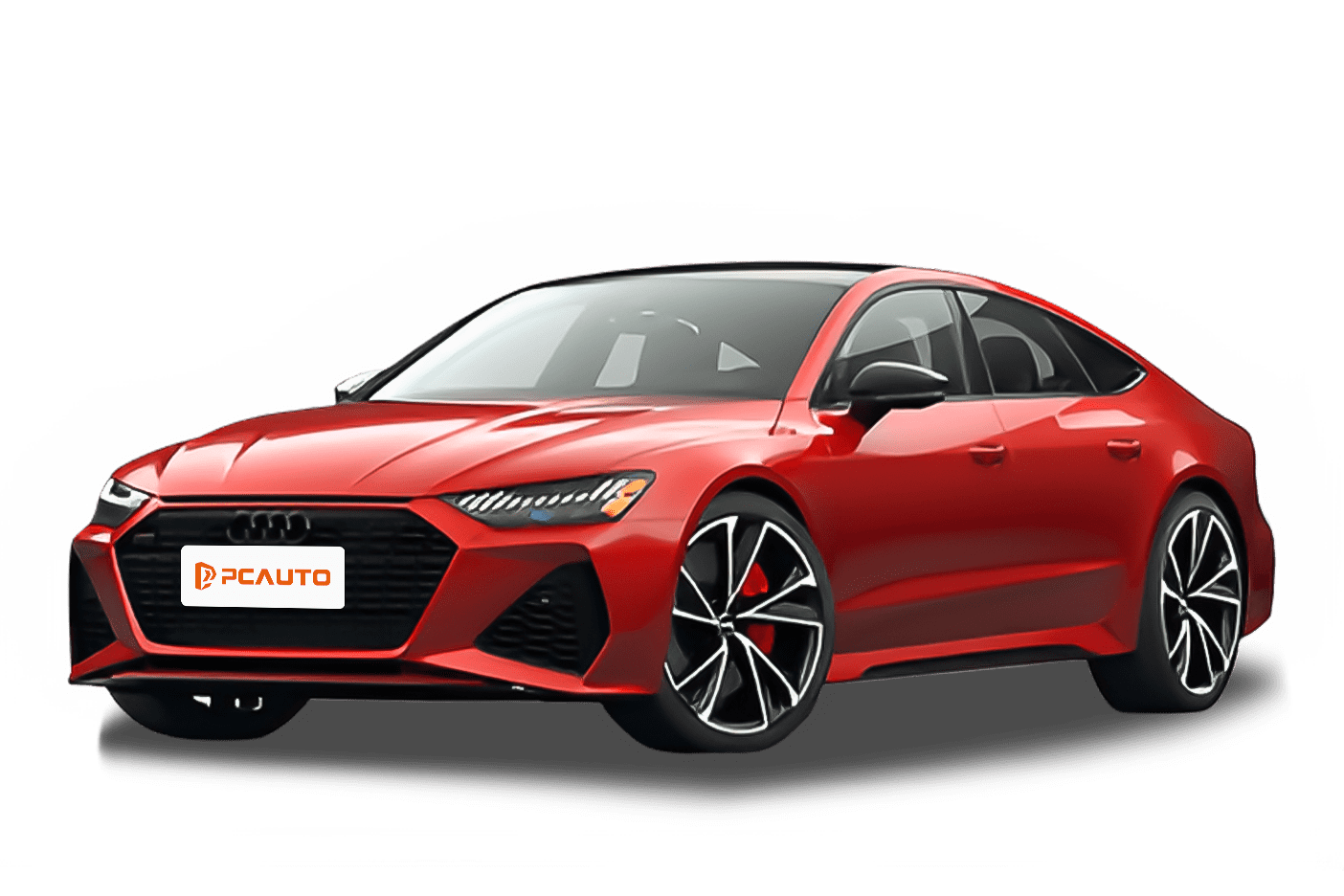
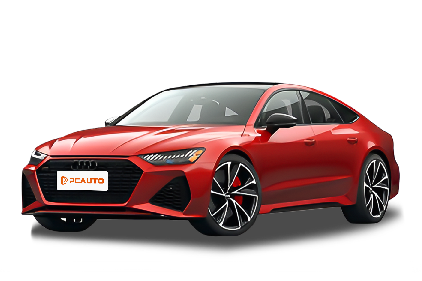
2020 Audi RS7 Sportback is an all-around high-performance coupe that combines 600PS supercar performance with five-seater practicality, luxurious technological interiors, and is designed to balance the needs of family and driving passion.
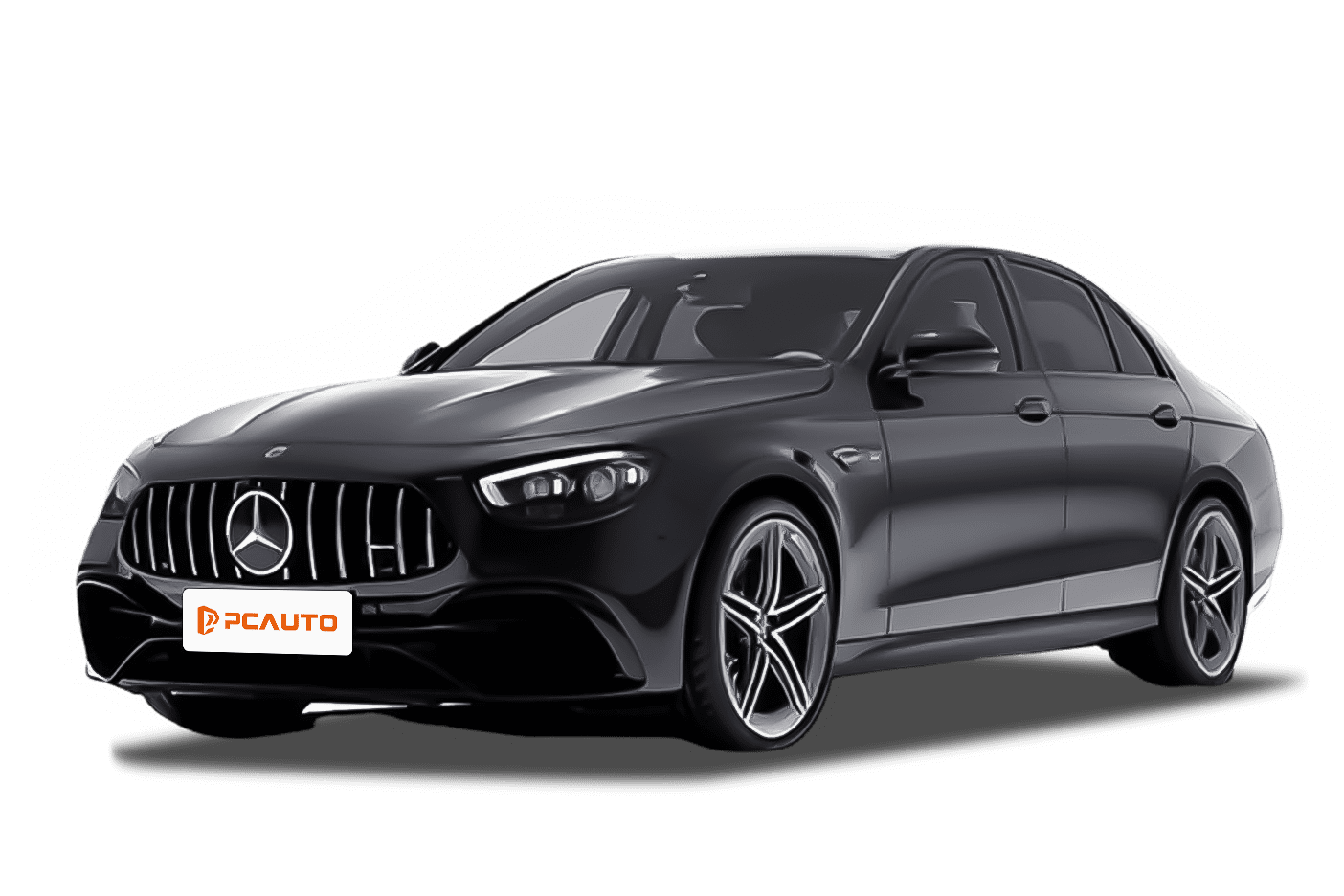
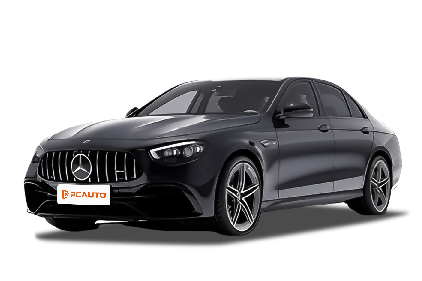
2021 Mercedes-Benz AMG E-Class E63S 4Matic+ is a high-performance four-door benchmark sedan that combines 612PS V8 violent performance with luxurious household practicality.
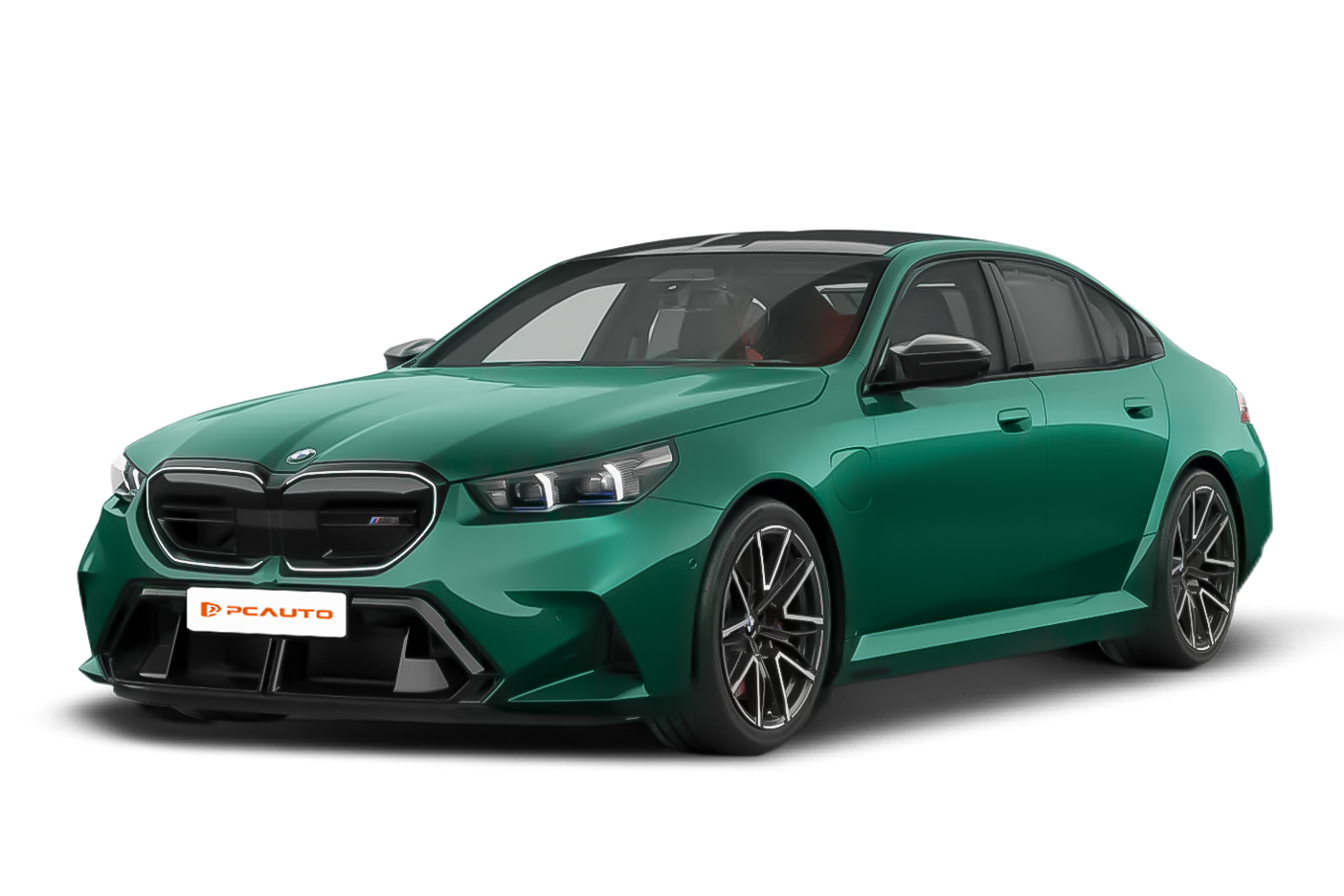
2025 BMW M5 is the first luxury executive performance sedan equipped with a plug-in hybrid system, combining 727PS of total power for extreme performance and fuel efficiency, with upgraded practicality and configuration.