

Proton Persona Review

 Share
Share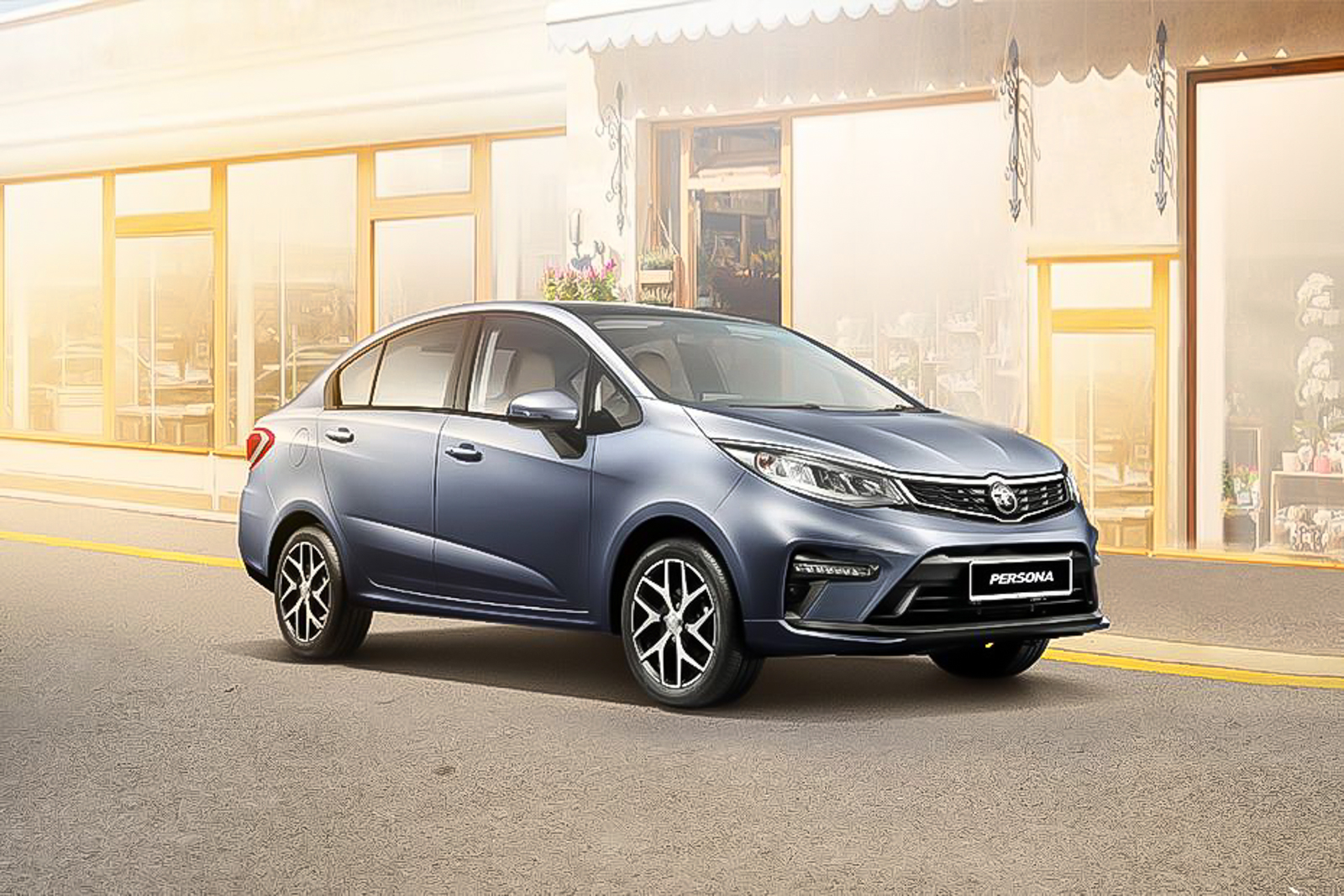
 Segment
 Body Type
 Capacity(L)
 Engine Power(PS)
 Engine Torque(Nm)
 Transmission
With intense competition in the local B-segment sedan market, consumers demand both affordable prices and clear requirements for basic features and practicality—after all, daily commuting and picking up family members are frequent scenarios. The 2023 Proton Persona 1.6 Standard CVT is priced at RM 47,800 to penetrate this market, with its standout feature being "low price without compromising safety," featuring 4 airbags and electronic stability control as standard, while also retaining a top-class trunk space for its segment. The core objective of this test drive is to validate whether it genuinely meets the demands of being "sufficient and reliable" as an entry-level family car in terms of basic features, space practicality, and daily driving experience.
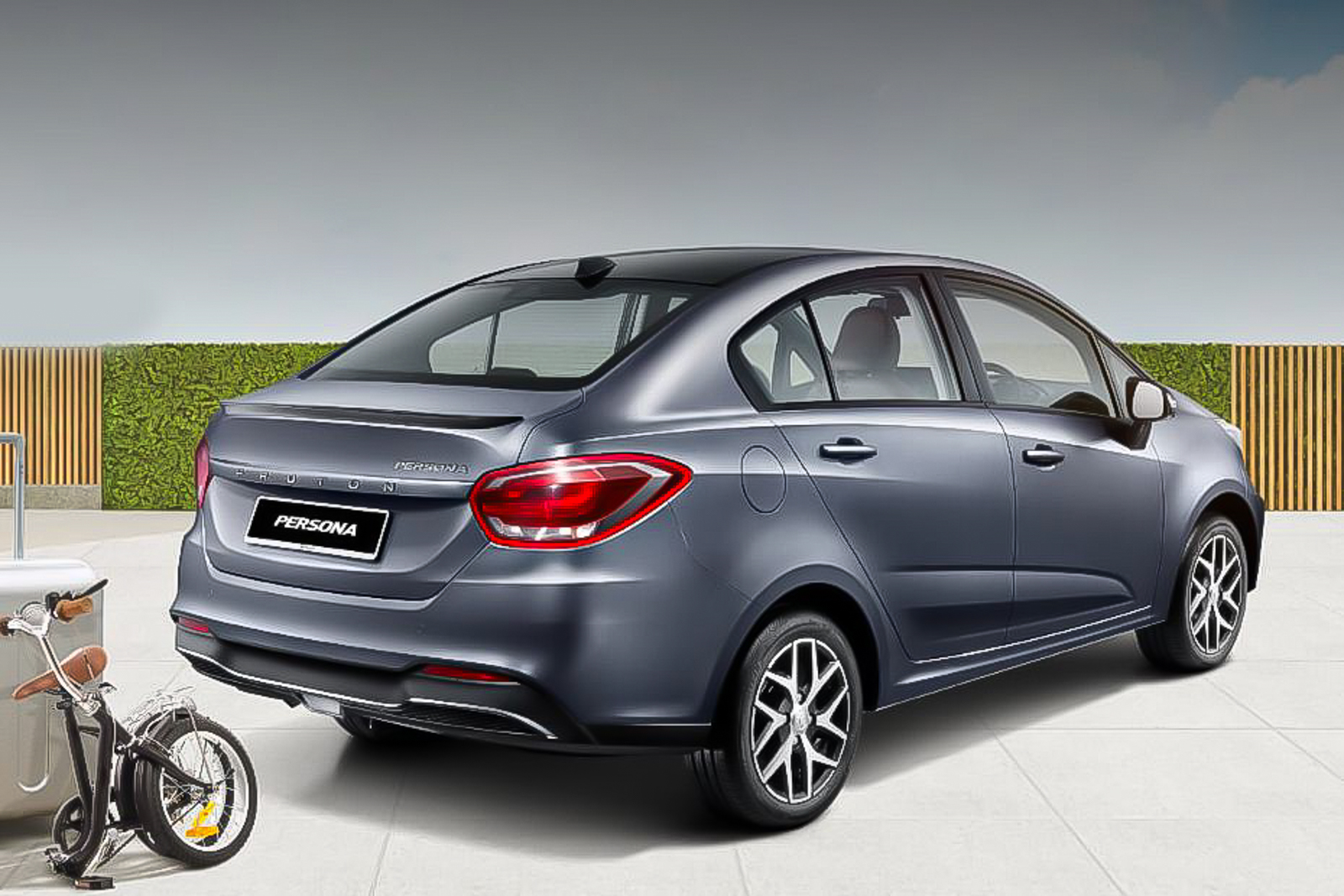
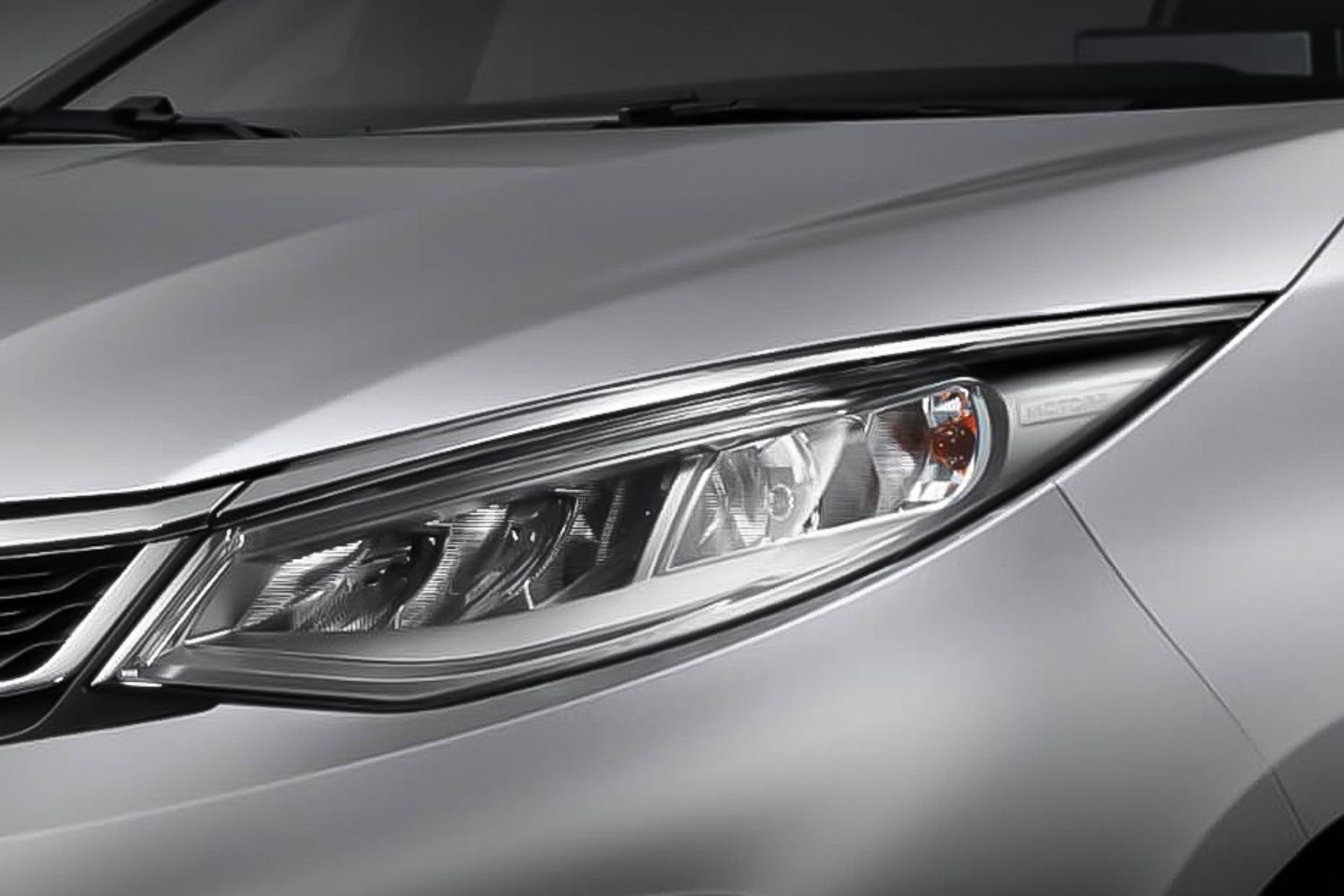
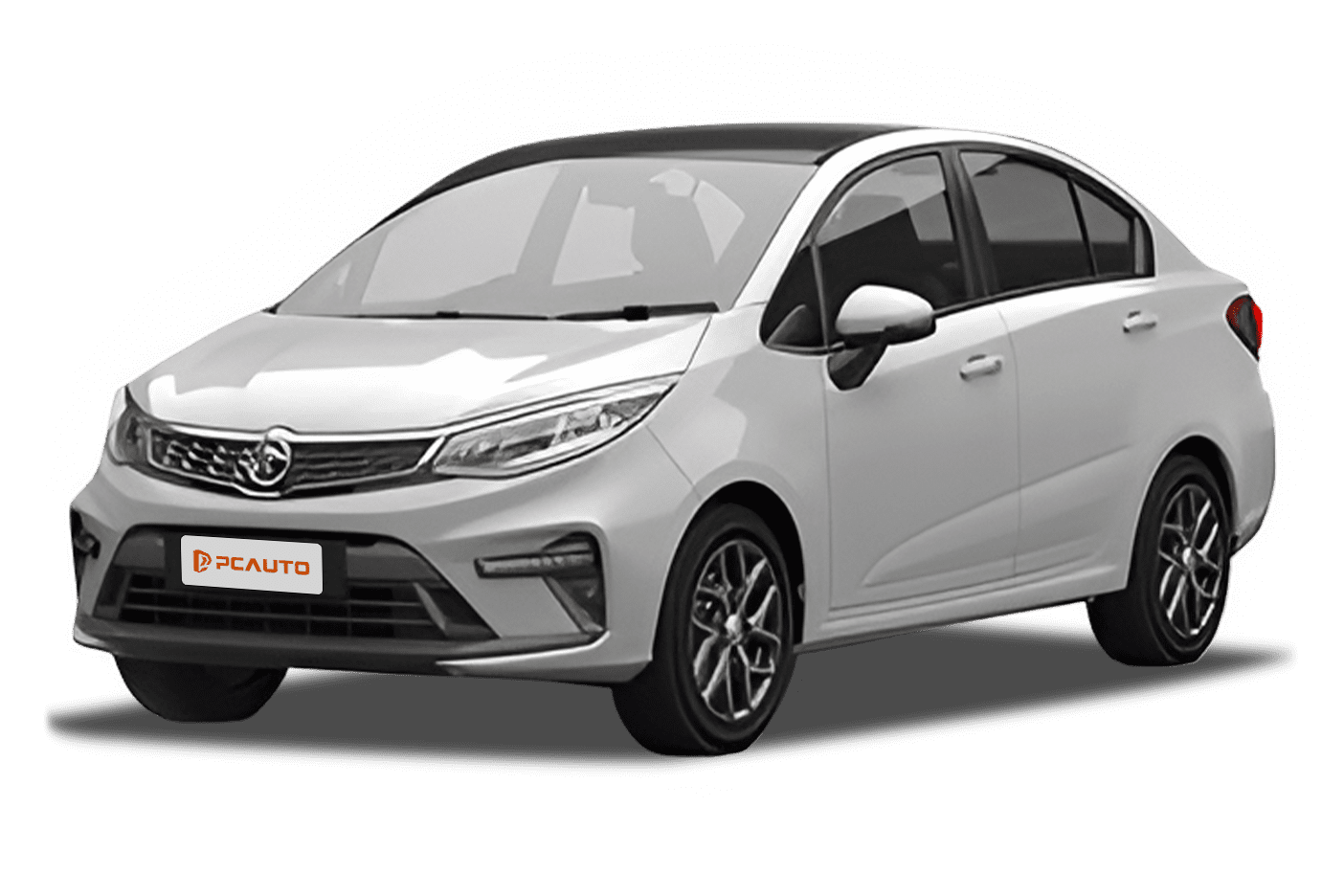
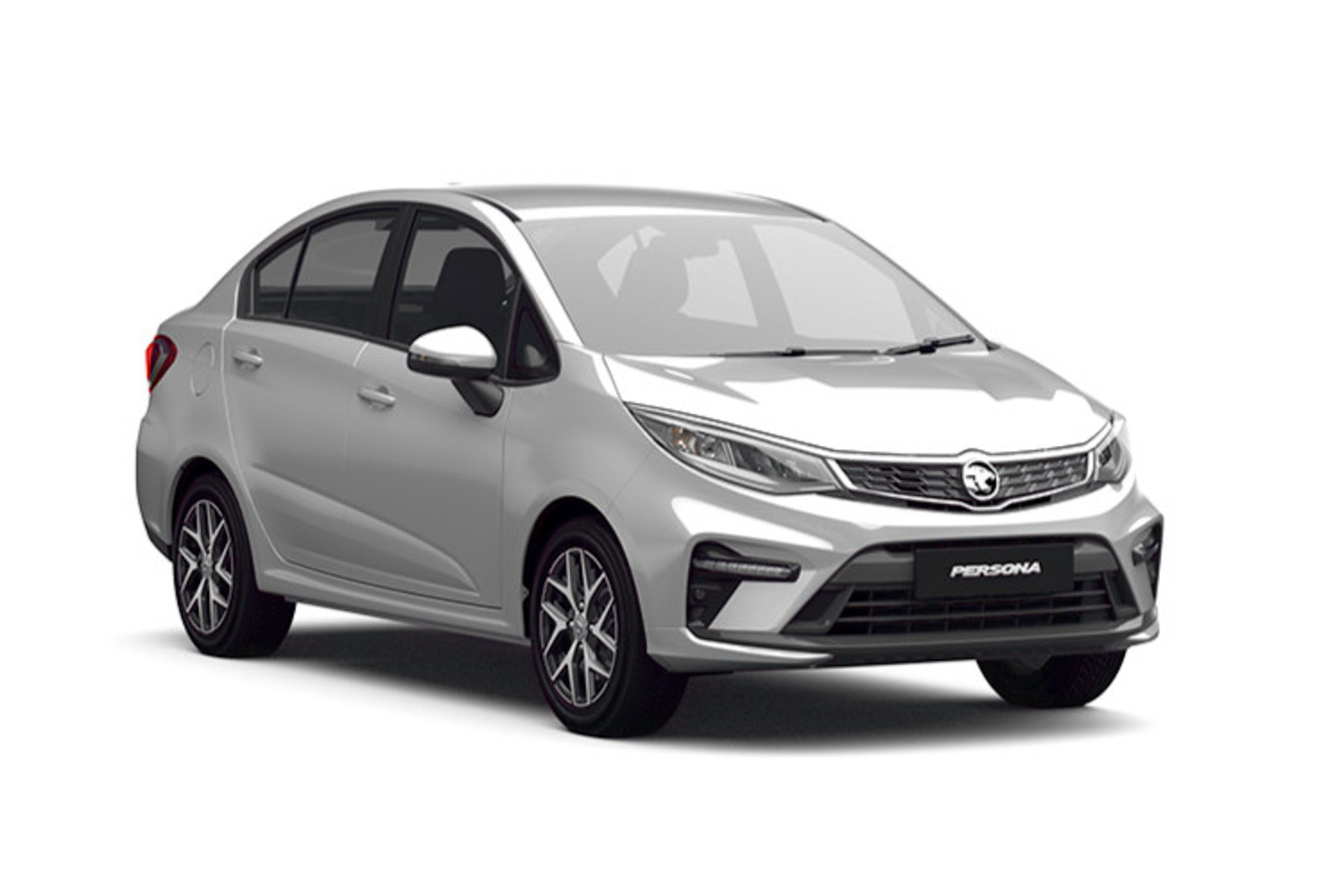
From the exterior, the 2023 Standard CVT continues the Persona's family design, with an overall style leaning towards stability. The front face features a horizontal grille paired with the Proton logo, providing decent recognizability; on both sides are halogen headlights with a conventional design that suffice for daily lighting needs. The side profile of the car is smooth, with a length of 4366mm and a wheelbase of 2555mm, which are standard for a B-segment car. The 15-inch rims are paired with 185/55 R15 tires, which are visually understated yet align with the positioning of an entry-level model. At the rear, the taillights adopt a horizontal layout, naturally aligning with the lines of the trunk lid; however, it lacks rear fog lights, which require attention. Overall, the design avoids flashy elements, leaning towards a practical and appealing style suitable for users focused on utility.
Opening the door and entering the interior, the first impression is a typical family car layout, emphasizing practicality. The center console is made of hard plastic material, which does not feel overly rough considering the price range, but neither does it exude a luxurious feel. The instrument panel features backlit analog displays, with clear information like RPM, speed, fuel level, and other key data presented at a glance. The seats are made of fabric material and manually adjustable, offering decent support and avoiding noticeable fatigue during long rides. In terms of features, it comes equipped with ABS, electronic stability control, front seatbelt reminders, and ISO FIX child seat anchors as standard, marking an improvement in safety features compared to the 2019 Standard CVT, which only had 2 airbags. However, it lacks a multifunctional steering wheel and a central touchscreen, offering only a basic audio system with 2 speakers, limiting entertainment options. The air conditioning system is manually controlled for a single zone, with straightforward operation and adequate cooling performance for the local climate. The door locks use a traditional mechanical key, which may not be as convenient as keyless entry but is more reliable and durable.
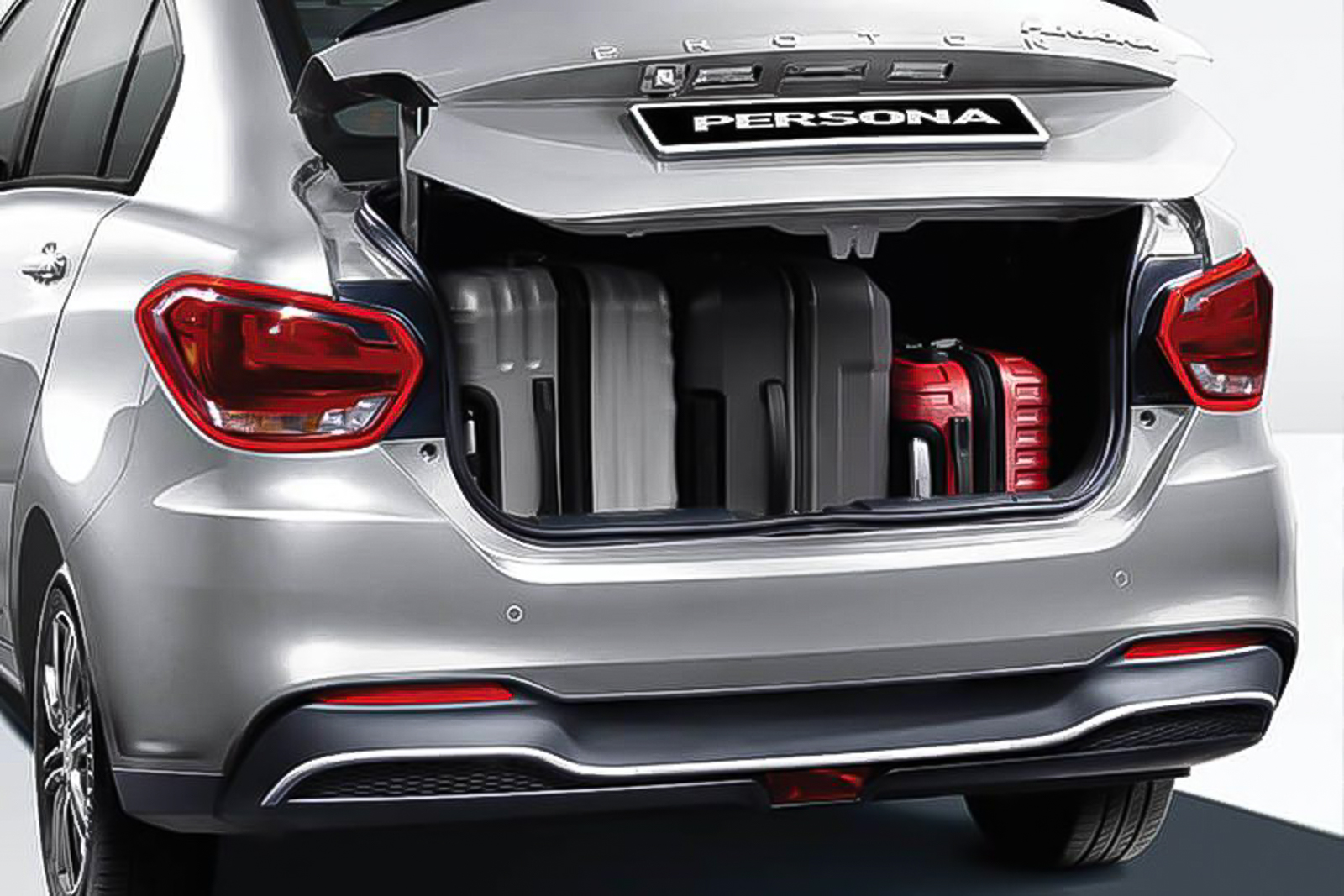
The space performance is one of Persona's advantages. The 2555mm wheelbase provides satisfactory rear legroom, with a 175cm-tall passenger seated in the back having about a fist-length gap between their knees and the front seat, and headroom is not cramped either. The rear floor has a slight hump in the middle, but it does not impact the temporary seating of a middle passenger. The trunk offers a capacity of 510L, larger than some models in the same class, allowing for storage of two 20-inch suitcases and some miscellaneous items without issue. However, the rear seats are fixed and cannot be folded to expand storage space, which is somewhat inconvenient. As for interior storage, the front door panels can hold two water bottles, and both the central armrest box and glove box provide sufficient capacity for daily use. The rear seats do not have independent air conditioning vents, but the airflow from the front air conditioning is strong enough to reach the rear area.
For the dynamic driving aspect, this car is equipped with a 1.6L naturally aspirated engine, delivering a maximum horsepower of 109 PS and a maximum torque of 150 N·m, paired with a CVT transmission. The power output is smooth when starting, making it suitable for congested urban conditions. When you step on the accelerator for quick acceleration, the transmission actively adjusts the gear ratio. Although it does not give a strong sense of pushback, as long as you accelerate in advance, the power reserve can meet the demand for overtaking. The official combined fuel consumption is 6.6L/100km. During the actual test drive, the fuel consumption in urban conditions was around 7.2L, while on highways, it could drop to below 6L, showcasing good fuel efficiency. The steering wheel has moderate resistance, and the precision is within the normal range for family cars, making daily driving feel effortless. The front suspension is a MacPherson independent suspension, while the rear is a torsion beam non-independent suspension, tuned towards comfort. It filters most minor vibrations when passing speed bumps or uneven roads, though passengers in the rear can feel noticeable bounces when encountering larger potholes. The braking system uses ventilated discs at the front and drum brakes at the rear. The braking response is linear, with moderate braking power during the initial phase and sufficient braking force in the latter phase, making daily driving feel confident.
In terms of driving comfort, the soundproofing performance is average. At speeds below 60km/h, engine noise and tire noise are not obvious. However, wind noise gradually increases above 80km/h but remains within an acceptable range. The fabric material of the seats offers good breathability, which prevents it from feeling too stuffy in the local hot weather. The air conditioning has a good cooling effect and can cool the cabin within a few minutes of activation. Does it lack hill-start assist function? No, after checking the data, it is found to be standard. When you release the brake on an incline, there is a brief holding time to prevent rolling back, which is very user-friendly for beginners.
To sum up, the core advantages of the 2023 Proton Persona 1.6 Standard CVT are its affordable price, adequate safety features, spacious interior, and fuel economy. Compared to the Perodua Bezza 1.3 X in the same class, it has a longer wheelbase, a larger trunk, and more airbags. Compared to the Honda City 1.5 S, it is nearly RM 10,000 cheaper. Although it is slightly inferior in terms of features and power, it offers higher value for money. This car is ideal for budget-conscious, practical, and safety-focused families, especially for daily commutes and school runs. It adequately meets these needs. If you do not have high expectations for entertainment features and high-tech functions and are simply looking for a reliable, spacious, and fuel-efficient family car, the 2023 Proton Persona 1.6 Standard CVT is a good choice.
Proton Persona Car Compare
Proton Persona Loan Calculator
More Proton Reviews
Cars With Similar Price And Features
18
Rank in Sedan
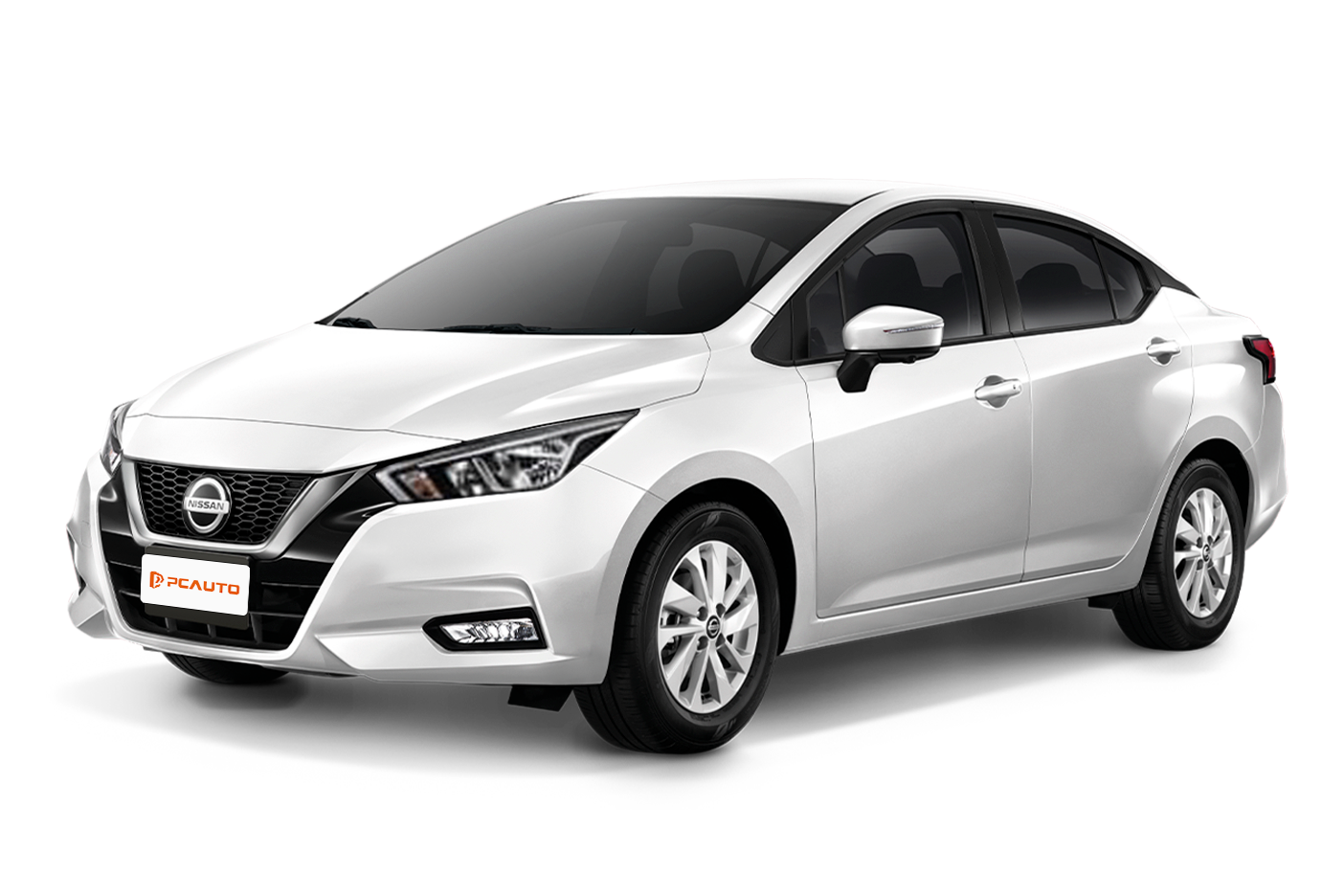
The 2024 Nissan Almera 1.0L Turbo VL is an affordable, practical, fuel-efficient, and well-equipped mid-size family sedan designed for consumers who value hassle-free commuting and family needs.
4
Rank in Sedan
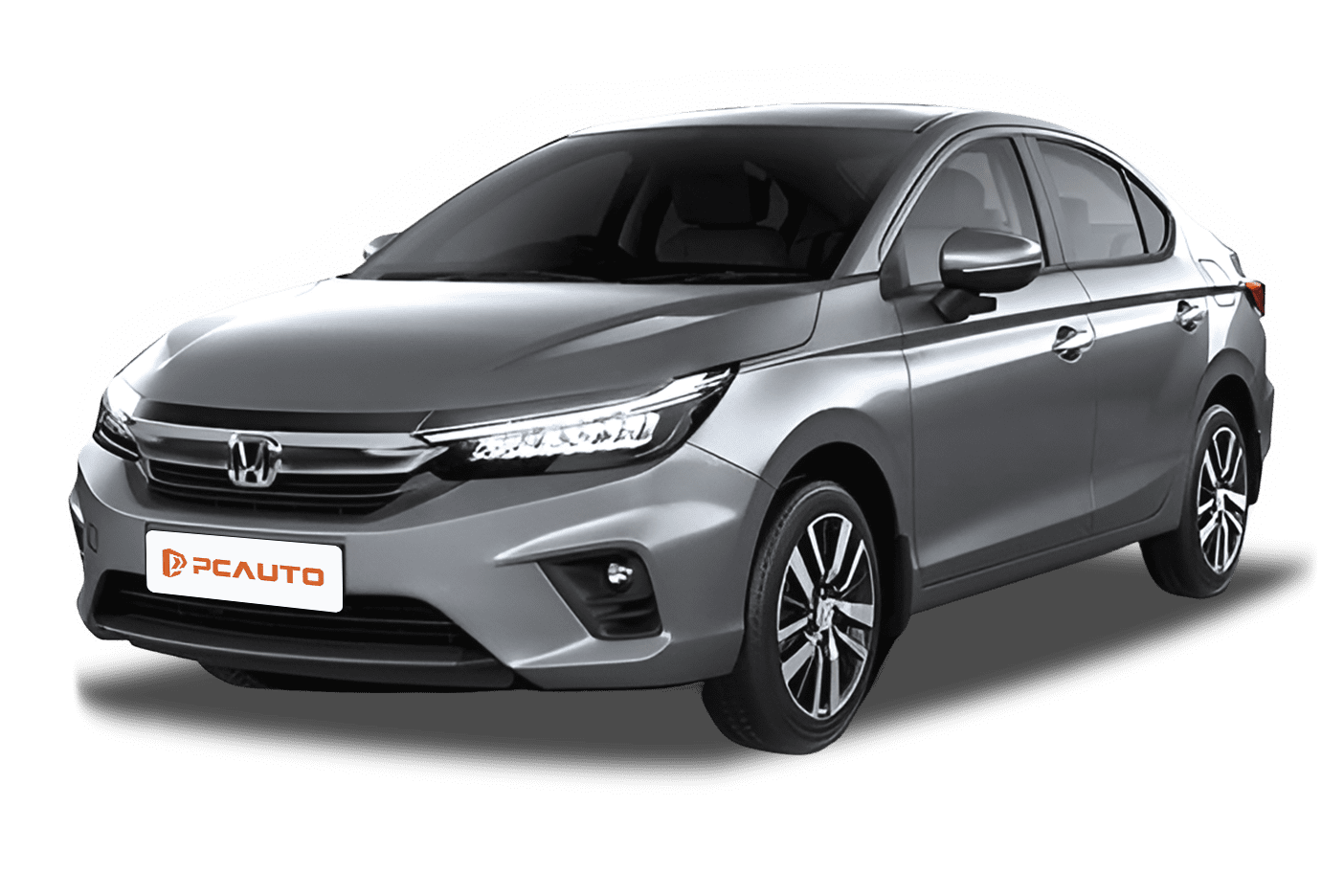
2023 Honda City 1.5 S, as an entry-level B-segment sedan, offers advanced L2 driving assistance and 6 airbags at an affordable price. With practical space and excellent fuel efficiency, it is a high-value choice for family users.
5
Rank in Sedan
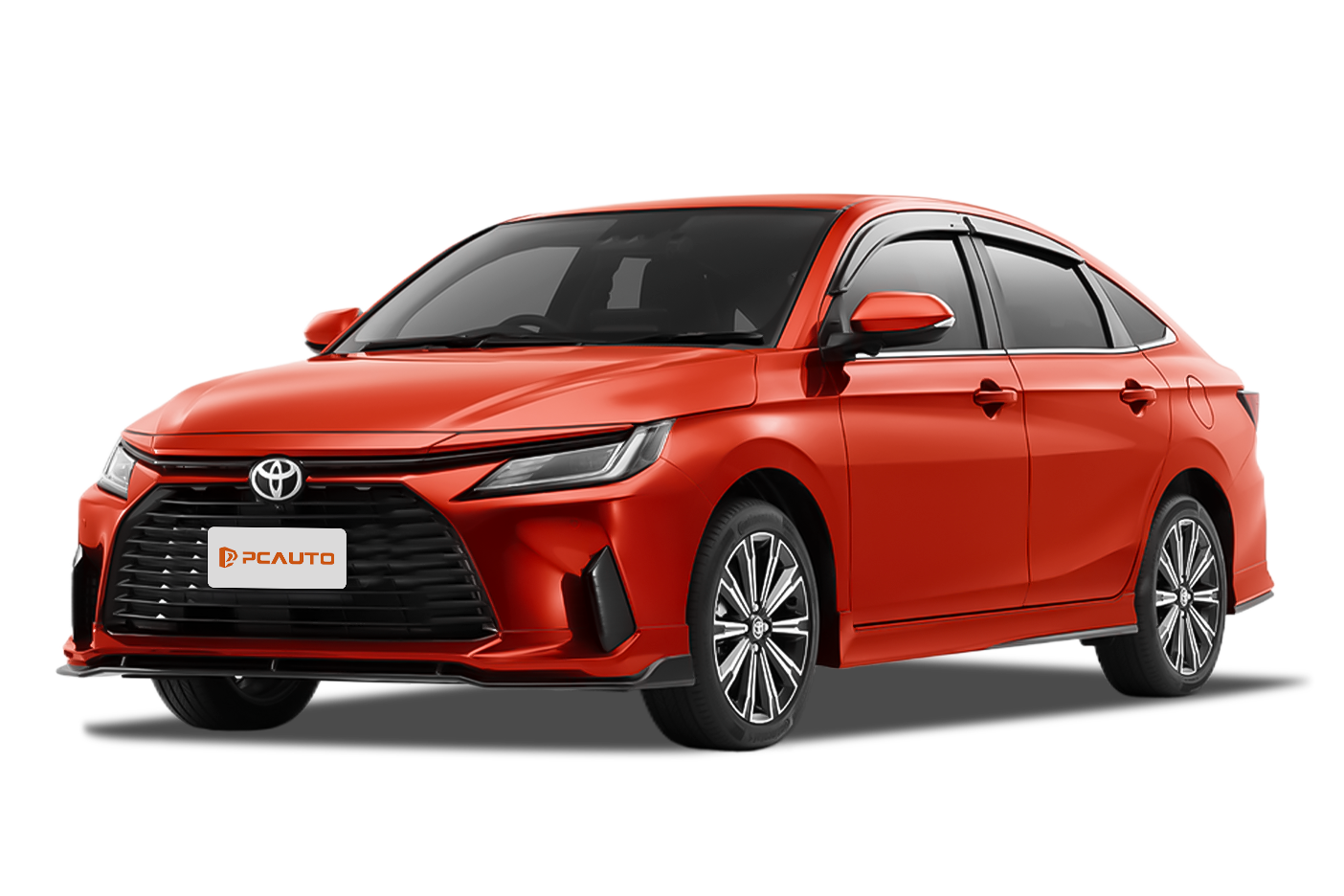
2023 Toyota Vios 1.5E AT, as a mid-range model in the facelift, with features such as the TSS Intelligent Safety System, HUD, and other high-end features being made available, along with balanced space and fuel efficiency, making it a high-value B-segment sedan choice in Malaysia.
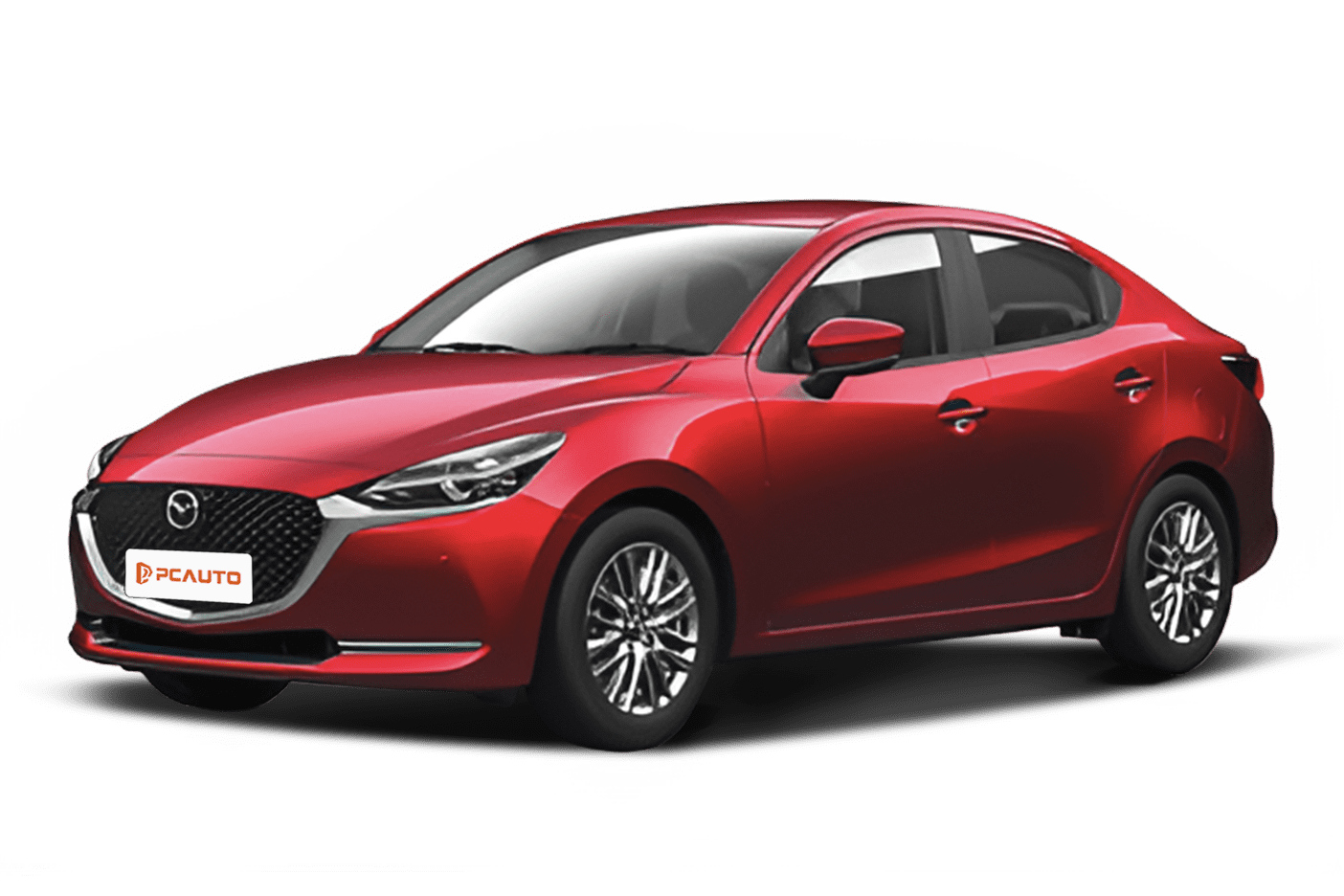
2023 Mazda 2 Sedan 1.5L is a family sedan that balances driving dynamics and practical features, with a price slightly over 100,000 MYR, making it suitable for urban commuting needs.