

Mazda 2 Sedan Review

 Share
Share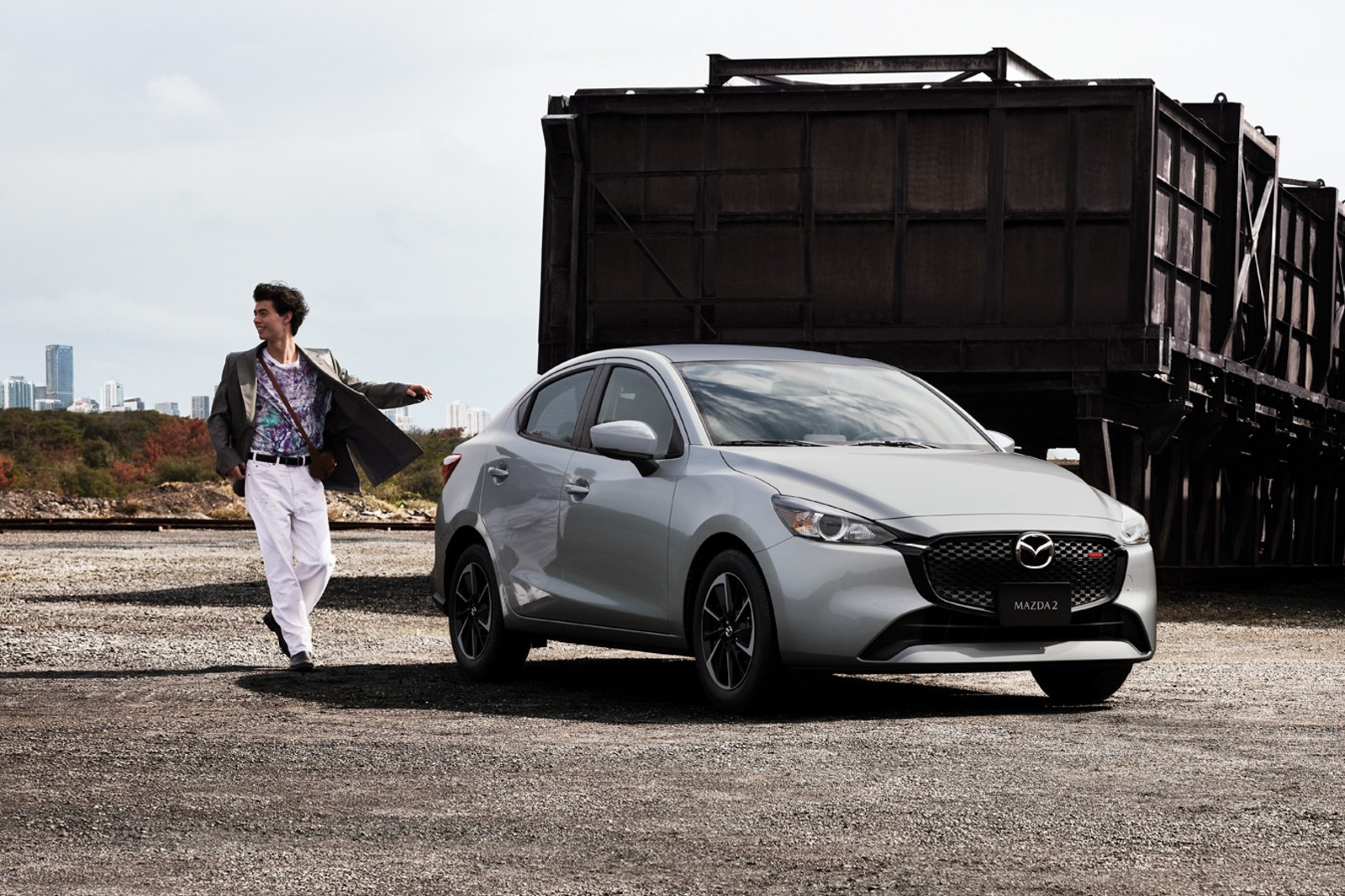
 Segment
 Body Type
 Capacity(L)
 Engine Power(PS)
 Engine Torque(Nm)
 Transmission
The B-segment sedan market has always been the core battleground for family cars. Consumers want both the economy for daily commuting and sufficient configurations to enhance the driving experience. The 2023 Mazda 2 Sedan 1.5L aims to meet these needs. It continues Mazda’s consistent driving dynamics while maintaining a class-leading level of features. With a price just over 100,000 MYR, it has attracted the attention of many family users. Through this test drive, we take a look at whether its static performance is practical, whether its dynamic driving remains excellent, and whether its overall strength can hold its position among competitors in the same class.
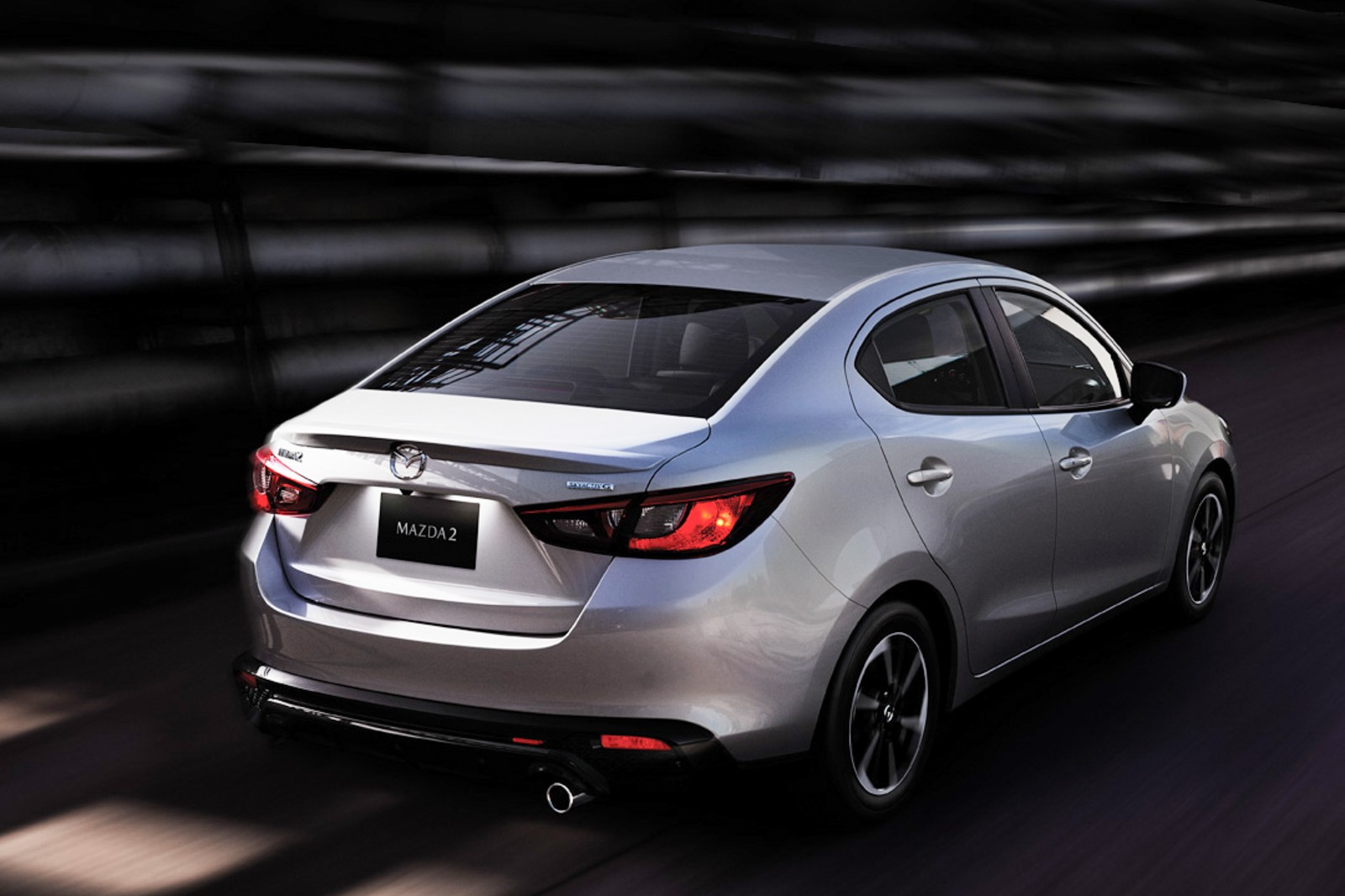
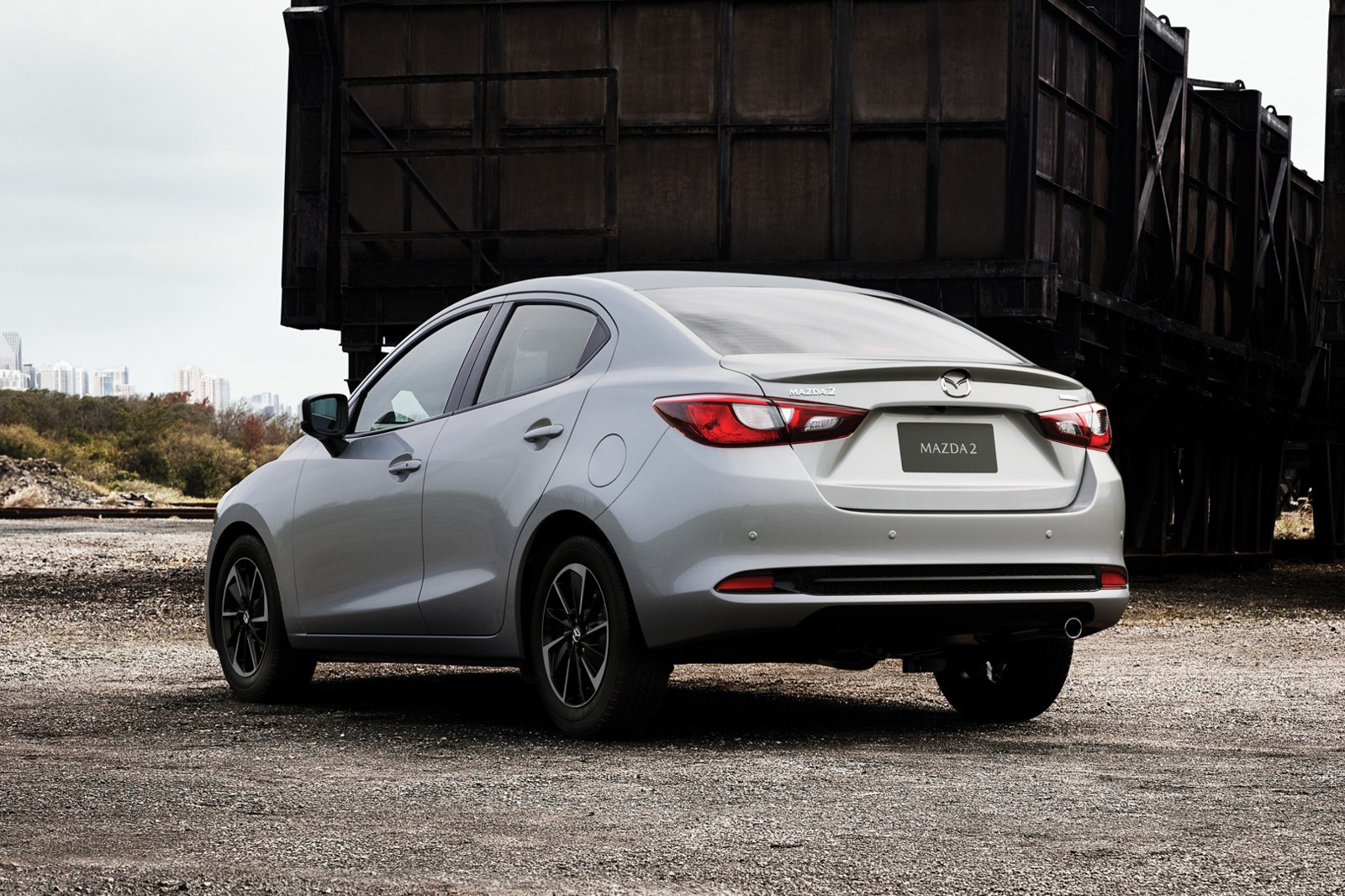
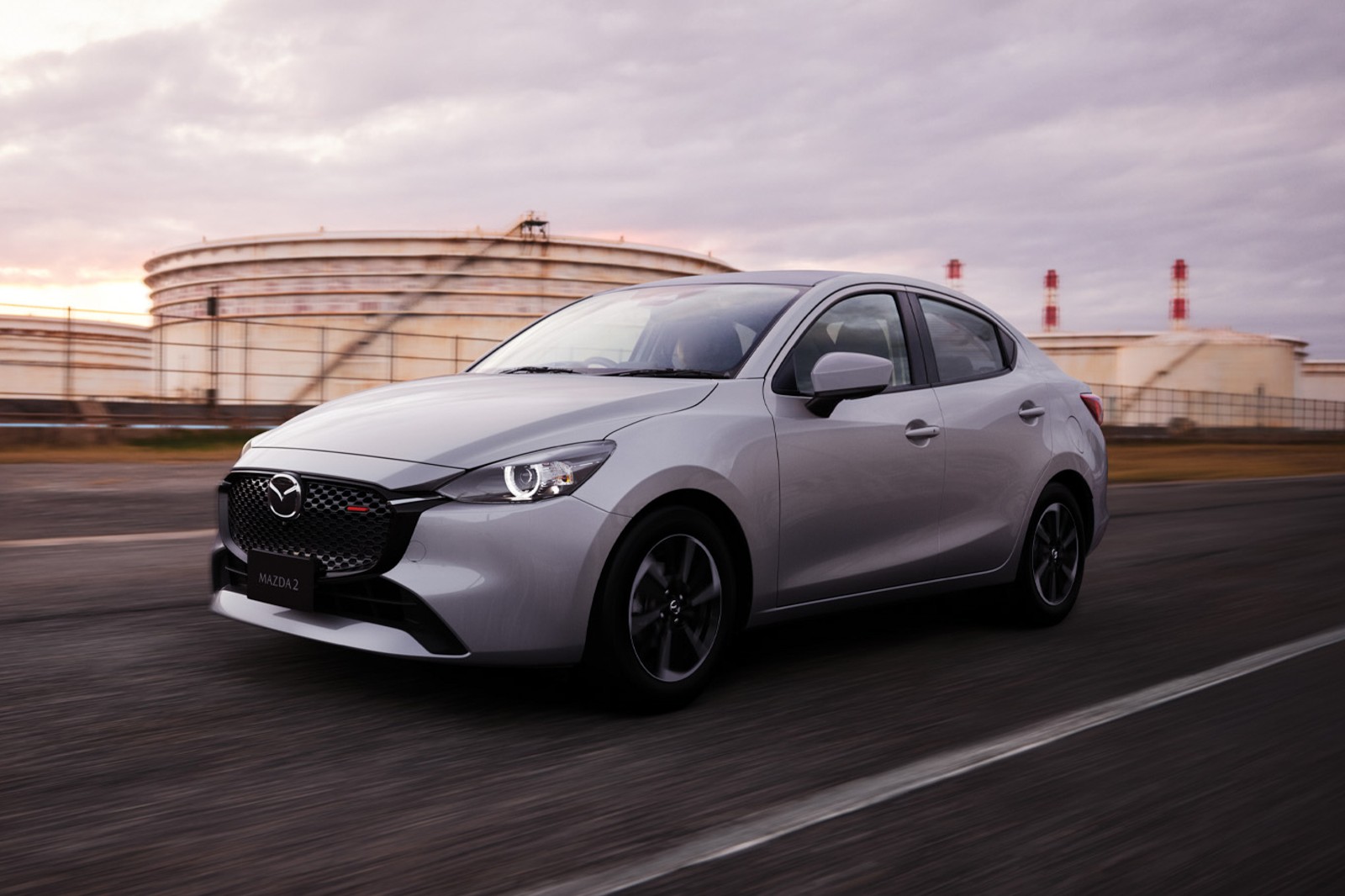
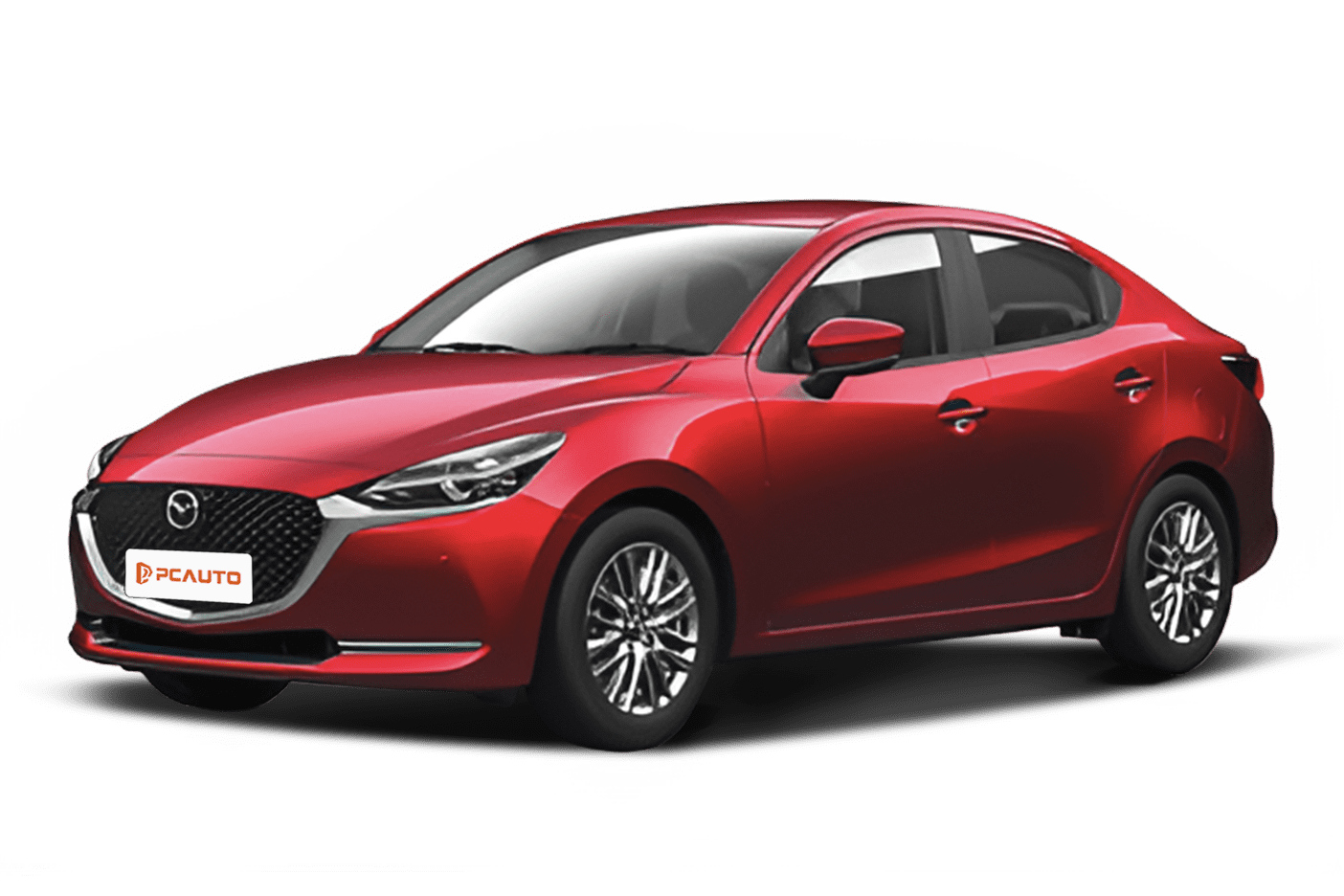
From the exterior, the overall style of the 2023 Mazda 2 Sedan leans toward smooth elegance. The body length has increased by 15mm compared to the 2020 model, reaching 4355mm. The side lines extend from the front to the rear, giving it a more elongated appearance. The front adopts Mazda's signature shield-shaped grille, accompanied by chrome trim, offering high recognition. The headlight assembly includes both halogen and LED light sources, and daytime running lights come as standard, providing clear visibility when illuminated. The rear section features tail lights that echo the headlight design, with standard rear fog lights. The overall design is simple yet not monotonous. The 16-inch tire specifications remain the same as the 2020 model, paired with multi-spoke wheels that offer a visually cohesive effect.
Sitting inside, the interior layout is driver-oriented with the center console tilted toward the driver, making it convenient to operate. In terms of materials, the top of the dashboard is covered with soft materials, providing a fair tactile experience. A multifunctional steering wheel comes as standard, equipped with paddle shifters for convenient gear changes. The instrument cluster combines digital and analog displays, and a head-up display (HUD) that shows information such as speed is also standard, enhancing driving convenience. A 7-inch touchscreen infotainment system is centrally placed on the dashboard, supporting basic multimedia functions with a moderate response speed. The seats are manually adjustable, with the front row featuring single-zone automatic air conditioning. Compared to the manual AC in the 2018 model, this version is more convenient to adjust. The rear seats can be split-folded in a 60:40 configuration to expand the trunk space, which has a capacity of 220L. While smaller than the 410L trunk of the 2018 model, it can accommodate a few carry-on suitcases for daily use, though larger items may require folding the seats down.
In terms of space, the wheelbase remains at 2570mm. The front row offers ample seating space, with about a fist-width of headroom for a 175cm tall passenger. The rear space is moderate, providing two fist-widths of legroom for passengers of the same height, though headroom is slightly tighter at about three fingers of clearance. For storage, the front door panels can hold two bottles of water, while the center armrest box and glove compartment offer limited but sufficient capacity. The rear is equipped with air conditioning vents and power outlets, meeting the basic needs of rear passengers.
As for power, it is equipped with a 1.5L naturally aspirated engine delivering a maximum horsepower of 114 PS, 1 PS less than the 2020 model, and a maximum torque of 149N·m, paired with an AT gearbox. For daily driving, the car accelerates lightly, with smooth torque output at low RPMs, making it suitable for city commutes. When accelerating, the engine produces maximum torque at around 4,000 RPM, requiring a deeper press on the gas pedal when overtaking. The transmission responds promptly, and with the paddle shifters, gears can be switched quickly. There is only one driving mode available: standard mode. However, the power output is sufficient to handle most driving conditions.
Handling has always been Mazda's strength, and this car is no exception. The steering is precise with minimal play, the body roll is well-controlled during cornering, and the suspension features a front MacPherson independent setup and rear torsion beam semi-independent design. The tuning leans towards sportiness, but on bumpy roads, the rear suspension filters out most minor vibrations, providing a noticeable lack of harshness. The car remains stable at high speeds, and at 120km/h, the steering wheel does not feel floaty, offering a strong sense of security.
In terms of fuel consumption, the official combined fuel consumption is 5.3L/100km. During actual test drives, the urban fuel consumption is around 6.5L, and highway fuel consumption is about 5.0L. It uses 95 octane gasoline, and its fuel efficiency is decent. As for braking performance, it comes equipped with front and rear ventilated disc brakes. The brake response is sensitive, and the braking distance is moderate, giving drivers confidence in daily commuting.
In terms of driving comfort, the seats offer good wrapping and sufficient support, making long drives not too tiring. Regarding noise control, tire and wind noise are somewhat noticeable at high speeds but remain within an acceptable range. Engine noise becomes audible inside the cabin when the RPM exceeds 3000, but it is not particularly sharp. Features such as rain-sensing wipers and electrically folding side mirrors come as standard, adding convenience to daily use.
As for safety features, it is equipped with standard ABS, vehicle stability control, front and rear parking sensors, and a 360-degree camera. Automatic parking is also standard, which makes parking easier for beginners. However, it only has two airbags, which is somewhat lacking compared to some competitors in the same class that offer six airbags.
In conclusion, the 2023 Mazda 2 Sedan 1.5L's core strengths lie in its handling and configuration level. Features such as HUD, automatic air conditioning, and 360-degree camera stand out in the segment. The price remains the same as the 2020 model, maintaining a reasonable value for money. Its downsides include a small trunk and a limited number of airbags. Compared to competitors like the Toyota Vios or Honda City in the same class, it offers better handling but slightly lags in space and safety features.
This car is suitable for family users who value handling and features, as it can meet the needs of daily urban commuting and short weekend trips. However, consumers who prioritize larger space or more airbags may need to consider other models. Overall, it is a well-rounded family sedan that continues Mazda's tradition of driving enjoyment while incorporating practicality.
Mazda 2 Sedan Car Compare
Mazda 2 Sedan Loan Calculator
Cars With Similar Price And Features
6
Rank in Sedan

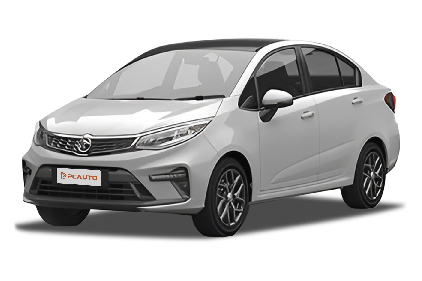
2023 Proton Persona 1.6 Standard CVT is an affordable, safety-configured entry-level family sedan with practical space, balancing daily commuting and family needs.
18
Rank in Sedan
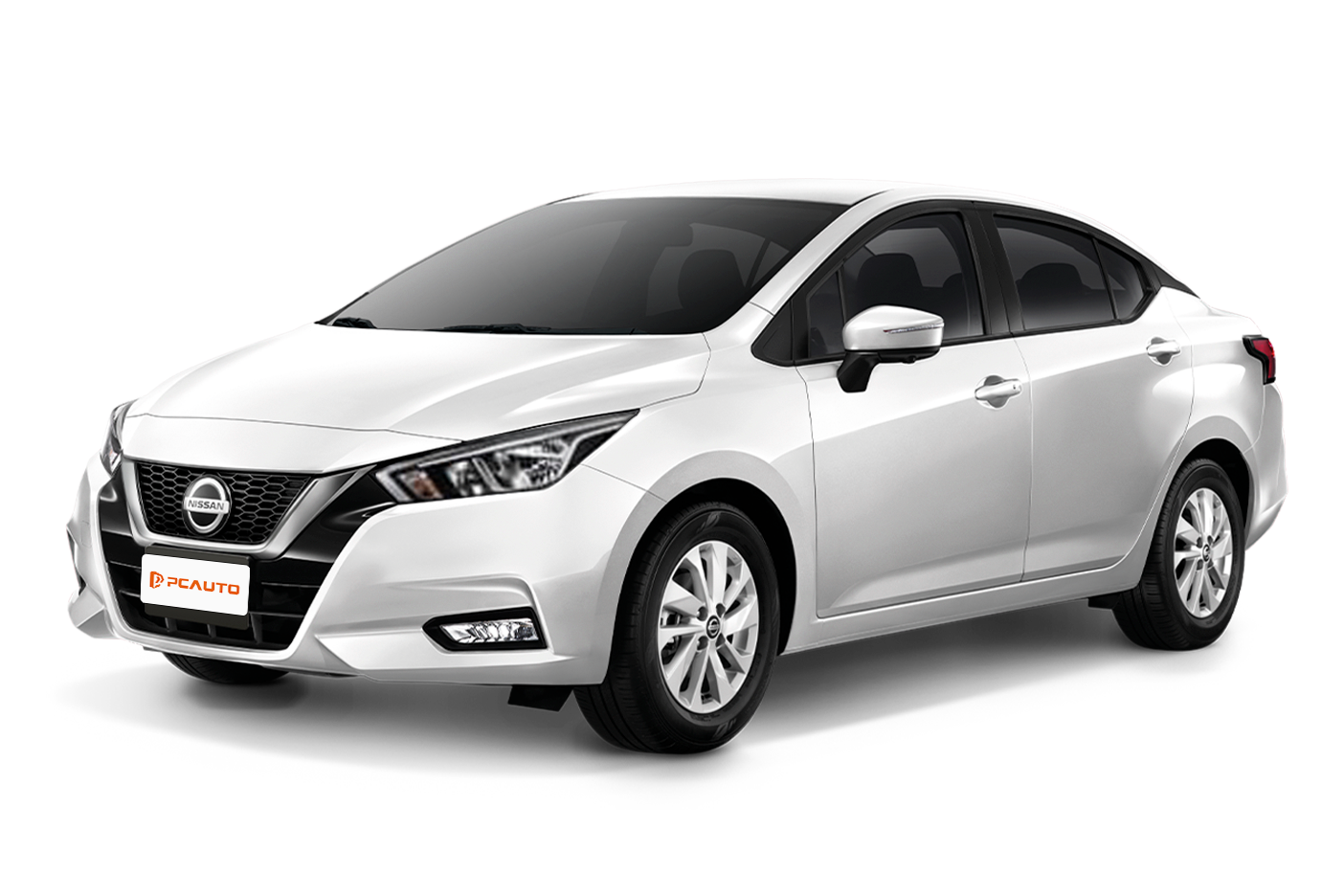
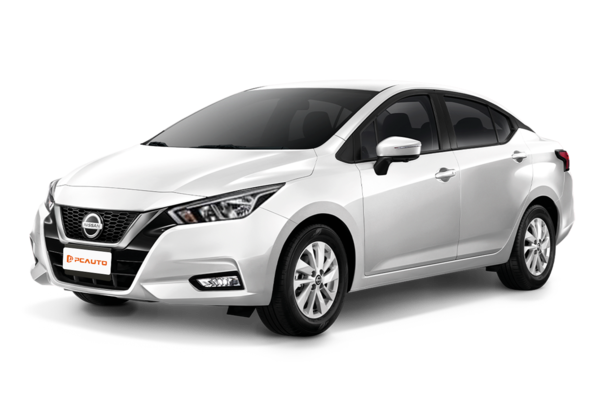
The 2024 Nissan Almera 1.0L Turbo VL is an affordable, practical, fuel-efficient, and well-equipped mid-size family sedan designed for consumers who value hassle-free commuting and family needs.
4
Rank in Sedan

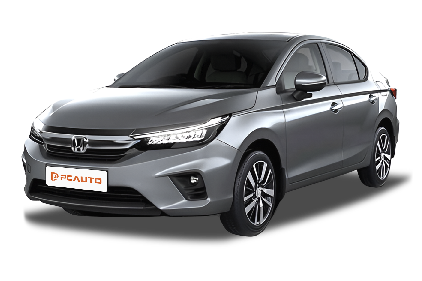
2023 Honda City 1.5 S, as an entry-level B-segment sedan, offers advanced L2 driving assistance and 6 airbags at an affordable price. With practical space and excellent fuel efficiency, it is a high-value choice for family users.
5
Rank in Sedan
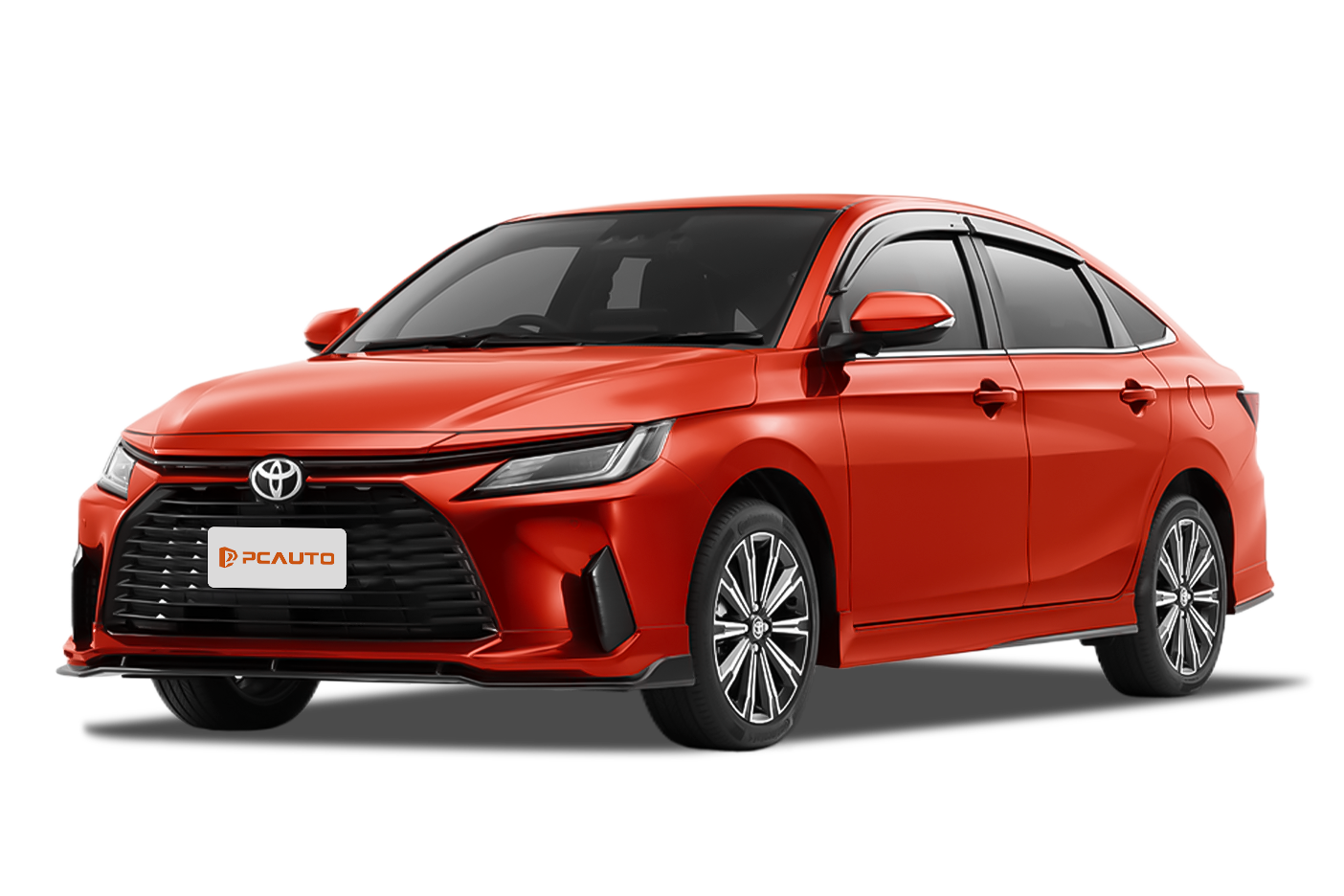
2023 Toyota Vios 1.5E AT, as a mid-range model in the facelift, with features such as the TSS Intelligent Safety System, HUD, and other high-end features being made available, along with balanced space and fuel efficiency, making it a high-value B-segment sedan choice in Malaysia.