

Proton S70 2022 Review

 Share
Share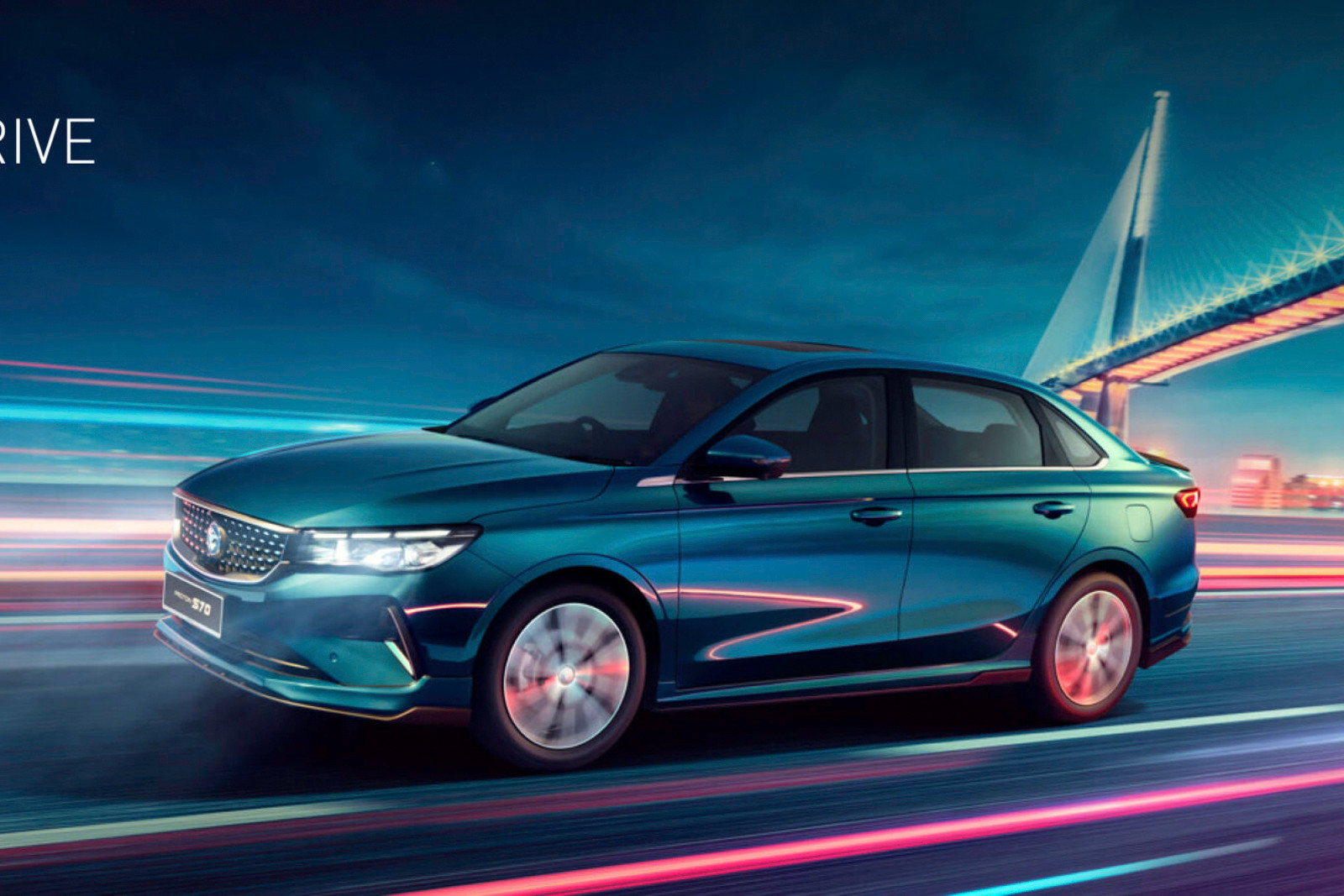

 Body Type
 Segment
 Capacity(L)
 Engine Power(PS)
 Engine Torque(Nm)
 Transmission
In Malaysia's compact sedan market, the price segment below RM100,000 has always been a competitive battleground for family users and young first-time buyers. All brands are working hard on cost-effectiveness, features, and space. The Proton S70, as a key model for the brand's return to the sedan segment, has attracted much attention since its release thanks to its technical cooperation with Geely. The Premium version is priced at RM79,800, fitting right into the mainstream budget range and positioned with the tagline "entry-level with high specs." In this test drive, we take a look to see if it truly offers a differentiated advantage in its price range.
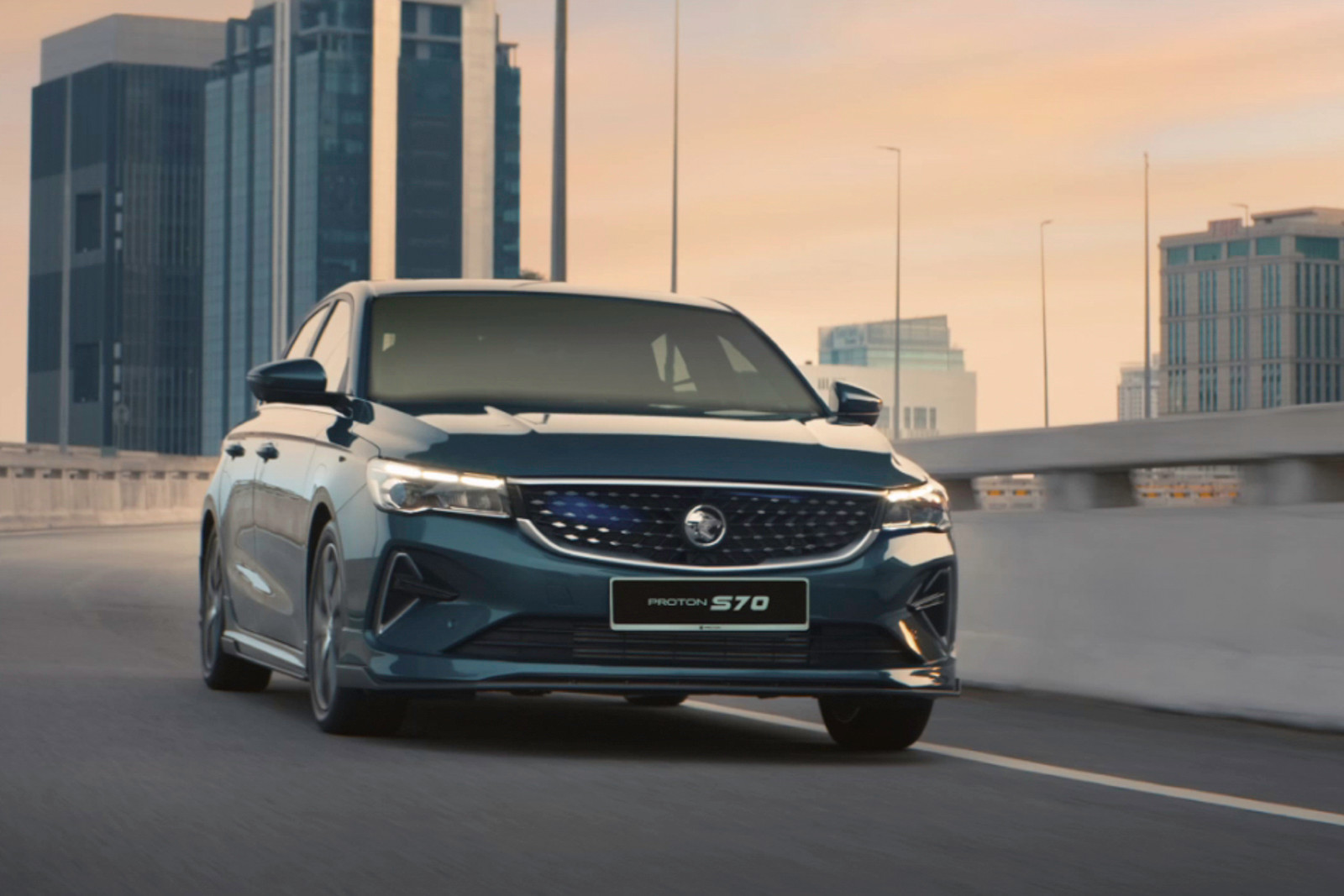
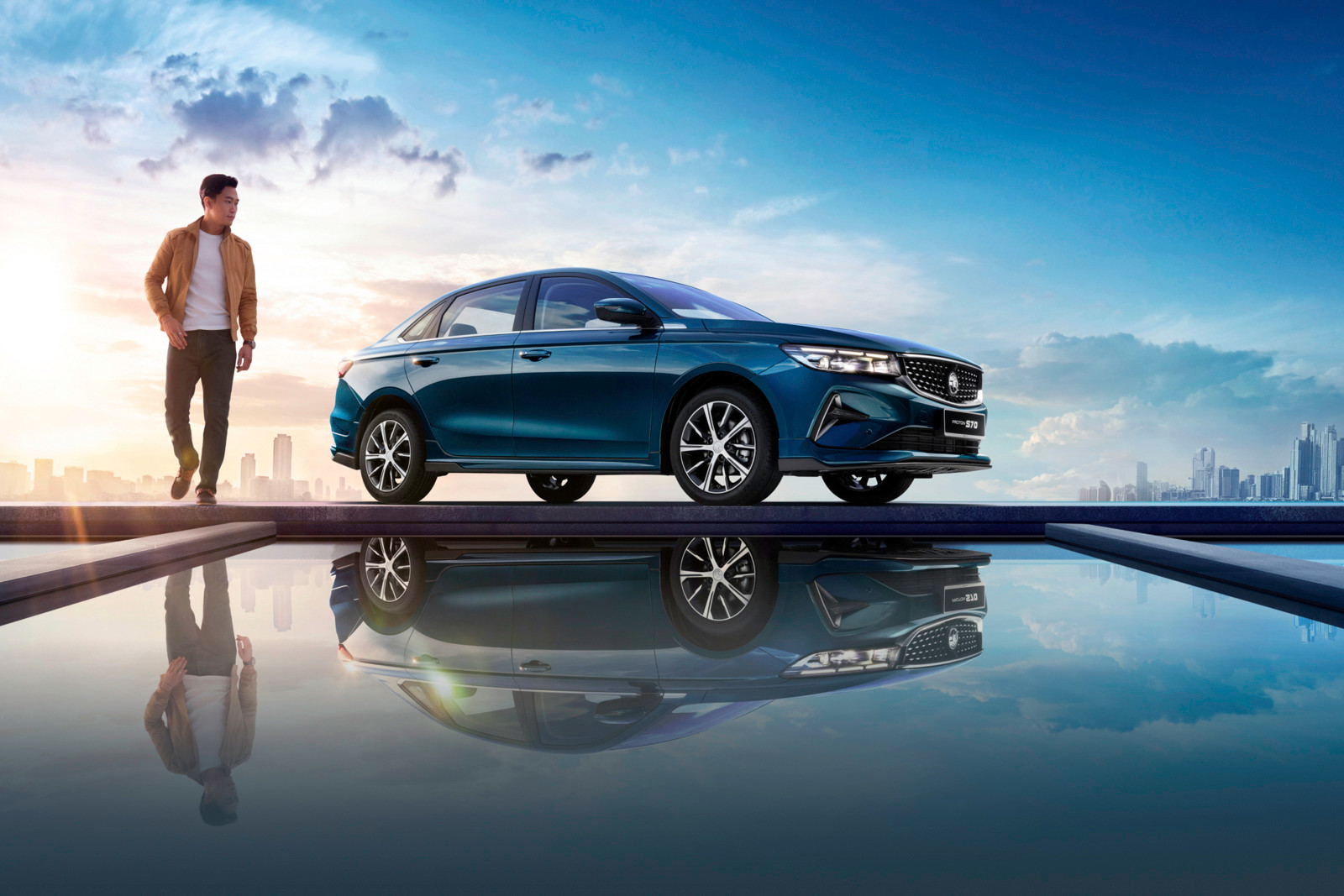
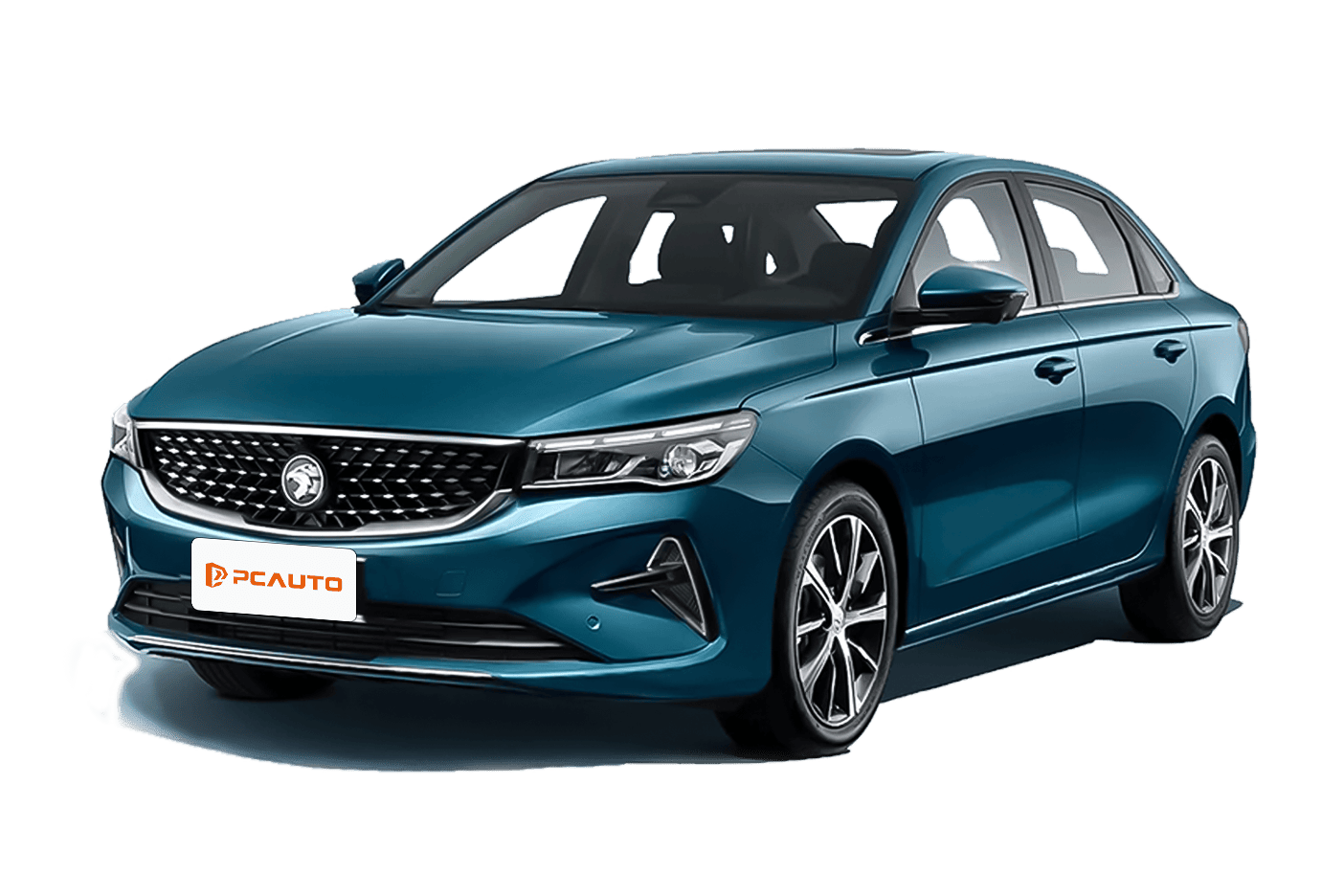
Looking at the exterior first, the S70 Premium adopts a mature yet youthful design approach. The front face features Proton's family-style infinite wave grille, paired with smoked LED headlights, which integrate dynamic turn signals within the light assembly for high recognition when lit. The side profile has smooth lines, with a character line running from the front fender to the rear, ensuring the sides don’t look monotonous. The 16-inch multi-spoke alloy wheels have a conventional design but are visually pleasing, fitting the positioning of this price range. The rear design is relatively simple, with LED taillights in a continuous layout connected by a chrome strip, visually widening the rear. The black diffuser decoration below the rear bumper and the faux dual-exhaust design (only decorative) add a sporty touch to the otherwise conservative rear. Overall, the S70 Premium's exterior doesn't adopt an overly aggressive design and appeals as a “mainstream look” acceptable to most family users, though the LED lighting details do present a higher-end feel compared to some competitors in the same price range.
Sitting inside, the S70 Premium’s interior style leans toward simplicity and functionality. The dashboard is wrapped in soft-touch materials and accented with silver trim. Although most of the areas within reach are still hard plastic, the craftsmanship is decent without an obvious sense of cheapness. The most notable feature on the dashboard is the 10.25-inch floating touchscreen. It comes with the GKUI smart infotainment system, supporting wireless Apple CarPlay and Android Auto, offering smooth operation and a user-friendly menu structure, making it easy to use without much adaptation. The steering wheel features a three-spoke multifunction design, wrapped in leather for adequate hand feel. The left buttons control multimedia and phone functions, while the right ones manage driving assist systems, making it convenient for operation without looking down. The seats are covered in faux leather, with the driver’s seat supporting 6-way manual adjustment and the passenger seat 4-way manual adjustment. The cushioning is on the softer side, providing reasonable support for the lumbar area, ensuring comfort during long drives.
In terms of space, the S70 Premium has a wheelbase of 2700mm, which is considered upper-level among compact sedans. After adjusting the front seat to a comfortable driving position, a 175cm-tall passenger still has a headroom of about a fist and two fingers’ space; the rear legroom offers around two fists’ worth of room, and the headroom also has a fist’s space. Even with three adults in the rear, the horizontal space is not overly cramped. Storage space is fairly average; the center armrest box in the front row is not very large, but it’s deep enough to store some everyday items. The door pockets can hold two bottles of water, and the front row is equipped with two USB ports (one Type-A and one Type-C). The rear row also features air conditioning vents and two Type-C ports, making it practical and thoughtfully equipped. The trunk offers 500L of space with a decent opening width, easily accommodating two 28-inch suitcases. The rear seats support split folding, allowing for the occasional transportation of longer items.
In terms of power, the entire S70 series is equipped with a 1.5T three-cylinder turbocharged engine, paired with a 7-speed wet dual-clutch transmission. The Premium version delivers a maximum power of 150PS and a maximum torque of 226N·m. In actual driving, the power response at start is not particularly fast, but as long as you press the accelerator, you can feel a noticeable thrust when the turbo kicks in (around 1500 rpm). Mid-range acceleration and overtaking are very easy, and it is sufficient for city driving or highway cruising. The performance of the transmission is relatively smooth, and gear shifts are generally seamless during daily driving. Only during aggressive acceleration is there slight hesitation, but overall it meets the expectations for this price range. There are three driving modes to choose from: Eco, Normal, and Sport. In Sport mode, the throttle response becomes more sensitive, making it suitable for moments when you want to "step on the gas."
In terms of handling and suspension, the steering wheel of the S70 Premium feels light and its directional precision is adequate, making everyday city driving very easy and parking effortless. The suspension setup features a front MacPherson independent suspension and a rear torsion beam non-independent suspension, tuned for comfort. When driving over speed bumps or uneven roads, the suspension can filter out most small vibrations, avoiding any harsh impacts. However, during high-speed cornering, the car body leans significantly, as expected for a vehicle with a family car positioning, where handling isn't its strength. The brake pedal feel is relatively linear, not too soft in the initial stage, and provides sufficient braking force in the later stage, giving the driver confidence during daily driving.
As for fuel consumption, during this test drive, we mainly drove in urban conditions with occasional highway segments. The overall fuel consumption was approximately 6.5L/100km. If driving purely on highways, fuel consumption should drop below 5.5L/100km. This performance is relatively good for a 1.5T engine and meets the needs of family users in terms of fuel efficiency. Regarding noise control, at low speeds in urban areas, tire noise and wind noise are not very noticeable. However, once on the highway and exceeding 100km/h, wind noise becomes progressively louder, especially around the A-pillar area. That said, it is still within an acceptable range and does not affect normal conversation among passengers inside the car.
Overall, the Proton S70 Premium boasts some key strengths: its 2700mm long wheelbase provides a spacious rear cabin, and its 10.25-inch large screen with wireless CarPlay/Android Auto functionality is competitively equipped for this price range. The 1.5T engine is sufficient to meet everyday needs. Most importantly, its price of RM79,800 is about RM10,000 cheaper than similarly equipped Japanese competitors in the same class, such as the Toyota Vios or Honda City, making it highly cost-effective.
However, it does have some minor drawbacks, such as an interior with a bit too much hard plastic, a torsion beam rear suspension, noticeable body roll in high-speed corners, and a slight vibration from the three-cylinder engine at idle (though not severe). But overall, these shortcomings are generally acceptable for family users.
If you are a family user with a budget of around RM80,000 or a young first-time buyer looking for a spacious, well-equipped, and fuel-efficient compact sedan, the Proton S70 Premium is absolutely worth considering. It doesn't have any particularly significant flaws, performs well across the board, and is a "can't go wrong" option at this price point. If you pursue more luxurious configurations (such as a panoramic sunroof or electric seats), you can opt for the Flagship version by adding some money. However, for daily family use, the Premium version's configurations are already more than sufficient.
Proton S70 Car Compare
Proton S70 Loan Calculator
Cars With Similar Price And Features
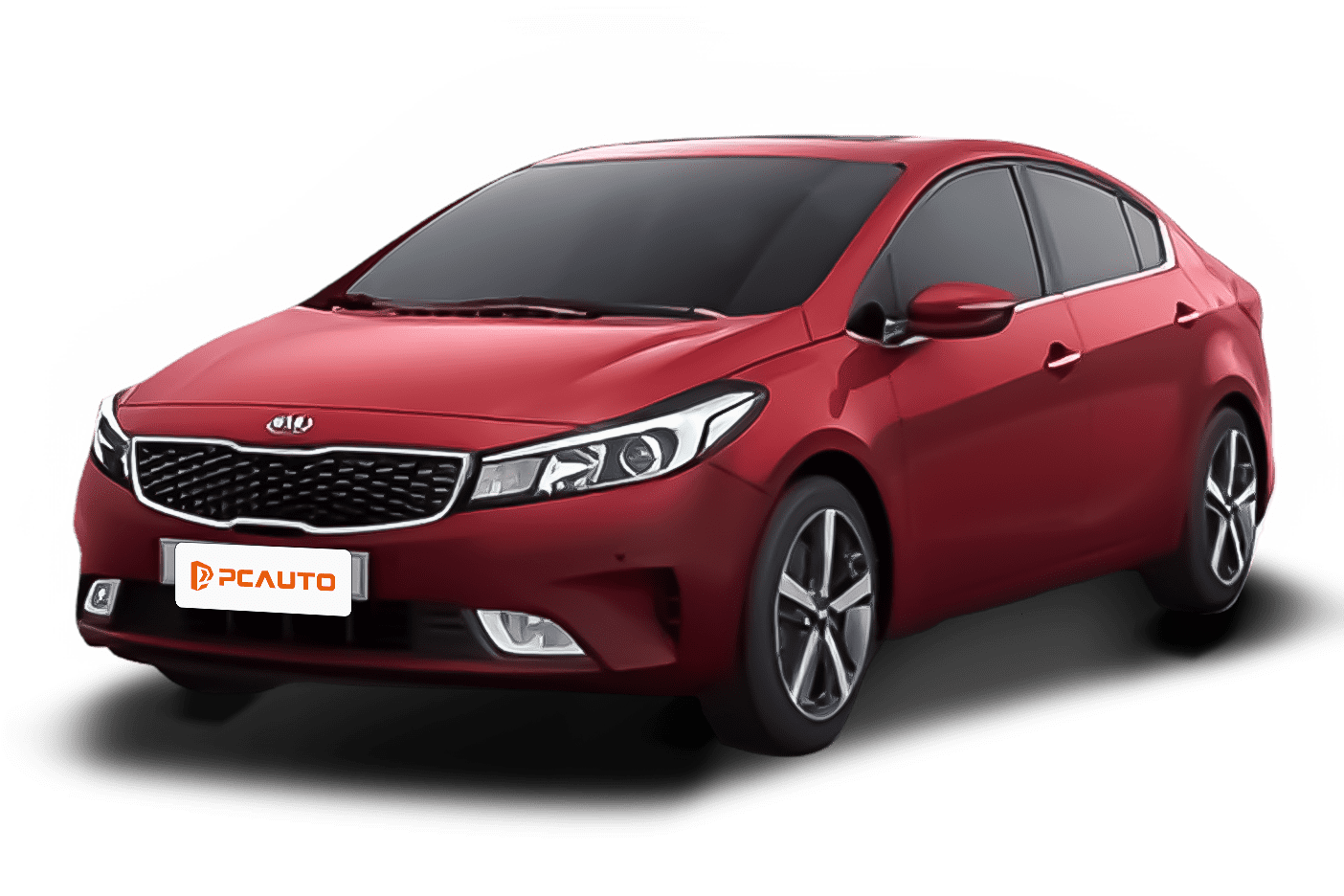
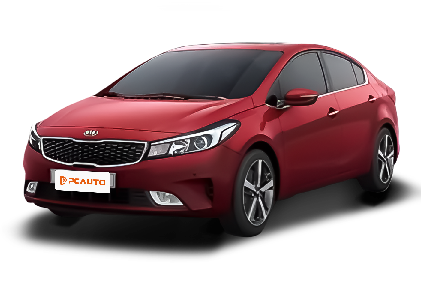
2020 Kia Cerato 1.6 SX is a high-value family sedan that retains core features at a lower price, offering practical space, reliable safety, and balancing the needs of commuting and family travel.
7
Rank in Sedan
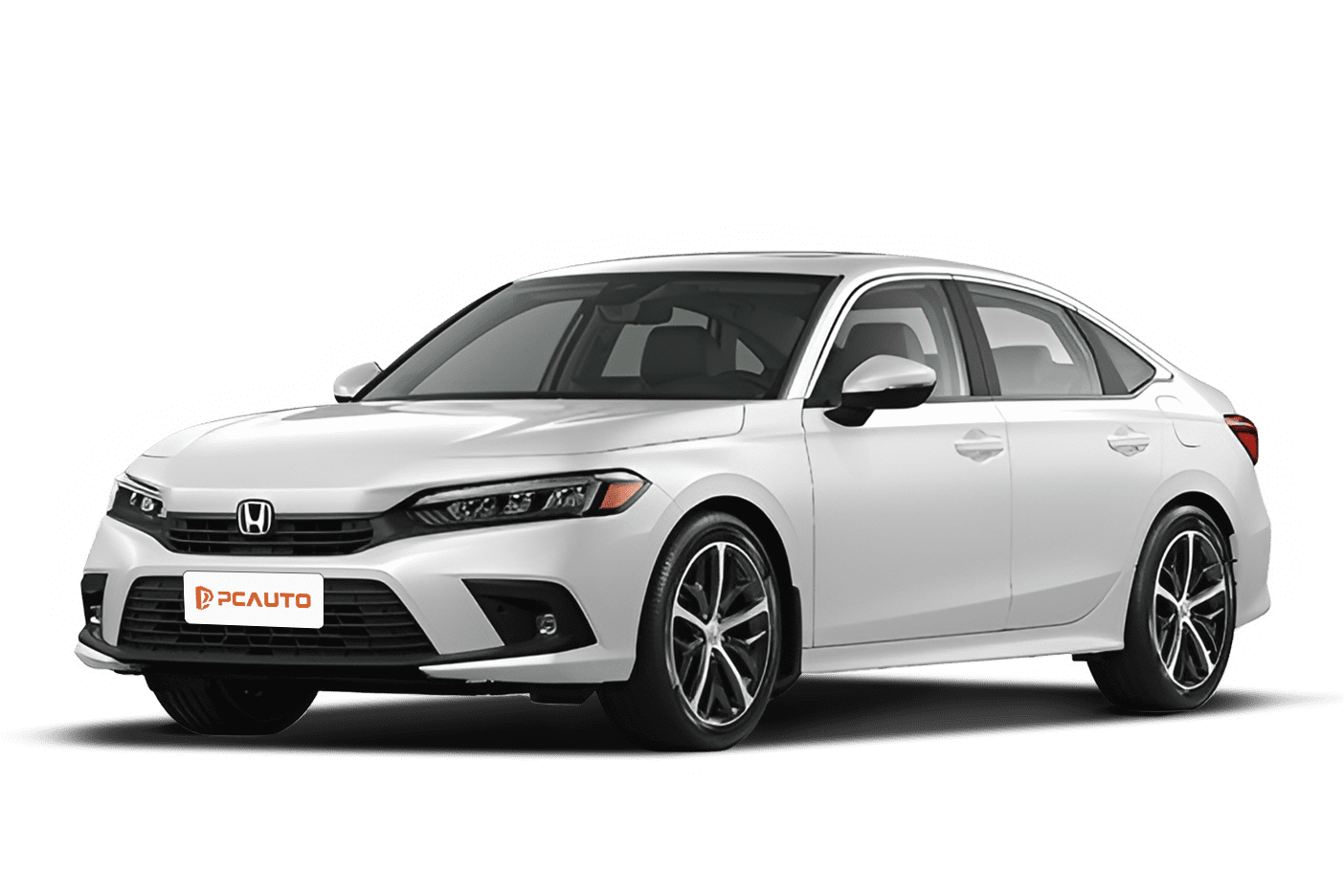
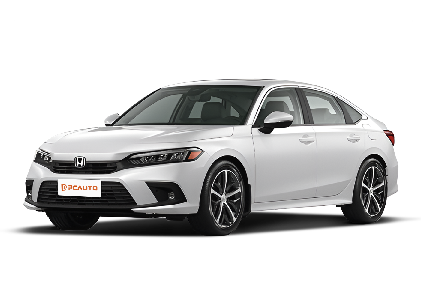
2025 Honda Civic 1.5L E is an entry-level family sedan that combines 1.5T power, a full set of active safety features, and practical space, suitable for city commuting and family outings.
25
Rank in Sedan
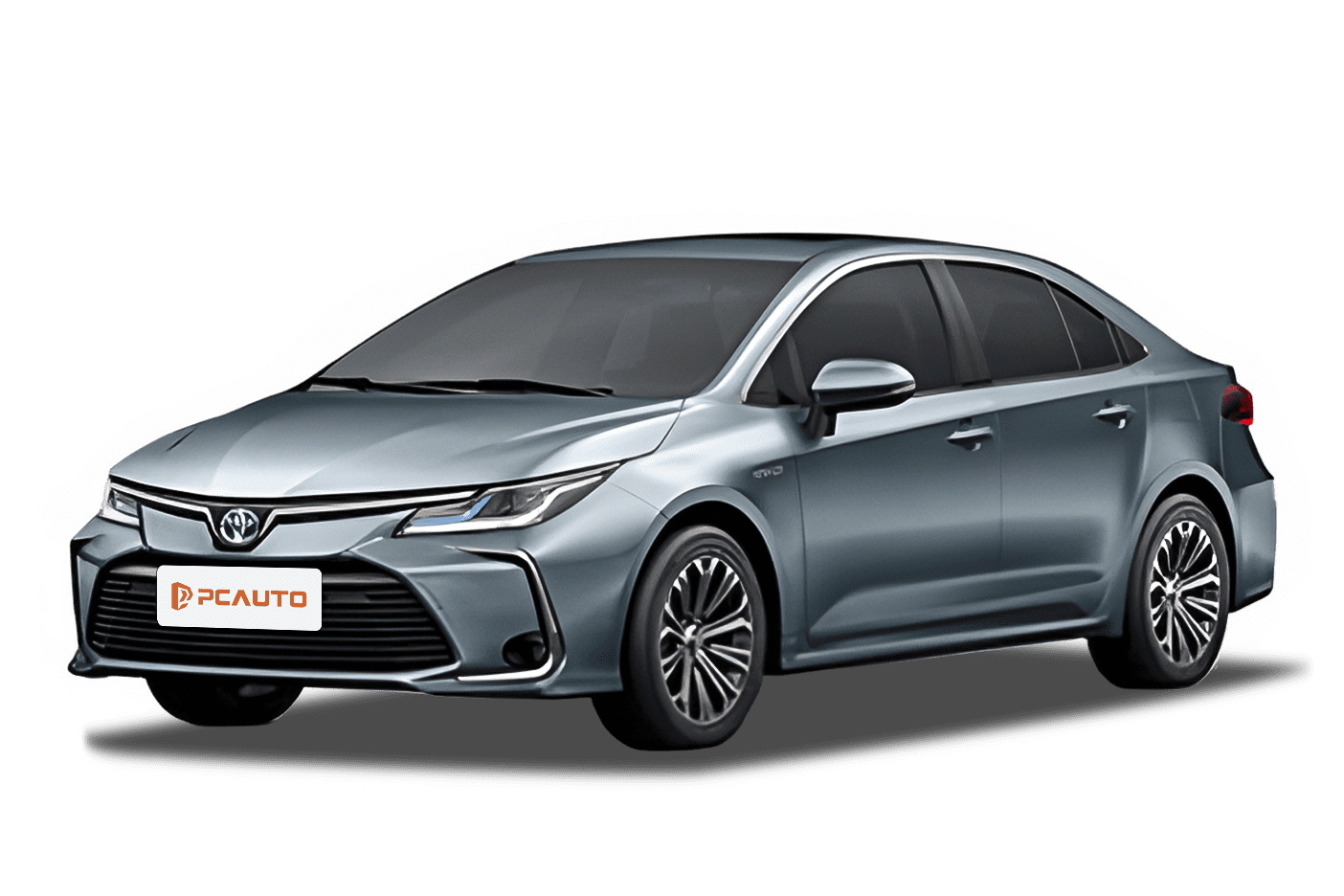
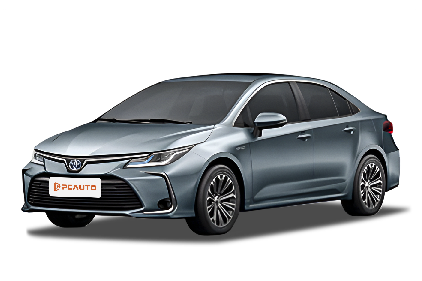
2025 Toyota Corolla GR Sport features a sporty design, upgraded intelligent configurations, and high cost performance, balancing practicality for family use and driving pleasure, making it an ideal choice for young families.
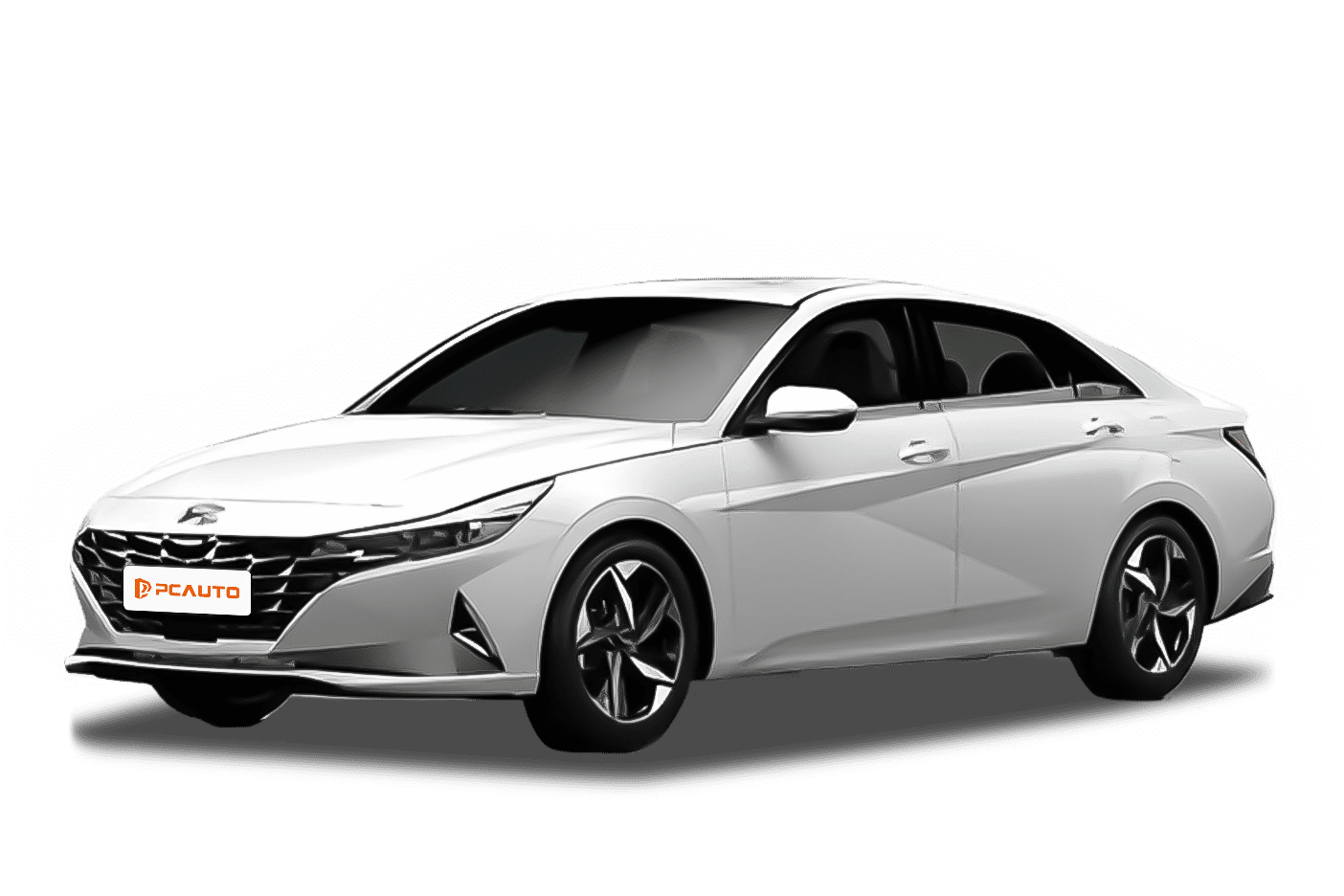
2024 Hyundai Elantra public is a C-segment sedan designed for Malaysian families and young professionals, focusing on class-leading safety features, flexible spaciousness, and balanced fuel efficiency, making it highly cost-effective.