

Proton X50 2023 Review

 Share
Share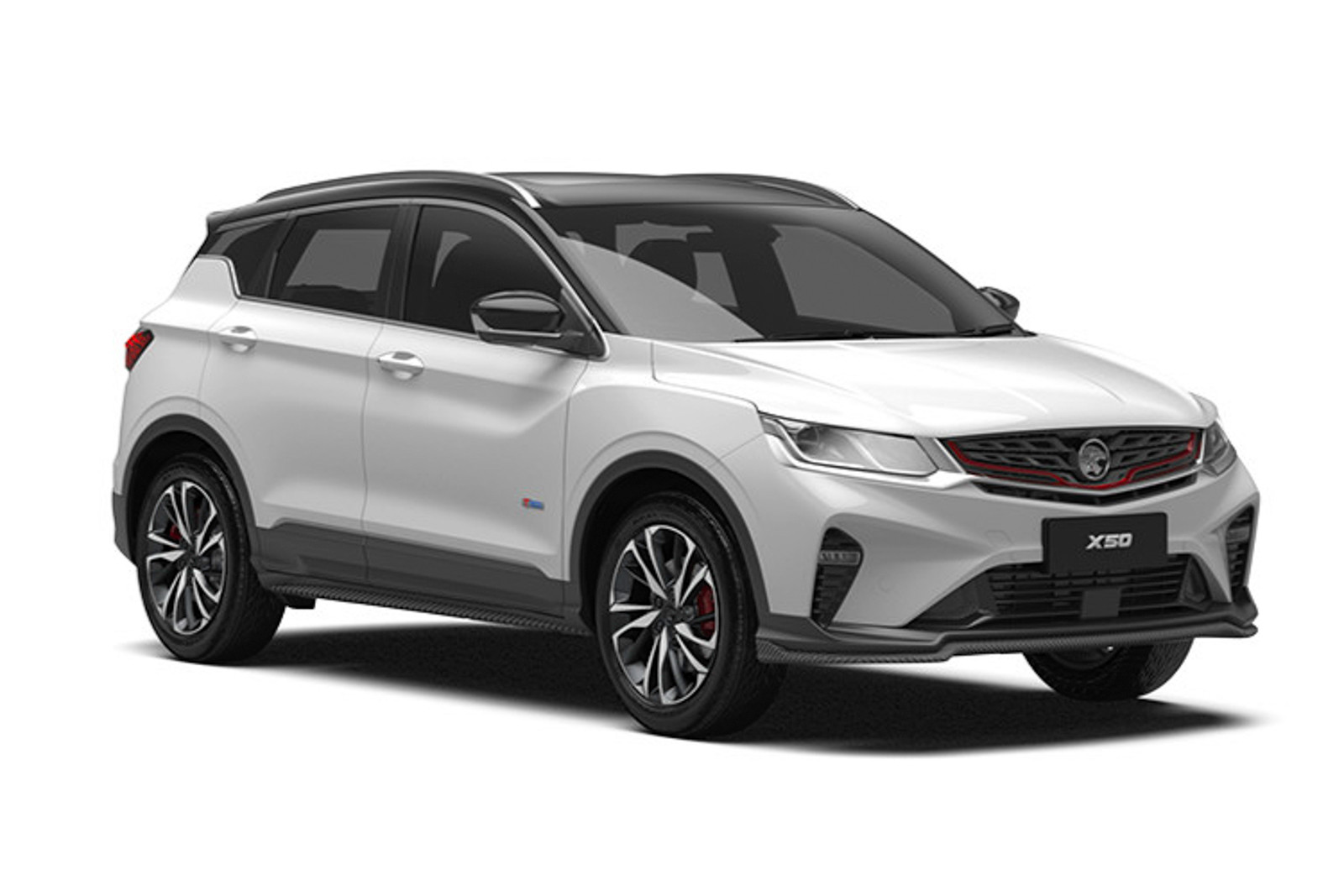
 Segment
 Body Type
 Capacity(L)
 Engine Power(PS)
 Transmission
 Driven Wheels
In recent years, the competition in Malaysia's B-Segment SUV market has become increasingly fierce. Most consumers want the flexibility of compact SUVs while hoping to get adequate features and performance within a limited budget. The 2023 Proton X50 1.5T Standard, as the entry-level version of the lineup, is priced at only RM 86,300 and comes equipped with a 150PS turbocharged engine and basic smart features. This has made many budget-conscious families and young buyers curious: Can it strike a balance between being "affordable" and "practical"? In this test drive, we focus on this question to see how the entry-level X50 truly performs.
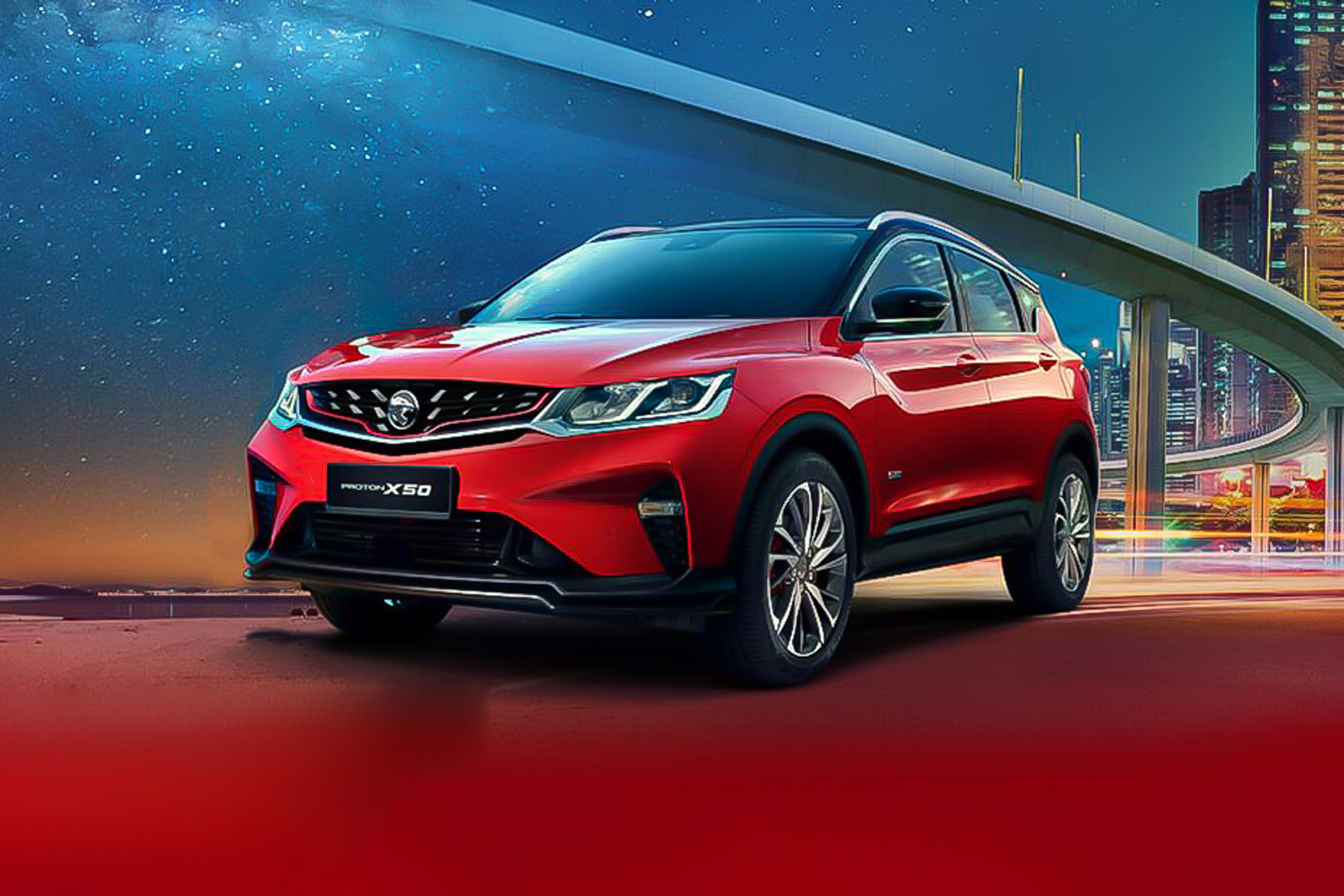
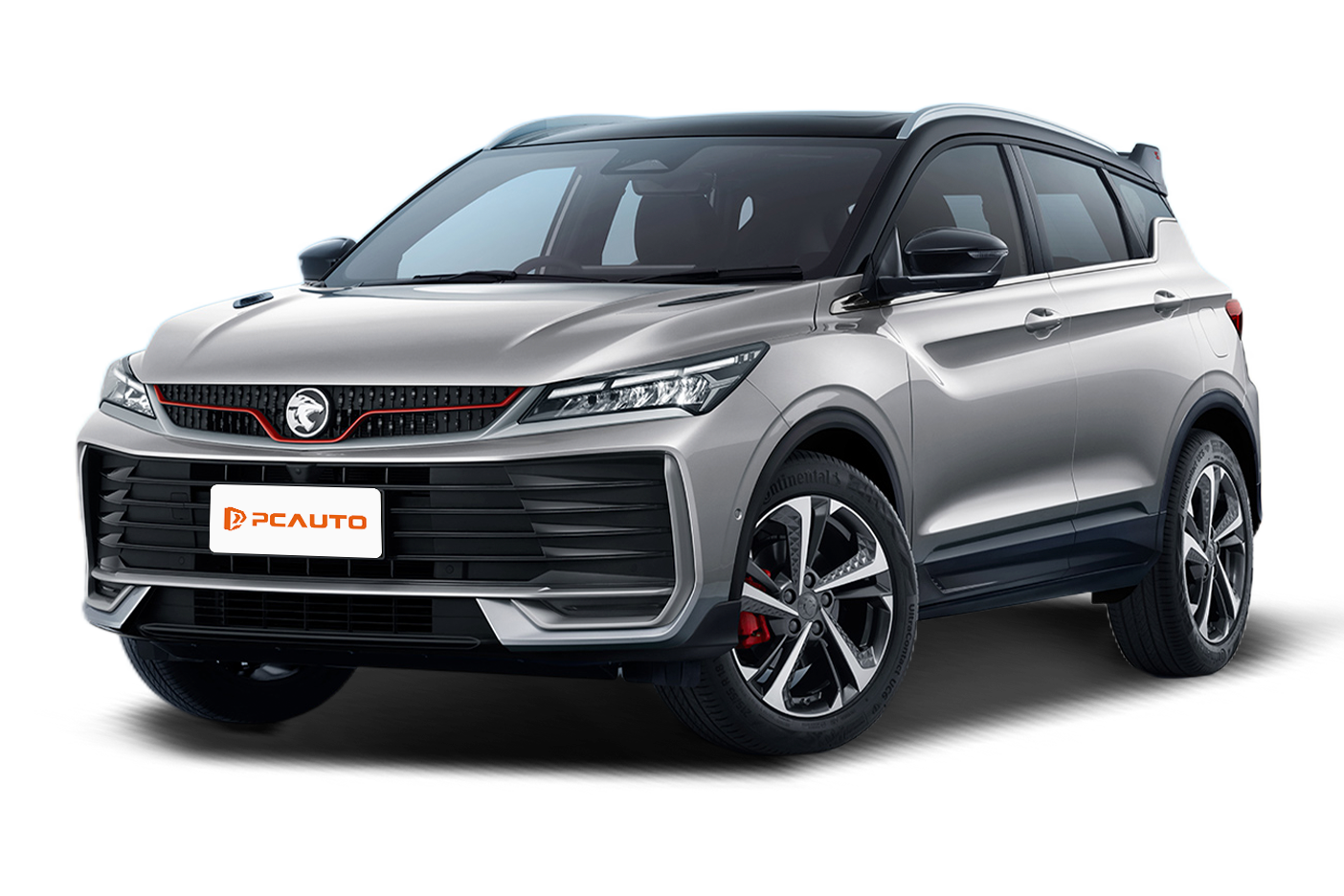
At first glance, the 2023 X50 Standard continues the sporty style of the series. The front features a large honeycomb grille, paired with iconic LED daytime running lights, offering high recognizability; the body lines extend from the hood to the rear, with slight waistline designs on the sides. However, instead of the 18-inch wheels found on the Premium models, this version is equipped with 215/60 R17 tires, which look more subdued but are better suited for daily commuting. At the rear, the LED tail light assembly integrates well with the lines of the trunk lid, and rear fog lights come as standard. Overall, the exterior does not feel cheap despite being an entry-level version, and it fits mainstream aesthetics.
Stepping inside, the interior layout of the X50 Standard focuses on practicality. The dashboard adopts a symmetrical design, with an 8-inch touchscreen as the visual centerpiece. Although smaller than the screen in the Premium version, its interface operates fairly smoothly and supports basic multimedia and Bluetooth connectivity. In terms of materials, the top of the dashboard uses hard plastic, but frequent contact areas such as the door armrests are wrapped in soft-touch materials, which feel relatively comfortable. As for features, keyless entry/start, electrically adjustable driver’s seat, rear AC vents, and an N95-grade cabin filter all come as standard, making these functions very practical for daily use. However, the instrument panel is still a traditional semi-digital display with analog gauges instead of a full LCD screen, which is a clear difference from higher trims.
In terms of space, the X50 Standard’s dimensions are 4330mm × 1800mm × 1609mm, with a wheelbase of 2600mm, placing it within the typical range for a B-Segment SUV. The front row provides plenty of room, with 175cm passengers having a fist of headroom left after adjusting their seats. The rear row offers about two fists of legroom and one fist of headroom, which is sufficient for daily family outings. For storage, the trunk offers a capacity of 330L, which can fit two 20-inch suitcases with space to spare. The rear seats support a 60:40 split fold, which expands capacity for longer items like strollers or folding bicycles. Inside the cabin, there are plenty of storage compartments, such as door pockets, a phone slot below the dashboard, and cup holders, meeting daily usage needs.
For dynamic performance, the X50 Standard is equipped with a 1.5T three-cylinder turbocharged engine, delivering a maximum output of 150PS and peak torque available between 1500-4000rpm. It is paired with a 7-speed wet dual-clutch transmission. The power response is quite active during takeoff, and a light press of the accelerator brings the turbo into play. Driving in the city, whether overtaking or following traffic, feels agile. On the highway, during 100km/h acceleration, the gearbox downshifts a bit slowly, but pressing harder on the accelerator still delivers sufficient power reserves, meeting the needs for highway cruising. There is only a standard driving mode available, with no sport or eco modes to choose from, but it is already sufficient for daily use.
In terms of chassis, the combination of MacPherson independent front suspension and torsion beam non-independent rear suspension is tuned towards comfort. When driving over speed bumps or uneven roads, the suspension absorbs most of the jolts, avoiding any significant harsh impacts. During turns, the body roll is controlled within a reasonable range, the steering wheel has moderate resistance, steering is precise, and daily driving is relatively effortless. The braking performance is stable, with linear braking force output, and the vehicle maintains good posture during emergency braking.
In the fuel consumption test session, we drove 50km each in urban congested roads and on highways, and the average fuel consumption was about 7.2L/100km. This is slightly higher than the official figure of 6.5L, but considering the frequent stop-start conditions in urban areas, this result ranks slightly above average among similar-class fuel SUVs. In terms of noise control, at speeds below 80km/h, wind and tire noise are not obvious; at speeds exceeding 100km/h, wind noise gradually increases but does not affect normal conversations inside the car.
Overall, the core strength of the 2023 Proton X50 1.5T Standard lies in its "balance." Compared to the similarly-classed Honda HR-V 1.5S (priced at RM 114,800), it is nearly RM 28,000 cheaper, yet offers comparable performance and basic practical features. Even when compared to the Executive variant of the same series (RM 93,300), the Standard variant lacks two airbags and front radar sensors, but its price is RM 7,000 less, making it a more cost-effective choice for budget-conscious buyers.
This car is suitable for families with a budget of RM 80,000-90,000 who value practicality, or for young buyers who have just started working. It does not have particularly outstanding features, but it also lacks obvious weaknesses, making it capable of handling daily commutes and family outings. If you don’t need advanced intelligent driving assistance or a fully digital dashboard, the X50 Standard will be a pragmatic choice in the B-segment SUV market.
Proton X50 Car Compare
Proton X50 Loan Calculator
More Proton Reviews
Cars With Similar Price And Features
15
Rank in SUV
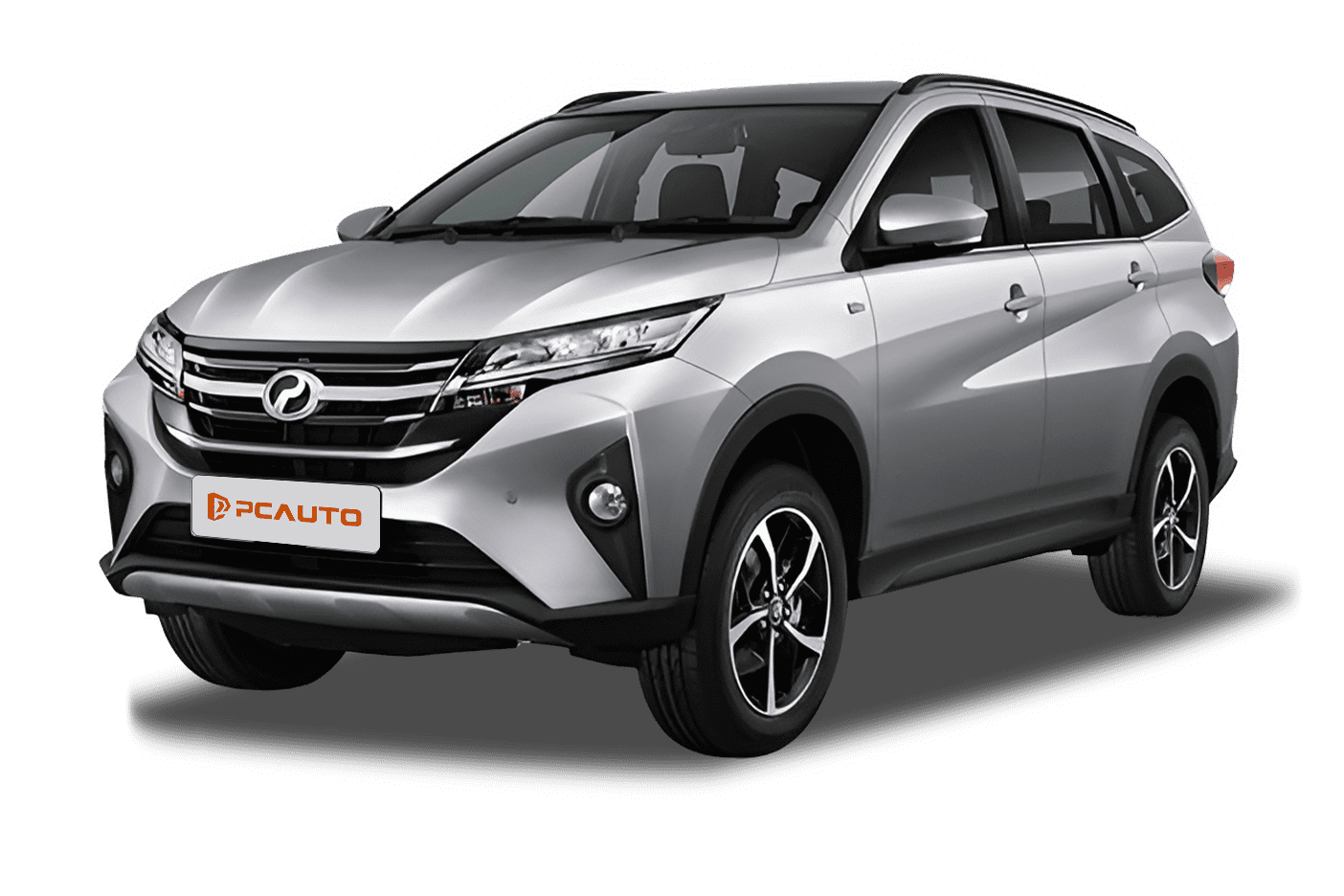
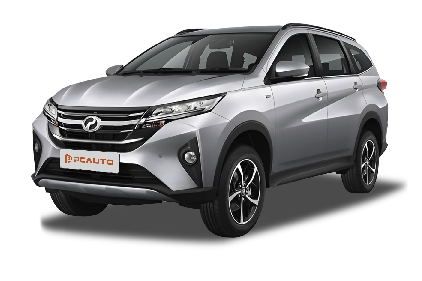
The 2023 Perodua Aruz 1.5L X is a high-value-for-money B-segment 7-seater SUV, offering 6 airbags and active safety systems as standard equipment for under RM63k. It balances practical space and daily commuting needs, making it a pragmatic choice for budget-conscious families.
4
Rank in SUV
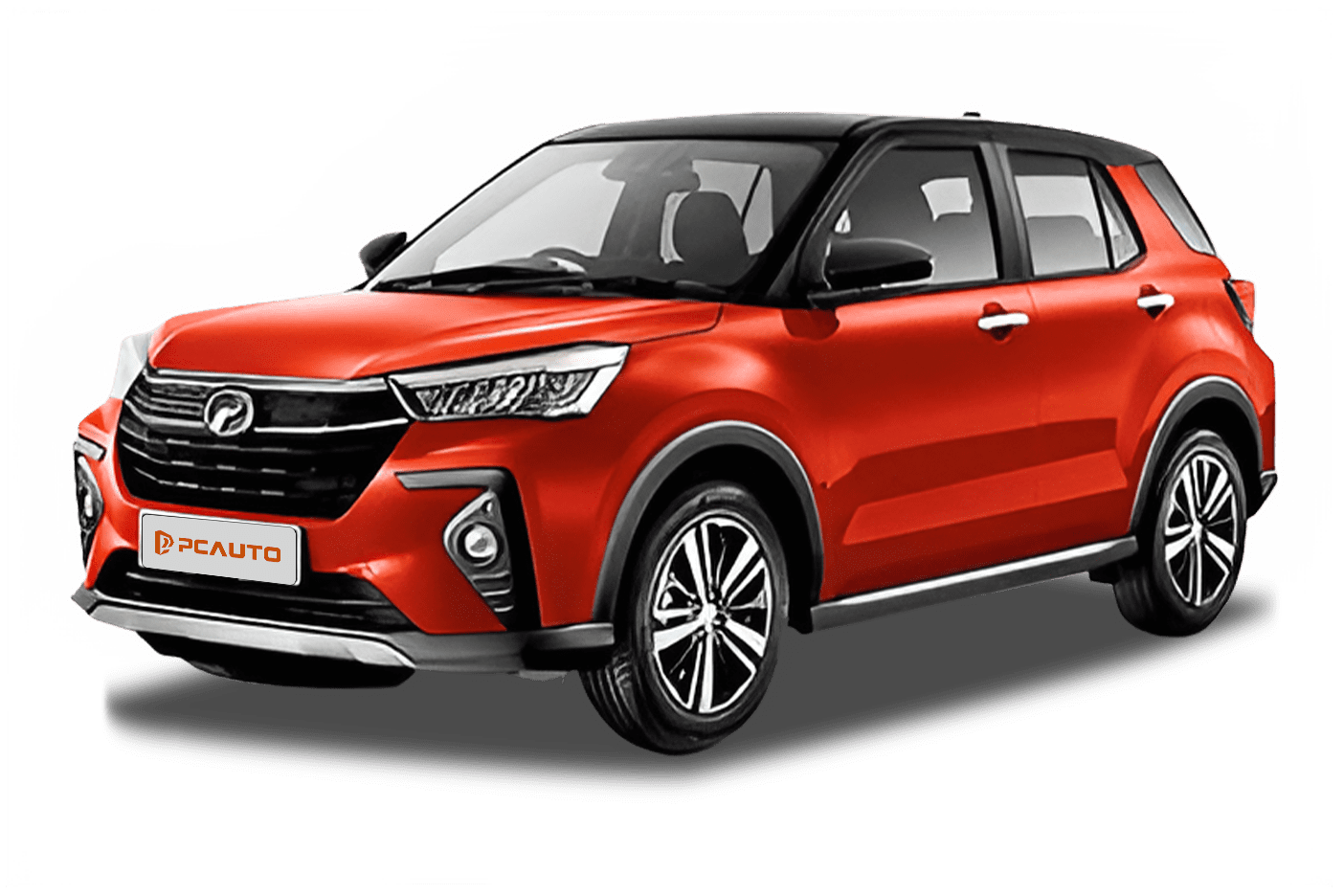
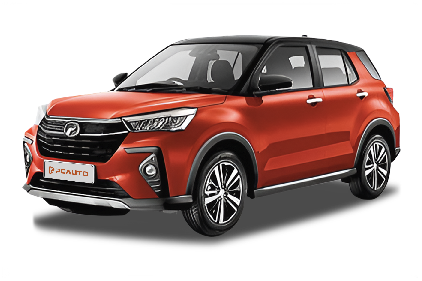
2023 Perodua Ativa 1.0L Turbo X, as a high-value-for-money entry-level B-SUV, meets the commuting and short-distance travel needs of family users with advanced safety features, practical space, and economical fuel consumption.
3
Rank in SUV
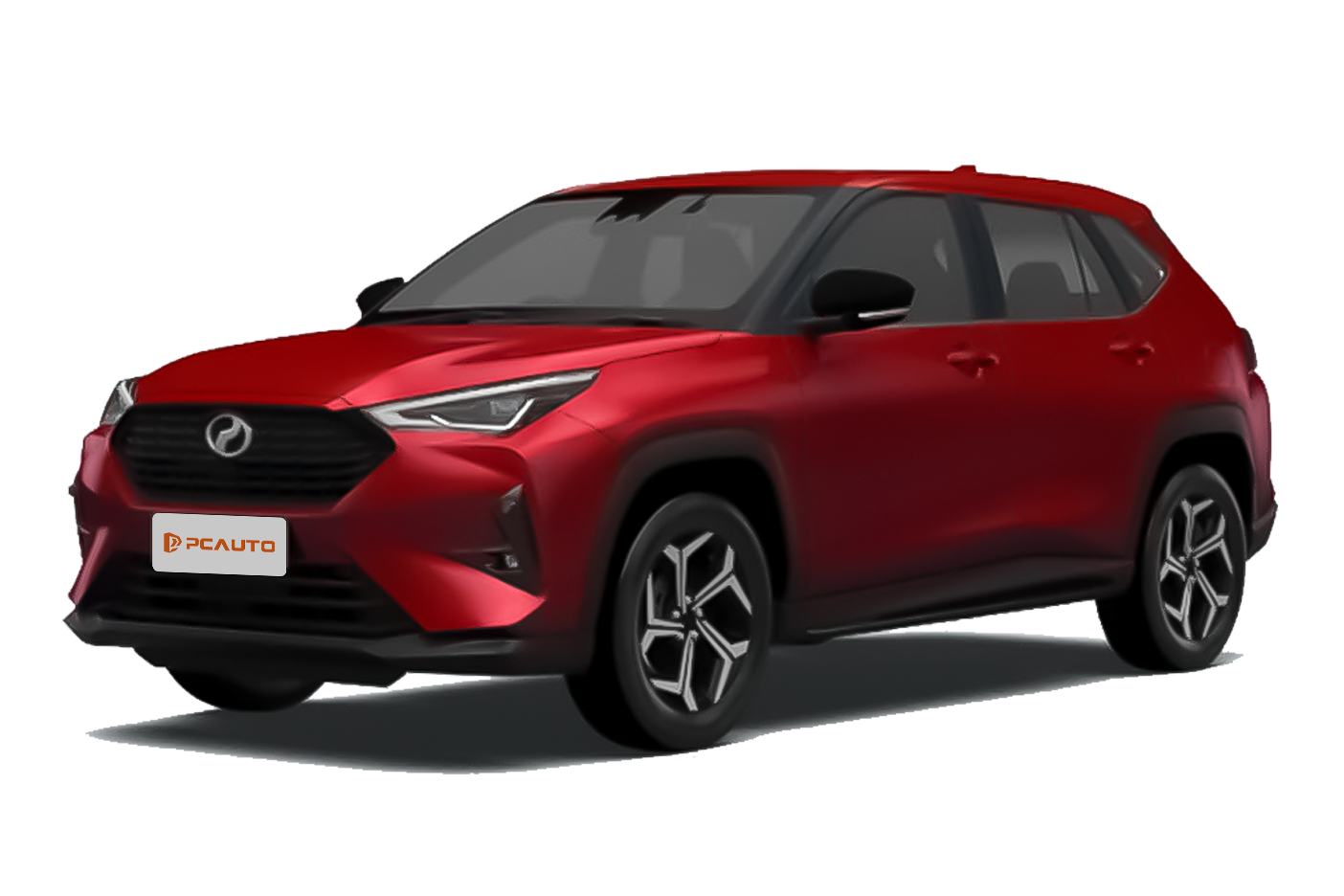
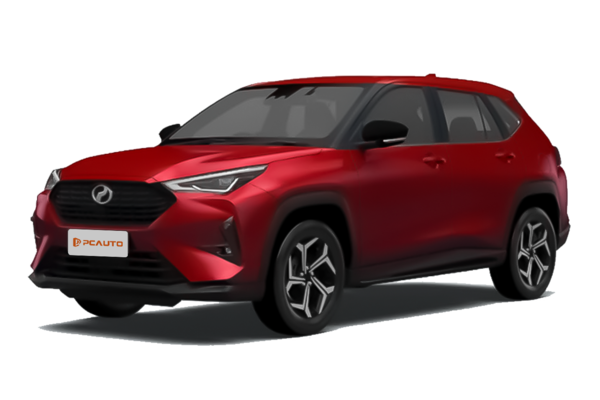
2025 Perodua Traz X, positioned as a B-segment SUV for family users, highlights advanced safety features, 210mm high ground clearance, and practical spaciousness as its main selling points, balancing flexibility and practicality.