

Subaru Forester 2018 Review

 Share
Share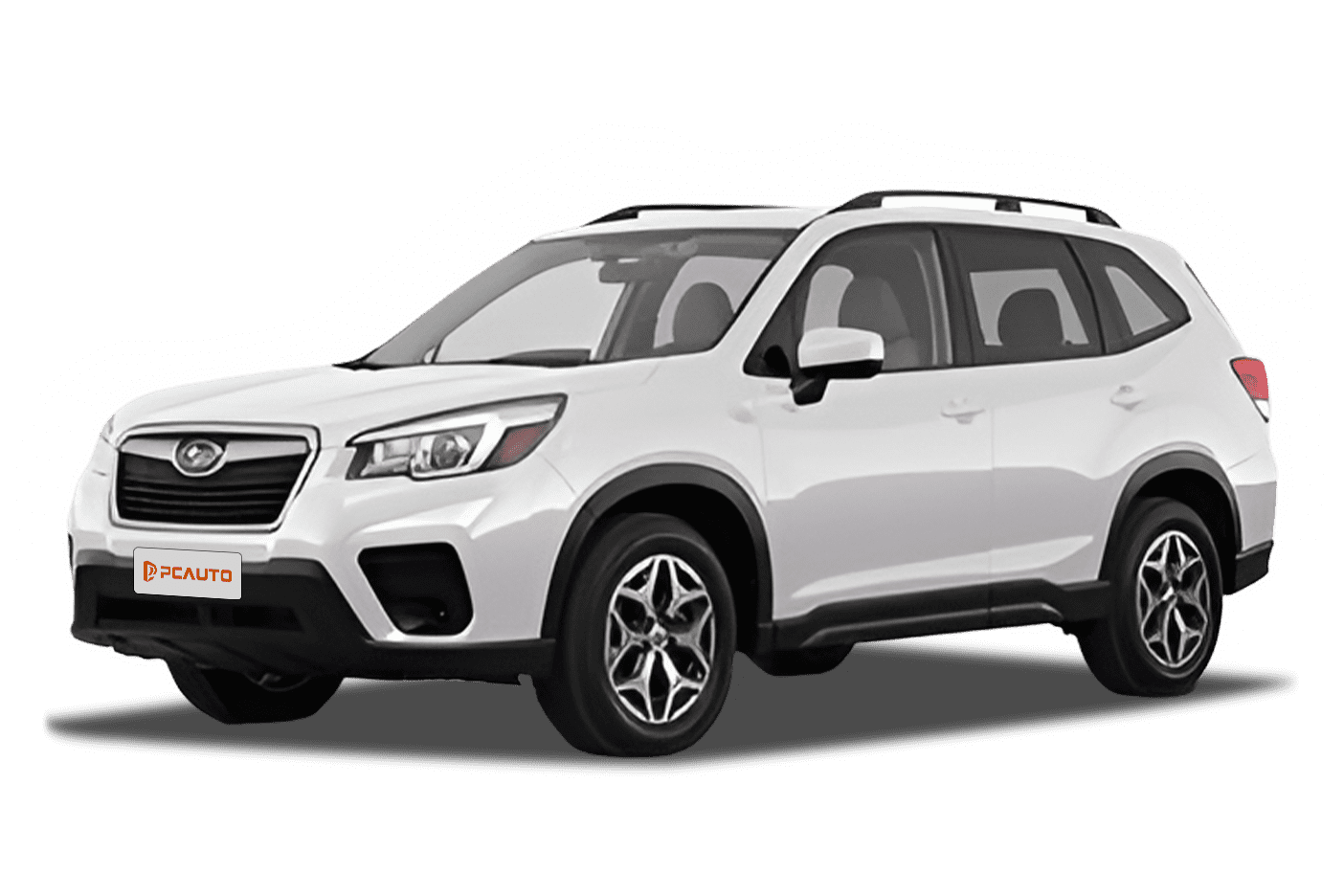
 Segment
 Body Type
 Capacity(L)
 Engine Power(PS)
 Transmission
 Driven Wheels
In Malaysia's C-Segment SUV market, family users often make trade-offs between budget, practicality, and off-road capability — needing to handle occasional light off-road trips while ensuring daily commuting fuel efficiency. The 2018 Subaru Forester 2.0i-P precisely addresses this demand, with its core combination of a horizontally opposed engine and full-time AWD, balanced features, and a 5-year/100,000 km warranty, making it a popular choice for many families. In this test drive, we focus on evaluating its everyday driving quality, space practicality, and the real value of its AWD system under local road conditions.
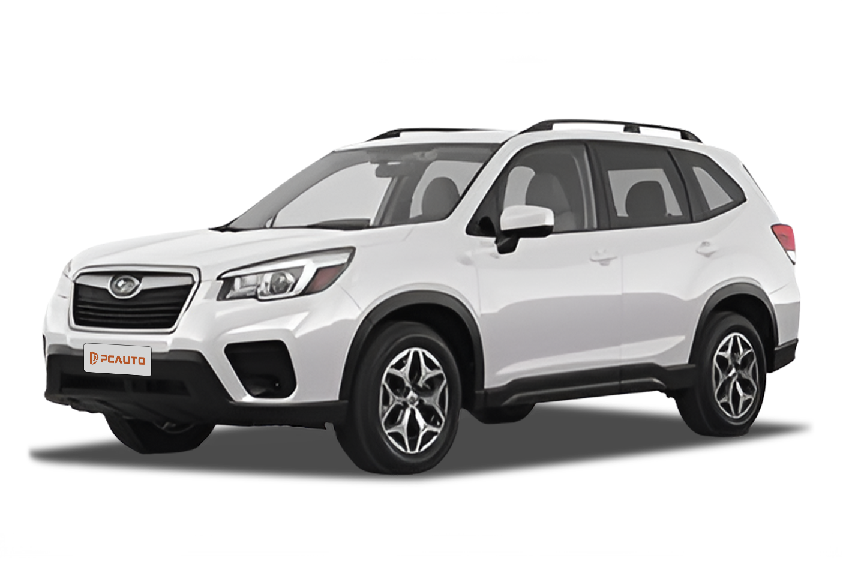
The exterior design continues the rugged style of the Forester series, avoiding overly fancy lines. The front end's hexagonal grille, paired with chrome trims and LED headlights on both sides, offers good recognizability; the sides feature straight lines, with 17-inch wheels and 225/60 R17 tires balancing on-road comfort and light off-road traction; the rear LED tail lights are squared-off, and the silver skid plate under the rear bumper adds a touch of off-road flair. The overall design leans towards practicality, without sacrificing space or off-road capabilities for the sake of fashion.
Step inside, the interior style is kept simple, with the dashboard wrapped in soft-touch materials complemented by silver trim accents, achieving a level of quality expected at this price point. The 10.1-inch central touchscreen uses a Kenwood system, offering decent operational smoothness and supporting Bluetooth and USB connectivity, sufficient for everyday use. In terms of features, keyless entry/start, dual-zone automatic climate control, and ventilated front seats stand out as practical highlights — especially in the local hot weather, where ventilated seats effectively alleviate discomfort caused by prolonged sitting in the heat. The multifunction steering wheel comes with paddle shifters, and the instrument panel adopts an electronic-illuminated analog style, providing clear and intuitive info displays. The only downside is that the front seats are manually adjustable, and the 6-way adjustable driver seat may require some time to find the ideal seating position.
Space performance is a crucial indicator for family SUVs. With dimensions of 4595mm×1795mm×1735mm and a wheelbase of 2640mm, the rear legroom allows about two fists of space for a 175cm tall passenger, and headroom feels adequate; the rear seats support manual recline and a 60:40 split-folding configuration, expanding the trunk capacity from 422L to 1546L, offering sufficient room for strollers or large suitcases. On the storage side, the front center armrest box and door compartments are generously sized, while the rear features air conditioning vents and USB ports to meet passenger charging needs; the trunk offers a flat floor, and the spare tire is full-sized, adding peace of mind for long-distance trips.
In terms of power, the 2.0L naturally aspirated horizontally opposed engine provides a maximum horsepower of 150PS and peak torque of 198N·m, paired with a CVT transmission. During daily commuting, it offers smooth starts, and though acceleration is not particularly aggressive, mid-range acceleration for overtaking is adequate with a deeper press on the gas pedal. The transmission simulates gear shifts, and the power output is linear, sufficient for city roads and highway cruising. When switching to Sport mode, the throttle becomes more responsive, and the paddle shifters add a bit of driving fun. The official combined fuel consumption is 7.9L/100km, while actual testing shows about 9L in city conditions and 7L on highways, making its fuel economy impressive for an AWD SUV.
The handling and chassis performance are commendable. The all-wheel-drive system performs stably on slippery roads or light off-road conditions. During last week's test drive, we encountered a muddy country road, and the wheels did not noticeably slip, passing easily; the front MacPherson + rear double wishbone independent suspension is tuned for comfort, effectively filtering out bumps when passing speed bumps or uneven roads, with minimal body sway; the steering is precise with little slack, and the body roll is well-controlled during cornering. The vehicle is also stable at high speeds. In terms of braking performance, the front and rear ventilated disc brakes provide linear feedback, and the body posture remains stable during emergency braking, inspiring confidence.
The details of driving comfort are commendable. Engine noise is well-controlled, and at highway speeds of 110 km/h, wind and tire noise are present but not disturbing; the cabin is very quiet during daily commutes. The front ventilated seats are effective, and in combination with the dual-zone air conditioning, can quickly cool down the interior; the manual parking brake is simple to operate, and the hill-start assist function prevents rollback on slopes, which is friendly for beginners.
Compared to models in the same class, such as the CR-V 2.0L or RAV4 2.0L, the core advantages of the 2018 Forester 2.0i-P lie in its all-wheel-drive system and the stability of its horizontally opposed engine, making it suitable for families with occasional suburban travel needs. In terms of features, seven airbags, ventilated seats, and dual-zone air conditioning are all standard, providing outstanding value for money. However, its power output is not as aggressive as the turbocharged XT version, and the interior lacks the technological feel of newer models.
Overall, the 2018 Subaru Forester 2.0i-P is a balanced family AWD SUV, suitable for families who value practicality, occasionally require light off-road capabilities, and prioritize long-term reliability. It has no notable shortcomings, and the all-wheel-drive system and ventilated seats align well with local user needs. If your budget is around 130,000 MYR and you need a vehicle that balances urban commuting and suburban trips, this car is worthy of consideration.
Subaru Forester Car Compare
Subaru Forester Loan Calculator
More Subaru Reviews
Cars With Similar Price And Features
8
Rank in SUV
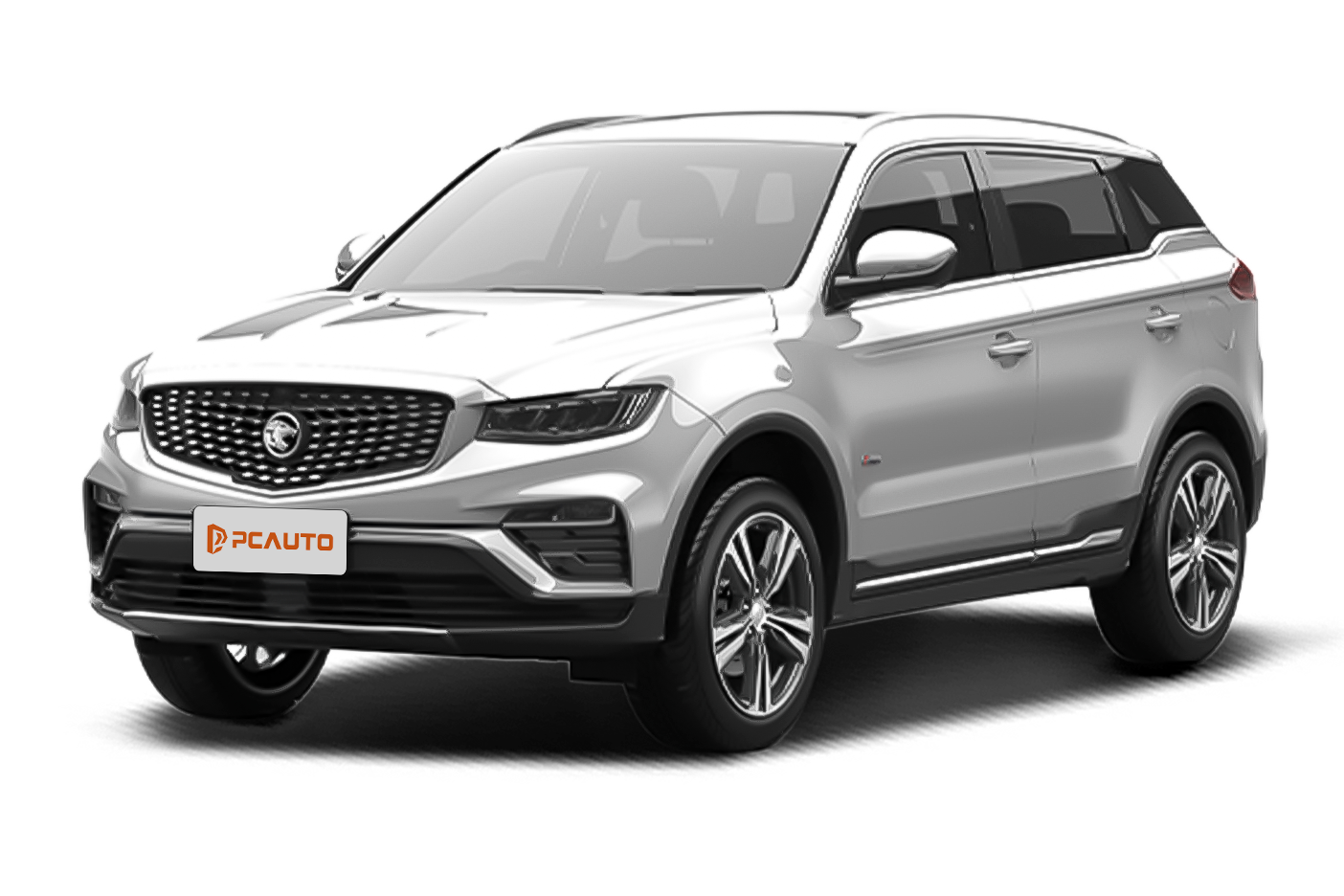
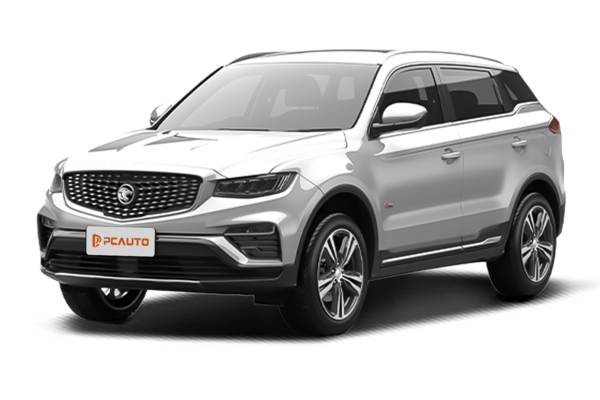
2026 Proton X70 1.5 TGDi Executive focuses on upgrading to a four-cylinder engine, practical configurations, and affordable pricing. It balances family commute practicality with value for money, making it a sensible choice among similarly priced C-segment SUVs.
10
Rank in SUV
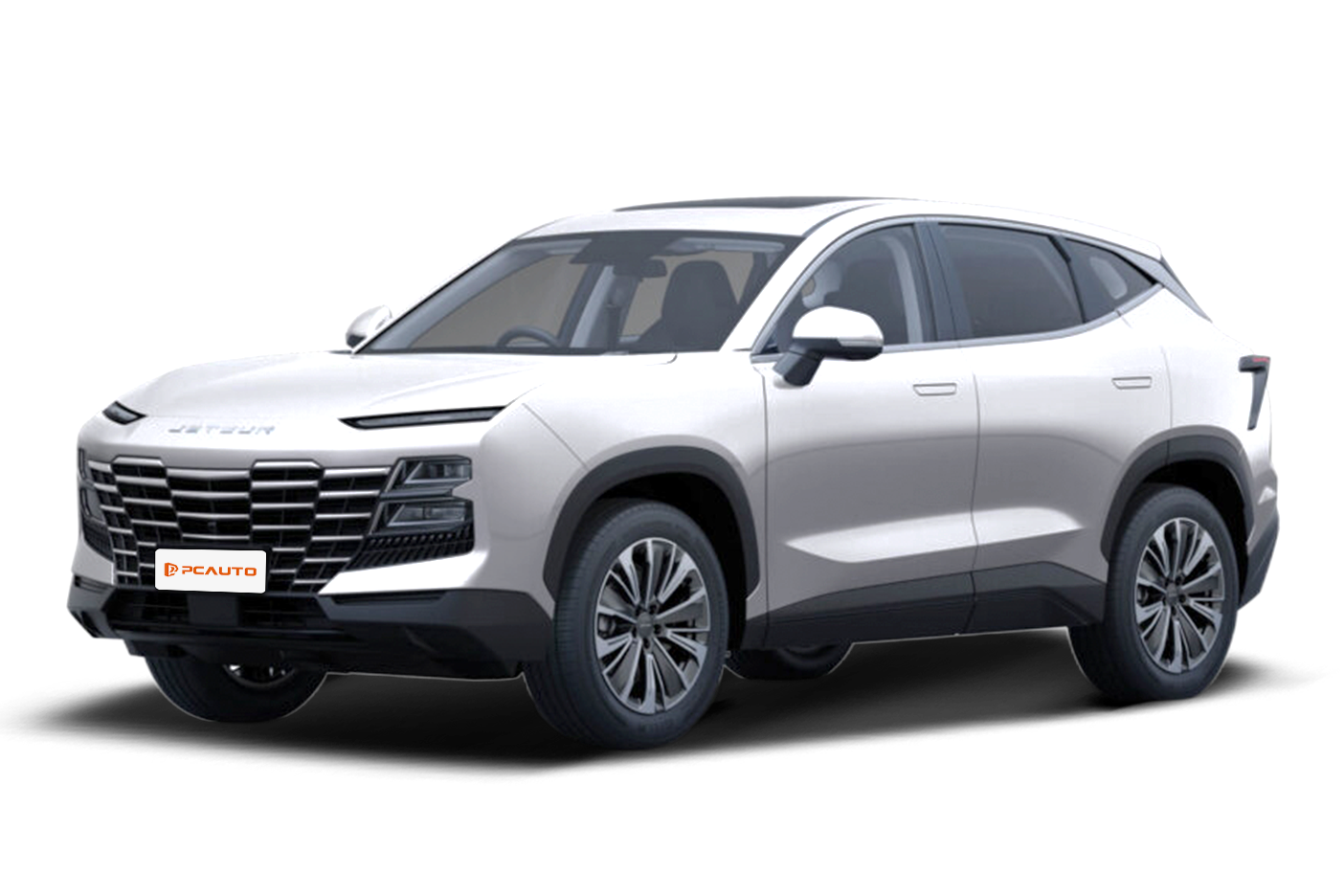
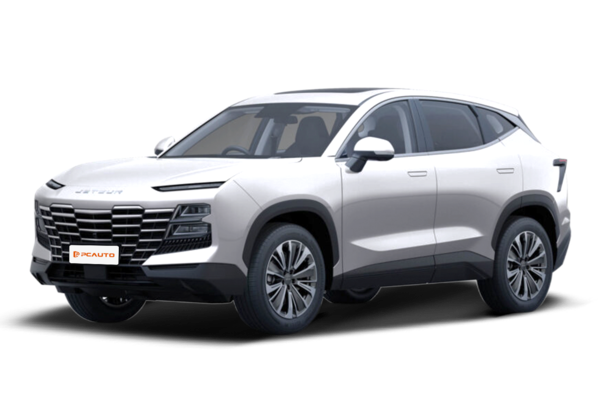
Jetour Dashing 1.5 TCI Comfort 2025 features a 2720mm long wheelbase and a 10.25-inch dual screen as its core, focusing on balanced cost performance to meet family practical needs.
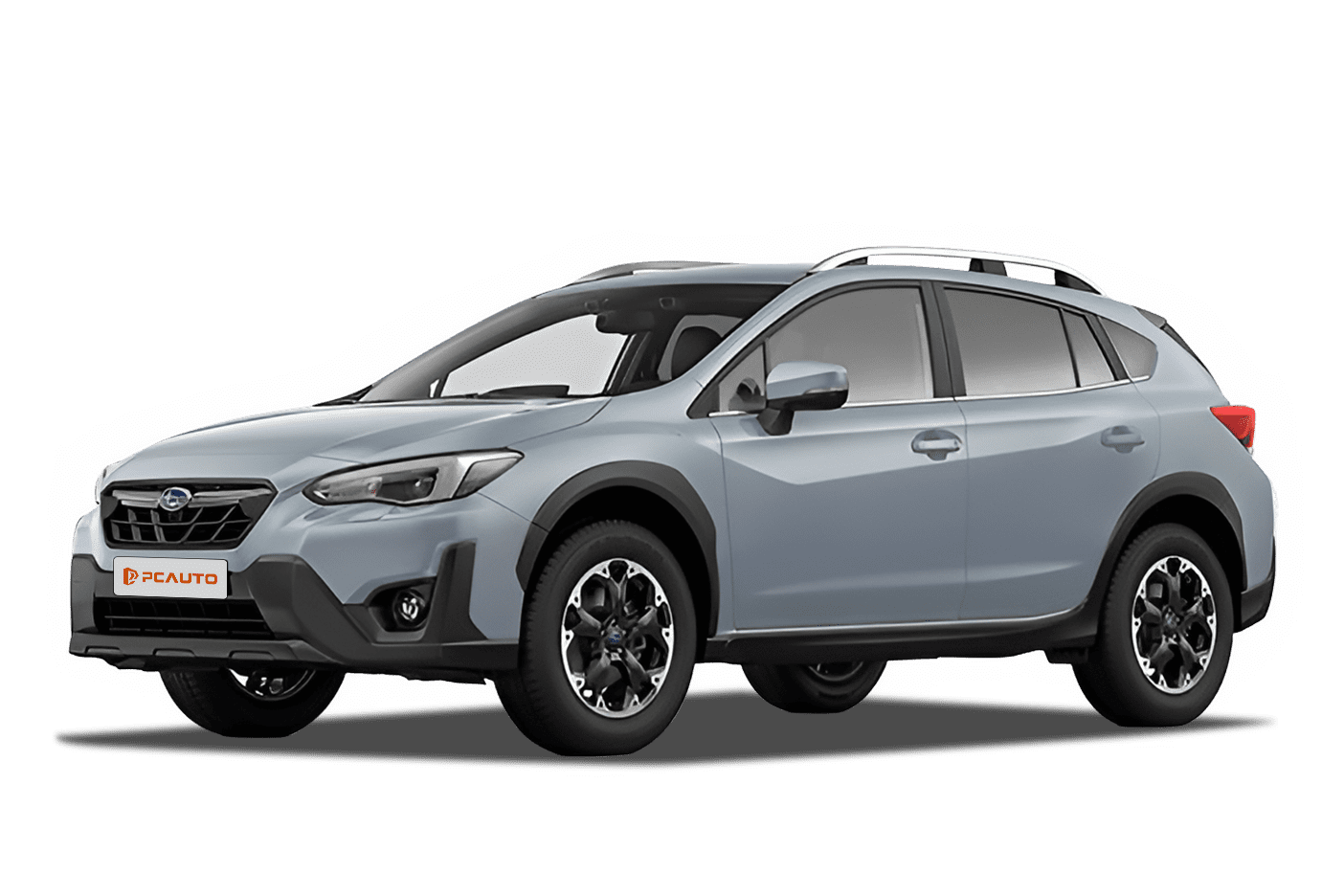
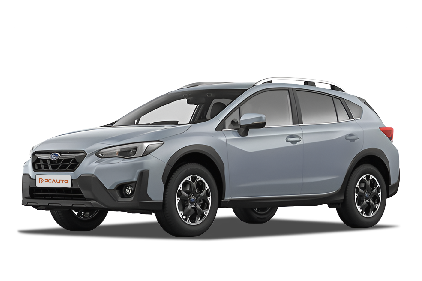
The 2021 Subaru XV 2.0i is a model targeting the C-segment crossover market, equipped with standard all-wheel drive and high safety features, balancing off-road capability and handling, with practical space.

2021 Hyundai Kona 2.0 Standard, as a high-value entry-level compact SUV, retains essential safety and practical features with an affordable price, meeting the daily commuting and loading needs of families.