

Toyota Hiace Review

 Share
Share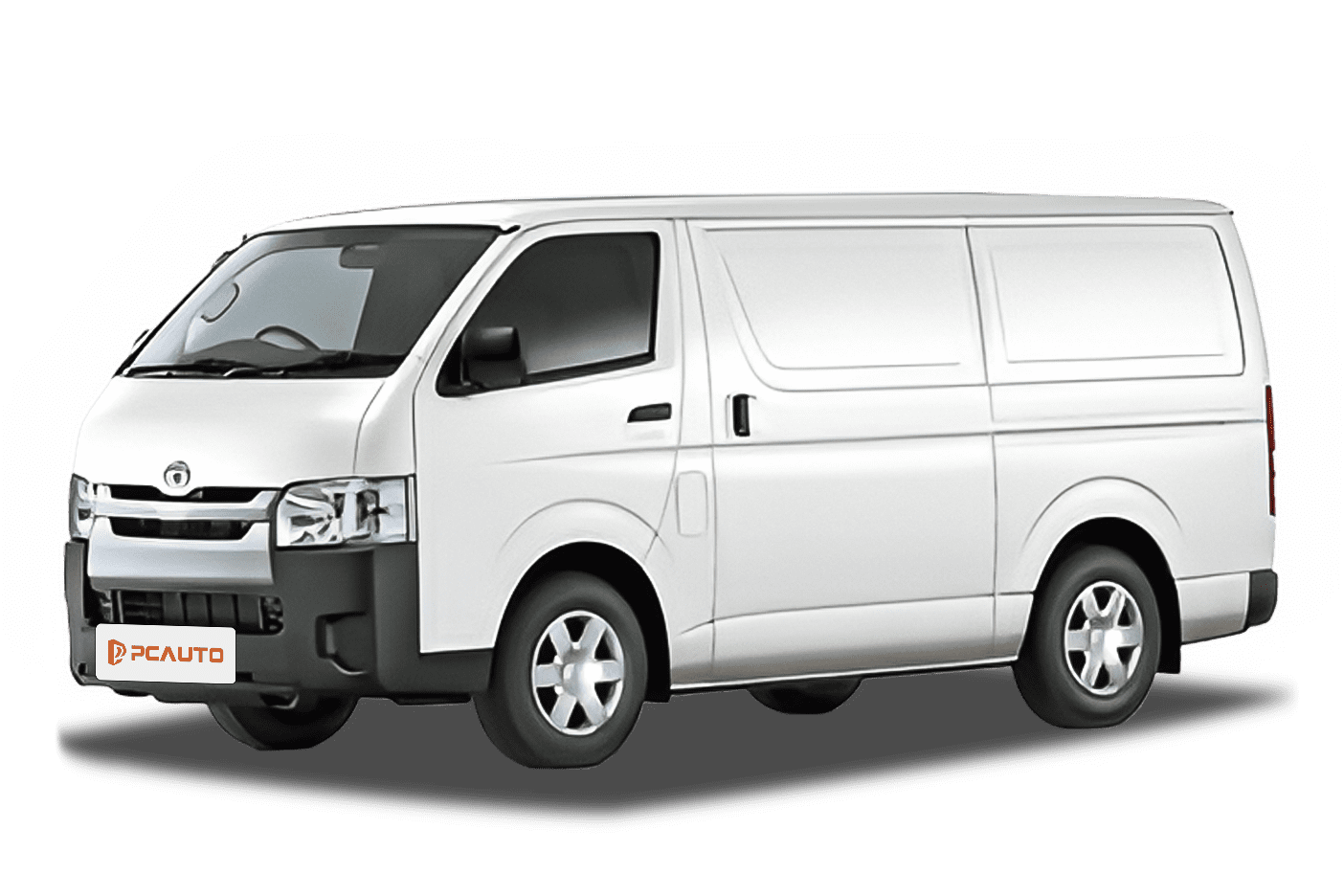
 Segment
 Body Type
 Capacity(L)
 Engine Power(PS)
 Transmission
 Driven Wheels
In the Malaysian commercial vehicle market, small 2.5L diesel engine panel vans have always been the core choice for individual businesses and small logistics companies. These vehicles need to balance load capacity, fuel economy, and basic practicality, while also being priced affordably. The 2018 Toyota Hiace Panel Van 2.5 Turbo Diesel is precisely targeted at this niche market. Its core selling points are the durability reputation of the Toyota brand, the off-road capability of its four-wheel-drive system, and standard basic practical configurations. This test drive primarily focuses on verifying two aspects: flexibility in daily urban deliveries and reliability on rural unpaved roads, to determine whether it truly meets the demand of commercial vehicle users for 'multi-scenario adaptability'.
From the exterior, the 2018 Hiace Panel Van follows a typical commercial vehicle design with no extra decorative elements. The front features a large black plastic grille paired with halogen headlights on both sides, which may lack distinctiveness but provide strong practicality — halogen lights perform well in foggy and rainy conditions and have low maintenance costs. The side profile has straight lines, and the dimensions of 2930mm in length and 1545mm in width are just right for navigating through narrow urban alleys and car parks in Malaysia. The 3-door design also makes it more convenient for front-seat ingress and egress. The rear section includes a closed panel van structure with vertically arranged tail lights. Although the design is simple, the lights provide sufficient warning effects when illuminated at night.
Opening the door reveals an interior that emphasizes practicality. The dashboard is made of hard plastic material, which, although ordinary to the touch, is scratch-resistant and durable, suitable for the commercial vehicle usage scenario. The dashboard layout is straightforward, with manual air conditioning control knobs on the left, a radio and two speakers in the center, and storage compartments on the right. The steering wheel does not have multifunction buttons, but its lightness makes it suitable for long drives. The seats at the front are manually adjustable fabric seats, providing good support so that even long hours of delivery work won't cause discomfort. While there are seats in the rear, the space is quite limited, making it more suitable for temporarily placing small items rather than transporting passengers. Configuration-wise, it comes standard with keyless entry, rear parking sensors, and a 220V power outlet. The 220V outlet is particularly useful for users who need to use tools inside the vehicle, and the parking sensors make reversing in urban areas easier.
Regarding space performance, it has a wheelbase of 2570mm, offering sufficient space in the front row. A 175cm tall driver will have more than a fist's worth of head and legroom. The cargo area volume hasn't been officially disclosed, but in practical use, it can fit three standard-sized boxes, meeting the needs of small-scale distribution. For storage, there are two cup holders below the dashboard, and the door panels also have storage compartments that can hold water bottles and documents — a thoughtful touch in design.
When it comes to power, it is equipped with a 2.5L naturally aspirated diesel engine, delivering a maximum output of 102PS, with peak torque available at 1600rpm. During actual driving, while acceleration isn’t particularly quick, the low-end torque of the diesel engine is obvious, ensuring it doesn't feel underpowered even when fully loaded. The gearbox is a 5-speed manual, with clear gear shifts and smooth shifting action, suitable for frequent stop-and-go urban traffic conditions. There is only one standard driving mode, which is sufficient for daily use.
The handling and chassis performance align with the positioning of a commercial vehicle. The front suspension is a double wishbone independent suspension, and the rear suspension is a leaf spring. When driving on bumpy roads, although the damping isn't entirely thorough, there is no significant bouncing, ensuring the stability of the cargo. The steering wheel's precision is average, but it is clear and responsive, making lane changes and turns in the city fairly agile. With a minimum ground clearance of 195mm paired with a four-wheel-drive system, it performs well on muddy or gravel roads in rural Malaysia, easily handling small potholes when encountered.
In terms of fuel consumption, we drove 100km each in urban and rural conditions. In urban environments, the fuel consumption is about 8.5L/100km, while in rural areas it's roughly 7.2L/100km. Overall, it has decent fuel efficiency, in line with the advantages of diesel commercial vehicles. Regarding braking, the front ventilated disc brakes provide stable stopping power. Even with a full load, the brakes can bring the vehicle to a stop in time, which inspires confidence.
In terms of ride comfort, the noise control is average, with noticeable diesel engine noise and tire noise at high speeds. However, this is normal for commercial vehicles. The seats are reasonably comfortable, and long hours of driving do not cause back pain. The air conditioning performance is also excellent, able to quickly cool down even in Malaysia's hot weather.
In summary, the core advantages of the 2018 Toyota Hiace Panel Van 2.5 Turbo Diesel lie in its durability, the off-road capability of its four-wheel-drive system, and its practical basic configurations. Compared to other commercial vehicles in the same class, it has a better brand reputation, and the four-wheel-drive feature adds an extra advantage. It's suitable for individual business owners and small logistics companies, especially those who need to manage both urban deliveries and rural transportation. If you need a reliable, practical commercial vehicle for multiple scenarios, this Hiace Panel Van is worth considering.
Toyota Hiace Loan Calculator
More Toyota Reviews
Cars With Similar Price And Features
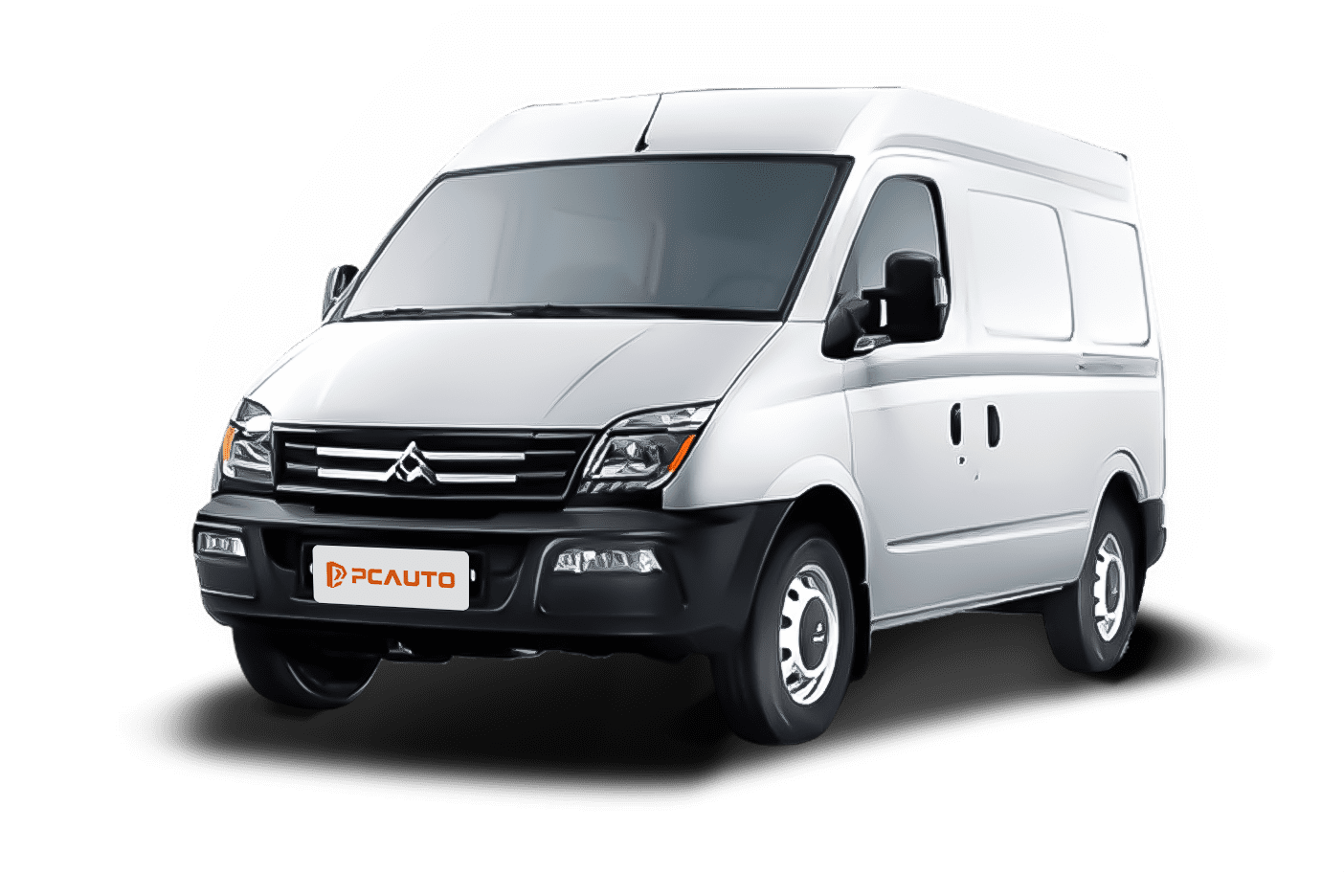
2018 Maxus V80 Panel Van is a high-roof, long-wheelbase commercial vehicle that balances practicality for transporting passengers and cargo, featuring low fuel consumption diesel power and practical configurations such as a 220V power supply, designed for small and medium-sized business owners and fleet operators.