

Toyota Yaris 2019 Review

 Share
Share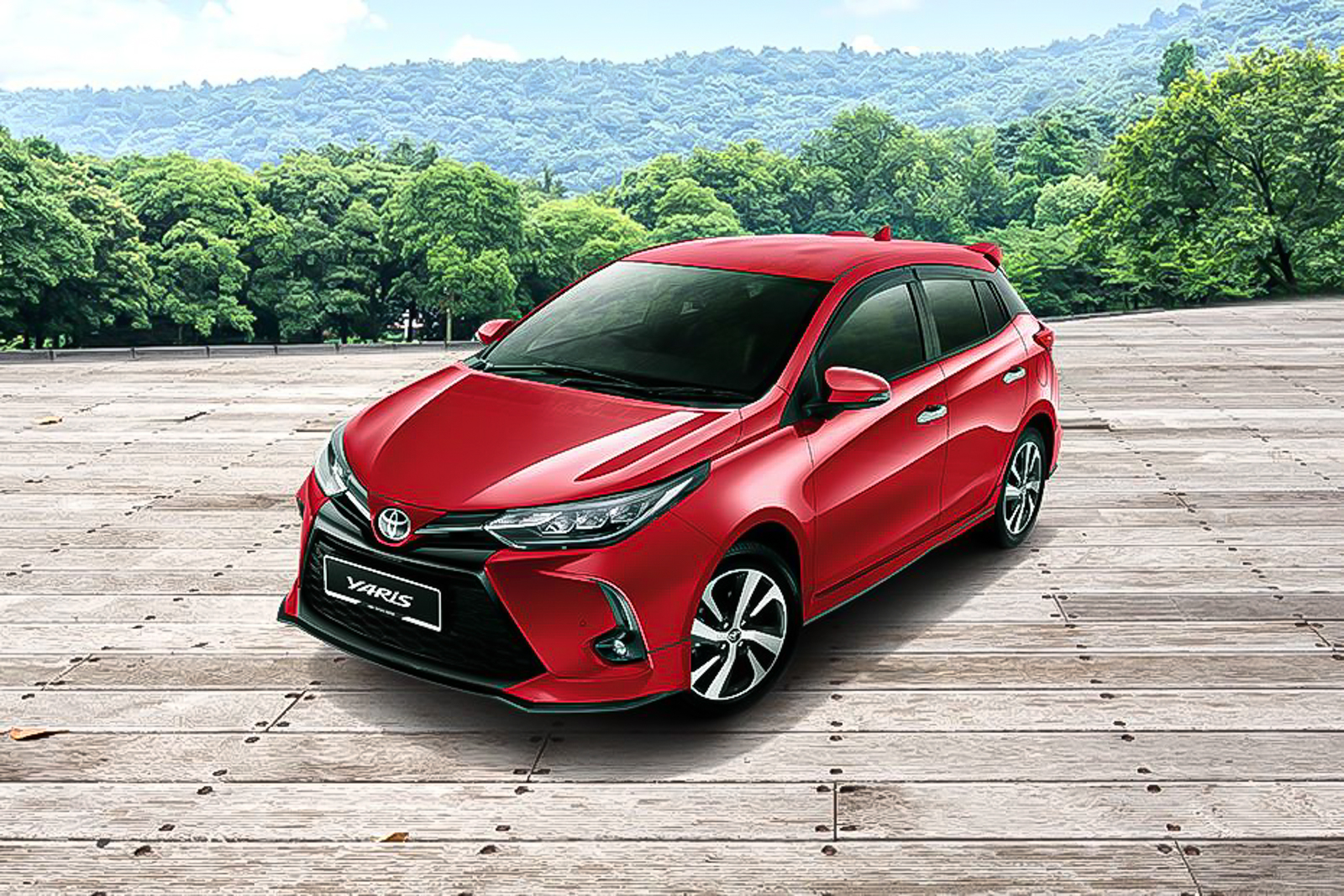
 Segment
 Body Type
 Capacity(L)
 Engine Power(PS)
 Transmission
 Driven Wheels
In the local B-Segment hatchback market, "value for money" has always been a core consideration for most consumers — a car needs to meet the durability requirements for daily commuting, incorporate practical basic configurations, and remain within budget. The 2019 Toyota Yaris 1.5J, as the entry-level model of the series, enters the market with a price tag of RM 70,888, with its key selling point being a balanced combination of “high safety features + basic comfort functionalities.” In this test, we'll focus on whether this entry-level model can meet the core needs of family users or first-time car buyers within a limited budget.
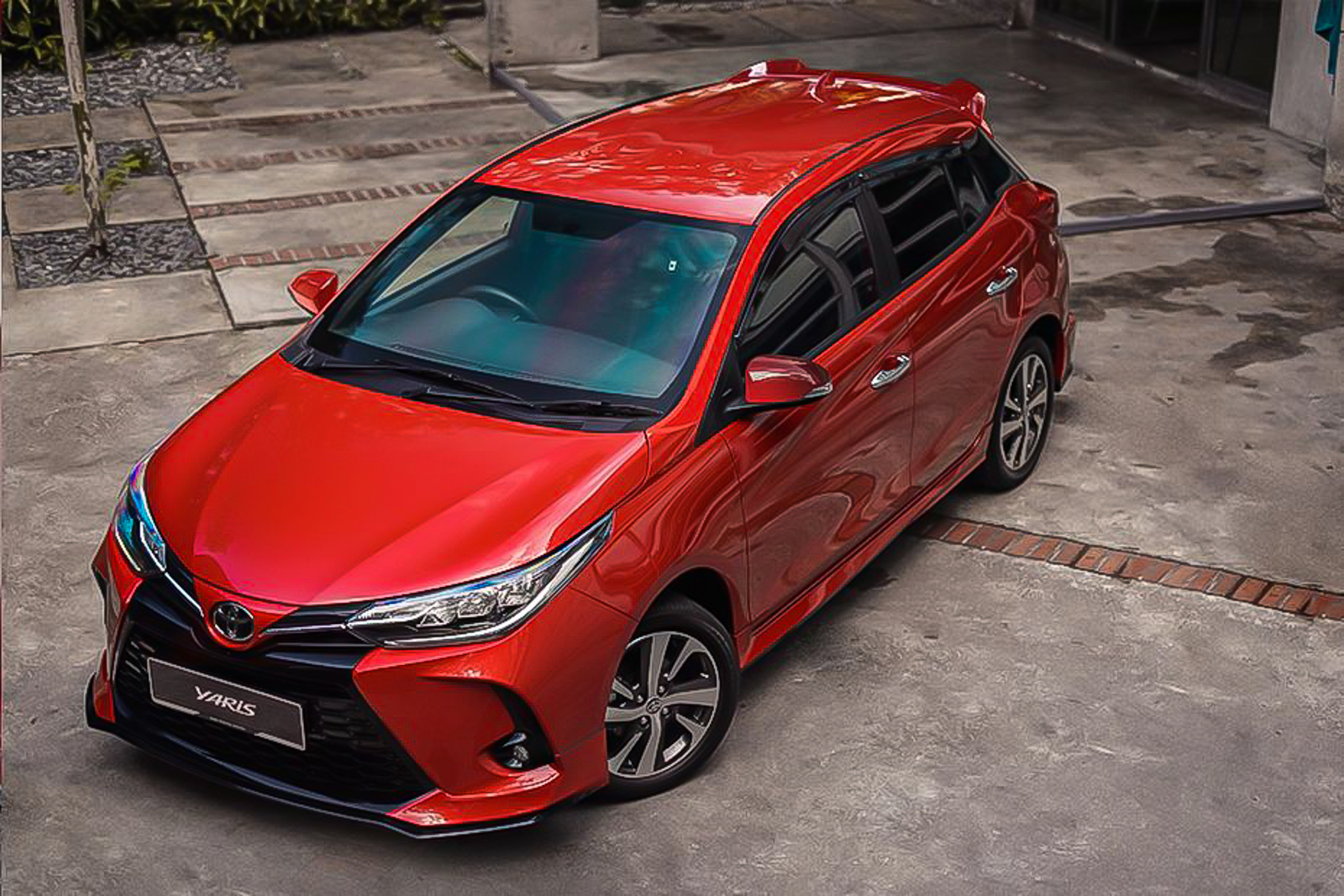
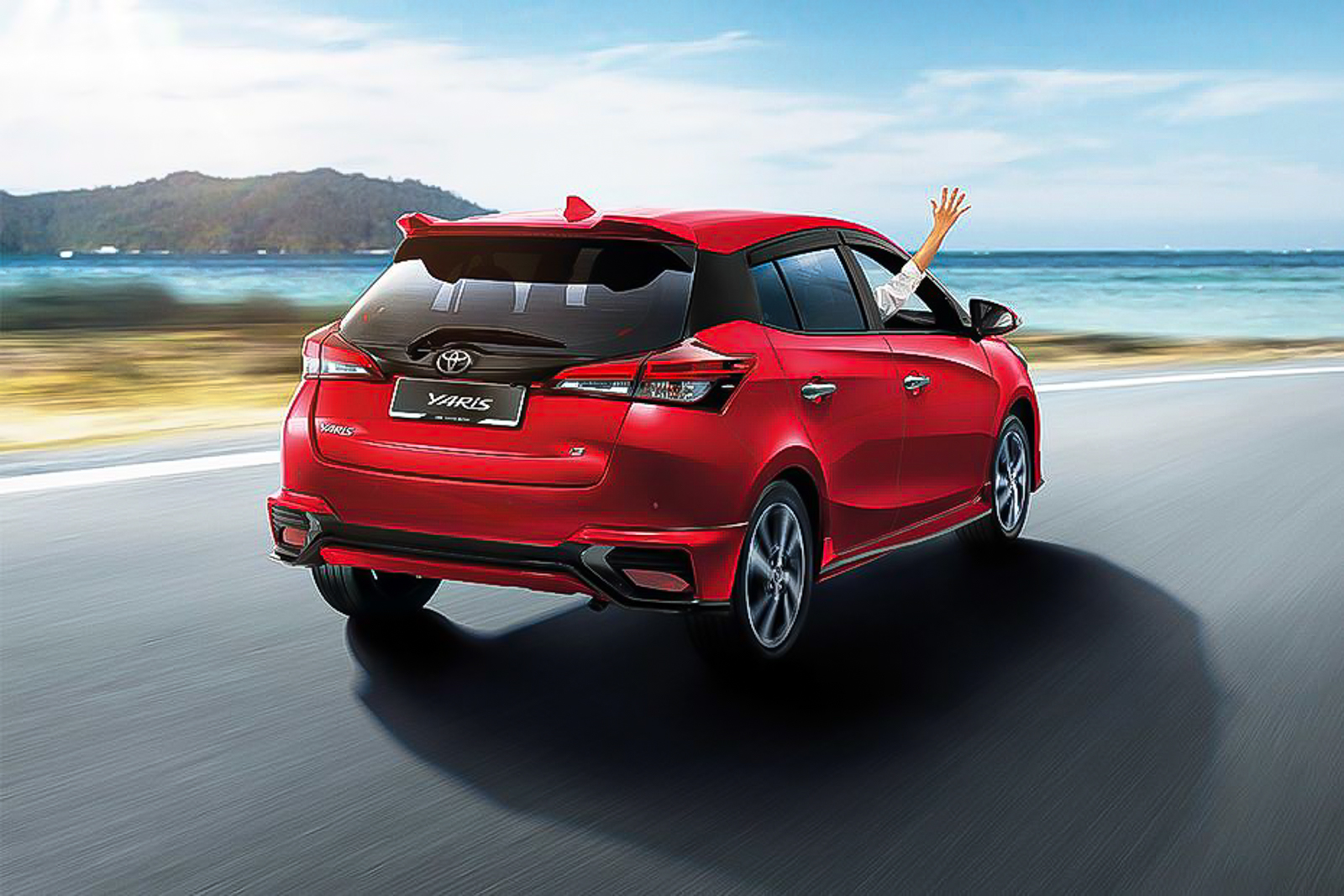
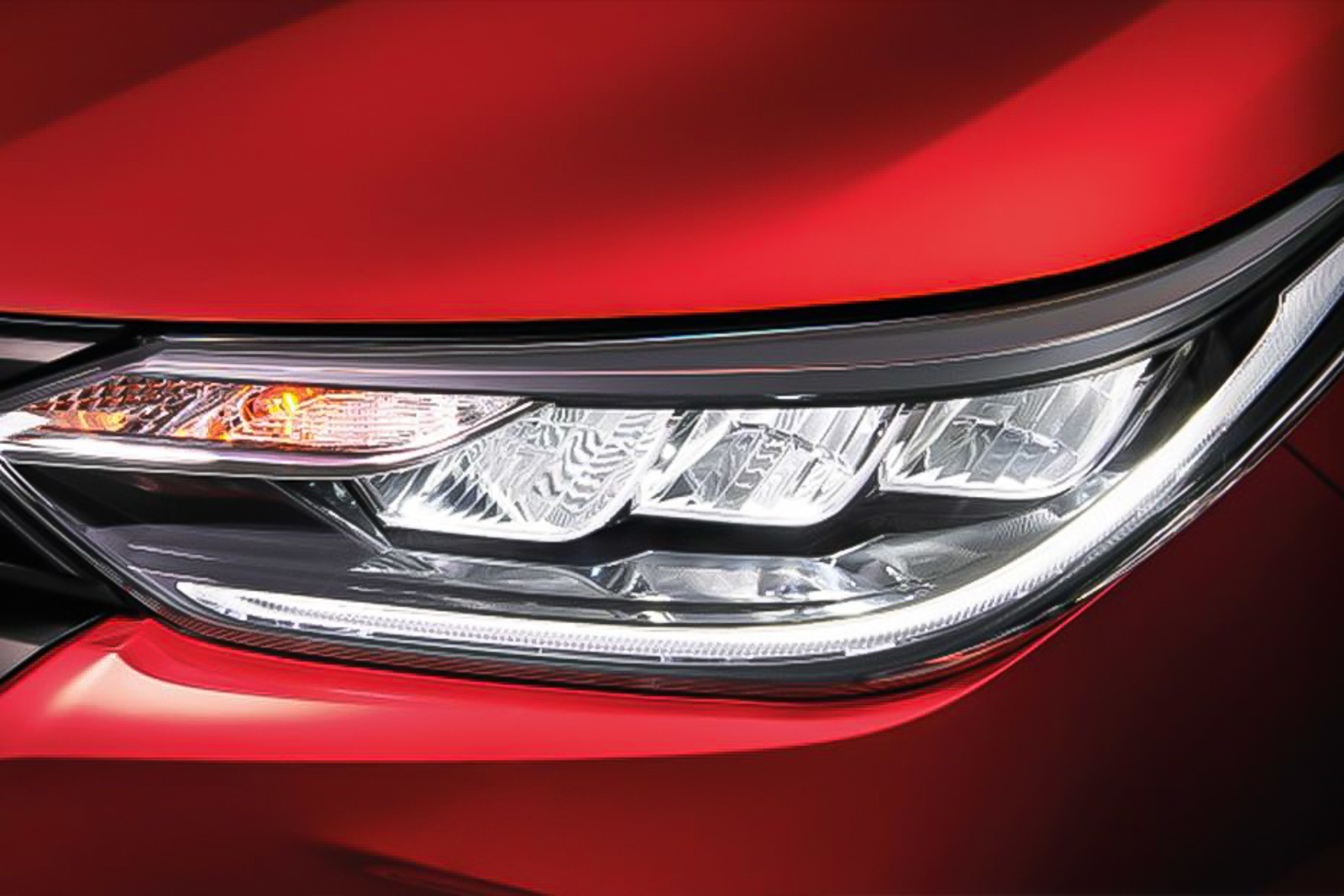
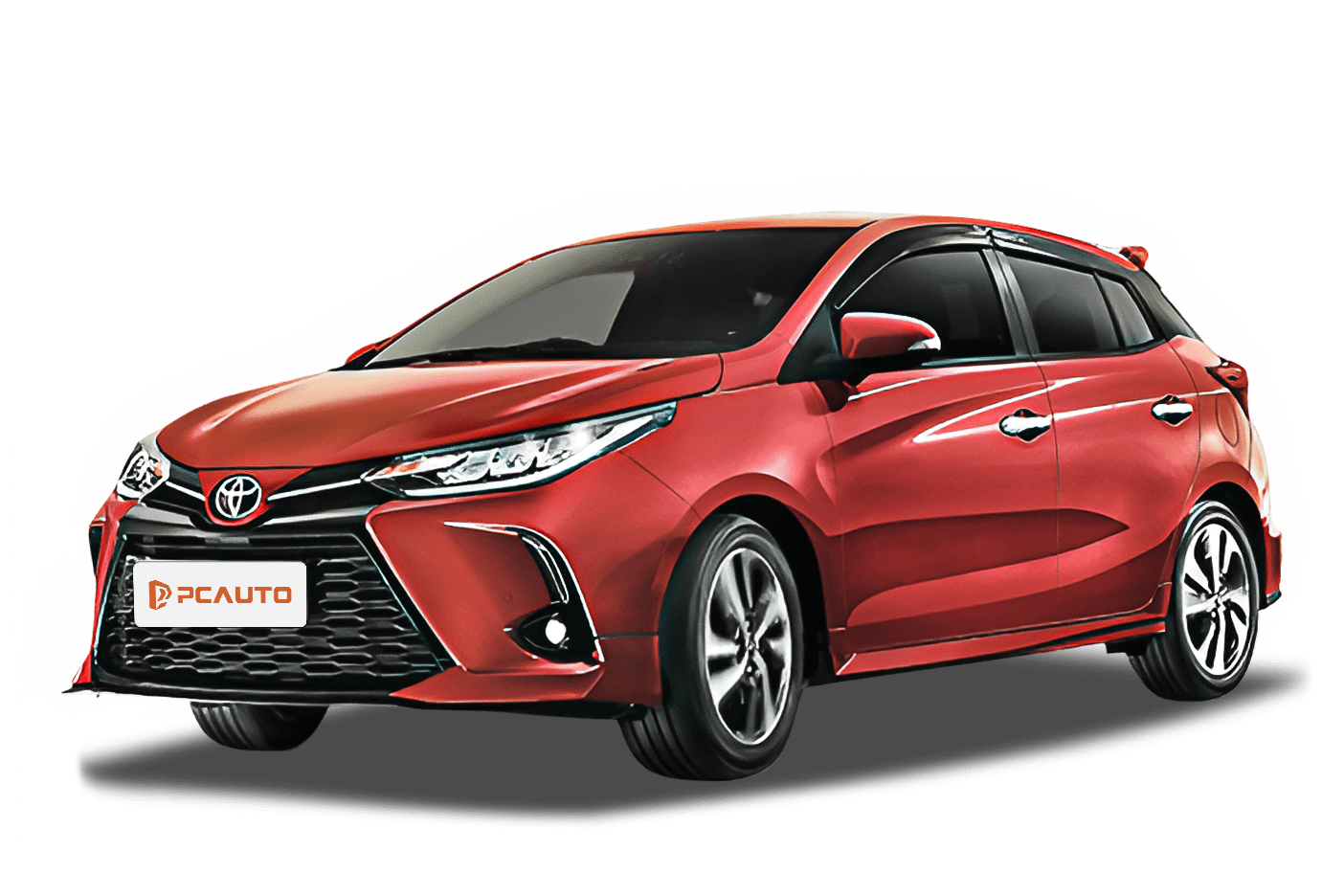
Starting with the exterior, the 1.5J continues the youthful style of the Yaris family, featuring a streamlined, compact design that aligns with the agile positioning of a hatchback. The front features Toyota's signature trapezoidal grille, adorned with chrome trim. Although it lacks the LED headlights of higher trims, the standard halogen automatic headlights and daytime running lights are sufficient for daily lighting needs. The side profile showcases a waistline extending from the fender to the rear, paired with 185/60R15 tires, creating a well-balanced visual proportion. The rear design is relatively simple, with the addition of a rear fog lamp and spoiler enhancing its recognizability. Overall, it adopts a practical, timeless design with minimal flamboyance.
Stepping inside, the 1.5J's interior uses black as the primary color, with a clear and straightforward center console layout. Although the materials are mainly hard plastic, the seams are neatly handled, avoiding an obvious sense of cheapness. A 6.8-inch touch screen serves as one of the core features, supporting basic multimedia functions and operating smoothly. The steering wheel is made of standard plastic without multifunction buttons but feels comfortable to grip. The seats are fabric, with manual adjustments for the front seats. The side bolsters are average, but the soft padding ensures that long-term sitting does not cause significant fatigue. In the rear space, thanks to a 2550mm wheelbase, a passenger around 175cm tall will have approximately two fist widths of legroom, and the headroom is ample. The rear row is equipped with air conditioning vents and a 220V power outlet. Along with the 60:40 split-folding rear seats, it is convenient for daily loading or transporting family members. The trunk has a capacity of 286 liters, enough to fit two 20-inch suitcases, meeting the needs for short trips.
In terms of power, the 1.5J is equipped with a 1.5L naturally aspirated engine, delivering a maximum horsepower of 107PS and a peak torque of 140N·m (Note: The torque value is not directly provided in the specification sheet, so this is based on conventional data for engines of the same displacement), paired with a CVT transmission. During actual driving, the power response at start is smooth, with no noticeable lag, making it suitable for low-speed urban crawling. When accelerating above 60km/h, stepping hard on the accelerator triggers the CVT to simulate gear changes, providing linear power output, but you will need to plan ahead for overtaking on highways. The suspension uses a front MacPherson independent setup, tuned for comfort. It absorbs most minor bumps when passing speed bumps or uneven road surfaces, without harsh impacts. The steering is light, and the directional precision is average, but it is user-friendly for new drivers. In terms of handling, the body roll is well controlled within reasonable limits, and stability during cornering is decent, sufficient for daily commuting. Fuel economy is a highlight, with a city fuel consumption of approximately 6.5L per 100km and around 5.2L per 100km on highways. A full tank (42L fuel tank) can provide a range of over 600km, meeting expectations for a family car's fuel efficiency.
In terms of comfort details, the 1.5J does a decent job with noise control. At speeds below 60km/h in the city, tire and wind noise are not noticeable; at highway speeds of 100km/h, wind noise slightly increases but does not affect normal conversation. The fabric material of the seats has good breathability, making long rides in summer less stuffy; the manual air conditioning cools quickly, and the single-zone control meets basic needs.
In summary, the core advantages of the 2019 Toyota Yaris 1.5J are clear: features like 7 airbags, keyless entry, and automatic air conditioning are at a mid-to-high level among similarly priced B-Segment vehicles. In particular, the safety features have not been compromised despite it being an entry-level model. Its low fuel consumption and adequate space cater to the practical needs of family users. When compared with competitors in the same class, such as the Honda Jazz 1.5 S (priced at RM 77,311), the 1.5J is nearly RM 7,000 cheaper, with only minor differences in configuration, making it more cost-effective. However, it does have obvious shortcomings—lacking a multifunctional steering wheel and featuring fabric seat materials, with detailed configurations not as refined as higher-end versions.
Overall, the 1.5J is more suitable for consumers with a limited budget who value practicality and safety, such as young first-time car buyers or families of three. It's very suitable for daily commuting, school pickups, or short trips. If you are looking for more comfort-oriented features, consider increasing your budget to get the 1.5E. However, if your core need is "just enough," the 1.5J is undoubtedly the more rational choice.
Toyota Yaris Car Compare

Toyota Yaris Loan Calculator
More Toyota Reviews
Cars With Similar Price And Features
4
Rank in Hatchback
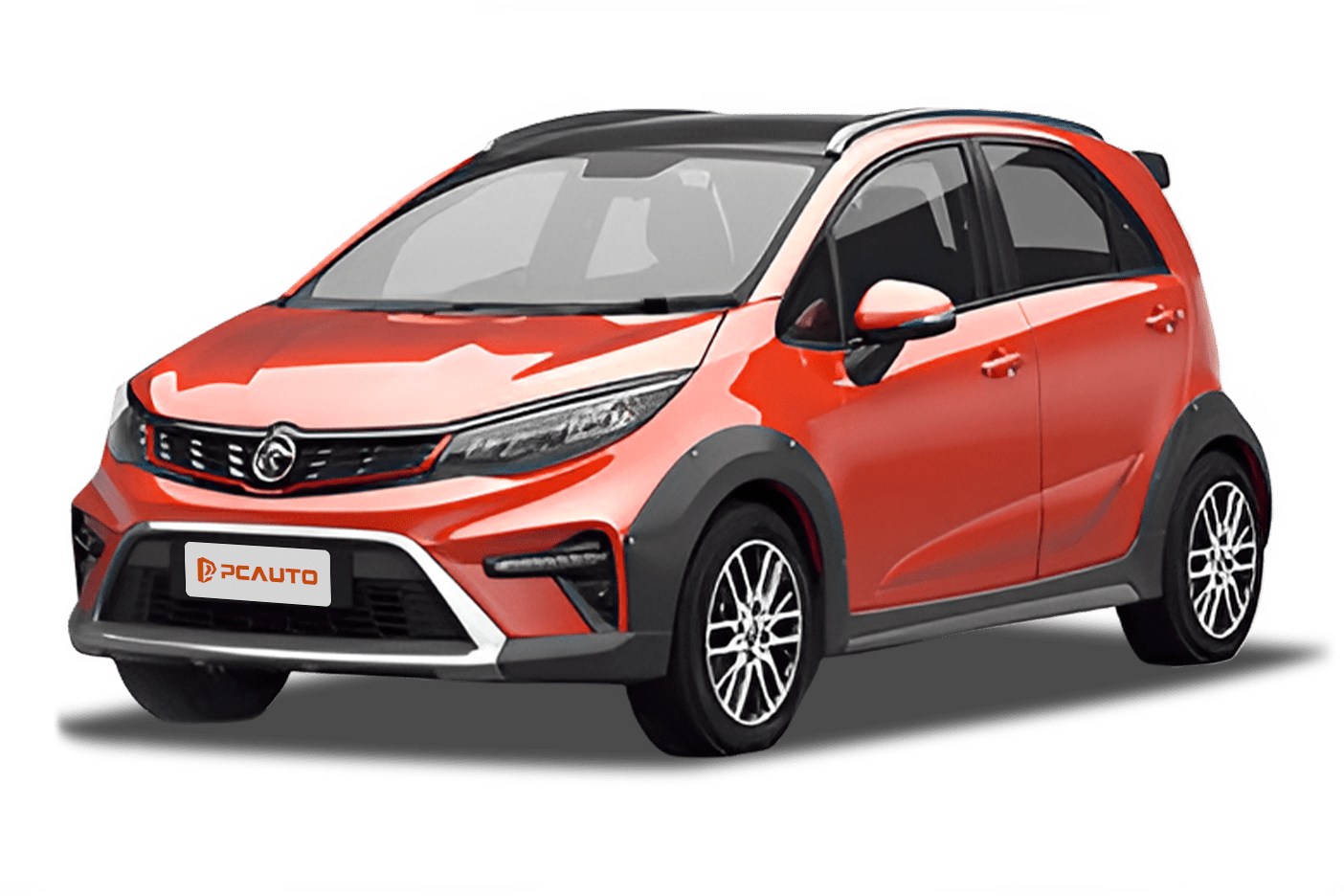
2023 Proton Iriz 1.3 Standard CVT is an affordable, well-balanced entry-level B-segment hatchback with safety features, suitable for budget-conscious families focusing on safety and practicality for daily commuting.
2
Rank in Hatchback

2023 Perodua Myvi 1.3 G with PSDA is an affordable B-segment hatchback, combining practical space, basic features, and PSDA safety assistance, suitable for family commuting.

2022 Ford Fiesta public is a B-Segment model with responsive power, economical fuel consumption, and rich safety features, suitable for young families or individual users who prioritize driving experience and safety.
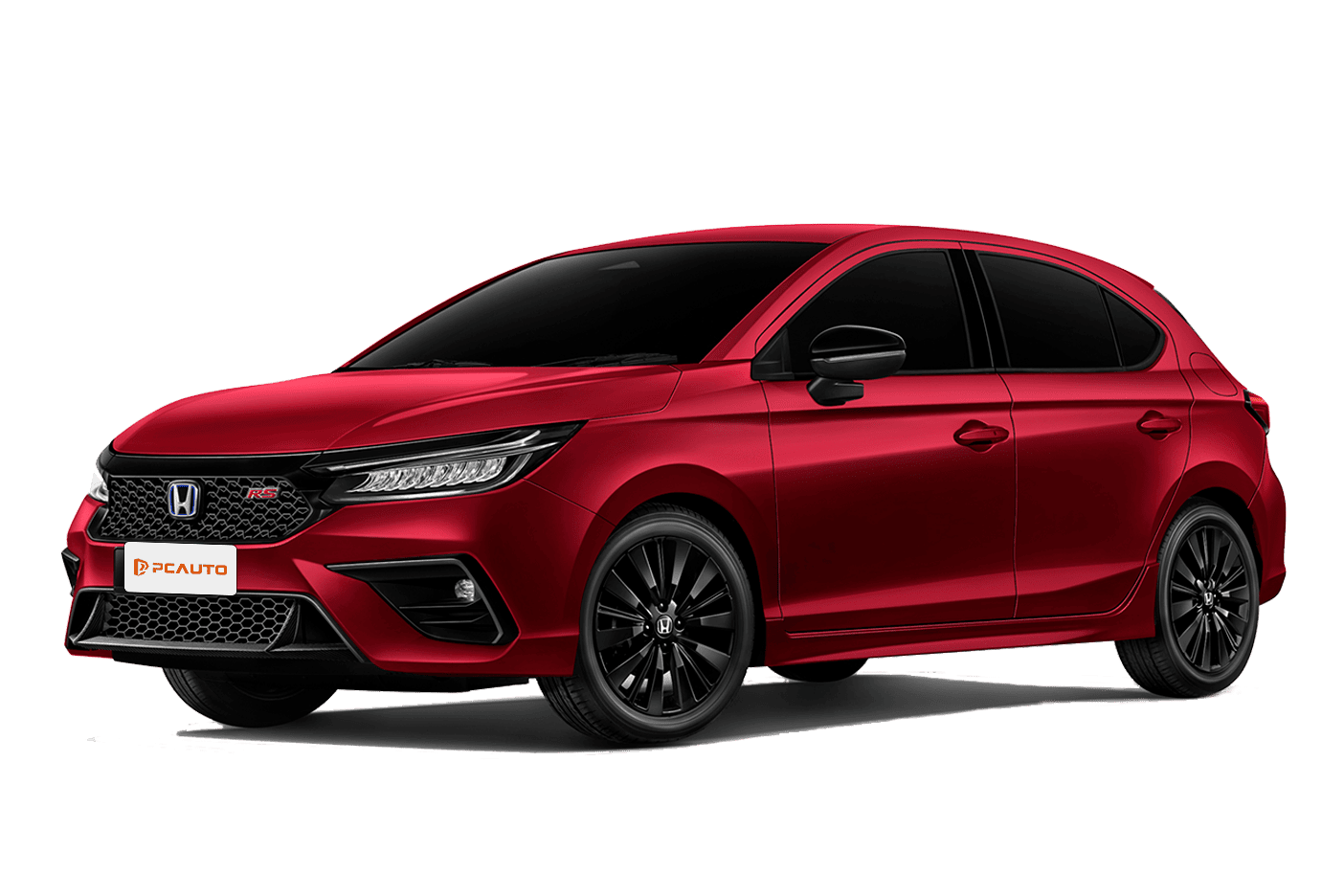
2024 Honda City Hatchback 1.5 S, as a high-value entry-level hatchback, comes standard with Honda Sensing and 6 airbags, offering practical space, economical fuel consumption, and balancing safety with daily commuting needs.