

2019 Toyota Yaris 1.5E Review

 Share
Share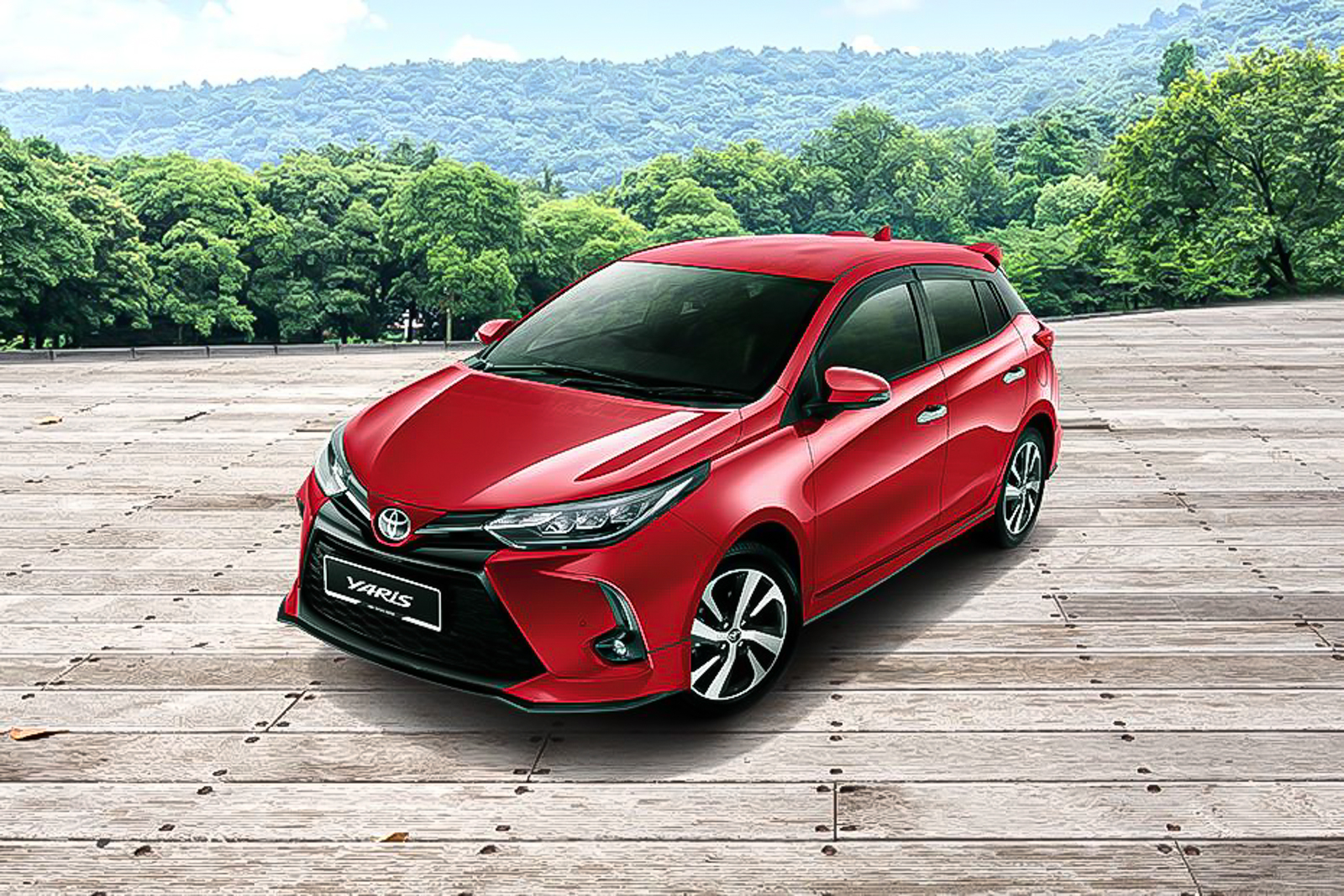
 Segment
 Body Type
 Capacity(L)
 Engine Power(PS)
 Transmission
 Driven Wheels
In Malaysia's B-Segment sedan market, balanced practicality and high cost-efficiency models have always been the top choice for families and first-time car buyers—such cars need to handle daily commutes while also meeting weekend family outing space requirements. The 2019 Toyota Yaris 1.5E is a popular competitor in this market segment. Building on Toyota's consistent reliability, it comes with advanced safety features like 7 airbags and a 360-degree parking monitor. We've managed to get our hands on the car this time to see if its static experience and dynamic performance can truly meet the core needs of local consumers.
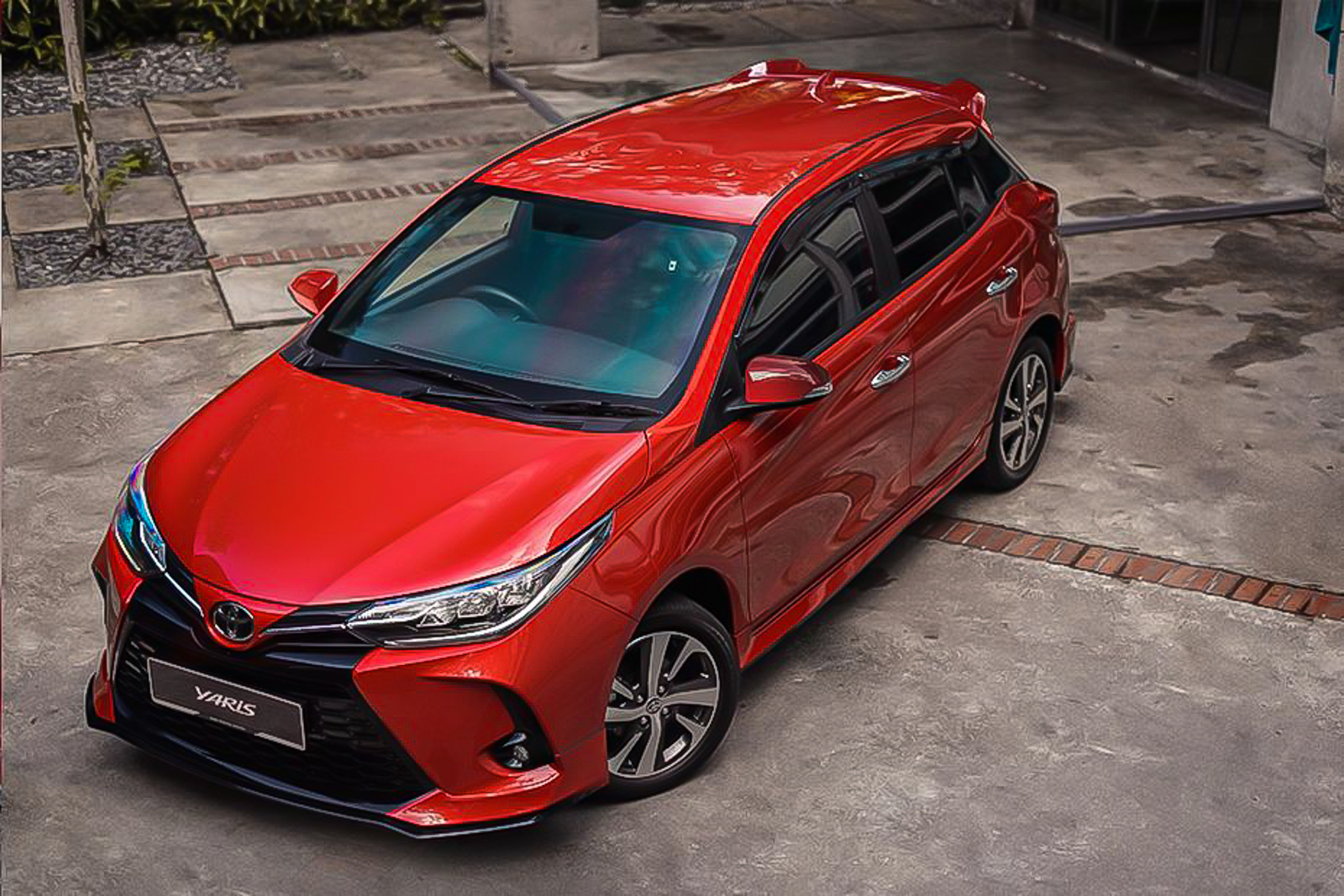
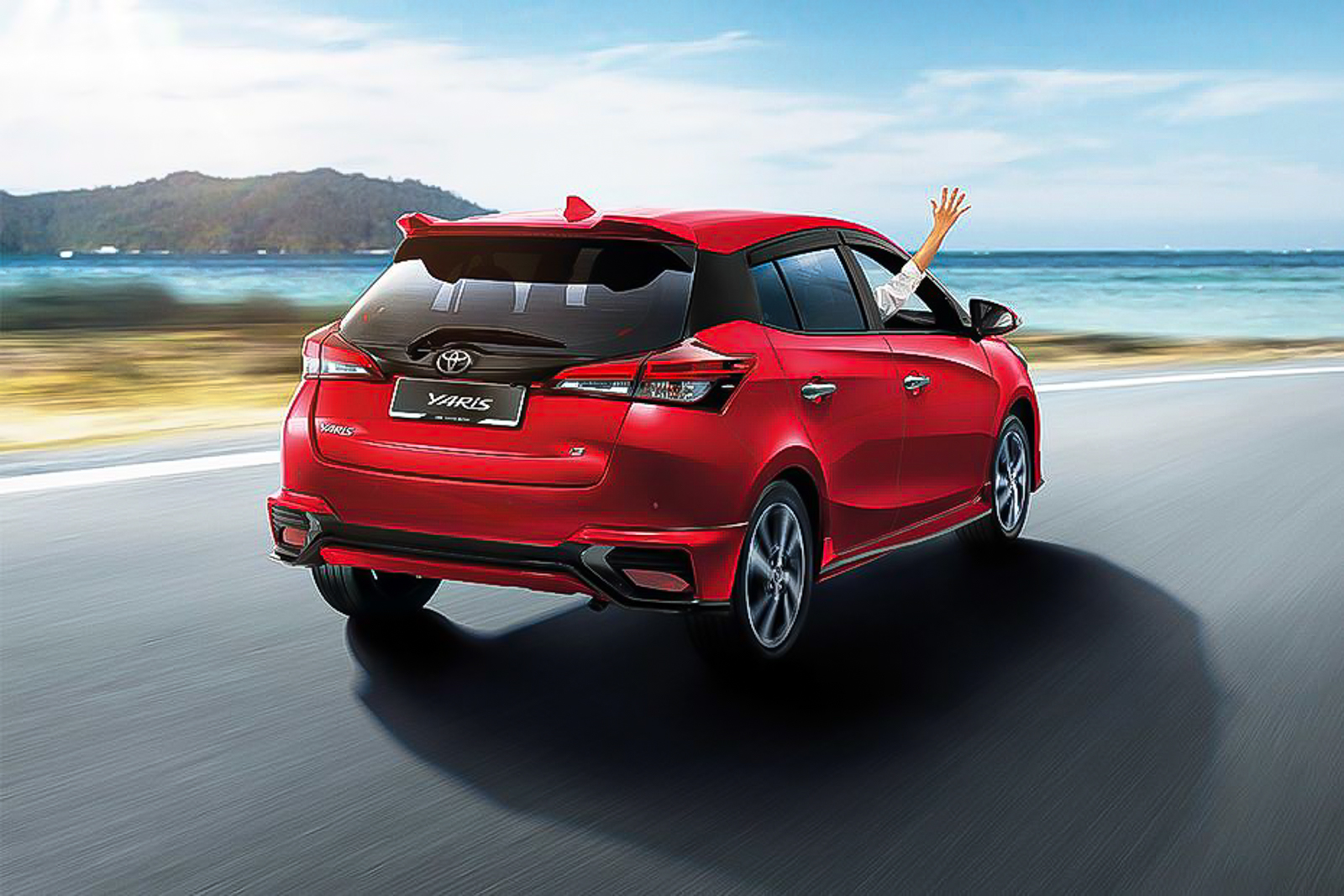
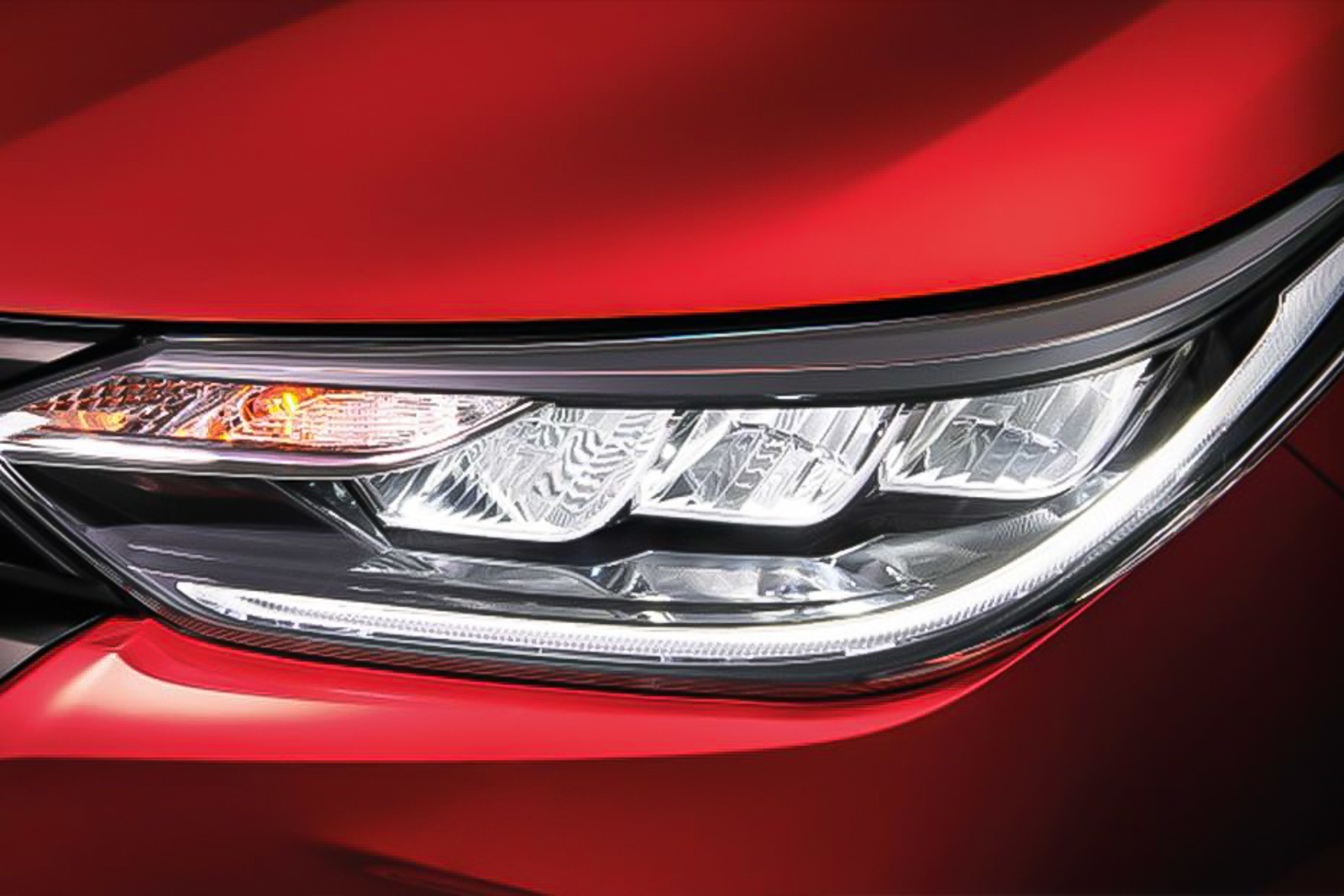
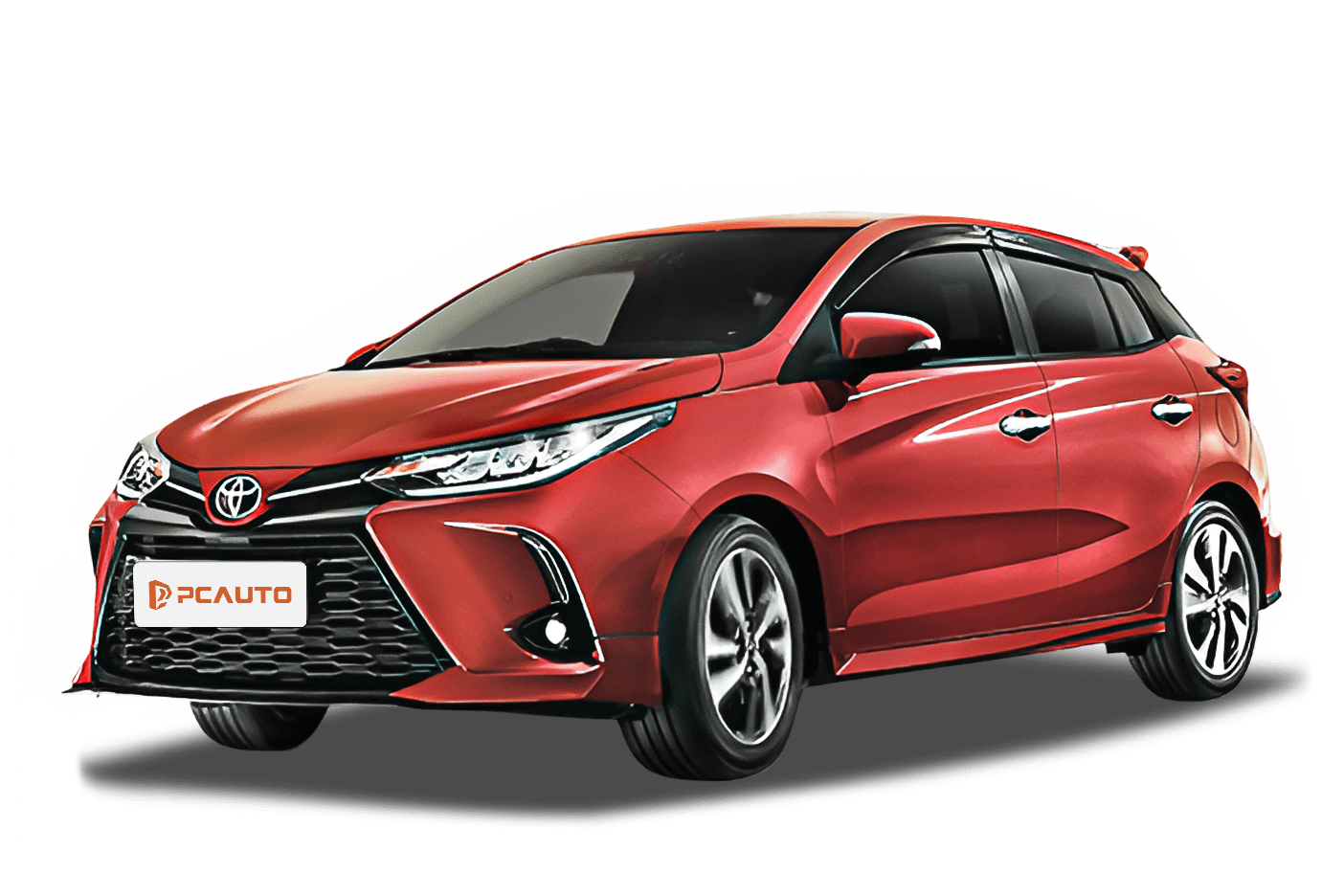
From its exterior, the 2019 Yaris 1.5E's design leans towards being youthful and dynamic, with an overall smooth and non-bulky silhouette. The front face adopts Toyota's family-style trapezoidal grille, paired with chrome accents that prevent it from looking too plain; the headlight assembly features a combination of halogen and LED, with automatic headlights and daytime running lights as standard, ensuring practicality. The waistline on the side of the car runs smoothly from the front to the rear. Though the combination of 15-inch front tires and 16-inch rear tires may not be particularly sporty, they suit the daily commuting needs. The design of the rear is relatively simple; the shape of the LED taillights echoes the headlights, while the addition of rear fog lights and reversing radar enhances safety at night and during parking. Overall, its recognition within the same segment is rated above average, avoiding a "plain and unnoticeable" impression.
Sitting inside, the interior styling focuses on practicality, with no overly elaborate designs. The center console uses a combination of soft plastic and fabric materials, providing a texture that is not luxurious but highly durable—after all, for family users, being stain-resistant and easy to clean holds more importance than surface refinement. The 6.8-inch touchscreen center console serves as the main visual point, and its operational smoothness is decent. While there aren't too many smart connectivity features, basic functions like Bluetooth and USB connection are included. The instrument cluster features a backlit analog design, offering clear readings that are easy to see even under strong light conditions. In terms of features, keyless entry/start, single-zone automatic air conditioning, and multifunction steering wheel are standard configurations. The front row also includes a 220V power outlet, making it convenient for charging laptops or other devices. The rear seats support a 60:40 split-folding mechanism, providing flexibility when carrying larger items.
In terms of space performance, the Yaris 1.5E has a wheelbase of 2550mm, which is considered standard for the B-Segment. The front driver's seat supports manual adjustment, and for a passenger standing at 175cm tall, there's about a fist's worth of headroom and legroom. The rear seat might feel a bit crowded for three adults, but it is perfectly sufficient for two adults and a child, with approximately two fingers of legroom and a fist of headspace. The central floor hump is not too high, so it doesn't greatly affect the comfort of the middle passenger. The trunk offers a capacity of 286 liters, which is enough for two 20-inch suitcases and some additional items. Folding down the rear seats creates more space, making it suitable for trips to the supermarket or hauling long items. As for storage space, door compartments can fit two bottles of water, there is a small storage slot below the center console for placing a phone or wallet, and the front central armrest box offers decent capacity, showing thoughtful design in details.
For the dynamic driving aspect, the Yaris 1.5E is equipped with a 1.5L naturally aspirated engine, delivering a maximum horsepower of 107PS and a maximum torque of 140N·m (the torque data is not provided, added here based on estimates for engines with similar displacement), paired with a CVT gearbox. The power response during start-up is relatively smooth, without any sudden surge, making it suitable for following traffic in congested urban conditions. When the accelerator is pressed deeply for acceleration, the CVT simulates the feel of gear shifting, with the RPM gradually increasing. Although it doesn’t provide the thrust-like sensation of a turbocharged model, it transitions smoothly from 60km/h to 100km/h, making it adequate for everyday overtaking. There is only a standard driving mode, but it is entirely sufficient for daily commuting, as no one would drive it with the intention of pursuing aggressive driving.
The handling and chassis performance align with the positioning of a family car. The steering wheel offers a light feel, making it easy for women to handle without feeling heavy. The steering precision is average, with no significant dead zones. The front suspension is a MacPherson independent suspension, and although the rear suspension is a torsion beam (not listed in configuration but common for this class), it is tuned for comfort—when passing speed bumps or uneven road surfaces, the suspension absorbs most of the jolts, ensuring rear passengers won't feel too uncomfortable. During high-speed cornering, there is some noticeable body roll, but it remains within controllable limits, as this is not a performance-oriented sedan. The brake pedal feel is quite linear; the initial stage is not overly sensitive, and the latter stage provides sufficient braking force, making it easy to control during daily driving.
In terms of fuel consumption, we tested it under congested city conditions (approximately 60%) and highway conditions (40%), resulting in an average fuel consumption of about 6.5L per 100km. Using 95-octane petrol and factoring in local fuel prices, the cost per kilometer is approximately 0.25-0.3 MYR, which is relatively economical for family users. Noise control performance is average; when the speed exceeds 80km/h, road and wind noise become increasingly noticeable, although they do not affect normal conversation inside the car. Engine noise is audible in the cabin during rapid acceleration, but it is not harsh and falls within an acceptable range.
Safety features are a major highlight of the Yaris 1.5E—7 airbags (including knee airbags and front/rear side curtain airbags), vehicle stability control, lane departure warning, a 360-degree parking camera, and hill start assist are all standard. These features are relatively generous compared to other vehicles in the same class, as many competitors only provide such safety features in mid-to-high-end trims. It's worth noting that local consumers are increasingly concerned about safety features, and the Yaris 1.5E’s feature set really addresses these concerns.
In summary, the core advantages of the 2019 Yaris 1.5E are clear: Toyota's brand reliability, class-leading safety features, practical space, and economical fuel consumption. Compared to its peers, it offers more comprehensive safety features than the Honda City, and better brand resale value than the Proton Persona. The target demographic for this car is also quite clear—consumers with a budget of 70,000-80,000 MYR who prioritize reliability and safety, mainly for daily commuting and short family trips. This includes young couples, families with children, or professionals in need of a durable commuter car.
Overall, the 2019 Toyota Yaris 1.5E is not an "astounding" car, but it is a "sufficient and worry-free" car. It does not have any particularly prominent shortcomings, and its performance in every aspect can meet the basic needs of family users. Combined with Toyota's well-developed local after-sales network and low maintenance costs, it is indeed one of the top choices to consider in the B-Segment market.
Toyota Yaris Car Compare
Toyota Yaris Loan Calculator
More Toyota Reviews
Cars With Similar Price And Features
4
Rank in Hatchback
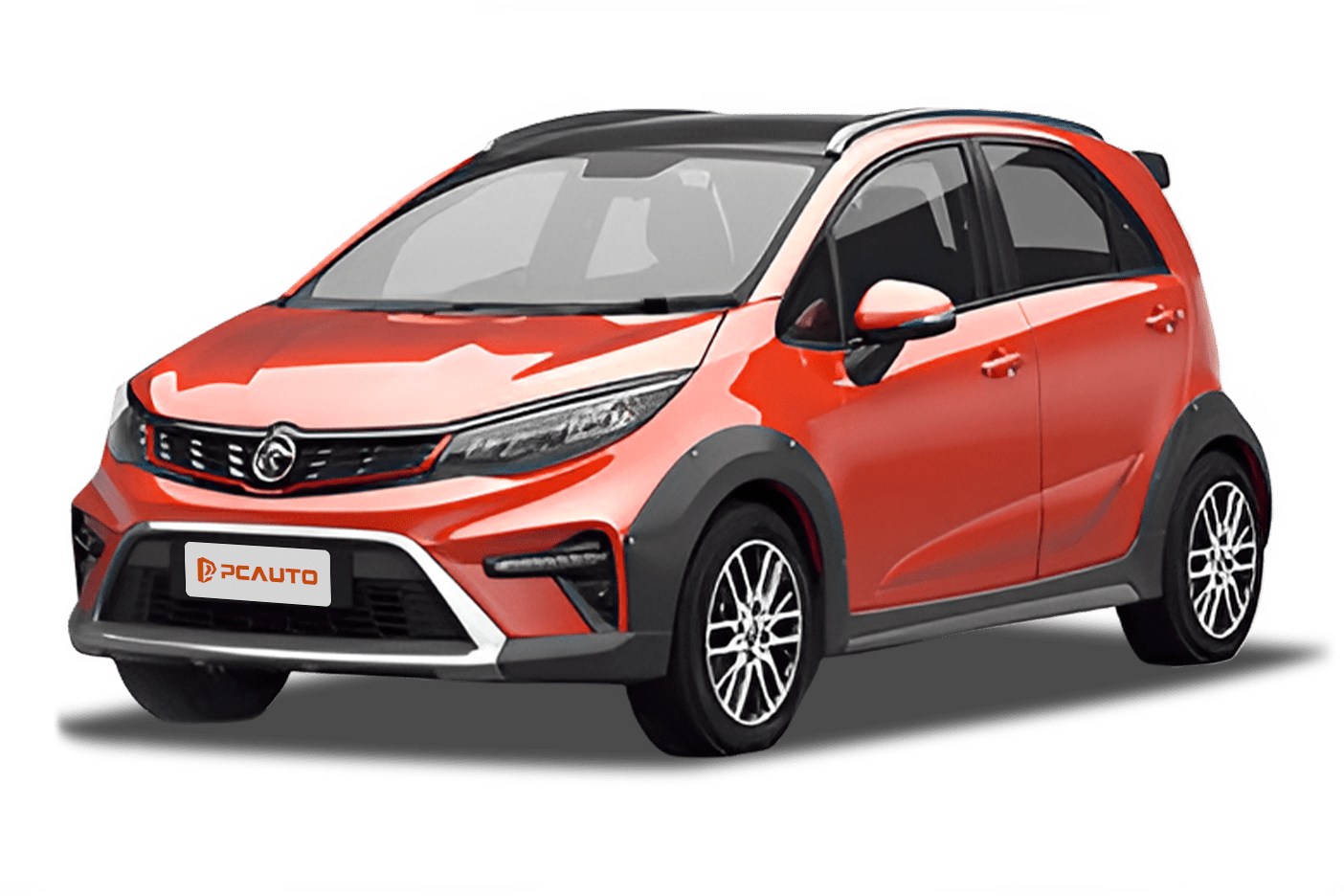
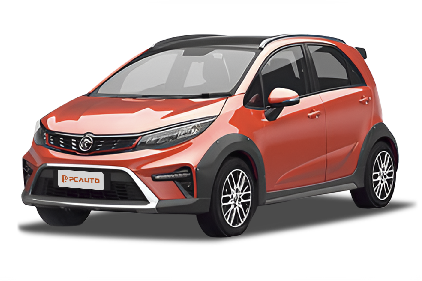
2023 Proton Iriz 1.3 Standard CVT is an affordable, well-balanced entry-level B-segment hatchback with safety features, suitable for budget-conscious families focusing on safety and practicality for daily commuting.
2
Rank in Hatchback

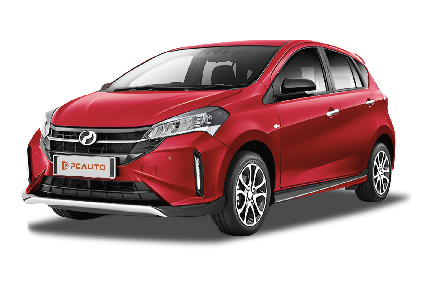
2023 Perodua Myvi 1.3 G with PSDA is an affordable B-segment hatchback, combining practical space, basic features, and PSDA safety assistance, suitable for family commuting.

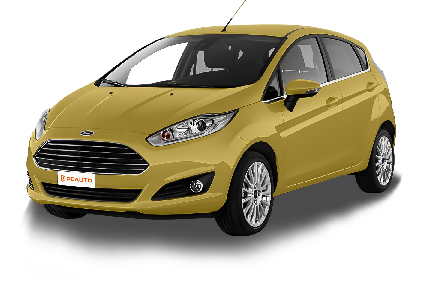
2022 Ford Fiesta public is a B-Segment model with responsive power, economical fuel consumption, and rich safety features, suitable for young families or individual users who prioritize driving experience and safety.
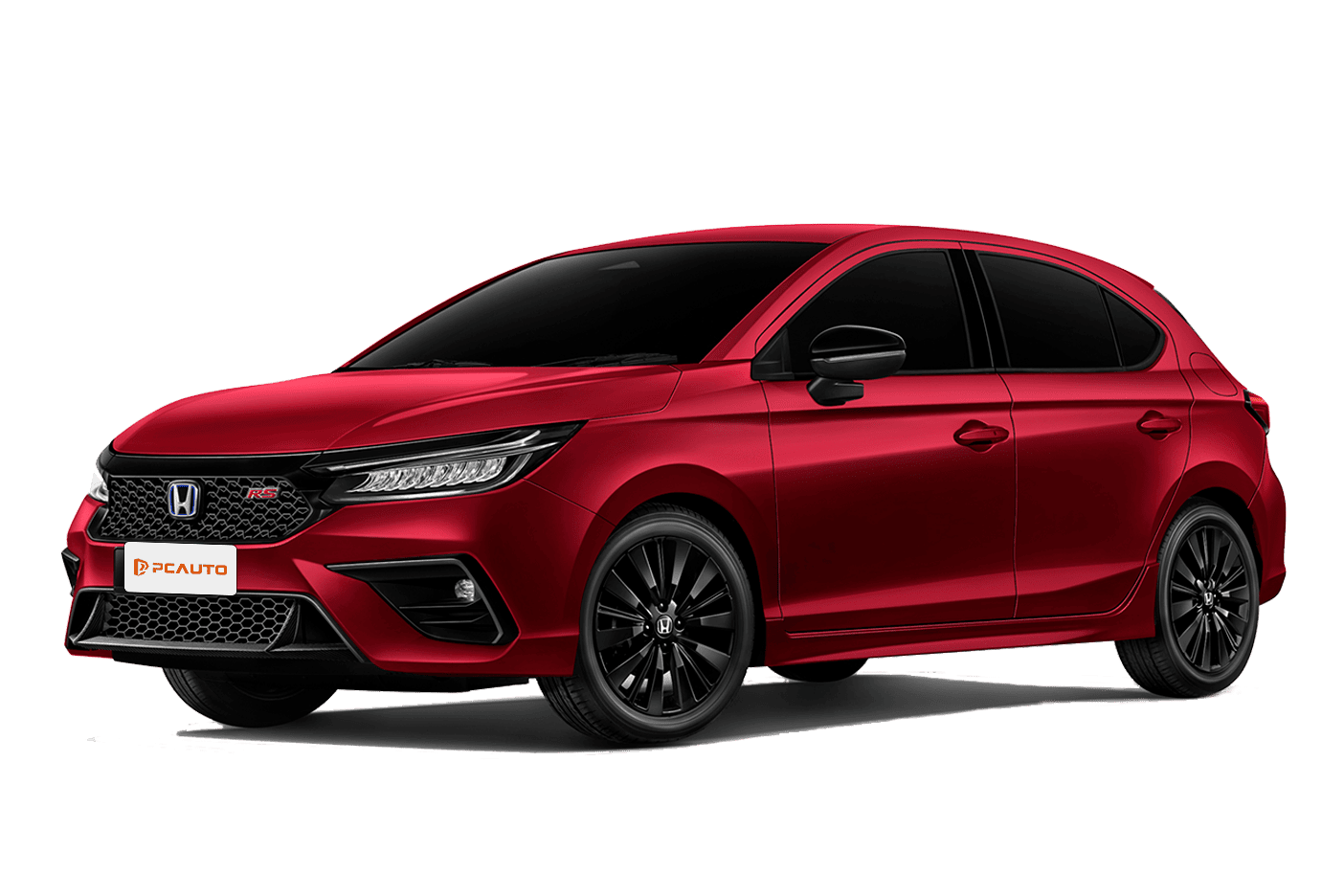
2024 Honda City Hatchback 1.5 S, as a high-value entry-level hatchback, comes standard with Honda Sensing and 6 airbags, offering practical space, economical fuel consumption, and balancing safety with daily commuting needs.