

Volkswagen Arteon 2020 Review

 Share
Share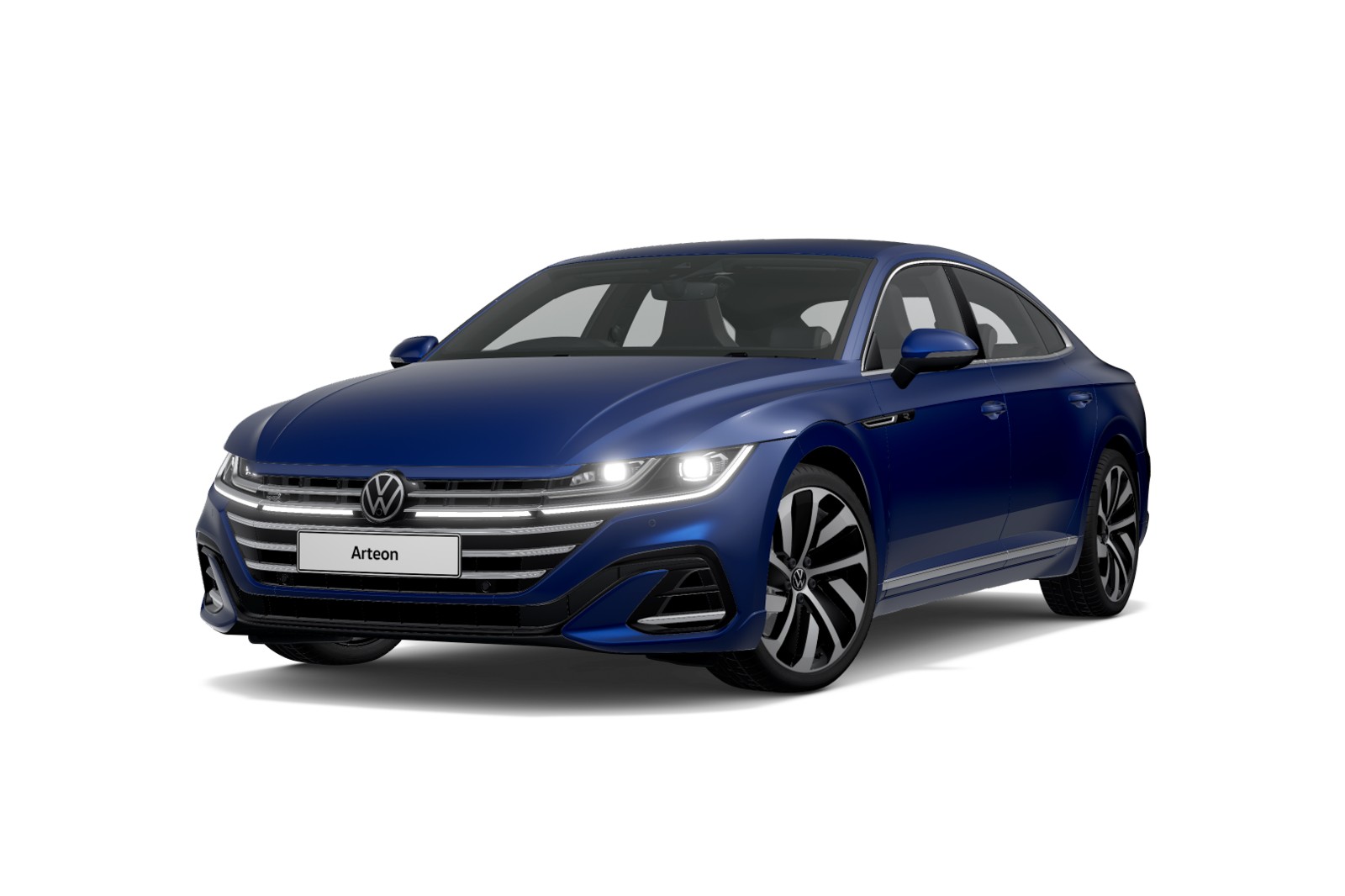
 Segment
 Body Type
 Capacity(L)
 Engine Power(PS)
 Transmission
 Driven Wheels
In recent years, competition in Malaysia's D-segment sedan market has gradually returned to rationality. Consumers no longer simply pursue the "big car" label but pay more attention to the balance of refined design, practical configurations, and driving quality. The 2020 Volkswagen Arteon 2.0 TSI R-Line, as the flagship coupe of the Volkswagen brand in this segment, enters the market with its core selling points of "frameless doors + luxury configurations." This test will focus on verifying its actual performance in daily usage scenarios and whether it can meet the dual demands of mid-to-high-end consumers for both "appearance" and "substance."
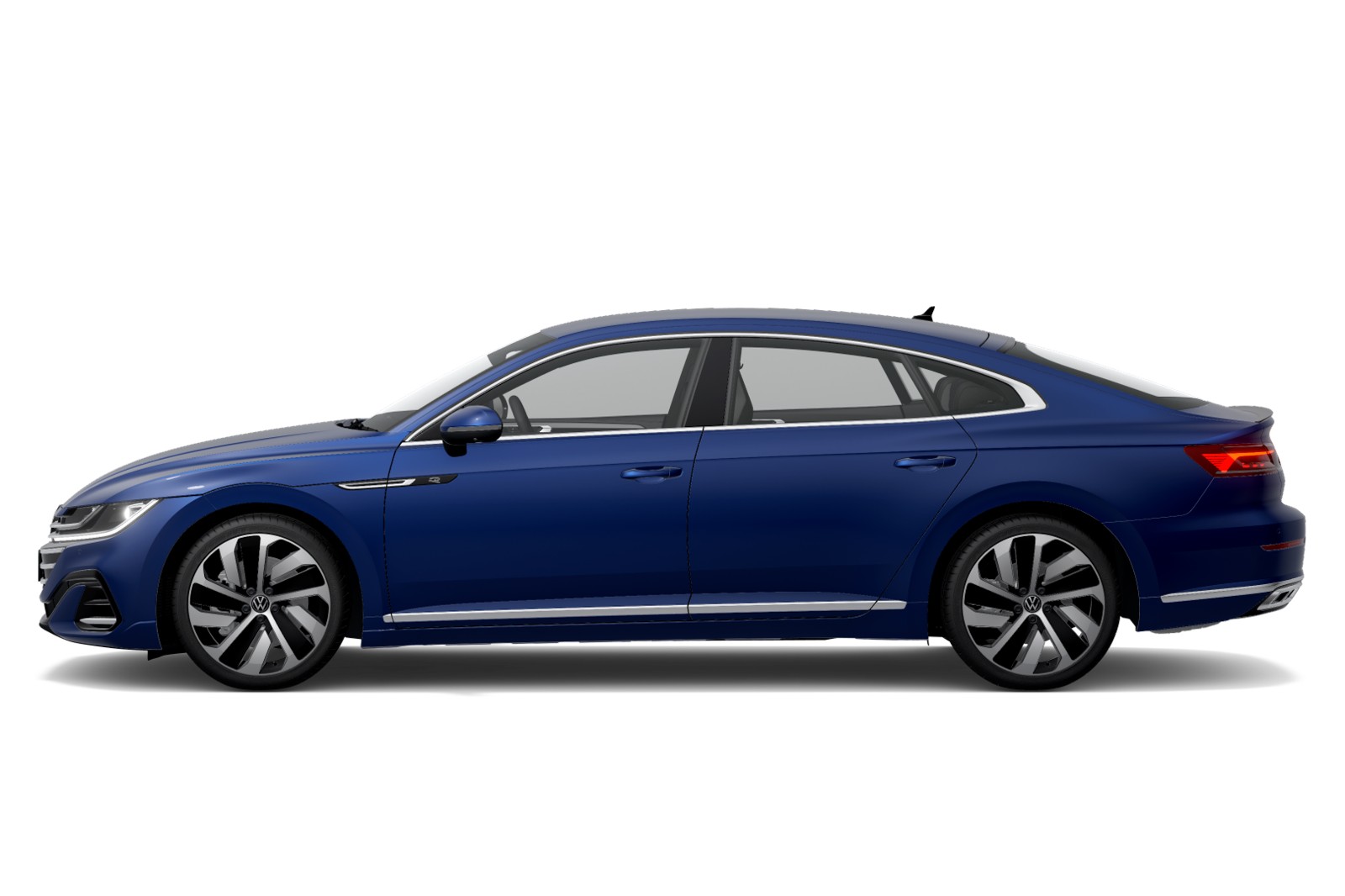
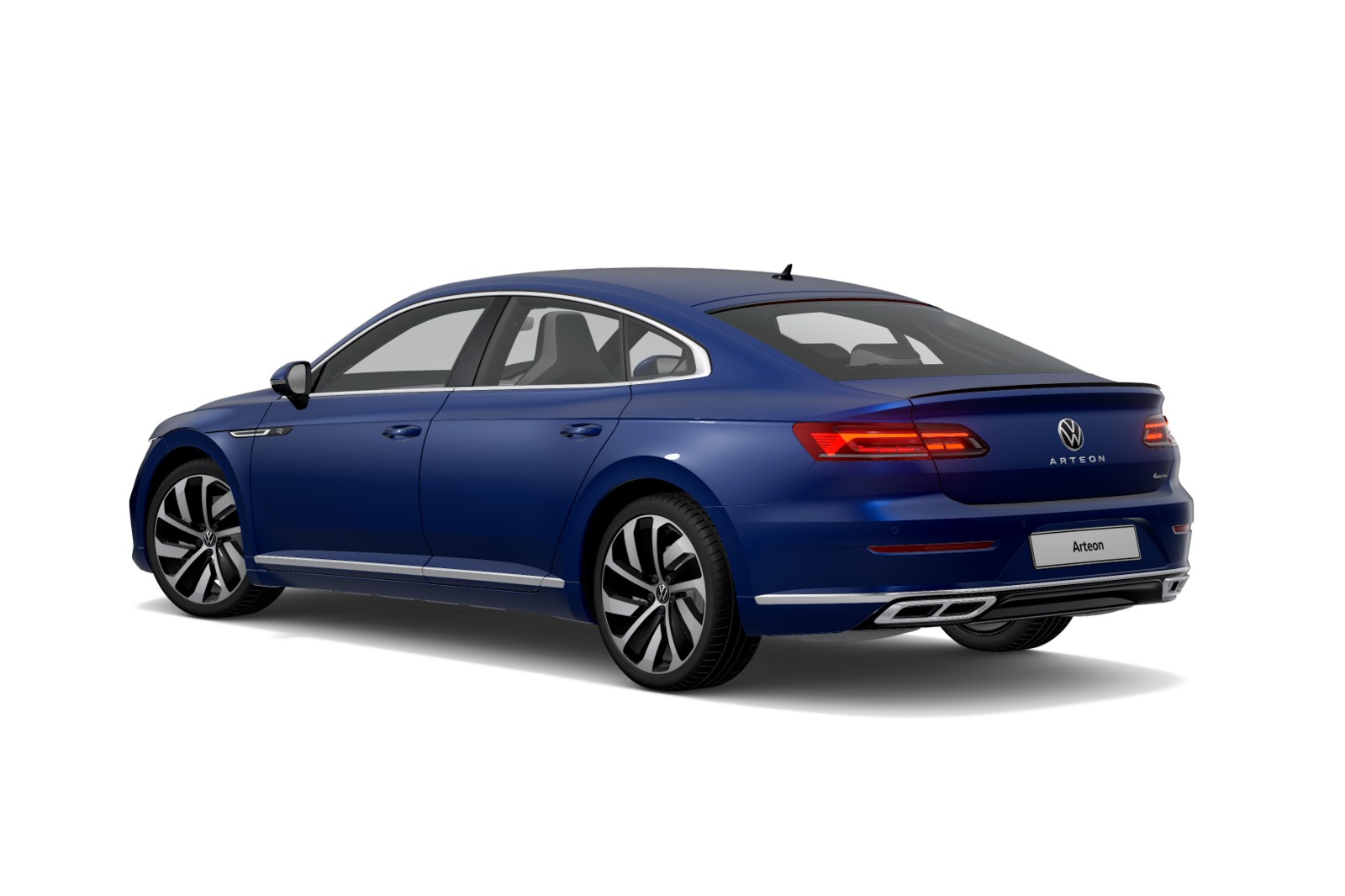
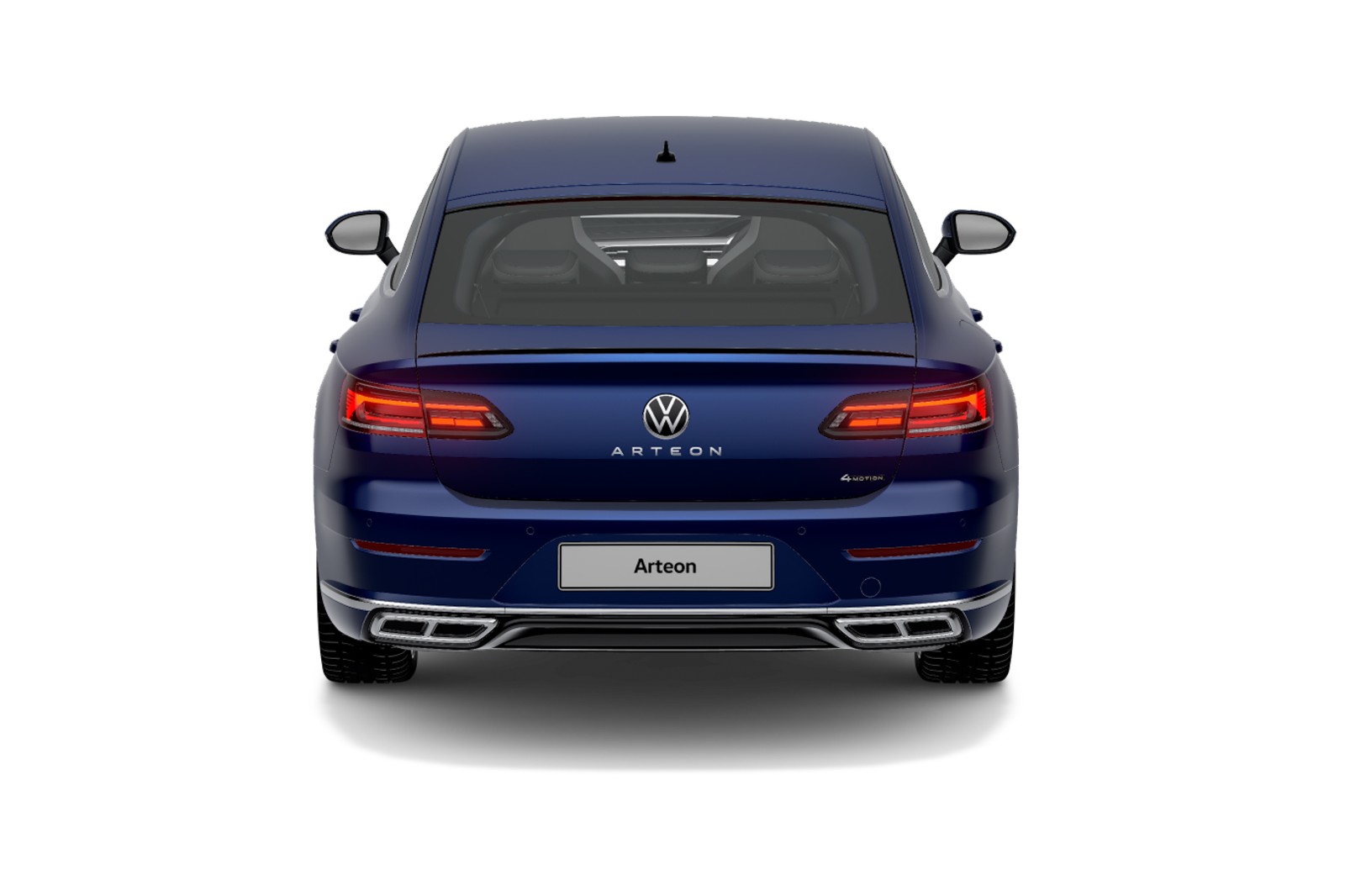
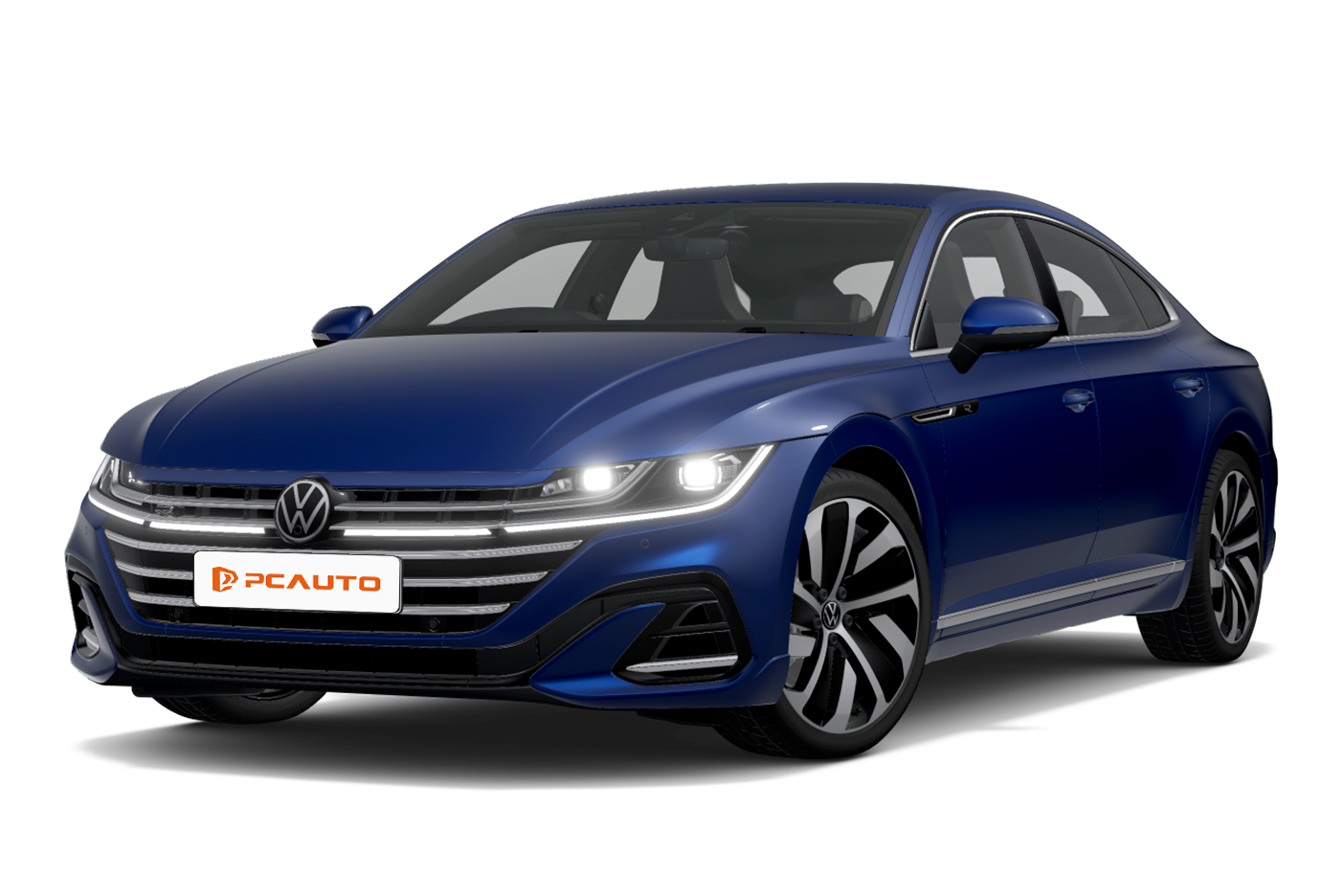
From the front, the Arteon R-Line adopts Volkswagen's family-style wide chrome front grille, directly connected to the LED headlights on both sides, stretching the visual width. The grille incorporates R-Line exclusive honeycomb-style panels, paired with the blacked-out air intakes on the lower part of the bumper, making it sportier than the standard version. The side profile of the car features smooth lines, with the coupe's signature fastback design extending from the A-pillar to the rear, complemented by 19-inch multi-spoke aluminum alloy wheels and 245/40 R19 tires, offering a coordinated and dynamic look. The rear design is relatively simple, with LED tail lights featuring a transverse design, which are highly recognizable when illuminated. The small ducktail spoiler on the rear trunk lid and the dual chrome exhaust pipes on both sides further enhance its sporty character. Notably, the doors feature a frameless design, which brings a significant sense of ceremoniousness when opened, a detail that's relatively rare in the same segment.
Opening the doors reveals an interior with a level of luxury that exceeds expectations. The dashboard is crafted with soft-touch materials and piano black panels, with some areas featuring stitching details, offering a tactile and visually pleasing experience that aligns with the D-segment positioning. The 11.7-inch fully digital instrument cluster paired with the 9.2-inch touchscreen infotainment system forms a dual-screen setup with clear and smooth interfaces that support gesture control and CarPlay connectivity. The air conditioning control area retains some physical buttons, avoiding the issue of accidental touches with fully touch-based operations. In terms of configurations, the front seats support 14-way electric adjustment, and the driver's seat also comes with a massage function, effectively reducing fatigue during long drives. Standard features include a tri-zone automatic climate control system, Dynaudio 11-speaker sound system, 220V power outlet, and more, ensuring high practicality. However, the rear center floor has a high hump, and the fastback design leads to slightly constrained headroom compared to traditional sedans, which compromises comfort when accommodating five passengers.
In terms of body dimensions, the Arteon measures 4862mm in length, 1871mm in width, and 1450mm in height, with a wheelbase of 2837mm. The front-row seating space is spacious, and for a passenger with a height of 175cm, there is still a fist-width of headroom after adjusting the seat. The legroom in the rear is approximately two fists, but the headroom, affected by the fastback design, is reduced to only three fingers, making it more suitable for four passengers. The trunk has a standard capacity of 563L, and the fastback design does not significantly reduce storage capability, allowing it to accommodate three 20-inch suitcases without issue. The rear seats can be folded down in split configurations to further expand the space. In terms of storage details, the door panel storage pockets and the center armrest box have ample capacity, and the front row is also equipped with a wireless charging pad, enhancing daily usability.
Powertrain: The car is equipped with a 2.0T turbocharged engine, delivering a maximum horsepower of 190PS and a peak torque that extends from 1500rpm to 4180rpm, paired with a 7-speed dual-clutch transmission. The power response is lively at the start, providing a decent acceleration feel with a light press on the accelerator. Mid-to-late acceleration is smooth, with a clear shift logic in the transmission. Pressing the accelerator pedal deeply results in quick downshifts, providing ample confidence during overtaking. The official 0-100km/h acceleration time is 7.7 seconds. In actual tests, there’s slight wheel spin during a start in sport mode, but the overall acceleration is linear, meeting the needs of daily commuting and occasional spirited driving. The steering is precise with minimal play, speed-sensitive steering gain is notable, and the handling feels stable at high speeds. The chassis features a front MacPherson strut and rear multi-link independent suspension, with tuning biased towards comfort while maintaining a certain level of support. The vehicle absorbs shocks cleanly when passing over speed bumps, without excessive bouncing. The body roll is well controlled during cornering, balancing between handling and comfort.
In the fuel consumption test, we simulated a mixed urban congestion (30%) and highway cruising (70%) scenario, with the air conditioning turned on throughout. The final combined fuel consumption was 7.1L/100km, slightly higher than the official figure of 6.3L/100km. However, considering its coupe sedan positioning and 2.0T engine, this figure belongs to the upper-middle level within its class. Noise control performance is excellent. Wind and tire noise are not obvious at speeds below 80km/h, and although there is a slight increase in wind noise at higher speeds, it remains within an acceptable range. The seats provide good support and wrapping, and with the massage function, long drives become less tiring.
Overall, the 2020 Volkswagen Arteon 2.0 TSI R-Line’s core advantage lies in the combination of a "coupe styling + luxury features" — frameless doors and the fastback design cater to consumers’ desire for individuality, while features such as massage seats and Dynaudio sound system directly compete with higher-priced models. Compared to segment competitors like the Toyota Camry and Honda Accord, it has a more distinctive design and richer features, though it slightly lags behind in rear passenger space and fuel economy performance.
From a positioning perspective, this car is more suited for consumers who value design and a premium feature experience, such as middle-class family users aged 30-40. It not only meets the practicality needs of daily commuting but also enhances prestige in business settings or family outings. For younger drivers seeking driving dynamics, its sporty tuning and frameless doors also offer some appeal. However, if frequent five-passenger occupancy is expected, the limitations of the rear space should be considered in advance.
Overall, the 2020 Volkswagen Arteon 2.0 TSI R-Line is a "specialized yet distinctive" D-segment coupe sedan. It does not aim for all-around balance but instead achieves precise breakthroughs in design and features, making it suitable for mid-to-high-end consumers who are unsatisfied with traditional sedans and desire something "different".
Volkswagen Arteon Car Compare
Volkswagen Arteon Loan Calculator
More Volkswagen Reviews
Cars With Similar Price And Features
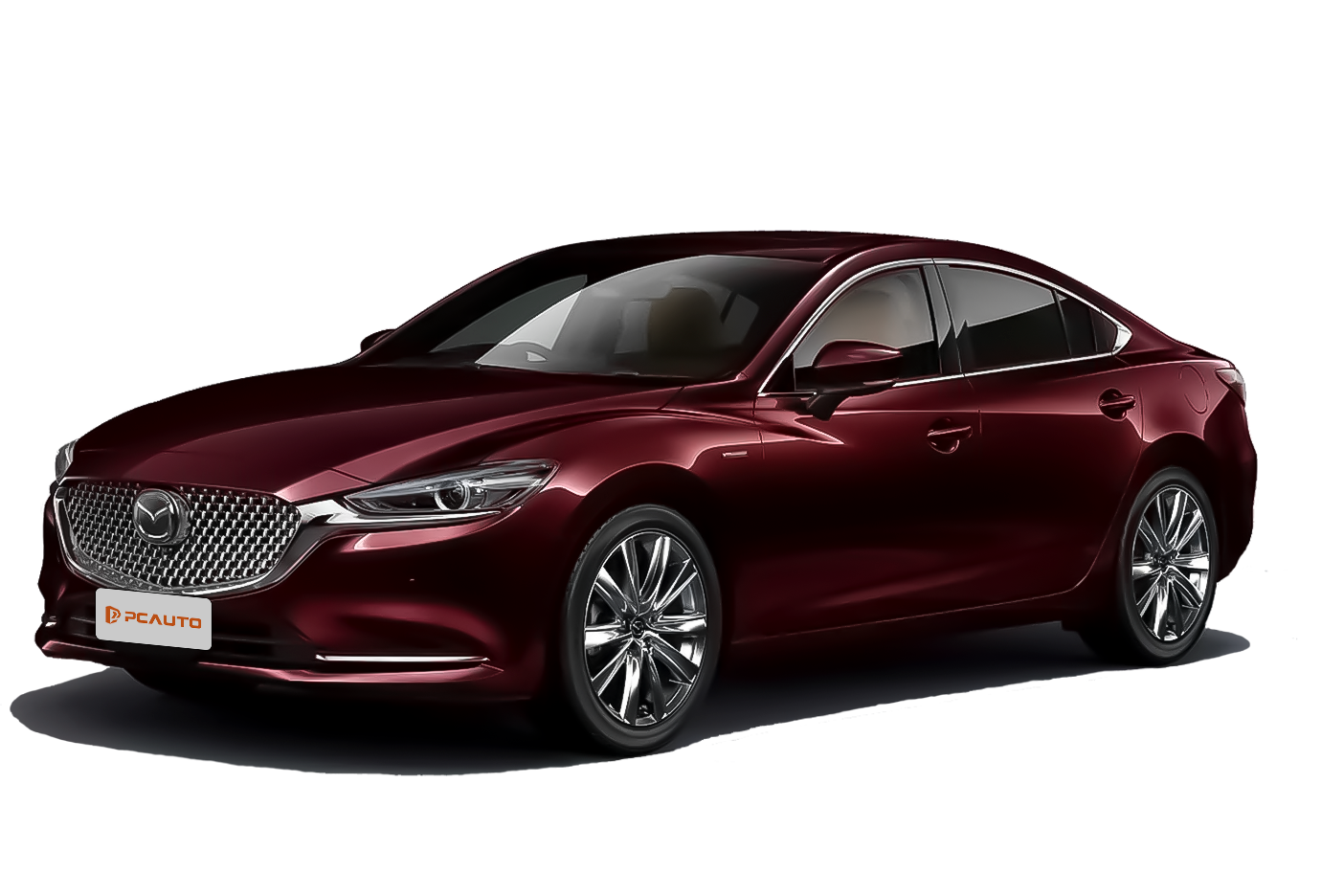
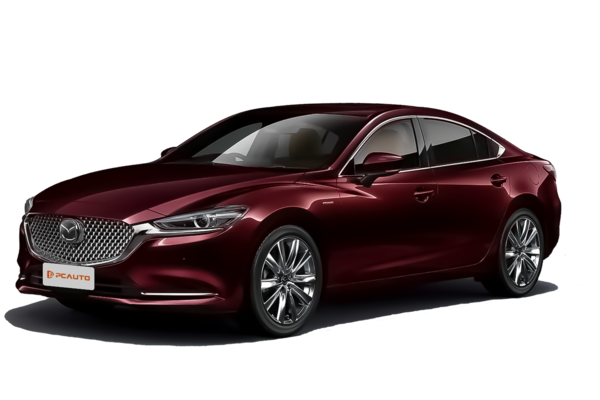
2023 Mazda 6 Sedan 2.0 SkyActiv-G meets the rational needs of family users for joint-venture quality, comfortable configurations, and fuel economy with its KODO design, practical space, and balanced driving control.

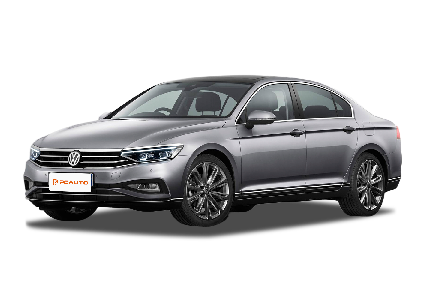
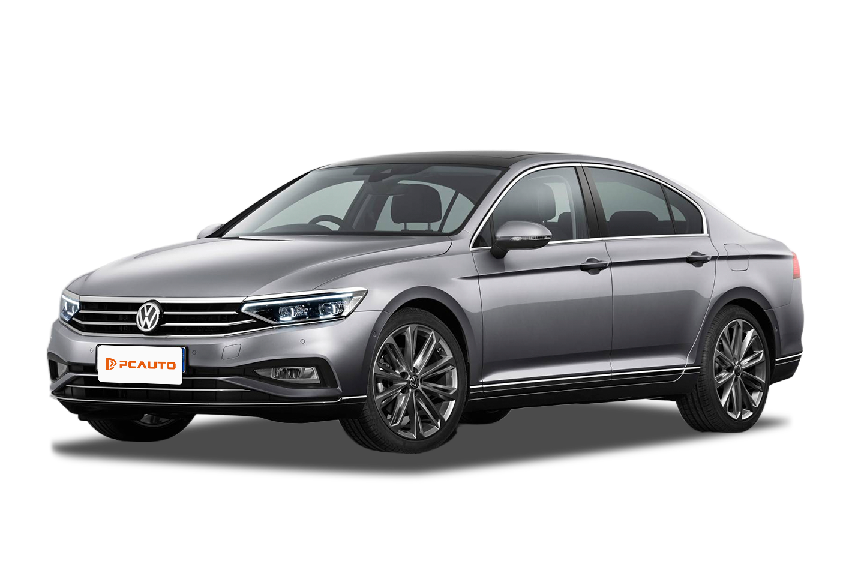
2022 Volkswagen Passat 2.0 TSI R-Line combines business elegance with sporty personality, featuring 220PS power, 14-way massage seats, and Harman Kardon audio system to meet the diverse needs of families and young professionals.
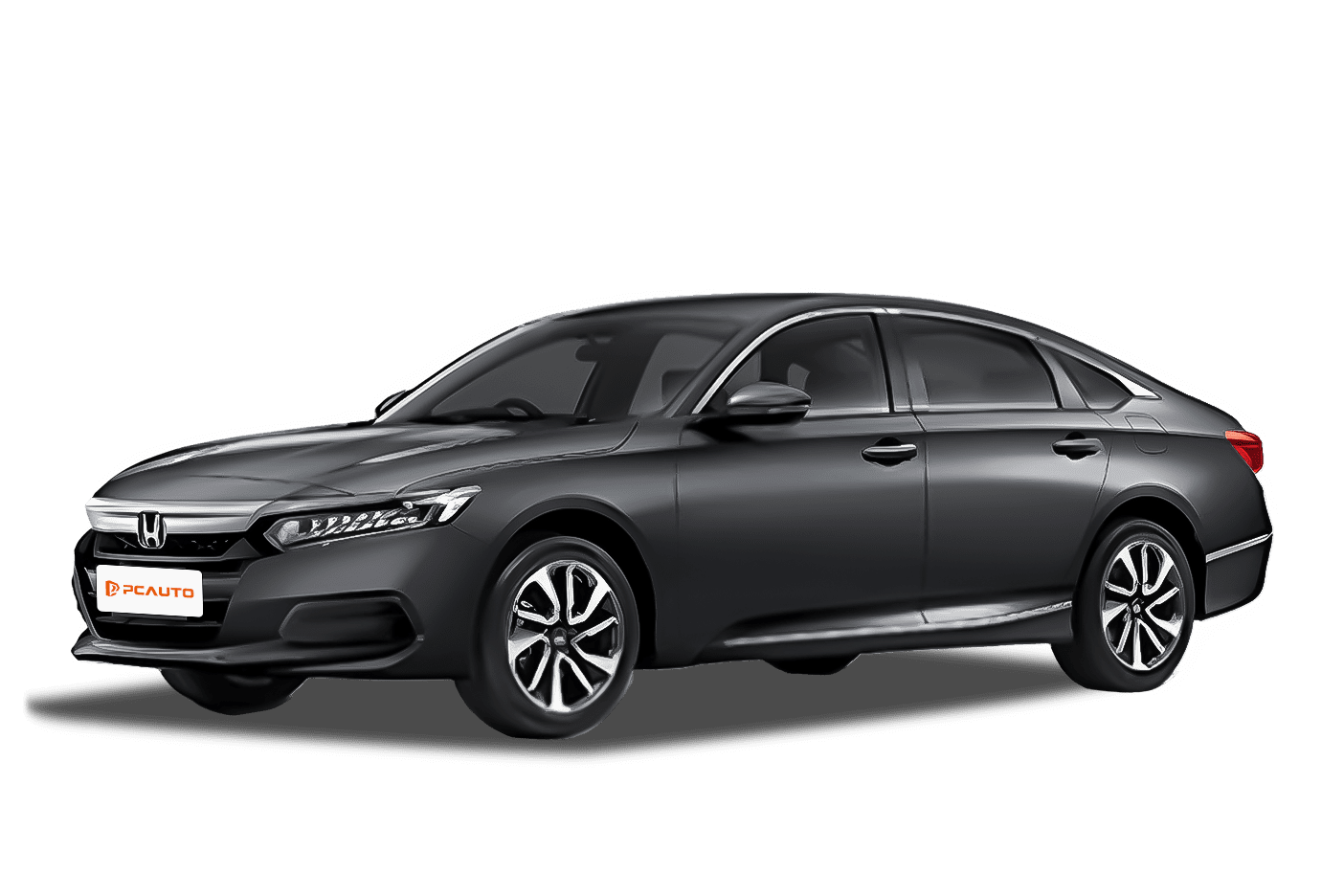
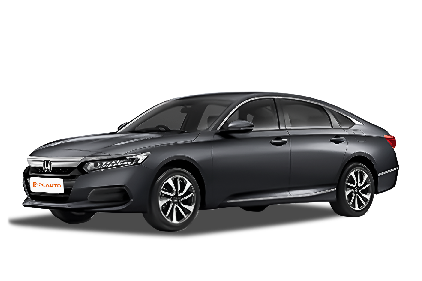
The 2023 Honda Accord 1.5 TC is a D-segment sedan that balances both business and family use, with core selling points of spacious interior, comfortable driving, and efficient performance, making it suitable for practical family users.
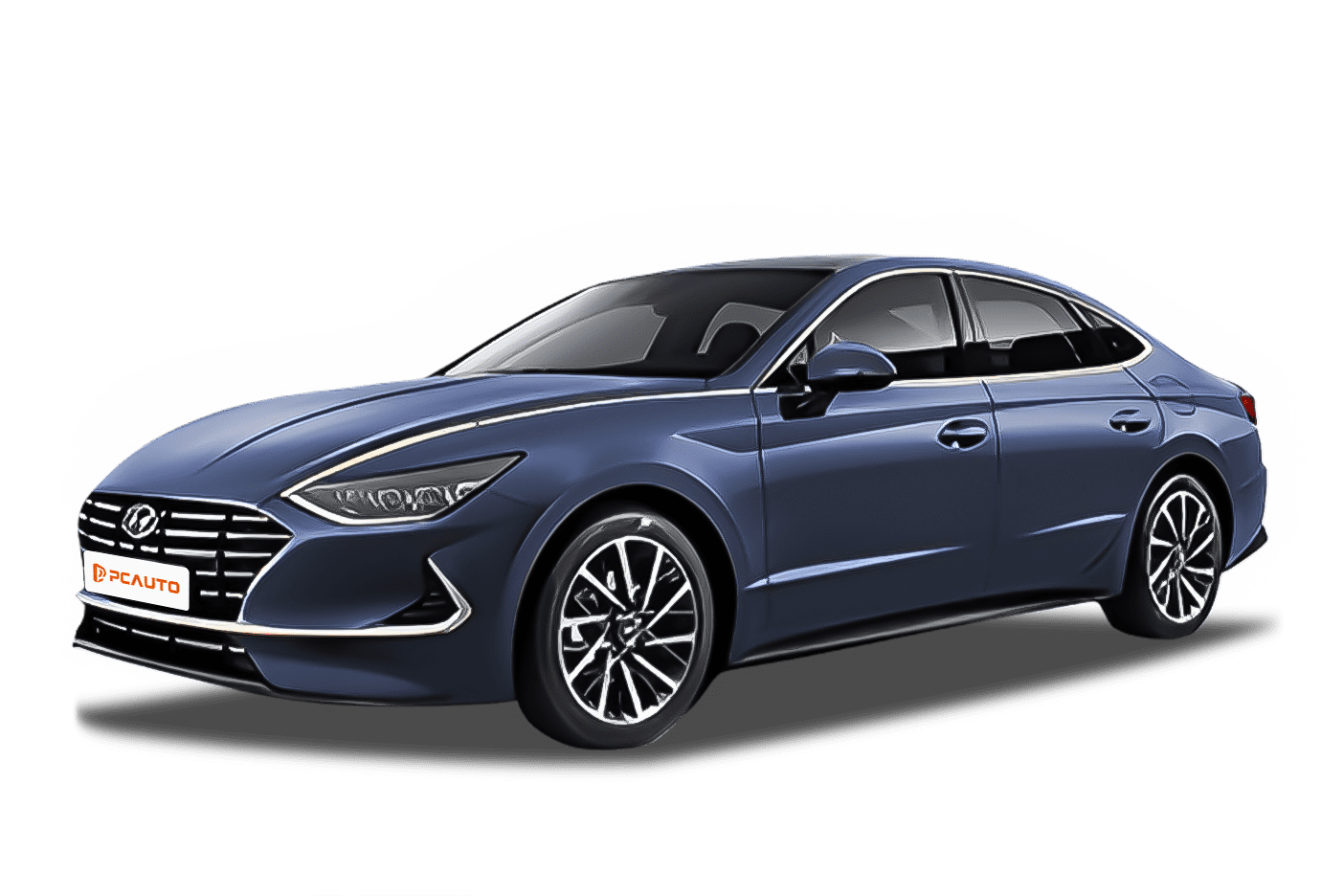
2024 Hyundai Sonata public is positioned as a D-Segment family and business sedan, combining dynamic design, practical configurations, and spacious space, balancing power and fuel consumption, safe and reliable.