

Volkswagen Tiguan Allspace 2025 Review

 Share
Share
 Segment
 Body Type
 Capacity(L)
 Engine Power(PS)
 Engine Torque(Nm)
 Transmission
The C-segment SUV market has been heating up in Malaysia in recent years, with 7-seater models especially favored by family users. After all, they need to meet daily commuting needs, as well as weekend outings with kids or visits to relatives with elders. The Tiguan Allspace Elegance Wolfsburg Edition, launched by Volkswagen in May 2025, is a contender aiming at this niche market. Its core selling points include a tried-and-tested 1.4T+6AT powertrain, intelligent safety features standard across all trims, and the practical space provided by its 7-seater layout. This test drive focuses on verifying: Can its space truly accommodate short trips for seven passengers? Can the 1.4T engine handle a full load of seven people? And compared with similarly priced competitors, how outstanding are its configurations?
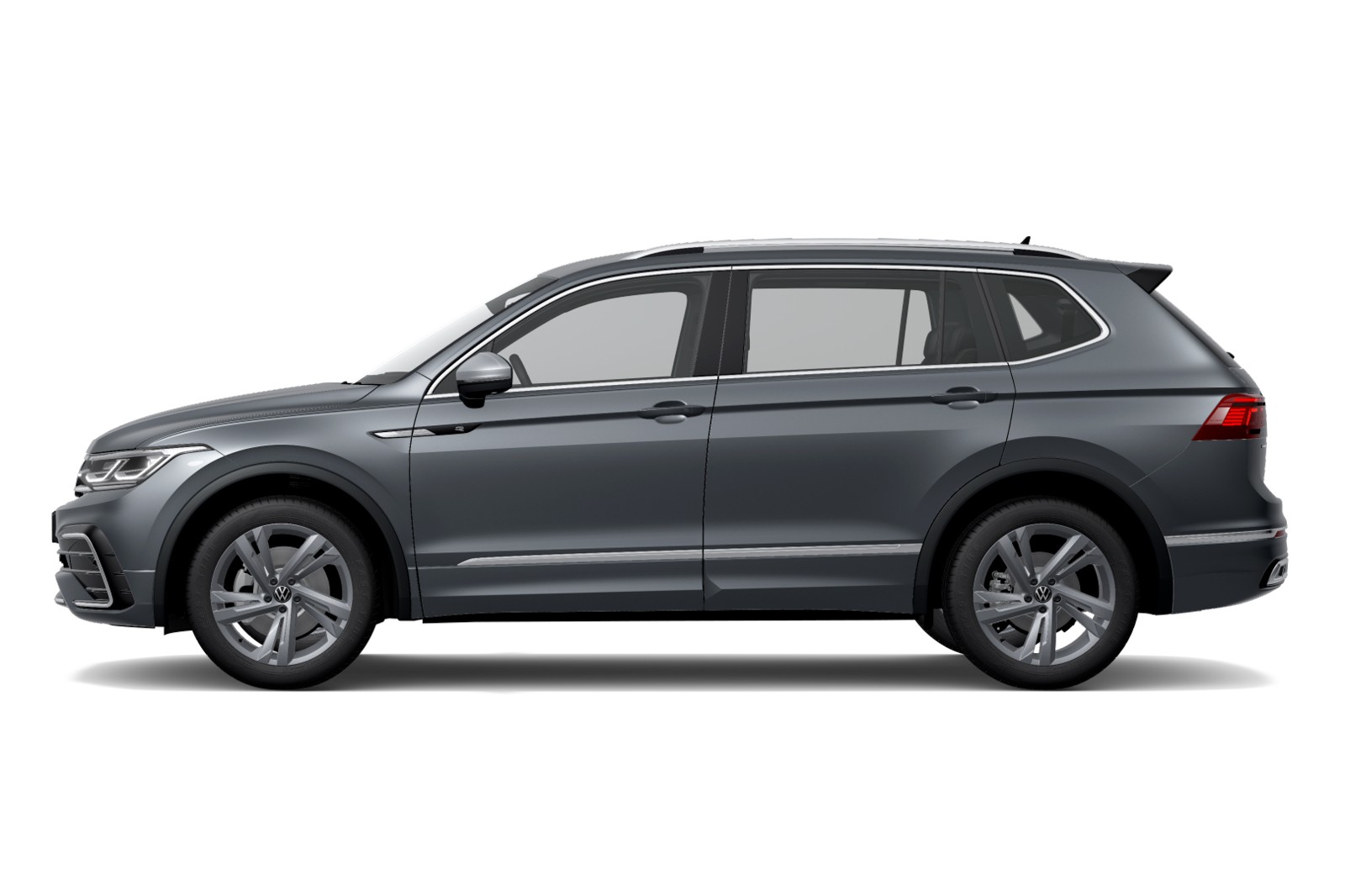
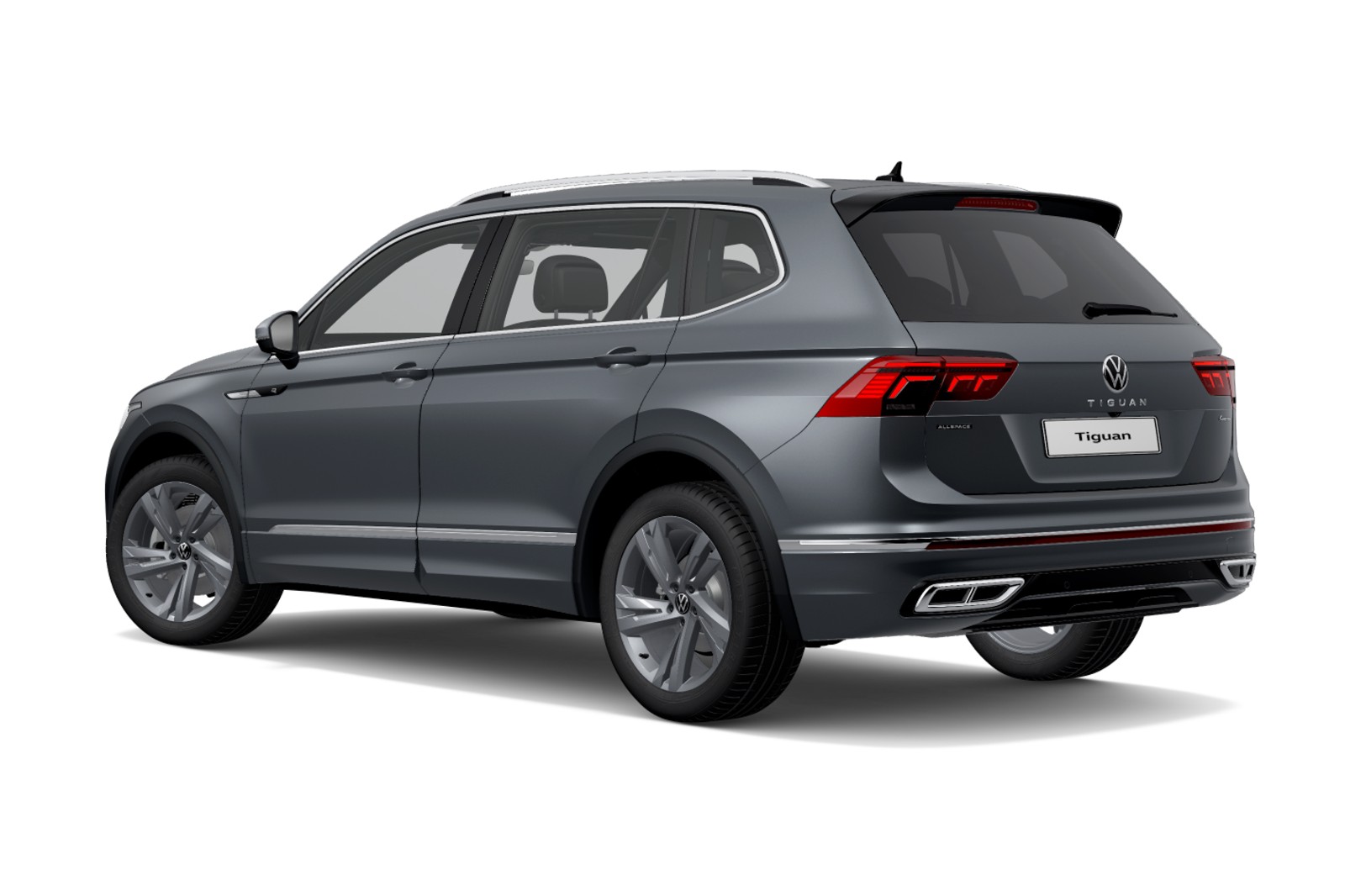
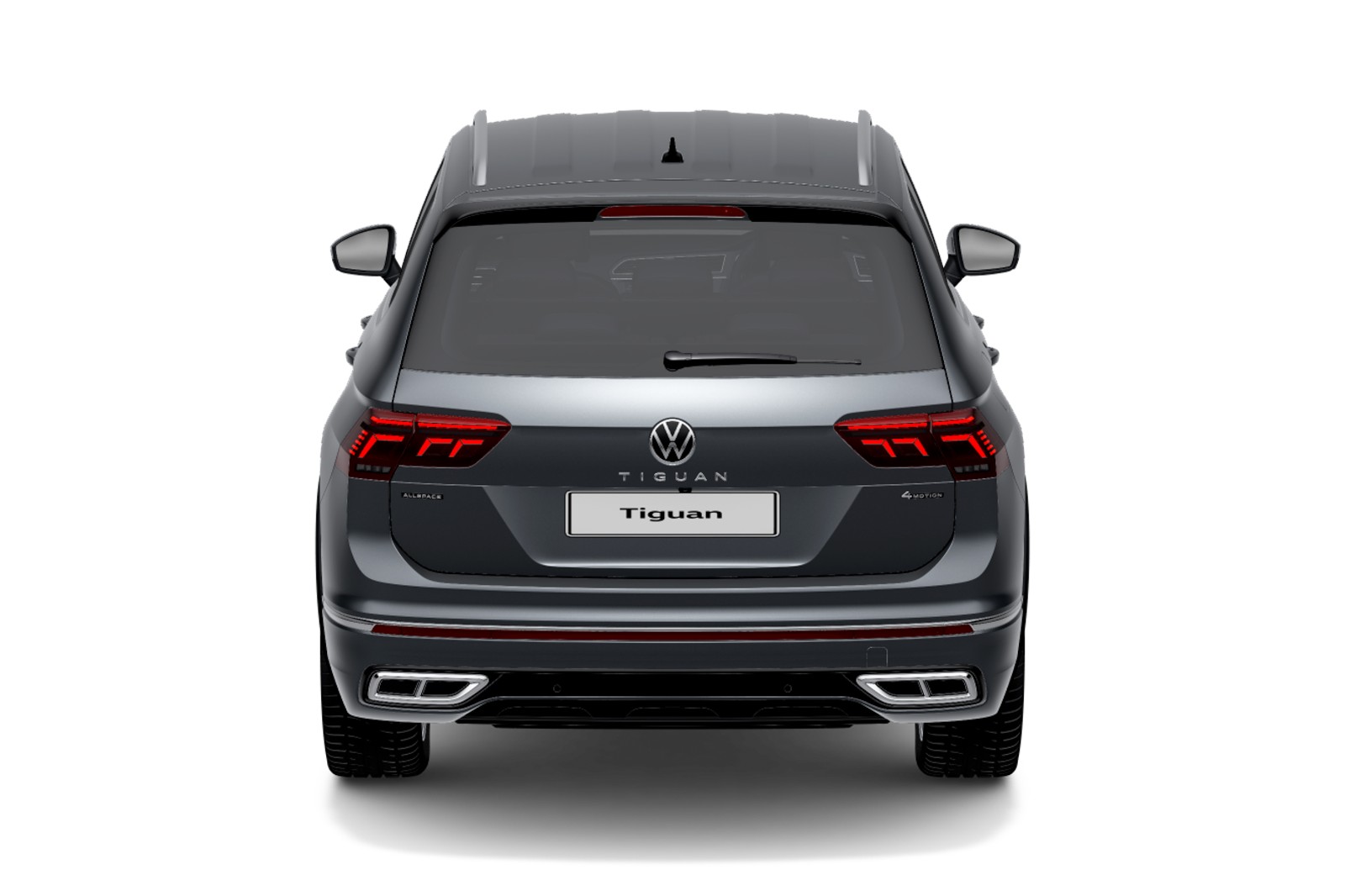
Starting with the exterior, the Tiguan Allspace Elegance Wolfsburg Edition follows a mature and atmospheric design route, avoiding excessively radical designs yet maintaining distinctive details. The front features a large horizontal chrome grille connecting the LED headlights on either side, visually widening the body. The lower front bumper has a neatly styled air intake, prioritizing functionality over design. The side profile shows smooth lines, with a length of 4728mm and a wheelbase of 2788mm giving it an elegant look. The 18-inch wheels fit perfectly, avoiding any sense of undersizing. At the rear, does it feature through LED tail lights? No, upon closer inspection, the LED tail lights are independent on both sides, echoing the front design. The lower rear bumper is adorned with silver skid plates, adding a touch of SUV ruggedness. The lighting system comes standard with LED lights across the range, including automatic headlights and daytime running lights, making daily usage highly convenient.
Stepping inside, the interior design leans towards a simple, tech-savvy style. The dashboard layout is organized clearly, with a 9.2-inch Discover Pro infotainment screen serving as the visual centerpiece. The screen boasts high resolution, smooth operation, and supports Bluetooth and smartphone connectivity. The 11.7-inch full digital instrument cluster provides extensive information and allows for various themes, such as fuel consumption, navigation, driving modes, etc. Regarding materials, the top of the dashboard is made of soft-touch materials, providing a nice tactile feel, while the door panels are wrapped in leather, giving an overall quality that ranks above average in its class. There are several configuration highlights: the front seats offer 12-way electric adjustment, with excellent lumbar and cushion support; keyless entry and start are standard across all variants; the multifunctional steering wheel comes with paddle shifters; rear-row passengers are catered to with independent air conditioning vents and a power outlet (though the spec sheet didn’t mention it, real-life experience shows there is a USB port available).
The vehicle's standout feature is its impressive space performance. With a wheelbase of 2788mm, there’s ample legroom for front and rear passengers. When the front seats are adjusted to a comfortable position, the rear seats still offer about two fists of legroom, ensuring that even adults around 1.8 meters tall won’t feel cramped. The third-row seats are manually adjustable and are relatively compact, suitable for children under 12 or adults on short trips. However, its 760L trunk capacity (with the third row up) exceeds many competitors, comfortably fitting two 28-inch suitcases along with several backpacks. If the third row is folded, the trunk expands significantly, making it very convenient for carrying large items. In terms of storage space, the door pockets can hold two water bottles, the center armrest box is quite deep, and there are two cup holders in the front row, maximizing practicality.
The power section features a 1.4T turbocharged engine with a maximum power of 110kW (150PS) and a maximum torque of 250N·m, paired with a 6AT gearbox. During daily driving, the power output is smooth, reaching maximum torque at 1,500 RPM. Starting and low-speed driving feel quick and light. On urban roads, the throttle response is lively, and gear changes are smooth without noticeable jerks. At higher speeds, accelerating beyond 100 km/h is not as punchy as in the initial range, but overtaking still inspires confidence. After all, it’s a C-segment SUV, and this performance is acceptable. There are three driving modes: Economy, Standard, and Sport. Switching to Sport mode increases throttle sensitivity, delays gear shifting, and makes power output more direct. However, with seven passengers fully loaded along with luggage, the power may feel a bit strained, especially on uphill roads, where you’ll need to press the accelerator more deeply to maintain speed.
In terms of handling, the front MacPherson and rear multi-link independent suspension setup leans toward comfort. When driving on smooth roads, it effectively absorbs bumps; when encountering speed bumps or uneven roads, the suspension quickly absorbs the vibrations, with minimal residual shaking transmitted to the interior. The steering wheel offers precise control with little play. At high speeds, the steering wheel becomes heavier, providing excellent stability. In terms of braking, the ventilated disc brakes both at the front and rear perform consistently well. The brake pedal is linear, and during emergency braking, the car doesn’t swerve. During the fuel consumption test, we drove 100 km in urban areas and 100 km on highways. The urban fuel consumption was about 8.5L/100km, while highway consumption was 6.8L/100km, resulting in a combined fuel consumption of 7.7L/100km, which matches the manufacturer’s specifications. For a 1.4T engine fitted in a 7-seater SUV, this fuel economy performance is excellent.
In terms of ride comfort, noise control is well-managed. Below 100 km/h, wind and tire noise are not noticeable, and engine noise only enters the cabin when the accelerator is pressed hard. The seating comfort is commendable, with the front seats offering adequate lumbar support for fatigue-free long drives. The rear seats have a sufficiently long cushion with adjustable backrest angles, making long journeys relatively comfortable. However, the third-row seats have thinner cushions and straighter backrests, which can feel tiring for longer trips and are better suited for short-term emergency use.
In summary, the core advantages of the Tiguan Allspace Elegance Wolfsburg Edition are quite apparent: First, it offers practical space, with a 7-seat layout that can adapt to various scenarios and a spacious trunk. Second, it is well-equipped, with standard features such as ACC adaptive cruise control, lane change assist, lane departure warning, and other advanced safety configurations, which are rare in competitors of the same price range. Third, it provides reliable performance, with its 1.4T+6AT combination being dependable and fuel-efficient. Compared to the 7-seater Honda CR-V, it offers more comprehensive configurations; compared to the Toyota Highlander, its price is more affordable (priced at RM210,990, approximately RM30,000 cheaper than the Highlander).
Who is this car suitable for? Firstly, it's ideal for practical family users, especially families that need to carry 4-5 people regularly and occasionally travel short distances with 7 people. Secondly, it suits consumers who appreciate German car quality and prioritize safety features. Lastly, it is for users who need an SUV that works for both daily commuting and occasional travel, who do not have extreme power demands but value fuel economy and reliability.
Overall, the Tiguan Allspace Elegance Wolfsburg Edition is a well-balanced C-segment 7-seater SUV with no apparent weaknesses. Its space, features, and fuel efficiency can meet the core needs of family users, making it a strong contender worth considering in its price range.
Volkswagen Tiguan Allspace Car Compare

Volkswagen Tiguan Allspace Loan Calculator
More Volkswagen Reviews
Cars With Similar Price And Features
8
Rank in SUV
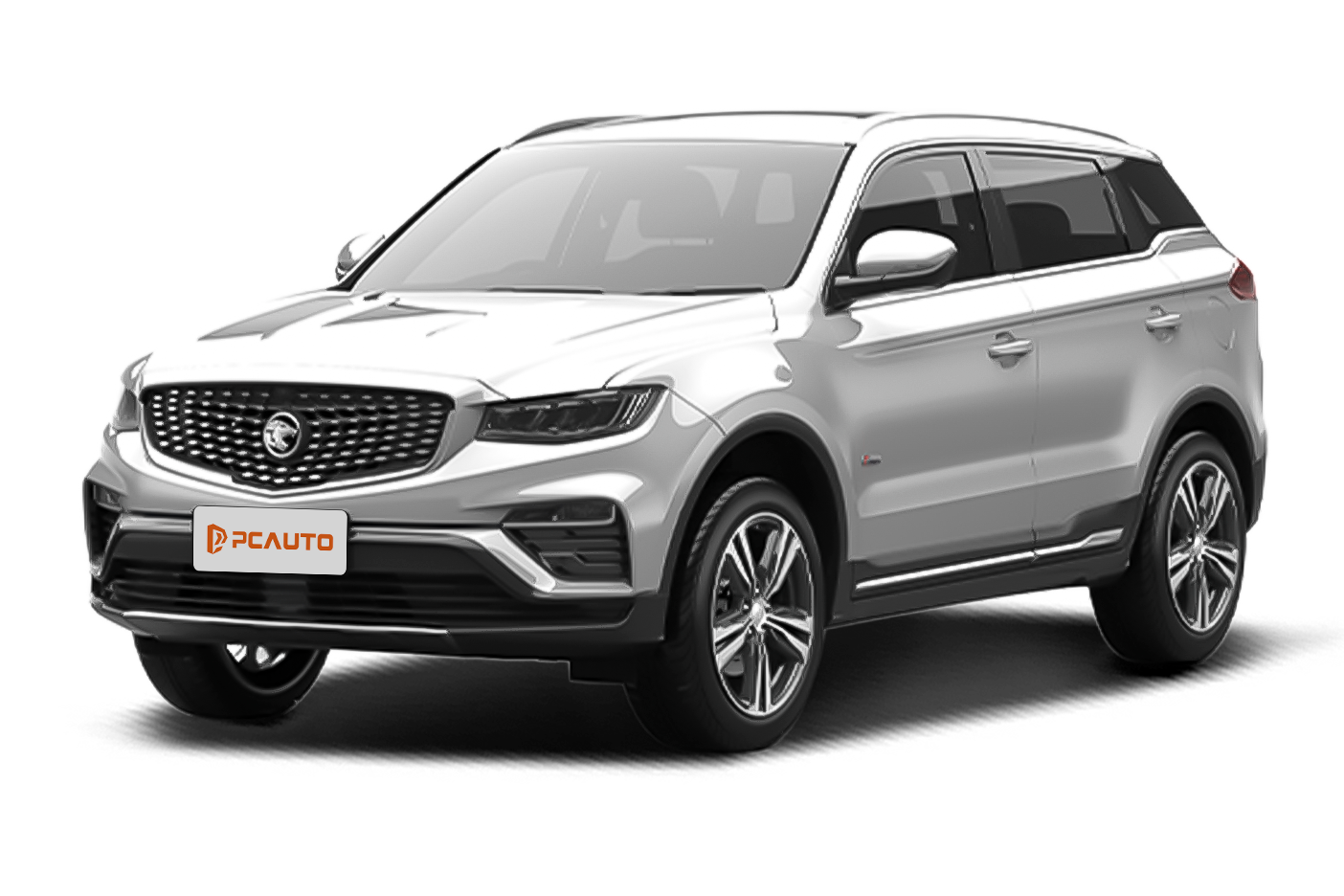
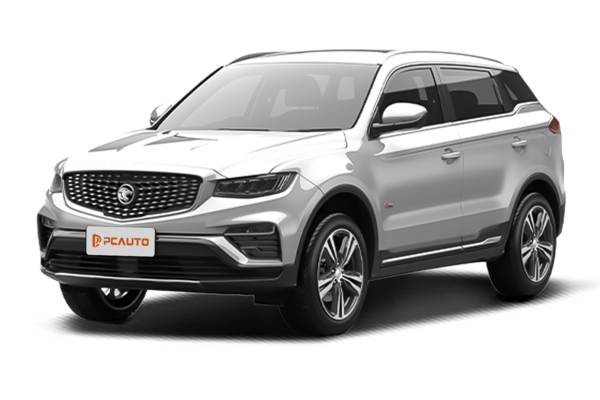
2026 Proton X70 1.5 TGDi Executive focuses on upgrading to a four-cylinder engine, practical configurations, and affordable pricing. It balances family commute practicality with value for money, making it a sensible choice among similarly priced C-segment SUVs.
10
Rank in SUV
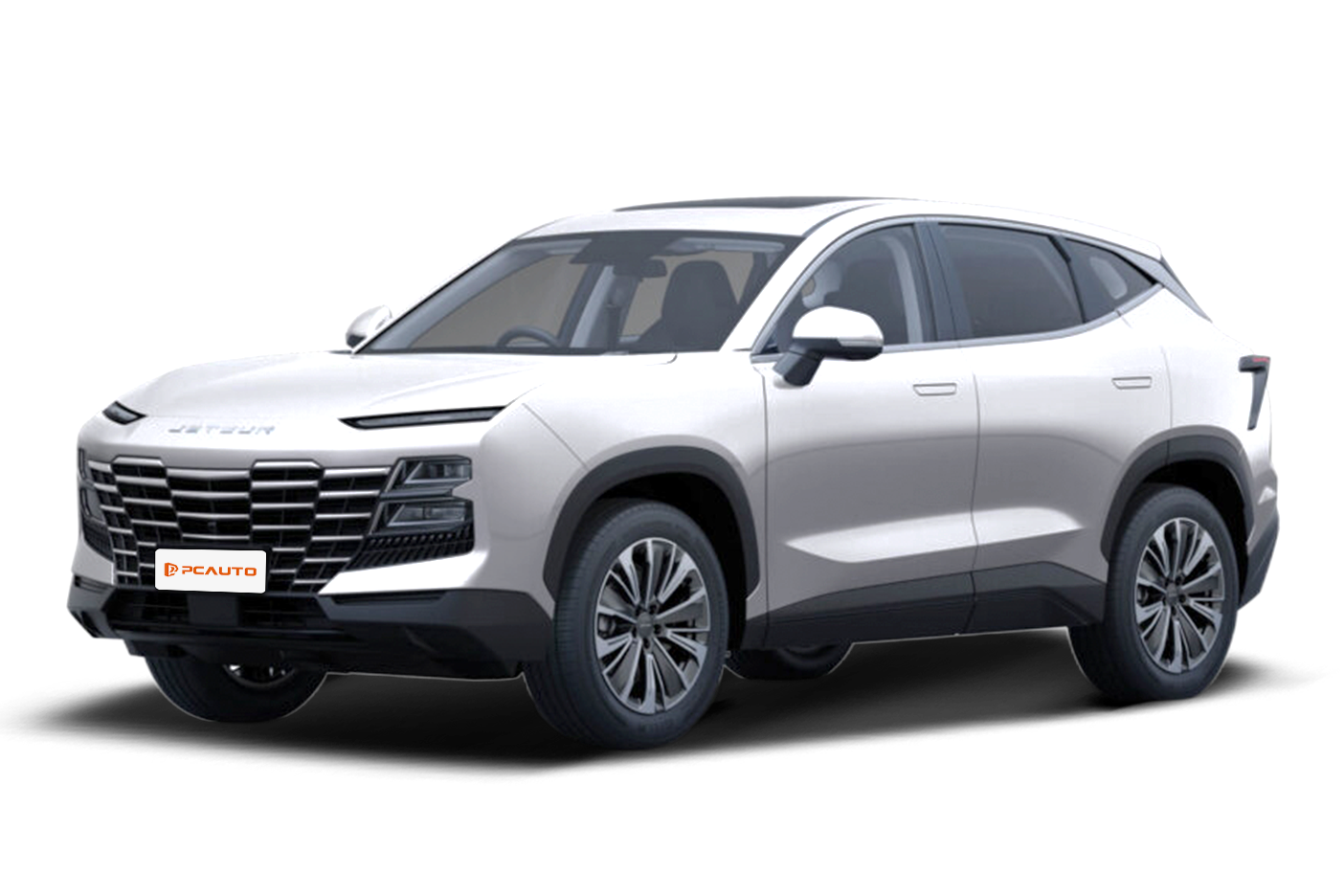
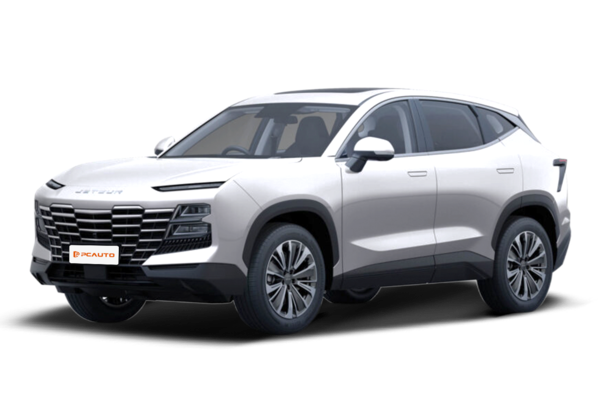
Jetour Dashing 1.5 TCI Comfort 2025 features a 2720mm long wheelbase and a 10.25-inch dual screen as its core, focusing on balanced cost performance to meet family practical needs.
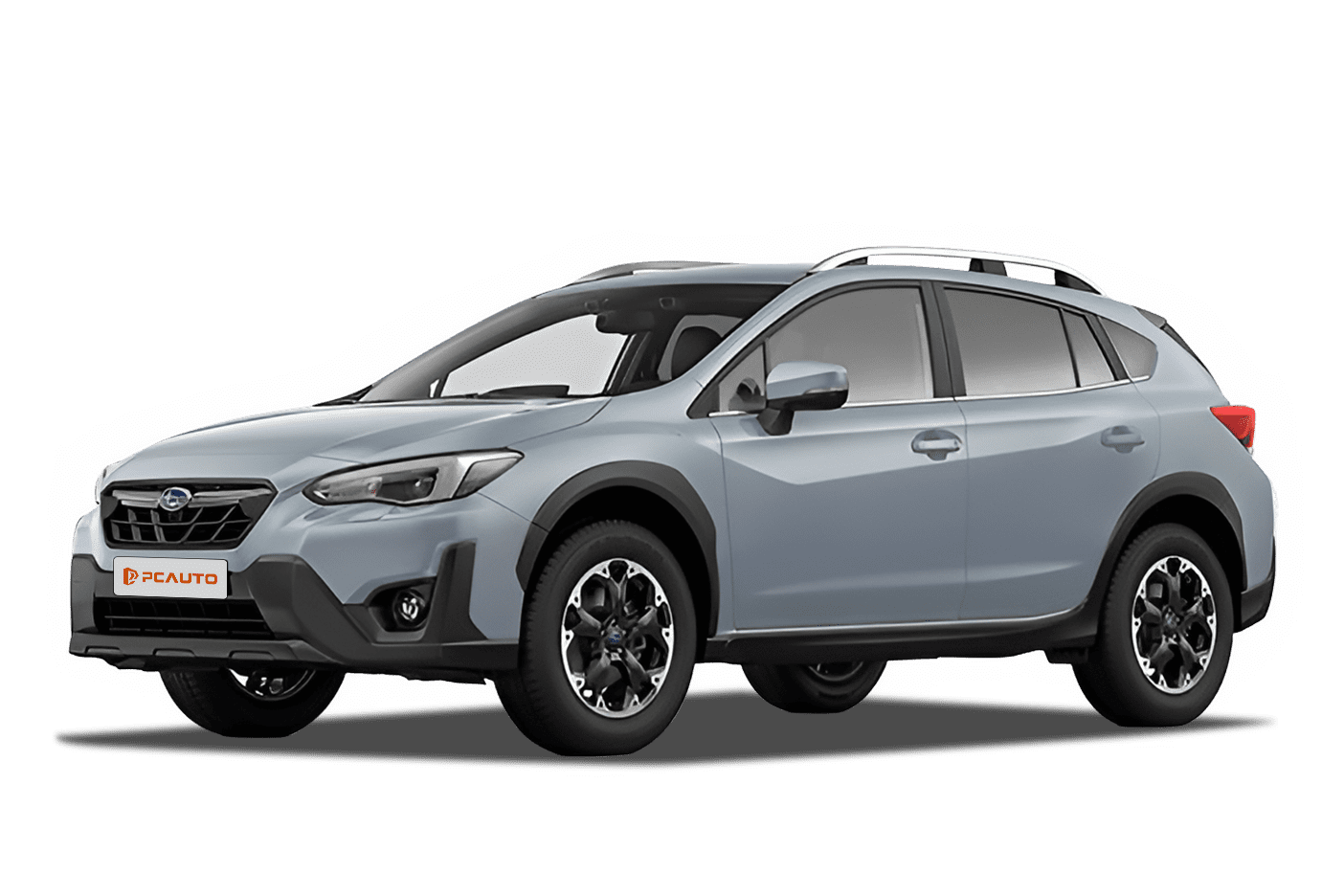
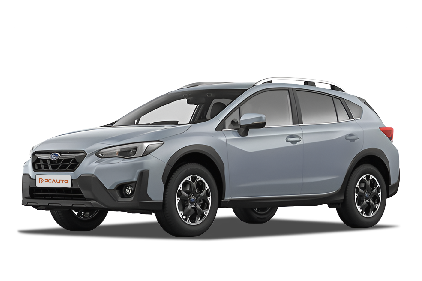
The 2021 Subaru XV 2.0i is a model targeting the C-segment crossover market, equipped with standard all-wheel drive and high safety features, balancing off-road capability and handling, with practical space.

2021 Hyundai Kona 2.0 Standard, as a high-value entry-level compact SUV, retains essential safety and practical features with an affordable price, meeting the daily commuting and loading needs of families.