

Volvo XC90 2018 Review

 Share
Share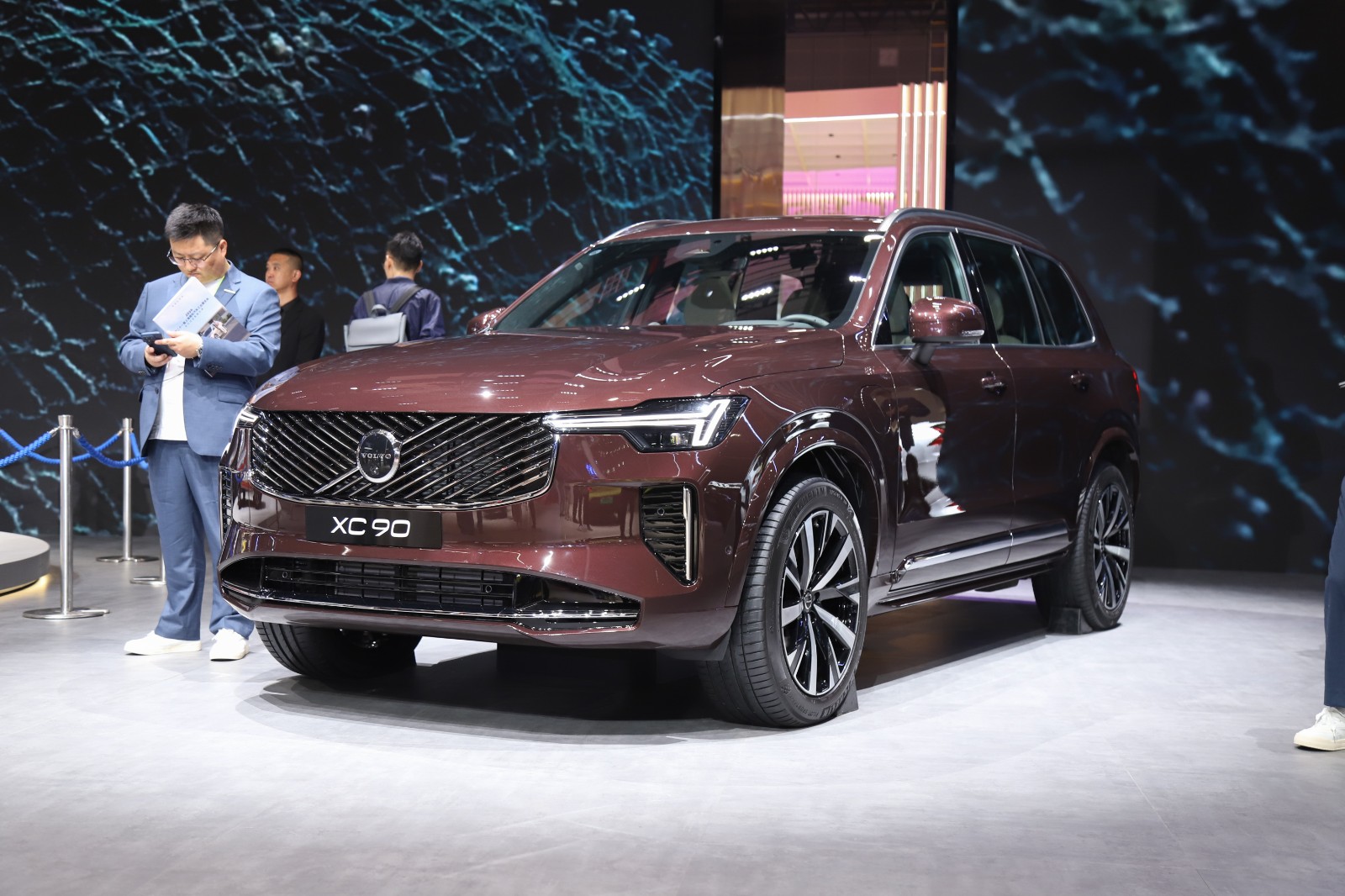
 Segment
 Body Type
 Capacity(L)
 Driven Wheels
 Combined System Output(PS)
 Combined System Torque(Nm)
In Malaysia's executive SUV market, family users and business individuals often seek a model that balances safety and practicality without overly compromising on budget. The 2018 Volvo XC90 T5 Momentum enters this segment with a price tag of RM 373,888, focusing on comprehensive safety features, flexible 7-seater space, and Volvo's signature steady tuning. The main purpose of this test is to verify its actual performance in daily commutes and family travel scenarios, and to evaluate whether its value for money justifies the purchase when compared to similarly priced competitors.
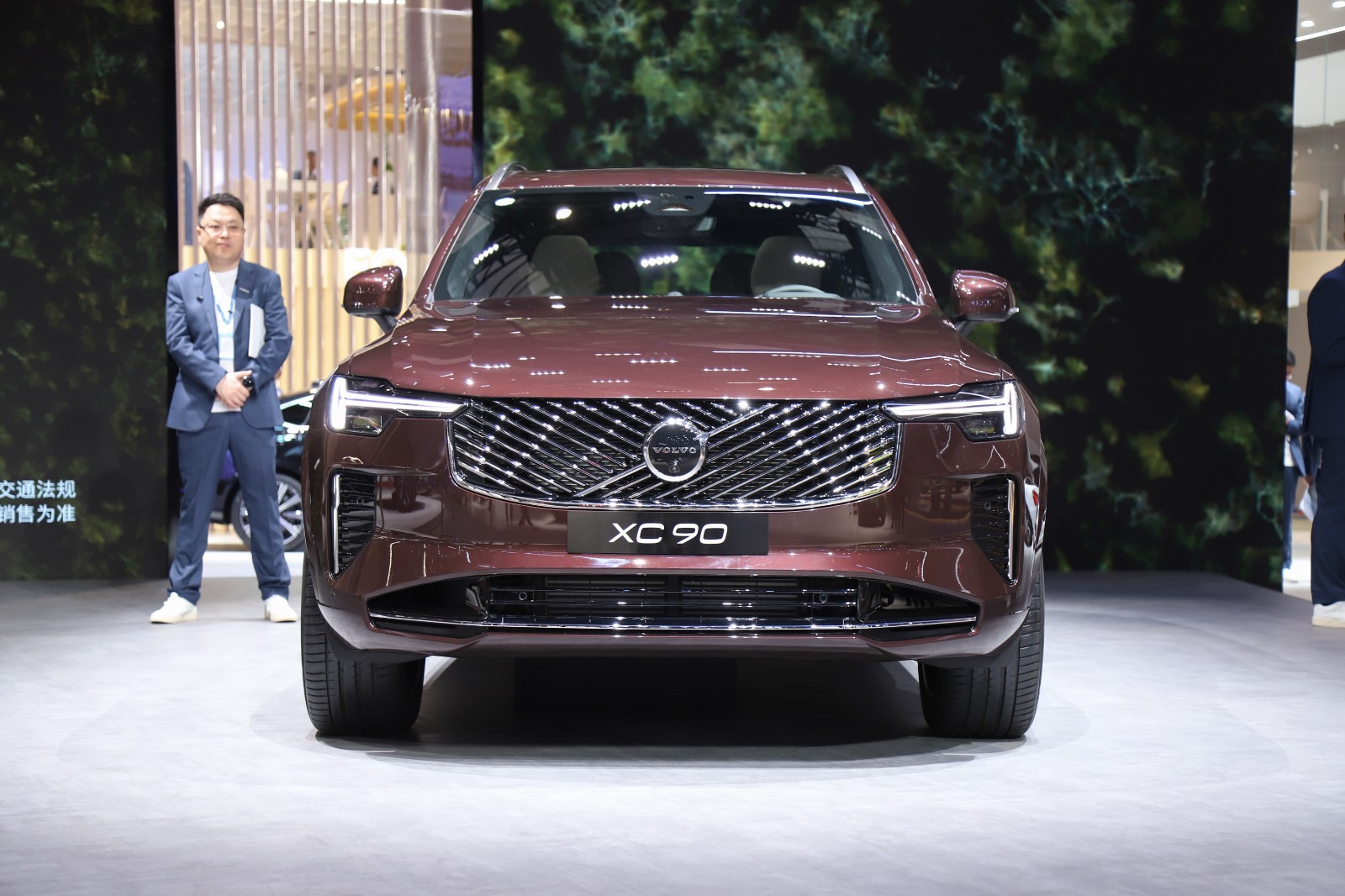
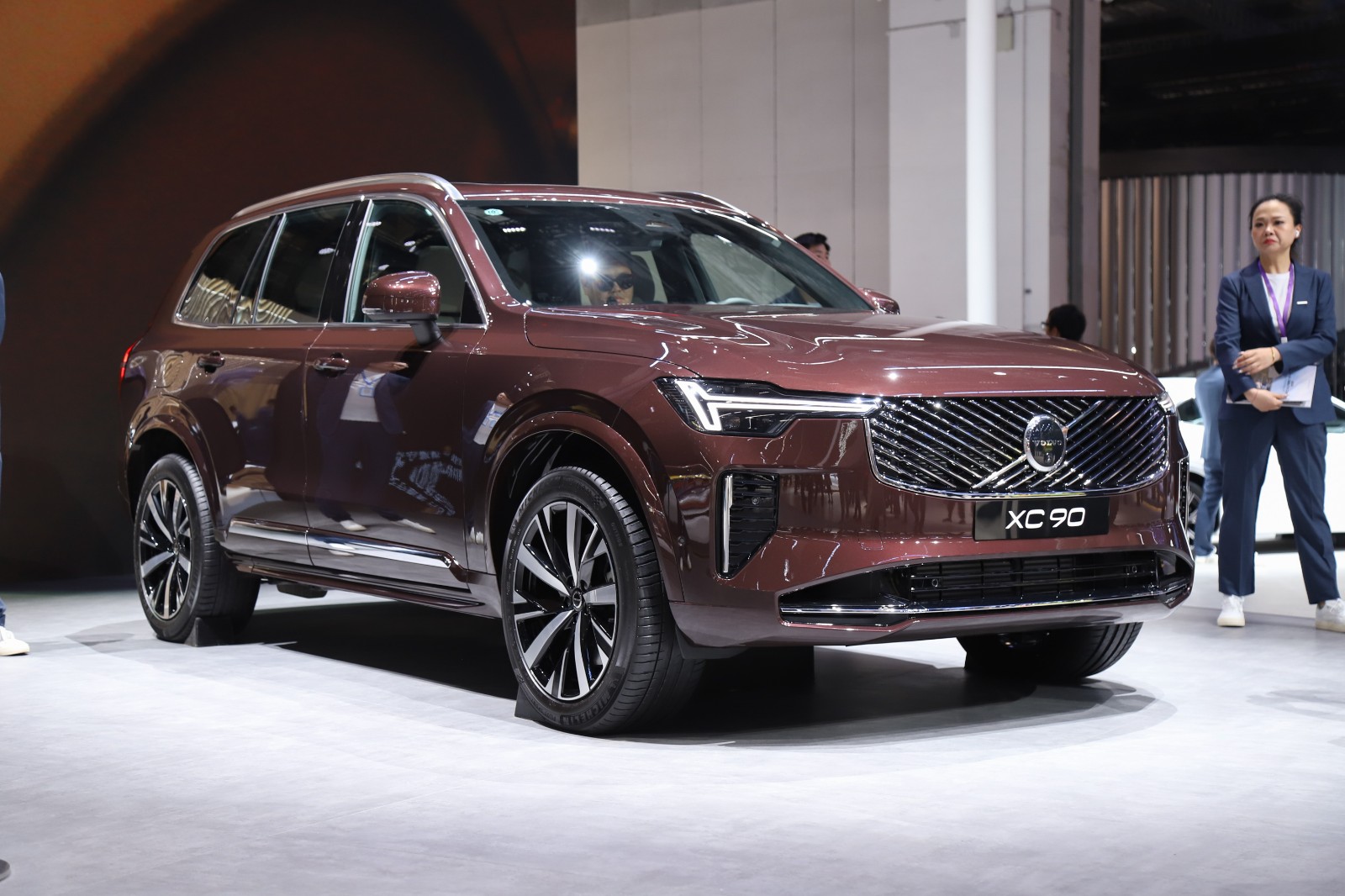
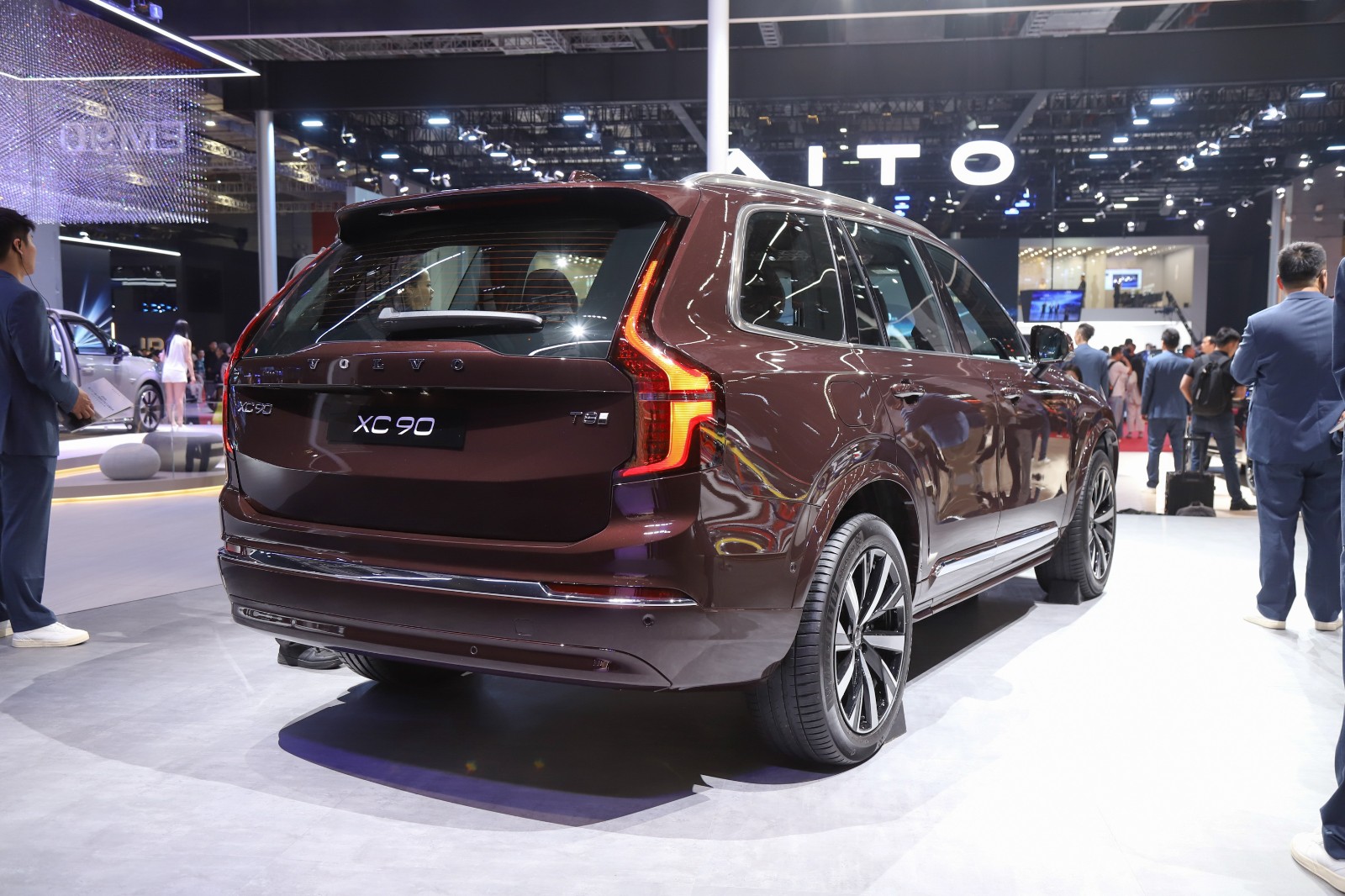
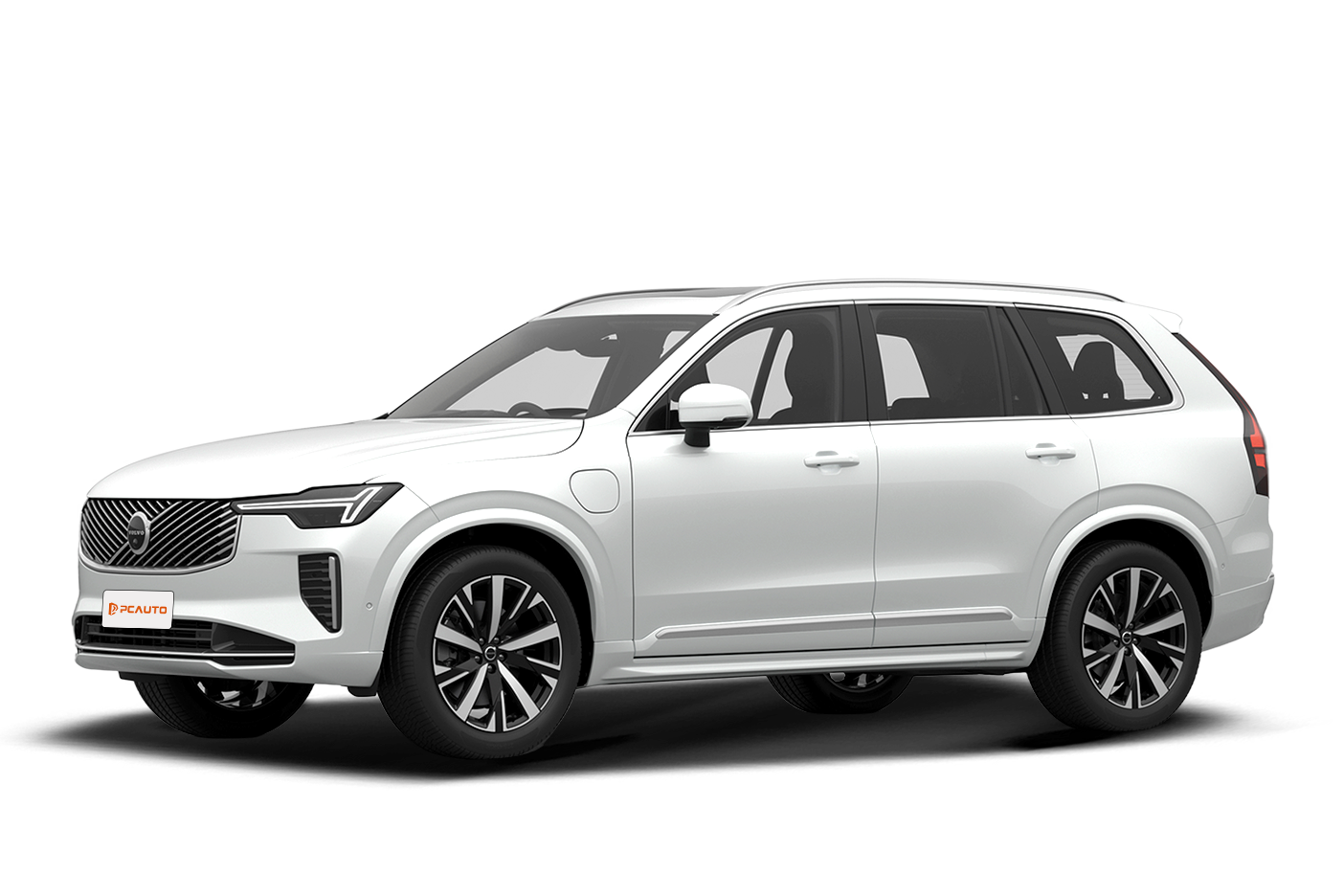
At first glance, the 2018 XC90 T5 Momentum retains Volvo's family-style simple and solid design. The front face features the distinctive "Thor’s Hammer" LED daytime running lights that offer high recognition when illuminated; the hexagonal grille with chrome accents appears grand without being ostentatious. The side profile features straight lines, with a length of 4950mm and a width of 1958mm giving it a relatively stretched appearance. The 235/55 R19 tire specifications are well-proportioned to the body, without an exaggerated large wheel design. At the rear, the "Viking Axe" LED taillights, another family hallmark, create a vertical light strip when illuminated. The tailgate lines are simple, with the overall design leaning more towards practicality rather than sportiness. The lighting system across the range uses LED sources, with automatic headlights and front fog lights as standard, making daily use very convenient.
Opening the door reveals a strong Scandinavian minimalist design in the interior. The dashboard is dominated by horizontal lines, and soft-touch plastics and fabric coverings are used extensively, offering a sturdy touch without feeling cheap despite the absence of leather wrapping. The 12.3-inch fully digital instrument cluster delivers clear displays and allows the interface style to change with driving modes. The central touchscreen integrates multimedia and vehicle settings, and its operational logic is intuitive. In terms of features, keyless entry, dual-zone automatic climate control, and rear independent air conditioning are standard. While the front seats are manually adjustable, they provide decent support. The second-row seats can be adjusted in a 40:20:40 split, with front-back sliding and recline adjustments, while the third row features a 50:50 split and can be folded down to enhance flexibility for the 7-seater configuration. As for storage, the front center armrest box and door pockets offer ample space, and the trunk has a default capacity of 451L, which can be expanded significantly by folding down the third row, making it suitable for daily items such as baby strollers or luggage.
Sitting in the driver’s seat, the 2.0T turbocharged engine delivers a maximum horsepower of 258PS, with a maximum torque output starting at just 1500rpm. During actual driving, the initial acceleration response is not overly aggressive, but once the turbo kicks in, acceleration is smooth. For mid-to-high-speed overtaking, pressing the accelerator deeply prompts the 8-speed automatic transmission to downshift quickly, providing sufficient power. The official 0-100km/h acceleration time is 7.9 seconds, which is sufficient for daily urban and highway driving for a 7-seater SUV weighing over 2 tons.
In terms of handling, the steering wheel has a relatively heavy feel with moderate precision, aligning well with the positioning of a family SUV. The front double wishbone independent suspension is tuned for comfort, absorbing most of the bumps when passing speed bumps or uneven roads, without causing noticeable body movement. At high-speed cornering, the body lean is controlled within a reasonable range, avoiding a sense of instability. The all-wheel-drive system provides better traction on rainy or slippery roads, contributing to overall driving stability in daily conditions. As for fuel consumption, the official combined figure is 7.9L/100km. In actual tests, urban driving conditions resulted in approximately 9-10L, while highway conditions reduced consumption to about 7L, which is considered an average performance for a 2.0T AWD combination.
In terms of ride comfort, the seats are thickly padded, making long-distance travel less tiring; noise control is done well, at a speed of 120km/h on the highway, wind noise and tire noise are within acceptable levels, and engine noise is only significantly transmitted into the cabin when the accelerator is deeply pressed. The braking system performs steadily, with a linear braking force from the front ventilated disc brakes, providing confidence in daily braking.
In summary, the core advantages of the 2018 Volvo XC90 T5 Momentum lie in its safety features and space flexibility. Seven airbags, active braking, lane departure warning, blind-spot monitoring, etc., are all standard, making its safety performance top-tier in the same class; the 7-seater layout and flexible seat-folding functionality perfectly cater to the needs of family users. Compared to the entry-level BMW X5 or Mercedes-Benz GLE at the same price point, the XC90 T5 Momentum offers more comprehensive safety features and a more practical 7-seater layout. Although its brand premium is slightly lower, it offers better value for money.
This car is most suitable for family users who prioritize safety and practicality, especially families that frequently need to accommodate elderly members and children. Additionally, its stable tuning and executive-level positioning make it suitable for occasional business receptions. Overall, the 2018 XC90 T5 Momentum is a well-balanced 7-seater executive SUV, meeting mainstream needs in safety, space, and practicality. Families with a budget in the range of 350,000 to 400,000 Malaysian Ringgit should consider it as a key option.
Volvo XC90 Car Compare
Volvo XC90 Loan Calculator
More Volvo Reviews
Cars With Similar Price And Features
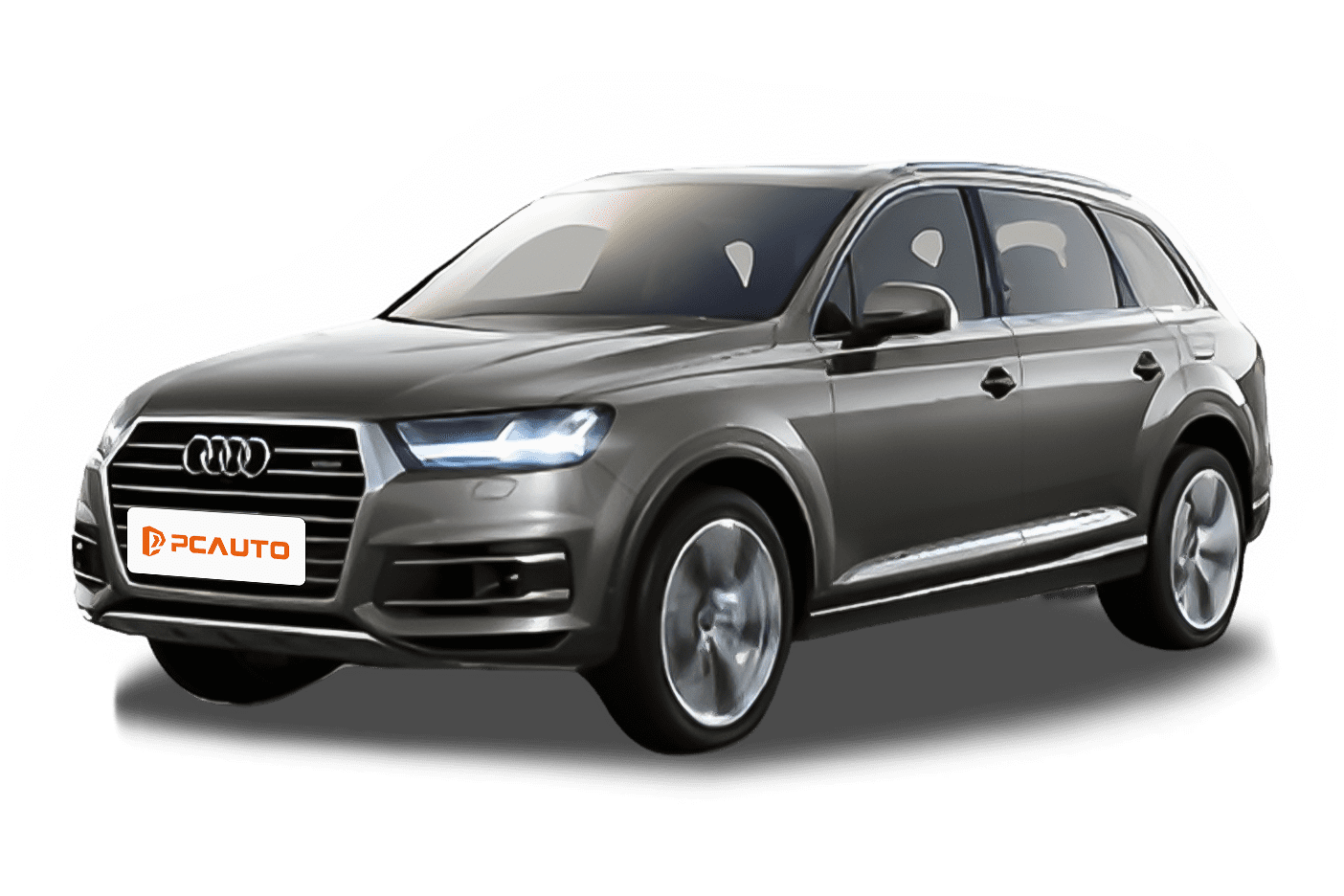
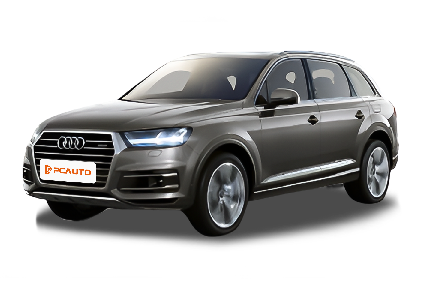
2025 Audi Q7 S line 3.0 TFSI, with its high cost-effectiveness, sporty appearance, luxurious interior, powerful performance, and flexible space, becomes a strong contender in the luxury mid-to-large SUV market.
23
Rank in SUV
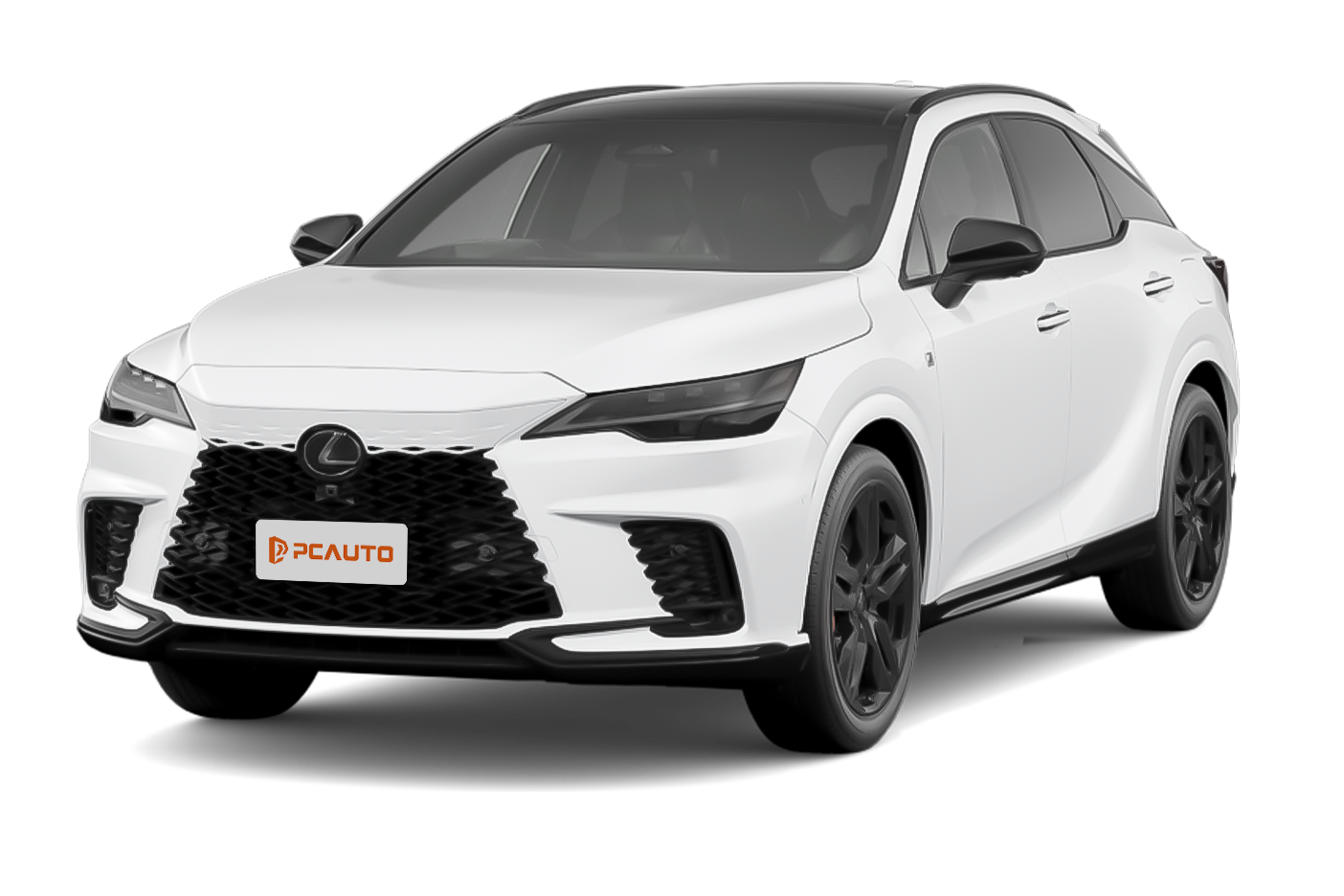
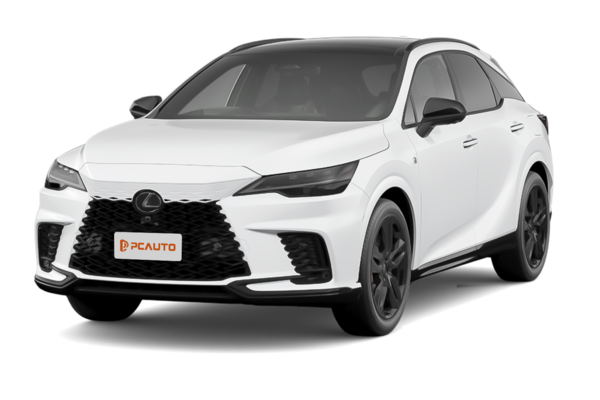
2025 Lexus RX 500h F Sport Special Edition is an executive-level hybrid SUV that balances performance, luxury, and technology, featuring a 2.4T hybrid system, exclusive 21-inch wheels, and a 14-inch central control screen as its core highlights.

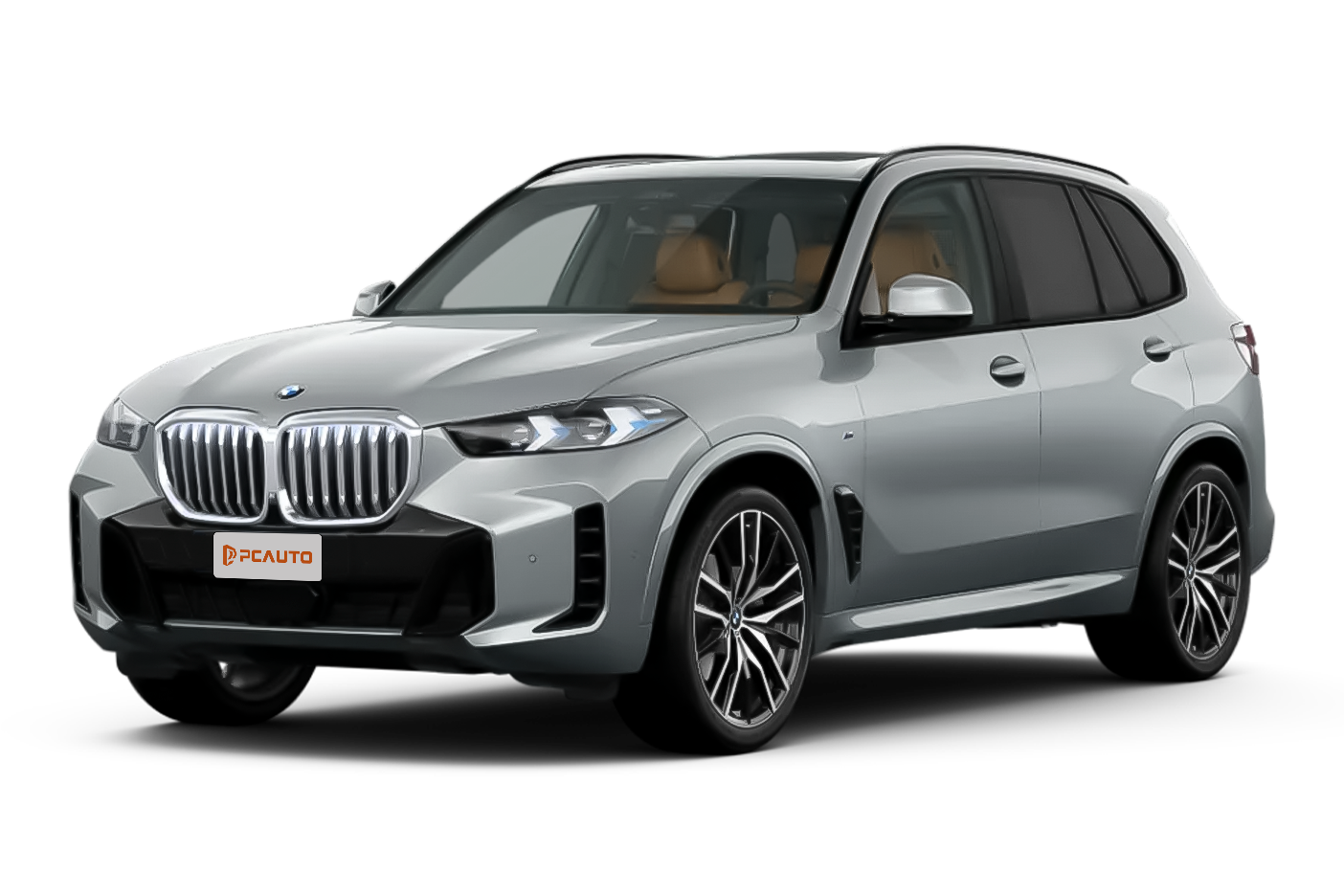
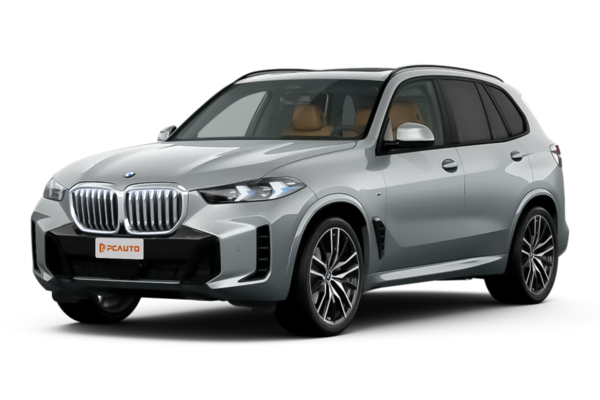
2025 BMW X5 xDrive40i M Sport is a luxury mid-to-large SUV that balances family comfort with driving pleasure. It features upgraded power, rich configurations, and more affordable pricing.
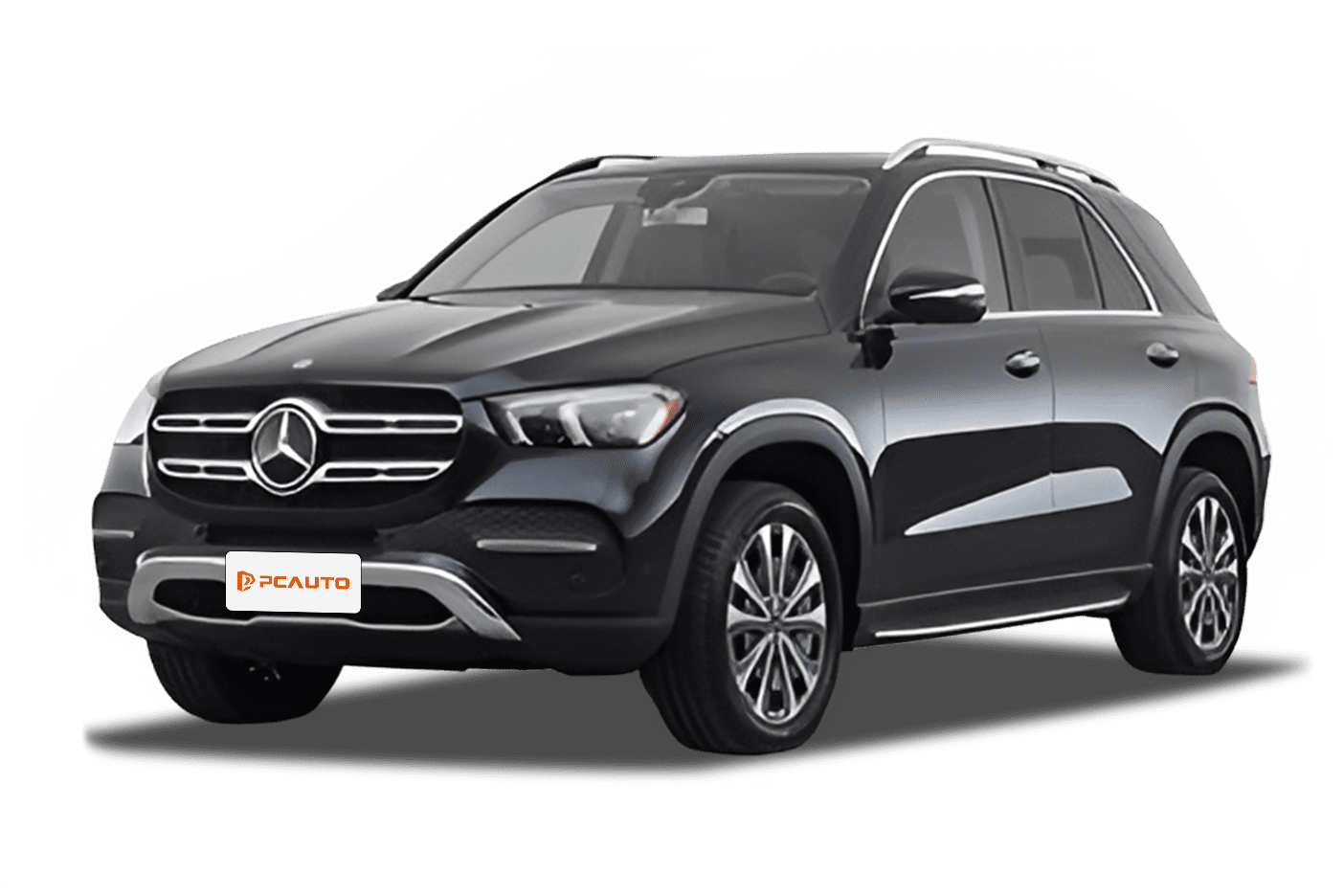
2024 Mercedes-Benz GLE 450 4MATIC AMG Line FL (CKD) is a locally assembled executive-level luxury SUV that lowers the entry threshold while upgrading power and intelligent features, balancing a sense of status and practicality.