Reference Only. Update Soon
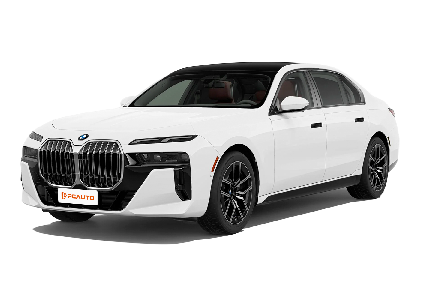
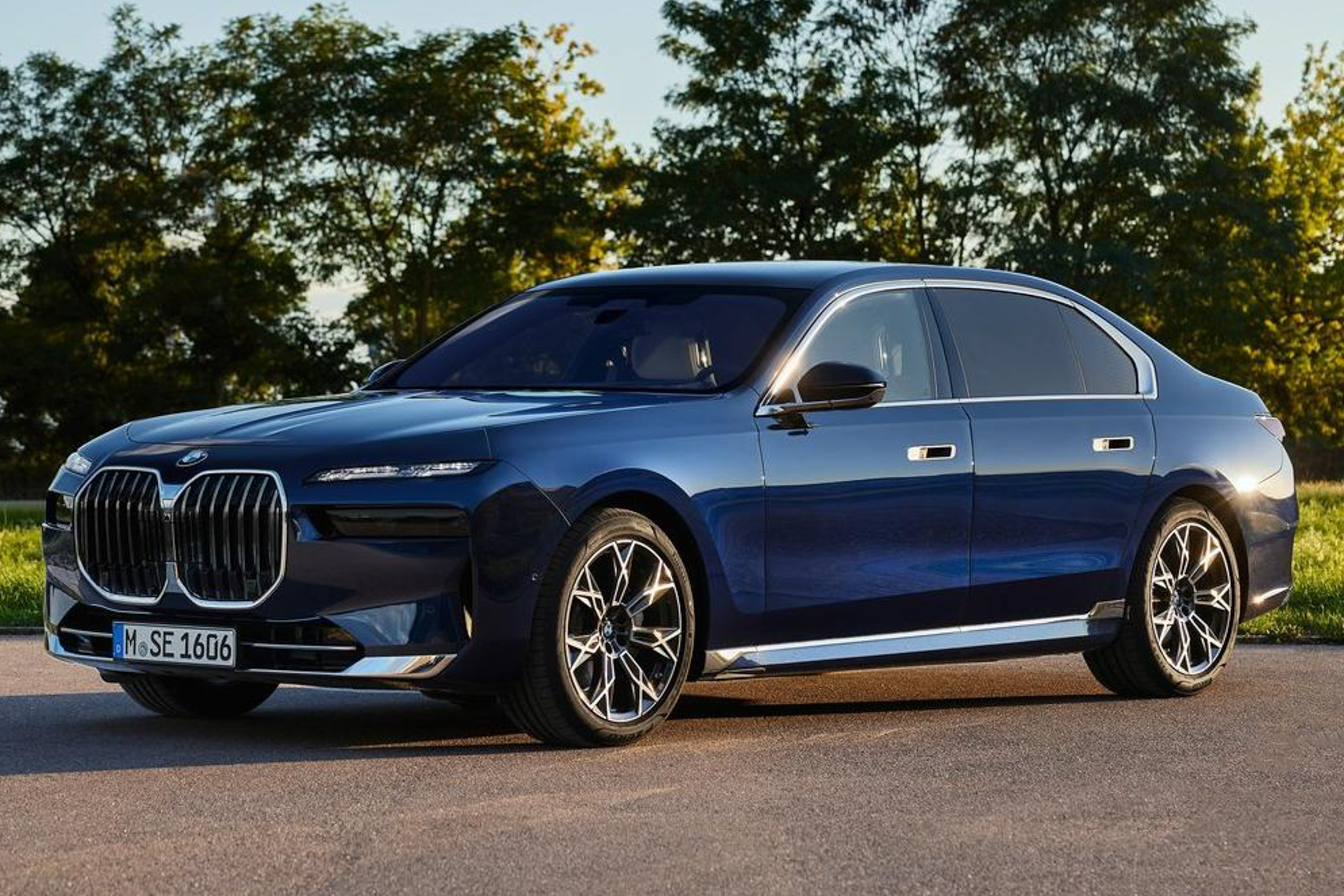
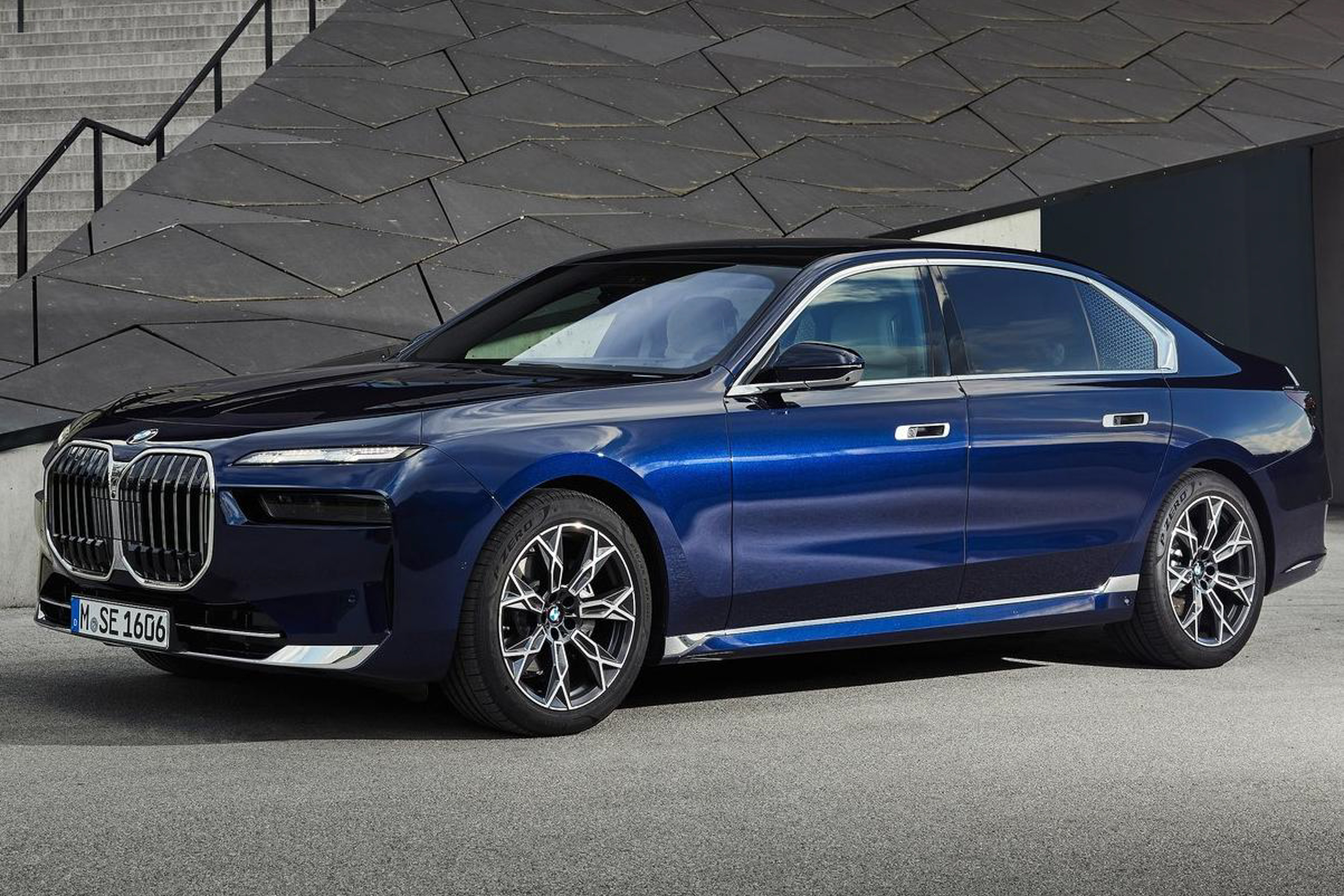
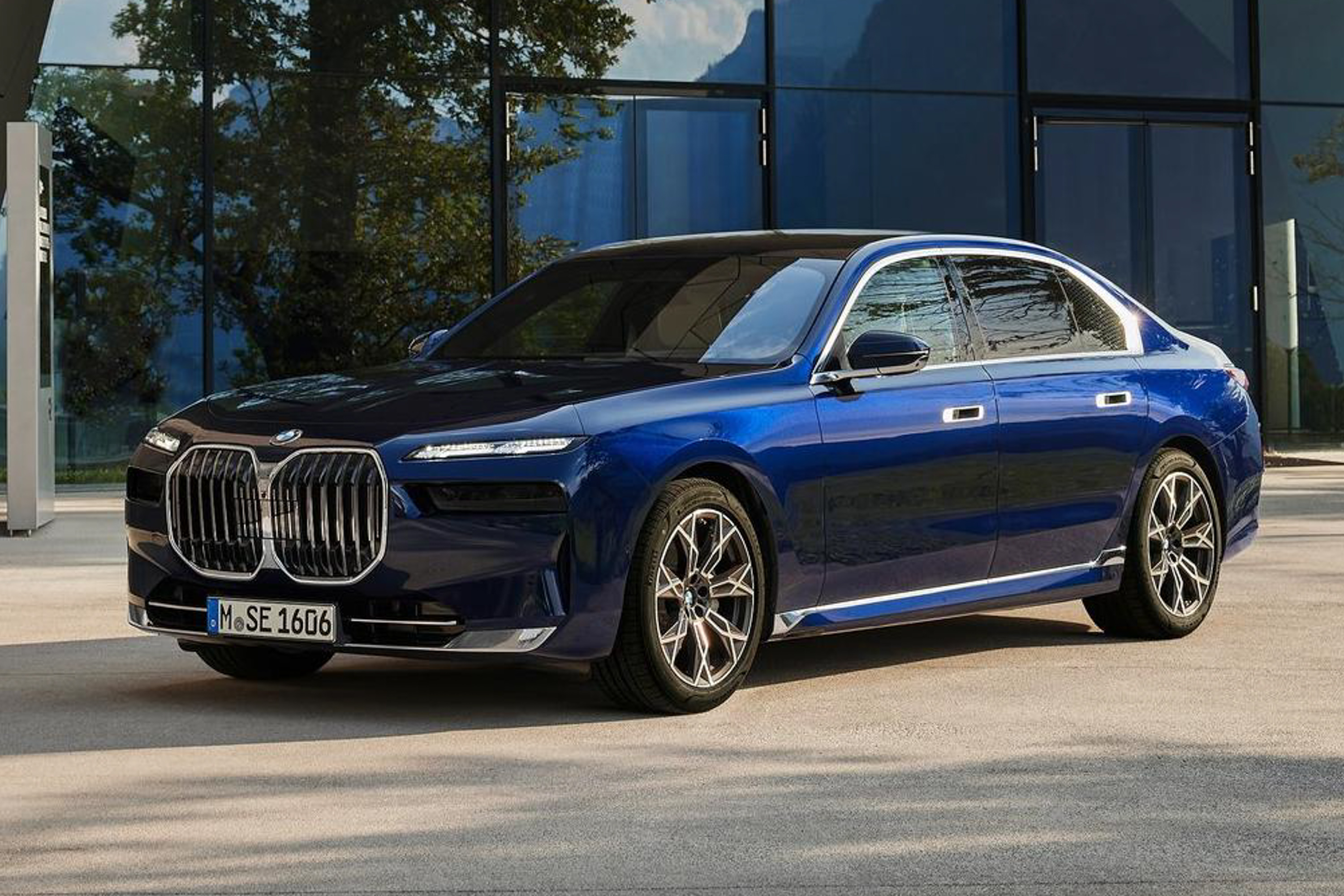
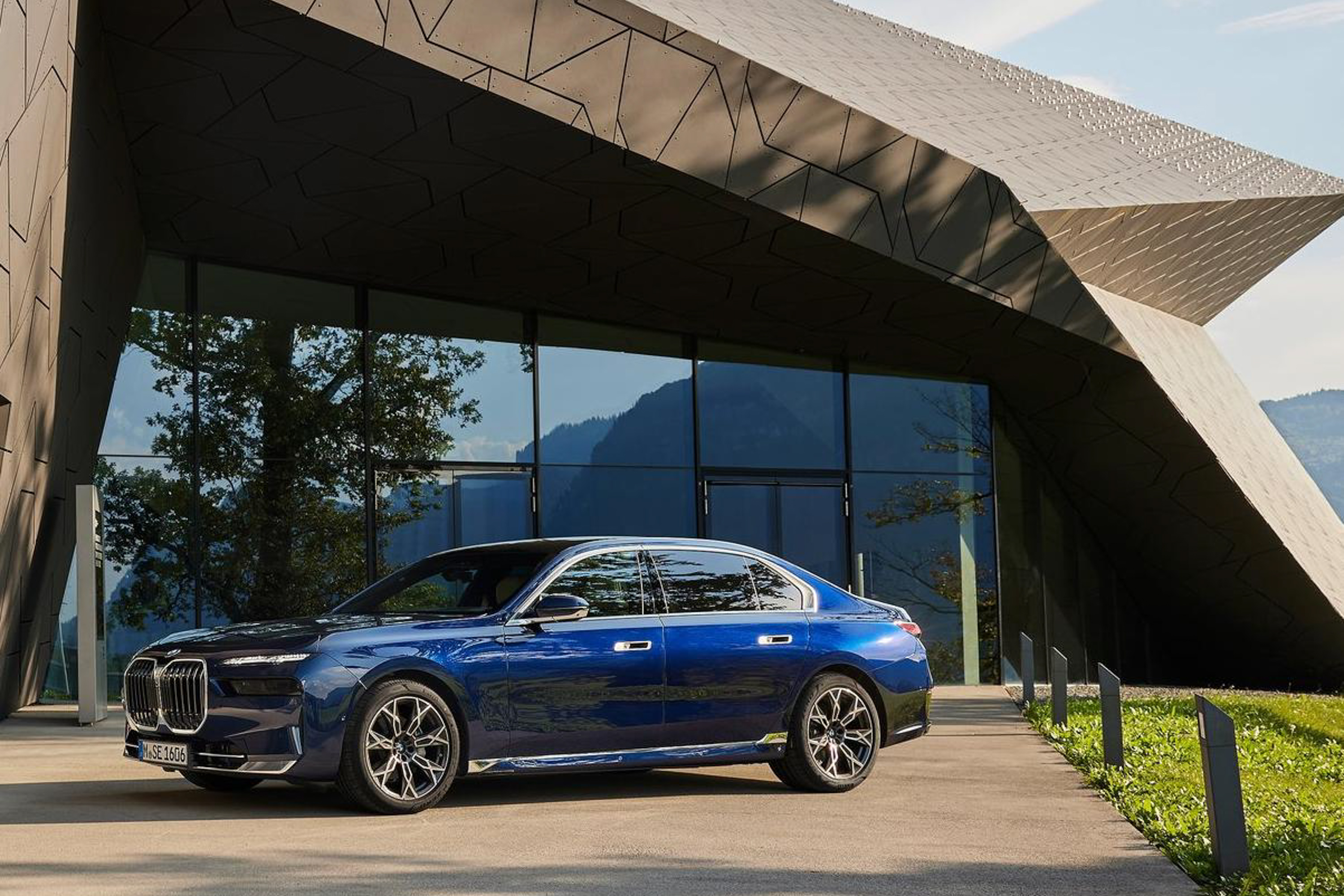
2021 BMW 7 Series 740Le xDrive M Sport
No.28 in Best SedanPrice
RM 633,800
Select a Vehicle Variant
2023 BMW 7 Series 750e xDrive M Sport RM 612,700
Summary
Drivers love the 2021 BMW 7 Series 740Le xDrive M Sport, a Luxury Sedan launched in 2021. At RM 633,800, it’s great value. Carry 5 people easily – the roomy interior measures 5260mm long, 1902mm wide, and 1479mm tall. Ideal if you haul kids or gear but want easy city handling.
It cruises smoothly at up to 250km/h. With its 2998cc engine, you get lively acceleration without high fuel costs. For a versatile ride that’s stylish and dependable, the 2021 BMW 7 Series 740Le xDrive M Sport ticks every box.
It cruises smoothly at up to 250km/h. With its 2998cc engine, you get lively acceleration without high fuel costs. For a versatile ride that’s stylish and dependable, the 2021 BMW 7 Series 740Le xDrive M Sport ticks every box.
Core Specs

Segment
Luxury

Engine Capacity(cc)
2998

Transmission
AT

Fuel Comsumption (L/100km)
2.8

Fuel Tank(litres)
46

Top Speed(km/h)
250

Seats
5

Length(mm)
5260

Width(mm)
1902

Height(mm)
1479

Wheelbase(mm)
3210

Boot Volume(L)
420
BMW 7 Series Dealers
Related Q&A
View More >Q
Where is the 2025 X3 made?
The 2025 BMW X3 will roll off the production lines at the brand's Spartanburg plant in South Carolina, USA – a key hub in BMW's global manufacturing network. This facility cranks out some of the automaker's most popular models, including the X3, X4, and X5 SUVs, which then make their way to markets worldwide, Malaysia included. For Malaysian buyers, the imported 2025 X3 will undergo BMW's rigorous quality control checks to ensure top-notch build quality, while also being tailored to meet local market specifications.
As a staple in the midsize luxury SUV segment, the BMW X3 has long been lauded for its engaging driving dynamics, cutting-edge tech, and everyday practicality. The 2025 iteration is expected to carry forward these strengths, potentially upping the ante with even more smart and electrified features. Think upgrades to the iDrive infotainment system and maybe even a plug-in hybrid variant – moves that should resonate well with Malaysia's growing appetite for eco-friendly vehicles.
If you're in Malaysia and thinking about getting behind the wheel of one, your best bet is to hit up your local authorized BMW dealer. They'll be able to walk you through the specific trim levels, import details, and all the local nitty-gritty – stuff like import duties, warranty coverage, and other on-the-ground services.
 JopFeb 18, 2026
Q
How fast is the 2024 BMW M3?
The 2024 BMW M3 still boasts impressive performance. Its Competition version is equipped with a 3.0-liter inline-six twin-turbocharged engine, delivering a maximum output of 503 horsepower and a peak torque of 650 Nm. It comes with an 8-speed M Steptronic transmission or an optional 6-speed manual transmission (for the rear-wheel-drive version). The 0 - 100 km/h acceleration takes only 3.5 seconds (3.4 seconds for the all-wheel-drive version), and the top speed is electronically limited to 250 km/h, which can be unlocked to 290 km/h if you opt for the M Driver’s Package.
For car enthusiasts in Malaysia, the heat dissipation performance of this car has been optimized for the local hot climate, and it can run on RON 95 gasoline (although using RON 98 is recommended for the best performance). It's worth noting that the M3's M xDrive all-wheel-drive system offers multiple drive modes, catering to both daily driving and track requirements. The all-wheel-drive version also provides more stable handling in Malaysia's rainy road conditions.
When considering its competitors in the same class, keep in mind that its track lap times and customizable features (such as carbon fiber bucket seats) are more appealing to driving enthusiasts. However, the daily comfort is maintained through the adaptive suspension.
 IceStormFeb 16, 2026
Q
How much horsepower does the 2024 BMW M3 have?
The 2024 BMW M3 offers two powertrain versions in the Malaysian market. The standard version is equipped with a 3.0-liter inline-six twin-turbocharged engine, which can deliver a maximum power of 473 horsepower (353 kilowatts). The Competition version, on the other hand, has been further tuned to 503 horsepower (375 kilowatts). Both versions are paired with an 8-speed M Steptronic transmission and come standard with a rear-wheel-drive system (M xDrive all-wheel drive is optional).
It's worth mentioning that this S58 engine features track-oriented designs such as a forged crankshaft and a water-cooled intercooler. Not only does it meet the Euro 7 emissions standard, but its high-revving engine sound and precise throttle response also carry on the driving pleasure of the M family. For Malaysian car enthusiasts, if they choose the Competition version, its 0 - 100km/h acceleration time of 4.1 seconds (rear-wheel-drive version) is more than enough to meet the needs of local mountain roads or track days. And after installing the M Driver's Package, the top speed can be unlocked to 290km/h.
While competitors in the same class, such as the Mercedes - AMG C 63 S, have switched to hybrid power, the M3 still adheres to a pure gasoline - powered setup, which is quite appealing to consumers who prefer traditional performance cars. Moreover, BMW Malaysia offers a 5 - year unlimited - mileage warranty, providing both performance and after - sales support.
 SapphireStrikeFeb 16, 2026
Q
What is the new update for the BMW M3 in 2024?
The 2024 BMW M3, a benchmark model in the performance car segment, has received several significant upgrades in the Malaysian market. The core changes include the optimization of the powertrain and the enhancement of technological features. The new car still comes with a 3.0-liter inline-six twin-turbocharged engine. However, after being retuned, the maximum power of the Competition version has been increased to 525 horsepower (20 horsepower more than the previous model). It is paired with an 8-speed M Steptronic transmission or an optional 6-speed manual transmission, and it can accelerate from 0 to 100 km/h in just 3.5 seconds.
In terms of appearance, two new metallic paint colors, São Paulo Yellow and Skyscraper Grey, have been added. Laser headlights and a carbon fiber roof are now standard features. Inside the car, the latest iDrive 8.5 system has been adopted, along with a 12.3-inch digital instrument cluster and a 14.9-inch curved central control screen. It supports the wireless Apple CarPlay connection commonly used by Malaysian users and the BMW Digital Key function.
Notably, the 2024 model has optimized the cooling system for the Southeast Asian climate and added a heated steering wheel function (which is especially useful in cool areas in Malaysia such as Genting Highlands). For Malaysian owners who are enthusiastic about track driving, the M Drive Professional package can be optionally installed, which includes a drift analyzer and a lap timer.
For reference, the current BMW M3 is priced from around RM 899,800 in Malaysia (excluding insurance and optional features). The price of the 2024 model is expected to increase slightly, but the specific figure awaits the official announcement from BMW Malaysia. This car will continue to compete with models like the Mercedes - AMG C 63 S in the Malaysian high - performance sedan market.
 TwilightHunterFeb 16, 2026
Q
How much is the BMW M3 2024?
The estimated price of the 2024 BMW M3 in Malaysia ranges from RM650,000 to RM800,000. The exact price depends on the configuration and optional accessories. For example, high - performance packages like the Competition version or the M xDrive all - wheel - drive system may drive the price up. This car is equipped with a 3.0 - liter inline - six twin - turbocharged engine, with a maximum output of up to 503 horsepower (in the Competition version). It also comes with an 8 - speed M Steptronic transmission. It can accelerate from 0 to 100 km/h in just 3.9 seconds, showing excellent performance.
For car enthusiasts in Malaysia, apart from the price, they also need to consider additional costs such as import duties, insurance, and road taxes, which will all affect the final on - the - road price. The BMW M3 has always been one of the benchmarks for high - performance four - door sedans. Its precise handling and luxurious interior are highly favored by driving enthusiasts. The 2024 model has also been upgraded with the latest iDrive 8 infotainment system, offering a more technological feel.
If you're thinking about buying this car in Malaysia, it's recommended to contact the official BMW dealers directly to get the latest quotes and arrange test drives, so that you can have a more comprehensive understanding of whether its performance and configuration meet your needs.
 BlackFangFeb 16, 2026
Q
What is the top speed of a 2020 Z4?
The top speed of the 2020 BMW Z4 varies by model. The sDrive20i, powered by a 2.0-liter turbocharged four-cylinder, tops out at 240 km/h, while the high-performance M40i variant—with its 3.0-liter inline-six turbo—hits the electronic limiter at 250 km/h. As a driver-focused roadster, the Z4 delivers solid high-speed stability thanks to its tuned powertrain and lightweight construction. The rear-wheel-drive setup and sharp steering also make it seriously nimble.
Word to the wise: If you’re driving one of these in hot, humid conditions, keep a close eye on tire health and stick to the maintenance schedule—heat and moisture can push cooling systems and rubber components to their limits. Some owners opt for aftermarket tuning to bypass the speed limiter, but that’s a gamble with warranty and insurance implications.
 CrimsonBladeDec 18, 2025
Q
How much is a 2020 BMW Z4 worth now?
Based on current used car market trends, a 2020 BMW Z4 is valued between RM250k to RM350k depending on factors like condition, mileage, trim level, and service history. The entry-level sDrive20i tends to be more affordable, while the high-spec M40i variant holds its value better thanks to its 3.0L turbocharged straight-six engine and sportier tuning.
This soft-top roadster offers agile handling and a tech-forward cabin - its iDrive system and wireless Apple CarPlay still feel competitive today. Options like the M Sport package or advanced driver aids can further boost resale value.
Worth noting: The Z4 shares its platform with the Toyota Supra but targets a more luxury-oriented buyer. Niche sports cars like this typically depreciate faster than mainstream models. Before buying, always check the vehicle's maintenance records through authorized used car programs and thoroughly inspect the convertible mechanism. For price reference, it's wise to compare with rival models like the Porsche 718 Boxster or Mercedes SLC from the same year.
 VenomStrikeDec 18, 2025
Q
What engine is in the 2020 Z4?
The 2020 Z4 offers two turbocharged engine options. The entry-level sDrive20i is powered by a 2.0-liter four-cylinder B48 unit delivering 197 horsepower, while the higher-performance M40i variant packs a 3.0-liter inline-six B58 engine pushing out 340 horsepower. Both engines are paired with an 8-speed Steptronic automatic transmission, though the M40i adds a standard M Sport differential for sharper handling.
What makes the B58 stand out? Its twin-scroll turbocharger and direct injection tech ensure linear power delivery without sacrificing fuel efficiency. As for the B48, it’s all about lightweight design and proven efficiency—both engines are BMW staples, so their reliability is rock-solid.
For those who crave more drama, the M40i comes with a sport exhaust system for that addictive growl. And let’s not forget EfficientDynamics features like brake energy regeneration and auto start-stop, which help strike a balance between thrills and eco-friendliness. No compromises here.
 VicDec 18, 2025
Q
Is the 2020 BMW Z4 a good car?
The 2020 BMW Z4 is a truly impressive sports car that delivers head-turning styling and a refined driving experience, perfect for enthusiasts who crave driving pleasure. Under the hood, you’ve got the choice of a punchy 2.0T or a thrilling 3.0T turbocharged engine—the latter being the inline-six that rockets you from 0-100km/h in just 4.5 seconds. Paired with BMW’s sharp rear-wheel-drive chassis tuning, this thing handles like a dream.
Inside, the Z4 doesn’t disappoint either. Premium materials and the latest iDrive 7.0 system give it a great mix of tech and luxury. The retractable roof is a nice touch, especially for our local climate—perfect for soaking up the sun and fresh air. Sure, rear space is tight, but let’s be honest, if you’re shopping for a two-seater, practicality isn’t your top priority.
Reliability is solid for the segment, and maintenance costs are reasonable by luxury-brand standards. If driving enjoyment is high on your list and your budget allows, the Z4 is definitely worth a look. Cross-shopping the Porsche 718? The Z4 holds its own with better comfort and daily-driver manners, making it the smarter pick if you want a sports car that works for both commuting and weekend fun.
 HappySlugDec 18, 2025
Q
How much does a 2020 BMW Z4 cost?
The 2020 BMW Z4's price varies depending on factors like condition, spec, and mileage. When new, it had a suggested retail price of around RM350k to RM450k, depending on the powertrain and optional extras—models like the sDrive20i, sDrive30i, and the more powerful M40i sit in different price brackets, with the 3.0T inline-six M40i being the priciest.
On the used market, a 2020 model now typically goes for RM250k to RM350k, but always check the actual condition and service history. This soft-top roadster packs either a 2.0T or 3.0T turbocharged engine paired with an 8-speed auto, focusing on driving thrills and premium touches. Classic BMW traits like rear-wheel-drive layout and 50:50 weight distribution are there, along with updated tech like the digital cockpit and driver aids.
If buying used, stick to certified pre-owned channels for warranty coverage and proper inspections. And pay extra attention to the convertible mechanism—roof repairs don’t come cheap, so regular maintenance is key to avoiding headaches later.
 PopDec 18, 2025
Popular Cars
Model Year
Car Compare
Car Photo
Model List
BMW 7 Series is a Luxury Sedan hybrid car launched by BMW. PCauto has cataloged various variants of this car produced from 1977 to 2023.You can compare differences in detail at the parameter table.
Among the 1 variants of BMW 7 Series, prices range from the affordable RM 612,700 to the most expensive RM 612,700.You can find different horsepower versions ranging from 489PS to 489PS. Check the spec sheet for more details.
1 Model on Sale
2023
2021
2020
2019
2002
1977