Reference Only. Update Soon
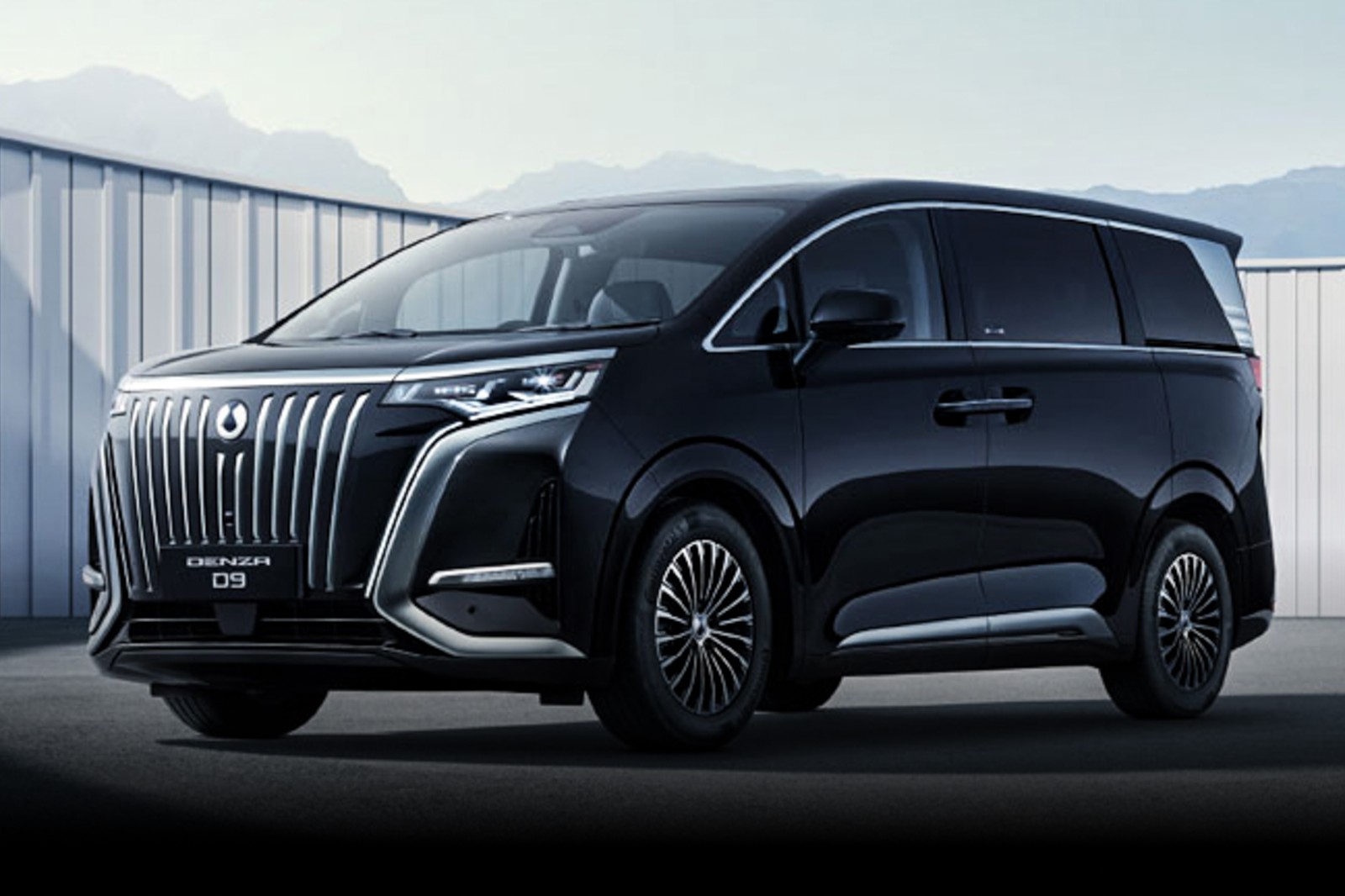
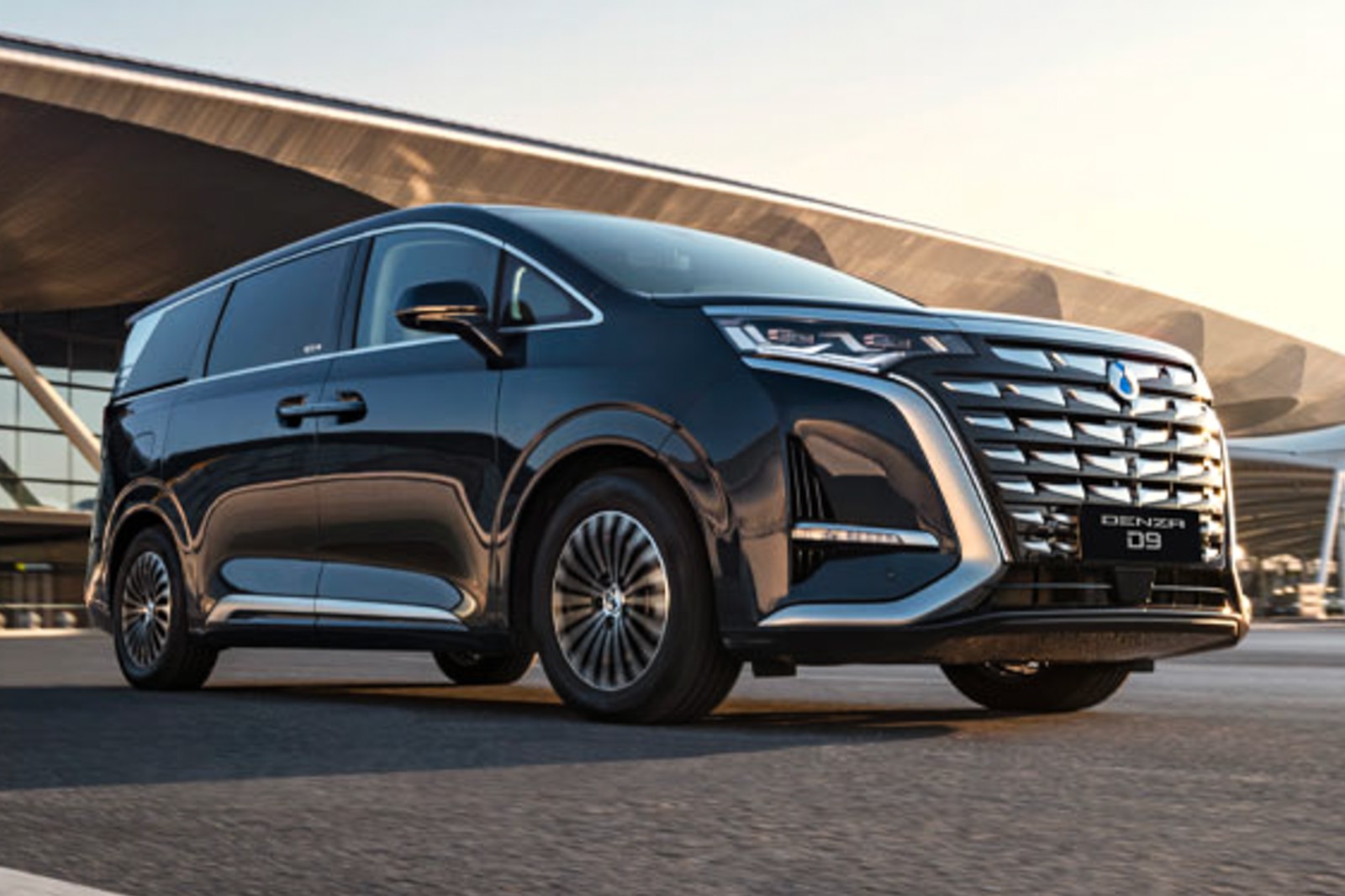
2025 Denza D9 Advanced FWD
No.9 in Best MPVPrice
RM 259,000
Select a Vehicle Variant
2025 Denza D9 Advanced FWD RM 259,000
Summary
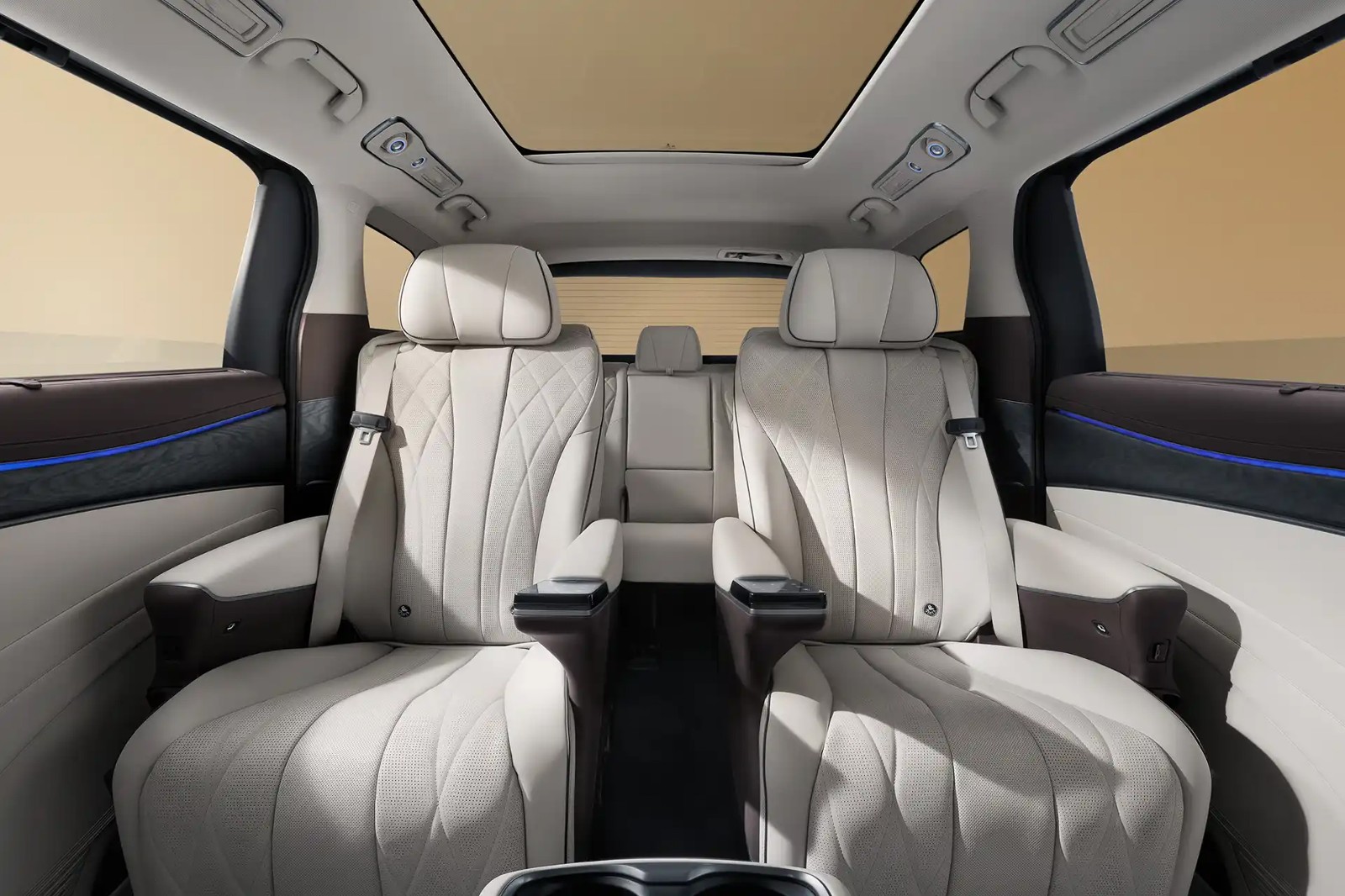
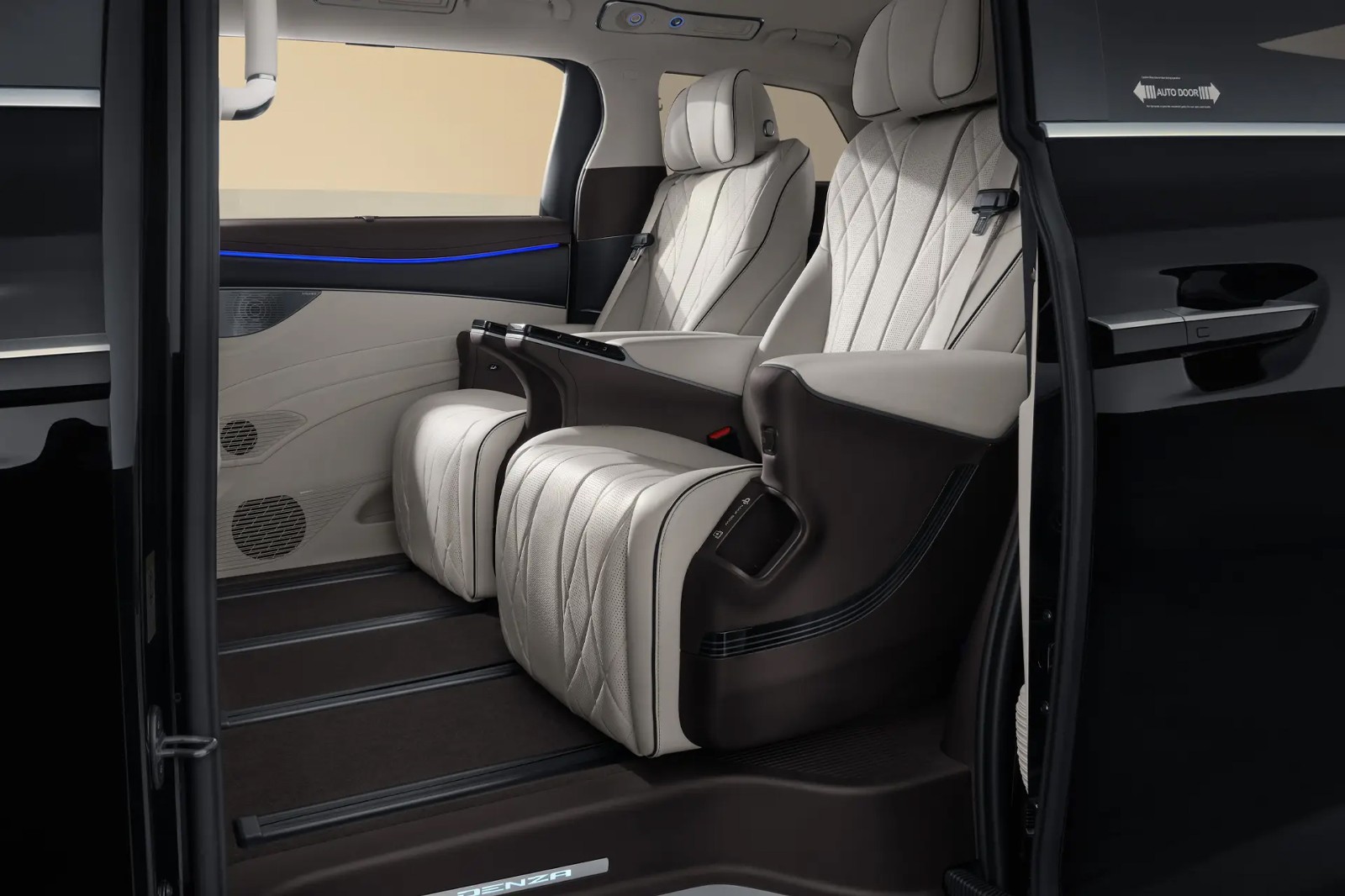
The 2025 Denza D9 Advanced FWD, which was launched in (2025-2-20, is a wallet-friendly D-Segment MPV from RM 259,000. It seats 7 with room to spare (5250/ 1960/ 1920mm). Zip through traffic or cruise at 9.5 km/h(s) effortlessly. Say goodbye to charging worries – its 600 km range covers most weekly drives.
Powered by a tough Lithium iron phosphate battery battery (103.6 kWh). Low on battery? Grab coffee while it fast-charges in 0.5 hours. Home charging overnight? Just - hours. Whether you’re commuting or exploring, this EV delivers space, tech, and peace of mind.
Powered by a tough Lithium iron phosphate battery battery (103.6 kWh). Low on battery? Grab coffee while it fast-charges in 0.5 hours. Home charging overnight? Just - hours. Whether you’re commuting or exploring, this EV delivers space, tech, and peace of mind.
Core Specs

Segment
D-Segment

EV Range(km)
600

Battery Type
Lithium iron phosphate battery

100 Kilometers(kWh)
9.5

Motor Arrangement
Front

Battery Capacity(kWh)
103.6

Seats
7

Length(mm)
5250

Width(mm)
1960

Height(mm)
1920

Wheelbase(mm)
3110

Boot Volume(L)
410
Other Variants

Price
RM 259,000
Body
5250×1960×1920
Motor Output(PS)
313
Motor Output(kW)
230
Battery Capacity
103.6
EV Range
600
Power Consumption
-
Related Q&A
View More >Q
perodua aruz how many seater
In the current Malaysian market, Toyota Vios pricing varies depending on the trim and specifications. The entry-level 1.5J manual transmission starts at around RM 89,600, while the top-spec 1.5G CVT version comes in closer to RM 95,500. Actual prices might fluctuate slightly due to dealer promotions or regional differences.
As Toyota's popular contender in the B-segment sedan category, the Vios has won over Malaysian buyers with its solid reliability and affordable maintenance costs. Under the hood, the 1.5-liter Dual VVT-i engine strikes a nice balance between fuel efficiency and peppy performance, making it ideal for city driving. Safety-wise, it's well-equipped with features like seven airbags and vehicle stability control, while higher trims add convenient touches such as smart keyless entry and touchscreen infotainment systems.
For buyers on a tighter budget, the used car market is worth exploring. A 3-year-old or newer Vios typically ranges from RM 60,000 to RM 75,000, depending on condition and mileage. When shopping around, it's wise to compare deals from different dealers and keep an eye out for extra perks like free service packages. It's also a good idea to check out rivals like the Honda City or Nissan Almera to ensure you're making the most well-rounded choice.
 ValeSep 23, 2025
Q
How long does it take to charge the Tesla Model X?
The charging time for the Tesla Model X depends on the charging equipment used and the battery capacity. When it comes to common charging methods in Malaysia, using a Tesla Supercharger V3 gets you from 20% to 80% in about 30 minutes, and a full charge takes roughly an hour. If you're using a home 240V power source, like the Wall Connector, you can expect to add around 40 kilometers of range per hour, with a full charge potentially taking 8 to 12 hours. The exact time can vary depending on the battery's condition and the ambient temperature.
Given Malaysia's hot climate, it's a good idea to charge your Model X in the shade to prevent the battery from overheating. That said, Tesla's built-in battery management system does a solid job of optimizing charging efficiency. Plus, you can keep an eye on the charging progress in real time using the mobile app.
It's worth noting that Malaysia's charging infrastructure is expanding rapidly. Beyond Tesla's dedicated Superchargers, some third-party charging stations are also compatible with Tesla models, though they might offer lower power outputs. For longer road trips, I'd recommend using the navigation system to plan routes that include Supercharger stops to keep things running efficiently.
 NedOct 15, 2025
Q
How to open the fuel cap of Volvo XC40 ?
To open the fuel filler cap on the Volvo XC40, first make sure the vehicle is unlocked. Then, locate the fuel door on the left rear fender. Give the outer edge of the fuel door a gentle press and it'll pop open automatically. After that, just twist the inner cap counterclockwise and you're ready to refuel.
One thing to note: some XC40 variants might come with the capless fuel filler design. With this setup, you can simply insert the fuel nozzle and it'll open automatically. Once you're done refueling, the system seals itself up—super convenient.
For Malaysian owners, the XC40's fuel tank is designed with our tropical climate in mind. It has good sealing to help prevent fuel evaporation effectively. On top of that, the XC40's fuel system incorporates several safety features, like an anti-overflow design and a misfueling prevention mechanism, to keep things safe even in unexpected situations.
If you run into any issues while doing this, it's best to check your owner's manual or get in touch with an authorized Volvo Malaysia service center. Their technicians will be able to give you professional support.
 MoonlitSerenadeOct 17, 2025
Q
When is the Release Date of Nissan Almera?
The latest Nissan Almera was launched in Malaysia in August 2020. This model is a Class B sedan specially developed by Nissan for the Southeast Asian market. It features the latest V - Motion family - style front - end design and is equipped with a 1.0 - liter turbocharged three - cylinder engine. The maximum output power reaches 100 horsepower, and it has excellent fuel consumption performance, making it highly suitable for the urban road conditions in Malaysia.
The main competitors of the Almera in the Malaysian market include the Honda City and the Toyota Vios. It performs well in terms of space comfort and technological configurations. For example, it is equipped with an 8 - inch touchscreen, a 360 - degree panoramic camera, and the Nissan Connect intelligent system.
The warranty policy of the Almera is also very appealing to Malaysian consumers. It offers a 5 - year unlimited - mileage warranty, which is quite sincere among models in the same class.
If you're considering buying an economical and practical family sedan, the Almera is worth considering. It is recommended that you visit a nearby Nissan dealership to test - drive the car and experience its performance in person.
 FayJul 29, 2025
Q
Is the Nissan Sunny a safe car?
As an economy car, the Nissan Sunny mainly meets the daily commuting needs in the Malaysian market. Its safety performance meets the mainstream standards of vehicles in this segment. The base model is equipped with passive safety features such as ABS+EBD and dual airbags, while the high - end version may add advanced functions like the vehicle stability system. However, it should be noted that its overall safety rating does not reach the top level of some models at the same price range. This is related to the product positioning of this model, which focuses more on fuel economy and cost control.
For Malaysian consumers, if they have higher requirements for safety performance, they can pay attention to new cars launched in recent years that are equipped with intelligent safety technologies such as pre - collision systems and lane - keeping. It is also recommended to check the latest ASEAN NCAP test reports before buying a car and actually experience the performance of safety functions like the active braking system of the vehicle. In addition, no matter what type of vehicle you drive, maintaining defensive driving habits and regularly checking key components such as tires and brakes are important steps to ensure driving safety.
 SabertoothAug 19, 2025
Q
How many people can fit in a Kia Optima?
As a mid - size sedan, the Kia Optima usually offers a 5 - seater configuration in the Malaysian market. The standard model is equipped with 2 seats in the front row and 3 seats in the rear row, which is suitable for family use or daily commuting. The interior space design focuses on comfort. There is relatively ample legroom in the rear row, but the floor bulge in the middle seat may affect the comfort of the fifth passenger, especially during long - distance drives.
It's worth noting that Malaysian consumers should pay attention to the specific year and version when making a purchase. Some high - end models may add more luxury features through optional packages, but the number of seats usually remains the same. In addition, competitors in the same class, such as the Toyota Camry or the Honda Accord, also adopt a similar 5 - seat layout. However, each vehicle has its own characteristics in interior space optimization. It is recommended to take a test drive and make a comparison in person before buying a car.
If you often need to carry more than 5 people, you may need to consider MPV or SUV models. These types of vehicles are more practical in Malaysia's tropical climate and diverse road conditions. In particular, 7 - seat models better meet the needs of large families.
In terms of safety, regardless of the number of passengers, all passengers should ensure that they fasten their seat belts, which is a legal requirement in Malaysia.
WildflowerMeadowLoverFeb 16, 2026Q
What are common problems with the 2017 M2?
The 2017 BMW M2, a high-performance compact coupe, has a solid fan base among Malaysian enthusiasts, but there are a few common quirks to keep an eye on. The S55 engine under the hood can run into elevated oil temperatures when pushed hard at high revs, especially something to watch if you're putting in long stints of spirited driving in Malaysia's sweltering heat—keep that cooling system in check. Some owners have mentioned a slight, occasional jerk from the dual-clutch transmission (DCT) when trundling along at low speeds; that's just the nature of these gearboxes, and regular software updates can usually smooth things out a bit.
Inside, the center console materials might start to creak ever so slightly after taking a beating from constant sun exposure—throwing a sunshade up when parked can help slow down plastic wear and tear. Also, if you've been hitting the track hard, it's a good idea to check the rear differential fluid afterward; that's standard maintenance for a high-performance rear-driver like this.
It's worth noting the M2's suspension is on the firm side. Sure, it delivers killer handling, but over some of Malaysia's rougher road surfaces, it can feel a bit too sporty for daily life—springing for the adaptive suspension option would definitely up the comfort factor for regular drives. The stock tires also tend to lose grip noticeably on wet roads, so you'll want to be extra careful during the rainy season. And let's not forget, as a performance car, the brakes will wear faster than your average sedan, especially if you're regularly giving it the beans.
Knowing these traits will help you get the most out of the driving experience while keeping on top of maintenance to keep your M2 in top shape.
 StormChaserOct 22, 2025
Q
How long can an Ativa battery last?
The battery life of the Perodua Ativa typically ranges from 2 to 3 years, depending on usage habits and environmental factors. Malaysia's hot and humid climate can accelerate battery aging, so it's advisable to regularly check the battery status to ensure optimal performance. Key factors affecting battery lifespan include frequent short trips (which prevent full charging), usage of electronic devices, and prolonged parking. Drivers can extend battery life by avoiding excessive use of electronics when the car is parked and taking regular long drives to help fully charge the battery. It's worth noting that most modern car batteries are maintenance-free, but you should still pay attention to the battery warning light or have it professionally tested. Difficulty starting the vehicle or dimmed lights may indicate the need for a replacement. For hybrid models, the high-voltage battery system is designed to last longer, but the 12V auxiliary battery still requires similar maintenance. It's recommended to follow the original maintenance schedule and have the battery inspected and replaced at authorized service centers to ensure the stable operation of the vehicle's electrical system and to benefit from the quality assurance of genuine parts.
 MoonlightNightCalmOct 30, 2025
Q
Is 700 RPM bad?
Whether a rotational speed of 700 RPM constitutes an abnormal state needs to be judged in combination with specific scenarios. For car engines, 700 RPM at idle falls within the normal range; most modern vehicle models are designed with an idle speed between 600 and 900 RPM, aiming to balance fuel economy and stability. Too low an idle speed may cause stalling, while too high an idle speed increases fuel consumption. However, if the engine maintains only 700 RPM during operation, accompanied by power loss or vibration, it may indicate faults in the ignition system, throttle carbon buildup, or sensors, requiring prompt inspection and repair. It is worth noting that engine performance is closely related to torque output. Peak torque typically occurs in the medium-low speed range (e.g., 2000 to 4000 RPM), whereas 700 RPM represents a low-load operating condition with limited torque output, making it unsuitable for rapid acceleration or climbing demands. Technically, RPM as a unit of rotational speed directly reflects the operating frequency of mechanical components. Over-revving (exceeding redline RPM) can cause engine damage, but low-RPM issues primarily concern combustion efficiency and mechanical wear. Vehicle owners are advised to perform regular maintenance, use compliant lubricants, and monitor real-time data via diagnostic tools to ensure proper engine operation.
 ShadowHunterJan 26, 2026
Q
How common is car seat asphyxiation?
Car seat suffocation is a critical issue in child passenger safety, primarily occurring when safety seats are improperly used or adult seat belts are employed. Statistics indicate that children not using safety seats face an 8-fold higher mortality rate in car accidents compared to those using them, with a 73% increased risk of neck injuries, whereas correctly installed rear-facing safety seats can reduce injury risk by 75%. Suffocation may result from multiple factors, including seat belt strangulation, airbag deployment, or oxygen deprivation in enclosed vehicle environments. Infants and toddlers are particularly vulnerable due to their fragile necks and underdeveloped respiratory systems. Parents are advised to strictly adhere to the four-key guideline "Rear, Secure, Tight, Finger": safety seats must be rear-seat installed, children under two years old should use rear-facing seats, ensure secure installation, and maintain a one-finger gap in the harness. Additionally, avoid placing safety seats in the front passenger seat or holding children, as collision forces can reach 300 kilograms, significantly increasing the risk of crushing and suffocation. Regularly inspecting vehicle ventilation systems and preventing prolonged window closure are also essential preventive measures. Standardized safety seat usage and heightened safety awareness can substantially mitigate such risks.
 HappyMillipedeFeb 12, 2026
Popular Cars
Model Year
Car Compare
Car Photo
Model List
DENZA D9 is a D-Segment MPV EV launched by DENZA. PCauto has cataloged various variants of this car produced from 2025 to 2025.You can compare differences in detail at the parameter table.
Among the 2 variants of DENZA D9, prices range from the affordable RM 259,000 to the most expensive RM 309,000.You can find different horsepower versions ranging from 313PS to 374PS.
DENZA D9 offers 275 Permanent Magnet Synchronous Motor, 230 Permanent Magnet Synchronous Motor Motor and 103.6kWh battery. Check the spec sheet for more details.
2 Models on Sale
2025