Reference Only. Update Soon
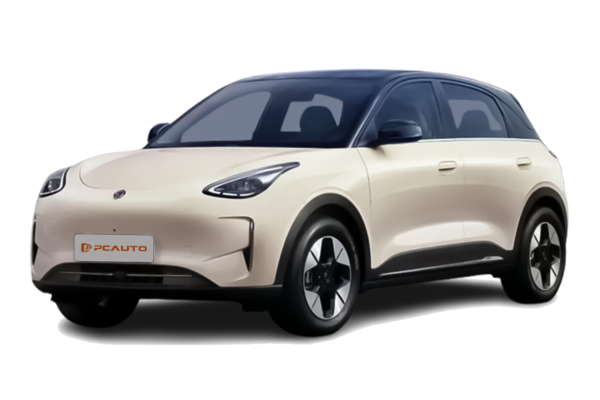
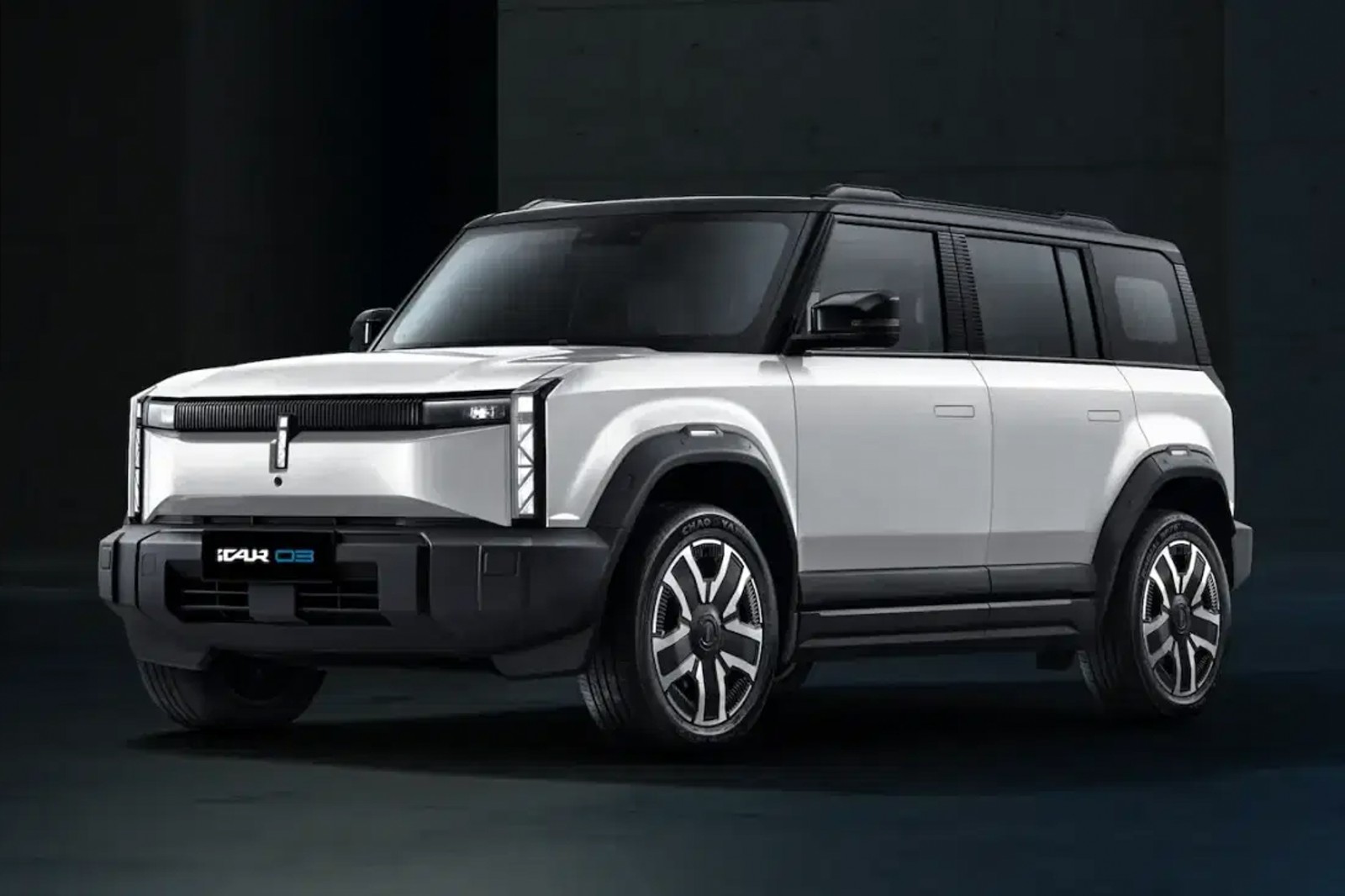
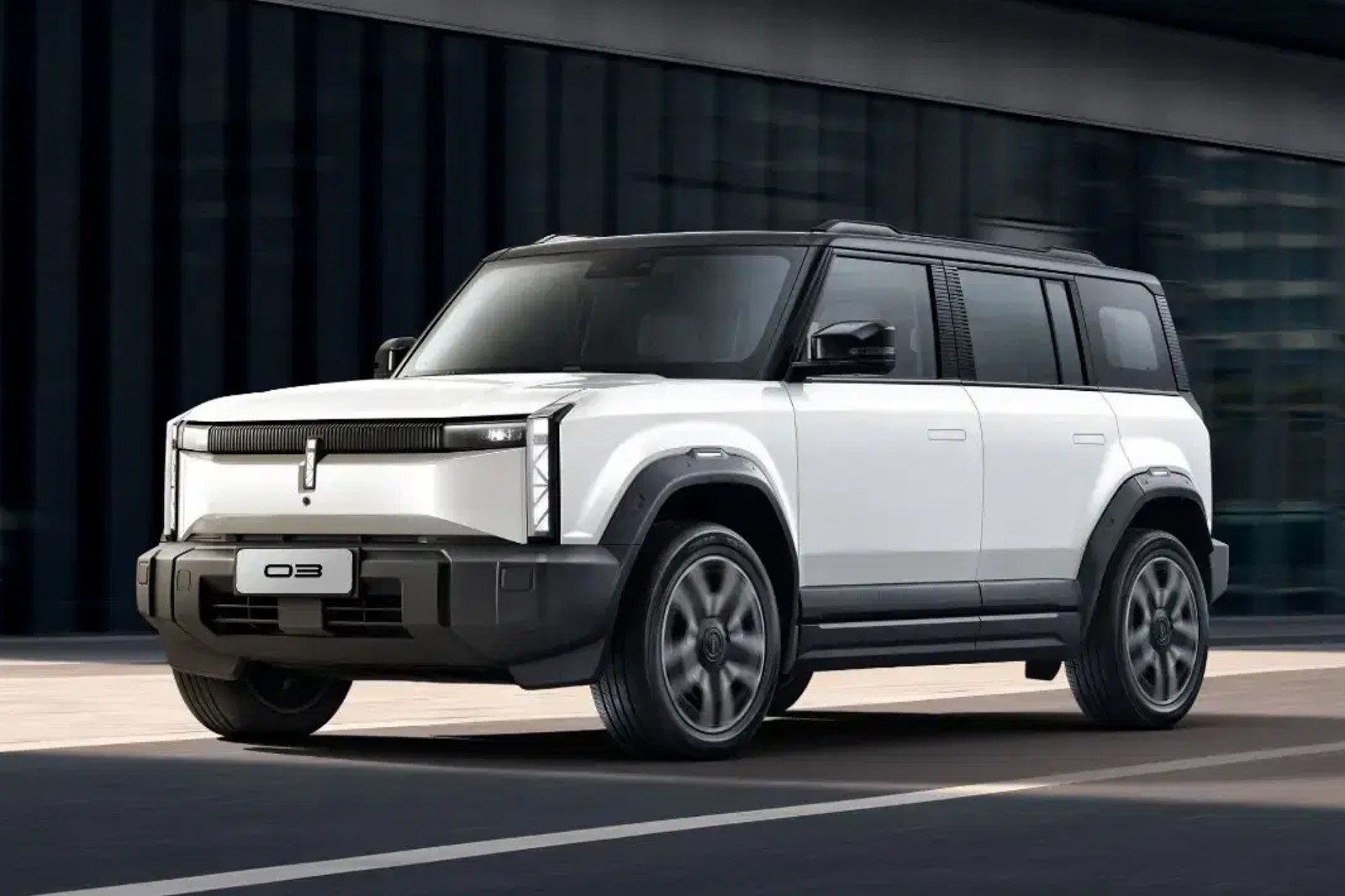
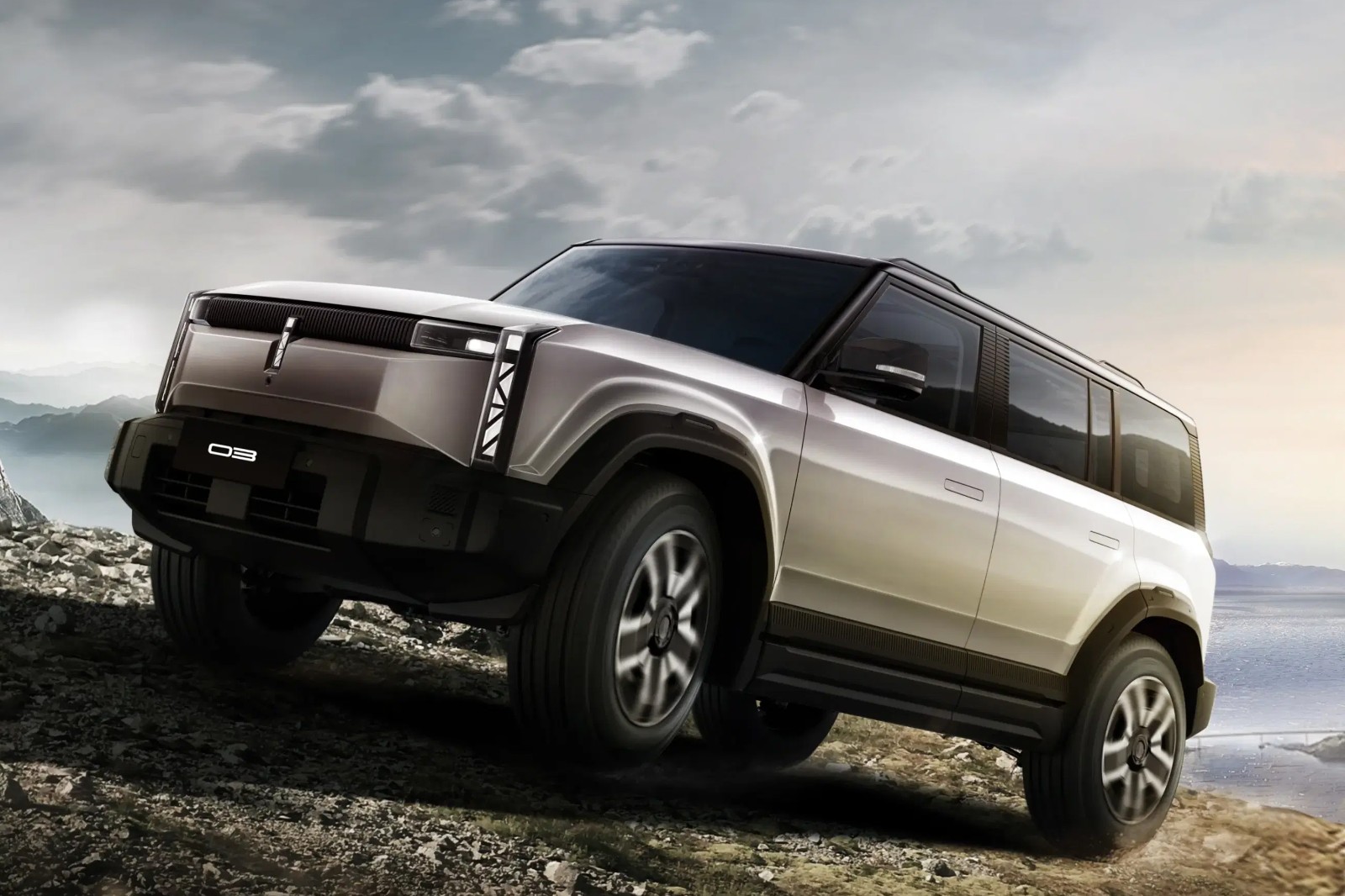
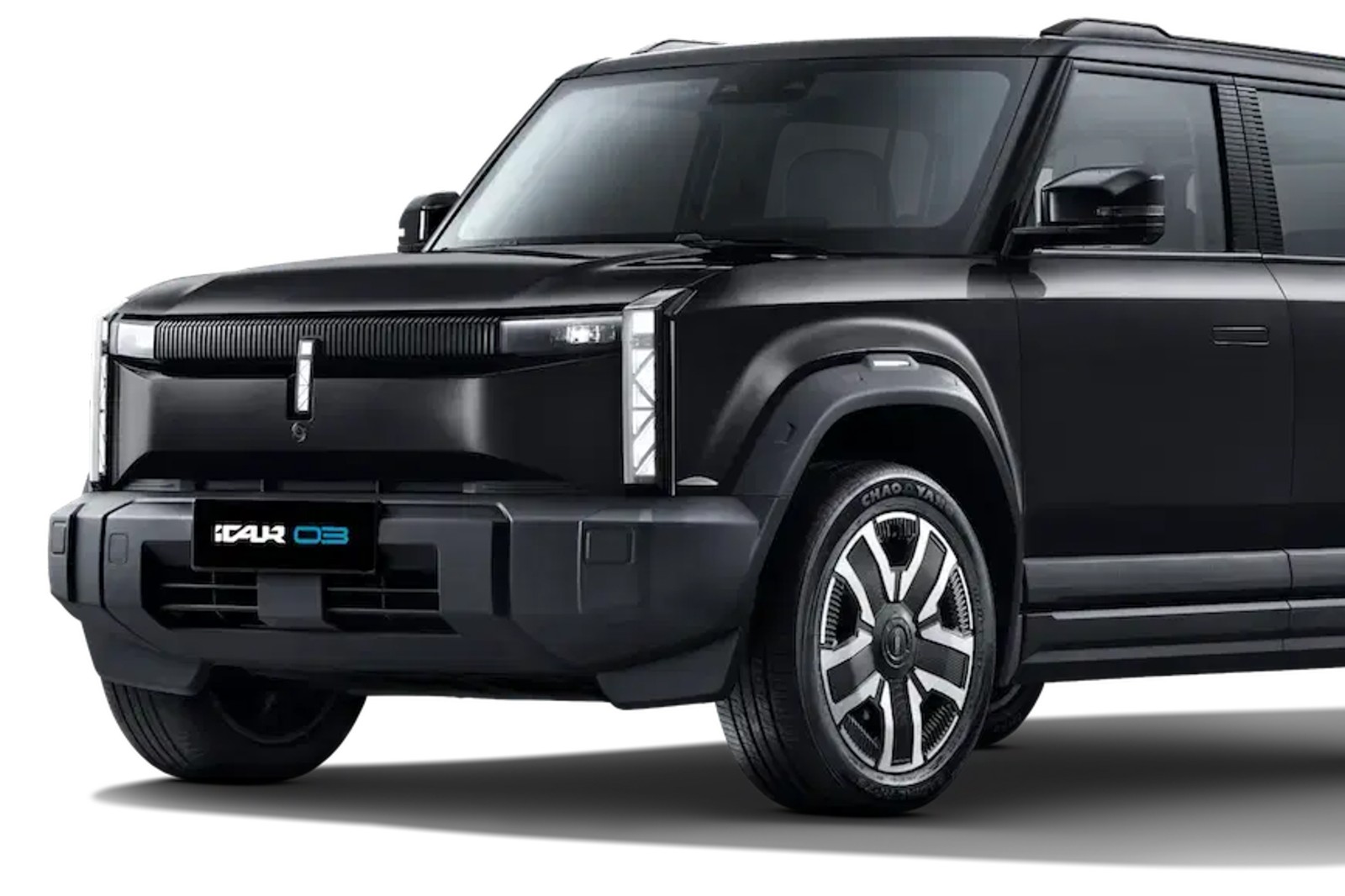
2025 iCaur 03 2WD EV
No.12 in Best SUVPrice
RM 119,800
Select a Vehicle Variant
2025 iCaur 03 iWD EV RM 129,800
Summary
The 2025 iCaur 03 2WD EV, which was launched in (2025-9-9, is a wallet-friendly C-Segment SUV from RM 119,800. It seats 5 with room to spare (4406/ 1910/ 1715mm). Zip through traffic or cruise at 10.5 km/h(s) effortlessly. Say goodbye to charging worries – its 426 km range covers most weekly drives.
Powered by a tough Lithium iron phosphate battery battery (65.7 kWh). Low on battery? Grab coffee while it fast-charges in 0.5 hours. Home charging overnight? Just - hours. Whether you’re commuting or exploring, this EV delivers space, tech, and peace of mind.
Powered by a tough Lithium iron phosphate battery battery (65.7 kWh). Low on battery? Grab coffee while it fast-charges in 0.5 hours. Home charging overnight? Just - hours. Whether you’re commuting or exploring, this EV delivers space, tech, and peace of mind.
Core Specs

Segment
C-Segment

EV Range(km)
426

Battery Type
Lithium iron phosphate battery

100 Kilometers(kWh)
10.5

Motor Arrangement
Front

Battery Capacity(kWh)
65.7

Seats
5

Length(mm)
4406

Width(mm)
1910

Height(mm)
1715

Wheelbase(mm)
2715

Boot Volume(L)
450-1238
Other Variants
Price
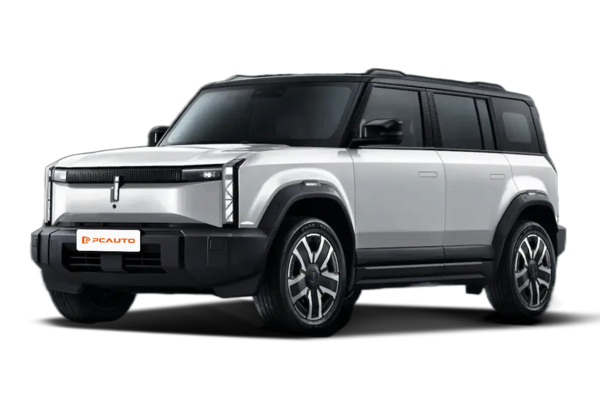
RM 119,800
Body
4406×1910×1715
Motor Output(PS)
184
Motor Output(kW)
135
Battery Capacity
65.7
EV Range
426
Power Consumption
-
Related Q&A
View More >Q
what engine does a honda civic type r have
The Perodua Bezza's pricing varies depending on the trim and specs you choose. Right now, in the Malaysian market, it starts at around RM34,580 and can go up to RM49,980. The exact figure depends on which version you pick—like the 1.0L Standard G or 1.3L Premium X—and whether extras like insurance and road tax are included.
As Perodua's popular entry-level sedan, the Bezza has built a reputation for being easy on the wallet, sipping fuel, and offering solid practicality. It's a great fit for budget-conscious families or first-time car buyers. Under the hood, you'll find either a 1.0L or 1.3L engine, paired with Eco Idle fuel-saving tech, so it's pretty efficient at the pumps. Plus, there's a decent-sized boot, making it handy for daily commutes or longer road trips.
Safety-wise, the Bezza comes with the basics: ABS, EBD, and dual airbags. Step up to some of the higher trims, and you'll get added peace of mind with Vehicle Stability Control (VSC) and Traction Control (TRC).
If you're in the market for a small car that gives you good bang for your buck and won't guzzle petrol, the Perodua Bezza is definitely worth a look. Head down to your nearest Perodua showroom for a test drive and to check out any ongoing promotions—you might be pleasantly surprised.
 CascadingWaterfallFlowSep 24, 2025
Q
How to open the fuel cap of Volvo XC40 ?
To open the fuel filler cap on the Volvo XC40, first make sure the vehicle is unlocked. Then, locate the fuel door on the left rear fender. Give the outer edge of the fuel door a gentle press and it'll pop open automatically. After that, just twist the inner cap counterclockwise and you're ready to refuel.
One thing to note: some XC40 variants might come with the capless fuel filler design. With this setup, you can simply insert the fuel nozzle and it'll open automatically. Once you're done refueling, the system seals itself up—super convenient.
For Malaysian owners, the XC40's fuel tank is designed with our tropical climate in mind. It has good sealing to help prevent fuel evaporation effectively. On top of that, the XC40's fuel system incorporates several safety features, like an anti-overflow design and a misfueling prevention mechanism, to keep things safe even in unexpected situations.
If you run into any issues while doing this, it's best to check your owner's manual or get in touch with an authorized Volvo Malaysia service center. Their technicians will be able to give you professional support.
 MoonlitSerenadeOct 17, 2025
Q
What is the top speed of a Proton Saga?
The maximum speeds of Proton Saga models vary across different years and versions. The 2018 Proton Saga 1.3 Standard MT has a maximum speed of 160 km/h, while the 2018 Proton Saga 1.3 Standard CVT, Executive CVT, and Premium CVT all have a maximum speed of 155 km/h. Information regarding the maximum speed is not mentioned in the data of models from 2019 - 2023. These figures are the officially announced theoretical maximum speeds. In actual driving, it's quite difficult to reach these speeds due to various limiting factors such as road conditions, vehicle load, driving habits, and traffic regulations.
 NaturezaJul 28, 2025
Q
What is the electric range of the XC40 2024?
According to official data, the 2024 Volvo XC40 Recharge has an electric driving range of approximately 440 kilometers under the WLTP test standard. This performance can meet the daily commuting and weekend short - distance travel needs of users in Malaysia. For the approximately 350 - kilometer journey from Kuala Lumpur to Penang, you only need to recharge the vehicle once on the way.
The XC40 Recharge is equipped with a 78 - kWh battery pack and a front - wheel - drive single motor. In fast - charging mode, it can be charged to 80% in 30 minutes. It takes about 1 hour to replenish the energy using the mainstream 50 - kW DC charging piles in Malaysia. It's worth noting that the tropical climate has a relatively small impact on the electric vehicle's range because Volvo's battery management system has an intelligent temperature control function, which can effectively handle the high - temperature environment in Malaysia. Among luxury electric SUVs in the same class, such as the Mercedes - Benz EQA and the Lexus UX300e, their ranges are between approximately 400 - 450 kilometers, and the XC40 is at the mainstream level.
It is recommended that Malaysian car owners give priority to the version with the battery pre - cooling function when making a purchase. This is very helpful for extending the battery life. At the same time, they can make good use of the electric vehicle tax - exemption policy provided by the Malaysian government to reduce the vehicle purchase cost.
 JopSep 12, 2025
Q
What colors did the 2019 720S come in?
The 2019 McLaren 720S arrived in the Malaysian market boasting a range of classic and highly personalized color options, split between standard hues and exclusive customized finishes. The standard palette highlights McLaren staples like **Volcano Yellow**, **Senna Grey**, **Lantana Purple**, and **Onyx Black**. For those seeking something truly one-of-a-kind, McLaren Special Operations (MSO) opened the door to bespoke color choices – think head-turners like **Amethyst Black** or **Belize Blue** – tailored to satisfy the desires of discerning owners who crave a truly unique aesthetic.
As a high-performance supercar, the 720S’s color isn’t just about looks; it plays with the car’s striking lines, especially when paired with special paint techniques like metallic or matte finishes that enhance depth and dimension. Given Malaysia’s hot and humid, rain-prone climate, it’s wise for owners to opt for paint finishes with good weather resistance and to stick to regular maintenance routines to keep that showroom shine intact.
What’s more, McLaren’s color names often nod to the brand’s rich heritage and motorsport legends. Take **Senna Grey**, for example – a clear tribute to the incomparable Ayrton Senna. These little touches don’t just add character; they elevate the car’s collectibility and cultural significance.
 InventorMindInventionOct 21, 2025
Q
How much horsepower does a 2018 GLC 63 AMG have?
The 2018 Mercedes-AMG GLC 63 packs a 4.0-liter twin-turbo V8 under the hood. The standard version cranks out 476 horsepower, while the even more potent GLC 63 S ups the ante to a whopping 510 horsepower. Both models come hooked up with the AMG Speedshift MCT 9-speed sport transmission, delivering blistering acceleration and an exhilarating drive – 0-100 km/h comes up in 3.9 seconds and 3.7 seconds respectively. This one's a no-brainer for Malaysian drivers who crave a high-performance SUV.
What really sets AMGs apart, though, is that iconic exhaust note and pin-sharp handling – and the GLC 63 lineup doesn't disappoint. Throw in the AMG RIDE CONTROL sport suspension and 4MATIC+ all-wheel drive system, and you've got a SUV that stays planted and composed, no matter the road conditions. Whether you're navigating city streets or cruising the highway, it handles everything with total ease.
For the Malaysian market, this isn't just a daily driver – it's ready to tackle a track day when the mood strikes. It's the perfect blend of practicality, luxury, and raw performance.
 CrystalFangOct 24, 2025
Q
How much horsepower does the 2022 GLC 300 4MATIC have?
The 2022 Mercedes-Benz GLC 300 4MATIC is powered by a 2.0-liter four-cylinder turbocharged engine, churning out 255 horsepower and a peak torque of 370 Nm. Paired with a 9-speed automatic transmission and the 4MATIC all-wheel-drive system, it delivers impressive performance and driving stability, making it perfect for Malaysia's diverse road conditions—effortlessly handling both city commutes and long journeys. The engine tuning prioritizes smoothness and responsiveness, with the turbocharger ensuring plenty of torque at low revs, enhancing everyday driving convenience. For Malaysian consumers, the GLC 300 4MATIC isn't just about the premium badge; it balances practicality with performance. Plus, Mercedes' 4MATIC system offers better grip on slippery or rainy roads, boosting safety. If you're craving more performance, the AMG variants like the GLC 43 or GLC 63 with their more powerful engines are worth considering, but the GLC 300 4MATIC already ticks most boxes for daily use, standing out as a well-rounded luxury SUV choice.
 KaiNov 10, 2025
Q
Is the 2019 GLE comfortable on long drives?
The 2019 GLE delivers impressive comfort on long drives, largely thanks to its finely tuned suspension and spacious interior. It comes with the AIRMATIC air suspension, which does a great job soaking up road bumps for a smooth ride—perfect for the mixed road conditions we often get around here. The seats are wrapped in high-quality leather, offering excellent support and bolstering so you don't get tired even after hours behind the wheel. The driver's seat has multi-way power adjustment and memory functions, making it easy to find your ideal driving position. Noise control inside is top-notch too; the double-layer soundproof glass and quality sound insulation materials keep wind and tire noise really low at highway speeds. Plus, the GLE's long wheelbase means plenty of legroom in the back, and the trunk is huge—super practical for family road trips. It's worth noting that luxury SUVs like this usually prioritize long-distance comfort, so when shopping, besides checking out the suspension and seats, keep an eye out for comfort features like ventilated or massaging seats. Those can seriously up your long-driving game.
 DancerMoveNov 18, 2025
Q
How reliable is the 2024 BMW X3?
The 2024 BMW X3 delivers solid reliability, staying true to BMW’s well-built engineering legacy. Its proven B48 2.0T turbocharged engine pairs seamlessly with the 8-speed Steptronic transmission, offering smooth power delivery and noticeably improved fuel efficiency. The electronics have also seen multiple updates for better stability.
Built on the high-strength CLAR platform, the X3 comes standard with active safety features like lane-keeping assist and automatic emergency braking, making it a trustworthy choice for safety. That said, maintenance costs run slightly higher than some rivals, and certain advanced driver-assist functions require extra subscriptions. If you plan to keep it long-term, consider BMW’s certified extended warranty.
In its class, the X3 stands out with sharp handling and premium interior finishes—though if cabin space is a priority, it’s worth cross-shopping other German or Japanese midsize SUVs. Bottom line? Stick to the factory service schedule, and this SUV should deliver dependable performance for years.
 HappyHorseNov 26, 2025
Q
What is the difference between ABS and AEB?
ABS (Anti-lock Braking System) and AEB (Autonomous Emergency Braking) are two automotive safety technologies with distinct functional orientations. The core function of ABS is to prevent wheels from locking up completely by modulating braking force at high frequency during emergency braking, maintaining tire rotation to enhance directional control. For instance, it prevents loss of vehicle control on slippery roads during sudden braking, but the system only activates when the driver actively depresses the brake pedal.
AEB, conversely, is an active safety system that employs sensors such as radars and cameras to monitor obstacles ahead in real time. When the system detects a collision risk and the driver fails to respond promptly, it automatically initiates emergency braking and can even achieve a complete stop. Its technical complexity is greater, requiring integration of environmental perception, ECU decision-making and braking execution modules. Some advanced systems can additionally identify pedestrians or cyclists.
From an application perspective, ABS constitutes a passive safety technology that optimizes the braking process, whereas AEB actively prevents collisions, frequently interfacing with functions like adaptive cruise control, and serves as a fundamental component of autonomous driving technology. While both enhance driving safety, AEB demonstrates superior capabilities in accident prevention and automation. Currently, ABS is standard equipment, while AEB remains in the adoption phase due to higher costs.
 RubyFeb 17, 2026
Popular Cars
Model Year
Car Compare
Car Photo
Model List
iCaur 03 is a C-Segment SUV EV launched by iCaur. PCauto has cataloged various variants of this car produced from 2025 to 2025.You can compare differences in detail at the parameter table.
Among the 2 variants of iCaur 03, prices range from the affordable RM 119,800 to the most expensive RM 129,800.You can find different horsepower versions ranging from 184PS to 279PS.
iCaur 03 offers 135 Permanent Magnet Synchronous Motor, 205 Permanent Magnet Synchronous Motor Motor and 65.7kWh, 69.8kWh battery. Check the spec sheet for more details.
2 Models on Sale
2025